Iran–Israel War – Causes, Nuclear Trigger & Regional Impact | UPSC GS 2

Core Thesis

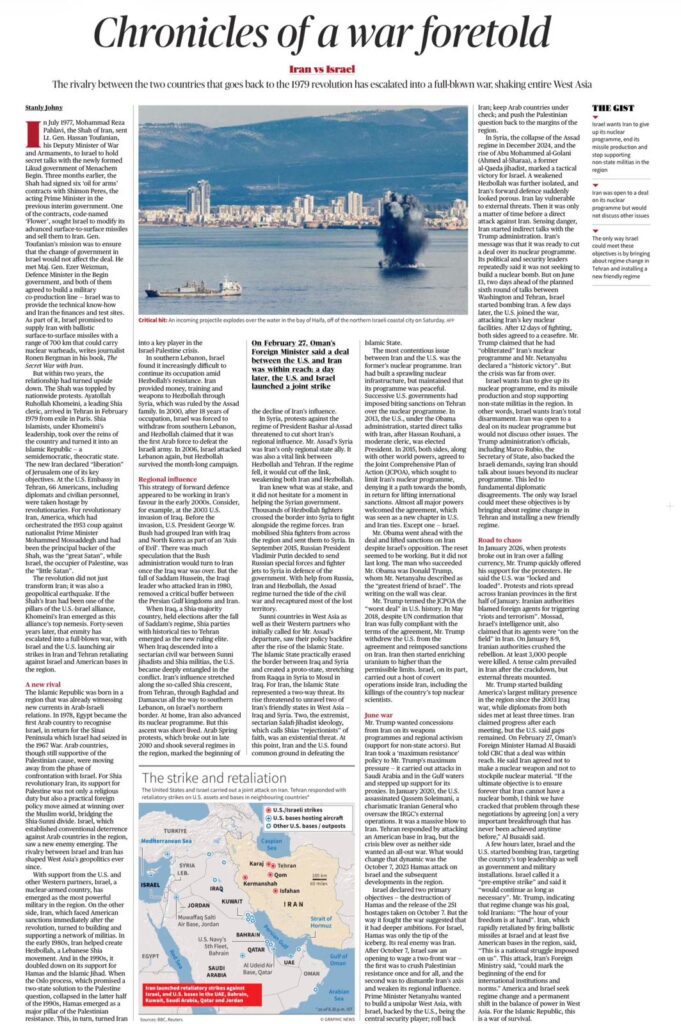
The Iran–Israel war is not sudden. It is the culmination of decades of ideological hostility, proxy conflict, failed nuclear diplomacy and recent regional destabilisation.

Historical Evolution

  • Pre-1979: Iran (Shah era) had working ties with Israel and the U.S.
  • 1979 Islamic Revolution: Iran became ideologically anti-Israel and anti-U.S.
  • Israel began treating Iran as a long-term existential threat.

Proxy War Phase

For decades, confrontation remained indirect:

Iran:

  • Built regional network (Hezbollah, Hamas, allied militias)
  • Used proxies to pressure Israel

Israel:

  • Airstrikes in Syria
  • Targeted Iranian assets
  • Prevented Iranian entrenchment near borders

Nuclear Trigger

  • Iran expanded uranium enrichment
  • 2015 nuclear deal collapsed after U.S. withdrawal
  • Israel considers nuclear-capable Iran unacceptable

Immediate Escalation (2025–26)

  • Gaza war reshaped Israeli security thinking
  • Syrian instability exposed Iranian networks
  • Oman mediation failed
  • Israel launched pre-emptive strikes
  • Iran retaliated with direct missile attacks

Shift: Proxy war → Open confrontation

Strategic Objectives

Israel:

  • Degrade nuclear capability
  • Dismantle militia infrastructure
  • Restore deterrence

Iran:

  • Preserve regime
  • Maintain regional influence
  • Avoid strategic humiliation

Wider Implications

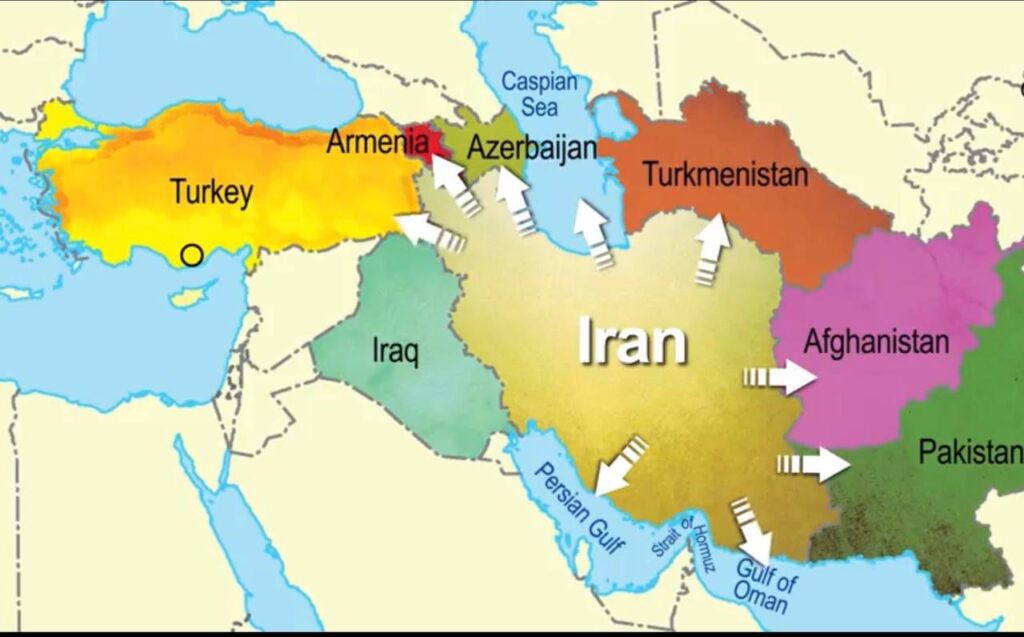
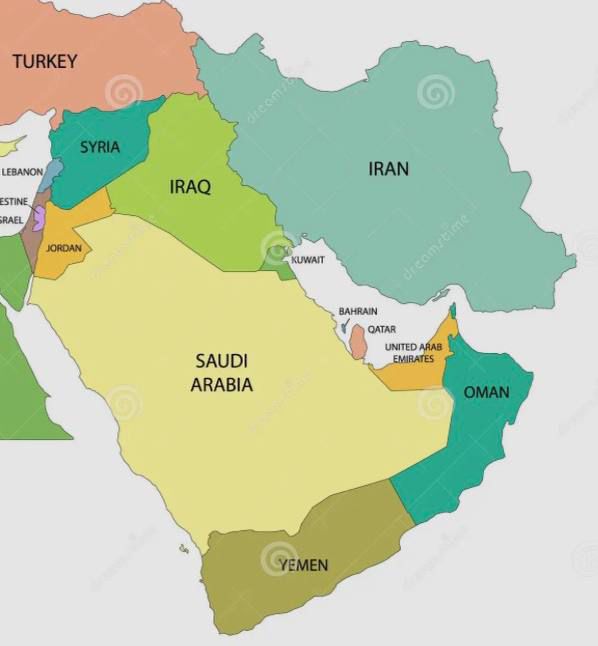
  • Strait of Hormuz risk
  • U.S. involvement deepening
  • Gulf states cautious
  • Long-term regional instability
About the UPSC Civil Services Examination (UPSC CSE)

The UPSC Civil Services Examination (CSE) is one of the most competitive and esteemed examinations in India, conducted by the Union Public Service Commission to recruit officers for services such as the Indian Administrative Service (IAS), Indian Police Service (IPS), Indian Foreign Service (IFS), and others. The exam comprises three stages — Prelims, Mains, and the Personality Test (Interview) — designed to test a candidate’s knowledge, aptitude, decision-making, and leadership skills.


How to Prepare Effectively for UPSC CSE

Cracking the UPSC CSE requires a deep understanding of the syllabus, consistent revision, structured answer writing, and smart test-taking strategies. The Prelims test analytical and conceptual clarity, the Mains focuses on critical thinking, articulation, and subject mastery, while the Interview assesses presence of mind, ethical judgment, and personality traits relevant to public service.

At UnderStand UPSC, we empower aspirants with a personalized and focused approach to each stage of the exam.


Why Choose UnderStand UPSC?

UnderStand UPSC is a mentorship-driven platform offering a clear, clutter-free strategy to tackle the Civil Services Examination. Our programs like Transform (for beginners and intermediate learners) and Conquer (for advanced mains preparation) provide structured study plans, syllabus-wise video content, interactive live sessions, and answer writing support.

We emphasize:

  • Concept clarity through topic-wise lectures

  • Test series designed around real UPSC standards

  • Personalized mentorship in small groups

  • Regular performance tracking and peer benchmarking

  • Doubt-clearing sessions, current affairs analysis, and monthly magazines


Join the UnderStand UPSC Learning Community

Our mission is to make UPSC preparation less overwhelming and more strategic. We combine mentorship, discipline, and academic rigor to help you clear CSE with confidence. Whether you’re preparing from Delhi, Mumbai, Bangalore, or a remote village — our online-first model ensures quality guidance reaches every corner of India.

Join the thousands of aspirants who trust UnderStand UPSC to guide their journey toward becoming civil servants.

Stay connected with us through our Telegram, YouTube, and Instagram channels for daily tips, strategies, and updates.

Copyright © 2026 USARAMBHA EDUCATION (UnderStand UPSC). All Rights Reserved.

Join the Success Journey!