Context
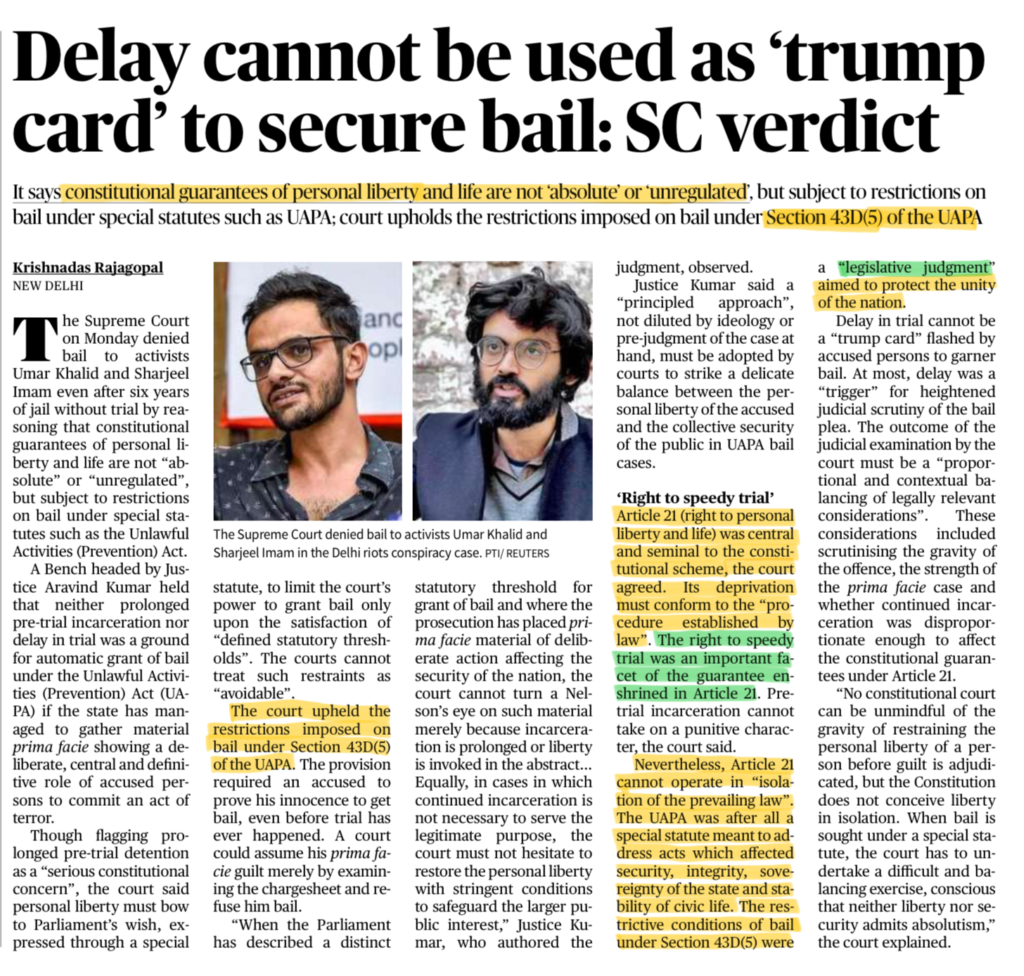
- The Supreme Court denied bail to Umar Khalid and Sharjeel Imam in the Delhi riots “larger conspiracy” case under the Unlawful Activities (Prevention) Act, 1967 (UAPA).
- The Court ruled that delay in trial or long incarceration cannot be used as a “trump card” for bail in serious UAPA cases.
Key UAPA Provisions Highlighted
Section 15 (1) (a) (Terrorist Act)
- A terrorist act is not limited to the final act of violence.
- It includes the entire chain of conspiratorial activities, even without direct violence.
- The phrase “by any other means” widens the scope beyond conventional weapons.
Section 43D(5) (Bail Restriction)
- Bail can be denied if prima facie case exists based on chargesheet material.
- Court cannot conduct a detailed trial-like examination at the bail stage.
Why Supreme Court Denied Bail
- Prima facie material showed alleged deliberate and central role in conspiracy affecting security and integrity of the nation.
- UAPA is a special statute; Parliament intentionally imposed stricter bail conditions.
- Courts must balance personal liberty vs collective security.
- Delay in trial triggers stricter scrutiny, but does not automatically justify bail.
Article 21 & Right to Speedy Trial
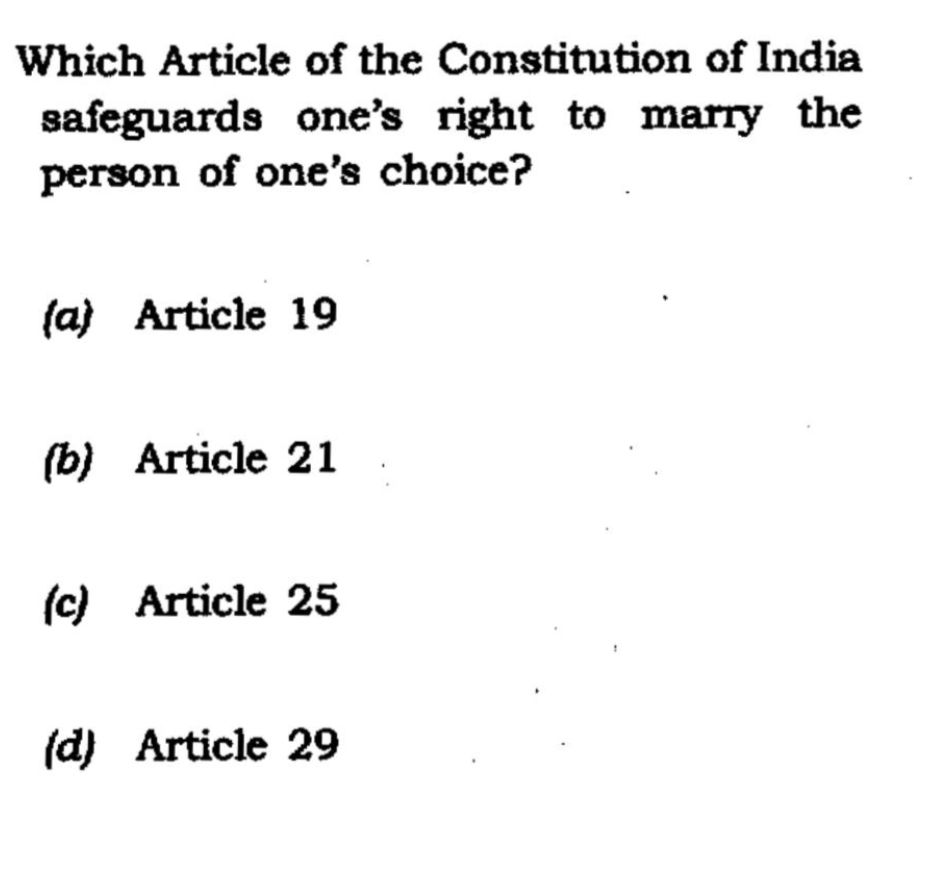
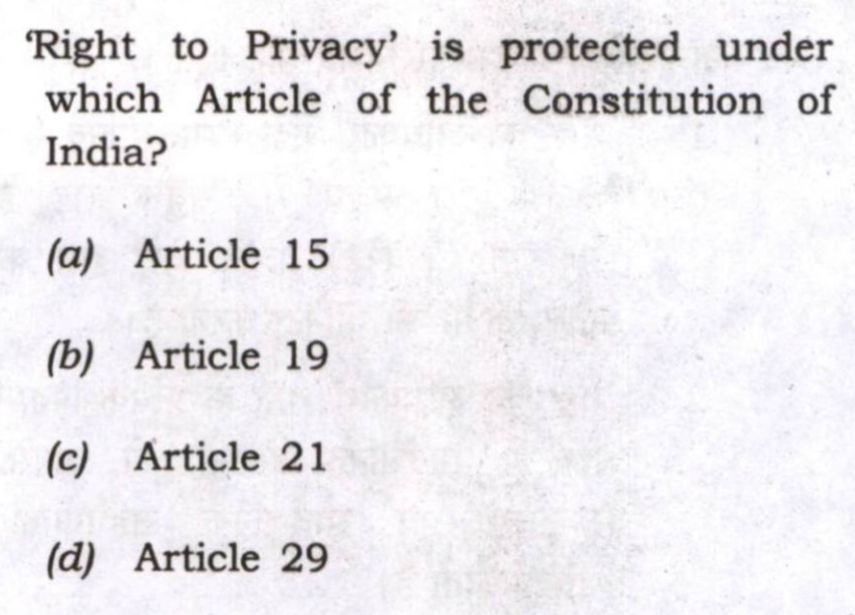
- Article 21 guarantees life and personal liberty, including right to speedy trial.
However:
- This right cannot operate in isolation of special laws like UAPA.
- Continued incarceration is permissible if proportionate, contextual, and justified by gravity of offence and national security concerns.