22 April 2026 | Daily Current Affairs

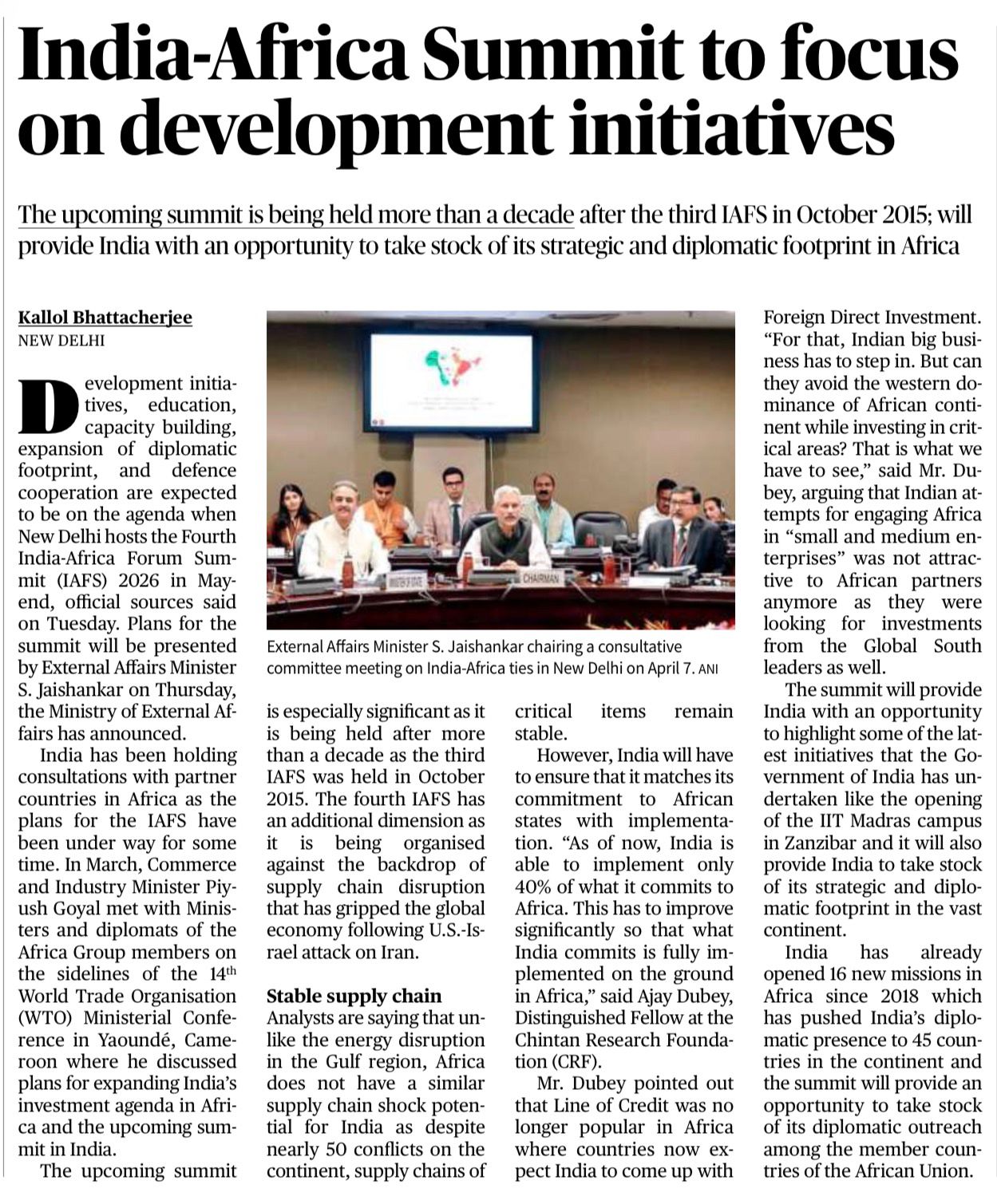
India Africa Partnership: Trade, Strategic Cooperation and Challenges

1. Context: India Africa Partnership

  • India is seeking to re-energise its partnership with Africa in a changing geopolitical environment where competition and strategic interests in the continent are rising.
  • The relationship is increasingly important for economic security, global influence, and South–South cooperation, but needs stronger execution and continuity.
India Africa Partnership

2. Trade & Economic Engagement

  • Bilateral trade: Over $100 billion (2024–25), making Africa a major economic partner.
  • Nature of trade:
    • India imports crude oil, minerals, and critical resources
    • Exports pharmaceuticals, machinery, vehicles, and consumer goods
  • India is also a significant investor, especially in infrastructure, energy, and capacity-building sectors.
  • Shift visible from resource-based trade → diversified, value-added engagement.

3. Key Pillars of Cooperation

  • Development Partnership: Lines of credit, grants, skill development, education, healthcare
  • Strategic Cooperation: Maritime security, Indian Ocean, peacekeeping
  • Technology & Digital: Expansion of digital public infrastructure and services

4. Challenges

  • Lack of sustained high-level engagement (e.g., irregular summits)
  • Strong competition from China
  • Delays in project implementation affecting credibility

5. Core Insight

  • India–Africa ties are at a transition point: from development assistance to a strategic, economic partnership, requiring greater scale, speed, and consistency to remain competitive.

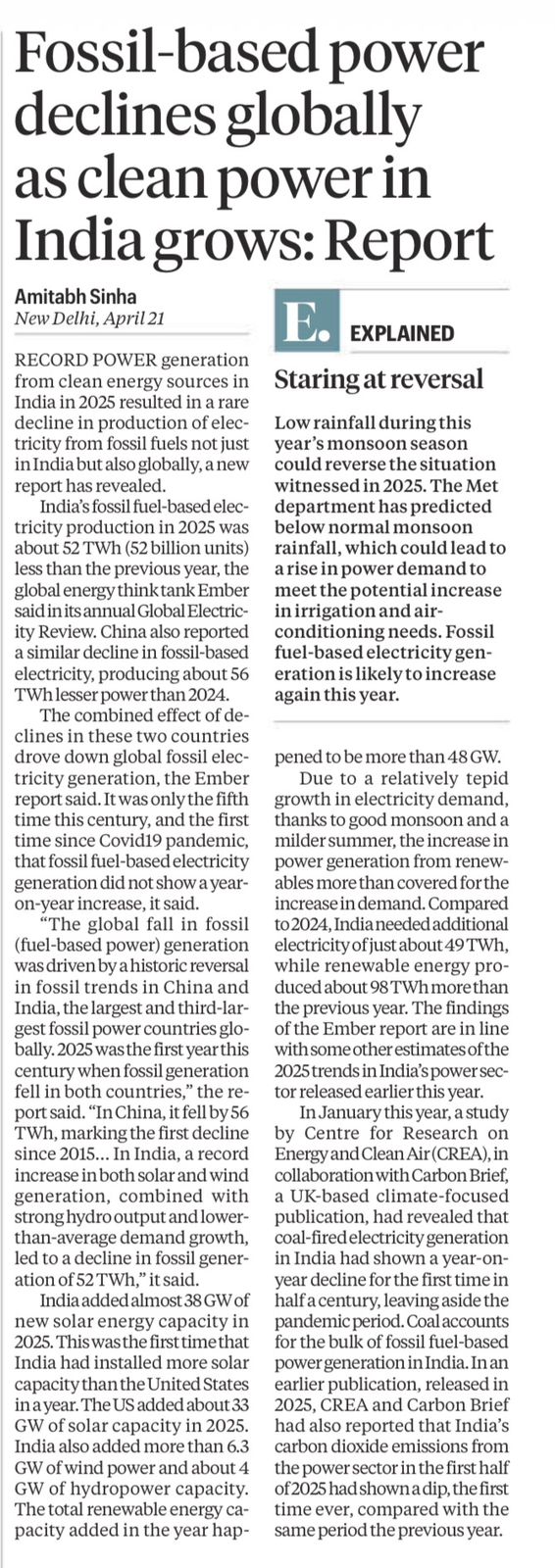
Fossil Fuel Power Generation: Global Decline and India’s Energy Transition

1. Context: Fossil Fuel Power Generation

  • The global energy system is undergoing a gradual transition away from fossil fuels, but the shift remains uneven and fragile.
  • While renewables are expanding rapidly, coal continues to dominate electricity generation, especially in countries like India.
Fossil Fuel Power Generation
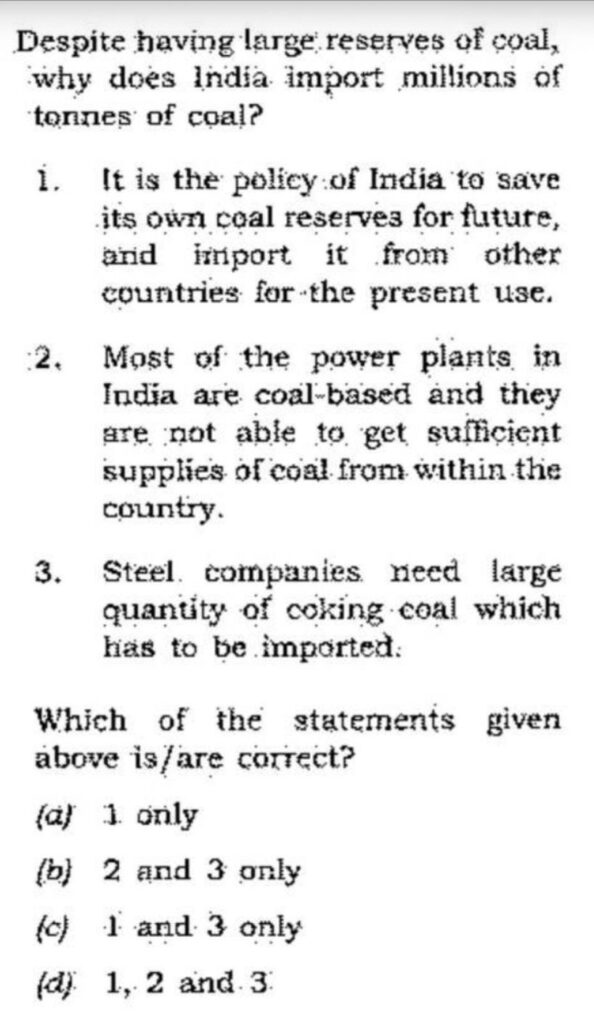
PYQ – 2012, Ans – B

2. Key Insights

  • In 2025, fossil fuel-based electricity generation saw a rare decline, with India contributing a reduction of about 52 TWh due to strong renewable growth.
  • Globally, fossil electricity generation declined marginally (~0.2%), indicating a possible but not yet stable turning point.
  • Renewable energy growth in some periods has matched or exceeded electricity demand growth, reducing reliance on fossil fuels.
  • However, this trend is reversible due to rising demand, weather dependence, and continued coal usage.

3. India’s Dependence on Fossil Fuels

  • Installed Capacity (2026):
    • Non-fossil: ~52% | Fossil: ~48%
  • Actual Electricity Generation:
    • Fossil fuels: ~70–75%
    • Coal alone: ~70%+ (dominant source)
  • Key takeaway:
    • Capacity transition has begun, but generation remains coal-dependent, highlighting a slow and structural energy transition.

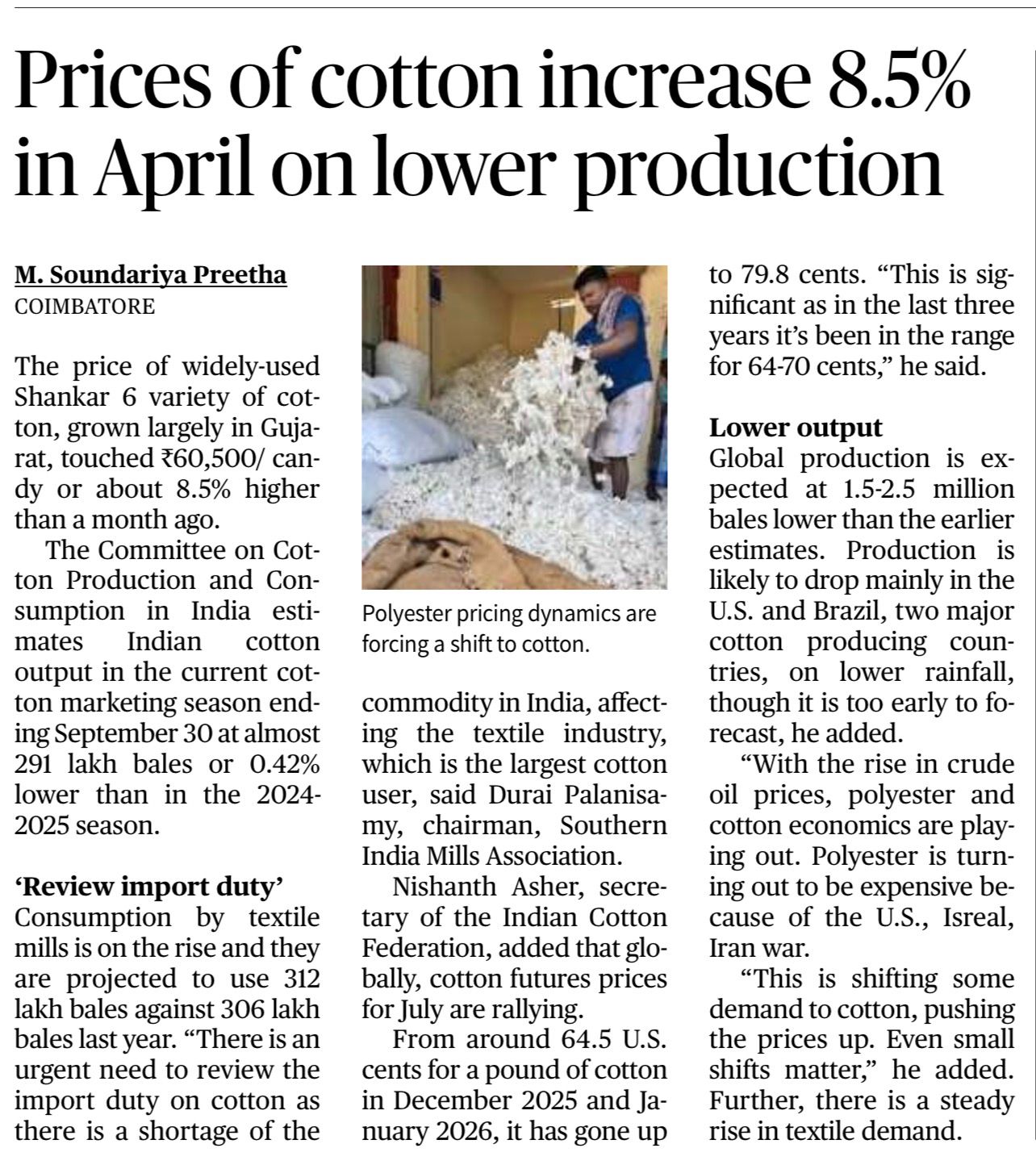
Cotton Sector Challenges in India: Productivity, Pest Issues and Trends

1. Context: Cotton Sector Challenges

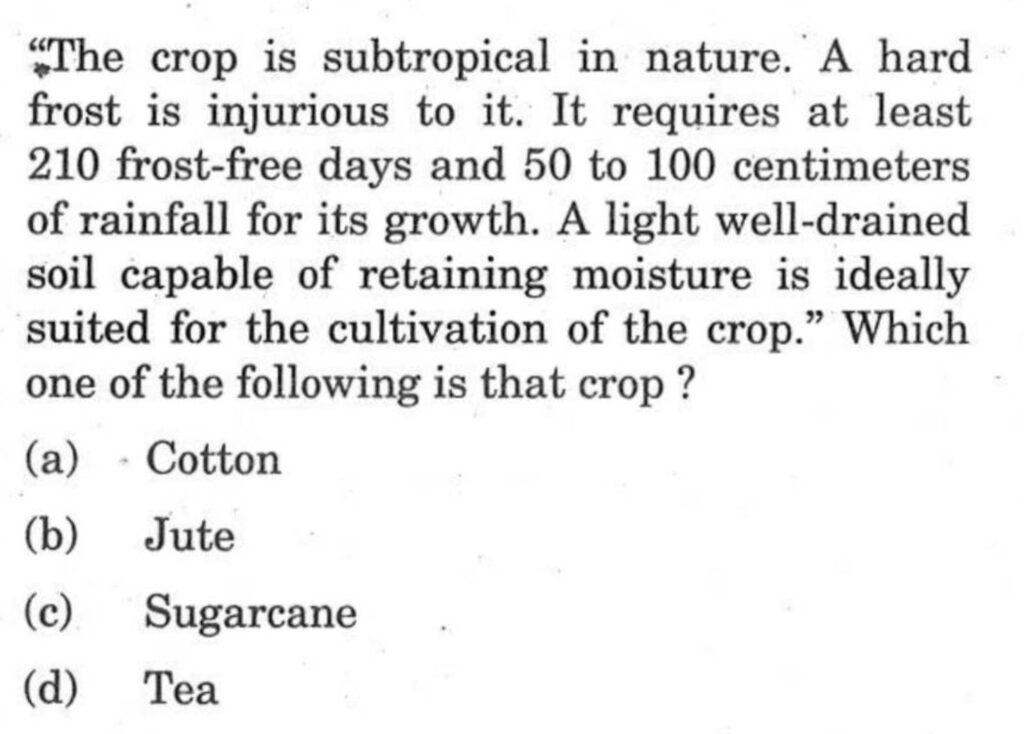
  • Cotton cultivation in India faces multiple structural challenges: pest infestations (notably the pink bollworm), stagnant productivity, high input costs, climate variability, soil degradation, price volatility, and rising pest resistance.
Cotton Sector Challenges
PYQ – 2020, Ans – A

2. Cotton as a Crop

  • Type: Kharif cash crop
  • Climate: 21–30°C; 50–100 cm rainfall; ~210 days frost-free period
  • Soil: Black cotton soil (regur)
  • Features: Pest-prone, long sunny season, dominated by Bt cotton

3. Production Rankings

  • Countries: China | India | United States
  • States (India): Gujarat | Maharashtra | Telangana

3D Glass Chips: India’s Semiconductor Push and Advanced Packaging Explained

1. Context

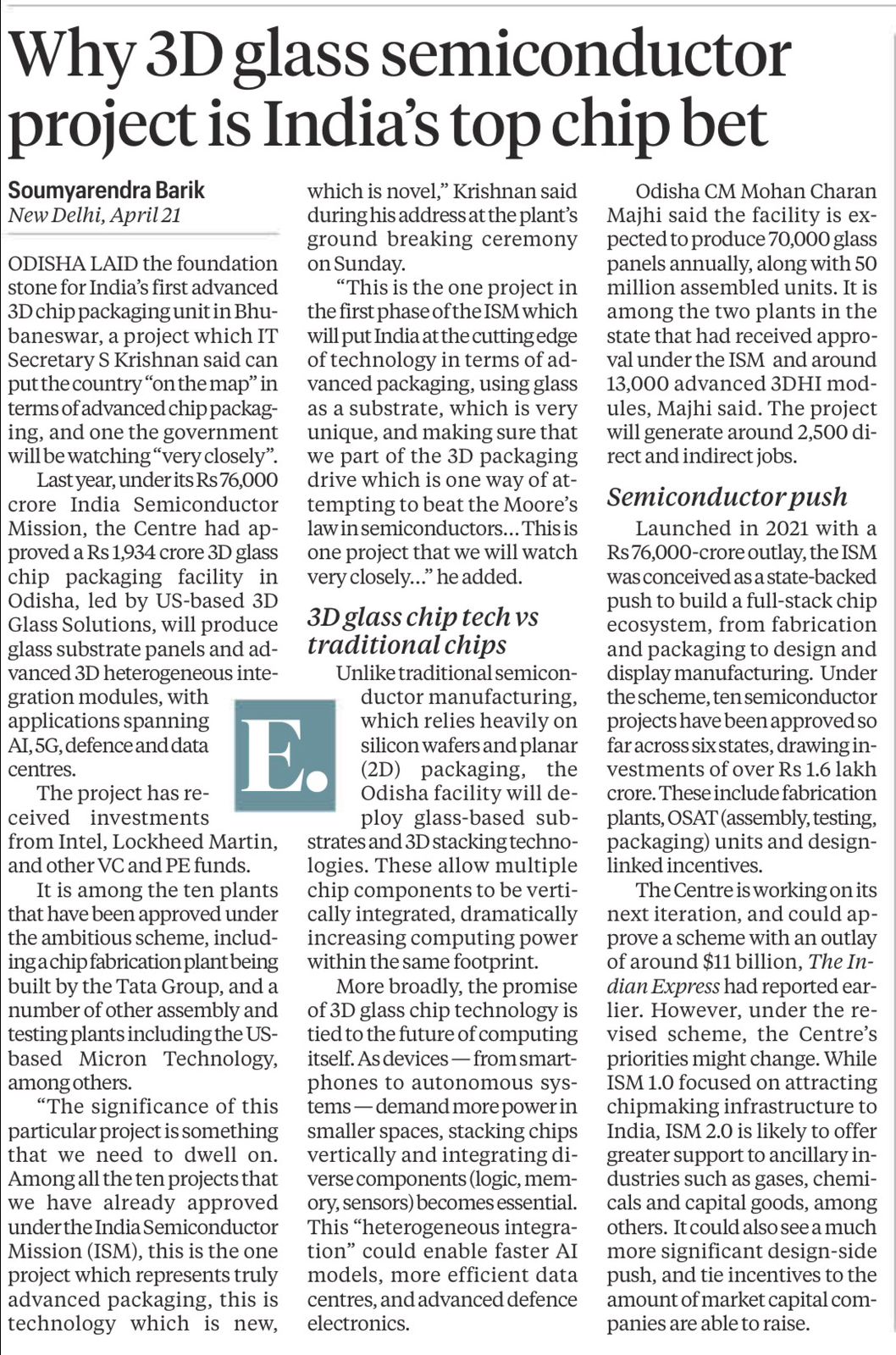
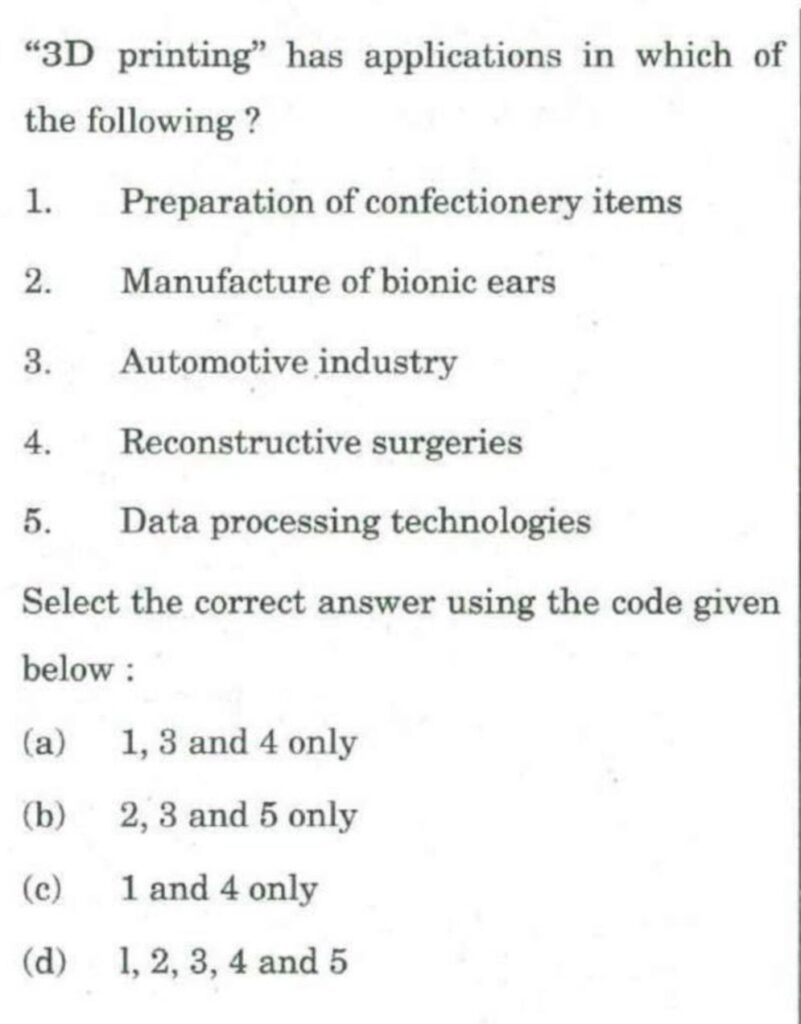
  • India has made a strategic entry into advanced semiconductor technology through 3D glass-based chip packaging, moving beyond basic assembly into a high-value, next-generation segment of the global chip value chain.
  • This is positioned as a key technological leap for applications like AI, telecom, and data centres.
3D Glass Chips
3D Glass Chips
PYQ – 2018, Ans – D

2. 3D Glass Chip vs Traditional Chip

  • Traditional (2D chips): Horizontal layout on silicon → limits scaling, higher heat, slower data transfer.
  • 3D glass chips: Vertical stacking using glass substrates → faster, energy-efficient, better heat management, higher density.
  • Key shift: 2D planar → 3D integrated architecture.

3. India’s Semiconductor Mission

  • The India Semiconductor Mission was approved in 2021 under the Semicon India Programme.
  • Outlay: ₹76,000 crore (initial), with expansion in later phases.
  • Objectives:
    • Reduce import dependence
    • Build a self-reliant semiconductor ecosystem
    • Position India in global supply chains
  • Focus Areas:
    • Fabrication (fabs)
    • ATMP (assembly, testing, packaging)
    • Chip design and R&D
    • Advanced packaging (like 3D glass technology)

Druzhba Pipeline: Ukraine to Resume Russian Oil Supply to Europe

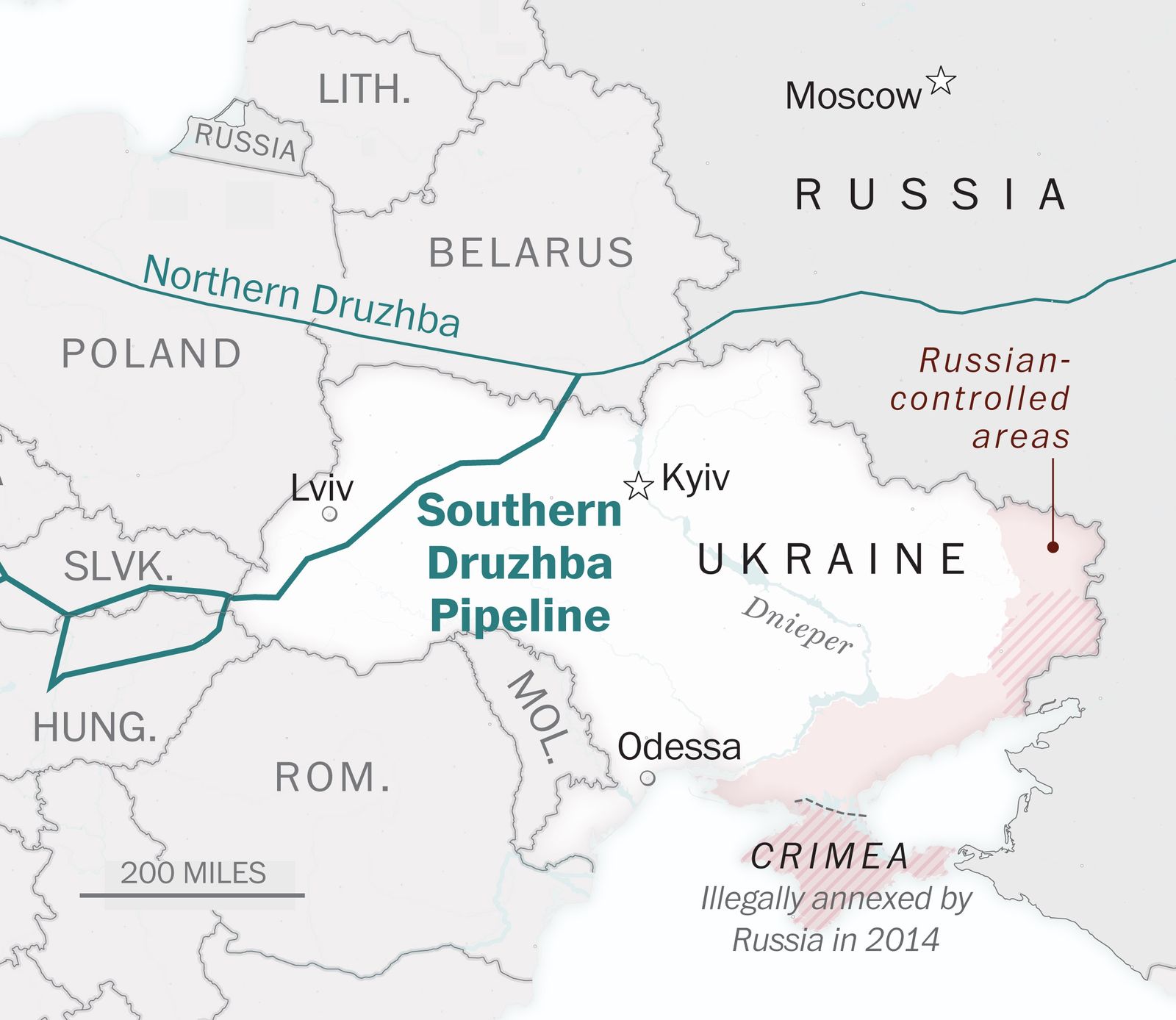
1. Druzhba Pipeline – Context

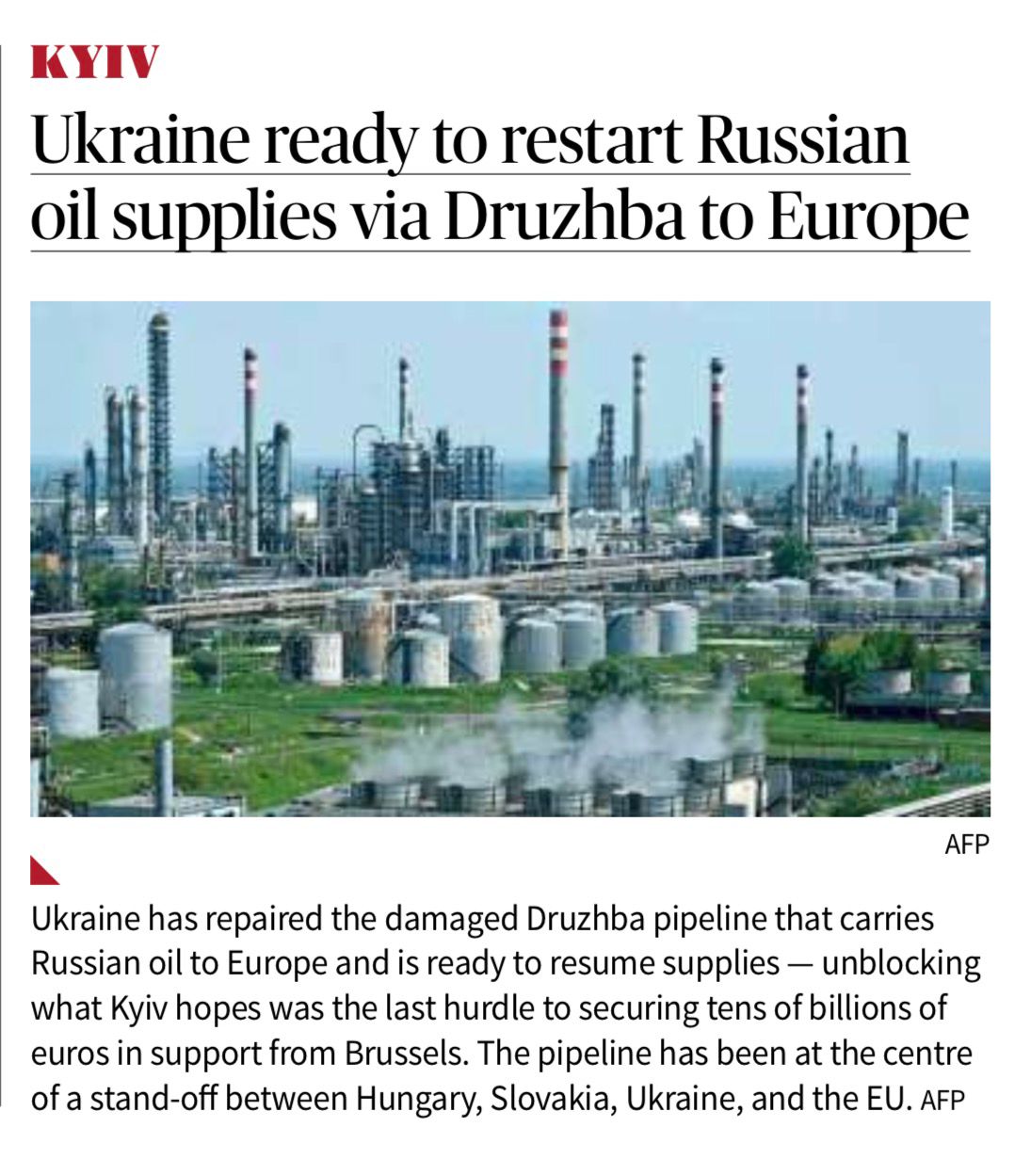
  • The Druzhba pipeline was disrupted due to the Russia–Ukraine war, halting oil supply to parts of Europe.
  • This affected dependent countries like Hungary and Slovakia, leading to political pressure on Ukraine.
  • Ukraine has now repaired the pipeline and is ready to resume oil transit, which may unlock EU financial support.
Druzhba Pipeline
Druzhba Pipeline
Druzhba Pipeline
Druzhba Pipeline

2. Druzhba Pipeline

  • The Druzhba pipeline is one of the world’s longest oil pipeline networks (~5,000 km), built in the 1960s.
  • It transports Russian crude oil via Belarus and Ukraine to Central and Eastern Europe.
  • It has two branches:
    • Northern: Poland, Germany
    • Southern: Hungary, Slovakia, Czech Republic
  • Capacity: about 1.2–1.4 million barrels per day.
About the UPSC Civil Services Examination (UPSC CSE)

The UPSC Civil Services Examination (CSE) is one of the most competitive and esteemed examinations in India, conducted by the Union Public Service Commission to recruit officers for services such as the Indian Administrative Service (IAS), Indian Police Service (IPS), Indian Foreign Service (IFS), and others. The exam comprises three stages — Prelims, Mains, and the Personality Test (Interview) — designed to test a candidate’s knowledge, aptitude, decision-making, and leadership skills.


How to Prepare Effectively for UPSC CSE

Cracking the UPSC CSE requires a deep understanding of the syllabus, consistent revision, structured answer writing, and smart test-taking strategies. The Prelims test analytical and conceptual clarity, the Mains focuses on critical thinking, articulation, and subject mastery, while the Interview assesses presence of mind, ethical judgment, and personality traits relevant to public service.

At UnderStand UPSC, we empower aspirants with a personalized and focused approach to each stage of the exam.


Why Choose UnderStand UPSC?

UnderStand UPSC is a mentorship-driven platform offering a clear, clutter-free strategy to tackle the Civil Services Examination. Our programs like Transform (for beginners and intermediate learners) and Conquer (for advanced mains preparation) provide structured study plans, syllabus-wise video content, interactive live sessions, and answer writing support.

We emphasize:

  • Concept clarity through topic-wise lectures

  • Test series designed around real UPSC standards

  • Personalized mentorship in small groups

  • Regular performance tracking and peer benchmarking

  • Doubt-clearing sessions, current affairs analysis, and monthly magazines


Join the UnderStand UPSC Learning Community

Our mission is to make UPSC preparation less overwhelming and more strategic. We combine mentorship, discipline, and academic rigor to help you clear CSE with confidence. Whether you’re preparing from Delhi, Mumbai, Bangalore, or a remote village — our online-first model ensures quality guidance reaches every corner of India.

Join the thousands of aspirants who trust UnderStand UPSC to guide their journey toward becoming civil servants.

Stay connected with us through our Telegram, YouTube, and Instagram channels for daily tips, strategies, and updates.
Copyright © 2026 USARAMBHA EDUCATION (UnderStand UPSC). All Rights Reserved.

Join the Success Journey!