22 Jan 2026 | Daily Current Affairs

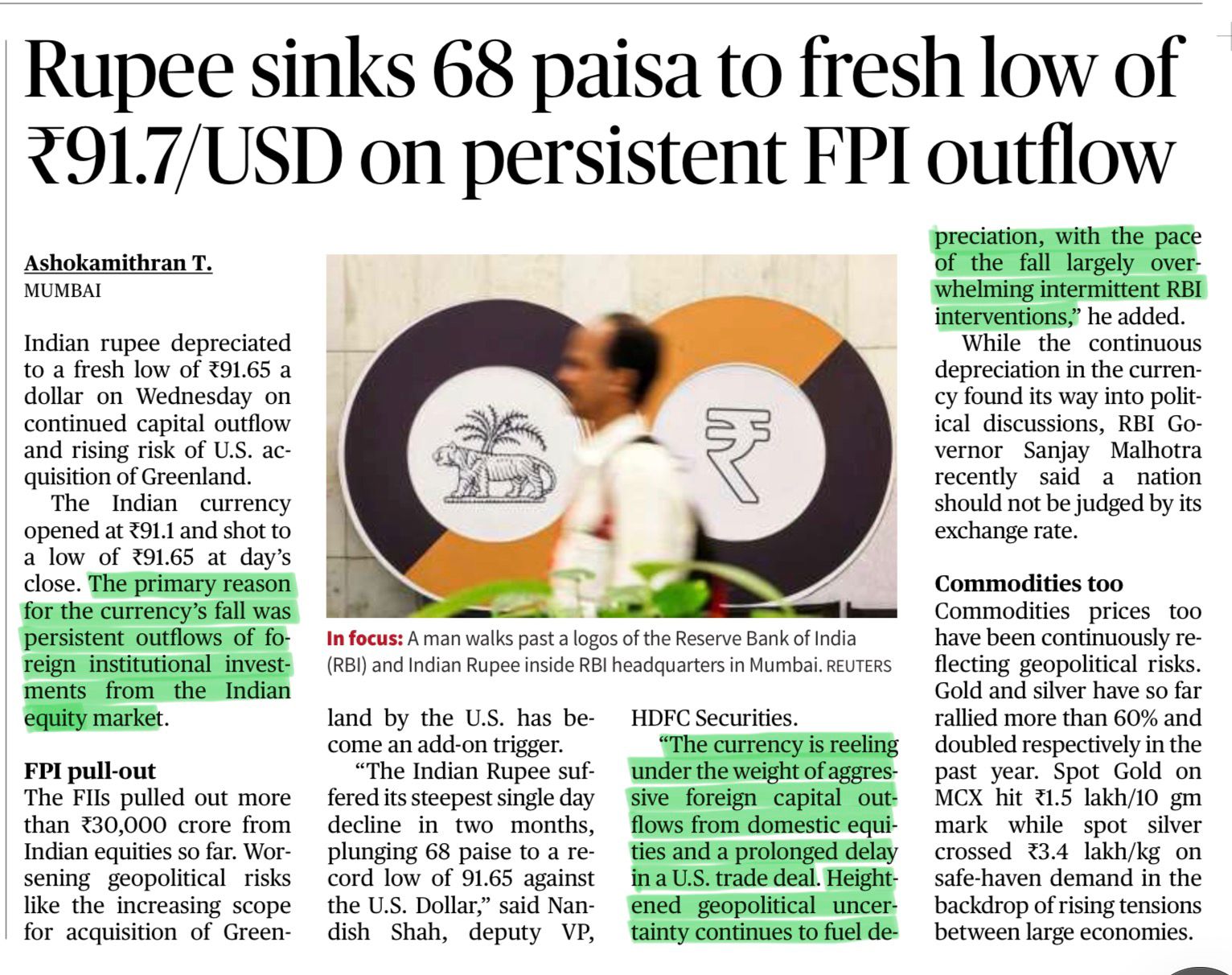
Rupee sinks 68 paise to fresh low of ₹91.7/USD on persistent FPI outflow

Context
• The rupee weakened mainly due to sustained foreign investor outflows and heightened global uncertainty, despite RBI interventions.

Why the Indian rupee is depreciating
• Persistent FPI outflows: Foreign institutional investors pulling money out of Indian equity markets.
• Strong US dollar: Preference for dollar as safe-haven asset.
• Global geopolitical uncertainty: Major power tensions raise risk aversion.
• Delayed US trade developments: Uncertainty affects global capital flows.
• Limited impact of RBI intervention: Intermittent forex interventions insufficient.
• Rising commodity and safe-haven demand: Higher gold and silver prices reflect risk aversion.
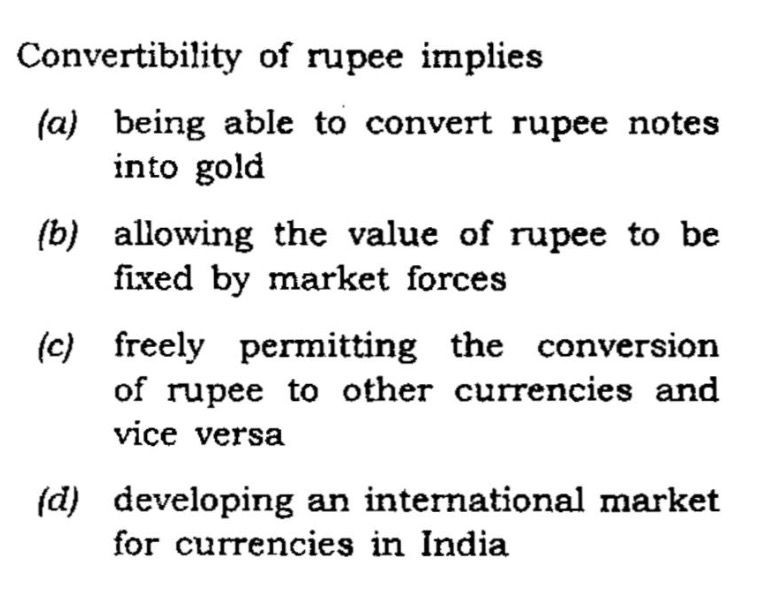
PYQ – 2015 ( Ans: C )

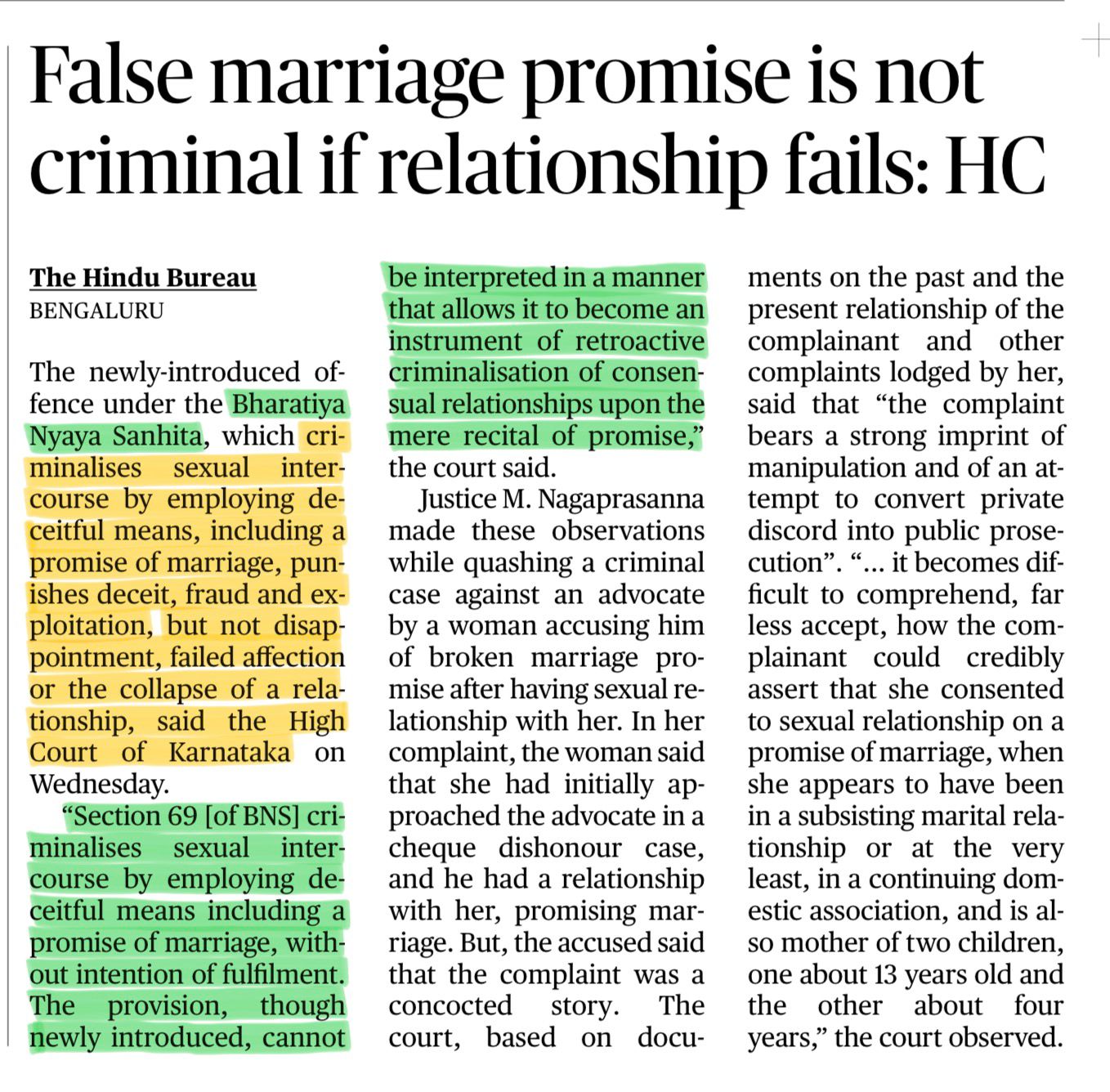
False marriage promise is not criminal if relationship fails: HC

False Promise of Marriage & Criminal Liability (BNS Section 69)
Bharatiya Nyaya Sanhita, Section 69 criminalises sexual intercourse obtained by deceit, including a false promise of marriage made without intent to fulfil it.
• It targets fraud and exploitation, not mere relationship failure or disappointment.

Karnataka High Court ruling
• A failed relationship or broken promise, by itself, is not a crime.
• Section 69 cannot be used to retroactively criminalise consensual relationships unless there is clear proof of deception and lack of intent from the outset.

Mozambican rights activist to get Indira Gandhi Peace Prize

Mozambican human rights activist Graca Machel has been selected for the Indira Gandhi Prize for Peace, Disarmament and Development for her lifelong contribution to humanitarian and human-rights causes.

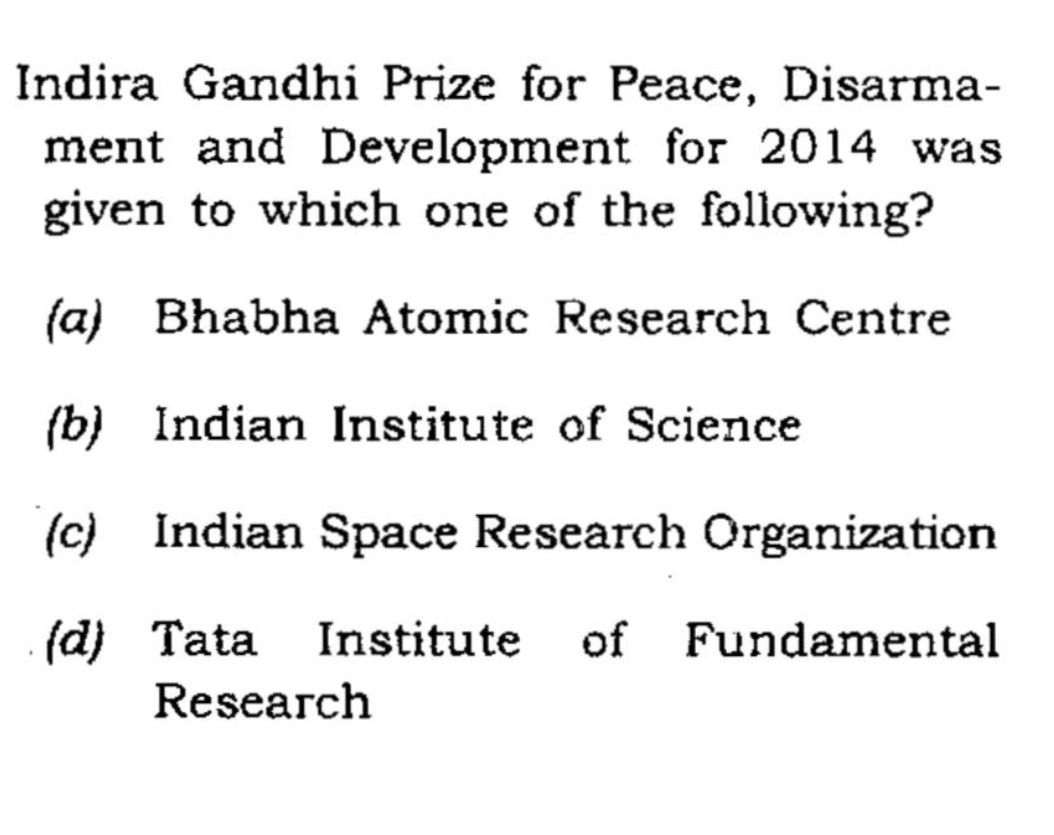
Indira Gandhi Peace Prize vs Gandhi Peace Prize

Indira Gandhi Prize for Peace, Disarmament and Development
• Started: 1986
• By: Indira Gandhi Memorial Trust
• Focus: Peace, disarmament, development, humanitarian action
• Award: ₹1 crore + citation + trophy

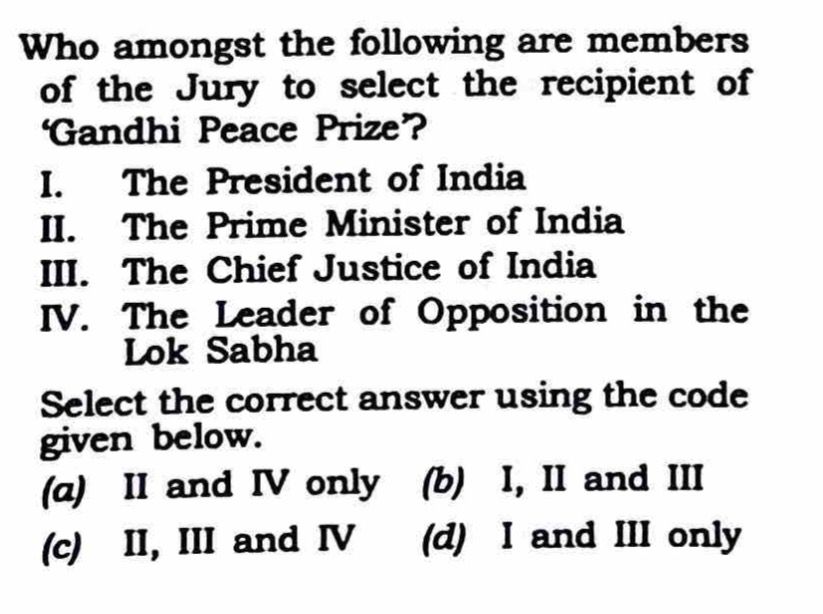
Gandhi Peace Prize
• Started: 1995
• By: Government of India
• Focus: Non-violence and social transformation
• Award: ₹1 crore + citation

PYQ – 2015 ( Ans: C )
PYQ – 2025 ( Ans: C )

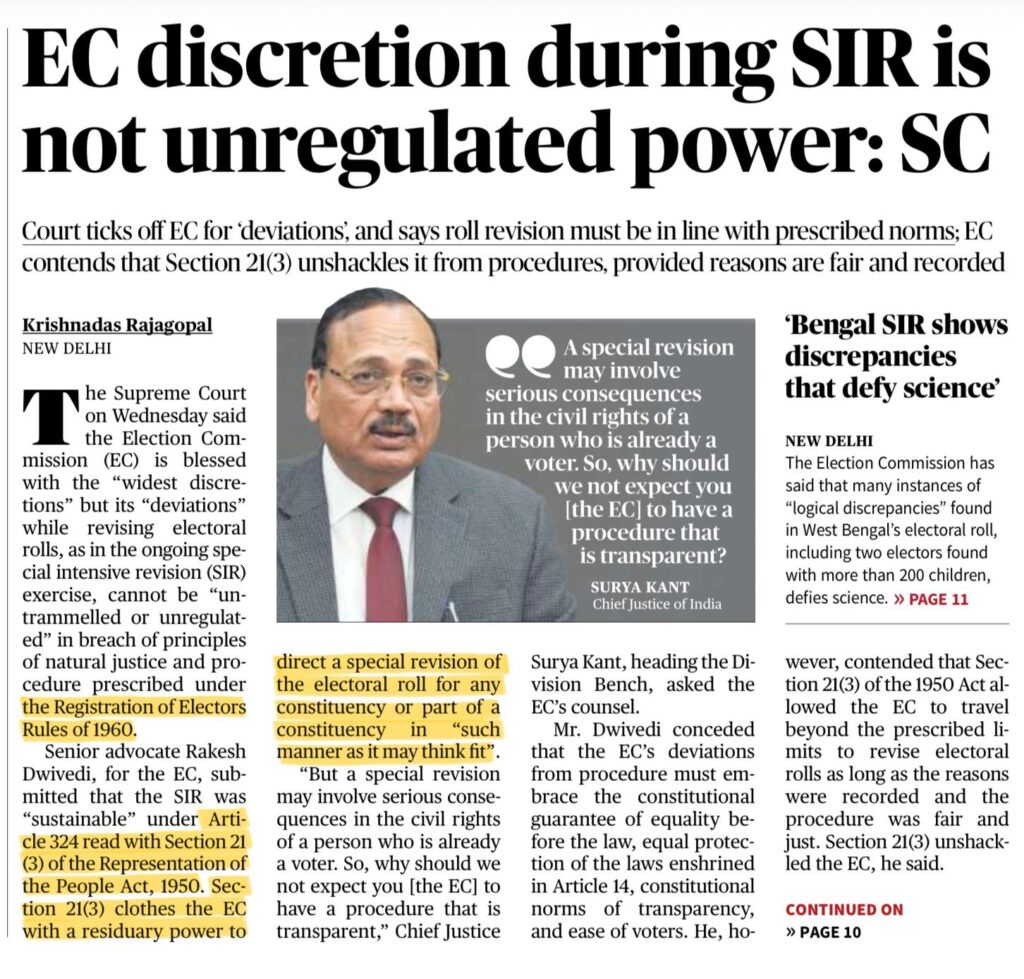
EC discretion during SIR is not unregulated power: SC

Constitutional basis (Article 324)
• The Election Commission has plenary powers to supervise, direct and control elections, including preparation and revision of electoral rolls.
• These powers are not absolute and must follow law and constitutional principles.

Statutory powers under the Representation of the People Act, 1950
• Section 21(3): Empowers the EC to order a special revision of electoral rolls at any time.
• Supreme Court clarified that Section 21(3) does not free the EC from procedure; reasons must be recorded and the process must be fair.

Registration of Electors Rules, 1960
• Framed under Section 28 of the RPA, 1950.
• Prescribe mandatory procedure for preparation and revision of electoral rolls.
• Must be followed even during Special Intensive Revision (SIR).

Supreme Court judgment (key holding)
• EC’s discretion during SIR is regulated, not untrammelled.
• Any deviation violates:
• Principles of natural justice
Article 14 (equality before law)
• Since roll revision affects an existing voter’s civil rights, transparency and procedural compliance are essential.

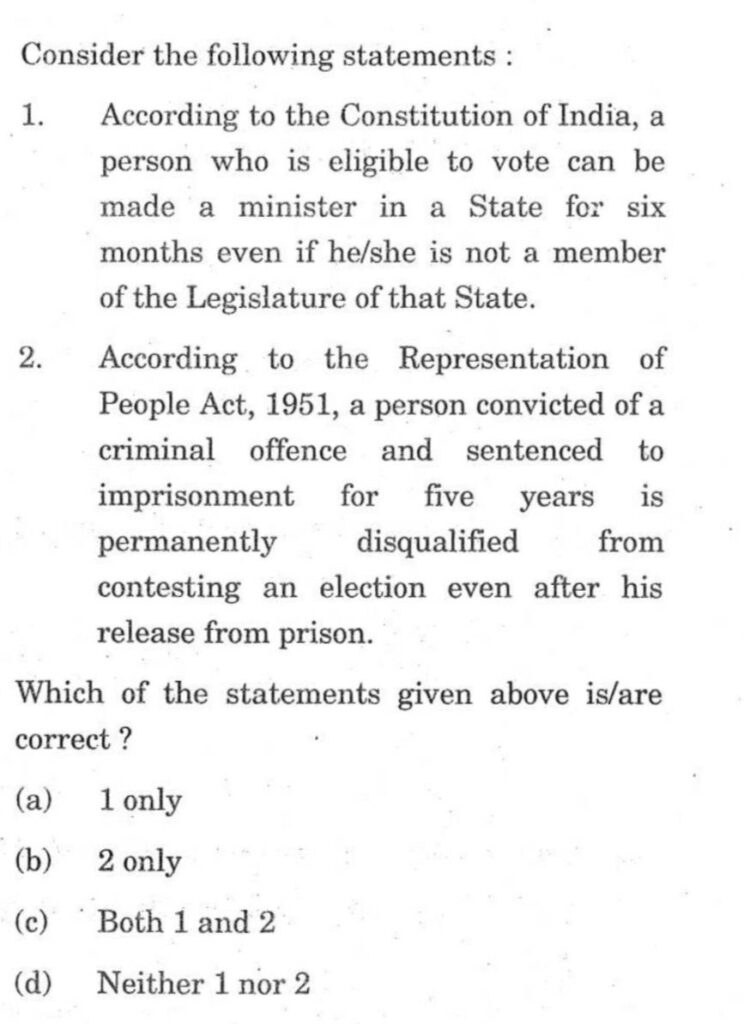
PYQ – 2020 ( Ans: D )
About the UPSC Civil Services Examination (UPSC CSE)

The UPSC Civil Services Examination (CSE) is one of the most competitive and esteemed examinations in India, conducted by the Union Public Service Commission to recruit officers for services such as the Indian Administrative Service (IAS), Indian Police Service (IPS), Indian Foreign Service (IFS), and others. The exam comprises three stages — Prelims, Mains, and the Personality Test (Interview) — designed to test a candidate’s knowledge, aptitude, decision-making, and leadership skills.


How to Prepare Effectively for UPSC CSE

Cracking the UPSC CSE requires a deep understanding of the syllabus, consistent revision, structured answer writing, and smart test-taking strategies. The Prelims test analytical and conceptual clarity, the Mains focuses on critical thinking, articulation, and subject mastery, while the Interview assesses presence of mind, ethical judgment, and personality traits relevant to public service.

At UnderStand UPSC, we empower aspirants with a personalized and focused approach to each stage of the exam.


Why Choose UnderStand UPSC?

UnderStand UPSC is a mentorship-driven platform offering a clear, clutter-free strategy to tackle the Civil Services Examination. Our programs like Transform (for beginners and intermediate learners) and Conquer (for advanced mains preparation) provide structured study plans, syllabus-wise video content, interactive live sessions, and answer writing support.

We emphasize:

  • Concept clarity through topic-wise lectures

  • Test series designed around real UPSC standards

  • Personalized mentorship in small groups

  • Regular performance tracking and peer benchmarking

  • Doubt-clearing sessions, current affairs analysis, and monthly magazines


Join the UnderStand UPSC Learning Community

Our mission is to make UPSC preparation less overwhelming and more strategic. We combine mentorship, discipline, and academic rigor to help you clear CSE with confidence. Whether you’re preparing from Delhi, Mumbai, Bangalore, or a remote village — our online-first model ensures quality guidance reaches every corner of India.

Join the thousands of aspirants who trust UnderStand UPSC to guide their journey toward becoming civil servants.

Stay connected with us through our Telegram, YouTube, and Instagram channels for daily tips, strategies, and updates.

Copyright © 2026 USARAMBHA EDUCATION (UnderStand UPSC). All Rights Reserved.

Join the Success Journey!