5 March 2026 | Daily Current Affairs

India Myanmar Relations – Peace Process and Strategic Importance | UPSC

Context

• India reiterated its support for a Myanmar-led peace process to resolve the ongoing political crisis in the country.

India’s Position

• Peace and stability should be achieved through dialogue among Myanmar stakeholders.
• The process should be led and owned by Myanmar itself without external imposition.

Strategic Importance for India

Myanmar is critical for India due to:

• Border security in the Northeast
• Connectivity projects under Act East Policy
• Cooperation against insurgent groups operating across borders

Key Connectivity Projects Involving Myanmar

• Kaladan Multi-Modal Transit Transport Project
• India–Myanmar–Thailand Trilateral Highway

These projects aim to strengthen trade and connectivity between India and Southeast Asia.
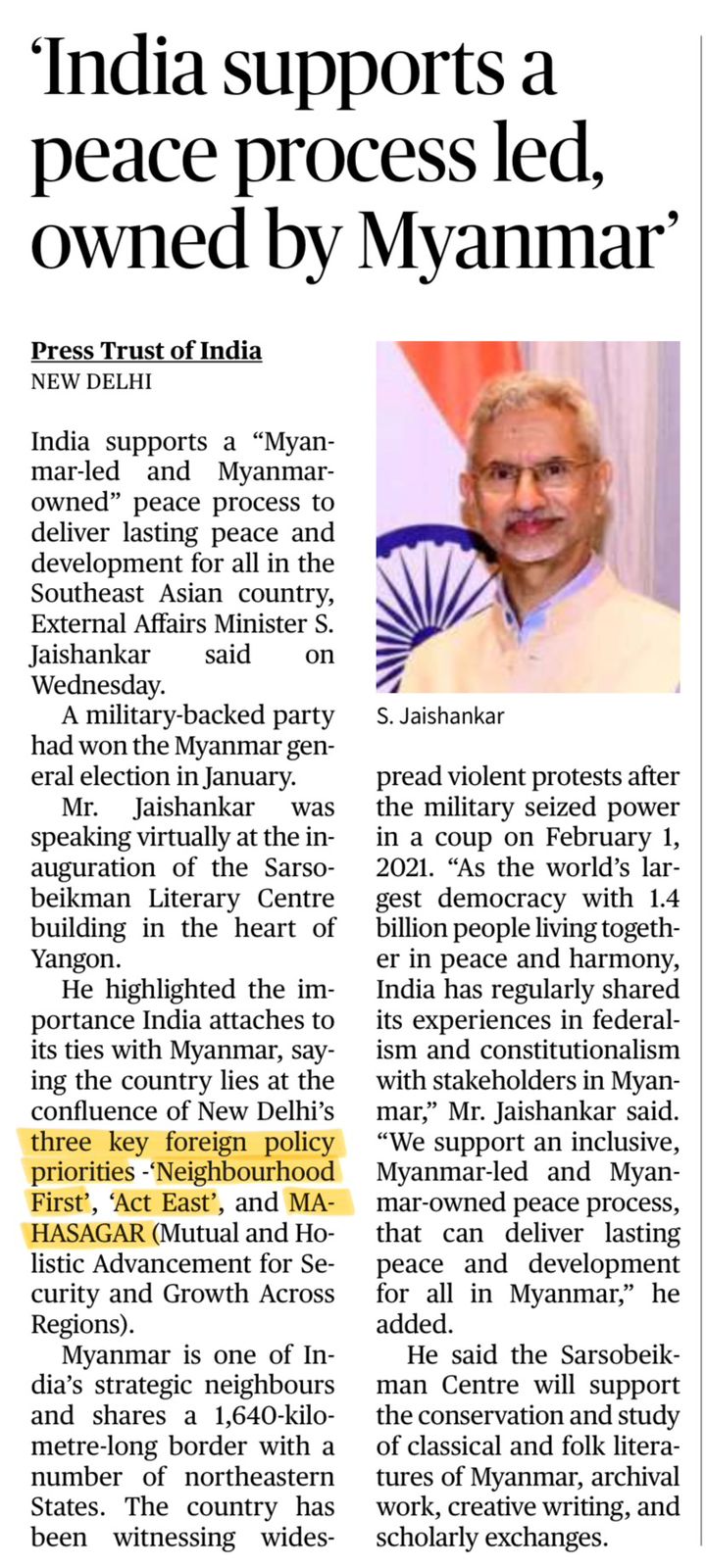
India Myanmar Relations

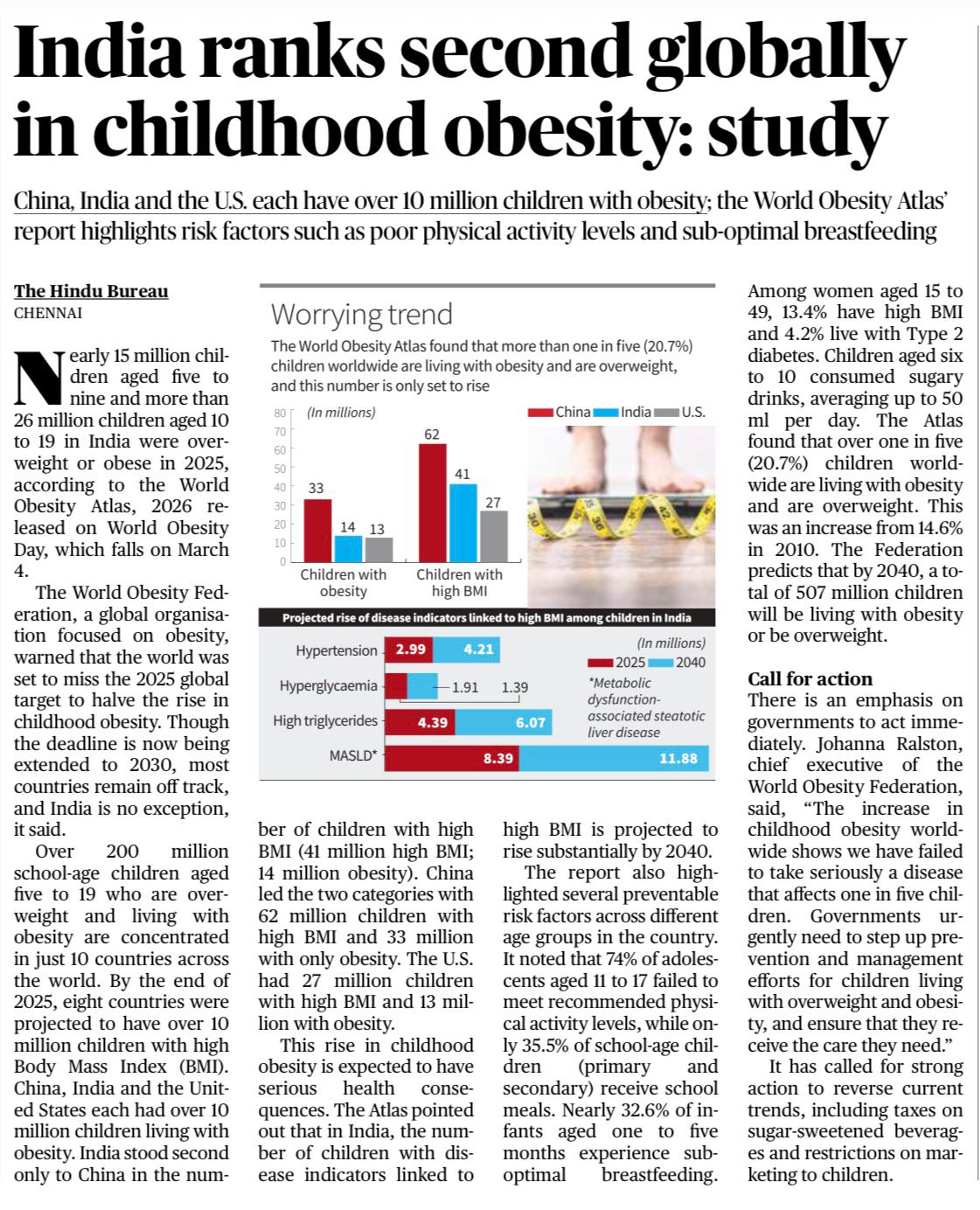
Childhood Obesity in India – Health Concerns and Policy Response | UPSC

Context

• A global study reports that India ranks second worldwide in childhood obesity.

Key Concerns

• Rising consumption of ultra-processed foods.
• Sedentary lifestyles among children.
• Increasing screen time and reduced physical activity.

Health Risks

Childhood obesity significantly increases the risk of:
• Type 2 diabetes
• Cardiovascular diseases
• Hypertension
• Metabolic disorders later in life.

Need for Policy Response

• Promote healthier diets.
• Encourage physical activity among children.
• Strengthen school-based nutrition programmes.

Childhood Obesity in India

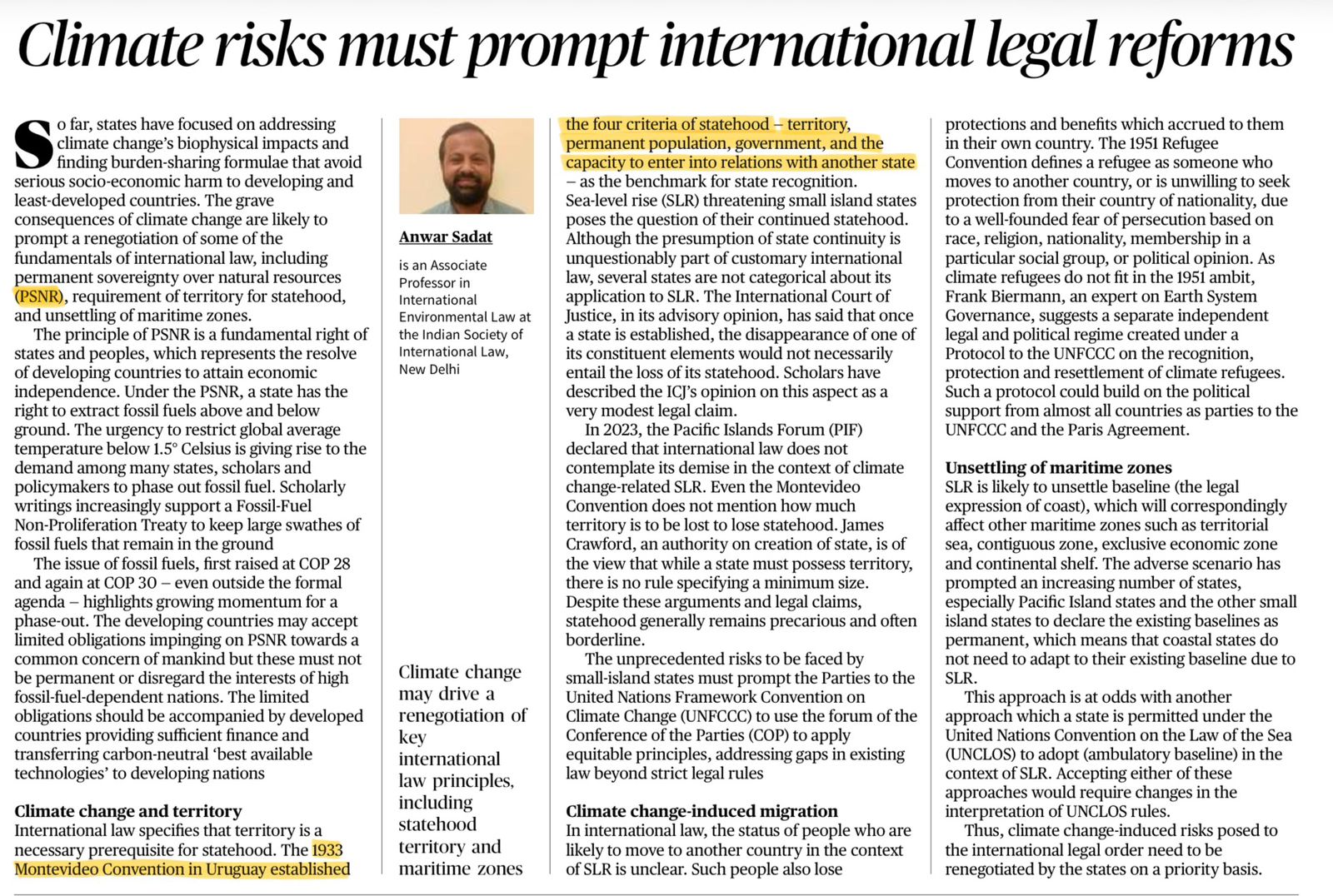
Climate Change International Law – Need for Global Legal Reforms | UPSC

Context

• Climate change is creating risks that existing international legal frameworks may not adequately address.

Key Issues

• Climate-related disasters increasingly cross national boundaries.
• Existing international laws are often insufficient to deal with climate responsibility and liability.

Need for Legal Reform

• Strengthen global climate governance mechanisms.
• Clarify accountability for environmental damage.
• Develop legal frameworks for climate refugees and displacement.

International Efforts

These frameworks attempt to coordinate global responses to climate change.

• Paris Climate Agreement
• UN Framework Convention on Climate Change (UNFCCC)

Climate Change International Law
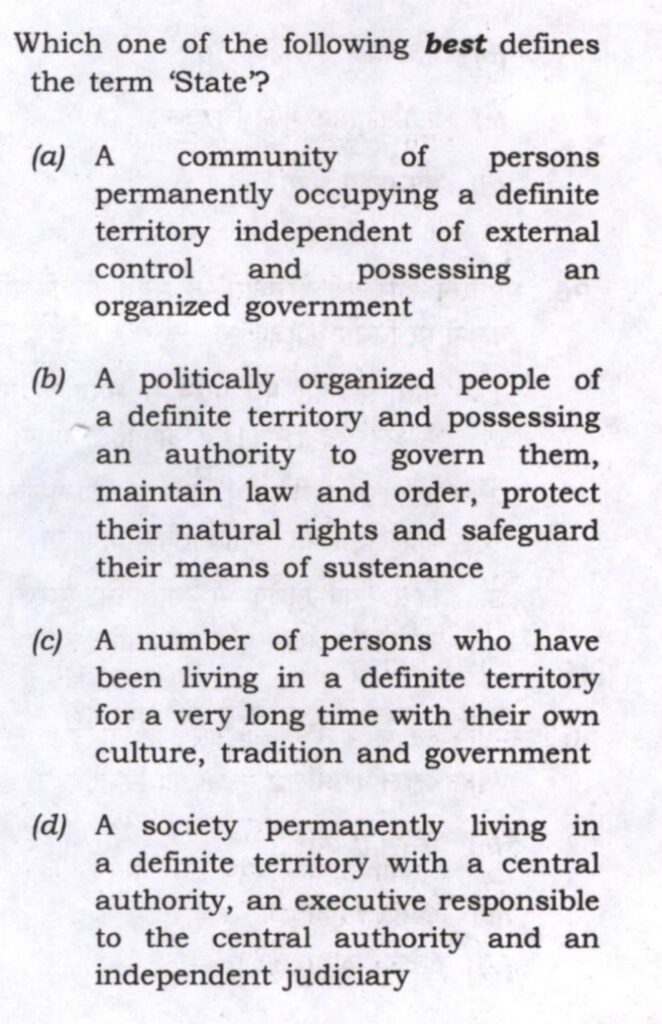
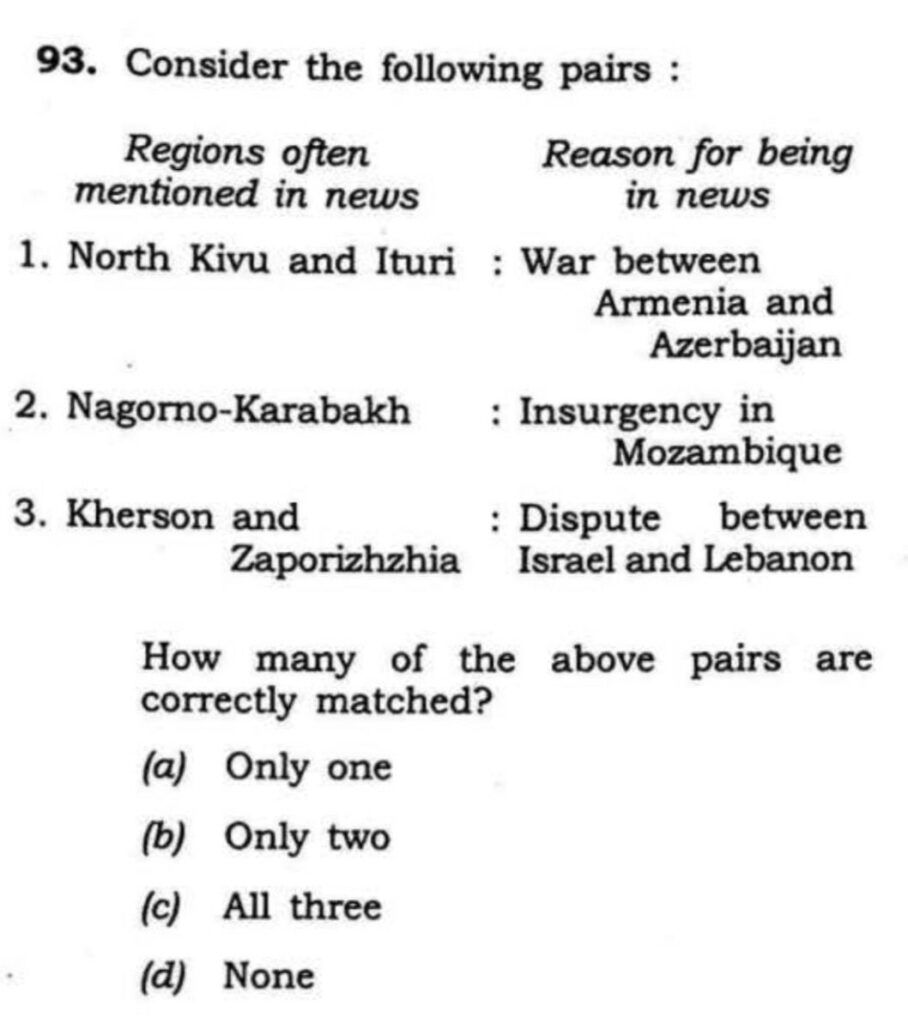
PYQ – 2021, Ans – A

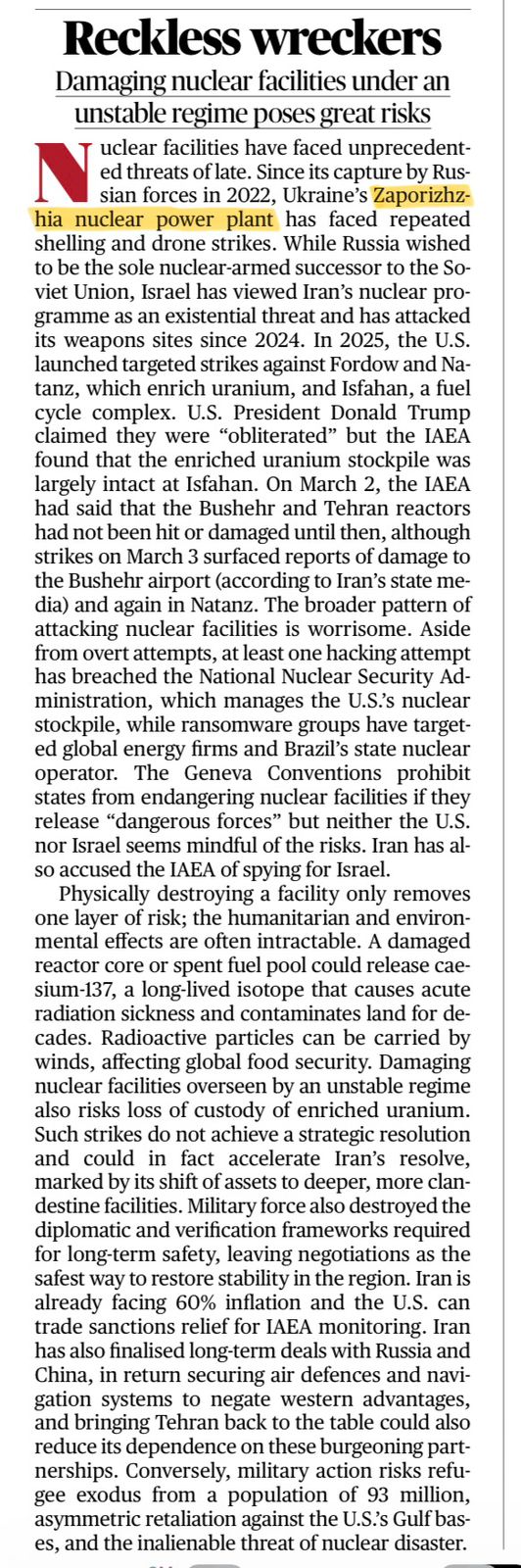
Global Governance Institutions – Challenges to International Order for UPSC

Context

• The editorial discusses the growing trend of deliberate attacks on international institutions and global governance frameworks.

Key Argument

• The weakening of international institutions risks destabilizing global order.
• Institutions created after World War II are facing pressure from unilateral actions by powerful states.

Importance of Global Institutions

• They provide mechanisms for collective security and cooperation.
• They regulate international trade, finance, conflict resolution, and climate governance.

Examples include:
• United Nations (UN)
World Trade Organization (WTO)
International Monetary Fund (IMF)

Concern Raised

• When major powers undermine institutions, the rules-based international order becomes weaker.

Global Governance Institutions
PYQ – 2023, Ans – D

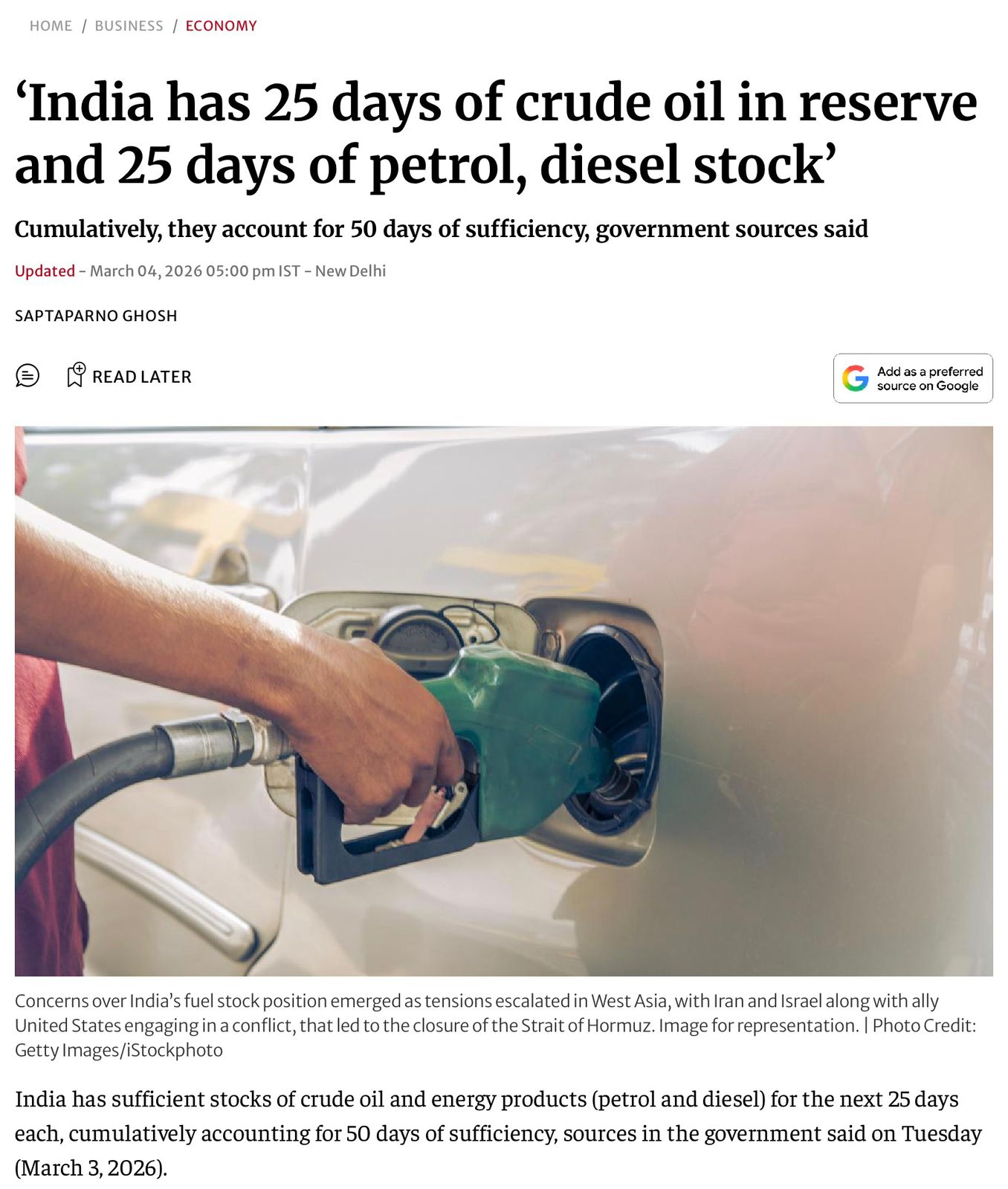
Strategic Petroleum Reserves in India – Energy Security UPSC Current Affairs

Context

• India currently maintains 25 days of crude oil reserves and 25 days of petrol and diesel stocks.
• The reserves provide a buffer against supply disruptions caused by geopolitical tensions or conflicts in major oil-producing regions.

Strategic Petroleum Reserves (SPR)

Strategic petroleum reserves are emergency fuel stocks maintained by countries to ensure energy security during supply disruptions.

India’s Strategic Petroleum Reserve Programme

Phase I Storage Locations
• Vishakhapatnam (Andhra Pradesh)
• Mangaluru (Karnataka)
• Padur (Karnataka)

Phase II Proposed Locations
• Chandikhol (Odisha)
• Padur expansion (Karnataka)

Purpose of Strategic Reserves
• Protect against sudden oil supply disruptions.
• Stabilize domestic fuel supply during geopolitical crises.
• Enhance national energy security.

Strategic Petroleum Reserves in India
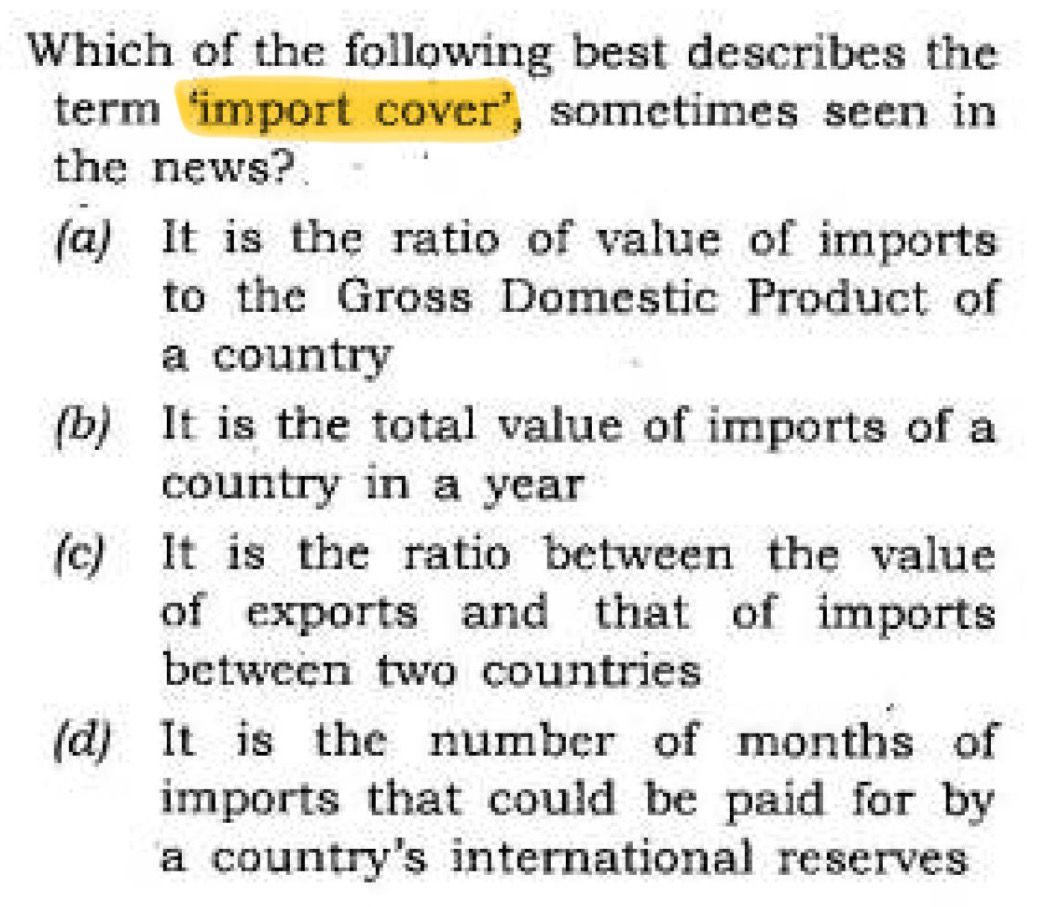
PYQ – 2016, Ans – D

International Convention on Maritime Search and Rescue (SAR), 1979 – UPSC Current Affairs

Context

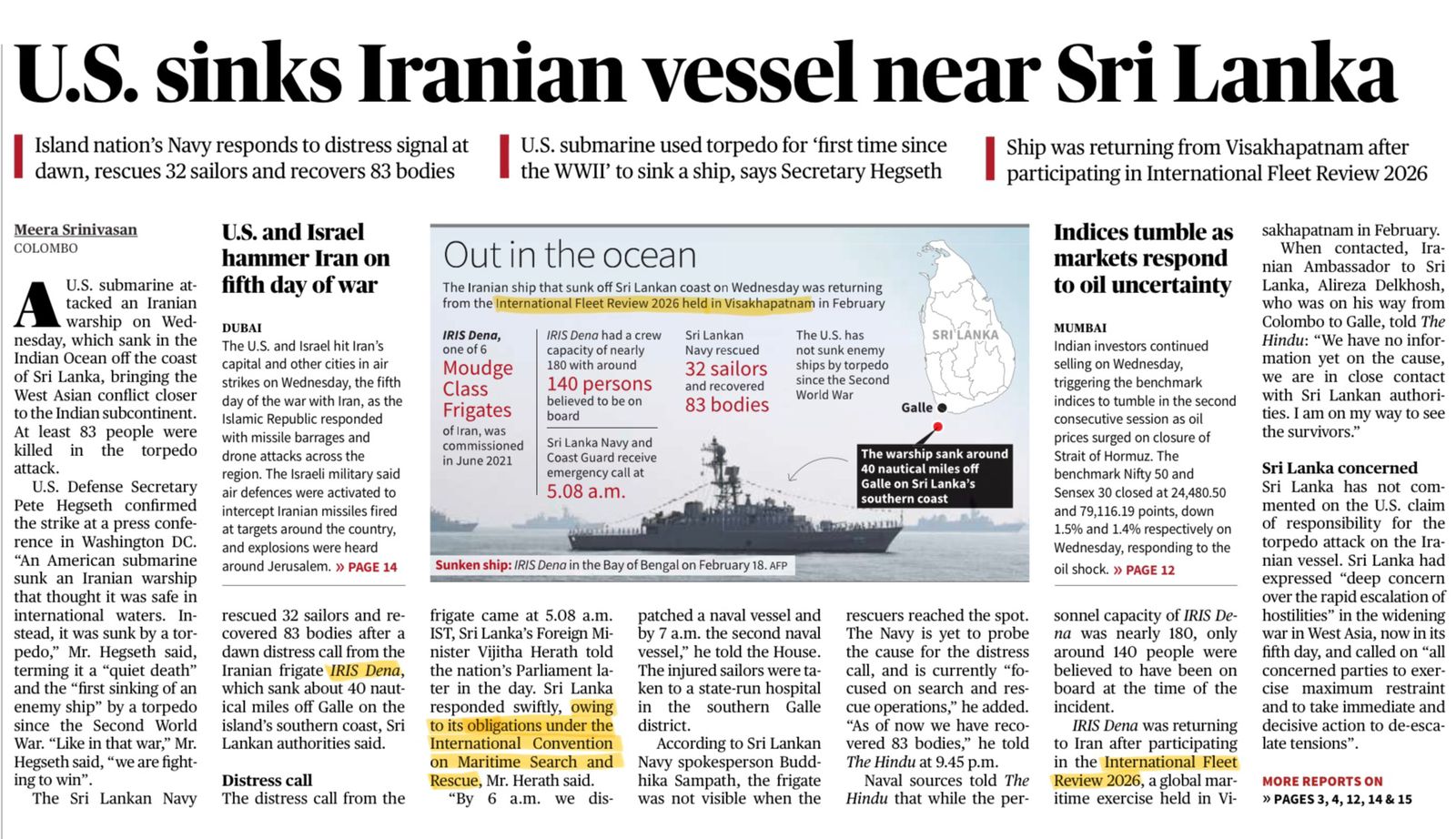
• A U.S. submarine sank Iran’s frigate IRIS Dena near Sri Lanka.
• Sri Lanka responded to the vessel’s distress signal according to international maritime obligations related to search and rescue operations.

Distress Call at Sea

• A distress call indicates grave and imminent danger and requires immediate assistance.
• Standard distress signals include:
• MAYDAY (voice communication)
• Digital Selective Calling (DSC) alert
• All nearby ships and coastal authorities are obligated to respond.
• Distress communication receives absolute priority over all other maritime communications.

Convention in News

International Convention on Maritime Search and Rescue (SAR), 1979

• Adopted under the International Maritime Organization (IMO).
• Establishes a global framework for maritime search and rescue operations.
• Divides oceans into Search and Rescue Regions (SRRs) where specific countries coordinate rescue operations.
• Ensures assistance is provided to persons in distress at sea regardless of nationality or circumstances.

International Convention on Maritime Search and Rescue (SAR), 1979
About the UPSC Civil Services Examination (UPSC CSE)

The UPSC Civil Services Examination (CSE) is one of the most competitive and esteemed examinations in India, conducted by the Union Public Service Commission to recruit officers for services such as the Indian Administrative Service (IAS), Indian Police Service (IPS), Indian Foreign Service (IFS), and others. The exam comprises three stages — Prelims, Mains, and the Personality Test (Interview) — designed to test a candidate’s knowledge, aptitude, decision-making, and leadership skills.


How to Prepare Effectively for UPSC CSE

Cracking the UPSC CSE requires a deep understanding of the syllabus, consistent revision, structured answer writing, and smart test-taking strategies. The Prelims test analytical and conceptual clarity, the Mains focuses on critical thinking, articulation, and subject mastery, while the Interview assesses presence of mind, ethical judgment, and personality traits relevant to public service.

At UnderStand UPSC, we empower aspirants with a personalized and focused approach to each stage of the exam.


Why Choose UnderStand UPSC?

UnderStand UPSC is a mentorship-driven platform offering a clear, clutter-free strategy to tackle the Civil Services Examination. Our programs like Transform (for beginners and intermediate learners) and Conquer (for advanced mains preparation) provide structured study plans, syllabus-wise video content, interactive live sessions, and answer writing support.

We emphasize:

  • Concept clarity through topic-wise lectures

  • Test series designed around real UPSC standards

  • Personalized mentorship in small groups

  • Regular performance tracking and peer benchmarking

  • Doubt-clearing sessions, current affairs analysis, and monthly magazines


Join the UnderStand UPSC Learning Community

Our mission is to make UPSC preparation less overwhelming and more strategic. We combine mentorship, discipline, and academic rigor to help you clear CSE with confidence. Whether you’re preparing from Delhi, Mumbai, Bangalore, or a remote village — our online-first model ensures quality guidance reaches every corner of India.

Join the thousands of aspirants who trust UnderStand UPSC to guide their journey toward becoming civil servants.

Stay connected with us through our Telegram, YouTube, and Instagram channels for daily tips, strategies, and updates.

Copyright © 2026 USARAMBHA EDUCATION (UnderStand UPSC). All Rights Reserved.

Join the Success Journey!