21 April 2026 | Daily Current Affairs

Tobacco and Poverty in India: 10% Households Can Rise Economically, Study Finds

Context: Tobacco and Poverty in India

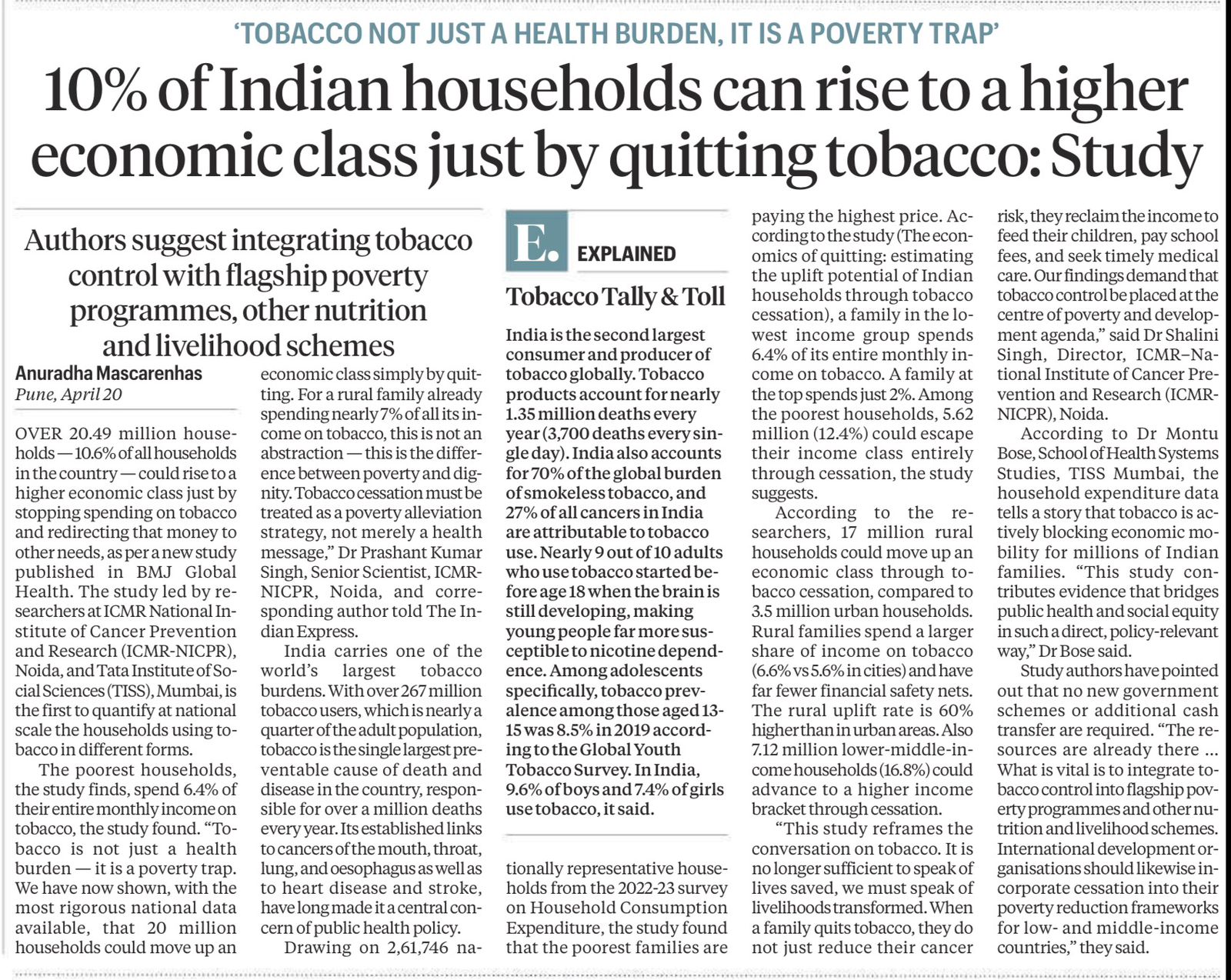
A study published in BMJ Global Health by researchers from ICMR-NICPR and TISS finds that around 10% of Indian households can move to a higher economic class by quitting tobacco, highlighting tobacco as a major economic burden.
Tobacco and Poverty in India

Core Idea

Tobacco is not just a health issue but a poverty trap — money spent on tobacco reduces spending on essentials like food, education, and healthcare, especially among poorer households.

Key Data

  • ~20.49 million households (10.6%) can move up economically by quitting tobacco
  • Poorest households spend ~6.4% of monthly income on tobacco
  • 5.62 million poorest households (12.4%) could escape poverty entirely
  • 17 million rural households vs 3.5 million urban households can move up
  • Rural uplift potential is ~60% higher than urban
  • India has ~267 million tobacco users
  • Tobacco causes ~1.35 million deaths annually

Key Insights

  • Tobacco expenditure directly reduces disposable income of the poor
  • Quitting leads to better nutrition, education, and healthcare spending
  • Rural households are more vulnerable due to higher spending share
  • Tobacco also blocks intergenerational mobility
  • It links public health with economic development

Policy Suggestion

  • Integrate tobacco control with poverty alleviation schemes
  • Link with nutrition and livelihood programmes
  • No major new spending needed — just policy convergence
Strait of Hormuz Bypass: Gulf Countries Expand Energy Infrastructure

Context: Strait of Hormuz

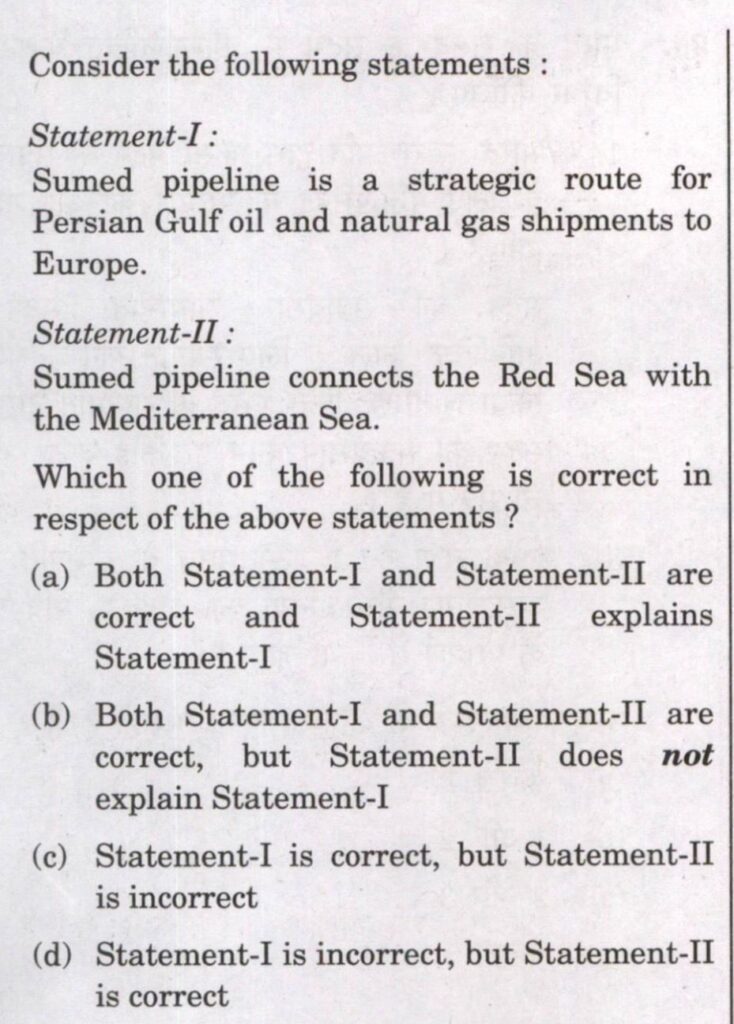
Amid rising West Asia tensions and the risk of disruption at the Strait of Hormuz, Gulf countries are accelerating efforts to reduce dependence on this critical energy route.

Strait of Hormuz
Strait of Hormuz
PYQ – 2024, Ans – A

Core Idea

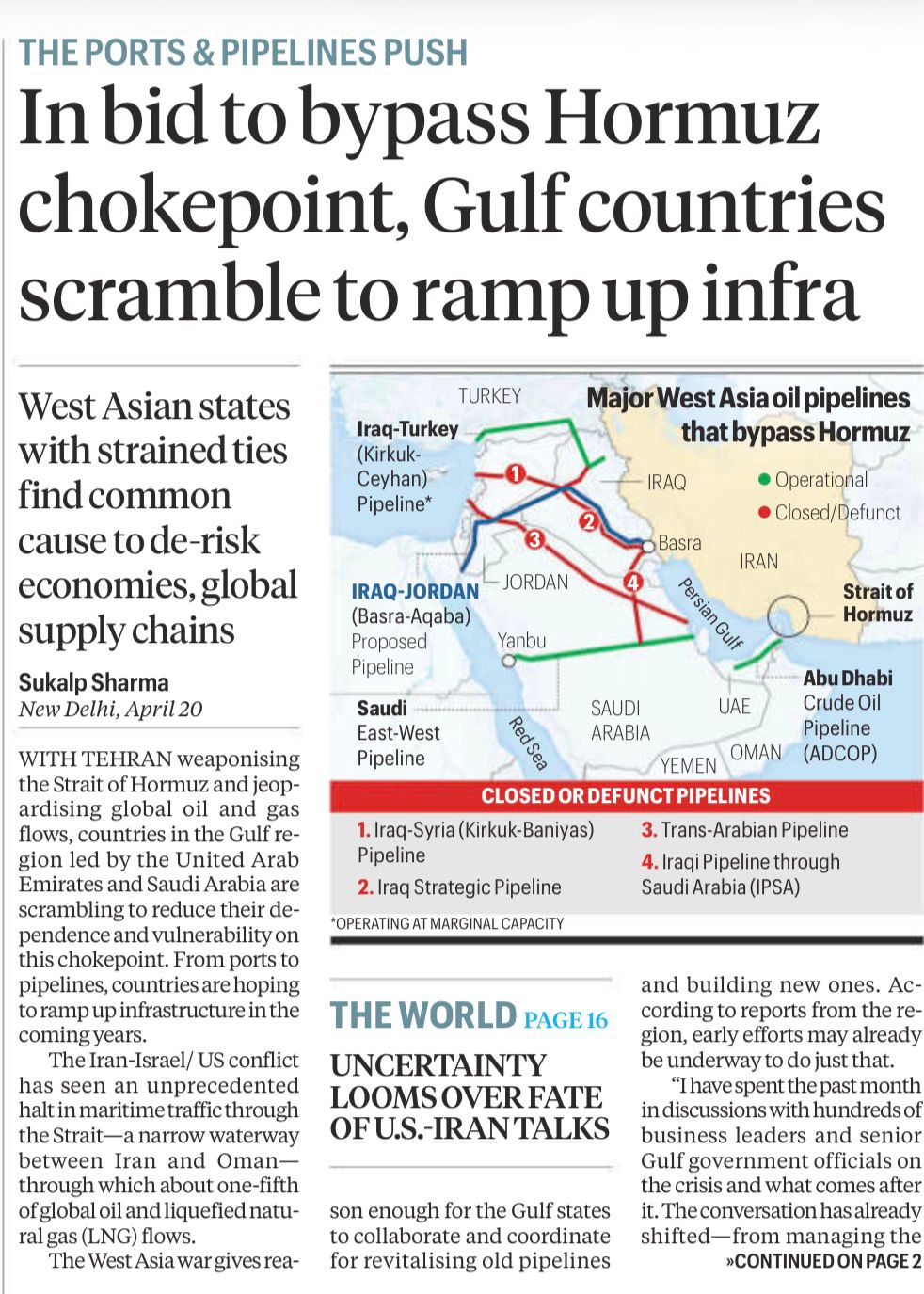
The Strait of Hormuz carries ~20% of global oil and LNG, making it a major chokepoint; any conflict involving Iran can disrupt global energy supply and spike prices.

What is happening

  • Countries like Saudi Arabia and United Arab Emirates are expanding ports and building alternative pipelines
  • Focus on bypassing Hormuz via routes to the Red Sea and other outlets
  • Efforts include reviving defunct pipelines + constructing new infrastructure

Key Insight

Even politically divided Gulf states are cooperating economically to de-risk energy flows, showing that geopolitics is driving infrastructure strategy.

Implications

  • Reduces single-point vulnerability in global oil supply chains
  • Improves energy security for Gulf economies and import-dependent countries like India
  • May reshape global energy routes and trade patterns

Alternative Investment Funds Rules Amended by SEBI to Boost Retail Participation

Context: Alternative Investment Funds

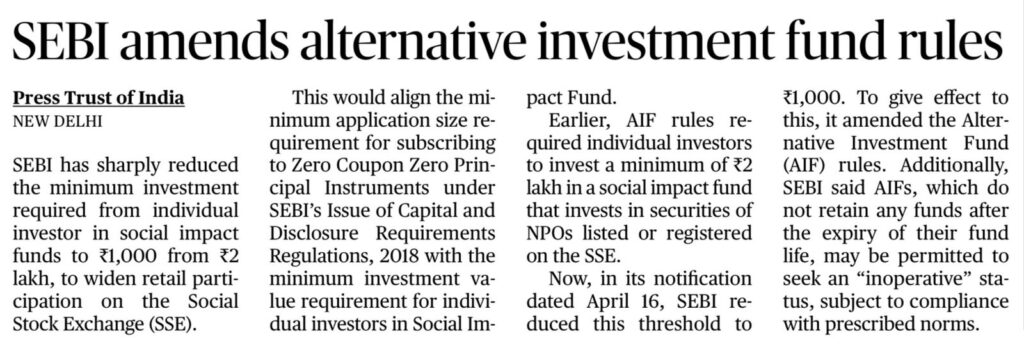
Securities and Exchange Board of India has amended rules for Alternative Investment Funds by reducing the minimum investment in social impact funds from ₹2 lakh to ₹1,000 to increase retail participation in the Social Stock Exchange.

Alternative Investment Funds
PYQ – 2025, Ans – B

What is Alternative Investment Fund (AIF)

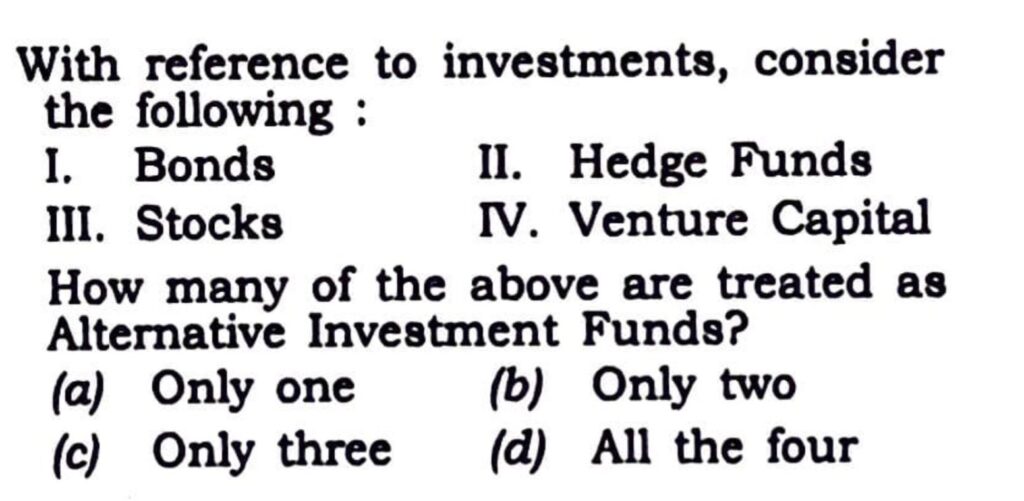
An AIF is a pooled investment vehicle regulated by SEBI that collects money from investors and invests in non-traditional assets such as startups, private equity, infrastructure, or social enterprises, unlike mutual funds.

What are Social Impact Funds

Social Impact Funds are a category of AIFs that invest in social enterprises and non-profit organisations (NPOs) with the objective of generating measurable social impact (education, health, poverty reduction) along with financial sustainability.

Core Change

Minimum investment in social impact AIFs reduced to ₹1,000, making them accessible to small/retail investors.

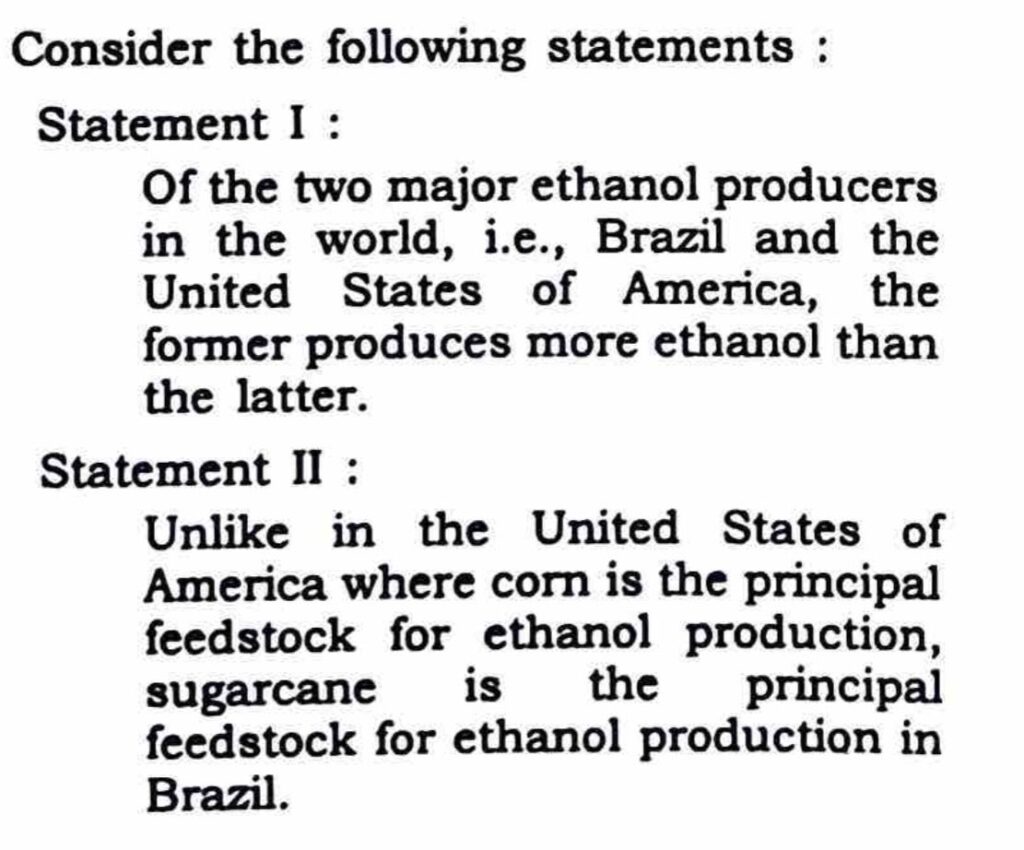
E85 Fuel Rollout in India: Draft Rules to Boost Ethanol Use

Context: E85 Fuel

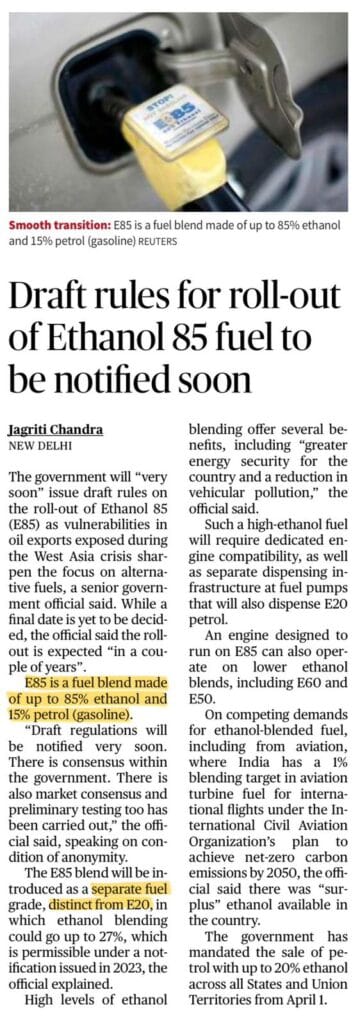
The government plans to introduce E85 fuel through draft rules to reduce crude oil imports and strengthen energy security amid global supply uncertainties.

E85 Fuel
E85 Fuel
PYQ – 2025, Ans – D

Core Idea

E85 is a high-ethanol blend (85% ethanol, 15% petrol) designed to cut emissions and oil dependence, but it requires flex-fuel vehicles (FFVs) and dedicated fuel infrastructure.

Difference from E20

E20 (20% ethanol) is already implemented, works in most petrol vehicles, and uses existing infrastructure. In contrast, E85 is a next-stage fuel that needs engine modification, separate pumps, and phased adoption, making it less immediately usable but more impactful in reducing petrol use.

Key Developments

  • E85 to be introduced as a separate fuel category
  • Gradual rollout planned in coming years
  • E20 already nationwide
  • Availability of surplus ethanol supports expansion
  • Scope expanding to other sectors like aviation (early stage)

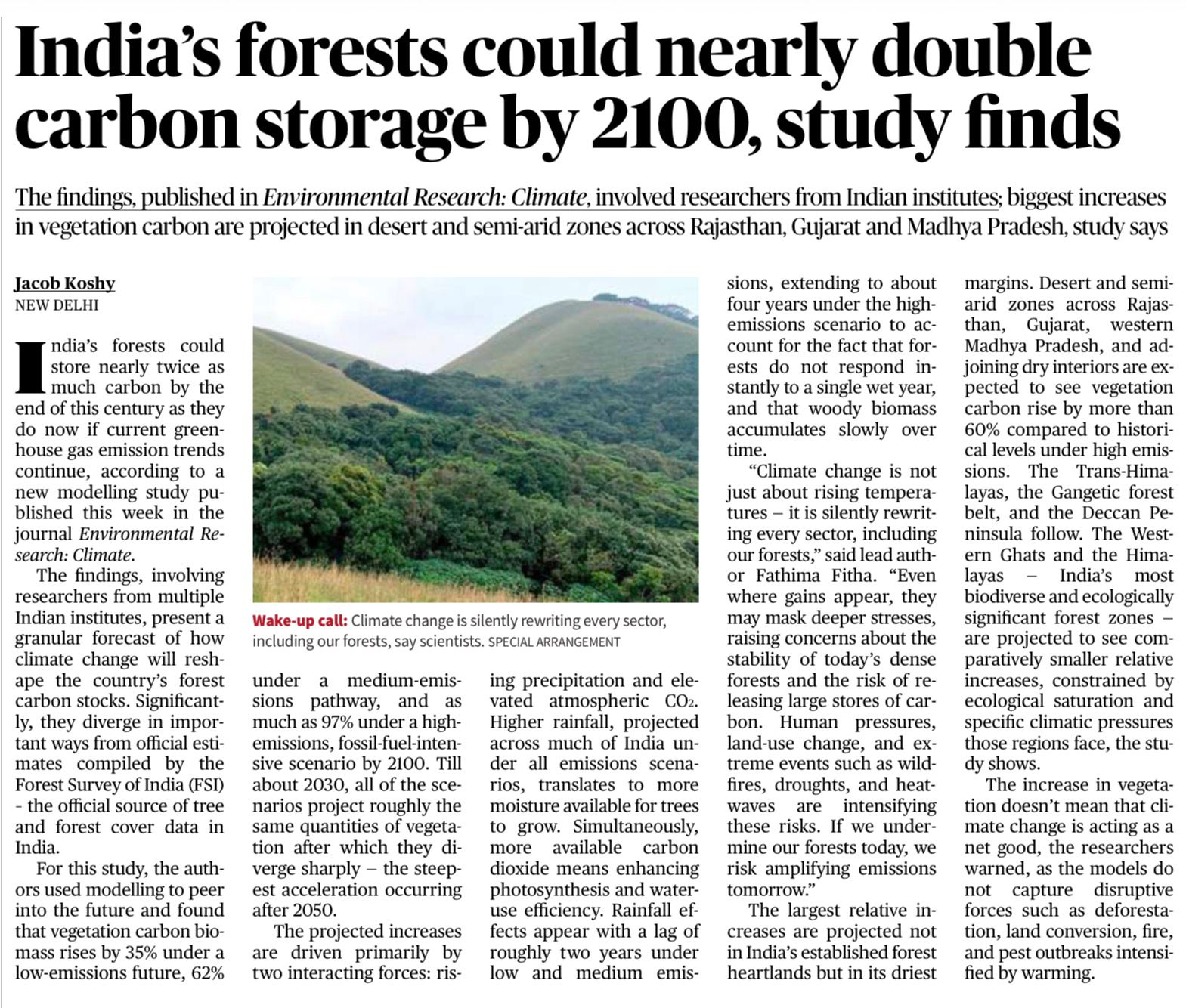
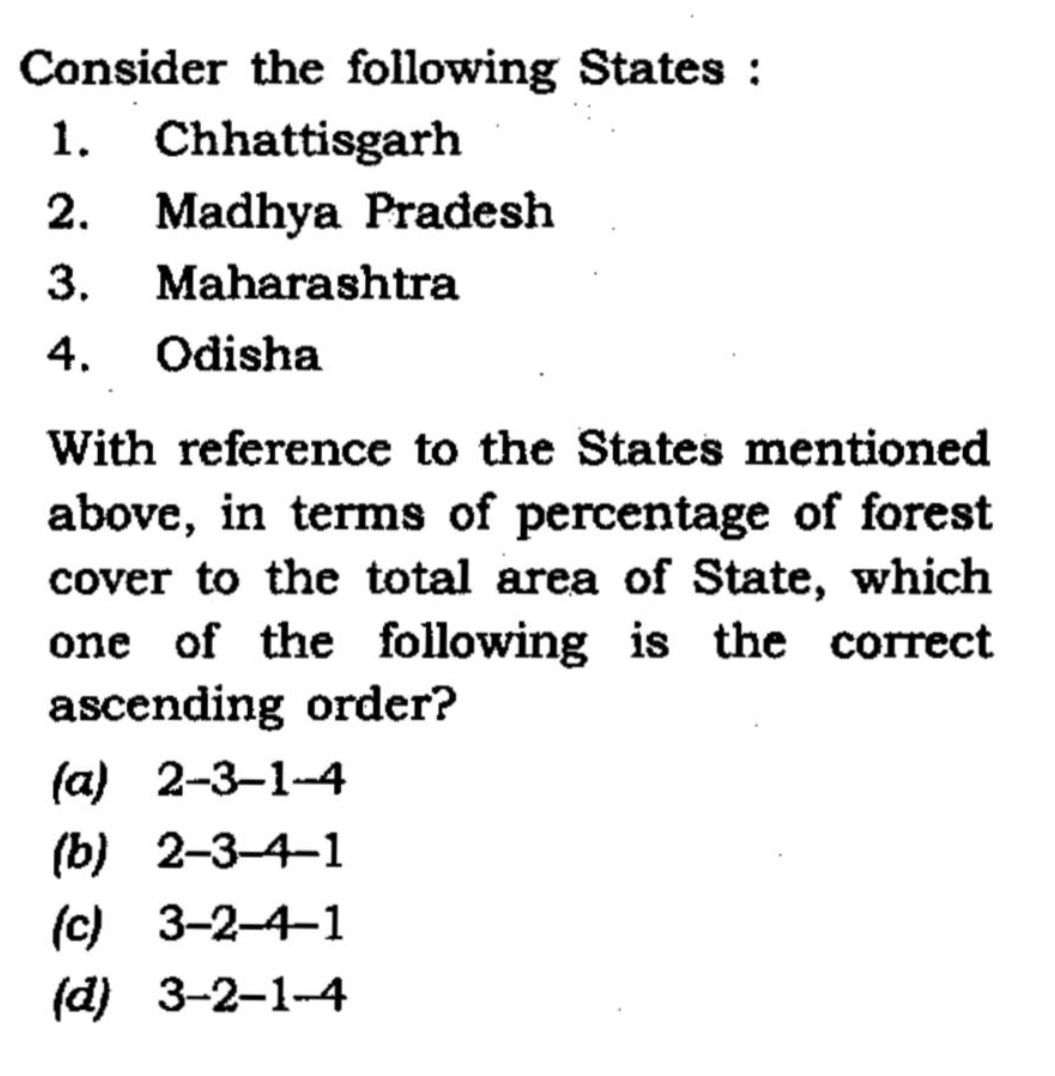
Carbon Storage in India’s Forests May Double by 2100: Study

Context: Carbon Storage in India’s Forests

A study published in Environmental Research: Climate finds that India’s forests may nearly double their carbon storage by 2100 due to rising CO₂ levels and increased rainfall, but raises concerns about ecosystem stress and instability.

Carbon Storage in India’s Forests
PYQ – 2019, Ans – C

Core Reasons

CO₂ fertilisation enhances plant growth; increased rainfall improves soil moisture; together they increase biomass and carbon storage.

What is happening

Carbon stock may rise significantly (~35%–97%), with higher gains in dry regions, while dense forests show limited growth due to saturation.

Core Concern

Increased carbon does not mean healthier forests; risk of stress, disturbances, and possible carbon release.

Conclusion

The rise in carbon storage is climate-driven and uncertain, not a reliable long-term environmental gain.

About the UPSC Civil Services Examination (UPSC CSE)

The UPSC Civil Services Examination (CSE) is one of the most competitive and esteemed examinations in India, conducted by the Union Public Service Commission to recruit officers for services such as the Indian Administrative Service (IAS), Indian Police Service (IPS), Indian Foreign Service (IFS), and others. The exam comprises three stages — Prelims, Mains, and the Personality Test (Interview) — designed to test a candidate’s knowledge, aptitude, decision-making, and leadership skills.


How to Prepare Effectively for UPSC CSE

Cracking the UPSC CSE requires a deep understanding of the syllabus, consistent revision, structured answer writing, and smart test-taking strategies. The Prelims test analytical and conceptual clarity, the Mains focuses on critical thinking, articulation, and subject mastery, while the Interview assesses presence of mind, ethical judgment, and personality traits relevant to public service.

At UnderStand UPSC, we empower aspirants with a personalized and focused approach to each stage of the exam.


Why Choose UnderStand UPSC?

UnderStand UPSC is a mentorship-driven platform offering a clear, clutter-free strategy to tackle the Civil Services Examination. Our programs like Transform (for beginners and intermediate learners) and Conquer (for advanced mains preparation) provide structured study plans, syllabus-wise video content, interactive live sessions, and answer writing support.

We emphasize:

  • Concept clarity through topic-wise lectures

  • Test series designed around real UPSC standards

  • Personalized mentorship in small groups

  • Regular performance tracking and peer benchmarking

  • Doubt-clearing sessions, current affairs analysis, and monthly magazines


Join the UnderStand UPSC Learning Community

Our mission is to make UPSC preparation less overwhelming and more strategic. We combine mentorship, discipline, and academic rigor to help you clear CSE with confidence. Whether you’re preparing from Delhi, Mumbai, Bangalore, or a remote village — our online-first model ensures quality guidance reaches every corner of India.

Join the thousands of aspirants who trust UnderStand UPSC to guide their journey toward becoming civil servants.

Stay connected with us through our Telegram, YouTube, and Instagram channels for daily tips, strategies, and updates.

Copyright © 2026 USARAMBHA EDUCATION (UnderStand UPSC). All Rights Reserved.

Join the Success Journey!