28 Feb 2026 | Daily Current Affairs

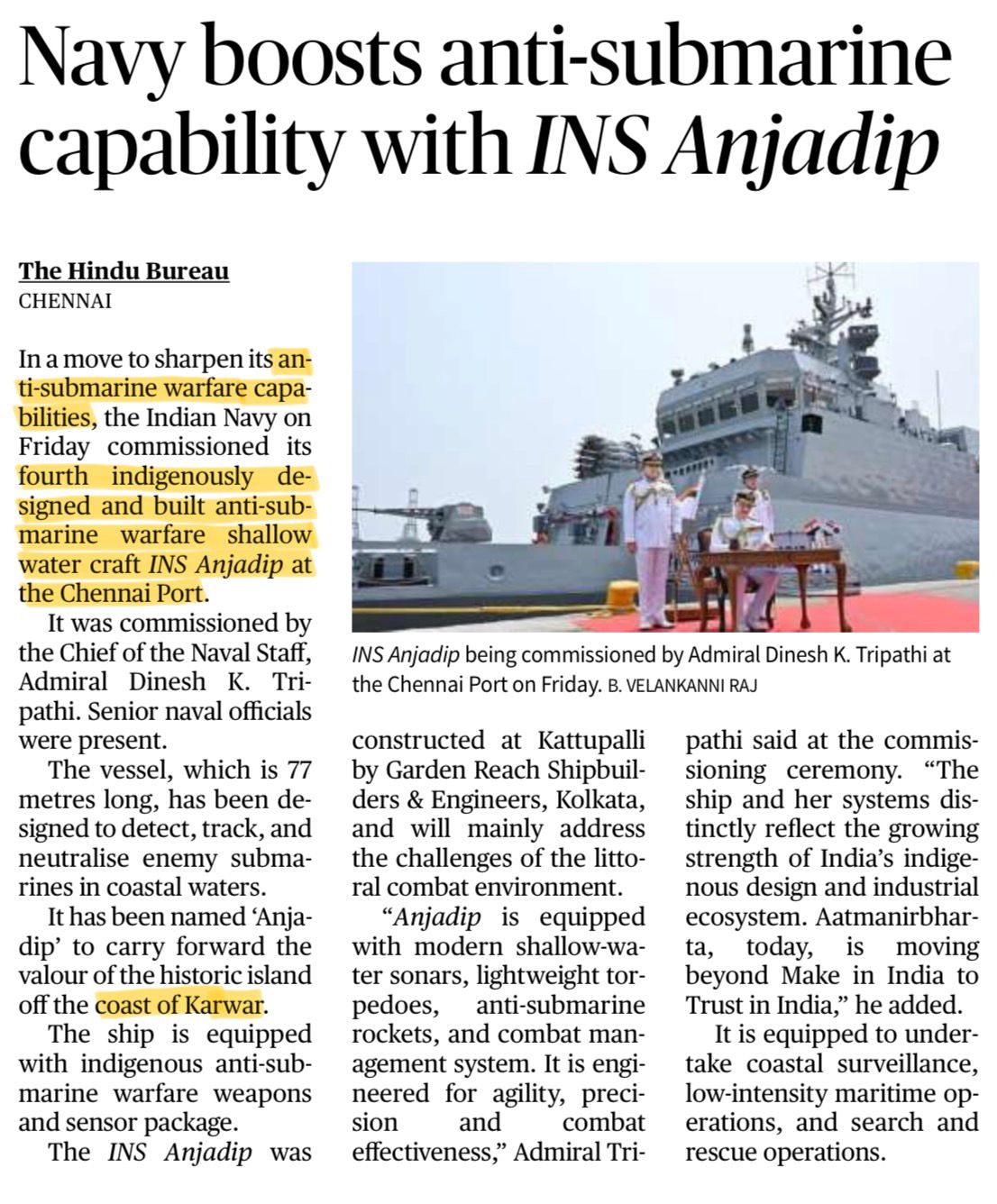
INS Anjadip Commissioned: Boost to Indian Navy Anti-Submarine Warfare Capability

Type: Anti-Submarine Warfare Shallow Water Craft (ASW-SWC)
This class of vessels is specifically designed to operate in shallow coastal waters where larger destroyers or frigates may face limitations.

Service: Indian Navy
Commissioned: 2026 (Chennai)
Builder: Garden Reach Shipbuilders & Engineers (GRSE), Kolkata
Project: Part of the 16-ship ASW-SWC programme aimed at boosting coastal defence.

Role

• Detects, tracks and destroys enemy submarines operating close to India’s coastline.
• Enhances India’s littoral Anti-Submarine Warfare (ASW) capability, especially in shallow waters where submarine threats are harder to track.

Key Systems

• Hull-mounted sonar optimised for shallow water detection.
• Lightweight torpedoes for precise submarine targeting.
• Anti-submarine rocket systems for rapid response.
• Integrated Combat Management System (CMS) for coordinated operations.
• Search and Rescue (SAR) capability to support humanitarian missions as well.

Significance

• Strengthens India’s ability to counter submarine threats in coastal zones.
• Enhances maritime security in the Arabian Sea, a region of growing strategic competition.
• Reflects progress in indigenous defence manufacturing under Aatmanirbhar Bharat.

Earlier ASW-SWCs Commissioned

INS Arnala
INS Androth
INS Agray

INS Anjadip is the fourth ship inducted under this programme, gradually building a layered coastal defence network.

Anjadip Island – Historical Importance

• Located off the Karwar coast of Karnataka in the Arabian Sea.
• Served as an early Portuguese maritime base in the 16th century.
• Played a supporting role during Operation Vijay (1961), India’s operation to liberate Goa, helping consolidate control over the western seaboard after liberation.
INS Anjadip
INS Anjadip

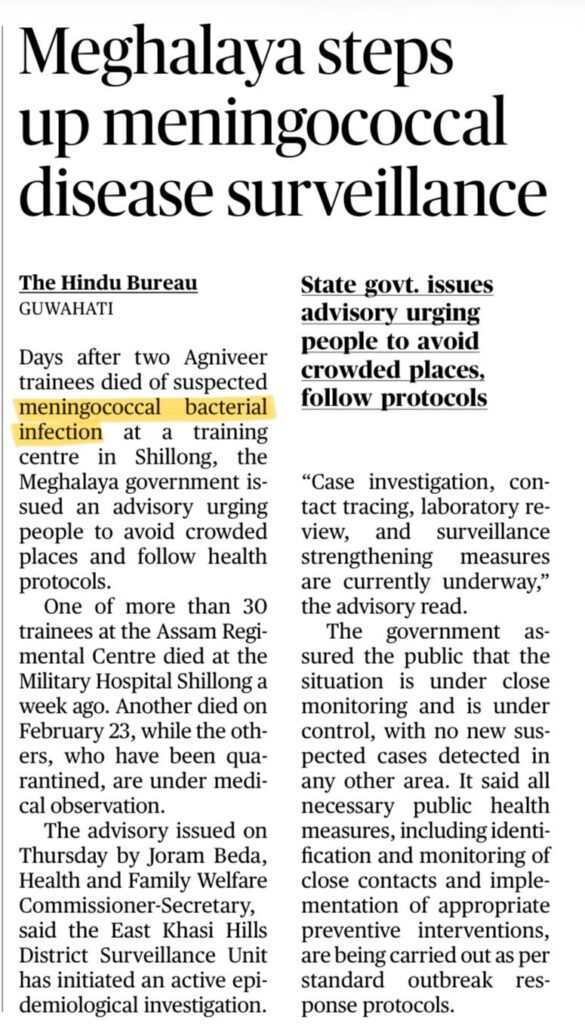
Meningococcal Disease Surveillance Intensified in Meghalaya

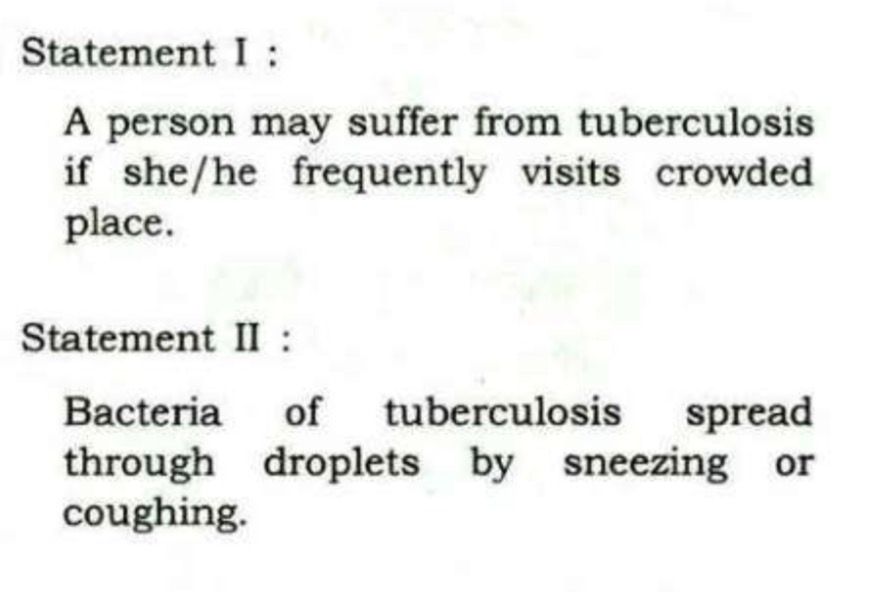
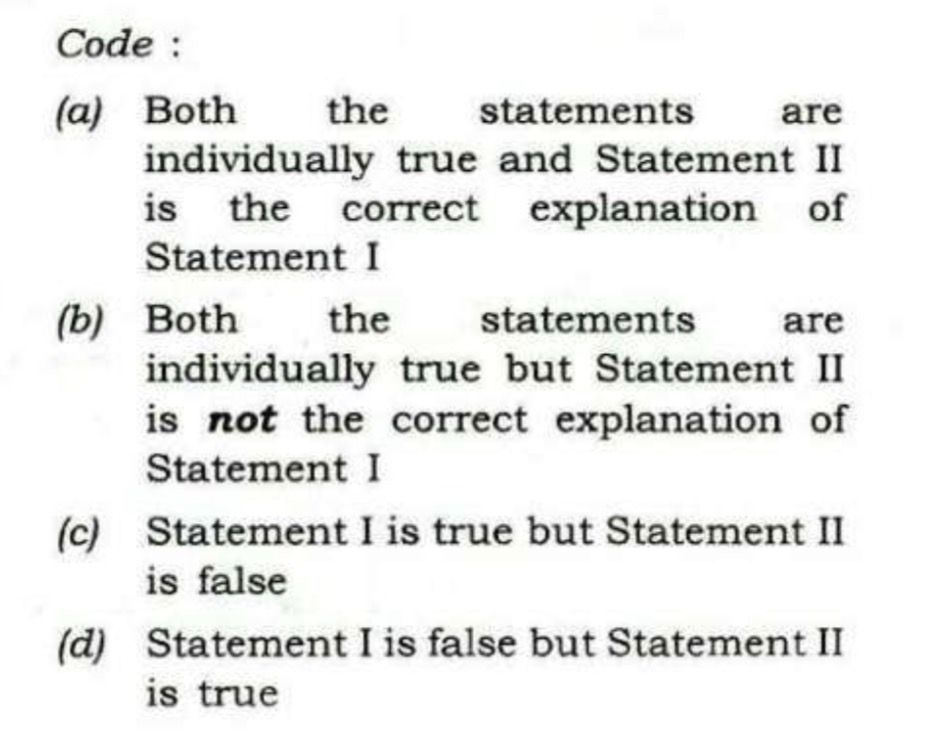
Meningococcal Disease

Causative Agent: Neisseria meningitidis, a bacterium.
Nature of Disease: Causes acute bacterial meningitis and may also lead to septicemia, which can become life-threatening rapidly.

Spread

• Transmitted through respiratory droplets released during coughing or sneezing.
• Requires close contact for transmission.
• Spreads faster in crowded settings such as hostels, military barracks and dormitories.

Risk Factors

• Overcrowding increases transmission probability.
• Low immunity makes individuals more vulnerable.
• Unvaccinated populations are at higher risk.
• Seasonal peaks may be observed in outbreaks.

Symptoms

• High fever accompanied by severe headache.
• Neck stiffness, indicating meningeal irritation.
• Vomiting and altered sensorium.
• Purplish rash in septicemic cases.
• Can rapidly progress to shock if untreated.

Treatment

• Early administration of antibiotics is critical for survival.
• Chemoprophylaxis is advised for close contacts to prevent secondary spread.

Vaccination

MenACWY vaccine available.
MenB vaccine available.

Important Bacterial Diseases (For Comparison)

Tuberculosis | Typhoid | Cholera | Plague | Diphtheria

Important Viral Diseases

COVID-19 | Measles | Influenza | Dengue | Hepatitis B | Rabies

Key Insight: In densely populated settings, meningococcal disease can spread quickly. Early diagnosis, antibiotic therapy and vaccination significantly reduce mortality rates.

Meningococcal Disease
PYQ – 2018, Ans – A

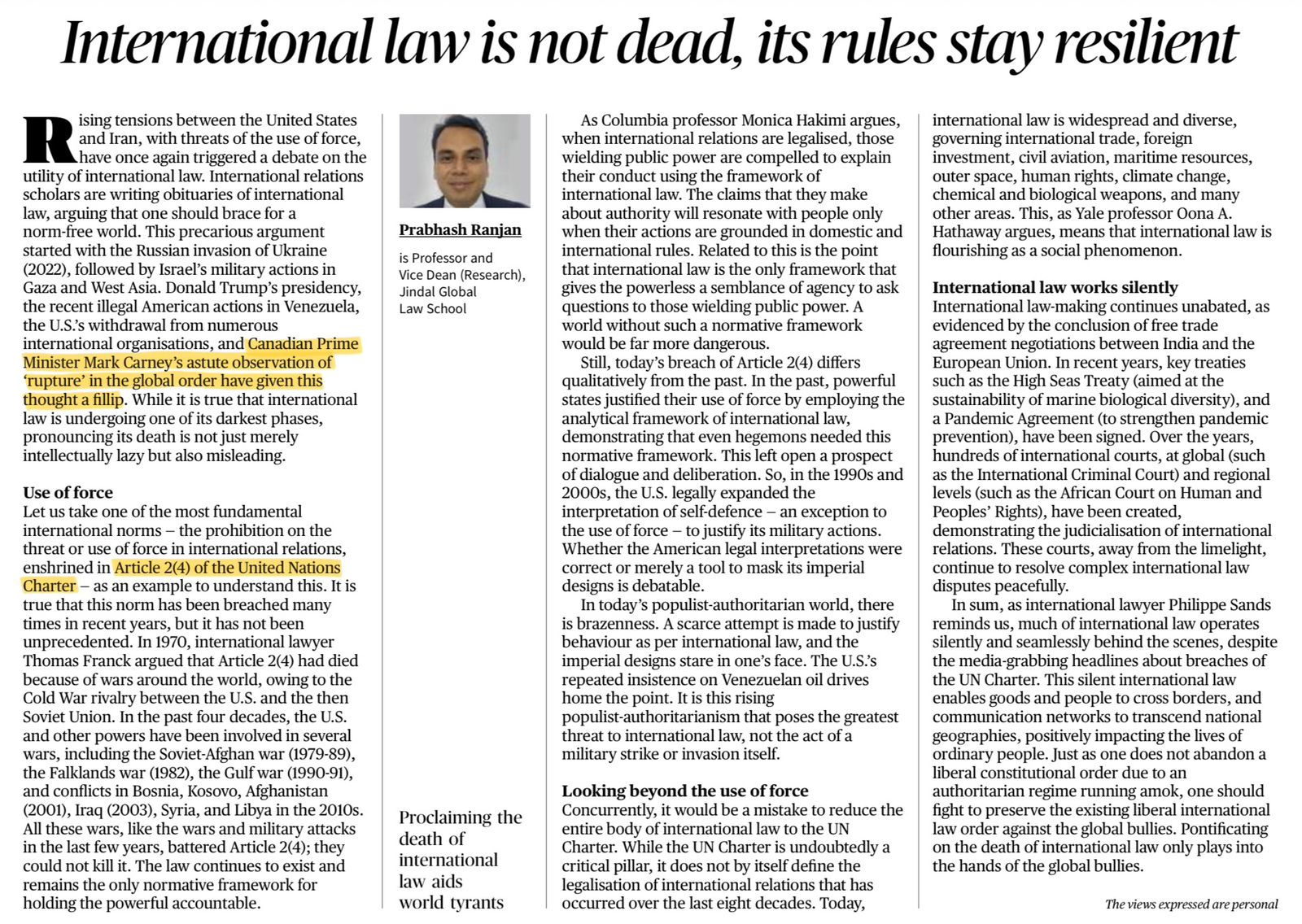
International Law and UN Charter Article 2(4) Amid Global Conflicts

Context

In the backdrop of the Russia–Ukraine war, the Gaza conflict, U.S. actions in Venezuela and rising great-power rivalry, scholars argue that international law is weakening. The editorial counters this claim by emphasising its continued resilience.

UN Charter – Article 2(4)

• Prohibits the threat or use of force against the territorial integrity or political independence of states.
• Forms the foundation of the post-World War II international order.

Exceptions

Article 51 permits self-defence if an armed attack occurs.
• The UN Security Council may authorise use of force.

Even when states violate these norms, they typically justify actions within the legal framework, indicating that international law continues to shape behaviour.

Summary of Argument

  1. Repeated Violations Yet Survival
    • Conflicts such as the Falklands War (1982), Gulf War (1990–91), Iraq War (2003), Libya and Syria strained Article 2(4).
    • Despite breaches, the broader legal system endured.
  2. Legal Justification by Powerful States
    • In the 1990s–2000s, the U.S. expanded interpretations of self-defence to justify interventions.
    • This demonstrates that even powerful states seek legal legitimacy.
  3. Current Concern
    • A growing disregard for legal justification in populist-authoritarian politics may undermine norms more seriously than isolated violations.
  4. International Law Beyond War
    International law also governs:
    • Trade
    • Aviation
    • Climate agreements
    • Human rights
    • Maritime law
    • Outer space
    • Biological and chemical weapons

Examples cited:
High Seas Treaty
• Pandemic Agreement
International Criminal Court
• Regional human rights courts

These institutions continue functioning despite geopolitical instability.

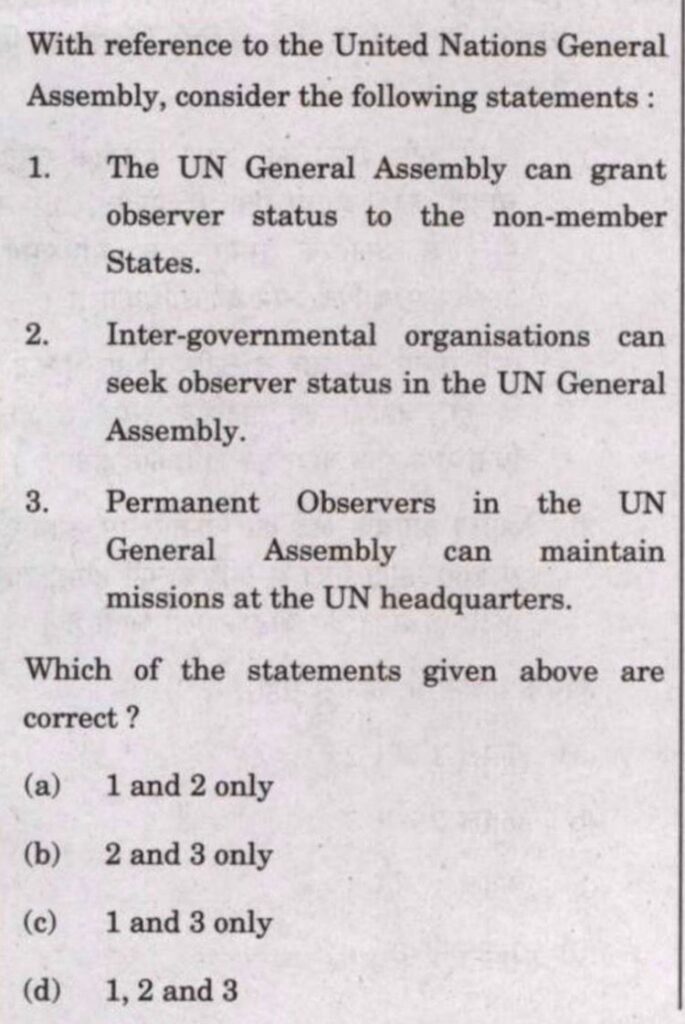
International Law
International Law
PYQ -2022, Ans – D

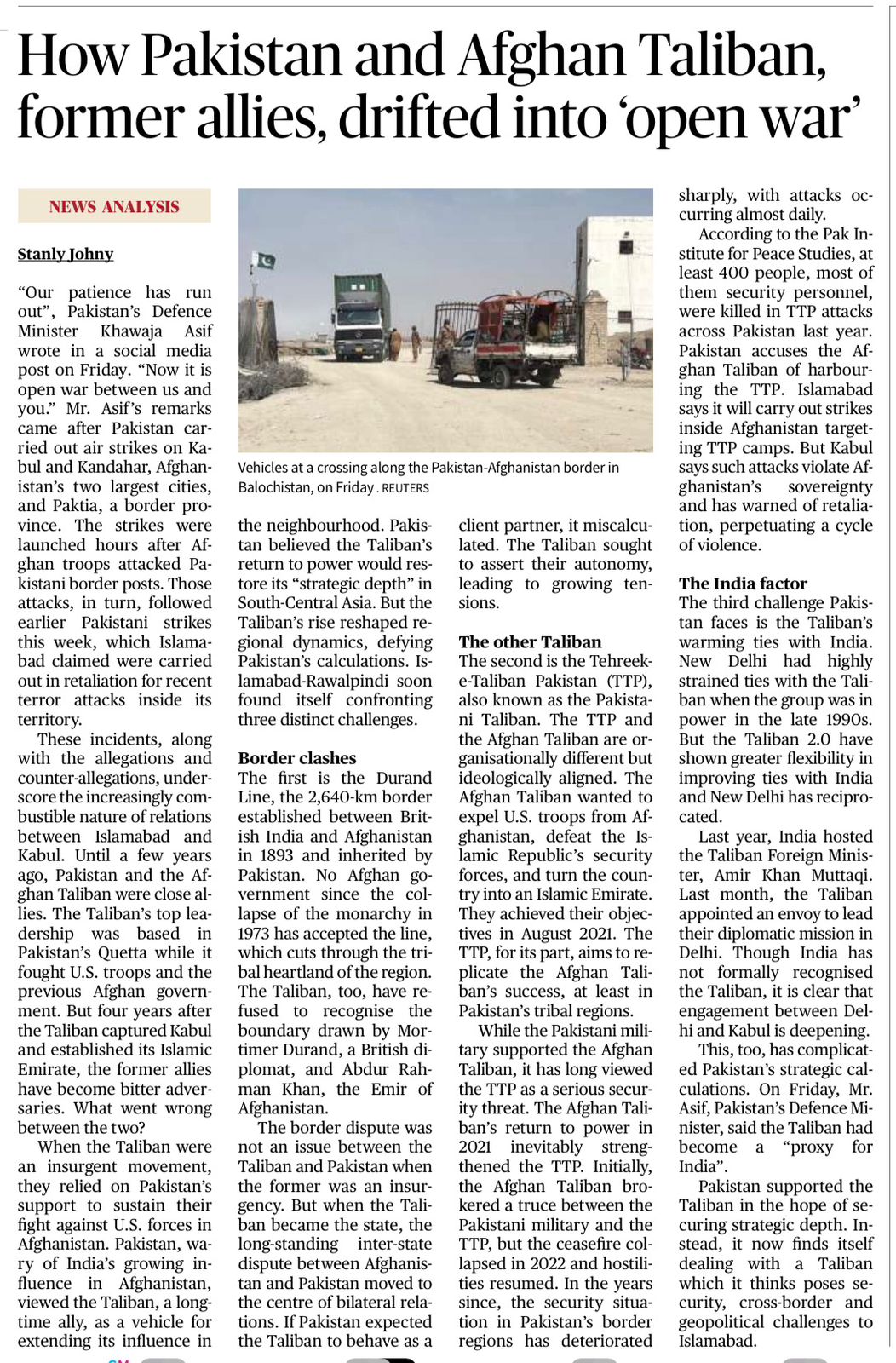
Durand Line Dispute and Rising Pakistan–Afghan Taliban Conflict

Context

Escalating airstrikes and cross-border clashes reflect a serious deterioration in relations between Pakistan and the Afghan Taliban.

Chronology- From Strategic Alignment to Conflict

  1. 1990s–2001: Strategic Alignment
    • Pakistan supported the Taliban during the Afghan civil war.
    • Taliban leadership operated from Quetta in Pakistan.
    • The objective was to secure “strategic depth” against India.
  2. 2001–2021: Insurgency Phase
    • Taliban fought the U.S.-backed Afghan government.
    • Pakistan was accused of providing sanctuary, though it denied formal involvement.
  3. August 2021: Taliban Return to Power
    • Taliban captured Kabul and restored the Islamic Emirate.
    • Pakistan expected a cooperative regime.
  4. Rise of TTP
    Tehreek-e-Taliban Pakistan intensified attacks in Khyber Pakhtunkhwa and Balochistan.
    • Pakistan accused Afghan Taliban of sheltering TTP.
    • A ceasefire brokered earlier collapsed in 2022.
  5. Durand Line Dispute
    • 2,640 km border drawn in 1893 between British India and Afghanistan.
    • Afghan governments have historically rejected it.
    • Frequent clashes occur in sectors such as Chaman, Torkham and Spin Boldak.
  6. 2024–26 Escalation
    • Pakistan conducted airstrikes in Kabul, Kandahar and Paktia.
    • Afghan forces retaliated at border posts.
    • Civilian casualties reported, raising fears of near open conflict.
Durand Line
Durand Line

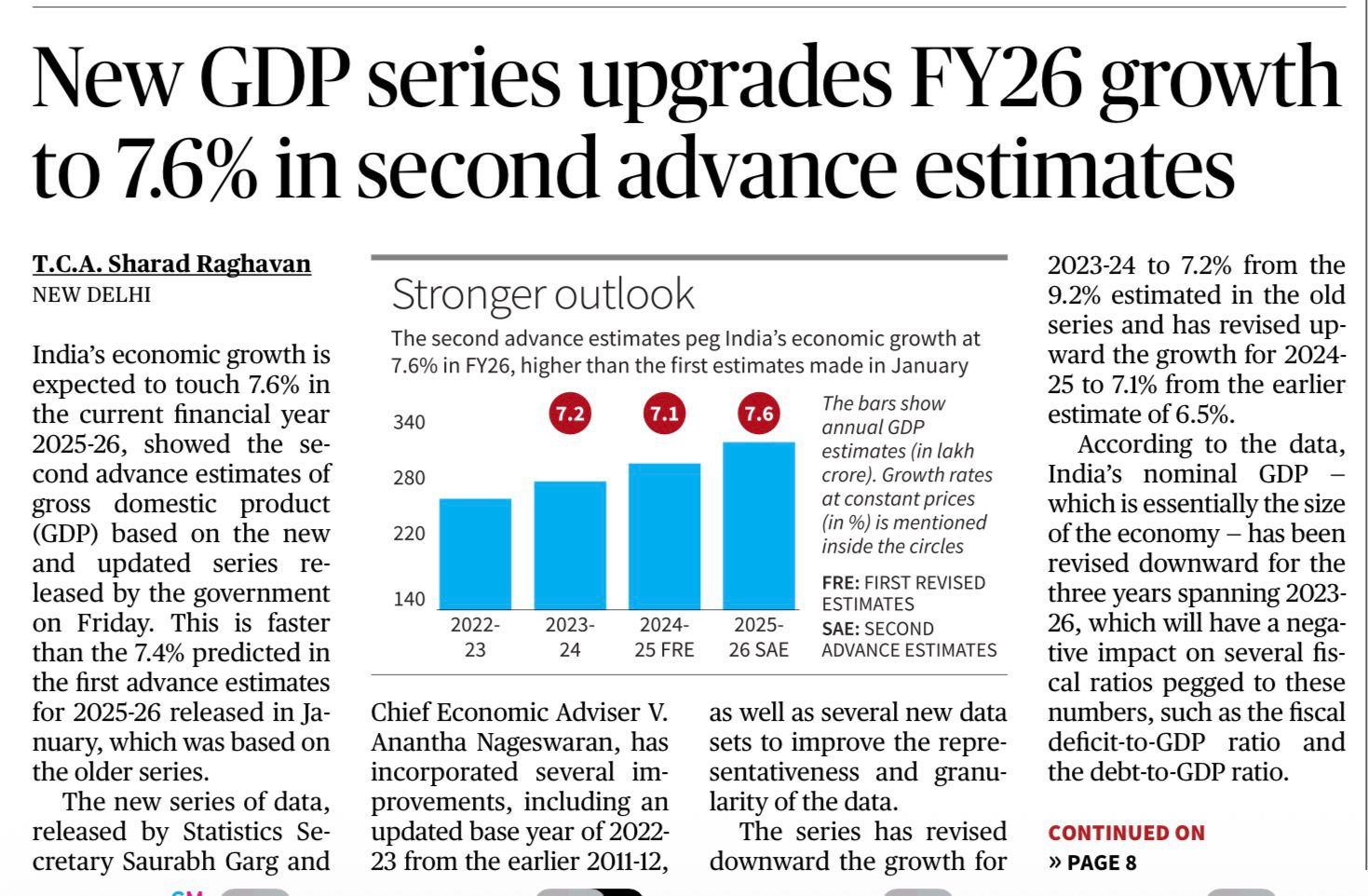
New GDP Series with 2022–23 Base Year: FY26 Growth at 7.6%

Context

The government released revised national accounts with base year 2022–23. Second advance estimates peg FY2025–26 GDP growth at 7.6%, higher than the earlier 7.4%.

GDP (Gross Domestic Product)

• Represents the total value of final goods and services produced within India in a year.
• Formula: GDP = GVA + Taxes on products − Subsidies.
• Used to measure the overall size of the economy.

GVA (Gross Value Added)

• Measures value addition by producers across sectors such as agriculture, industry and services.
• Formula: GVA = Output − Intermediate Consumption.
• Reflects sector-wise performance more directly.

Why GVA Is Analytically Preferred

• Directly shows sectoral contribution.
• Minimises distortions from tax changes.
• Useful for analysing structural shifts.
• GDP can fluctuate due to indirect tax variations rather than real production changes.

Key Changes in the New Series

• Base year shifted from 2011–12 to 2022–23.
• Improved methodology adopted.
• Greater use of GST data and enhanced datasets.
• Historical growth numbers revised.

Important Data

• FY26 GDP growth: 7.6% (Second Advance Estimate).
• Earlier estimate: 7.4%.
• FY25 revised upward to 7.1% (earlier 6.5%).
• FY24 revised downward to 7.2% (earlier 9.2% in old series).

New GDP Series
New GDP Series
About the UPSC Civil Services Examination (UPSC CSE)

The UPSC Civil Services Examination (CSE) is one of the most competitive and esteemed examinations in India, conducted by the Union Public Service Commission to recruit officers for services such as the Indian Administrative Service (IAS), Indian Police Service (IPS), Indian Foreign Service (IFS), and others. The exam comprises three stages — Prelims, Mains, and the Personality Test (Interview) — designed to test a candidate’s knowledge, aptitude, decision-making, and leadership skills.


How to Prepare Effectively for UPSC CSE

Cracking the UPSC CSE requires a deep understanding of the syllabus, consistent revision, structured answer writing, and smart test-taking strategies. The Prelims test analytical and conceptual clarity, the Mains focuses on critical thinking, articulation, and subject mastery, while the Interview assesses presence of mind, ethical judgment, and personality traits relevant to public service.

At UnderStand UPSC, we empower aspirants with a personalized and focused approach to each stage of the exam.


Why Choose UnderStand UPSC?

UnderStand UPSC is a mentorship-driven platform offering a clear, clutter-free strategy to tackle the Civil Services Examination. Our programs like Transform (for beginners and intermediate learners) and Conquer (for advanced mains preparation) provide structured study plans, syllabus-wise video content, interactive live sessions, and answer writing support.

We emphasize:

  • Concept clarity through topic-wise lectures

  • Test series designed around real UPSC standards

  • Personalized mentorship in small groups

  • Regular performance tracking and peer benchmarking

  • Doubt-clearing sessions, current affairs analysis, and monthly magazines


Join the UnderStand UPSC Learning Community

Our mission is to make UPSC preparation less overwhelming and more strategic. We combine mentorship, discipline, and academic rigor to help you clear CSE with confidence. Whether you’re preparing from Delhi, Mumbai, Bangalore, or a remote village — our online-first model ensures quality guidance reaches every corner of India.

Join the thousands of aspirants who trust UnderStand UPSC to guide their journey toward becoming civil servants.

Stay connected with us through our Telegram, YouTube, and Instagram channels for daily tips, strategies, and updates.

Copyright © 2026 USARAMBHA EDUCATION (UnderStand UPSC). All Rights Reserved.

Join the Success Journey!