9 April 2026 | Daily Current Affairs

India–Türkiye Relations: Diplomatic Talks Signal Possible Reset

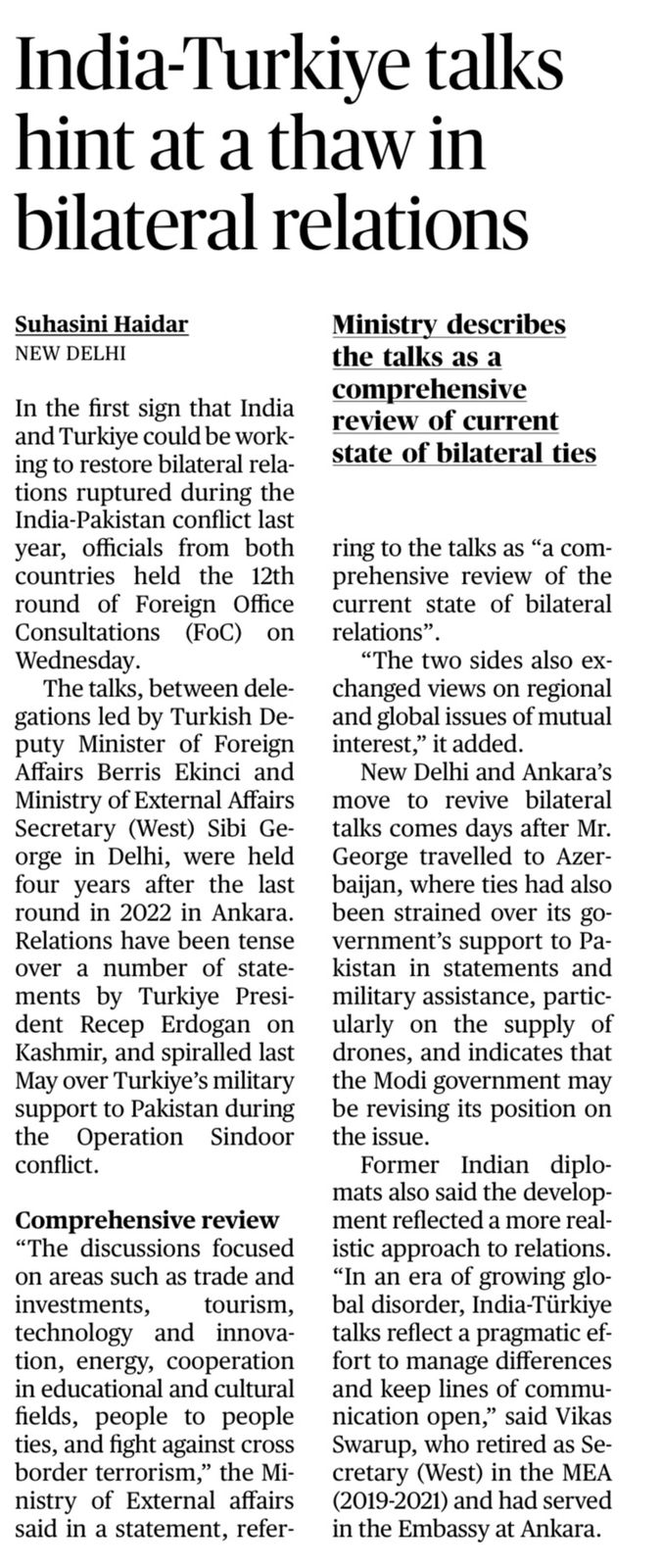
Context: India–Türkiye Relations

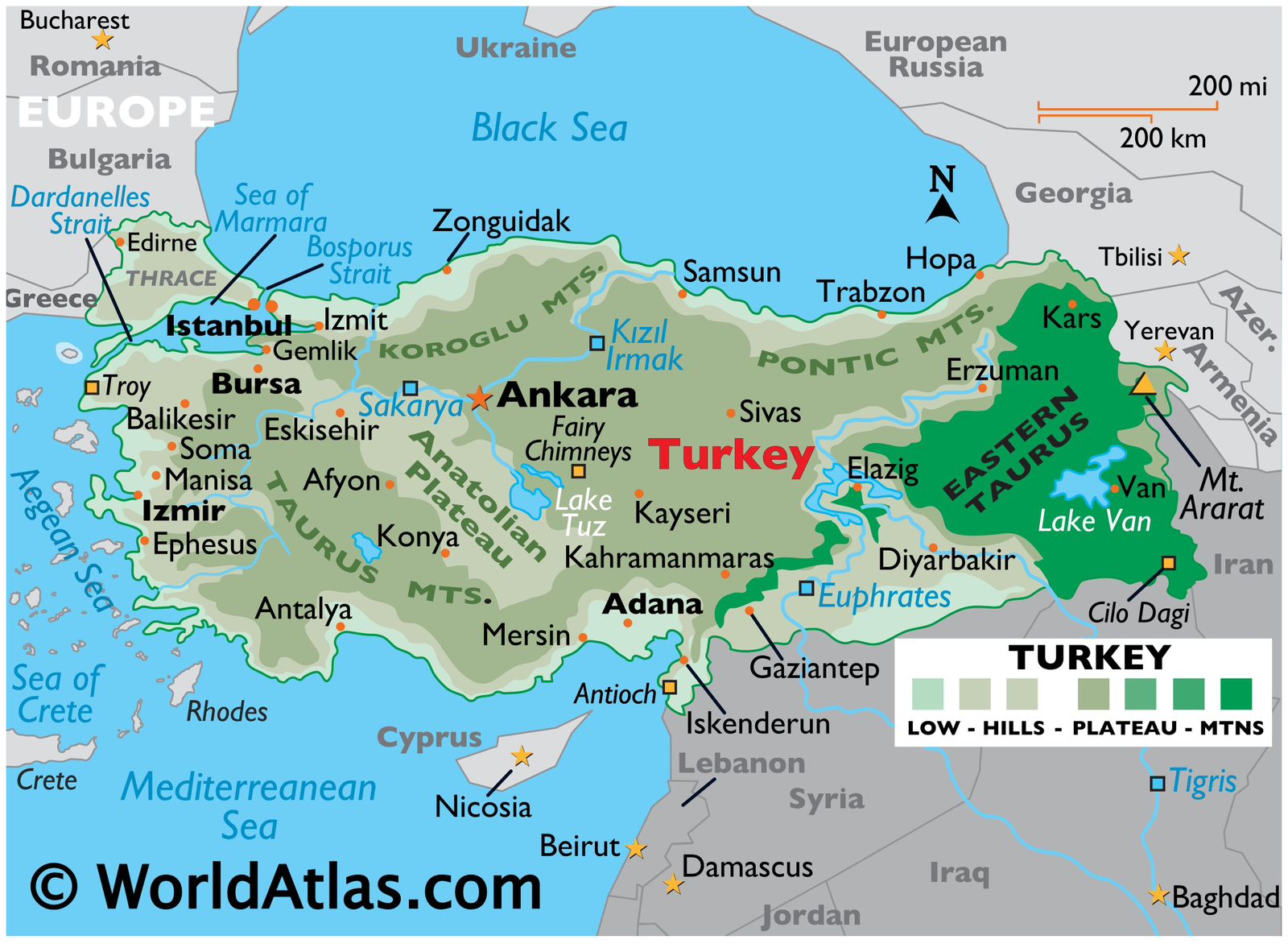
India and Türkiye held the 12th round of Foreign Office Consultations (FoC: structured diplomatic dialogue between foreign ministries) after ~4 years, signalling a possible reset in strained bilateral ties.

India–Türkiye Relations: Historical Evolution

  1. Pre-independence linkages
    • Ottoman–Indian connect; Khilafat Movement (1919–24) support from India
  2. Post-1947 phase
    • Formal diplomatic ties established; limited engagement
  3. Cold War divergence
    • Türkiye → NATO member (Western bloc)
    • India → Non-Aligned Movement (NAM)
    → Strategic distance emerges
  4. Post-1991 phase
    • Growth in trade, tourism, aviation links
    • Gradual engagement but not strategic
  5. Recent phase (2010s–2020s)
    • Relations deteriorate due to geopolitical and ideological differences

Core Differences in Relations

  1. Kashmir issue
    • Türkiye repeatedly raises Kashmir at United Nations platforms
    • India views it as violation of sovereignty
  2. Türkiye–Pakistan alignment
    • Defence ties: drones, military cooperation
    • Diplomatic support to Pakistan on India-related issues
  3. Strategic–ideological positioning
    • Türkiye’s pan-Islamic outreach
    • India’s territorial integrity & non-interference principle
  4. Multilateral friction
    • Divergence in global forums and narratives

Operation Dost

  1. Launched: 2023 (Türkiye–Syria earthquake)
  2. India’s assistance:
    • National Disaster Response Force teams
    • Field hospitals, rescue operations
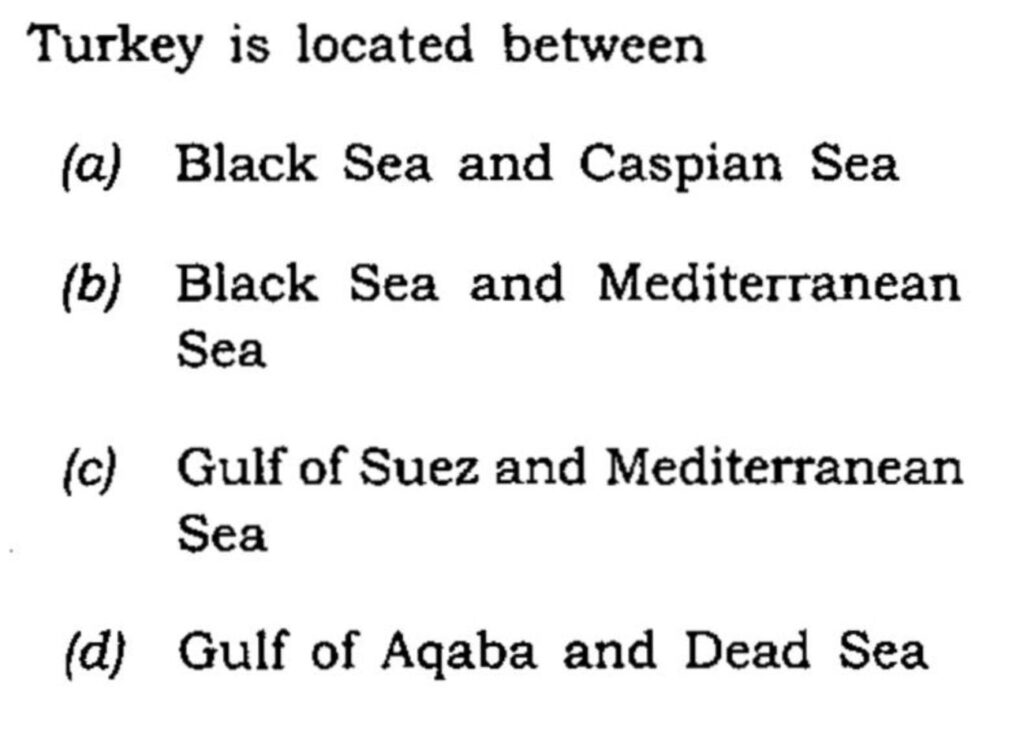
PYQ – 2014, Ans – B

COP33 Summit: India Withdraws Bid to Host 2028 Climate Meet

Context: COP33 Summit

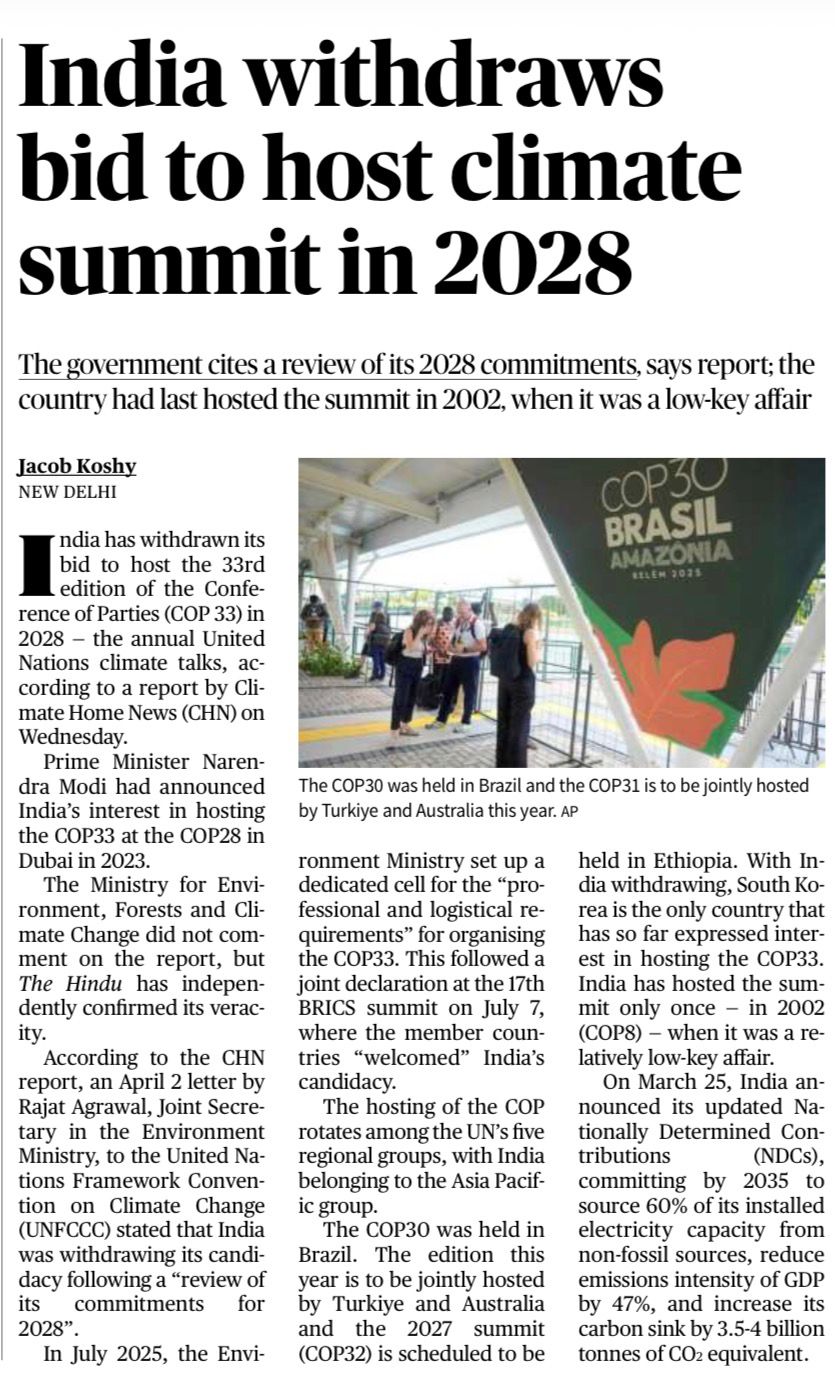
India has withdrawn its bid to host COP33 (2028) under UNFCCC, citing a review of its climate commitments.

Integrated Notes

  1. COP Basics
    • Conference of Parties (COP) → annual UN climate summit under UNFCCC (1992)
    • Decides targets, finance, mitigation, adaptation
  2. Timeline + Decision
    • 2002 → India hosted COP8 (New Delhi)
    • 2023 (COP28, Dubai) → India announced bid for COP33
    • 2025 → BRICS supported candidature
    • April 2026 → India withdrew (review of 2028 commitments)
  3. Hosting Mechanism
    • Rotates among 5 UN regional groups
    • India → Asia-Pacific group
    • After withdrawal → South Korea main contender
  4. Current COP Sequence
    • COP30 → Brazil
    • COP31 → Türkiye + Australia
    • COP32 → Ethiopia
    • COP33 → undecided
  5. India’s Climate Targets
    • 60% power capacity from non-fossil sources (by 2035)
    • 47% reduction in emissions intensity of GDP
    • Carbon sink: 3.5–4 billion tonnes CO₂
  6. Core Reason
    • Implementation priority > hosting burden
    • Focus on meeting NDC targets + resource optimisation
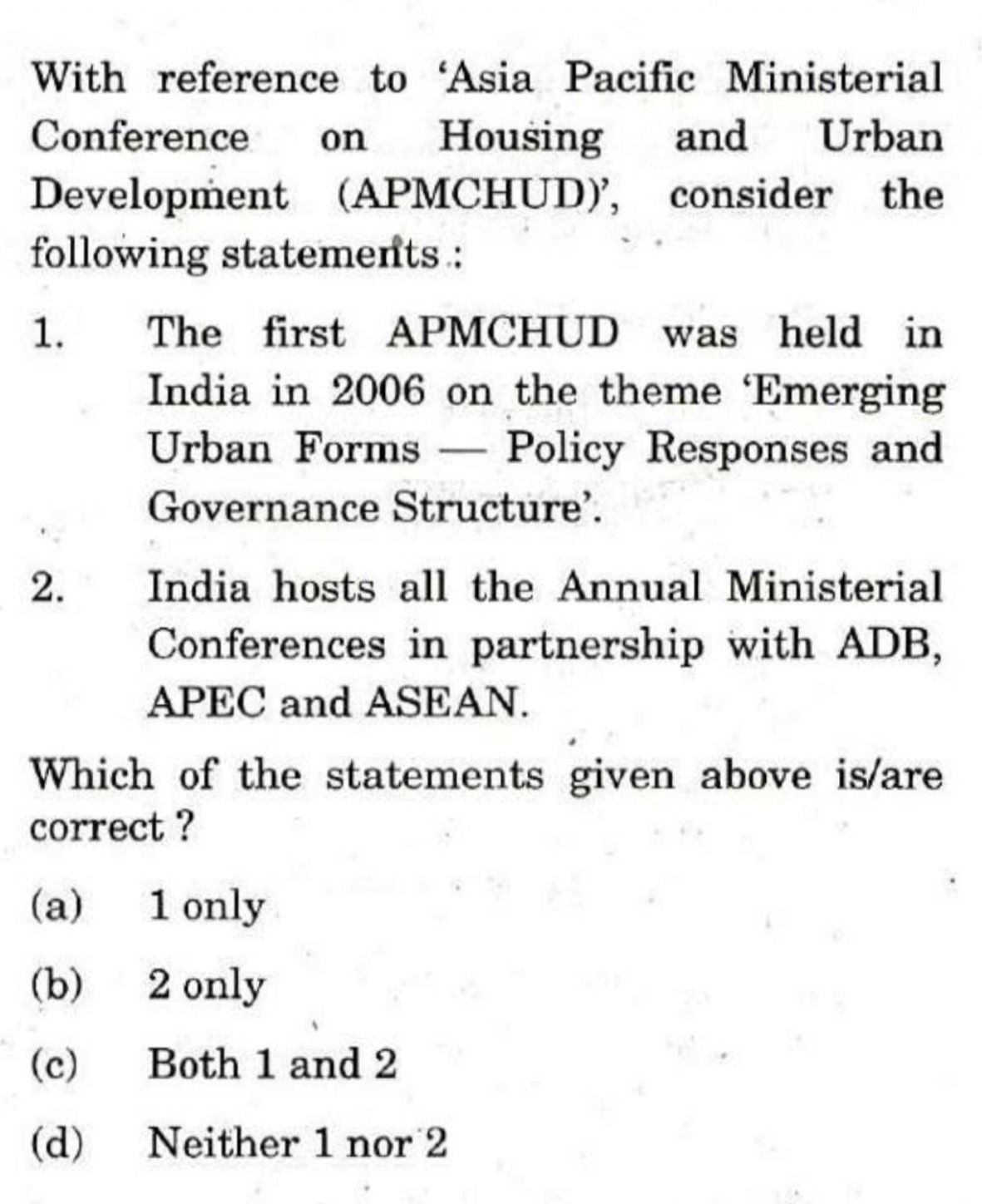
PYQ – 2017, Ans – D

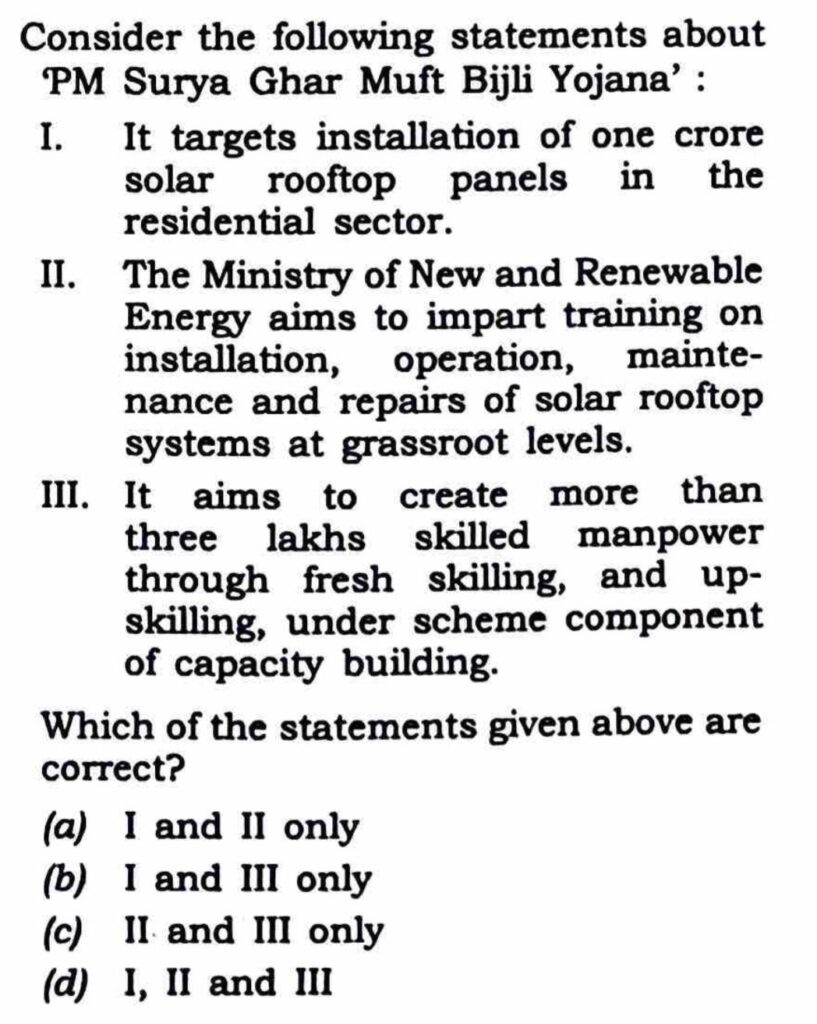
Rooftop Solar Scheme: Govt Plans Incentives for States

Context: Rooftop Solar Scheme

To meet the target of 1 crore households under PM Surya Ghar by March 2027, the government is planning incentives for States to promote the Utility-Led Aggregation (ULA) model, which has seen low adoption.

PM Surya Ghar: Muft Bijli Yojana

  1. Launch → February 2024
  2. Ministry → Ministry of New and Renewable Energy (MNRE)
  3. Outlay → ~₹75,000 crore
  4. Target → 1 crore households (rooftop solar)

Objective
• Provide up to 300 units free electricity/month
• Reduce electricity bills + carbon emissions
• Promote decentralised solar energy

Key Features

  1. Subsidy → up to 60% (≤2 kW), 40% (2–3 kW)
  2. DBT → subsidy directly to beneficiary
  3. Collateral-free loans available
  4. Net metering → sell surplus power
  5. National portal-based implementation

Utility-Led Aggregation (ULA) Model

  1. DISCOM installs rooftop solar for households
  2. Targets:
    • Poor households
    • Those lacking capital/infrastructure
  3. Initial ownership with DISCOM → later transfer to household
  4. Solves high upfront cost barrier
PYQ – 2025, Ans – D

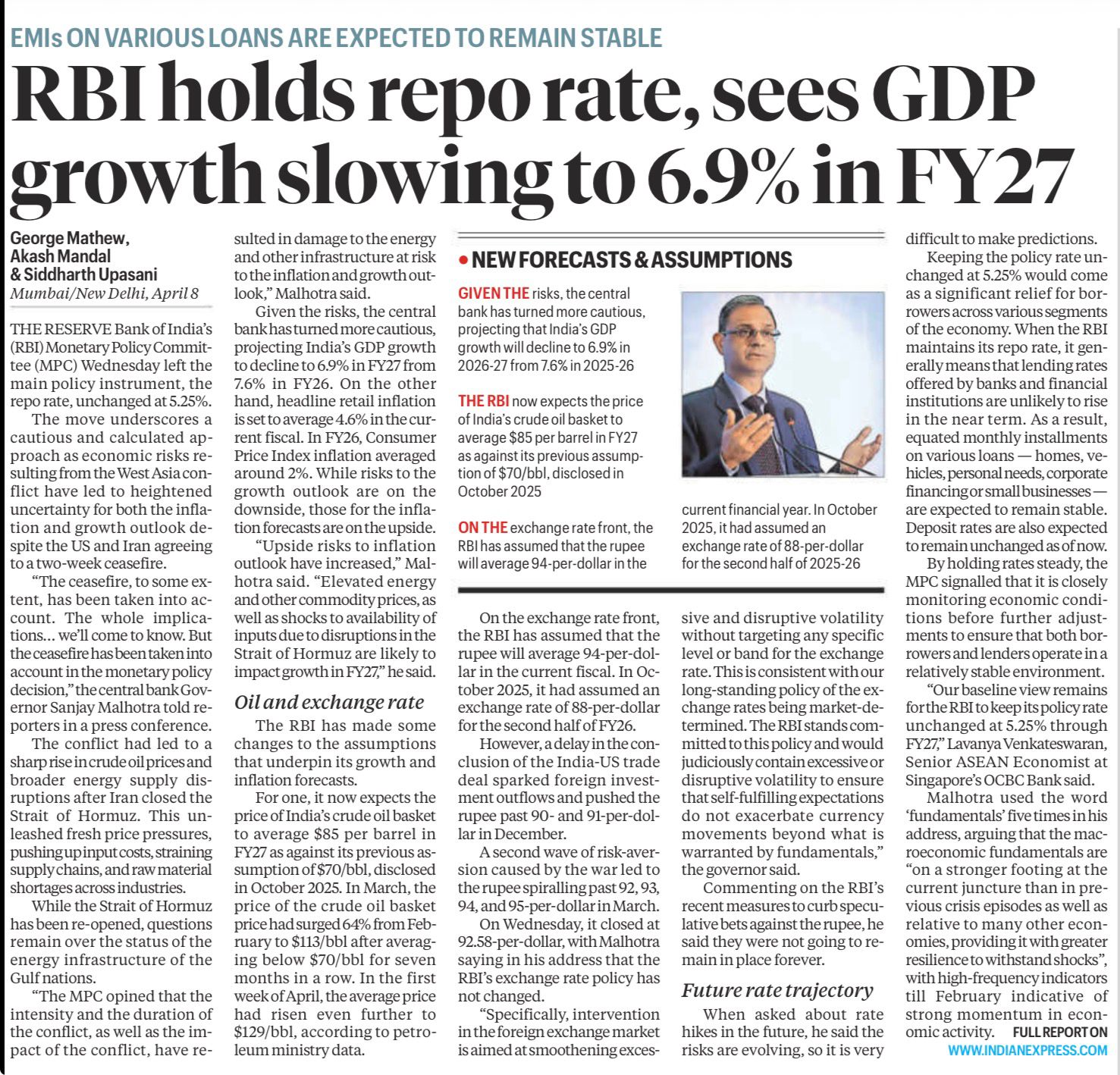
RBI Repo Rate: Held at 5.25%, GDP Growth Seen at 6.9%

Context: RBI Repo Rate

The RBI Monetary Policy Committee (MPC) kept the repo rate unchanged at 5.25%, while revising GDP growth for FY27 to 6.9%, reflecting a cautious stance amid global uncertainties.

Key Data

  1. Repo rate → 5.25% (unchanged)
  2. GDP growth (FY27) → 6.9% (earlier ~7.6%)

Reasons for Keeping Repo Rate Unchanged

  1. Global uncertainty (West Asia conflict)
    • Risk to oil supply (Strait of Hormuz)
    • Leads to imported inflation
  2. Rising crude oil prices
    • Direct impact on inflation + fiscal burden
  3. Inflation risks on upside
    • Energy + commodity shocks may increase prices
  4. Growth risks on downside
    • GDP forecast reduced → need to support growth
  5. Transmission of past rate changes
    • RBI waiting to see full impact of earlier policy actions
  6. Exchange rate pressure
    • Rupee volatility due to global instability

Implication

  1. EMIs → stable
  2. Borrowing cost → no immediate increase
  3. Policy stance → wait-and-watch / balanced approach
PYQ – 2020, Ans – B

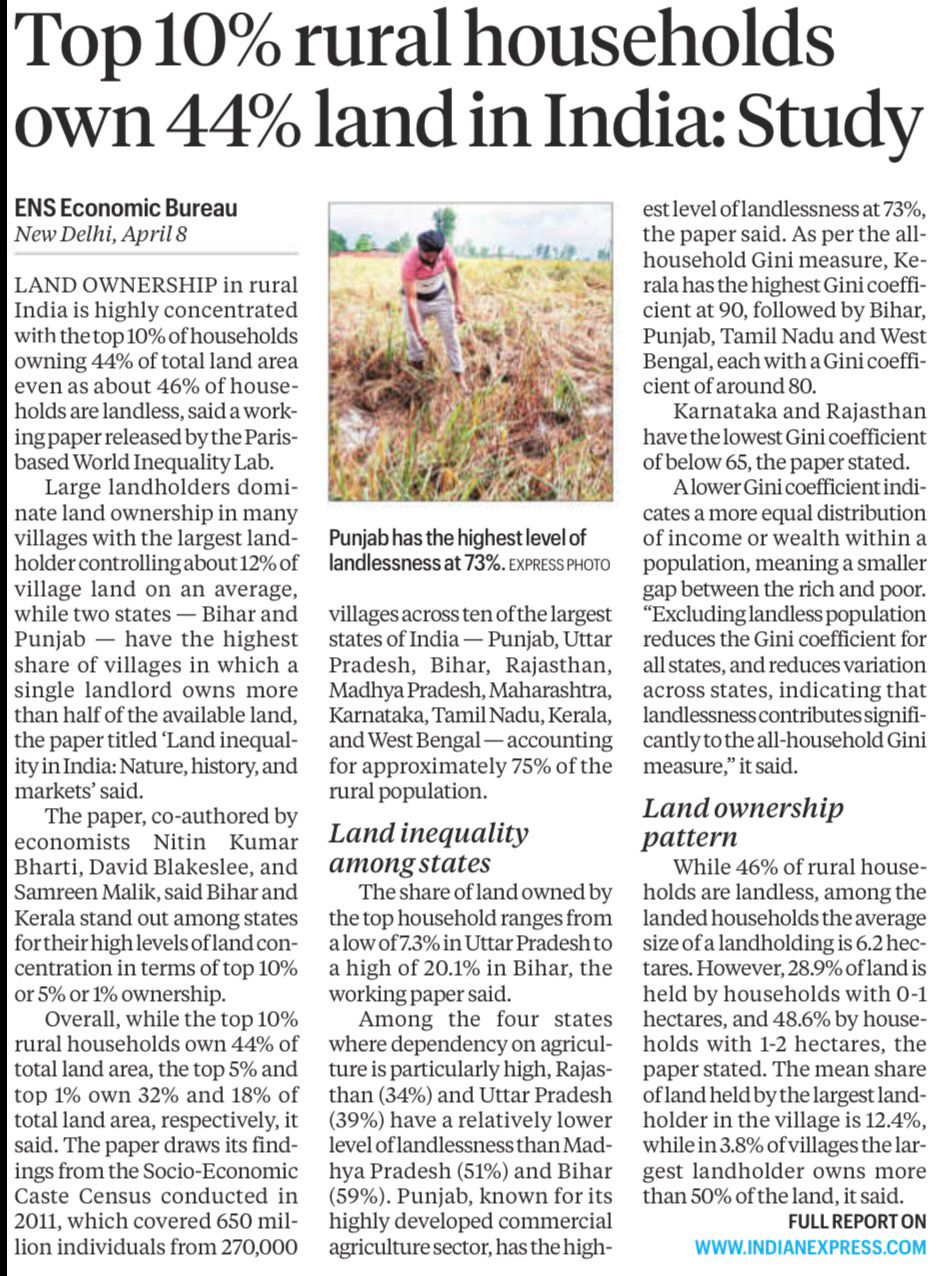
Land Inequality in India: Top 10% Own 44% Rural Land

Context: Land Inequality in India

World Inequality Lab study, based on Socio-Economic and Caste Census (SECC), 2011, shows high land inequality in rural India.

Key Data

• Top 10% → 44% land
• Top 5% → 32% land
• Top 1% → 18% land
• Landless households → ~46%
• Punjab → 73% landlessness
• Largest landholder → 12.4% village land
• 13.8% villages → one owns >50% land
• Highest inequality → Kerala (~90 Gini)
• Lowest → Karnataka, Rajasthan (<65)

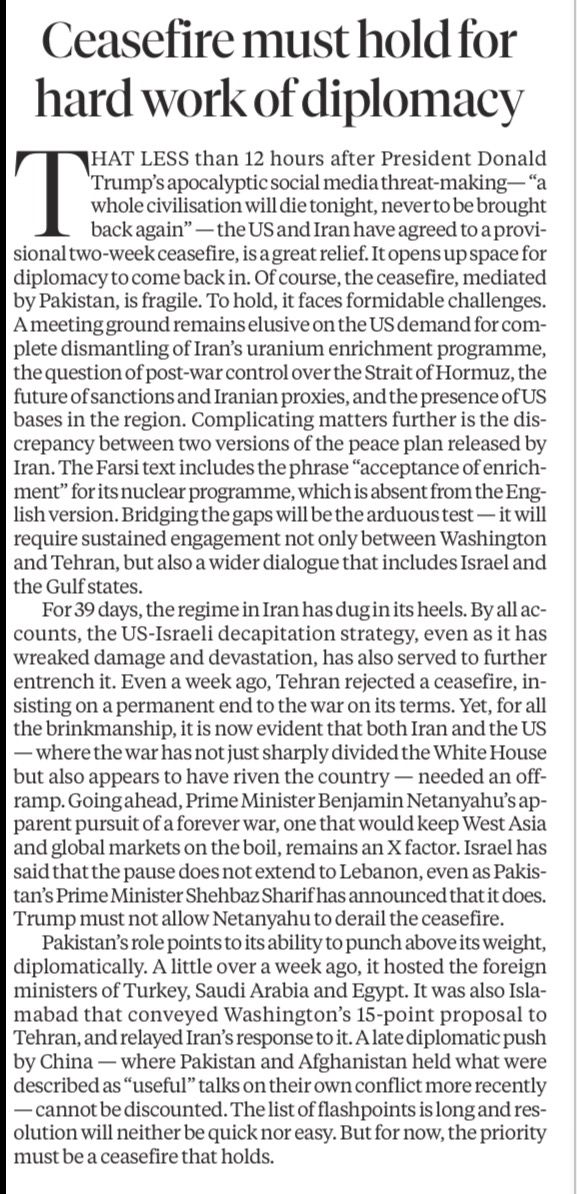
West Asia Ceasefire: Temporary Truce Amid Ongoing Conflict

Context: West Asia Ceasefire

After 39 days of intense conflict involving the U.S.–Israel side and Iran, both sides agreed to a temporary two-week ceasefire mediated by Pakistan. This pause is aimed at creating space for negotiations, but it remains fragile and uncertain.

Key Points

  1. Nature of ceasefire
    • Short-term pause, not a final peace agreement
  2. Core issues
    • Iran’s nuclear (uranium enrichment) programme
    • Sanctions on Iran
    • Strategic control (Strait of Hormuz)
  3. Trust deficit
    • Differences in interpretation of peace terms → lack of clarity
  4. Multiple stakeholders
    • Involvement of Israel, Gulf countries makes resolution complex
  5. Risk factors
    • Israel’s continued actions
    • Regional tensions → ceasefire can collapse anytime
  6. Editorial insight
    • Ceasefire is only an opportunity for diplomacy
    • Long-term peace requires continuous, multi-country engagement
About the UPSC Civil Services Examination (UPSC CSE)

The UPSC Civil Services Examination (CSE) is one of the most competitive and esteemed examinations in India, conducted by the Union Public Service Commission to recruit officers for services such as the Indian Administrative Service (IAS), Indian Police Service (IPS), Indian Foreign Service (IFS), and others. The exam comprises three stages — Prelims, Mains, and the Personality Test (Interview) — designed to test a candidate’s knowledge, aptitude, decision-making, and leadership skills.


How to Prepare Effectively for UPSC CSE

Cracking the UPSC CSE requires a deep understanding of the syllabus, consistent revision, structured answer writing, and smart test-taking strategies. The Prelims test analytical and conceptual clarity, the Mains focuses on critical thinking, articulation, and subject mastery, while the Interview assesses presence of mind, ethical judgment, and personality traits relevant to public service.

At UnderStand UPSC, we empower aspirants with a personalized and focused approach to each stage of the exam.


Why Choose UnderStand UPSC?

UnderStand UPSC is a mentorship-driven platform offering a clear, clutter-free strategy to tackle the Civil Services Examination. Our programs like Transform (for beginners and intermediate learners) and Conquer (for advanced mains preparation) provide structured study plans, syllabus-wise video content, interactive live sessions, and answer writing support.

We emphasize:

  • Concept clarity through topic-wise lectures

  • Test series designed around real UPSC standards

  • Personalized mentorship in small groups

  • Regular performance tracking and peer benchmarking

  • Doubt-clearing sessions, current affairs analysis, and monthly magazines


Join the UnderStand UPSC Learning Community

Our mission is to make UPSC preparation less overwhelming and more strategic. We combine mentorship, discipline, and academic rigor to help you clear CSE with confidence. Whether you’re preparing from Delhi, Mumbai, Bangalore, or a remote village — our online-first model ensures quality guidance reaches every corner of India.

Join the thousands of aspirants who trust UnderStand UPSC to guide their journey toward becoming civil servants.

Stay connected with us through our Telegram, YouTube, and Instagram channels for daily tips, strategies, and updates.

Copyright © 2026 USARAMBHA EDUCATION (UnderStand UPSC). All Rights Reserved.

Join the Success Journey!