23 April 2026 | Daily Current Affairs

Women in Panchayats: 73rd Amendment Impact on Grassroots Democracy for UPSC

Context: Women in Panchayats

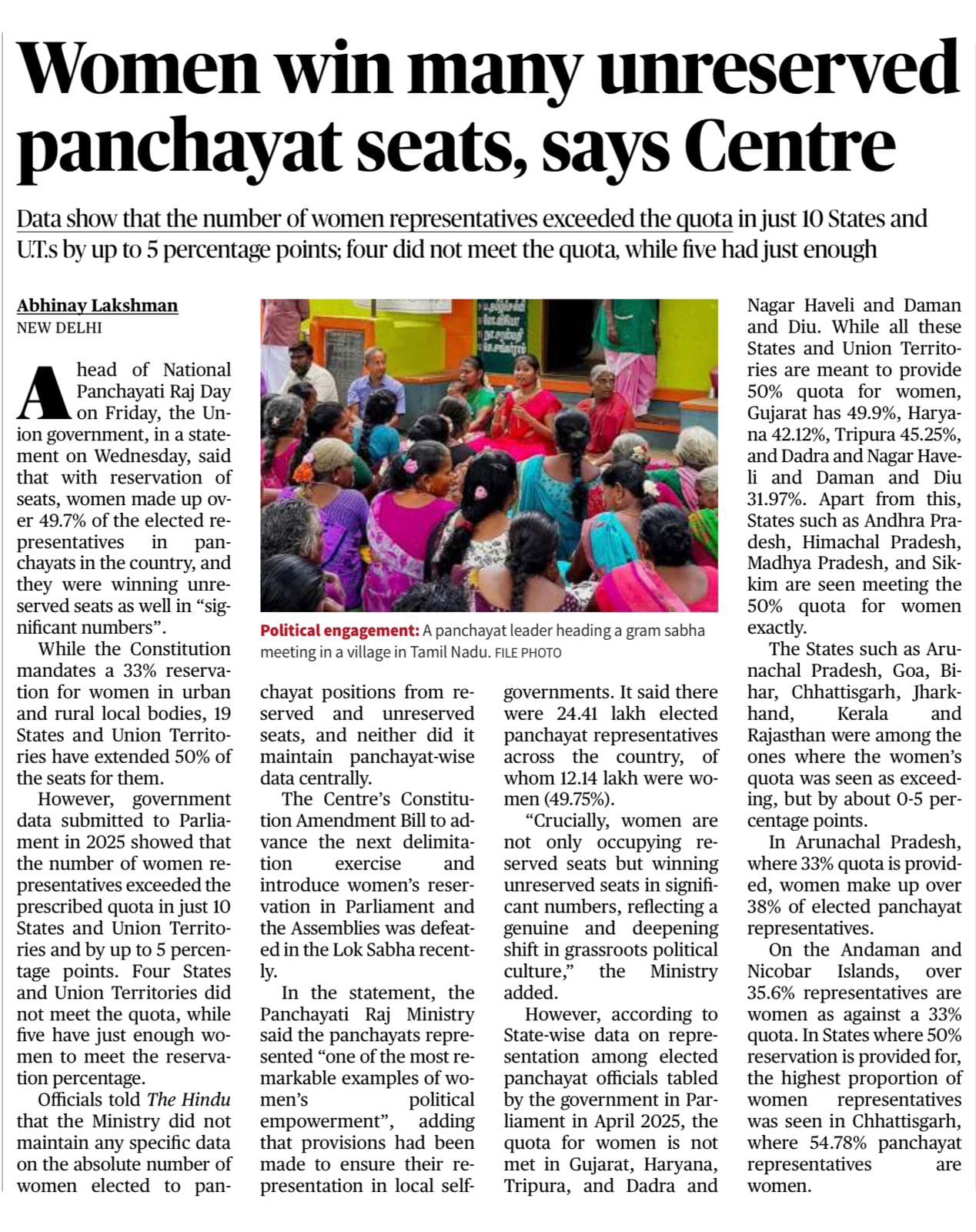
Three decades after the 73rd Constitutional Amendment, Panchayati Raj Institutions are being evaluated for outcomes in grassroots democracy, particularly the extent to which women’s political reservation has translated into independent leadership and broader representation beyond quotas.
Key Data

  1. Women’s reservation: minimum 33%; many states at 50%
  2. Women representatives: ~14–15 lakh (≈46%)
  3. Significant rise in women winning unreserved seats (key highlight)
  4. PRIs form the largest base of elected women globally
  5. Clear shift from quota-based presence to competitive electoral participation

Issues

  1. Proxy representation (“sarpanch pati”)
  2. Incomplete devolution of 3Fs (funds, functions, functionaries)
  3. Capacity and training gaps

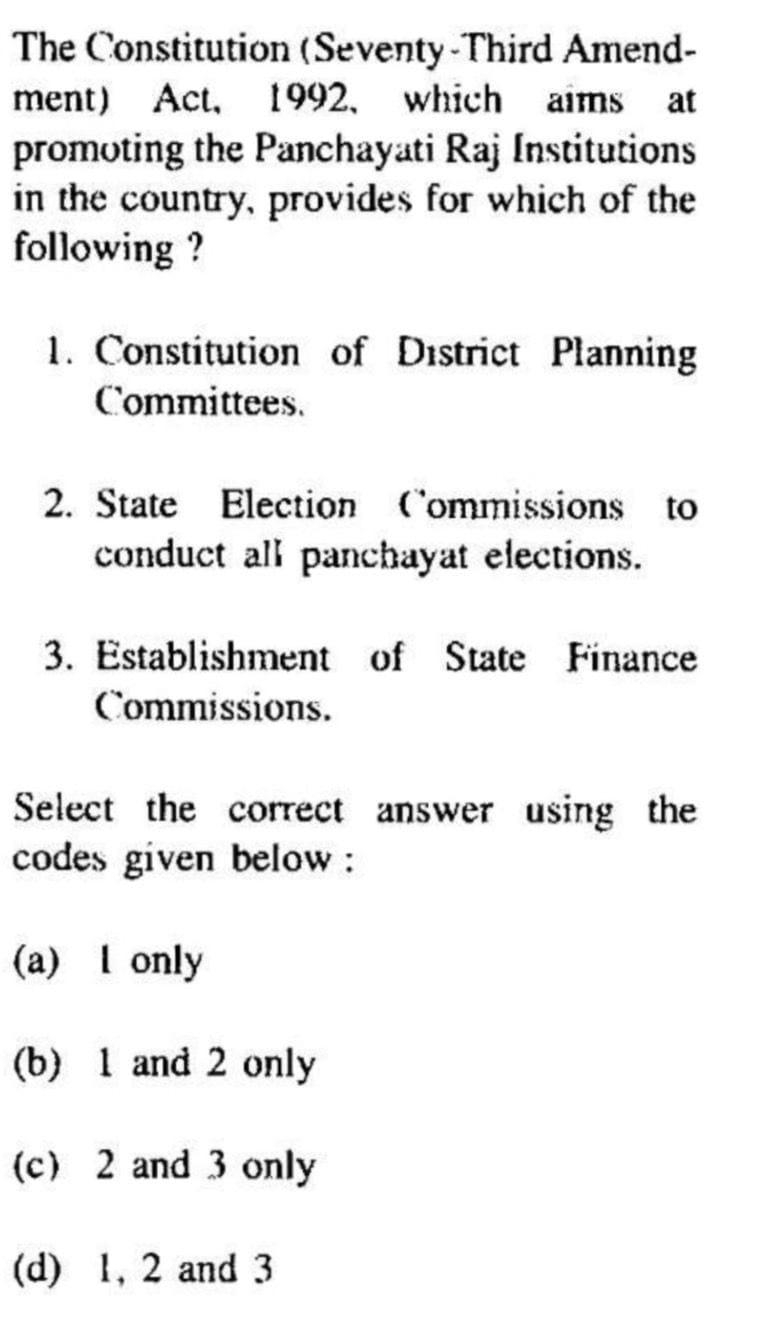
73rd Constitutional Amendment Act, 1992

  1. Part IX (Articles 243–243O)
  2. Three-tier system: village, intermediate, district
  3. Elections every 5 years (State Election Commission)
  4. Reservation: SC/ST (proportional), women ≥33%
  5. 11th Schedule: 29 subjects
  6. State Finance Commission every 5 years
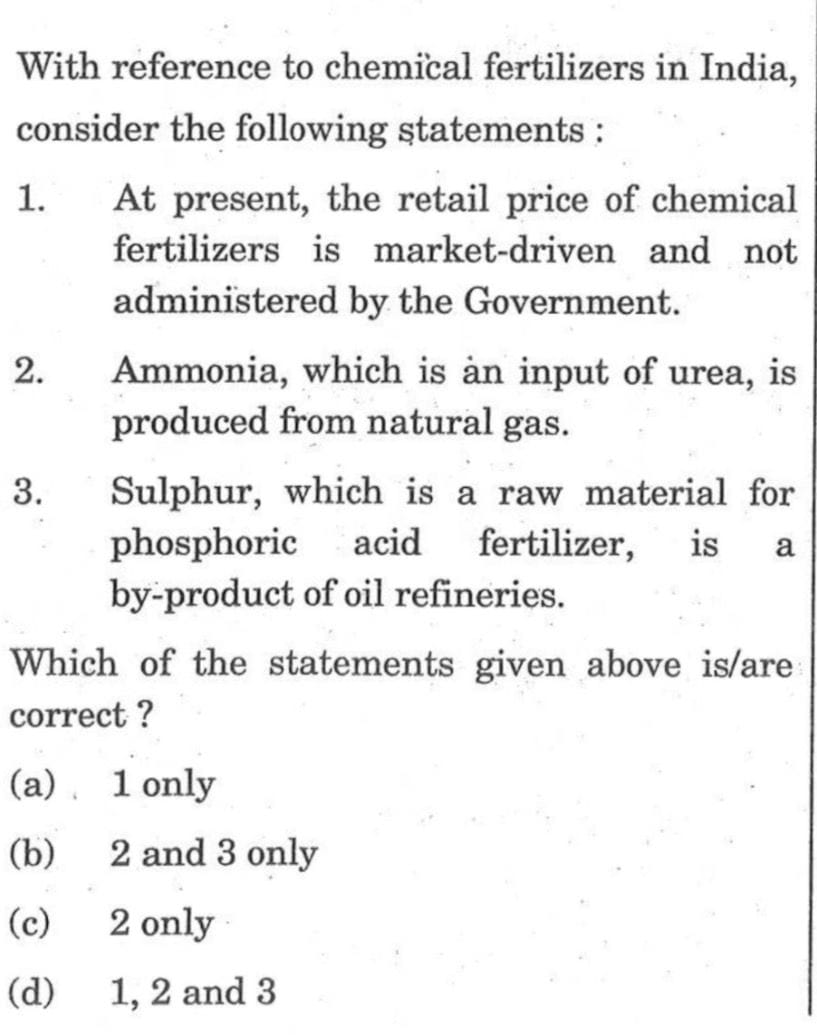
Fertiliser Sector Reforms in India: Subsidy Burden, Urea Imbalance and Way Forward for UPSC

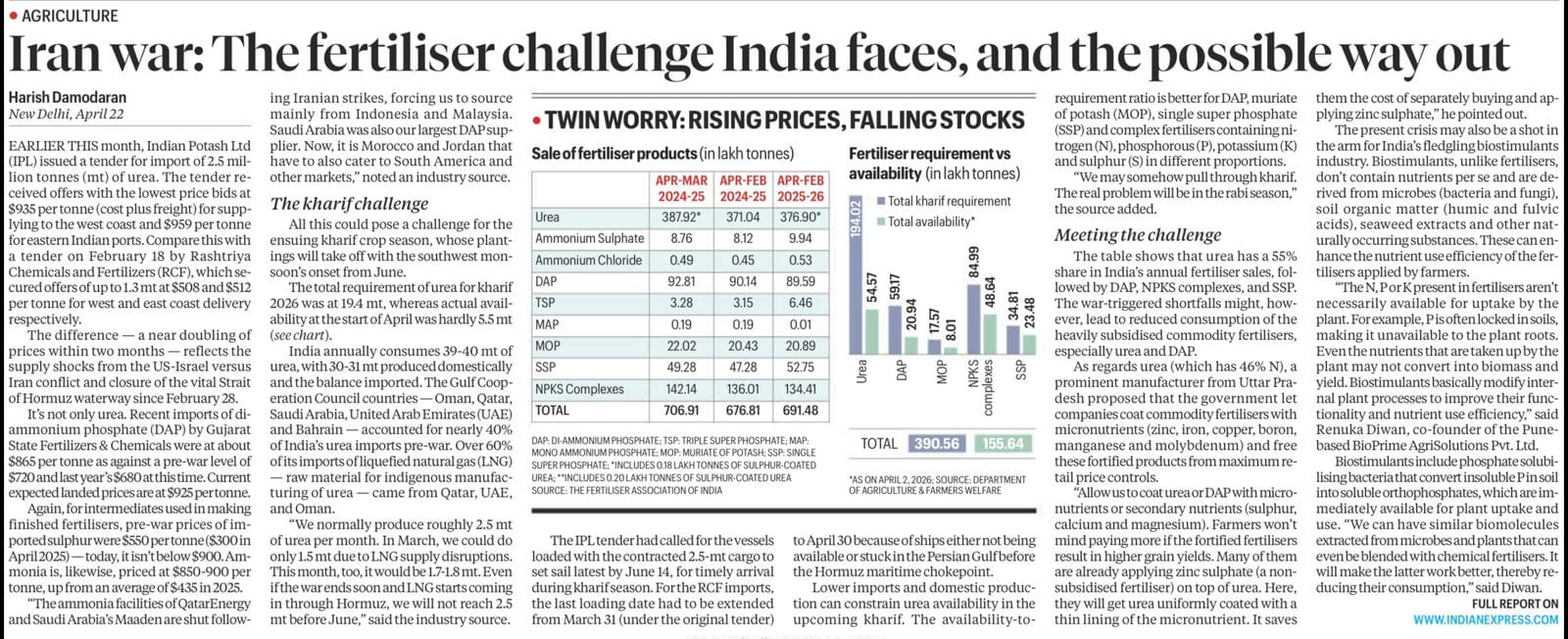
Context: Fertiliser Sector Reforms

India’s fertiliser sector is under stress due to global price volatility, supply disruptions, rising subsidy burden, and persistent imbalance in nutrient use, requiring structural reforms.

Structure of the Problem

  1. Urea is price-controlled while P&K fertilisers are market-linked under NBS
  2. This creates a pricing distortion favouring urea

Consumption Pattern

  1. Total fertiliser consumption: ~70–71 million tonnes
  2. Urea consumption: ~39–40 million tonnes (~55%)
  3. Leads to nitrogen-heavy, imbalanced nutrient use

External Vulnerability

  1. High import dependence for phosphatic and potassic fertilisers
  2. Exposure to global price shocks and geopolitical risks
  3. Recent sharp rise in global fertiliser prices affecting availability

Fiscal Impact

  1. Fertiliser subsidy: ~₹1.7–1.9 lakh crore
  2. Major burden due to underpriced urea

Impact on Soil and Environment

  1. Overuse of urea leads to soil degradation
  2. Low nutrient-use efficiency
  3. Water pollution and environmental stress

Limitations of Existing Reforms

  1. Neem-coated urea reduces diversion but not overuse
  2. DBT improves delivery but does not correct price distortion

Way Forward

  1. Bring urea under nutrient-based subsidy
  2. Promote balanced fertilisation
  3. Encourage alternative fertilisers (nano, bio)
  4. Improve soil testing and precision agriculture
  5. Reduce import dependence through diversification and domestic production

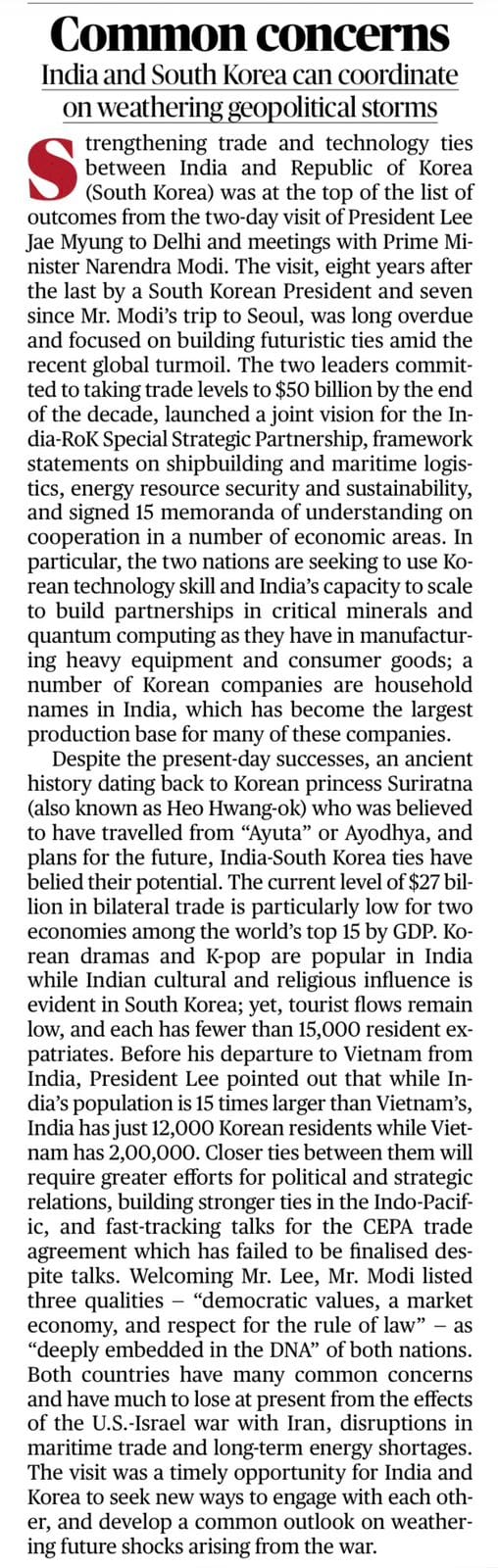
India South Korea Relations: Trade, CEPA Upgrade and Indo-Pacific Strategy for UPSC

Context: India South Korea Relations

With the visit of Han Duck-soo from South Korea to India, the two countries are seeking to upgrade ties amid Indo-Pacific shifts, supply-chain risks, and economic uncertainties.

India–South Korea Relations

Evolution: 1973 ties | Special Strategic Partnership (2015) | Act East linkage

Economy: Trade $26–27 bn | Exports $5.8 bn | Imports $21 bn | Deficit ~$15 bn | Target $50 bn (2030)

Investment: 13th largest FDI source | $6–7 bn | Auto, electronics, steel

Framework: CEPA (2010) → underutilised, imbalance persists

Strategic Convergence: Indo-Pacific | supply chains | defence cooperation

Key Sectors: Semiconductors | EVs | shipbuilding | AI | clean energy

Limitation: Strong economics, weak strategic depth

Key Developments (Recent Visit)

Trade: CEPA upgrade | trade expansion to $50 bn
Technology: Semiconductors | AI | critical minerals
Supply Chains: Resilience, diversification
Defence: Maritime + security cooperation expansion
Industry: MSME, manufacturing linkages
Indo-Pacific: Greater alignment
Investment: Push for increased Korean investment

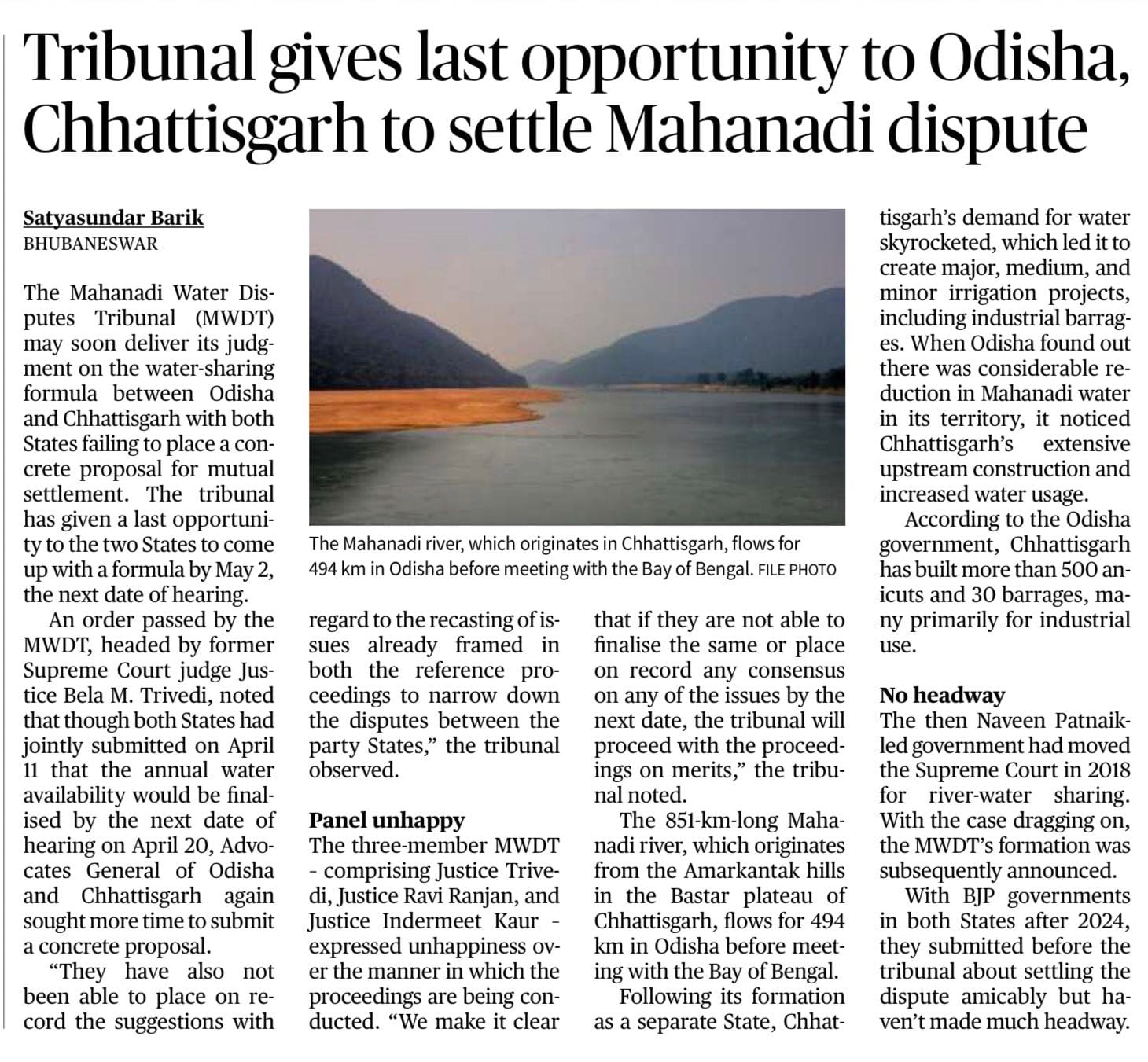
Mahanadi Water Disputes Tribunal: Inter-State River Conflict and Constitutional Provisions for UPSC

Context: Mahanadi Water Disputes Tribunal

In the ongoing dispute between Odisha and Chhattisgarh, the Mahanadi Water Disputes Tribunal has asked both states to resolve issues through mutual consultation while proceedings continue, instead of waiting only for a final adjudication.

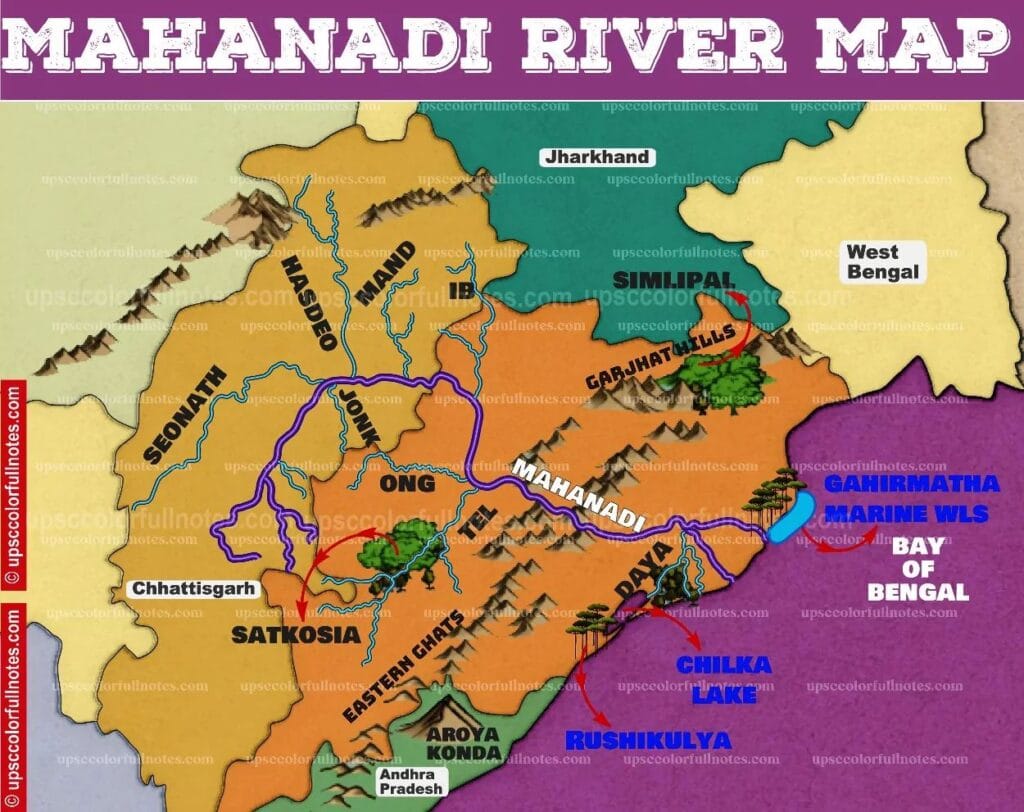
Mahanadi River

  • Origin: Sihawa Hills
  • Flow: Chhattisgarh → Odisha
  • Mouth: Bay of Bengal
  • Length: ~851 km
  • Major dam: Hirakud Dam

Tributaries

Left Bank: Seonath, Hasdeo, Mand, Ib
Right Bank: Ong, Tel

Tribunal

  • Constituted: 2018
  • Under: Article 262 of the Indian Constitution + Inter-State River Water Disputes Act, 1956
  • Purpose: Adjudication of inter-state river water disputes

Issues

  1. Inter-state conflict over water sharing
  2. Upstream usage affecting downstream availability
  3. Lean-season water scarcity
  4. Agricultural and ecological concerns
  5. Lack of coordination and data sharing

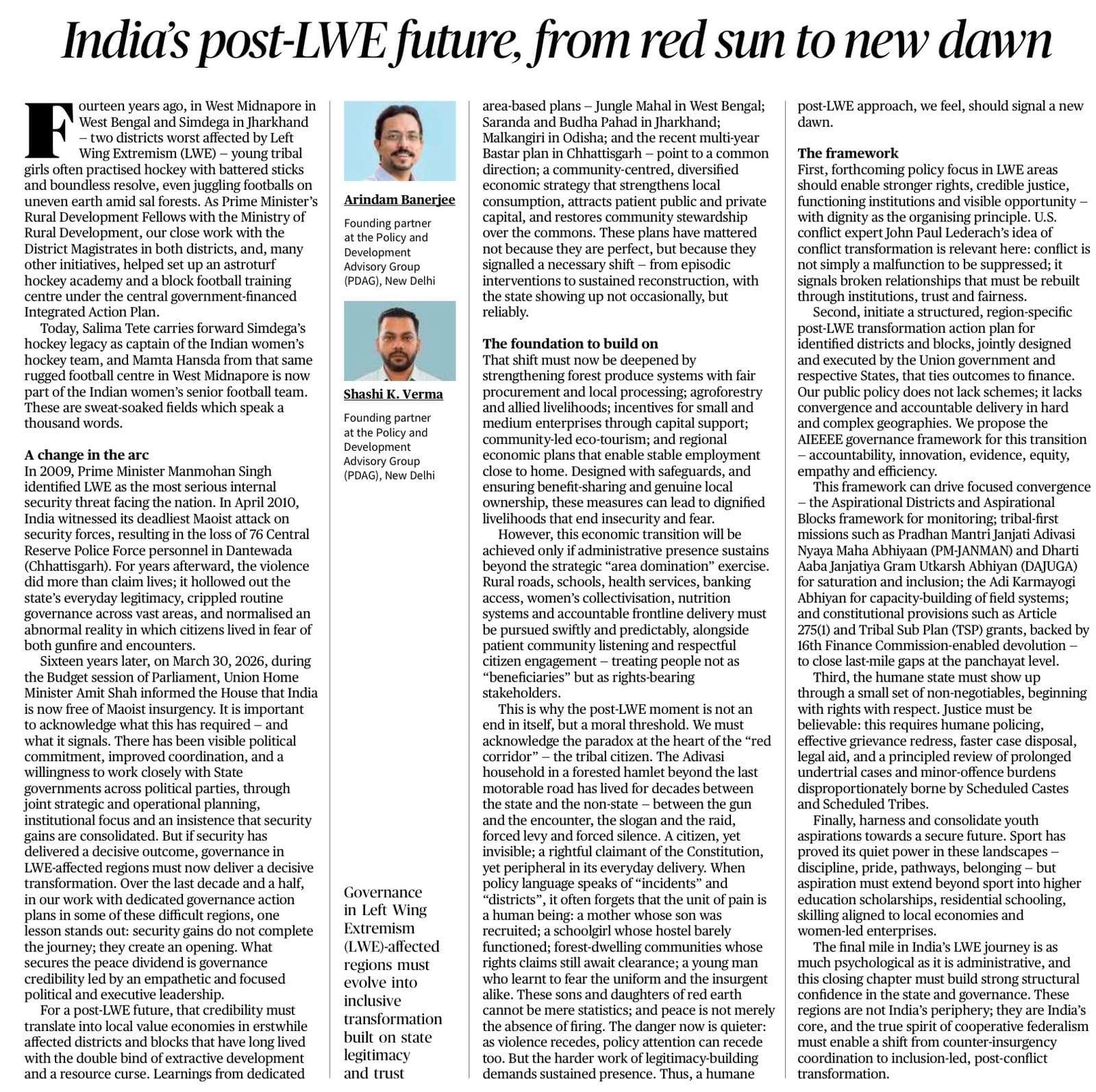
Left Wing Extremism in India: Decline, Causes and Development Strategy for UPSC

Context: Left Wing Extremism

With the declining spread of Left Wing Extremism, the focus is shifting from security-led control to consolidation through targeted tribal development and governance interventions.

Summary

  1. Left-wing extremism has contracted sharply in geography and intensity, reflecting success of coordinated security operations and infrastructure push.
  2. However, the challenge persists in a residual form, rooted in tribal deprivation, land alienation, and weak state presence in remote areas.
  3. The present phase requires a transition from security dominance to governance and development-led stabilisation, aimed at preventing resurgence.
  4. The strategy centres on last-mile delivery, recognition of tribal rights, livelihood creation, and connectivity, to integrate affected regions with the mainstream.
  5. Targeted interventions such as PM JANMAN, Dharti Aaba Janjatiya Gram Utkarsh Abhiyan, Janjatiya Gaurav initiatives, and Aadi Karmayogi programme aim to address structural gaps in tribal regions.
  6. These are complemented by broader schemes like Aspirational Districts Programme and Special Central Assistance (SCA) to LWE Districts, creating a security-development convergence model.
  7. Sustainable resolution lies in deepening governance, empowering tribal communities, and ensuring inclusive growth, while maintaining calibrated security presence.

About the UPSC Civil Services Examination (UPSC CSE)

The UPSC Civil Services Examination (CSE) is one of the most competitive and esteemed examinations in India, conducted by the Union Public Service Commission to recruit officers for services such as the Indian Administrative Service (IAS), Indian Police Service (IPS), Indian Foreign Service (IFS), and others. The exam comprises three stages — Prelims, Mains, and the Personality Test (Interview) — designed to test a candidate’s knowledge, aptitude, decision-making, and leadership skills.


How to Prepare Effectively for UPSC CSE

Cracking the UPSC CSE requires a deep understanding of the syllabus, consistent revision, structured answer writing, and smart test-taking strategies. The Prelims test analytical and conceptual clarity, the Mains focuses on critical thinking, articulation, and subject mastery, while the Interview assesses presence of mind, ethical judgment, and personality traits relevant to public service.

At UnderStand UPSC, we empower aspirants with a personalized and focused approach to each stage of the exam.


Why Choose UnderStand UPSC?

UnderStand UPSC is a mentorship-driven platform offering a clear, clutter-free strategy to tackle the Civil Services Examination. Our programs like Transform (for beginners and intermediate learners) and Conquer (for advanced mains preparation) provide structured study plans, syllabus-wise video content, interactive live sessions, and answer writing support.

We emphasize:

  • Concept clarity through topic-wise lectures

  • Test series designed around real UPSC standards

  • Personalized mentorship in small groups

  • Regular performance tracking and peer benchmarking

  • Doubt-clearing sessions, current affairs analysis, and monthly magazines


Join the UnderStand UPSC Learning Community

Our mission is to make UPSC preparation less overwhelming and more strategic. We combine mentorship, discipline, and academic rigor to help you clear CSE with confidence. Whether you’re preparing from Delhi, Mumbai, Bangalore, or a remote village — our online-first model ensures quality guidance reaches every corner of India.

Join the thousands of aspirants who trust UnderStand UPSC to guide their journey toward becoming civil servants.

Stay connected with us through our Telegram, YouTube, and Instagram channels for daily tips, strategies, and updates.

Copyright © 2026 USARAMBHA EDUCATION (UnderStand UPSC). All Rights Reserved.

Join the Success Journey!