5 Jan 2026 | Daily Current Affairs

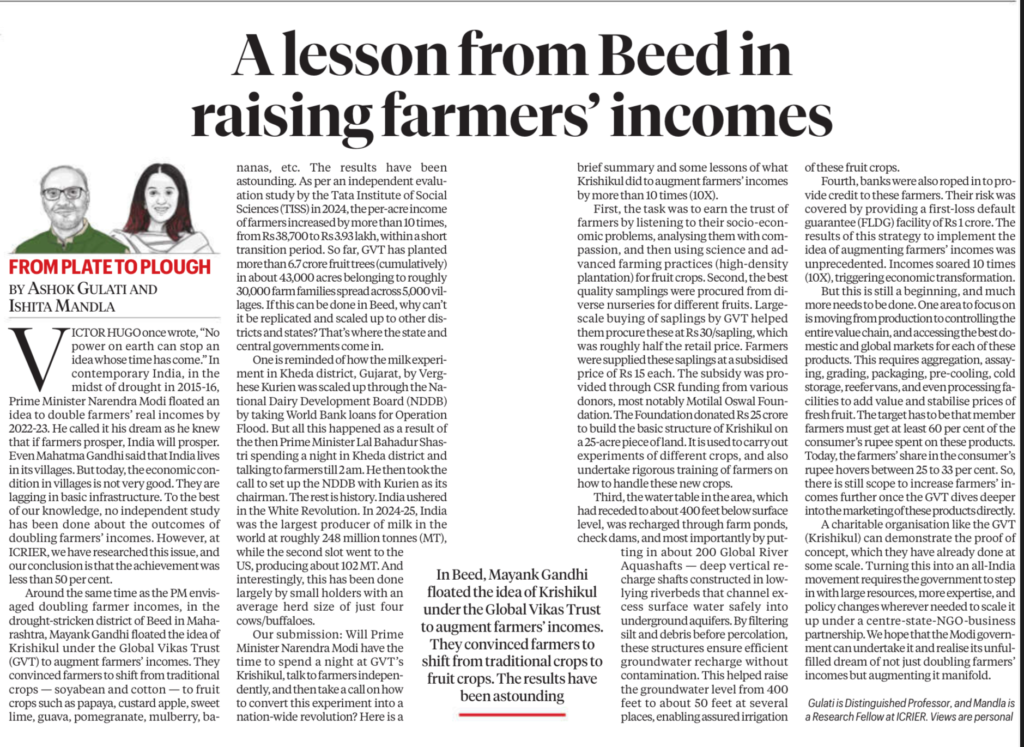
Beed Model Farmer Income – UPSC Agriculture GS-3

Case Study: Beed, Maharashtra

Context • India’s objective of doubling farmers’ incomes has achieved limited success at the national level.
• Beed district in drought-prone Maharashtra presents a replicable local model based on institutional innovation and value-chain intervention.

Intervention • The Krishikul model was implemented by Global Vikas Trust under CSR support.
• Farmers shifted from low-value traditional crops such as soybean and cotton to high-value fruit crops including papaya, custard apple, guava, pomegranate, mulberry, and banana.
• The initiative focused on small and marginal farmers.

Key Outcomes • Per-acre farmer income increased more than tenfold, from about ₹38,700 to around ₹3.9 lakh.
• Over 6.7 crore fruit trees were planted across 43,000 acres, benefiting nearly 30,000 farm families.
• The case demonstrated that income augmentation, not just productivity enhancement, is critical.

Success Factors

  1. Continuous trust-building and engagement with farmers.
  2. Adoption of scientific farming practices and quality inputs.
  3. Cost reduction through bulk procurement.
  4. Risk mitigation using First Loss Default Guarantee for credit access.
  5. Improved water security through ponds, check dams, and recharge structures.
  6. Institutional support via Krishikul as a knowledge and experimentation hub.
Beed model farmer income

Notifiable Diseases – UPSC Health GS-2

Context

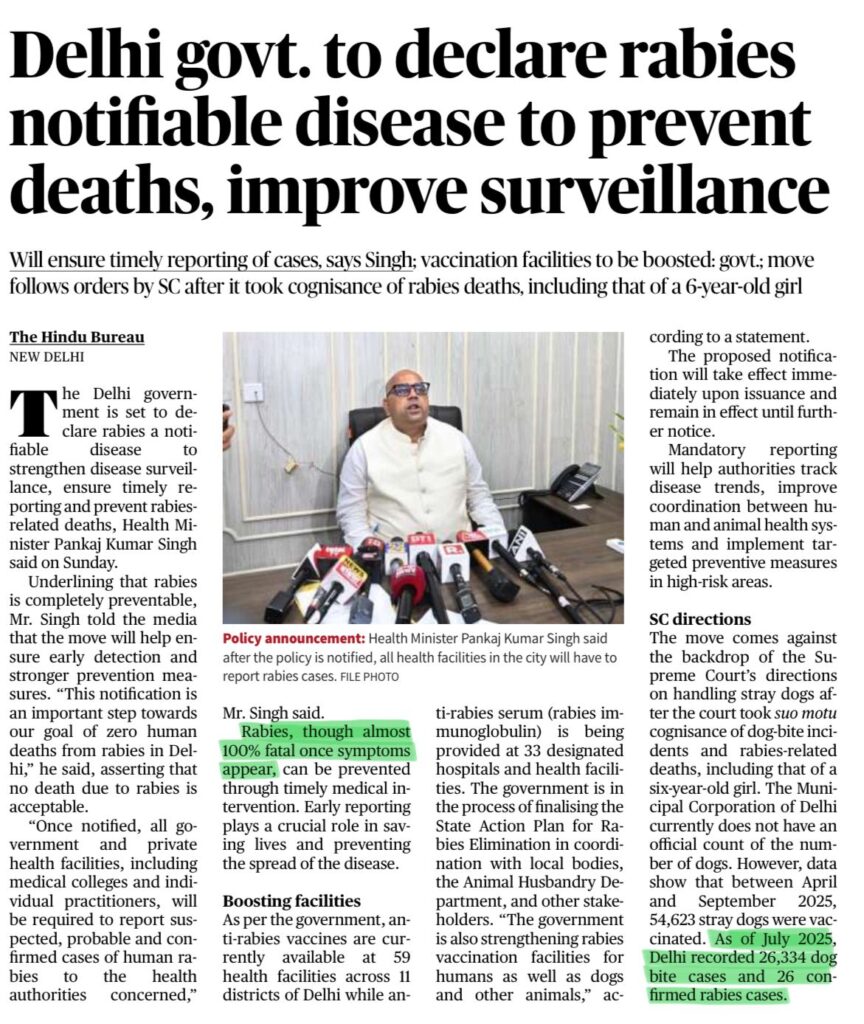
• The Delhi government plans to declare rabies a notifiable disease to strengthen surveillance and prevent deaths.
• The decision follows Supreme Court directions after taking cognisance of rabies deaths linked to stray dog bites.
• Mandatory reporting by all public and private health facilities is expected to ensure early detection and timely treatment.
• The stated aim is to achieve zero human deaths from rabies in Delhi.
• Measures include improved vaccination availability, systematic reporting of bite cases, and coordination between human and animal health systems under the One Health approach.

What is a Notifiable Disease?

• A notifiable disease is one that must be mandatorily reported to government health authorities upon diagnosis.

Purpose

• To track disease trends
• To enable rapid public health response
• To prevent outbreaks and fatalities

Examples in India

Tuberculosis
• Cholera
• COVID-19 (earlier)
• Plague (state-specific lists)

India Disaster Losses – UPSC Economy GS-3

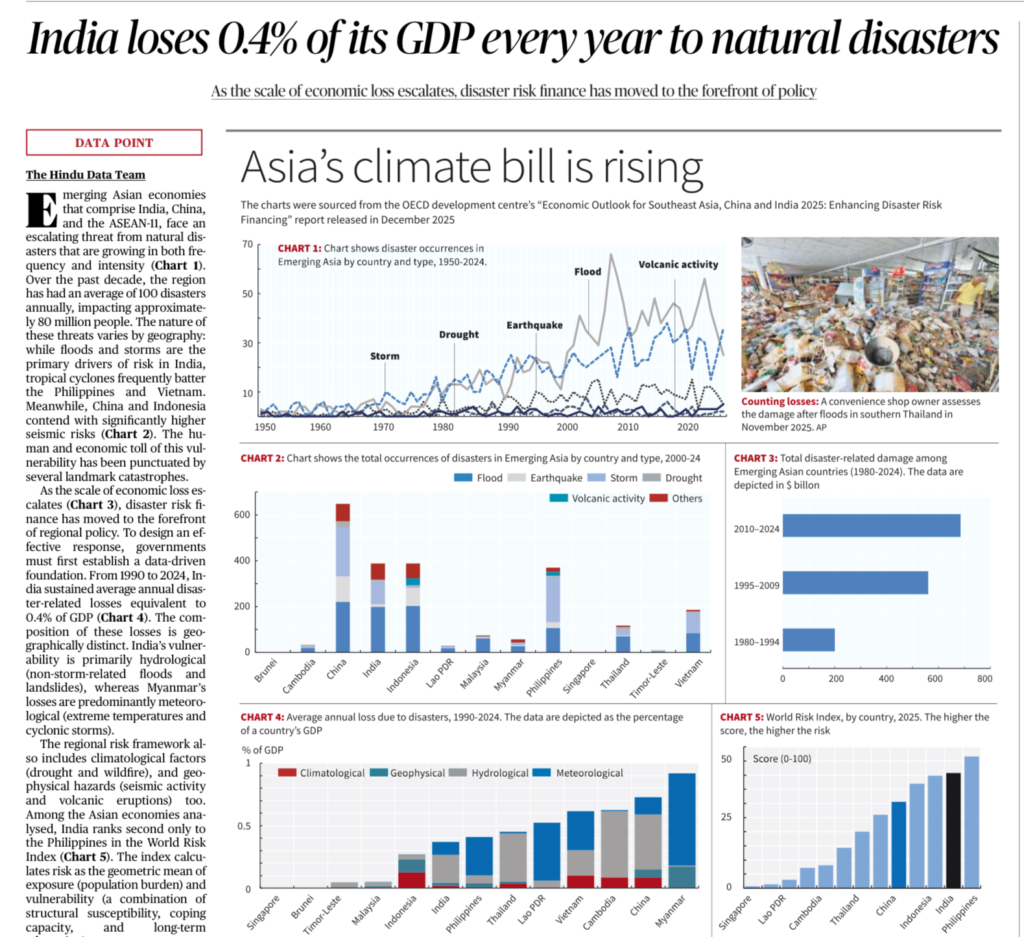
Chart 4: Average Annual Loss • India loses approximately 0.4% of its GDP annually due to disasters.

Loss Drivers • Hydrological disasters such as floods and landslides constitute the largest share.
• Meteorological events such as cyclones and heatwaves are significant contributors.
• India’s disaster-related losses are higher than those of many ASEAN countries.

Nanobots in Cancer Therapy – UPSC Science GS-3

Context

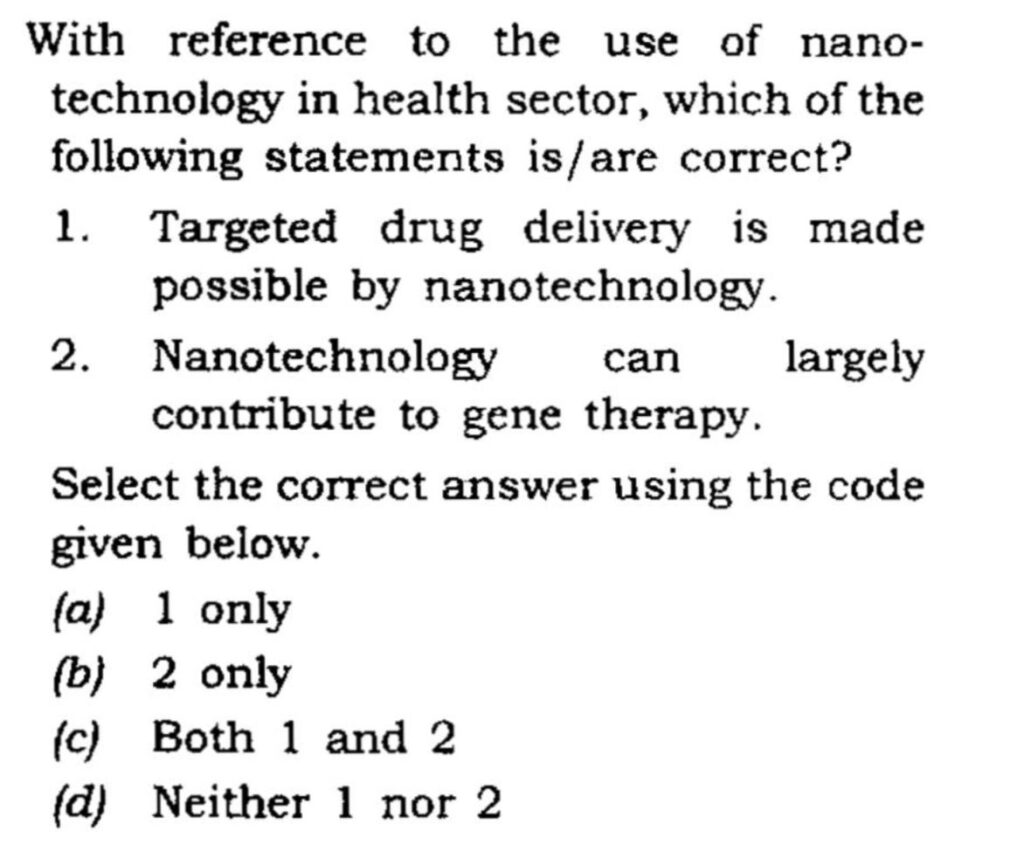
  • Conventional cancer therapies face difficulty in delivering drugs deep inside tumors without harming healthy tissue.
  • Researchers at IISc Bengaluru are developing magnetic nanobots to precisely target cancer cells, enabling personalized and minimally invasive treatment.

Nanobots

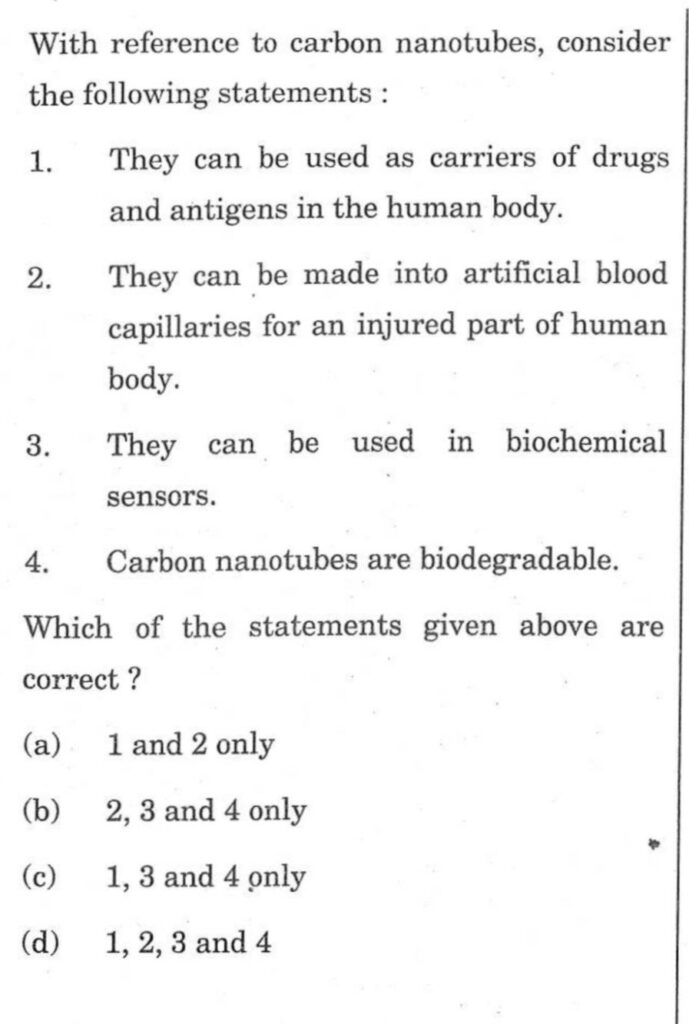
  • Nanobots are microscopic, robot-like structures designed to operate inside the human body.
  • They can navigate biological environments, deliver drugs directly to tumours, and distinguish between cancerous and healthy cells.
  • They may also assist in diagnostics and imaging.

Working Mechanism

  1. Nanobots are designed to target specific tissues such as cancer cells.
  2. They are introduced into the body through injection or bloodstream.
  3. Navigation is guided using external magnetic fields or chemical signals.
  4. Biological markers enable recognition of cancer cells.
  5. Drugs are released or cancer cells are destroyed locally.
  6. Damage to healthy tissue is minimised.
  7. Nanobots biodegrade or are naturally eliminated after action.

Heavy Oil WTI Brent – UPSC Energy GS-3

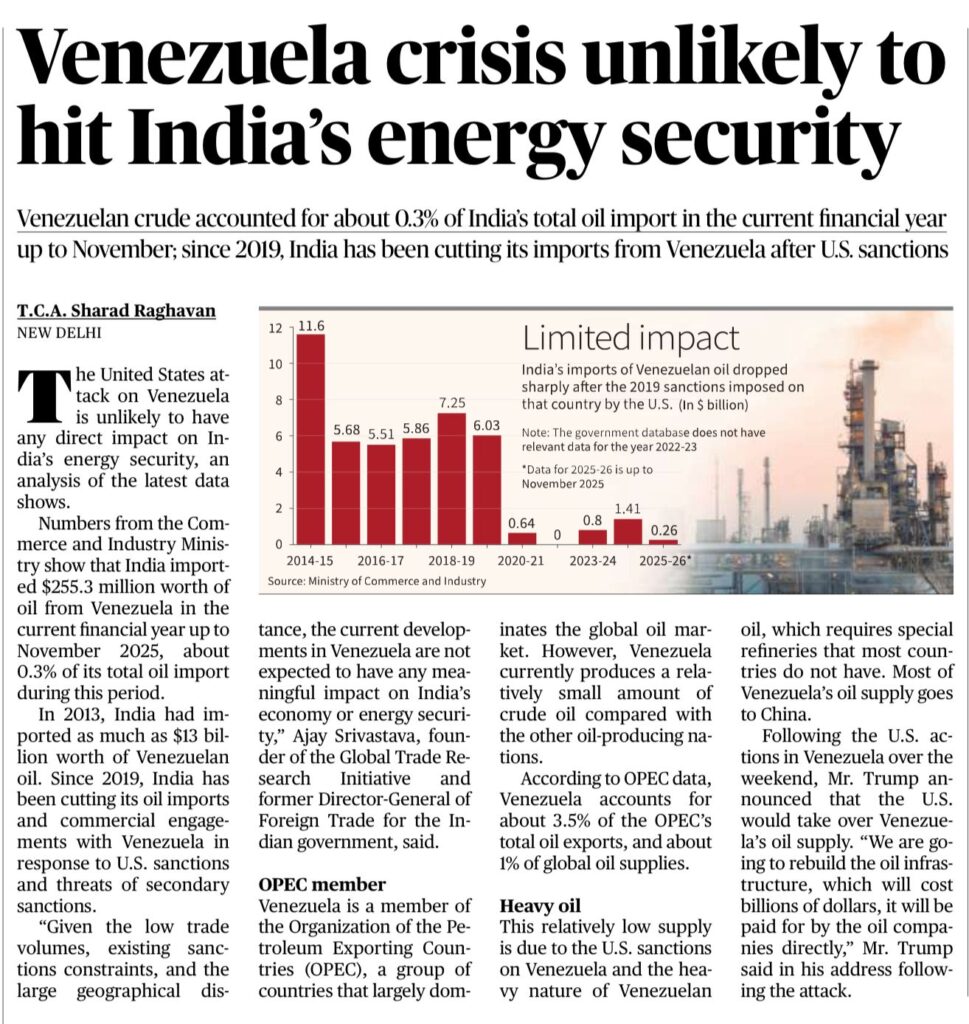
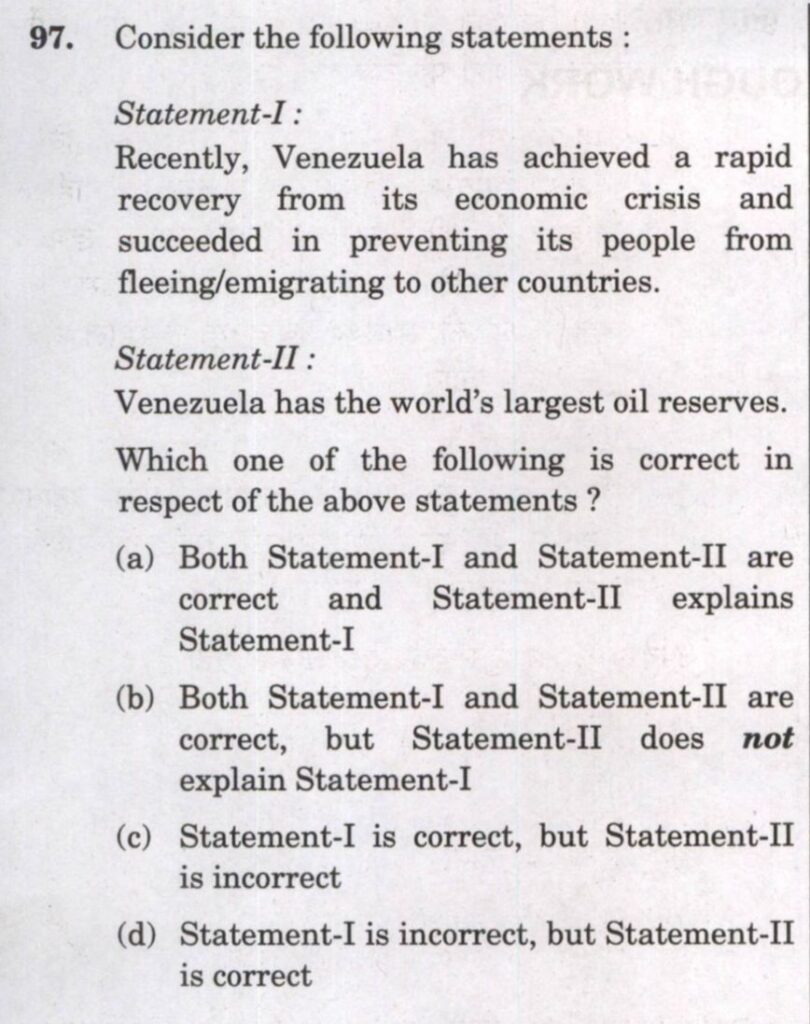
Venezuela crisis unlikely to impact India’s energy security

Context

  • Political tensions and U.S. actions against Venezuela have raised concerns about global oil supply.
  • India’s exposure to Venezuelan crude has become minimal due to U.S. sanctions imposed since 2019.

Key Points

  • Venezuela supplies around 0.3% of India’s total crude oil imports in the current financial year.
  • India sharply reduced crude imports after the 2019 U.S. sanctions to avoid secondary sanctions.
  • Venezuela accounts for about 3.5% of OPEC exports and roughly 1% of global oil supply.
  • Venezuelan crude is heavy oil requiring specialized refineries, and most exports are directed to China.
  • Therefore, short-term instability in Venezuela has negligible impact on India’s energy security.

Definitions

  • Heavy oil refers to dense, high-viscosity crude with high sulphur content, making it difficult and costly to refine.
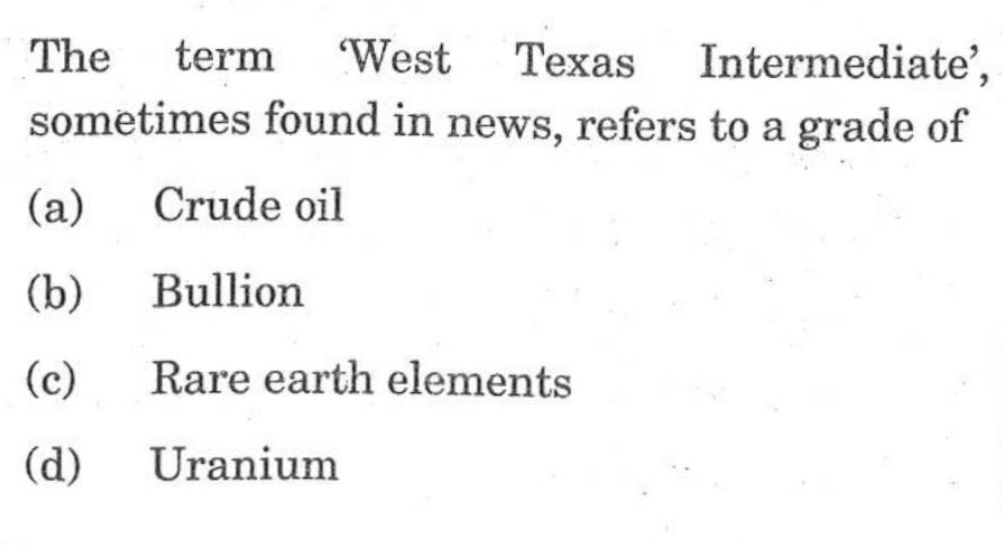
  • WTI (West Texas Intermediate) is a light, sweet crude oil benchmark primarily used in the U.S.
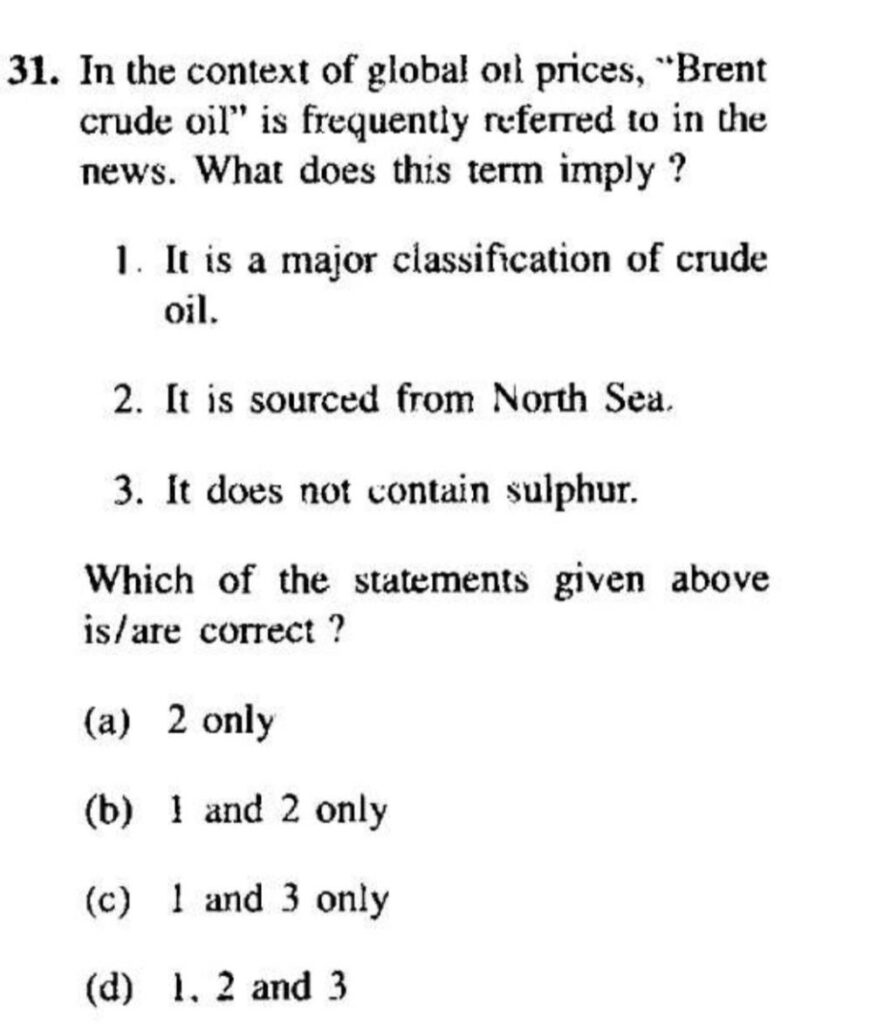
  • Brent crude is a light crude benchmark for Europe and much of Asia and is more relevant for India.
heavy oil WTI Brent
heavy oil WTI Brent

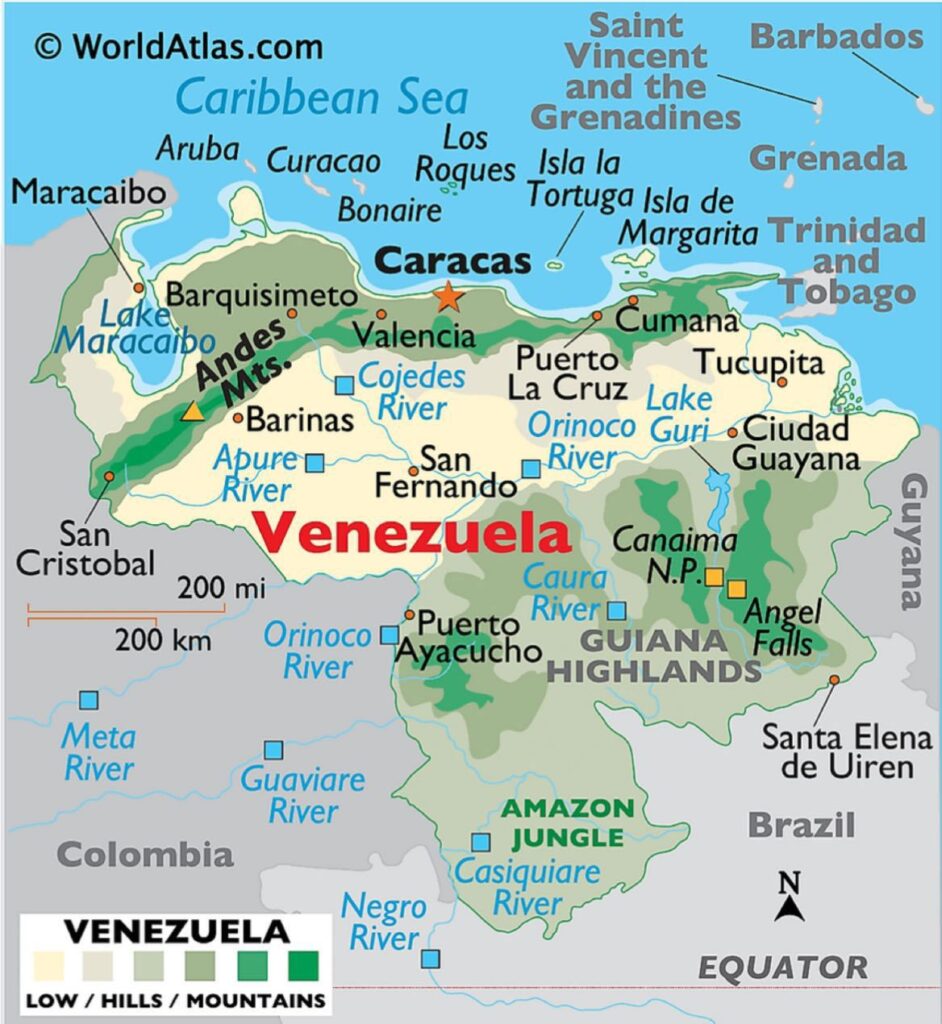
Venezuela Geography and Oil – UPSC GS-1 Notes

Venezuela

  • Venezuela is located in northern South America along the Caribbean coast.
  • It shares borders with Colombia, Brazil, and Guyana.
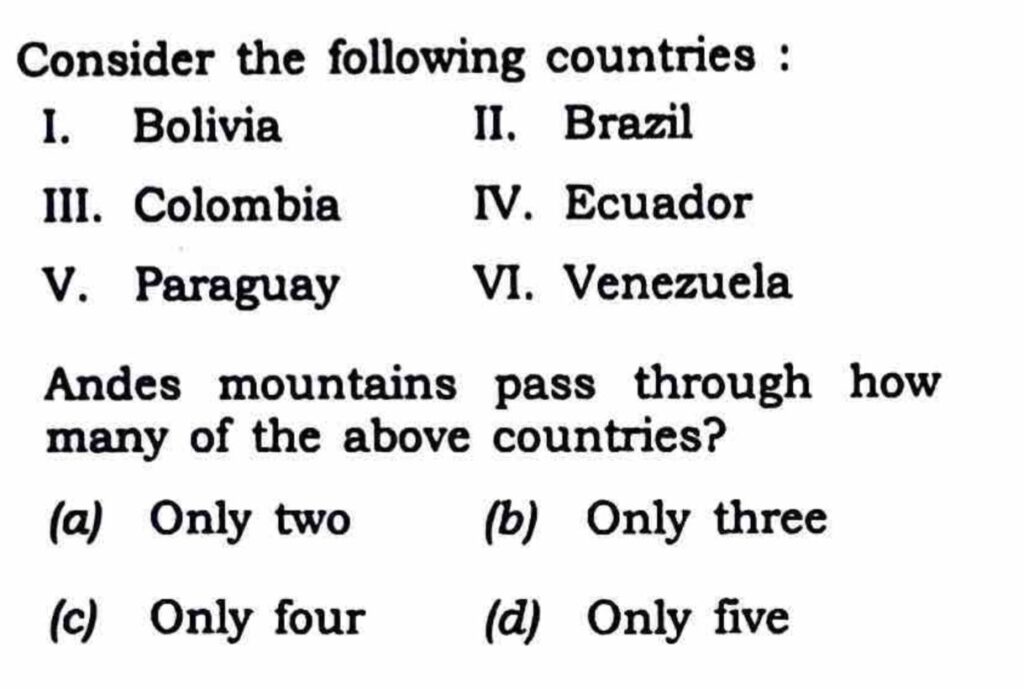
  • Its relief features include the Andes in the northwest, Llanos plains, and the Guiana Highlands.
  • The Orinoco river system is the major drainage network.
  • Angel Falls, the world’s highest waterfall, is located here.
  • The country possesses one of the world’s largest proven oil reserves.
Venezuela Geography and Oil

About the UPSC Civil Services Examination (UPSC CSE)

The UPSC Civil Services Examination (CSE) is one of the most competitive and esteemed examinations in India, conducted by the Union Public Service Commission to recruit officers for services such as the Indian Administrative Service (IAS), Indian Police Service (IPS), Indian Foreign Service (IFS), and others. The exam comprises three stages — Prelims, Mains, and the Personality Test (Interview) — designed to test a candidate’s knowledge, aptitude, decision-making, and leadership skills.


How to Prepare Effectively for UPSC CSE

Cracking the UPSC CSE requires a deep understanding of the syllabus, consistent revision, structured answer writing, and smart test-taking strategies. The Prelims test analytical and conceptual clarity, the Mains focuses on critical thinking, articulation, and subject mastery, while the Interview assesses presence of mind, ethical judgment, and personality traits relevant to public service.

At UnderStand UPSC, we empower aspirants with a personalized and focused approach to each stage of the exam.


Why Choose UnderStand UPSC?

UnderStand UPSC is a mentorship-driven platform offering a clear, clutter-free strategy to tackle the Civil Services Examination. Our programs like Transform (for beginners and intermediate learners) and Conquer (for advanced mains preparation) provide structured study plans, syllabus-wise video content, interactive live sessions, and answer writing support.

We emphasize:

  • Concept clarity through topic-wise lectures

  • Test series designed around real UPSC standards

  • Personalized mentorship in small groups

  • Regular performance tracking and peer benchmarking

  • Doubt-clearing sessions, current affairs analysis, and monthly magazines


Join the UnderStand UPSC Learning Community

Our mission is to make UPSC preparation less overwhelming and more strategic. We combine mentorship, discipline, and academic rigor to help you clear CSE with confidence. Whether you’re preparing from Delhi, Mumbai, Bangalore, or a remote village — our online-first model ensures quality guidance reaches every corner of India.

Join the thousands of aspirants who trust UnderStand UPSC to guide their journey toward becoming civil servants.

Stay connected with us through our Telegram, YouTube, and Instagram channels for daily tips, strategies, and updates.

Copyright © 2026 USARAMBHA EDUCATION (UnderStand UPSC). All Rights Reserved.

Join the Success Journey!