Context • RBI proposed a new framework to compensate victims of small-value digital frauds.
Key Points • Applicable for frauds below ₹50,000 • Compensation limit: ₹25,000 or 85% of loss, whichever is lower • No-fault basis: Compensation even if OTP was shared • One claim per year allowed • Objective: Strengthen consumer protection and trust in digital payments
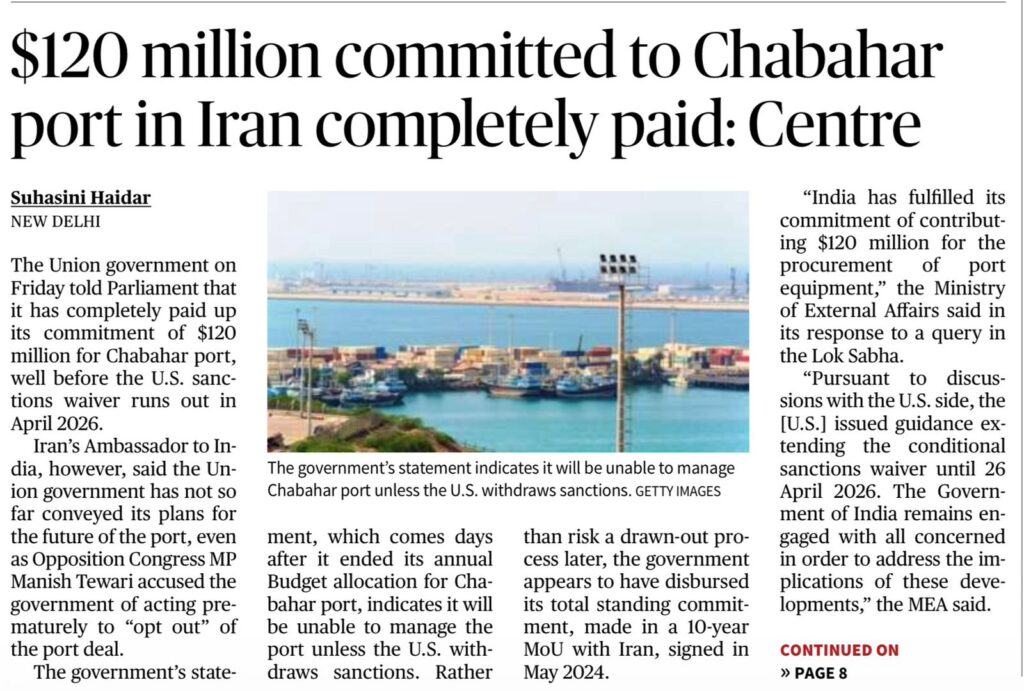
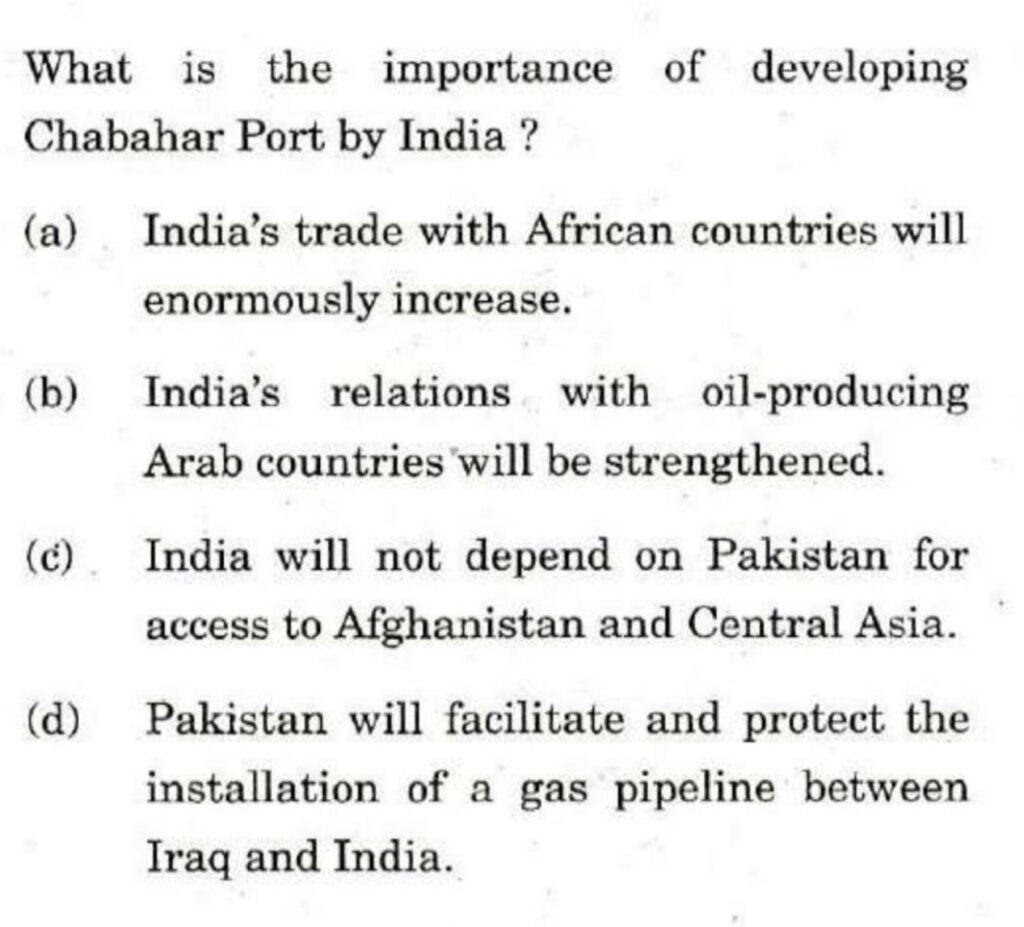
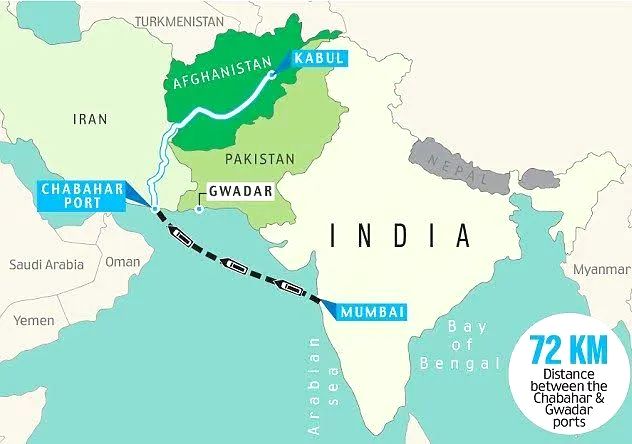
Context • India’s Chabahar Port project faces uncertainty due to renewed U.S. sanctions pressure and tariff threats, even as India continues strategic engagement.
Recent Developments • 10-year agreement (2024): India signed long-term contract to operate Shahid Beheshti terminal • Sanctions pressure (2025–26): • U.S. revoked 2018 waiver • Issued temporary 6-month waiver till April 26, 2026 • India’s approach: • No Iranian oil imports • Continues port operations to access Afghanistan and Central Asia • Tariff threat (2026): • U.S. indicated 25% tariffs on countries doing business with Iran
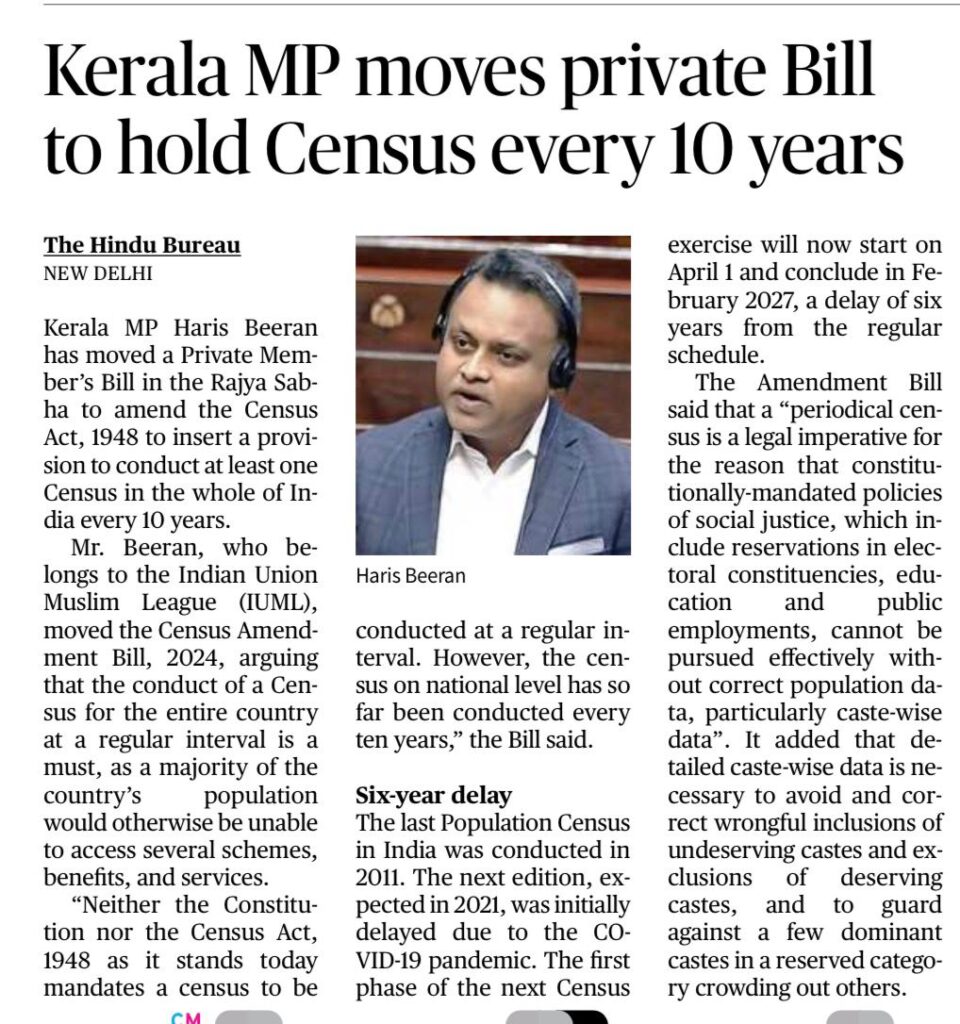
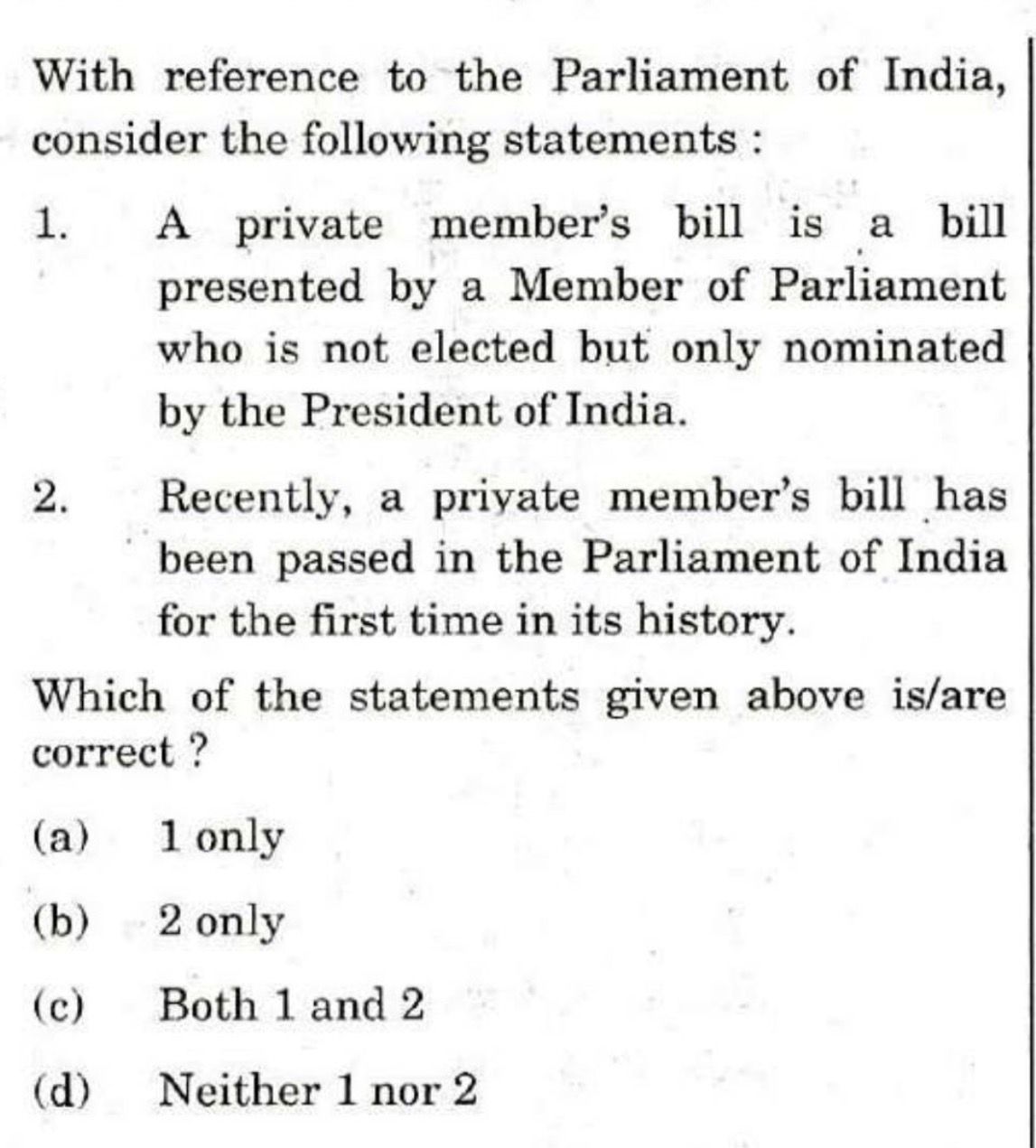
Context • A Kerala MP introduced a Private Member’s Bill in Rajya Sabha to amend the Census Act, 1948. • Objective: Mandate a national Census every 10 years, citing delays due to COVID-19 and the need for updated demographic and caste data for welfare planning.
Private Member’s Bill (PMB) • Introduced by: Non-minister MP • Purpose: Highlight issues, push policy debate • Notice period: 1 month • Discussed on: Fridays • Procedure: Same as government Bills
Key Prelims Facts • Only 14 PMBs passed since 1950 • Last PMB passed: 1970 (Supreme Court-related) • Very low success rate
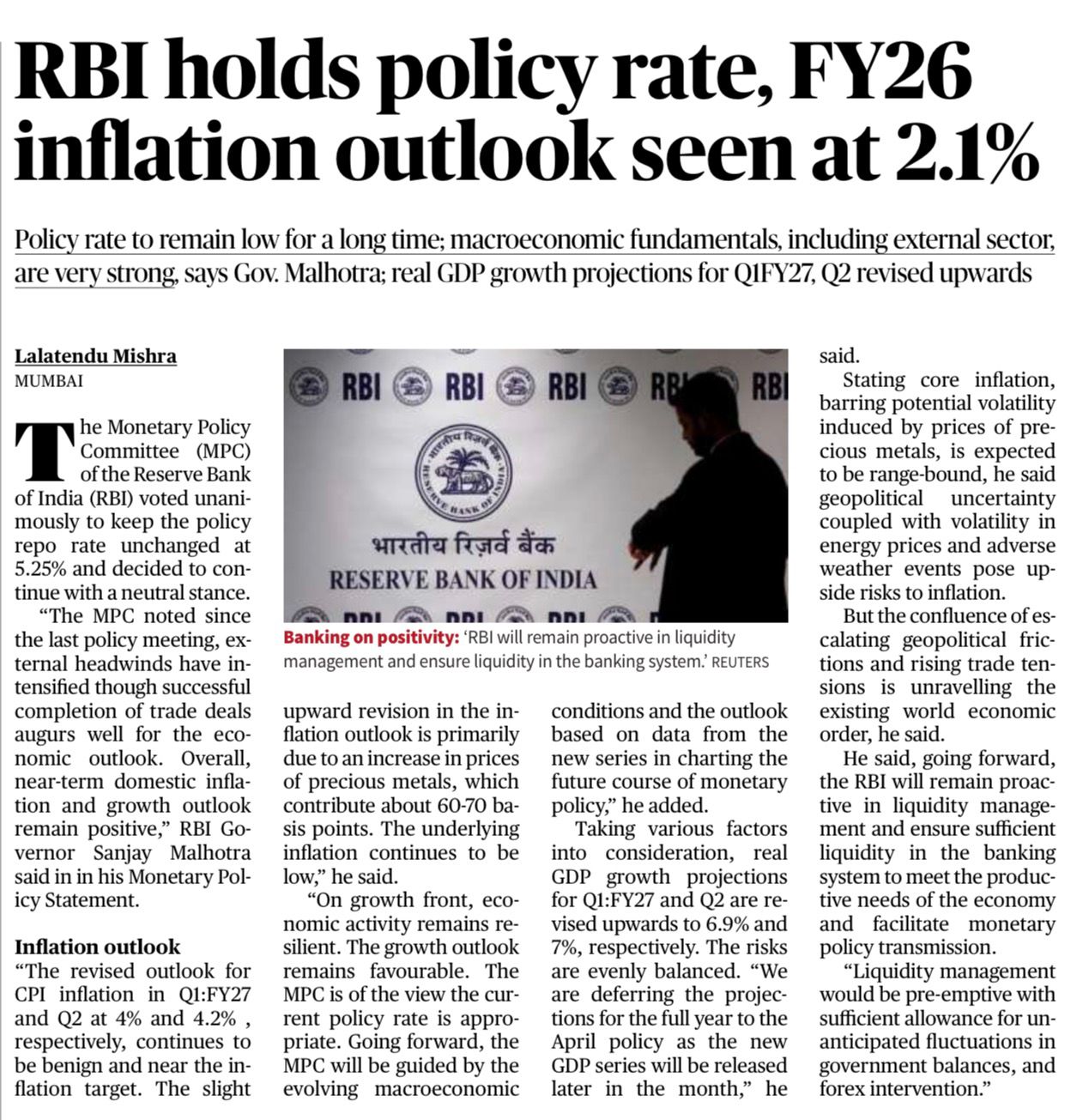
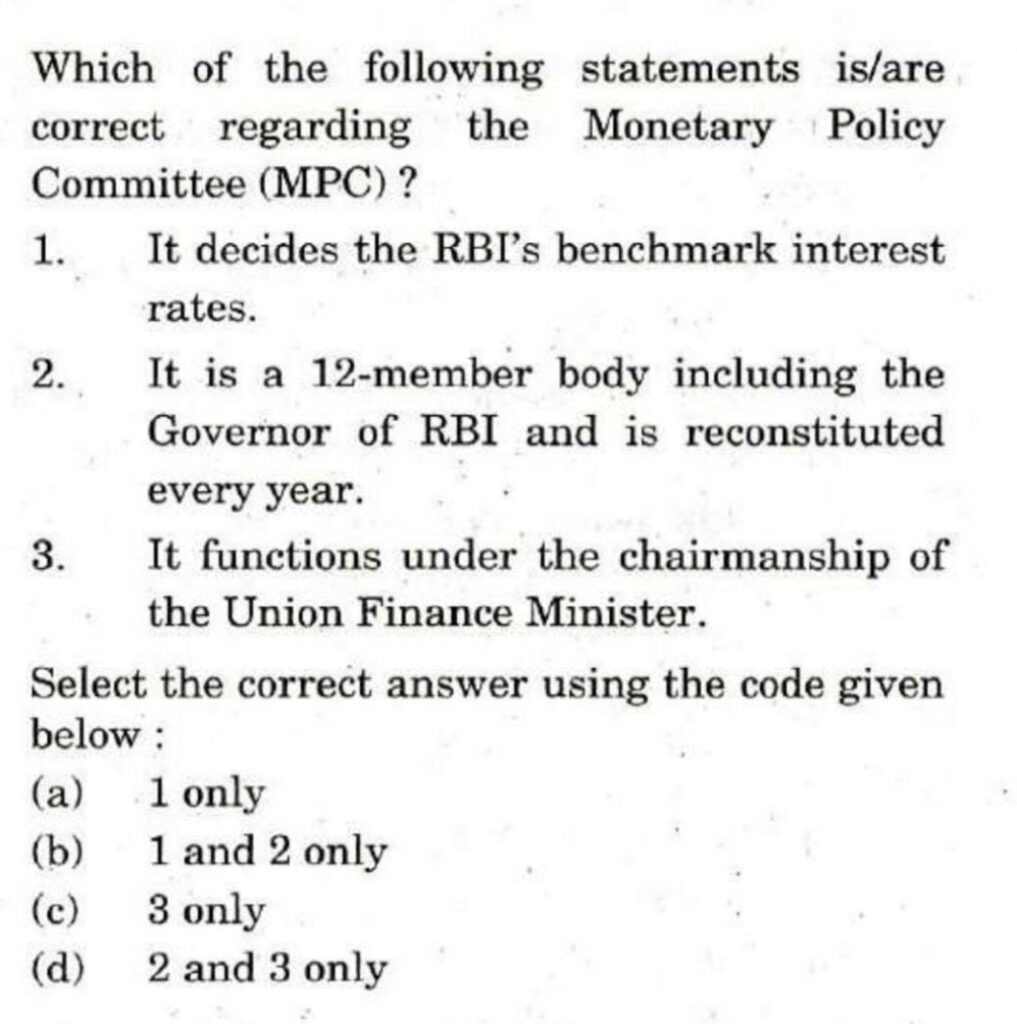
Context • RBI’s Monetary Policy Committee (MPC) kept the repo rate unchanged at 5.25%. • Stance remains neutral. • Inflation projection for FY26: 2.1%. • Growth outlook positive, but risks from geopolitical tensions and precious metal prices persist.
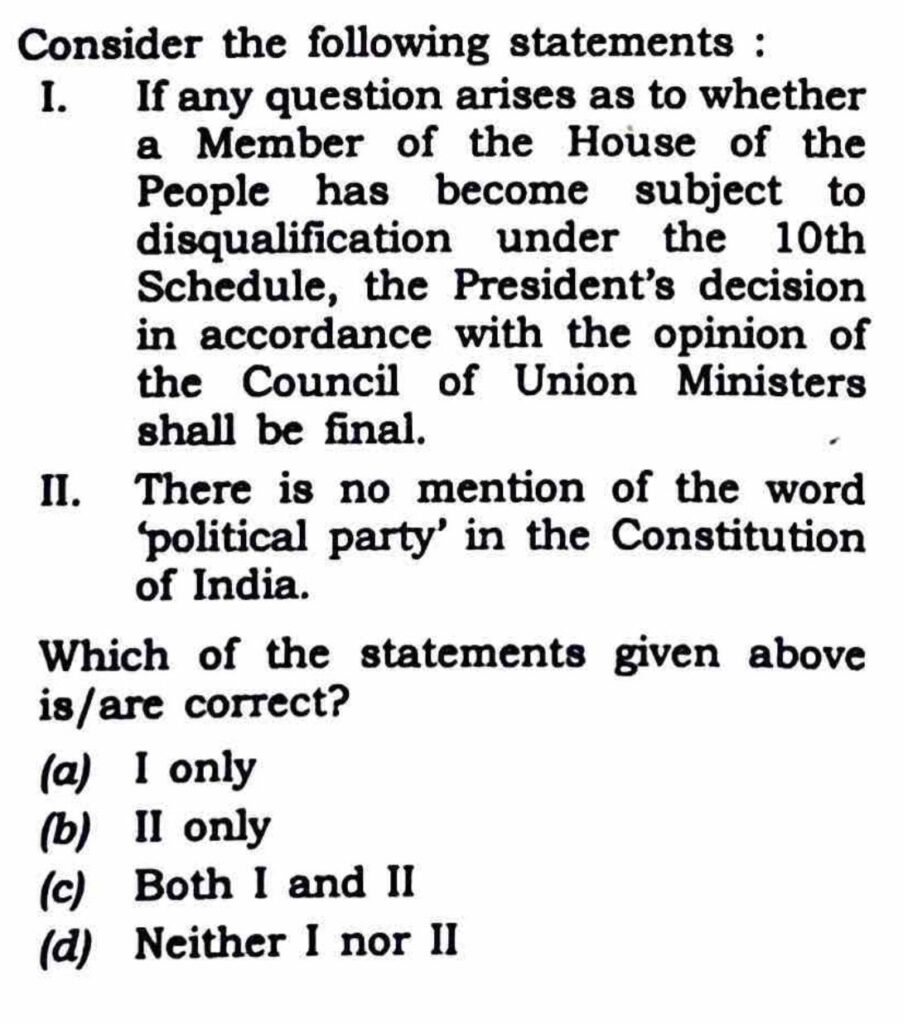
Context • Supreme Court ordered the Telangana Assembly Speaker to decide the remaining 2 defection petitions (out of 10 BRS MLAs) within 3 weeks. • Court warned that further delay would amount to contempt of court, as the Speaker functions as a quasi-judicial tribunal under the Tenth Schedule.
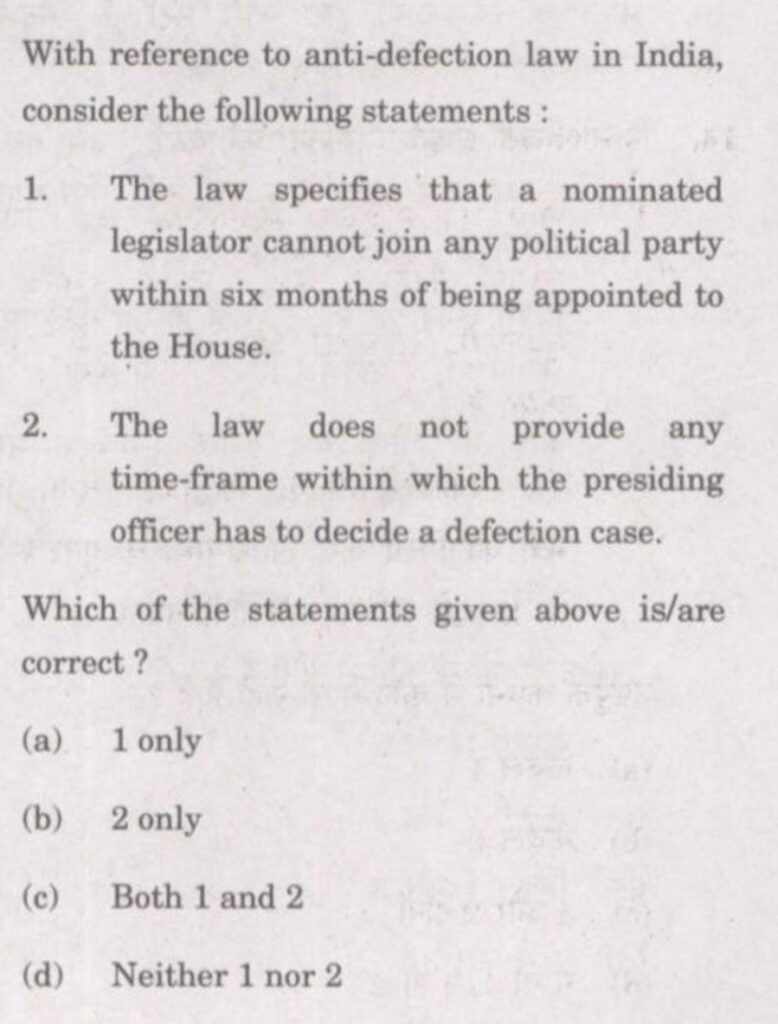
Tenth Schedule – Anti-Defection Law • Introduced by: 52nd Constitutional Amendment Act, 1985 • Grounds for disqualification: • Voluntarily giving up party membership • Voting/abstaining against party whip without permission • Independent member joining a party • Nominated member joining a party after 6 months
Decision-maker • Speaker/Chairman of the House • Subject to judicial review (Kihoto Hollohan vs Zachillhu, 1992)
Merger rule • Protection only if 2/3rd of the legislature party merges (91st Constitutional Amendment)
Article 102 – General Disqualification (MPs) • Holding office of profit • Unsound mind • Undischarged insolvent • Loss of Indian citizenship • Disqualification under parliamentary law (includes Tenth Schedule, RPA 1951) • Article 191 has similar provisions for MLAs
PYQ – 2025, Ans – D
PYQ – 2022, Ans – B
A Platform OF The Students For The Students By The Students