Context: Himalayan Ray-finned Fish Conservation
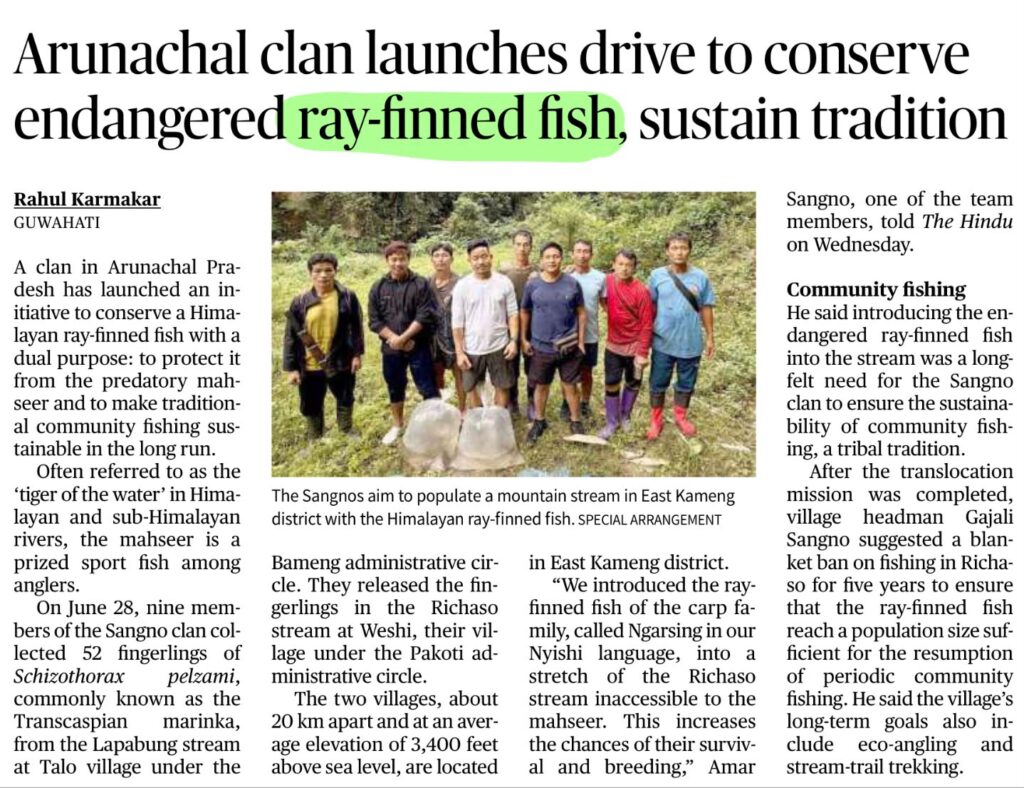
The Sangno clan of the Nyishi tribe in East Kameng, Arunachal Pradesh, translocated the Endangered Himalayan ray-finned fish to a protected mountain stream.
The aim is to protect it from the Golden Mahseer, the apex predator of Himalayan rivers, and promote community-led freshwater biodiversity conservation.
Himalayan Ray-finned Fish
Scientific Name
- Schizothorax pelzami
Basic Features
- Freshwater fish
- Family: Cyprinidae / Carp family
- Endemic to the Eastern Himalayas
Distribution and Habitat
Found in:
- Upper Brahmaputra basin
- Arunachal Pradesh
Preferred habitat:
- Cold streams
- Clear water
- Fast-flowing streams
- Oxygen-rich rocky streams
IUCN Status
- Endangered
Threats
- Predation by Golden Mahseer
- Habitat degradation
- River modification
- Overfishing
Conservation Measure
Community-led translocation to Mahseer-free streams can improve:
- Survival
- Breeding
- Population recovery
Golden Mahseer
Scientific Name
- Tor putitora
Key Facts
- Largest Himalayan freshwater game fish.
- Known as the “Tiger of Himalayan Rivers.”
- Found in the Indus, Ganga and Brahmaputra river basins.
- Natural predator of juvenile Himalayan ray-finned fish.
Nyishi Tribe
- Largest tribe of Arunachal Pradesh.
- Inhabits East Kameng, Papum Pare, Kurung Kumey, Kra Daadi, Lower Subansiri and Upper Subansiri districts.
- Speaks the Nyishi / Tani language.
- Known for community-based forest and wildlife conservation.
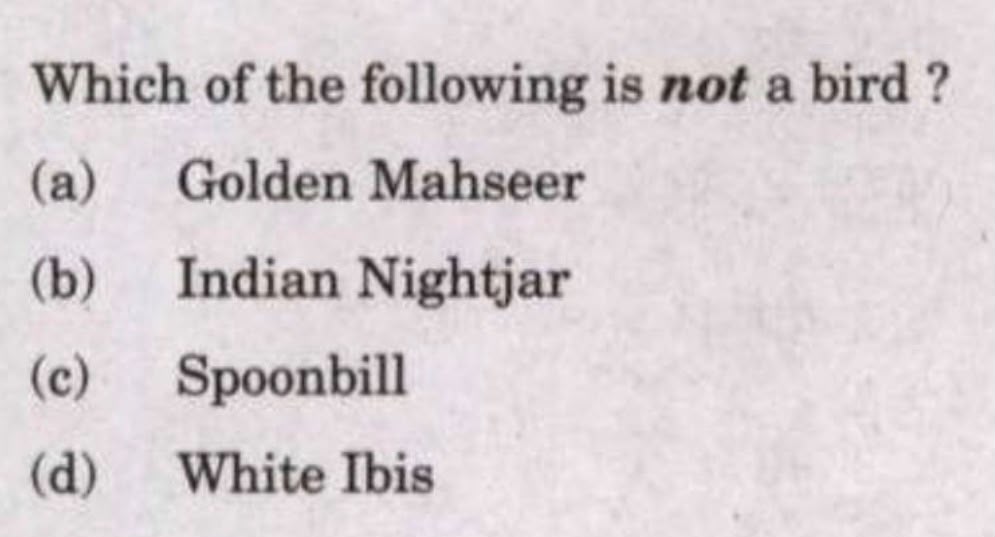
PYQ Link
Golden Mahseer is not a bird. It is a fish.
Significance
- Shows the role of indigenous communities in conservation.
- Supports freshwater biodiversity protection.
- Promotes community-led ecological restoration.
- Helps conserve endemic Himalayan species.
- Links traditional knowledge with biodiversity management.