Context: Corporate Bond Tokenisation
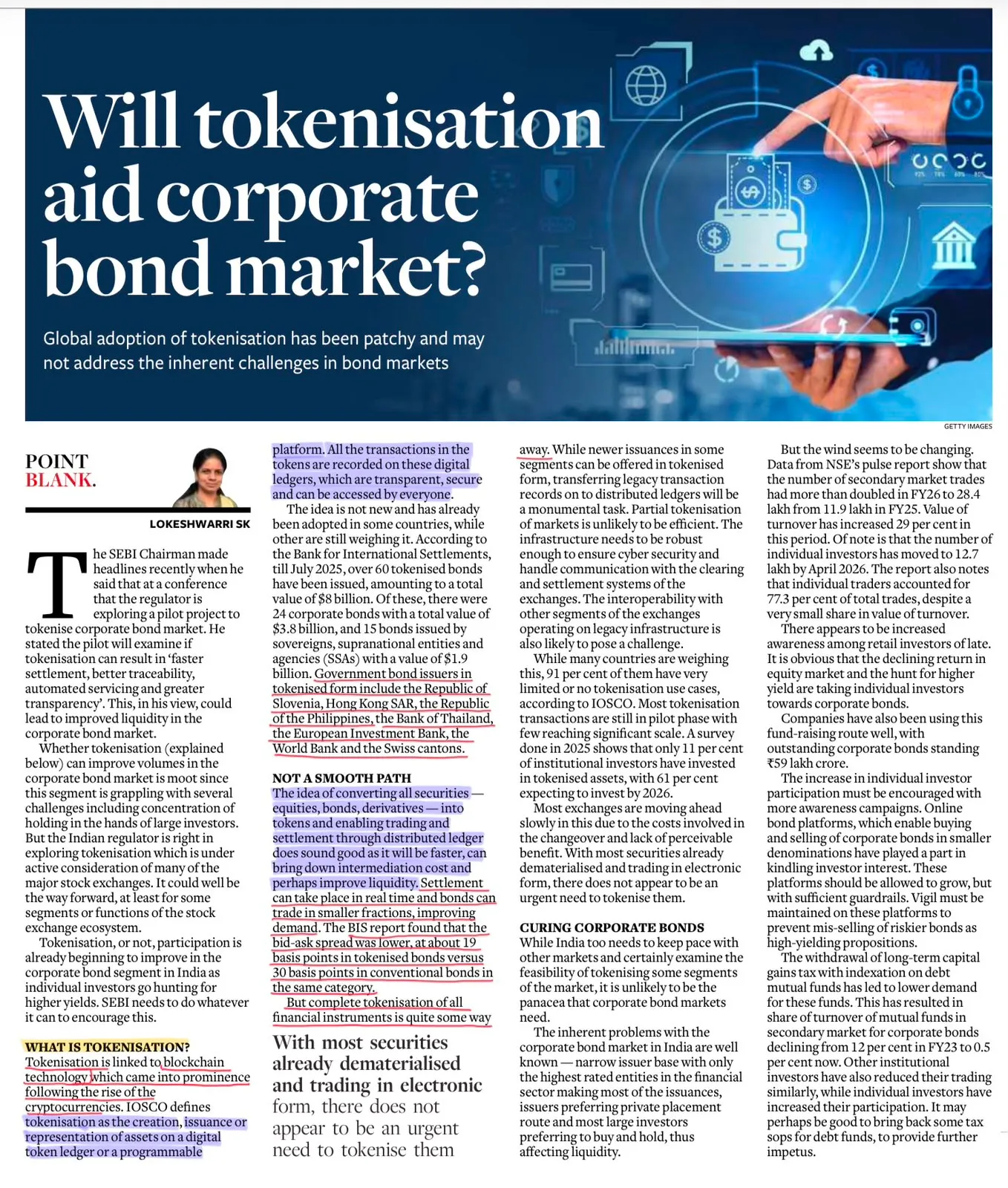
SEBI is examining the use of tokenisation of corporate bonds using blockchain technology to improve market efficiency, transparency and investor participation.
Blockchain, Tokenisation and Real-World Assets
Blockchain
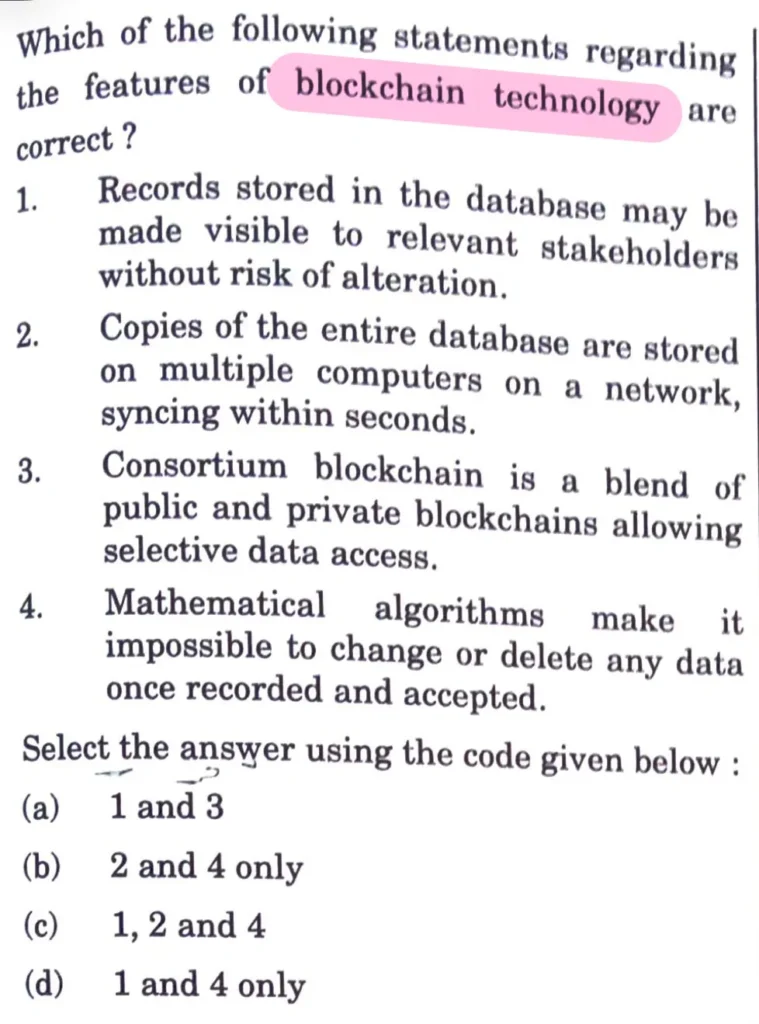
- Decentralised digital ledger that stores and verifies records across a network of computers.
- Based on Distributed Ledger Technology.
- Identical records are maintained across multiple participants without a central authority.
Tokenisation
- Application of blockchain technology.
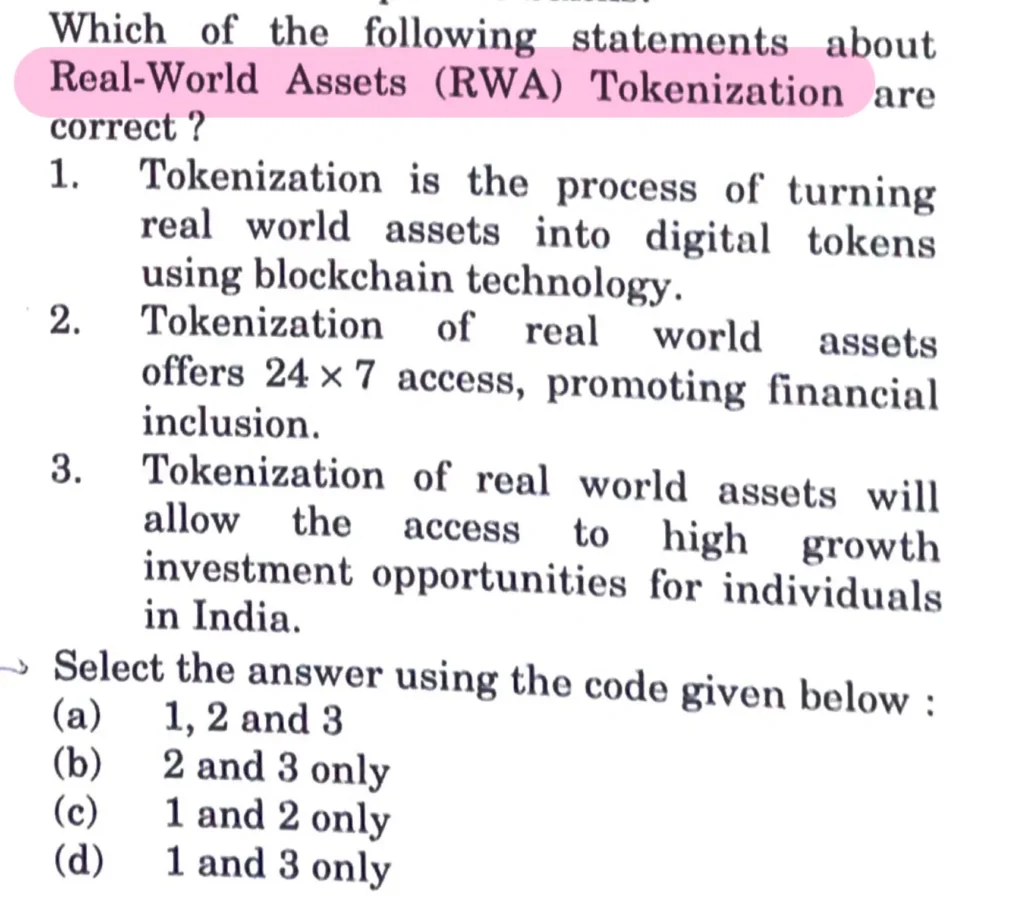
- Creates a digital representation of ownership or rights over an asset in the form of tradable tokens.
Key Features of Tokenisation
- Fractional ownership
- 24×7 transferability
- Improved accessibility
- Transparency
- Traceability
Real-World Assets
Real-World Assets are physical or traditional financial assets whose ownership can be digitally represented and traded through blockchain-based tokens.
Examples:
- Corporate Bonds
- Government Securities
- Gold
- Real Estate
- Infrastructure Assets
Corporate Bonds
Corporate Bonds are debt instruments through which companies raise funds from investors.
Why Corporate Bond Tokenisation is Important?
Potential Benefits
- Wider retail participation
- Small-ticket investments through fractional ownership
- Faster settlement
- Lower intermediation costs
- Greater transparency
- Improved liquidity
Key Concern in India
India’s corporate bond market remains dominated by large issuers and private placements.
Secondary-market liquidity remains weak.
So, tokenisation can improve market infrastructure, but it cannot by itself solve deeper structural issues.