Source: The Hindu | Page 11 | Tags: 15 June 2026, Antimicrobial Resistance (AMR), Environment, GS3, Health
Context:
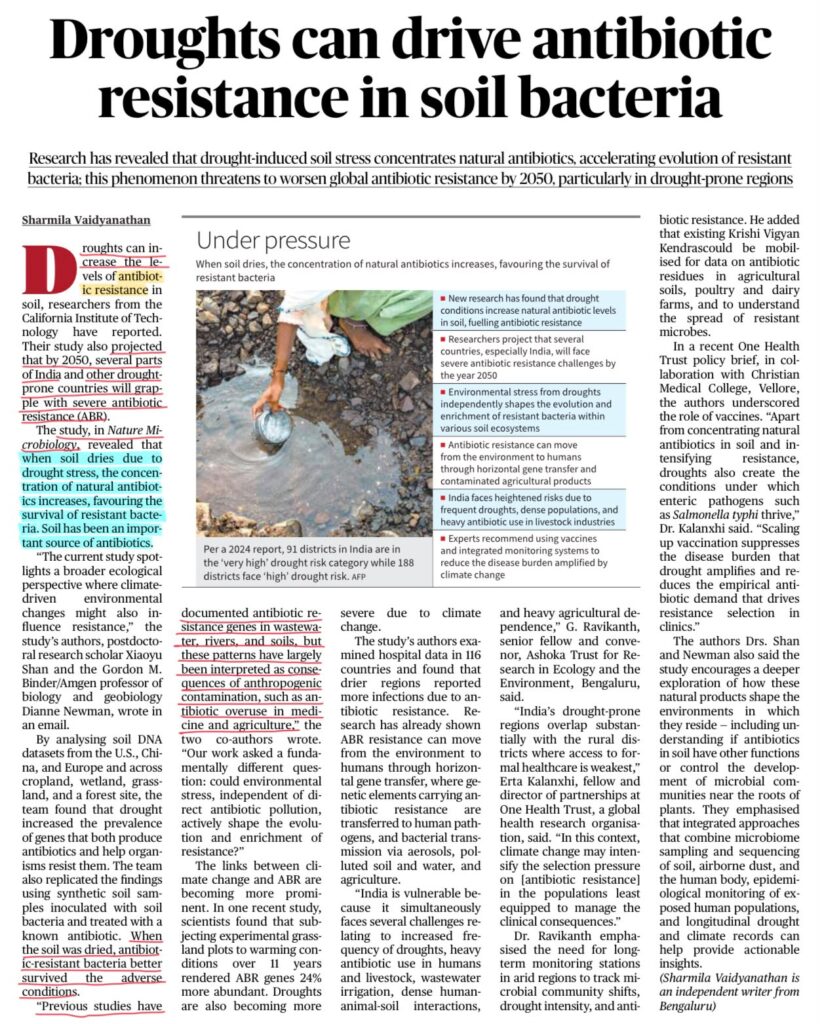
A Nature Microbiology study says drought stress can increase antimicrobial resistance in soil bacteria by concentrating natural antibiotics in dry soil, favouring resistant bacteria.
This may worsen AMR by 2050, especially in drought-prone regions like India.
Antimicrobial Resistance
Antimicrobial Resistance occurs when microbes stop responding to medicines, making infections difficult to treat.
It can occur in:
- Bacteria
- Viruses
- Fungi
- Parasites
Major Drivers of AMR
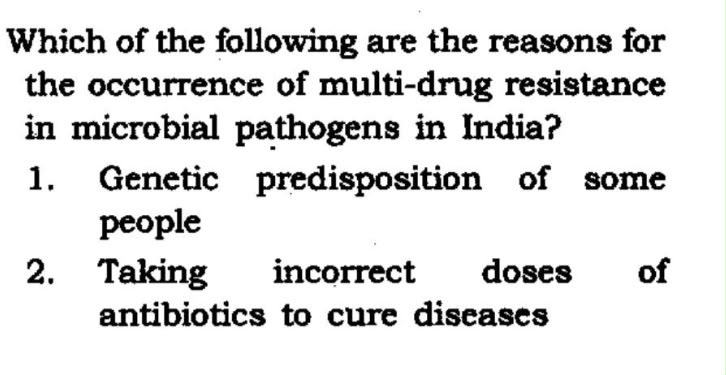
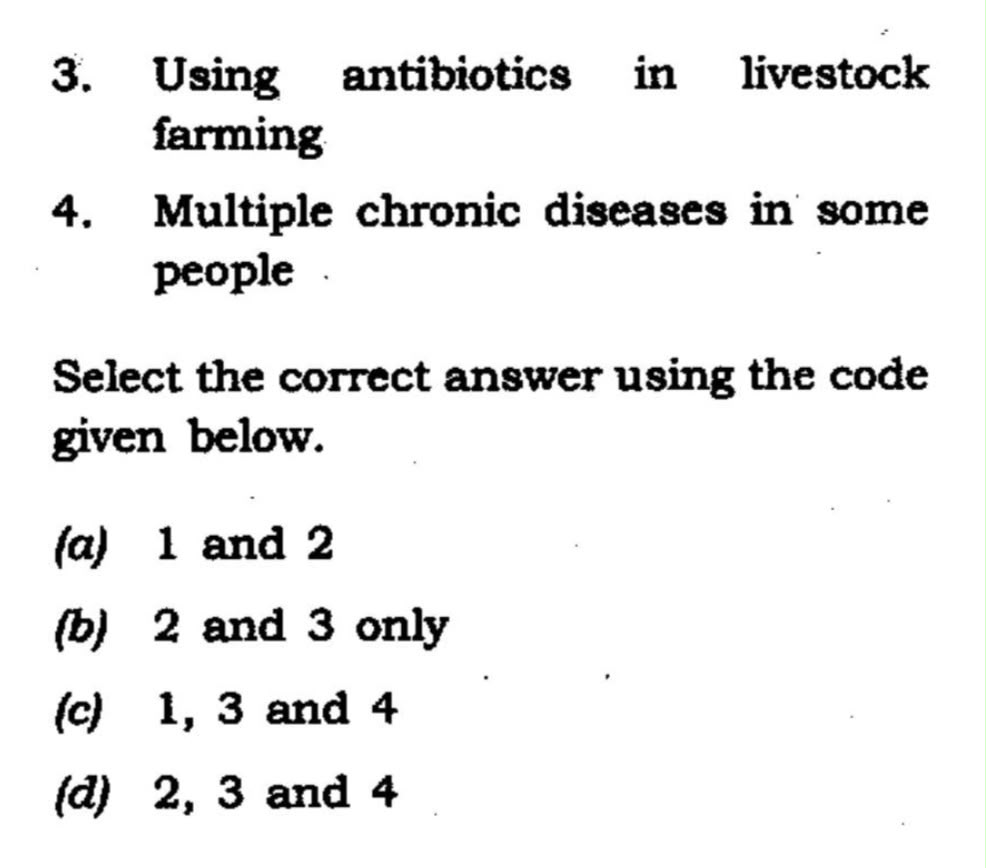
- Wrong or incomplete antibiotic doses
- Overuse of antibiotics in humans
- Antibiotic use in livestock farming
- Wastewater pollution
- Pharmaceutical pollution
Key Finding of the Study
When soil dries due to drought, natural antibiotics become concentrated.
This creates survival pressure where resistant bacteria survive better.
This shows that climate change can directly influence AMR, not just medical misuse.
India’s Vulnerability
India is vulnerable due to:
- Frequent droughts
- High antibiotic use
- Livestock farming
- Wastewater irrigation
- Weak rural healthcare access
Why This Matters
- Links climate change with public health.
- Shows that AMR is not only a hospital or medicine-use problem.
- Drought-prone regions may face higher AMR risk.
- Requires One Health approach linking humans, animals and environment.