Context:
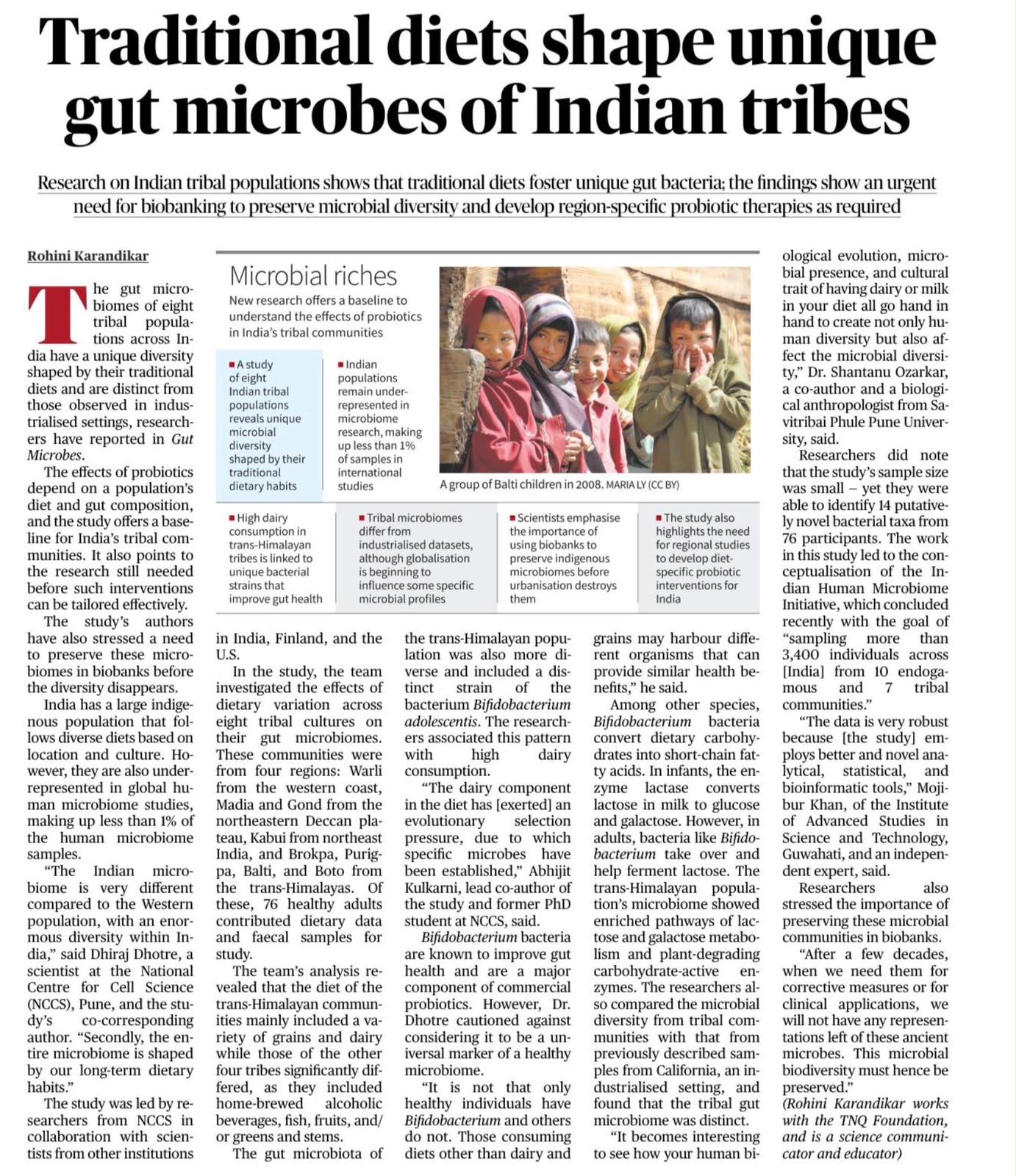
A study of eight Indian tribal populations found that traditional, region-specific diets shape distinct gut-microbial communities.
The study highlights the need to preserve indigenous microbiomes and develop region-specific probiotic interventions.
Gut Microbiome
The gut microbiome refers to the community of microorganisms living in the human digestive system.
These microorganisms influence:
- Digestion
- Metabolism
- Immunity
- Nutrient absorption
- Gut health
- Overall wellbeing
Probiotics
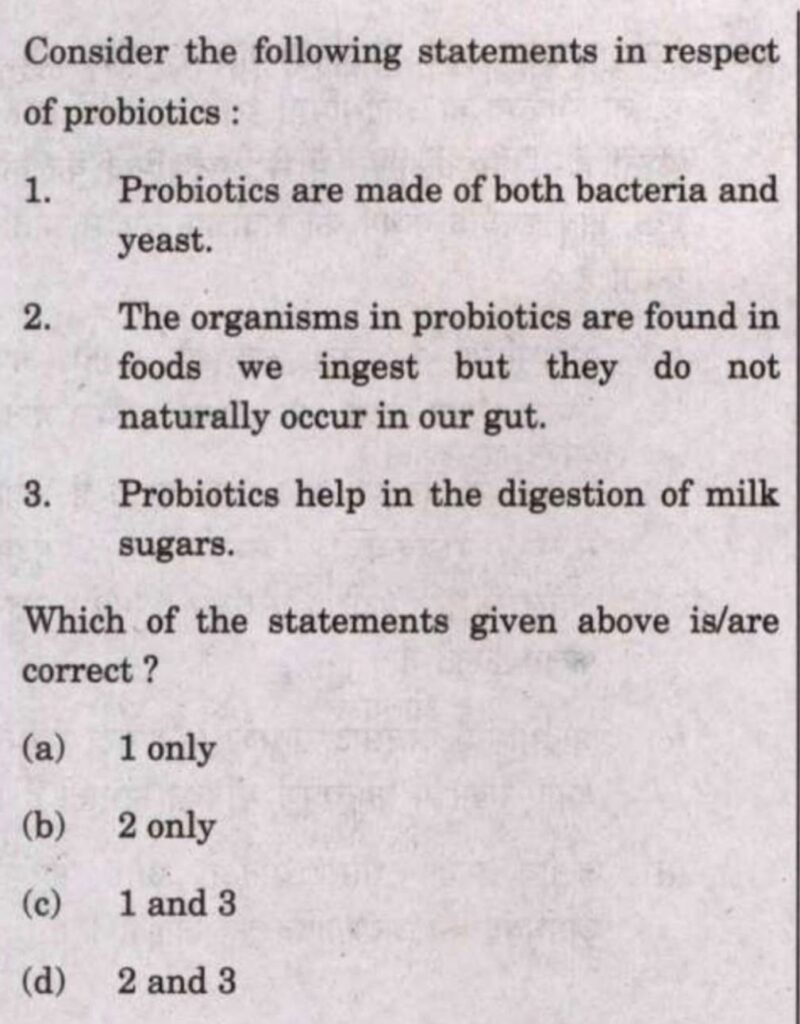
Probiotics are live microorganisms that provide health benefits when consumed in adequate amounts.
They mainly include beneficial bacteria and certain yeasts.
They may be obtained through fermented foods or probiotic products.
Bifidobacterium
Bifidobacterium is an important group of beneficial gut bacteria.
It is involved in digestion and production of beneficial metabolites.
Some probiotics can help digest lactose and other dietary carbohydrates.
Key Findings of the Study
Distinct Tribal Microbiomes
The study examined 76 healthy adults from eight tribal communities across four regions.
It found that different tribal communities had distinctive microbial profiles.
Diet-Microbiome Link
Traditional diets shaped gut-microbial diversity.
These diets included:
- Grains
- Dairy
- Fish
- Fruits
- Greens
- Locally available foods
This shows that gut microbes are closely linked to food habits and local ecology.
Trans-Himalayan Uniqueness
High dairy consumption among some trans-Himalayan communities was associated with distinctive strains, including Bifidobacterium adolescentis.
Research Gap
Indian populations constitute less than 1% of samples in global microbiome studies.
This is a serious gap because India has enormous population diversity, dietary diversity and ecological variation.
Significance
Health and Nutrition
Gut microbes affect digestion, metabolism and immune functions.
Studying them can help improve nutrition and health interventions.
Personalised Interventions
Probiotic therapies should not be based on a universal formula.
They should consider regional diets and microbiome composition.
This can help create better region-specific health solutions.
Biological Heritage
Indigenous microbiomes are a form of biological diversity.
They may disappear because of dietary change, urbanisation and lifestyle shifts.
Preserving them is important for future health research.
Policy and Way Forward
India should preserve indigenous microbial strains through biobanking.
Human microbiome research should be expanded across different regions and communities.
The Indian Human Microbiome Initiative envisages sampling over 3,400 individuals from 10 indigenous and 7 tribal communities.
India should develop region-specific probiotics suited to local diets and microbial profiles.
Key Takeaway
Traditional tribal diets preserve unique gut microbiomes. India needs wider microbiome research, biobanking and region-specific probiotics before these biological resources disappear.