🚨 ONLY 2 DAYS LEFT! | FREE UPSC OFFLINE MEETUP 2028/29 REGISTER NOW →

2 Dec 2025

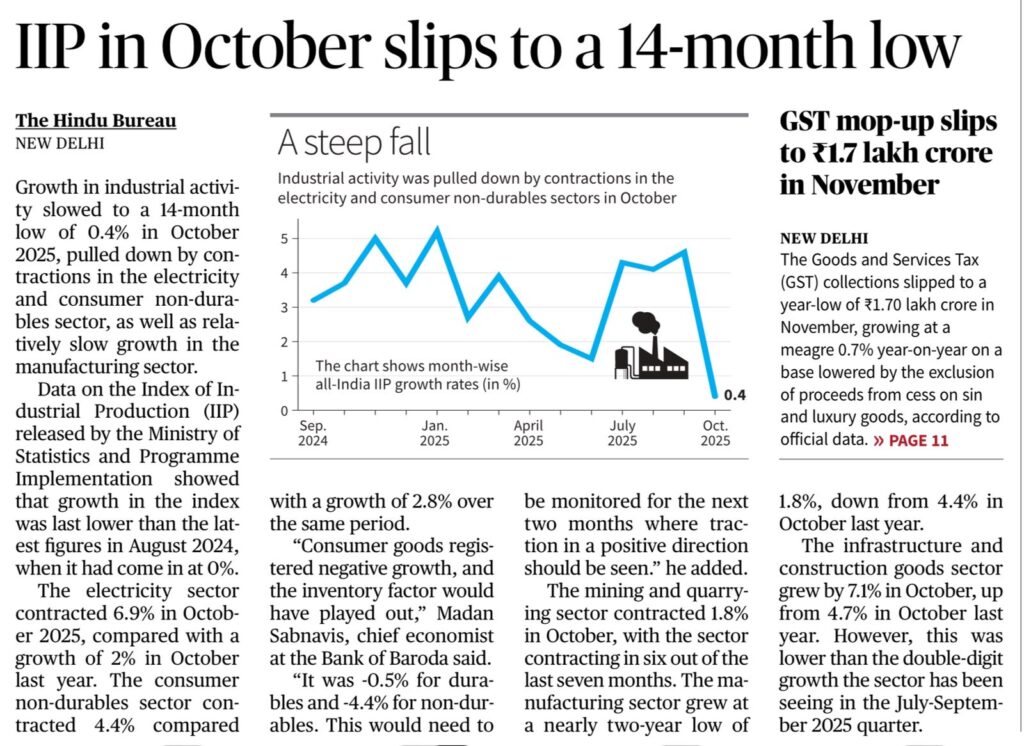
SC gives CBI free hand to stop ‘digital arrest’ scams

Context

  • SC ordered CBI to conduct a pan-India probe into rising digital arrest scams.
  • This is significant because CBI normally requires state consent (Section 6, DSPE Act) to investigate cases within a state.
  • Court overrode state consent due to exceptional scale (₹3,000+ crore lost) and high targeting of senior citizens.

What is Digital Arrest?
A cyber-extortion scam where criminals impersonate police/CBI/ED/RBI and force victims to stay on a continuous video call (“virtual arrest”) and pay money under threat of legal action.

Three Scam Categories Identified by SC

  1. Part-time Job Scams – “paid tasks” leading to extortion.
  2. Digital Arrests – coercion by impersonating authorities.
  3. Investment Scams – fake high-return schemes.
Screenshot 2025 12 02 at 08.23.08

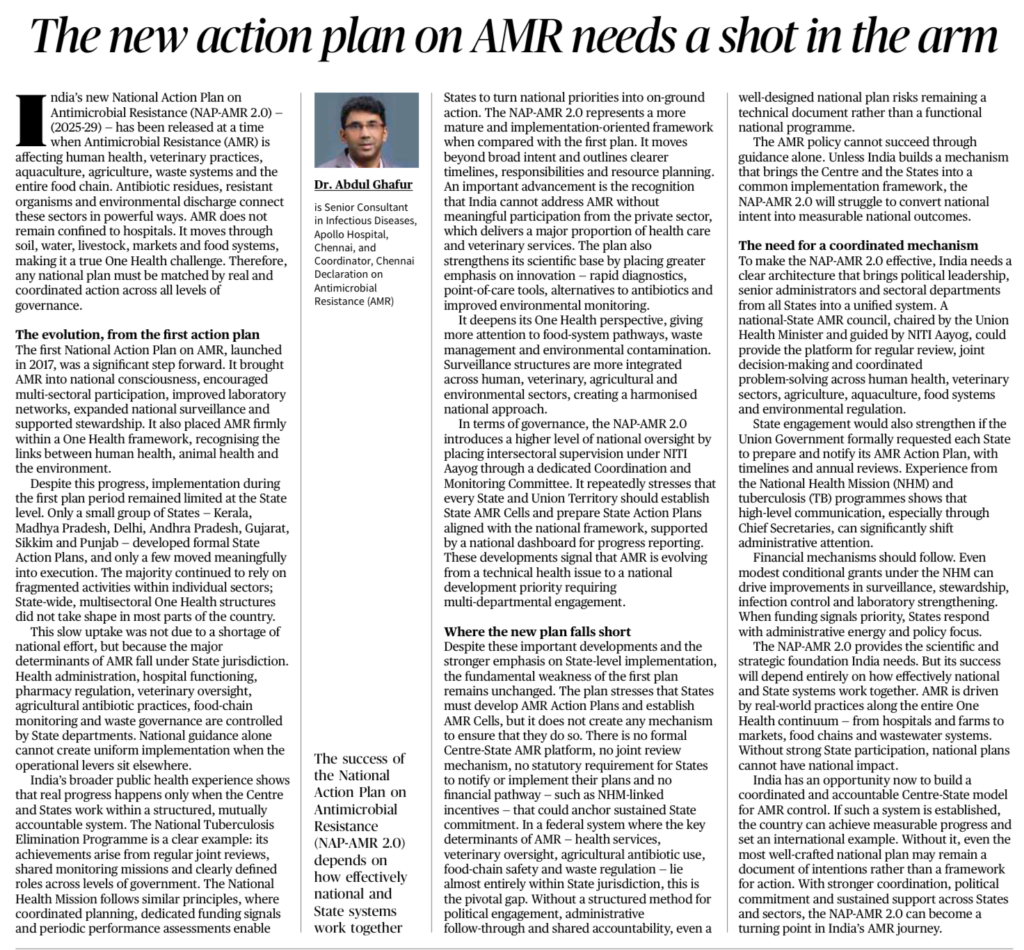
IIP in October slips to a 14-month low

1. Context
• India’s Index of Industrial Production (IIP) growth fell to 0.4% in October 2025, the lowest in 14 months.
• The slowdown was driven by:
• Sharp contraction in electricity sector (-6.9%)
• Fall in consumer non-durables (-4.4%)
• Weak manufacturing growth, nearly a two-year low (1.8%)
• Mining also contracted (-1.8%).
• This signals broad-based weakness in industrial activity ahead of a crucial economic quarter.

2. What is IIP?
The Index of Industrial Production (IIP) is a monthly indicator of industrial performance.
It tracks the volume of production in:

  1. Manufacturing
  2. Mining
  3. Electricity

Who Measures It?
• Released by the National Statistical Office (NSO)
• Under the Ministry of Statistics & Programme Implementation (MoSPI).Base Year
• Current base year: 2011–12 (for prelims).

WhatsApp Image 2025 12 03 at 12.14.55 PM

Centre moves Bills for pan masala cess and higher duties on tobacco products

Context
• The Union Government introduced two Bills in Parliament:

  1. Health Security & National Security Cess Bill, 2025
  2. Central Excise (Amendment) Bill, 2025
    • Aim: To raise excise duties on tobacco and impose a cess on pan masala manufacturing.
    • Reason: The GST compensation cess on tobacco—used to reimburse States for GST revenue losses—is being phased out once the Centre repays loans taken during COVID-19.
    • To offset this revenue gap and fund health + national security, the Centre seeks new cesses on:
    • tobacco products
    • and pan masala manufacturing processes.
Screenshot 2025 12 02 at 08.15.58

Smartphone makers told to pre-install Sanchar Saathi

Summary
• DoT orders all smartphone makers to pre-install Sanchar Saathi on all new phones from March 2026.
• App’s features cannot be disabled or restricted.
• Used to verify IMEI authenticity, report scam calls, identify SIMs linked to a user, and block stolen phones.
• Unclear whether the app will auto-read IMEI or need user input.

Prelims Notes
Sanchar Saathi – Key Points
• Launched by: Department of Telecommunications (DoT).
• Purpose: Device + SIM security.

Main Features
• CEIR: Block/track stolen mobile phones via IMEI.
• TAFCOP: Shows all SIMs issued in a user’s name; detect fraudulent SIMs.
• IMEI verification: Check if device IMEI is genuine.
• Report scam/spam calls.Why mandatory pre-installation?
• To curb IMEI cloning, SIM fraud, phone theft, and cyber scams.
• Ensures universal access to security tools.

Screenshot 2025 12 02 at 08.23.45

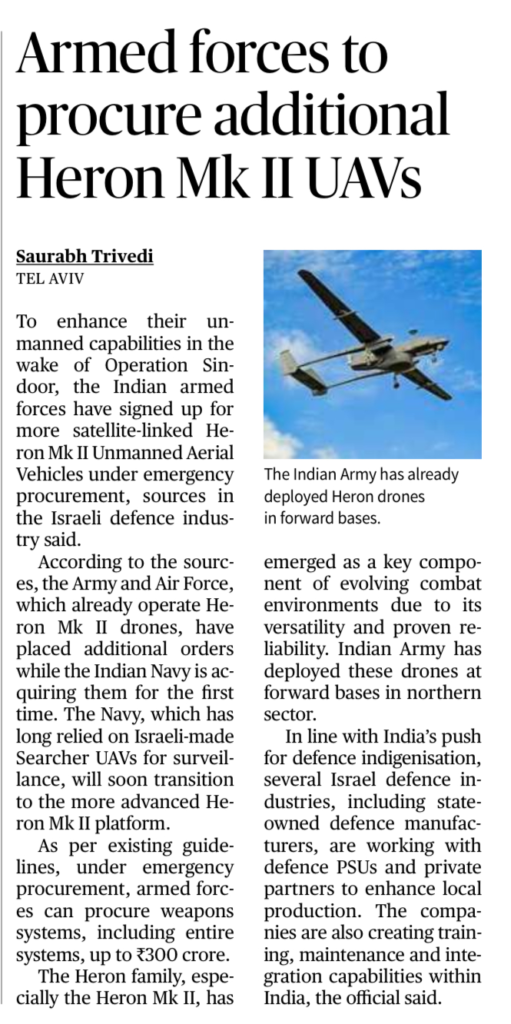
The new action plan on AMR needs a shot in the arm

1. Context
India released the National Action Plan on Antimicrobial Resistance (NAP-AMR 2.0, 2025–29) at a time when AMR is rapidly rising across humans, animals, agriculture, food systems, and the environment.
The editorial argues that while NAP-AMR 2.0 is stronger and more comprehensive than the 2017 plan, it lacks mechanisms for coordinated implementation, remains overly technical, and requires political leadership + Centre–State alignment to succeed.

2. Crisp Mains Notes

A. Why AMR is a Major Challenge
• Affects human health, animal health, food systems, environment.
• Crosses sectors—hospitals, farms, veterinary practice, water, markets.
• India has high antibiotic usage and easy access → accelerates resistance.
• Creates a One Health governance challenge.

B. Evolution from NAP-AMR 1.0 (2017) → NAP-AMR 2.0
NAP-AMR 1.0:
• Increased national awareness.
• Encouraged multi-sector coordination.
• Improved surveillance & stewardship.
• But implementation limited to a few States; lacked coherent national action.

C. Key Strengths of NAP-AMR 2.0
• National One Health framework with stronger state-level engagement.
• Introduces a higher-level national oversight group + intersectoral coordination.
• Pushes every State/UT to prepare State AMR Cells and State Action Plans.
• Technical strengthening: diagnostics, surveillance, laboratories, reporting systems.
• Aims for a national AMR dashboard for real-time monitoring.

D. Key Weaknesses Highlighted (Why it “needs a shot in the arm”)

  1. No clear Centre–State implementation mechanism
    • Coordination gaps persist; AMR lies across State jurisdictions (health, labs, regulation).
    • Without structured cooperation, plan risks staying on paper.
  2. Overly technical; lacks political leadership
    • Needs Union Health Ministry–led governance with NITI Aayog support.
    • Requires stronger involvement from veterinary, agriculture, environment ministries.
  3. Weak private sector participation
    • Hospitals, labs, veterinary services are largely private → current plan under-engages them.
  4. Funding challenges
    • Needs dedicated financing & convergence across departments (human, animal, food safety).
  5. State implementation uneven
    • Few states show progress; others lack AMR surveillance, stewardship, or regulatory control.

E. What the Editorial Recommends
• Create a formal Centre–State mechanism specifically for AMR implementation.
• Turn the plan from a technical document into a governance and action framework.
• Use Union Health Ministry + NITI Aayog for oversight, monitoring, and accountability.
• Build shared political commitment and multi-sector leadership.
• Prioritise financing, lab capacity building, surveillance, innovation, and One Health integration.

Screenshot 2025 12 02 at 08.58.26

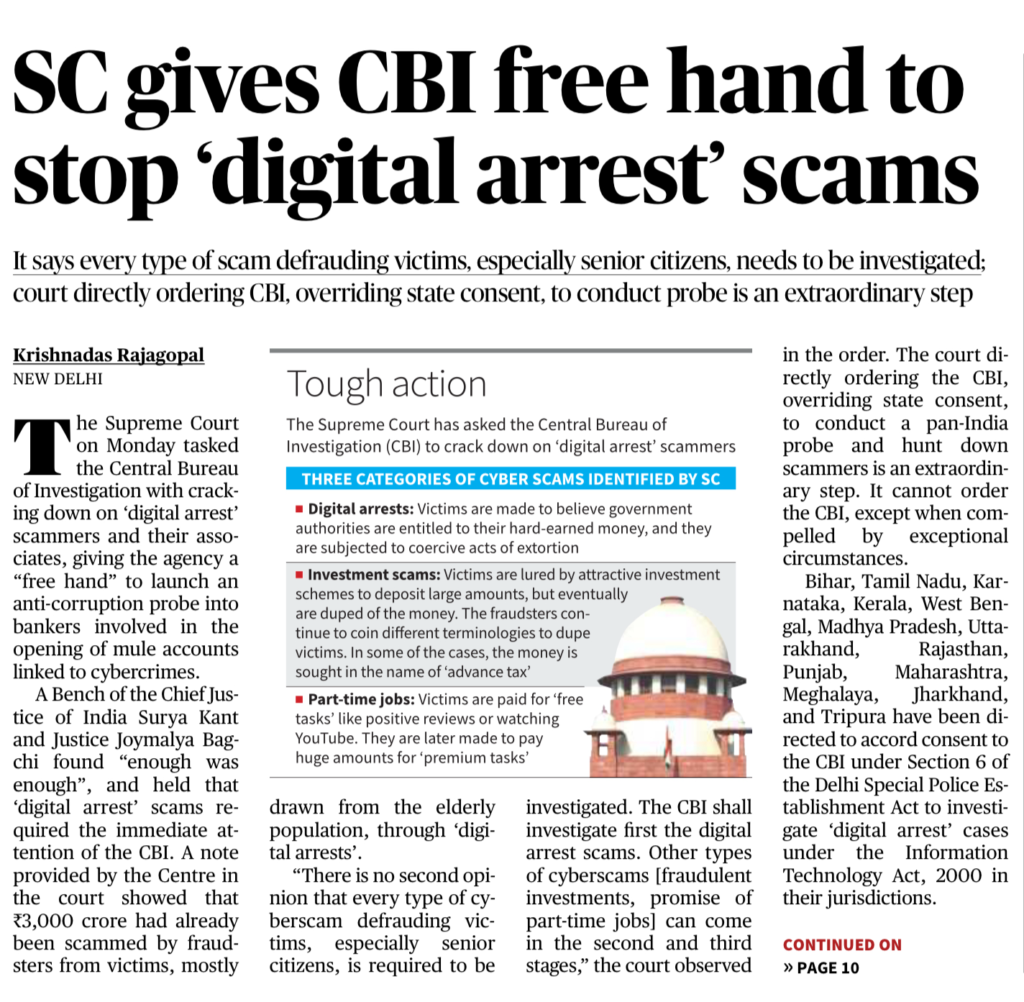
Armed forces to procure additional Heron Mk II UAVs

Context
• India is procuring additional Heron Mk II UAVs under emergency procurement.
• Army & IAF already use them; Navy acquiring for the first time.

Heron Mk II
• Country: Israel (Israel Aerospace Industries).
• Type: MALE UAV (Medium Altitude Long Endurance).
• Feature: SATCOM-linked; used for surveillance.
• Replaces older Searcher UAVs (Navy).Emergency procurement
• Armed forces can procure systems up to ₹300 crore.

Screenshot 2025 12 02 at 08.31.29

Copyright © 2026 USARAMBHA EDUCATION (UnderStand UPSC). All Rights Reserved.

Offline Meetup

Reserve Your Meetup Seat