🚨 ONLY 2 DAYS LEFT! | FREE UPSC OFFLINE MEETUP 2028/29 REGISTER NOW →

21 Feb 2026 | Daily Current Affairs

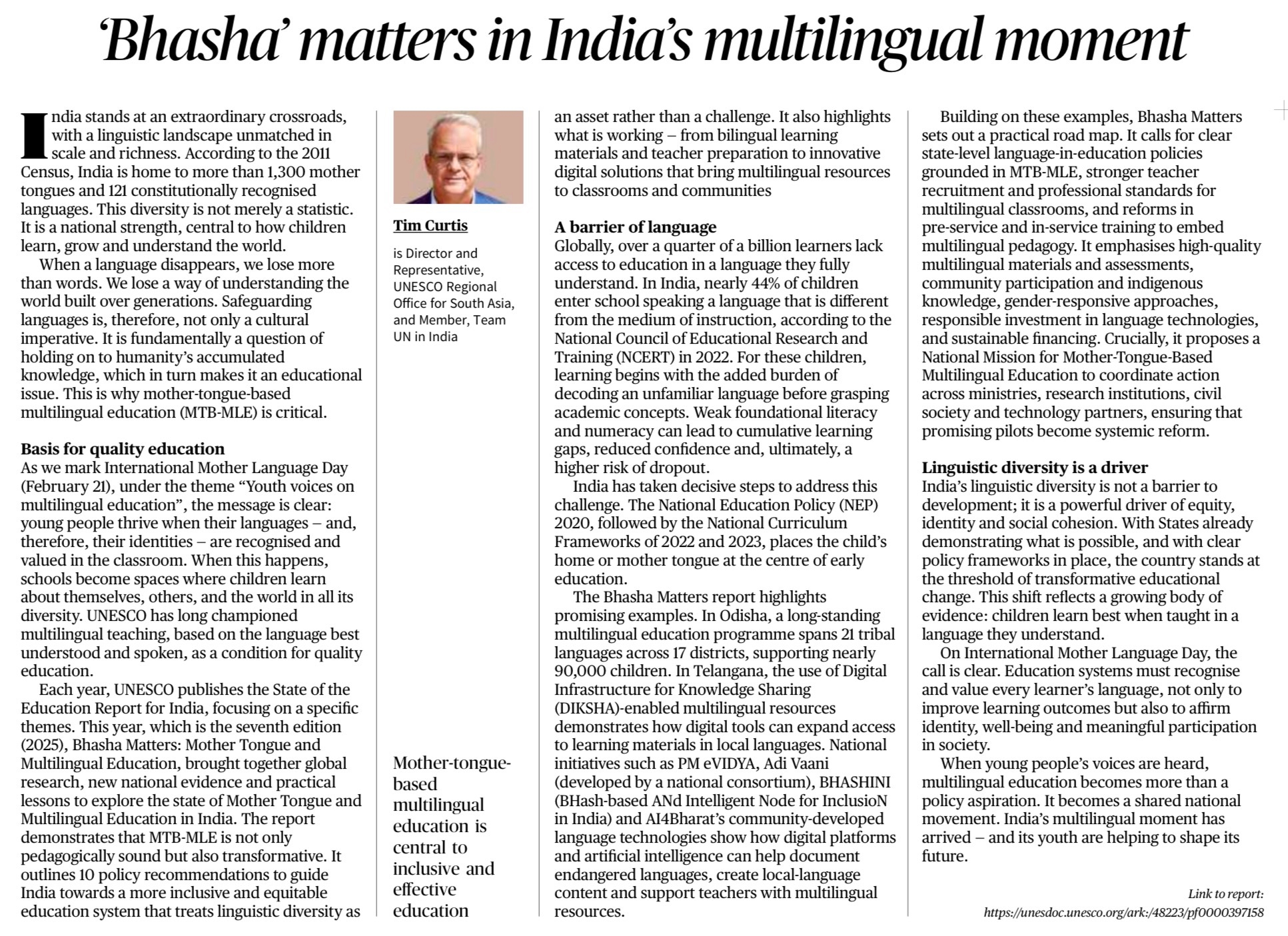
Mother Tongue-Based Multilingual Education in India – NEP 2020 and Policy Focus

Context

India’s linguistic diversity is huge — over 1,300 mother tongues. This diversity is not just cultural but essential for quality education and equal learning opportunities.

Key Points

1. Why Mother Tongue Matters
• Children learn faster and understand concepts better when taught in a language they speak at home.
• Using an unfamiliar language early on leads to weak literacy, reduced confidence, and higher dropout risk.

2. Global & Indian Challenge
• Globally, millions of children face barriers because schooling is in a language they do not understand.
• In India, nearly 44% of children face this barrier.

3. India’s Response
National Education Policy (NEP) 2020 and updated National Curriculum Frameworks (2022, 2023) place the child’s mother tongue or home language at the center of early learning.
• Several states show successful examples:
• Odisha: Teaching in 21 tribal languages across 17 districts.
• Telangana: Use of digital tools for multilingual learning.
• National initiatives like digital platforms also help preserve and teach local languages.

4. What “Bhasha Matters” Calls For
Strengthening multilingual education through:
• Quality multilingual materials
• Better teacher training
• Community and indigenous knowledge involvement
• Use of digital tools
• Proposal for a National Mission for Mother-Tongue-Based Multilingual Education to coordinate action across ministries and institutions.
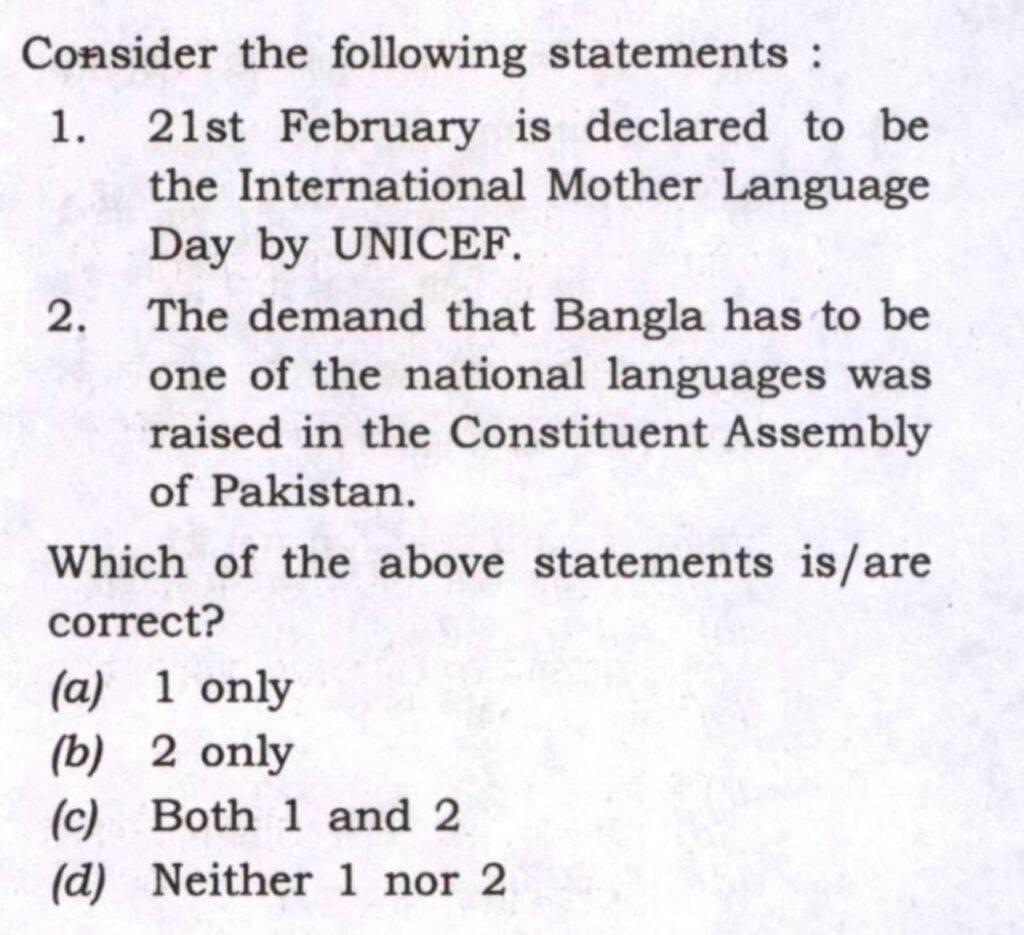
2 1
3 2
PYQ – 2021, Ans – B

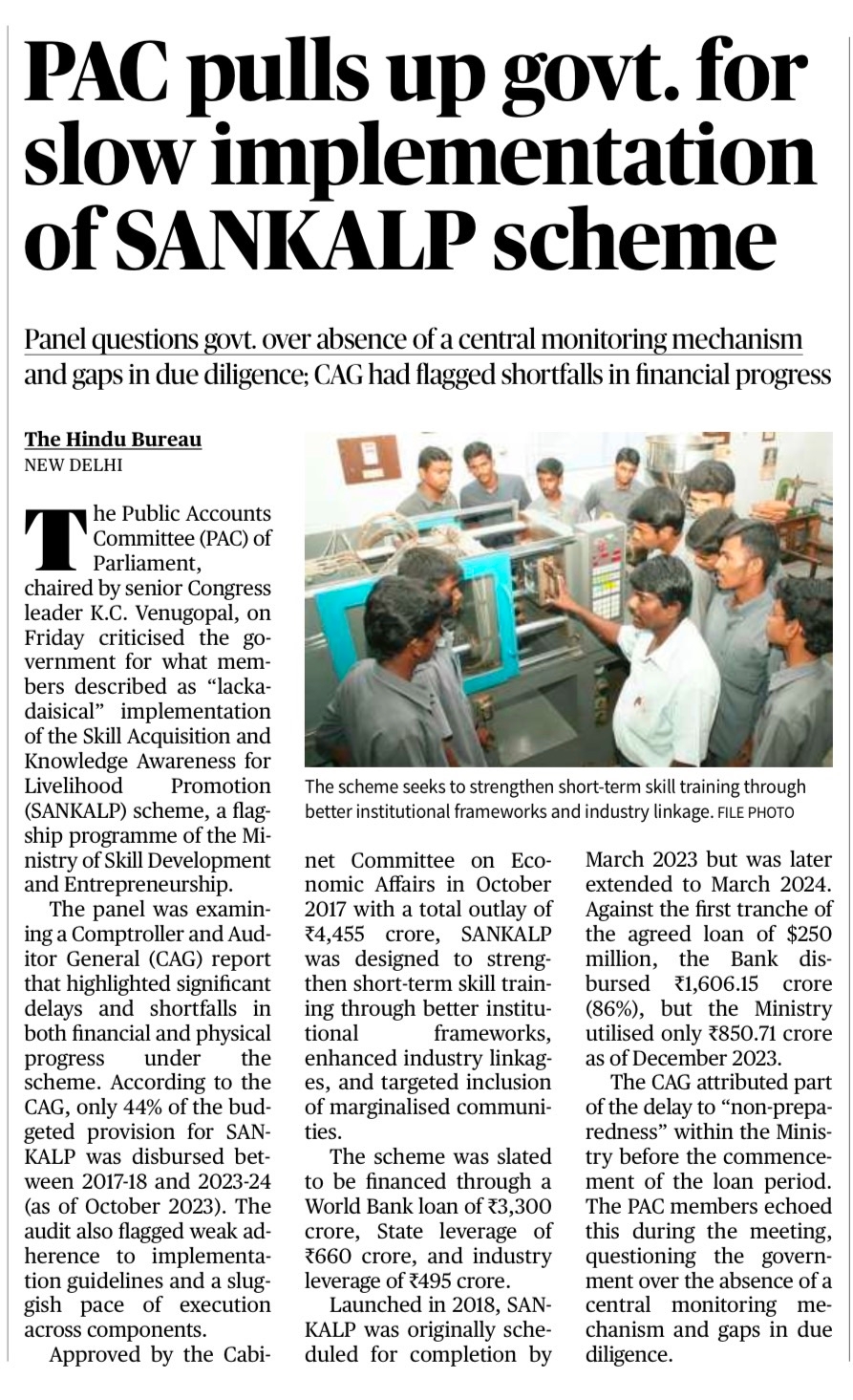
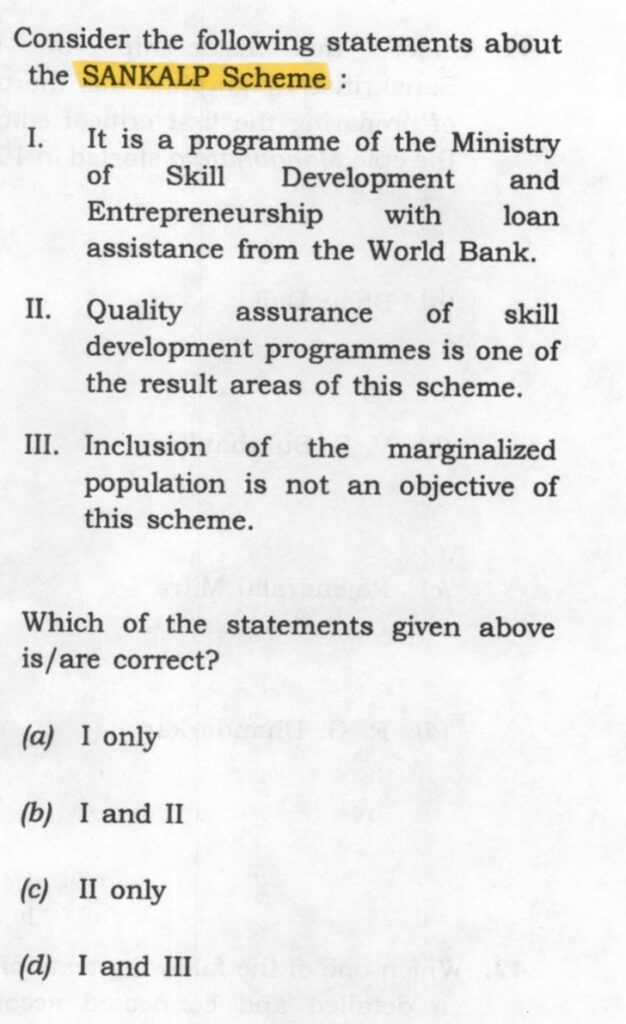
SANKALP Scheme – PAC Flags Slow Implementation and Fund Issues

Context

PAC (Public Accounts Committee) has criticised the government for slow and poor implementation of the SANKALP scheme after examining a CAG report showing delays, weak monitoring, and under-utilisation of funds.

Skill Acquisition and Knowledge Awareness for Livelihood Promotion (SANKALP) Scheme

• Launch: 2018
• Nodal Ministry: Ministry of Skill Development & Entrepreneurship (MSDE)

Objective: Strengthen short-term skill training through
• better institutional frameworks,
• improved industry linkages,
• inclusion of marginalised groups.

Funding:
• World Bank loan: ₹3,300 crore
• State share: ₹660 crore
• Industry share: ₹495 crore
• Total outlay: approx. ₹4,455 crore

4 1
5 2
PYQ, Ans – B

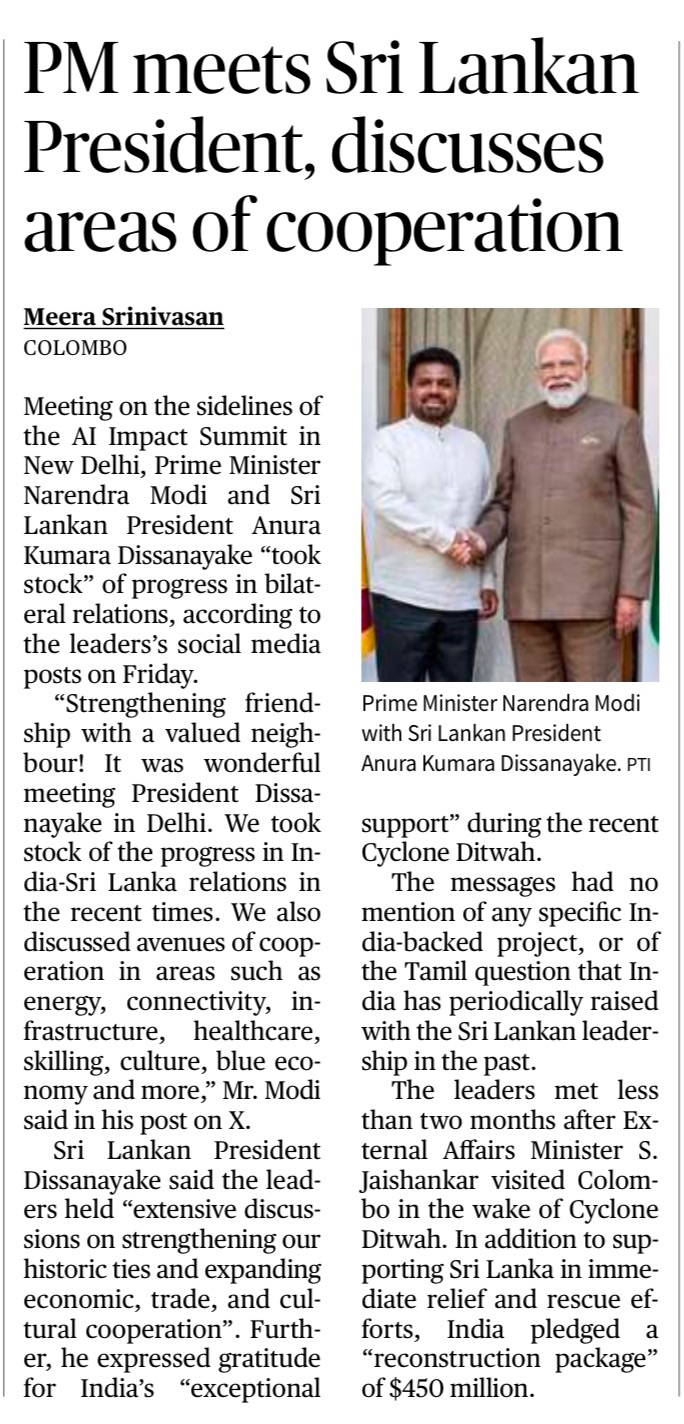
India–Sri Lanka Relations – Key Cooperation Areas and Recent Developments

Context

India’s Prime Minister met Sri Lanka’s President on the sidelines of the AI Impact Summit in New Delhi to review recent bilateral progress and discuss cooperation in multiple sectors.

India–Sri Lanka Relations

1. Nature of Relationship
• Close neighbours linked by geography, history, culture, Buddhism, trade, and people-to-people ties.
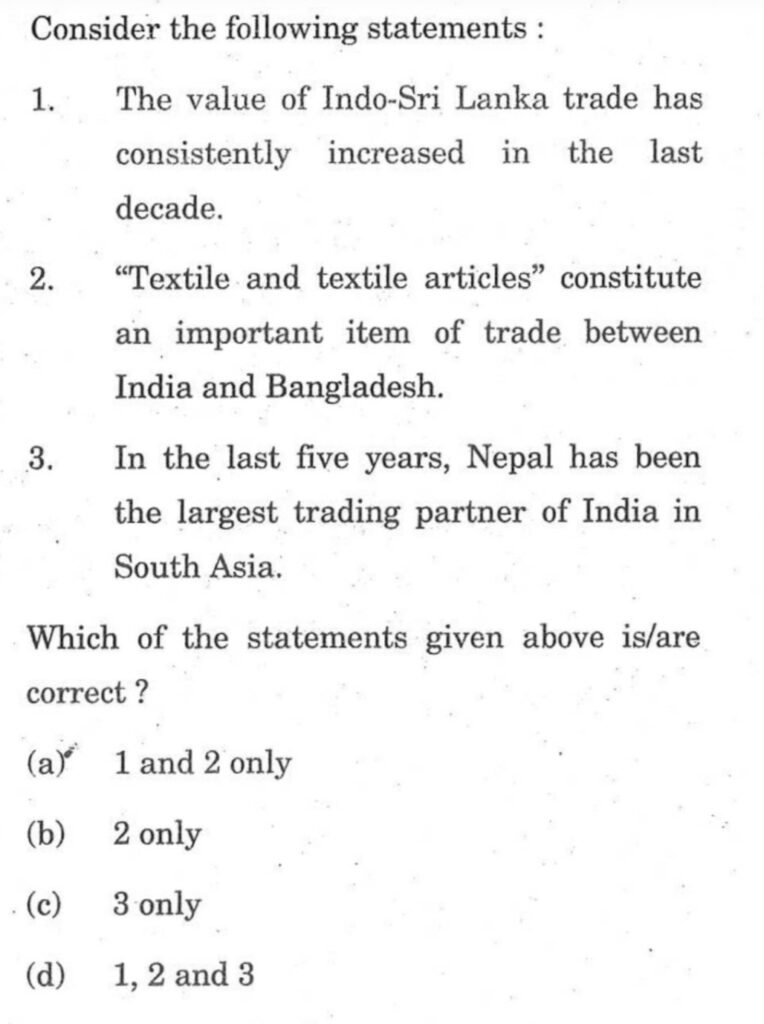
• India is Sri Lanka’s largest trading partner and a primary development partner.

2. Key Areas of Cooperation
• Energy: grid connectivity, renewable energy, LNG cooperation.
• Connectivity: ferry services, flight links, digital connectivity.
• Infrastructure: ports, housing projects, transport systems.
• Economic ties: Indian investments, credit lines, trade facilitation.
• Security: maritime cooperation in the Indian Ocean.
• Health, education, skilling, culture, blue economy.

3. Recent Developments Referenced
• Leaders “took stock” of bilateral progress.
• Discussed strengthening cooperation in multiple sectors.
• Sri Lanka appreciated India’s exceptional support during Cyclone Ditwah.
• India earlier pledged a $450 million reconstruction package post-cyclone.
• No specific mention of Tamil issue or individual projects in the exchange.

6 2
7 2
PYQ – 2020, Ans – B

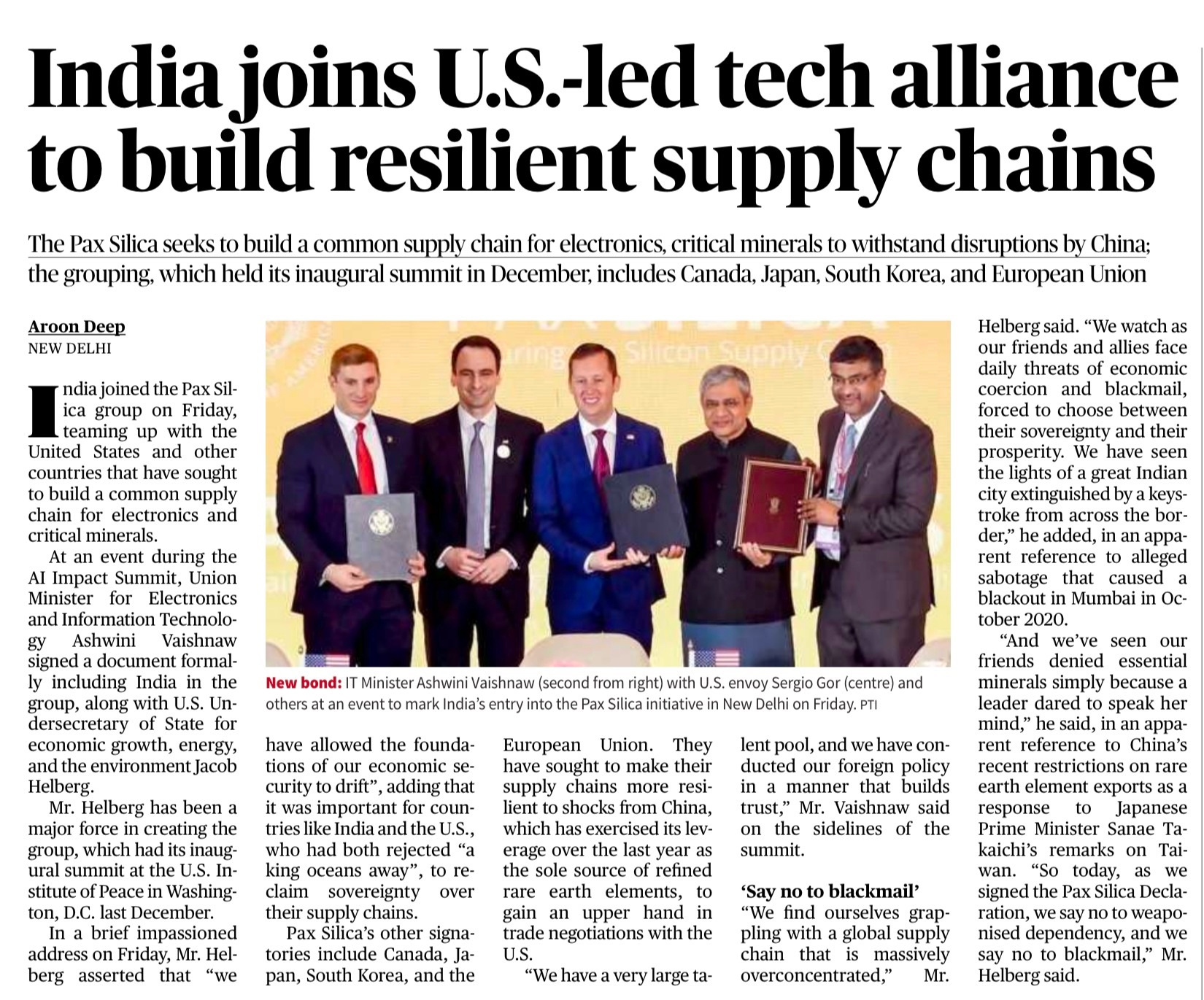
Pax Silica – India Joins U.S.-Led Tech Alliance for Supply Chains

Pax Silica

A U.S.-led tech & supply-chain alliance aiming to secure the entire AI–semiconductor value chain →
(critical minerals → energy → chips → AI infrastructure)

Purpose (core goals):
• Reduce dependence on China
• Build resilient, shared supply chains for electronics & critical minerals
• Coordinate on tech standards, investment & security

Founding / Current Members:
USA, Japan, South Korea, UK, Australia, Israel, Netherlands, Singapore, Qatar

India’s position:
India has now joined the Pax Silica initiative.

Why important for India:
• Diversifies supply chains
• Boosts semiconductor ambitions
• Supports AI hardware ecosystem
• Reduces strategic vulnerability

8 2

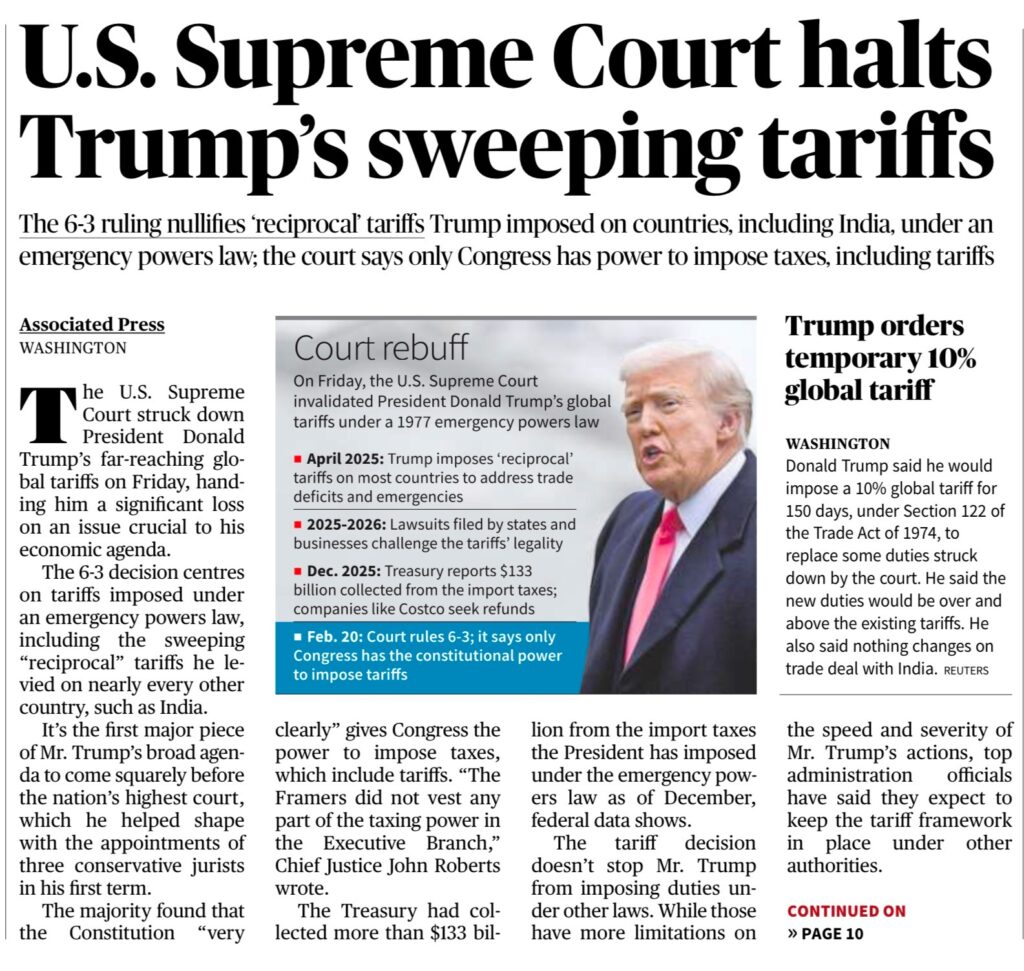
U.S. Supreme Court Tariff Ruling – Reciprocal Global Tariffs Struck Down

The U.S. Supreme Court (6–3) struck down Donald Trump’s “reciprocal global tariffs” imposed under a 1977 emergency powers law, ruling that only Congress can impose taxes/tariffs. This nullifies tariffs Trump had placed on many countries, including India.

What happens now?

• The old reciprocal tariffs become invalid.
• The U.S. Treasury must return/refund duties collected under these tariffs (>$133 billion).
• Trump can still impose new tariffs, but only under other laws (ex: Trade Act 1974), with more limits.
• He already announced a temporary 10% global tariff for 150 days under a different legal provision.

9 2

Copyright © 2026 USARAMBHA EDUCATION (UnderStand UPSC). All Rights Reserved.

Offline Meetup

Reserve Your Meetup Seat