7 March 2026 | Daily Current Affairs

Social Media Regulation for Minors: Karnataka and Andhra Pradesh Plan Restrictions

Context:
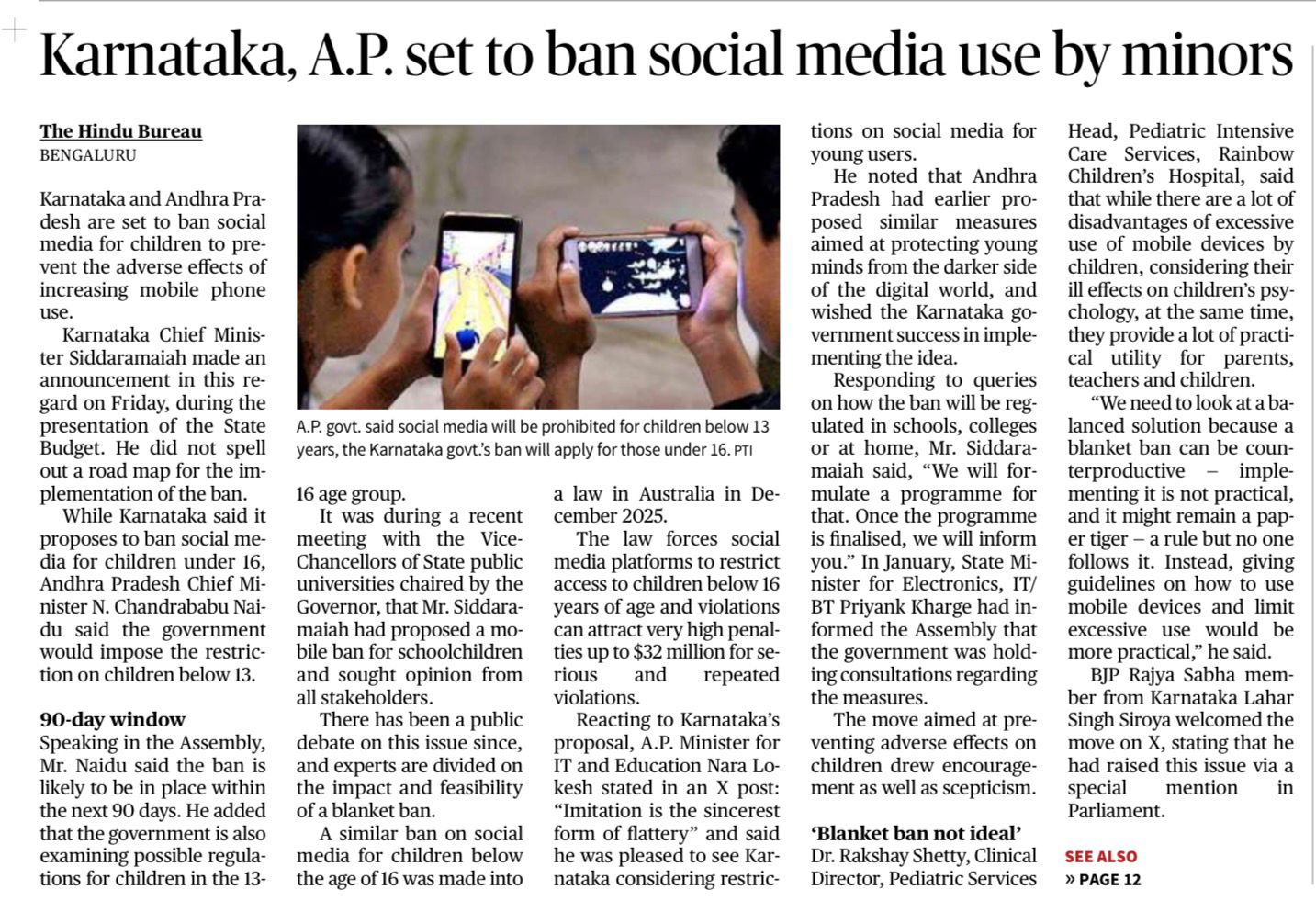
Karnataka (under-16) and Andhra Pradesh (under-13) are considering restrictions on minors’ social media use to address harms from excessive online exposure.

Summary

• Aim is to protect children from addiction, cyberbullying, harmful content and mental-health impacts.
• Karnataka proposes restrictions for under-16 users.
• Andhra Pradesh proposes restrictions for under-13 users.
• Modalities are still evolving.

Debate

• Experts argue blanket bans may be impractical.
• Many recommend balanced regulation, parental controls and digital literacy instead.

Legal Issue

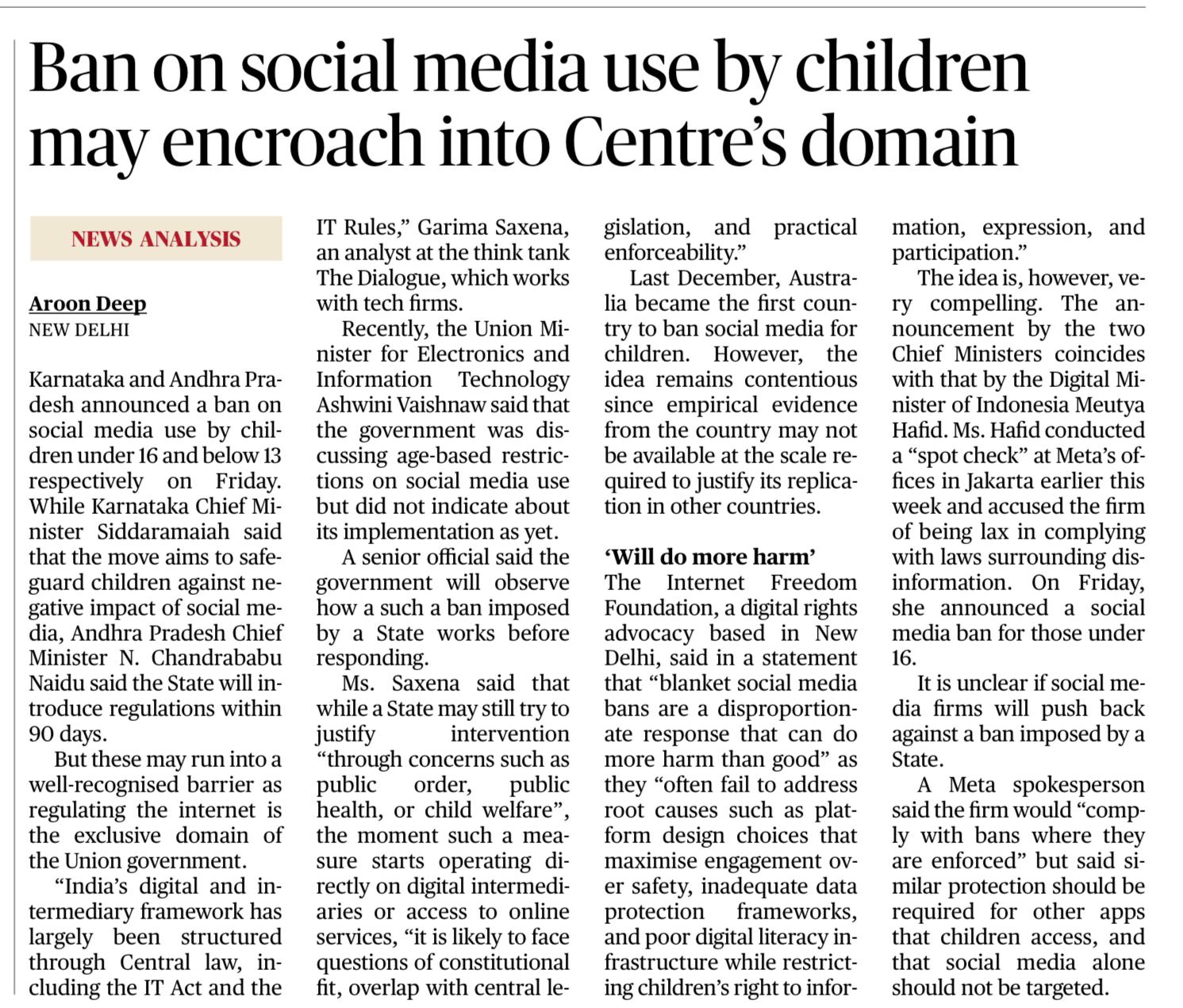
• Regulation of online intermediaries largely falls under Union jurisdiction, which means state-level bans may face constitutional and operational challenges.

IT Act & Union Role

Information Technology Act, 2000 provides the core legal framework for digital platforms.
• The Centre frames rules such as IT Rules, 2021 covering due diligence, safety and grievance redressal.
• Under Section 69A, the Centre can block online content for reasons related to sovereignty, security or public order.
• Therefore, internet regulation remains primarily a Union subject, limiting states’ regulatory scope.
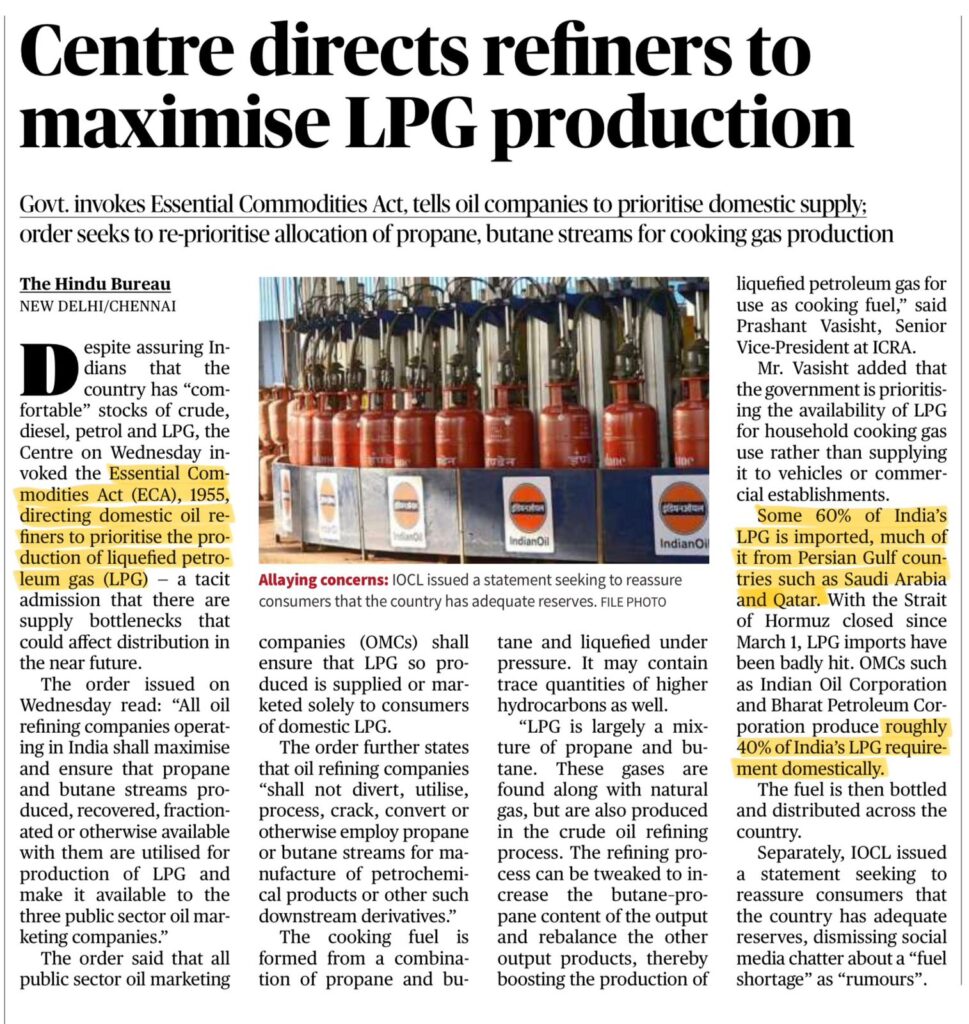
LPG Production in India: Centre Orders Refiners to Maximise Output

Context:
The Centre invoked the Essential Commodities Act, 1955 to direct refiners to prioritise LPG production for domestic cooking needs amid supply concerns linked to West Asia disruptions.

Key Data

• Government ordered refiners to maximise LPG production and prioritise domestic supply.
• Refiners instructed not to divert propane–butane streams for petrochemicals or other derivatives.
• LPG is mainly a mixture of propane and butane.
• Production can be increased by rebalancing refining streams.

• Around 60% of India’s LPG is imported, mainly from Persian Gulf countries such as Saudi Arabia and Qatar.
• Domestic refineries produce roughly 40% of India’s LPG requirement.
• Disruption in the Strait of Hormuz may affect LPG imports and logistics.

Essential Commodities Act — Provision Used

• Action taken under Section 3 of the Essential Commodities Act, 1955.
• Section 3 empowers the Centre to regulate production, supply, distribution and pricing of essential commodities to ensure availability and prevent hoarding.

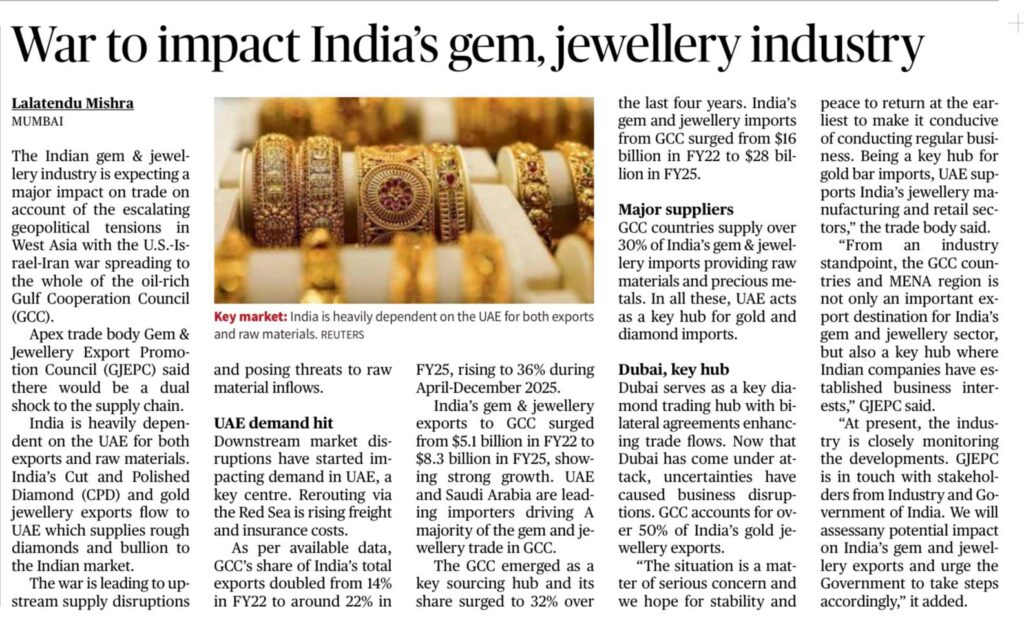
India GCC Trade: West Asia Tensions Threaten Gem and Jewellery Sector

Context:
Escalating West Asia tensions threaten India’s gem and jewellery trade through supply disruptions, demand shocks and rising logistics costs linked to GCC markets.

1. India–GCC Trade (Gem & Jewellery — Key Data)

• GCC supplies 30%+ of India’s gem and jewellery imports (raw materials and precious metals).
• Imports from GCC increased from $16 billion (FY22) to $28 billion (FY25).
• India’s exports to GCC rose from $5.1 billion (FY22) to $8.3 billion (FY25).
• GCC accounts for over 50% of India’s gold jewellery exports.
• UAE serves as a major hub for gold bars, bullion and rough diamonds, with Dubai acting as a global diamond trading centre.

2. India–GCC Overall Trade

• FY 2024–25 bilateral trade ≈ $178.56 billion

  • Exports: $56.87 billion
  • Imports: $121.68 billion

• GCC accounts for about 15.4% of India’s global trade.
• GCC is one of India’s largest regional trade partners, led by UAE and Saudi Arabia.

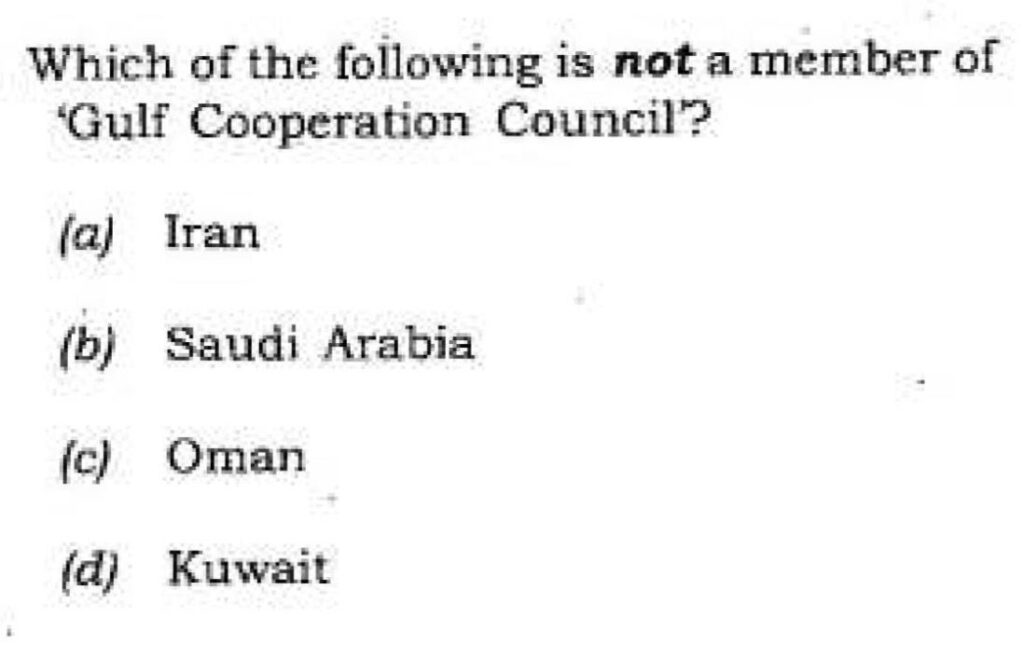
3. Gulf Cooperation Council (GCC)

• Established in 1981.
• Members: Saudi Arabia, UAE, Qatar, Kuwait, Oman, Bahrain.
• Focus areas include economic integration, energy cooperation, trade and security coordination.

PYQ – 2016, Ans – A

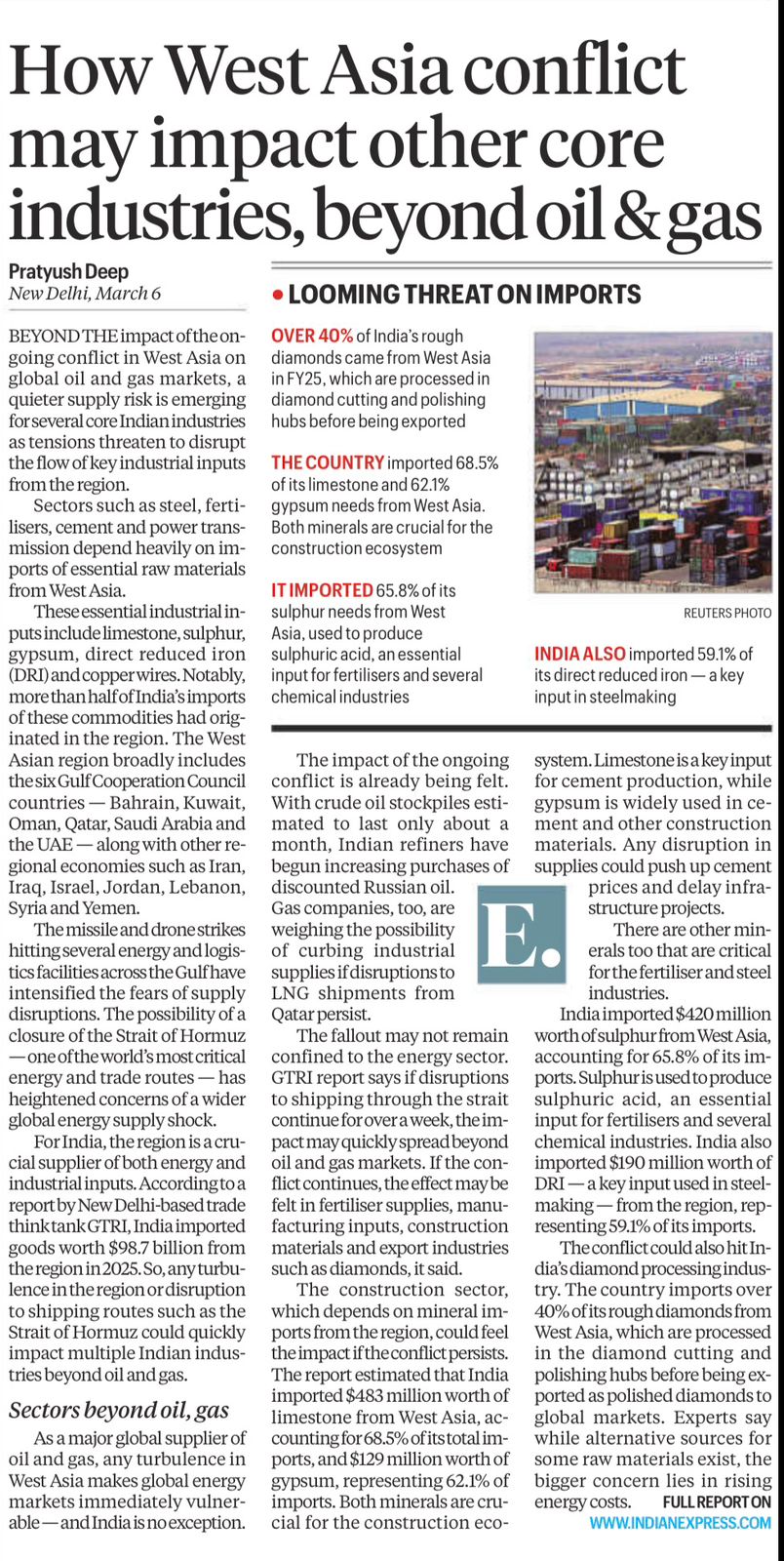
West Asia Conflict: Risks to India’s Core Industries and Raw Material Supply

Context:
The ongoing West Asia conflict risks disrupting several critical industrial inputs for India, beyond oil and gas.

Key Raw Materials at Risk

• Limestone
• Gypsum
• Sulphur
• Direct reduced iron (iron produced from ore without melting)
Copper wires

Key Points

• Import dependence from West Asia is significant:

  • Limestone: 68.5%
  • Gypsum: 62.1%
  • Sulphur: 65.8%
  • Direct reduced iron: 59.1%

• More than 40% of India’s rough diamonds are sourced from the region for processing and export.
• Disruptions in the Strait of Hormuz could increase logistics costs and delay supplies.
• Industries likely affected include steel, fertiliser and construction sectors.

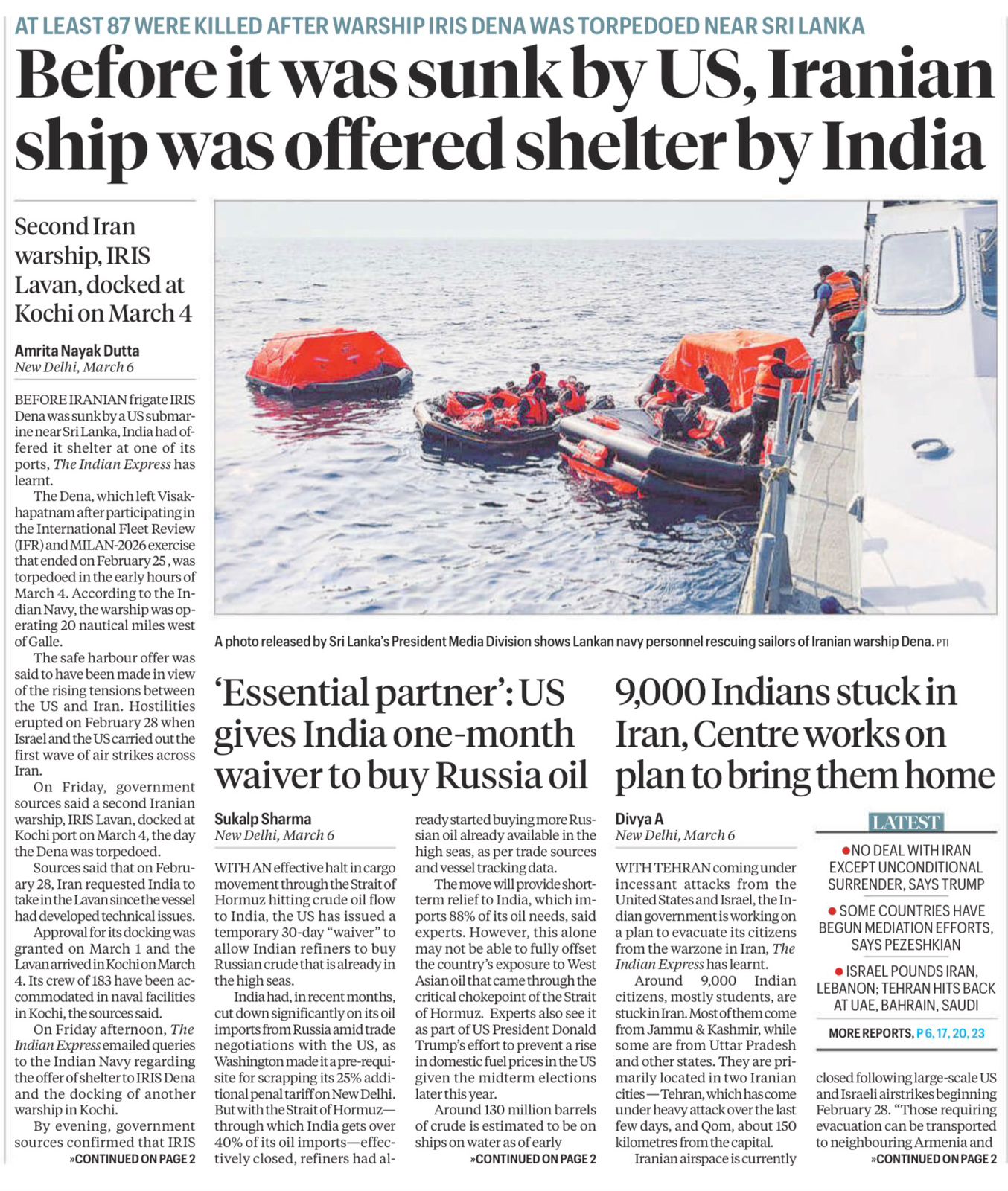
IRIS Dena: India Offered Shelter to Iranian Warship Before Sinking

Context:
Amid rising U.S.–Iran tensions, India offered port shelter to the Iranian warship IRIS Dena before it was later sunk near Sri Lanka.

Key Points

• IRIS Dena had earlier visited Visakhapatnam for IFR/MILAN exercises.
• The vessel was later targeted near Sri Lanka.
• India had previously offered safe harbour to the ship.
• Another Iranian ship IRIS Lavan docked at Kochi.
• The episode reflects India’s balancing approach in West Asia and maritime diplomacy.

Parallel Developments
• The United States had earlier granted waivers for Russian oil trade.
• India also began planning evacuation contingencies for roughly 9,000 Indians in Iran.

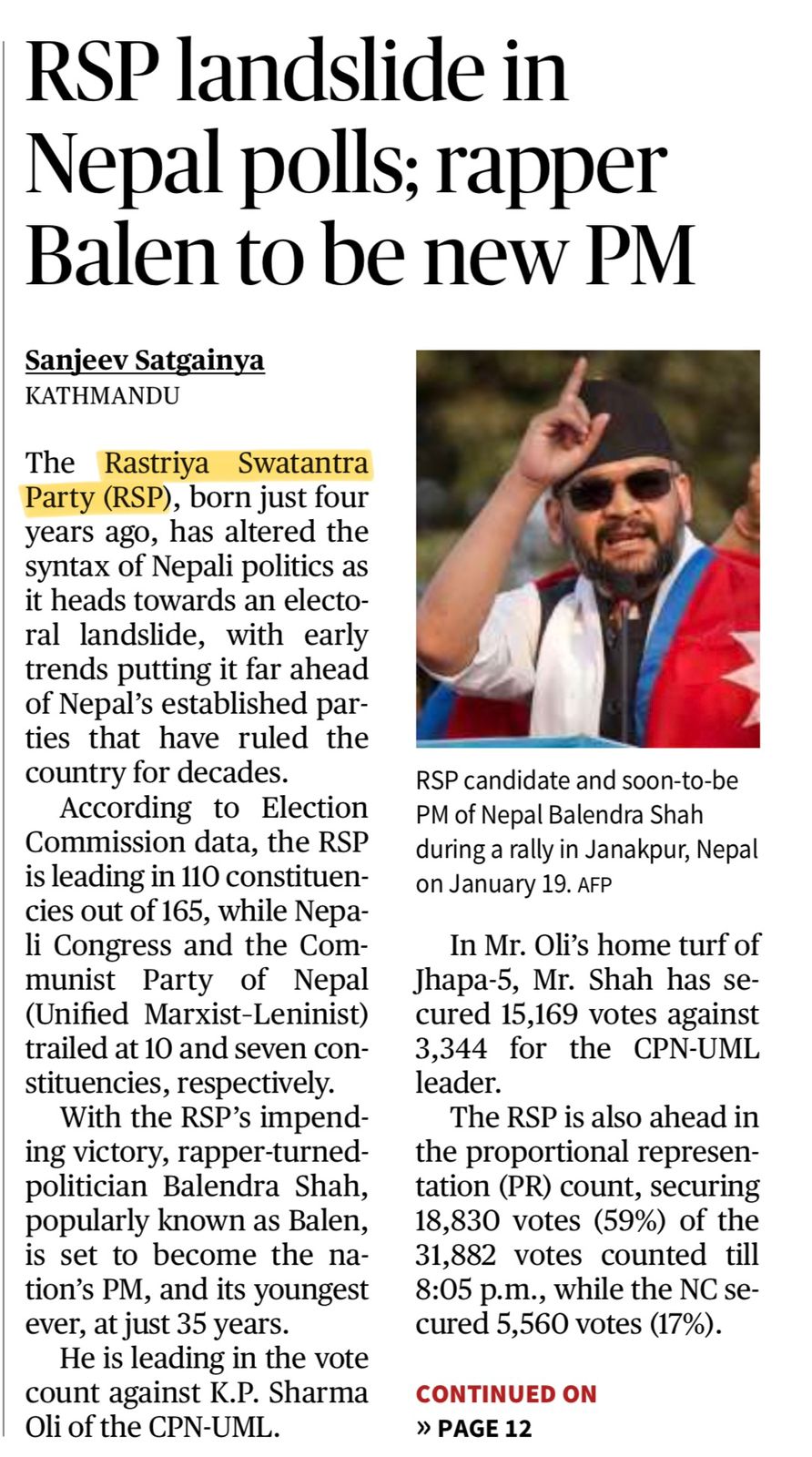
Nepal Elections 2026: RSP Victory and Impact on India–Nepal Relations

Context:
Nepal’s general elections saw the Rastriya Swatantra Party (RSP) surge ahead, with Balendra Shah (Balen) set to become Prime Minister. This reflects a political shift after prolonged instability in the country.

1. India–Nepal Relations — Key Issues

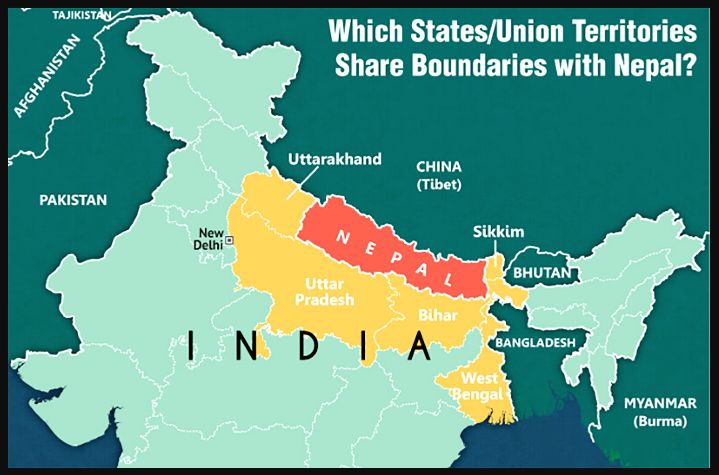
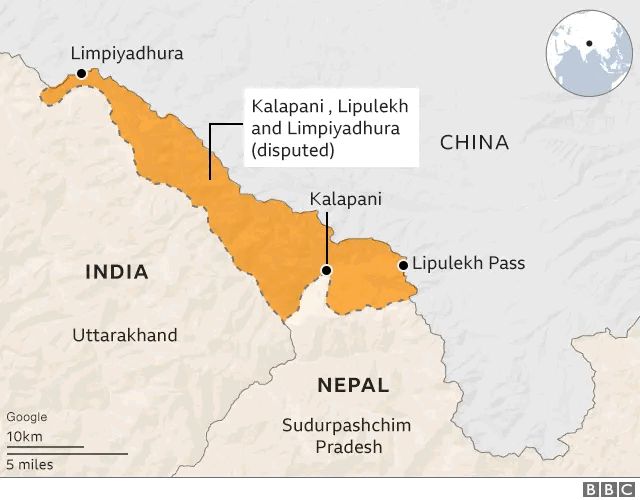
Boundary dispute: Kalapani–Lipulekh–Limpiyadhura dispute continues to strain relations.
Madhesi issue: Representation concerns and the 2015 blockade perception created diplomatic tensions.
China factor: Nepal increasingly balances relations between India and China, raising strategic sensitivities.
Political mistrust: Periodic anti-India sentiment and sovereignty concerns affect bilateral relations.

2. Economic Relations

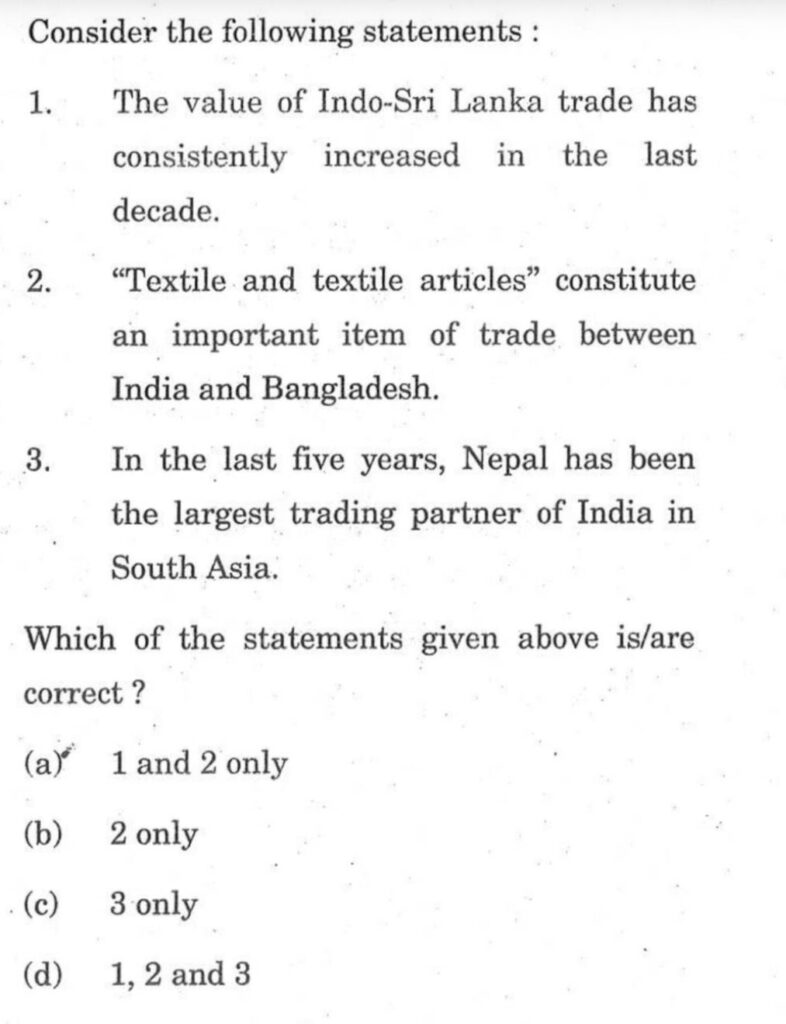
• India is Nepal’s largest trade partner, accounting for ~64% of Nepal’s trade.
• FY 2023–24 bilateral trade ≈ $7.8 billion, with India exporting the major share.
• Nepal imports fuel, machinery, medicines from India.
• Nepal exports edible oil, tea, jute and agricultural products to India.
• Cooperation is expanding in hydropower, connectivity and transit infrastructure.

3. Nepal in Regional Groupings

SAARC
• Nepal is a founding member (1985).
• Kathmandu hosts the SAARC Secretariat.
• SAARC promotes cooperation in trade, connectivity and development.

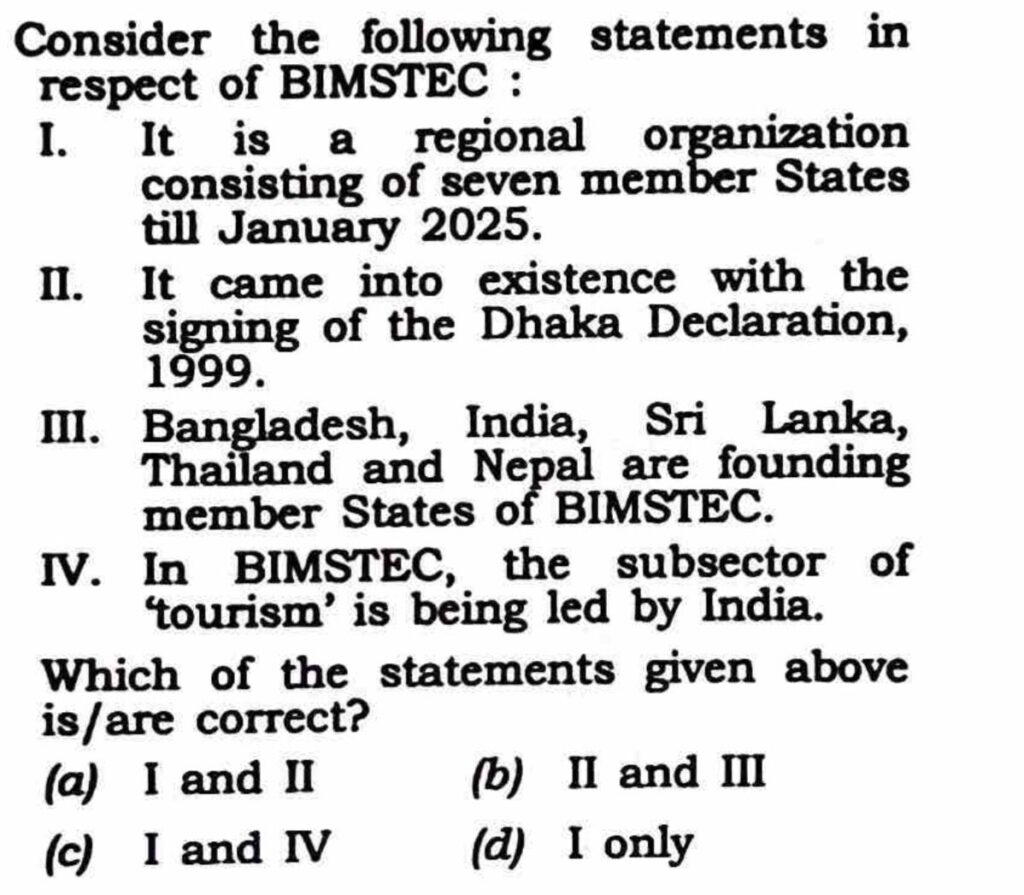
BIMSTEC
• Nepal is also a member linking South Asia and Southeast Asia.
• Focus areas include connectivity, energy, security and trade.
• Seen as an active platform amid SAARC’s slowdown.

PYQ – 2025, Ans – A
PYQ – 2020, Ans – B

Copyright © 2026 USARAMBHA EDUCATION (UnderStand UPSC). All Rights Reserved.

Inquiry form for
Takshila Residential Program