27 Feb 2026 | Daily Current Affairs

CAFE-III Norms: Fuel Efficiency Standards and EV Policy Link for UPSC

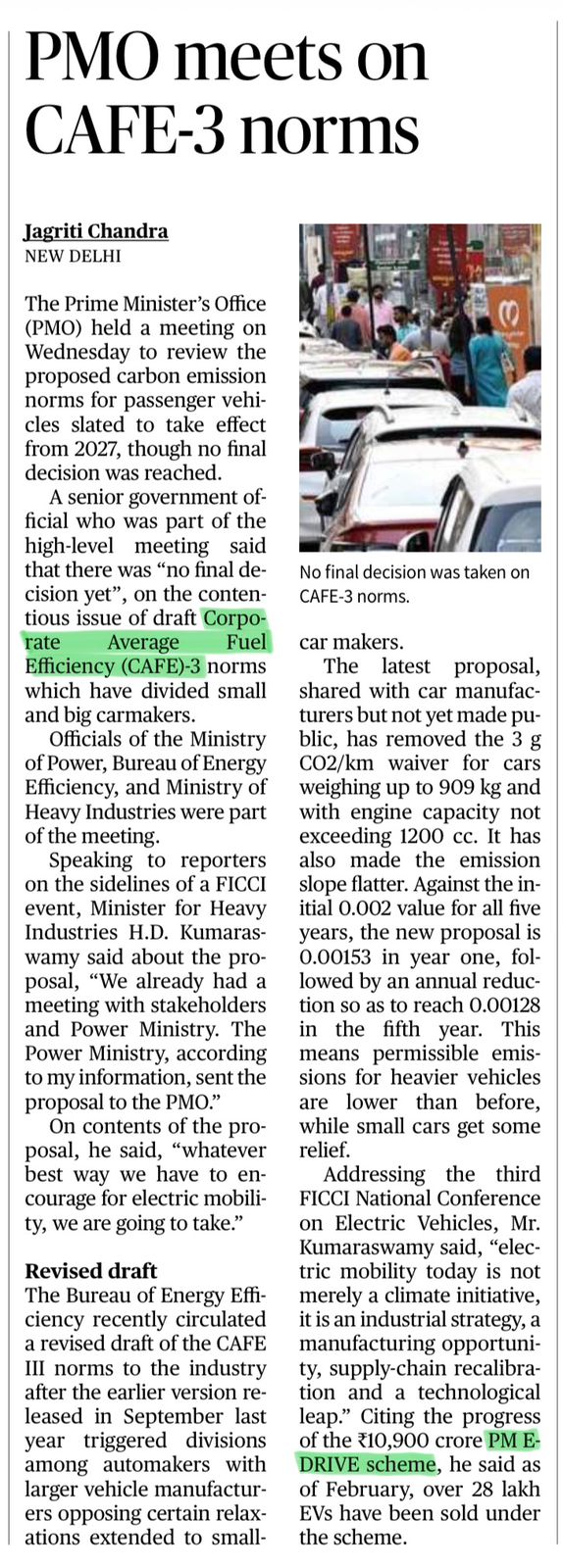
The PMO reviewed draft Corporate Average Fuel Efficiency (CAFE-III) norms for passenger vehicles, expected from 2027.

Key Provisions:

• Flatter emission slope
• Removal of earlier relaxation for small cars
• Progressive tightening of fleet-wide CO₂ emission standards

Objective: Reduce transport emissions and align with climate commitments.

PM E-DRIVE Scheme

Launched in 2024 with ₹10,900 crore outlay, it focuses on EV demand incentives, charging infrastructure, and domestic manufacturing support. Over 28 lakh EVs have reportedly been supported.

This signals policy convergence between fuel efficiency regulation and electric mobility transition.
India–Israel Special Strategic Partnership: Key Agreements and Strategic Impact

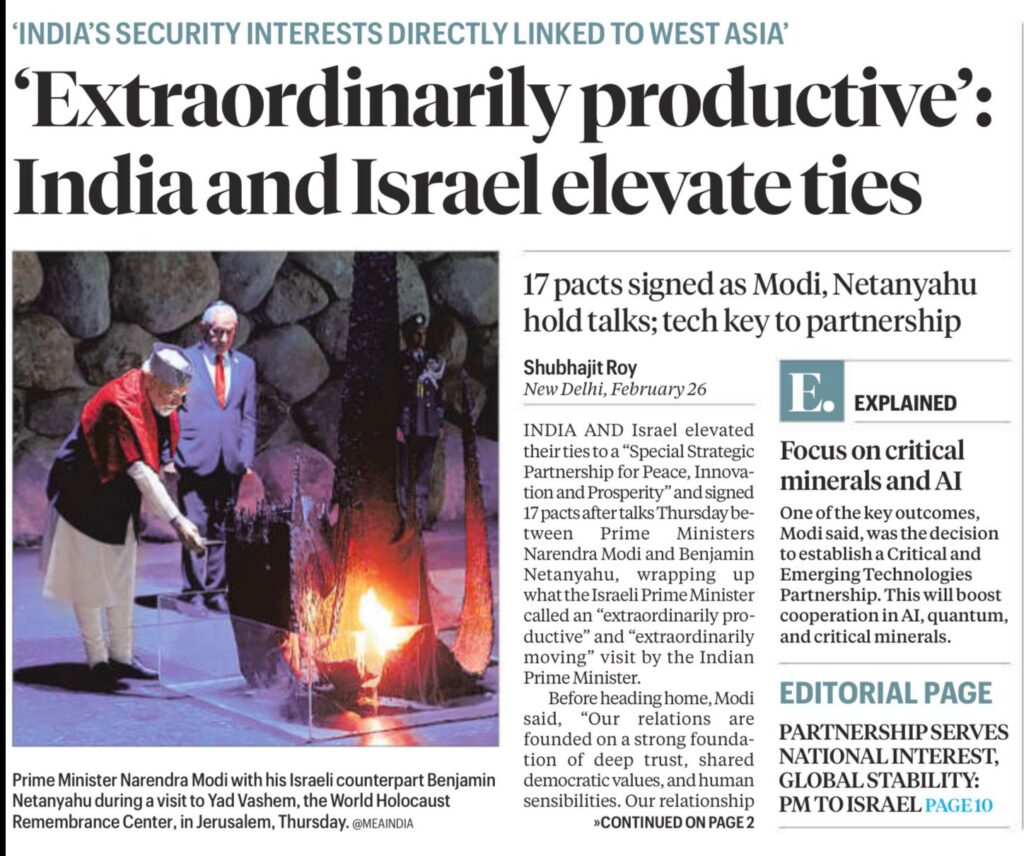
During the Prime Minister’s February 25–26, 2026 visit, India and Israel elevated ties to a Special Strategic Partnership for Peace, Innovation and Prosperity, signing 17 agreements.

Major Outcomes:

• Ministerial-level Joint Commission on Science & Technology
• Cooperation in AI, quantum technologies and critical minerals
Indo-Israel Cyber Centre of Excellence
• UPI-linked digital payments collaboration
• Labour mobility framework (up to 50,000 Indian workers over 5 years)
• Indo-Israel agricultural innovation initiatives

The partnership reflects diversification beyond defence into technology, supply chains, innovation ecosystems and workforce mobility, while reinforcing India’s strategic footprint in West Asia.

Critical Minerals: India’s Strategic and Clean Energy Push for UPSC

India has repositioned critical minerals as central to its industrial, clean energy and geopolitical strategy.

Structural Shifts:

• 30 Critical Minerals officially notified
National Critical Mineral Mission (₹16,300 crore outlay; 1,200 exploration projects by FY2031)
• Removal of import duties on capital goods for processing
• ₹7,280 crore scheme for rare earth permanent magnets
• Strategic move from mining focus to refining and deep processing

China currently dominates up to 90% of global processing capacity in several minerals, making supply chain resilience a core priority.

India’s push now integrates AI-led exploration, geoscience data digitisation, EV-linked domestic demand creation, and partnerships with Australia, EU, US, Japan and UK.

Critical Minerals
Critical Minerals
WhatsApp Image 2026 02 27 at 5.29.06 PM
PYQ – 2025, Ans – C

New GDP Data Series: Base Year 2022–23 and Key Changes for UPSC

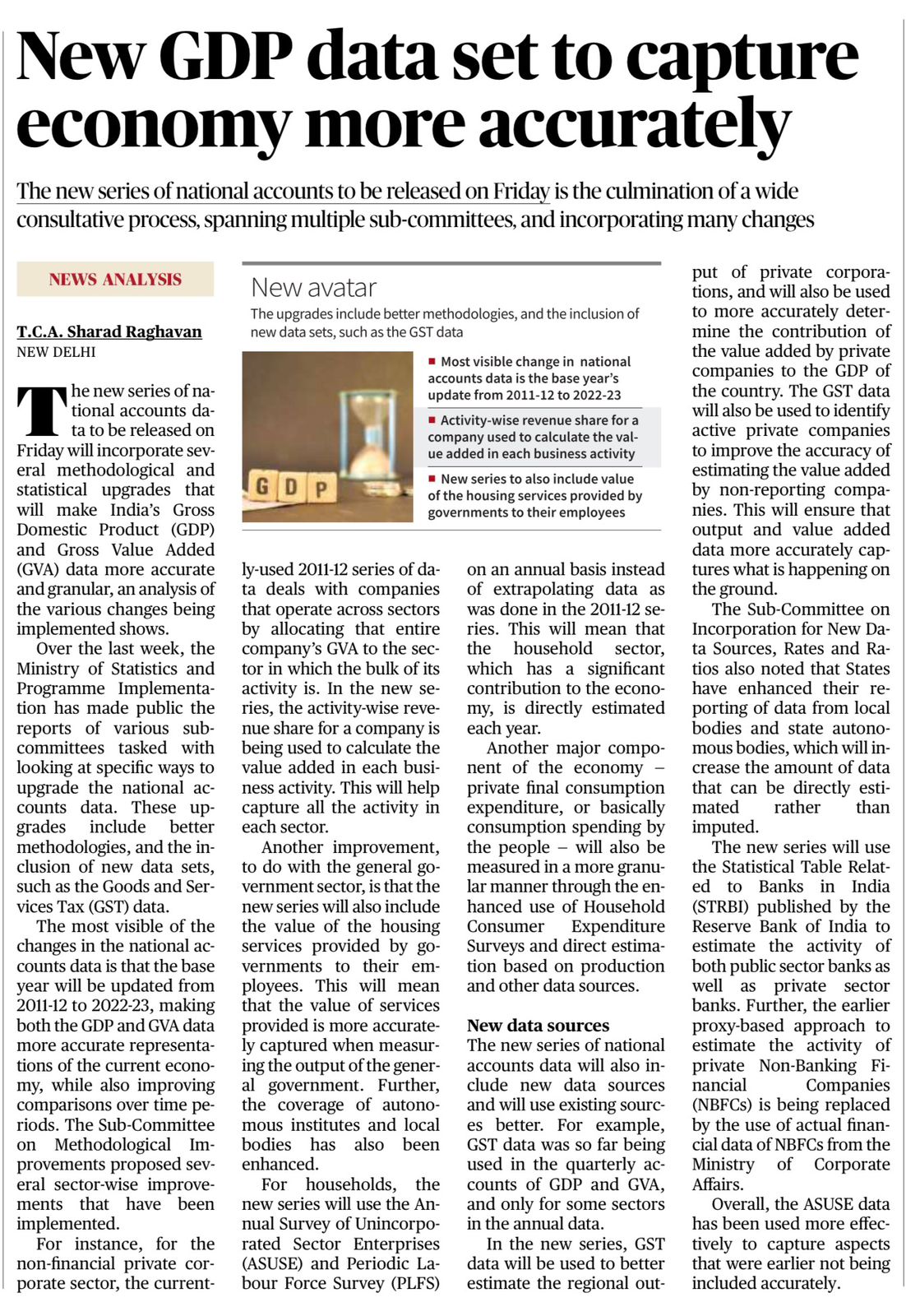
India is set to release a revised national accounts series aimed at improving the accuracy of GDP and GVA estimation.

Key Improvements:

Base Year Update: Shift from 2011–12 to 2022–23
Refined Corporate Estimation: Activity-wise revenue allocation instead of assigning output to a single dominant sector
Expanded Data Use: Greater reliance on GST data, RBI banking statistics, MCA filings, ASUSE and PLFS surveys
Improved Sectoral Coverage: Inclusion of government-provided housing services and better state-level data integration

Formula reminder:
GDP = GVA + Taxes on Products − Subsidies on Products

This revision reflects methodological modernization and deeper data integration across formal and informal sectors.

WhatsApp Image 2026 02 27 at 5.29.04 PM
New GDP Data Series
WhatsApp Image 2026 02 27 at 5.29.05 PM 1
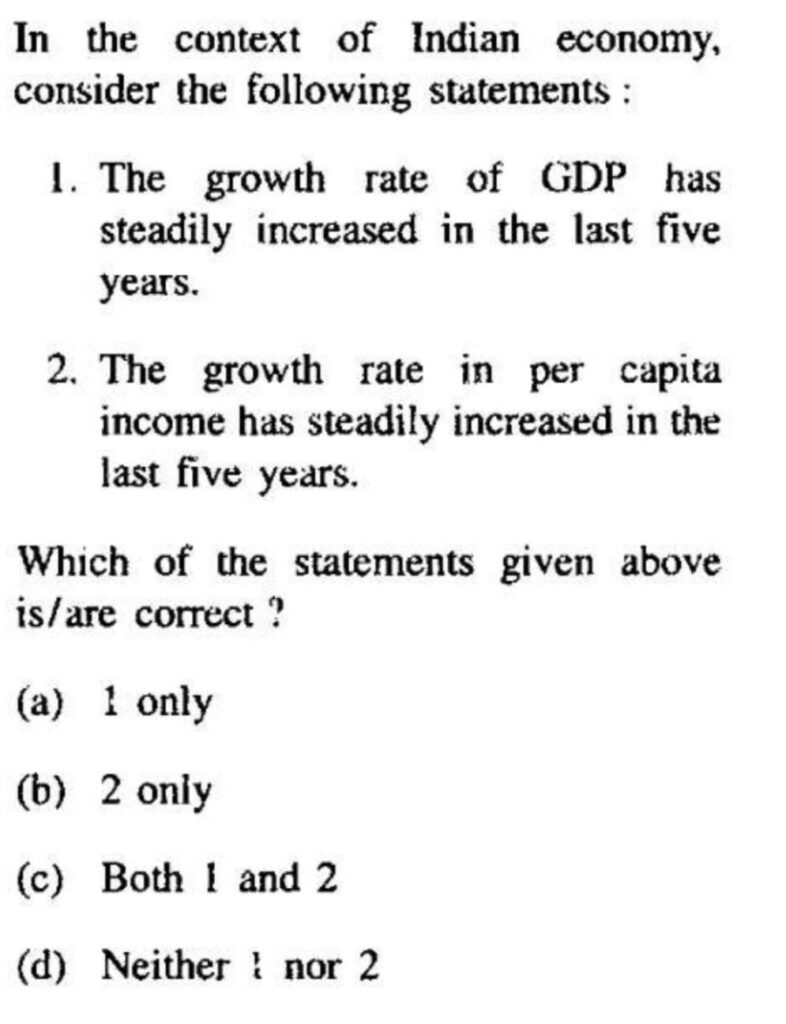
PYQ – 2015, Ans – D

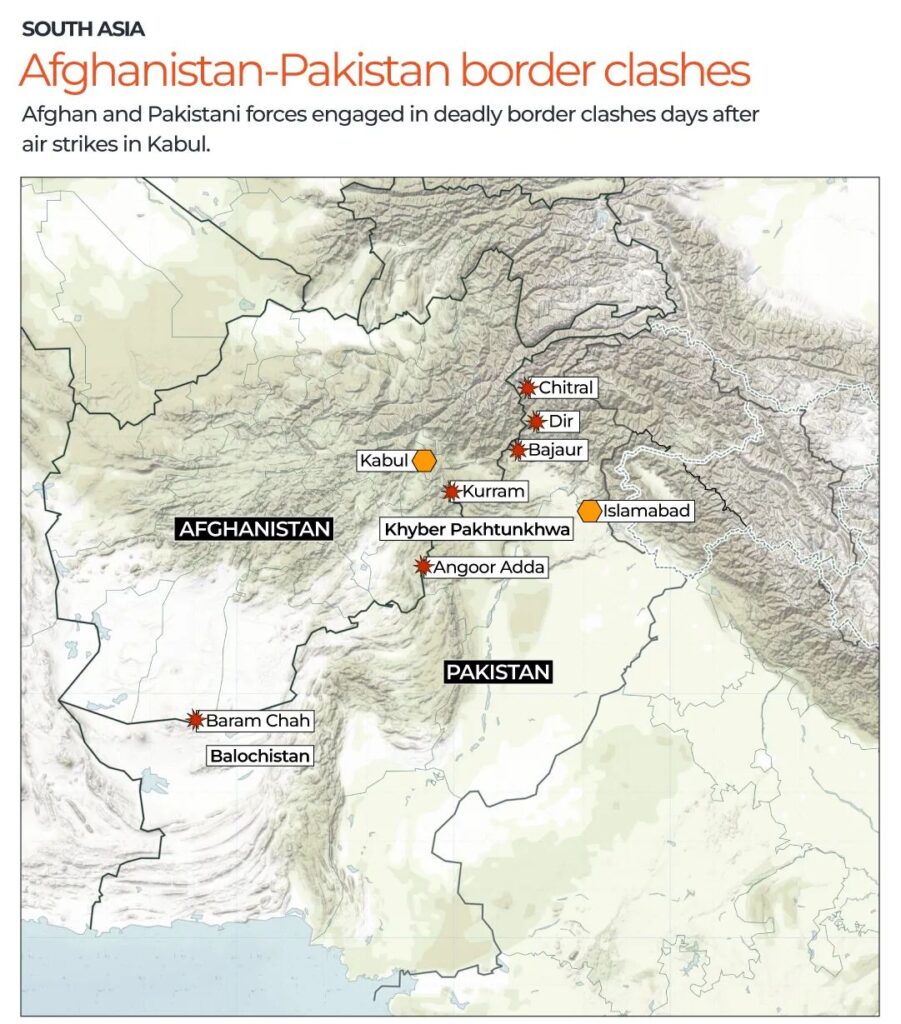
Afghanistan–Pakistan Border Escalation: Durand Line Tensions Explained for UPSC

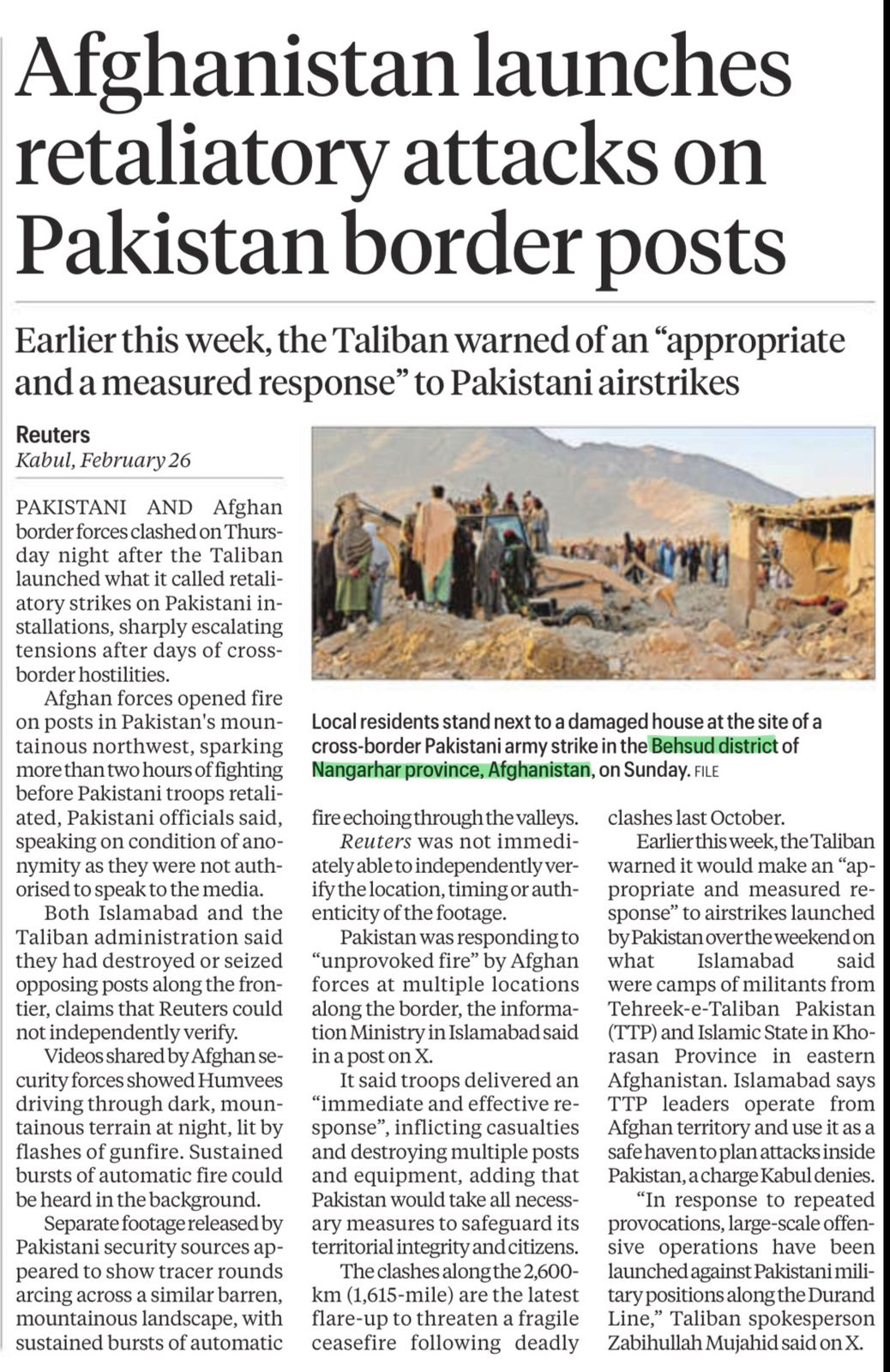
Afghanistan launched retaliatory strikes on Pakistani border posts following Pakistan’s air operations targeting alleged Tehreek-e-Taliban Pakistan (TTP) camps inside eastern Afghanistan. The situation has intensified tensions along the Durand Line, a 2,600 km disputed border that Afghanistan does not formally recognise.

Recent flashpoints include Nangarhar Province (Behsood District) on the Afghan side and Khyber Pakhtunkhwa on the Pakistani side. Earlier escalations were reported near Khost, Kunar, North Waziristan, and Chaman, underscoring the fragile security environment in the region.

Strategically, the clashes reflect deeper fault lines involving cross-border militancy, territorial legitimacy, and Taliban–Pakistan relations.

WhatsApp Image 2026 02 27 at 5.29.08 PM 1
Afghanistan–Pakistan Border Escalation
WhatsApp Image 2026 02 27 at 5.29.06 PM 1
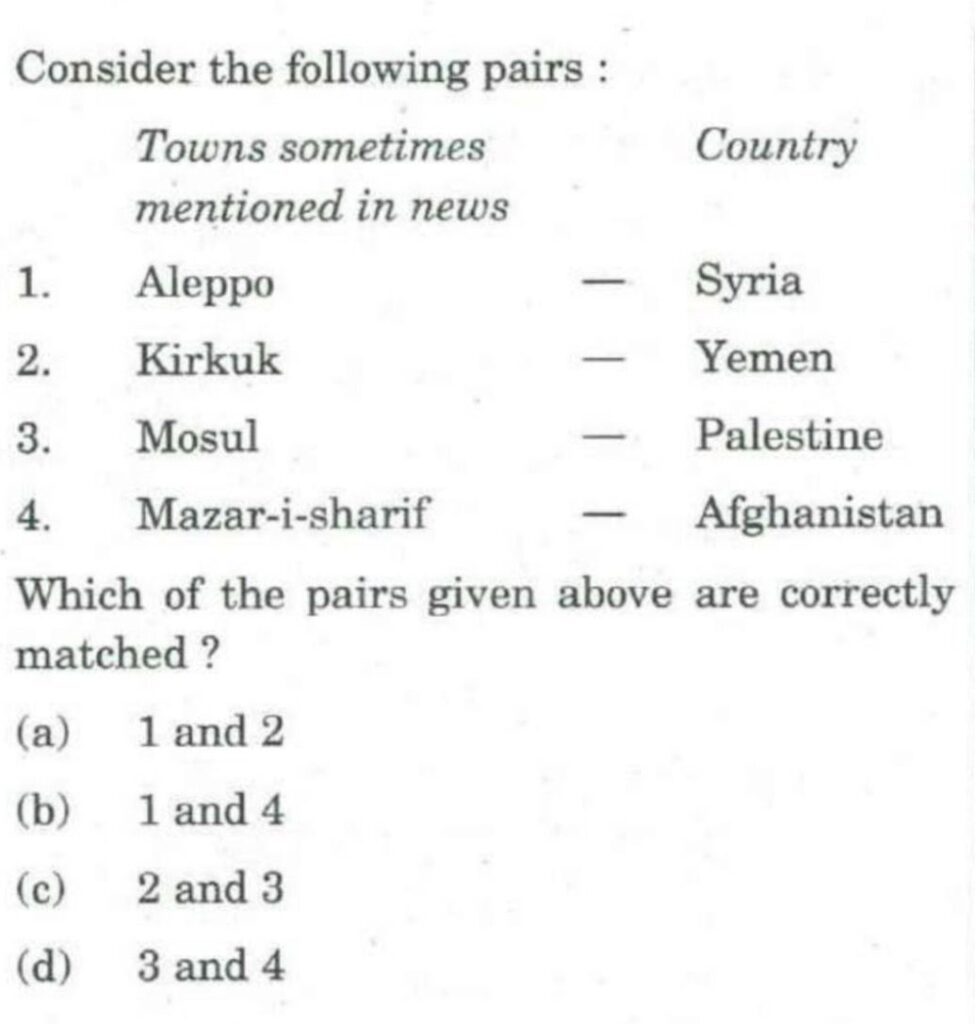
PYQ – 2018, Ans – B
WhatsApp Image 2026 02 27 at 5.29.03 PM
Afghanistan–Pakistan Border Escalation

Copyright © 2026 USARAMBHA EDUCATION (UnderStand UPSC). All Rights Reserved.