4 May 2026 | Daily Current Affairs

Lipulekh Pass dispute: Nepal Objects to Mansarovar Route, India Rejects Claim

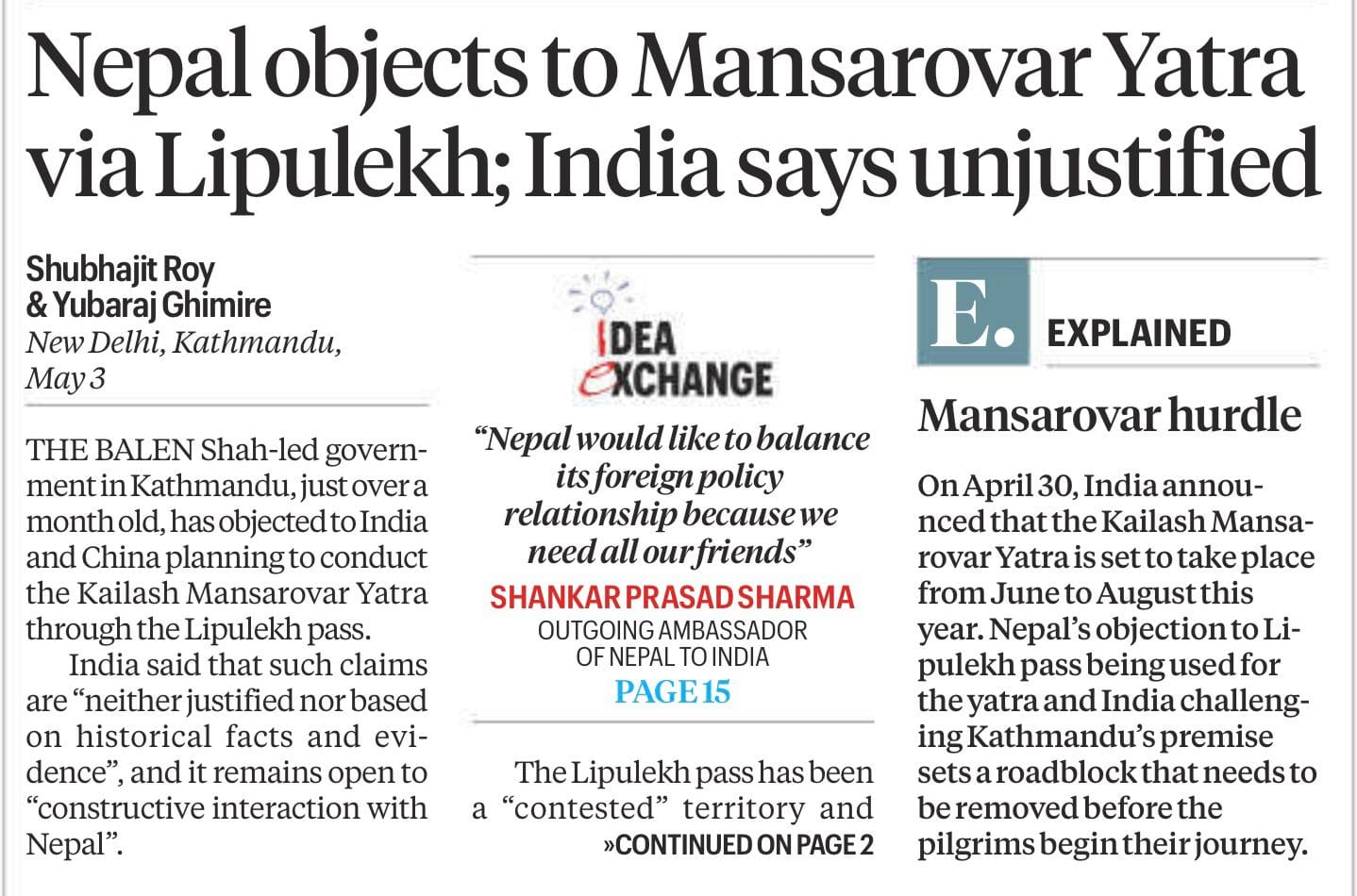
Context: Lipulekh Pass dispute

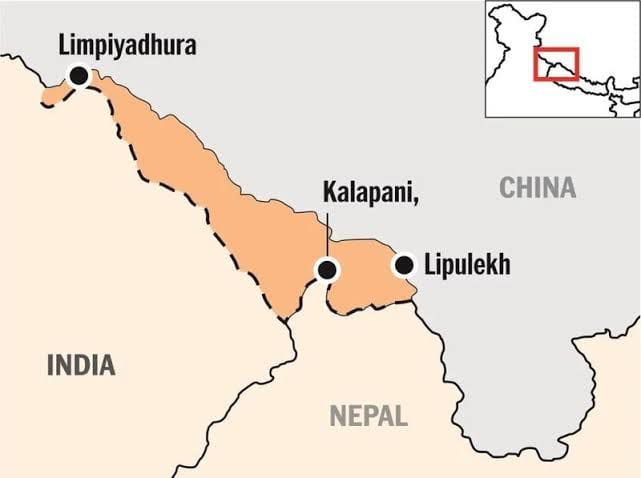
Nepal has objected to the Kailash Mansarovar Yatra via Lipulekh Pass, claiming Lipulekh–Kalapani–Limpiyadhura as Nepali territory; India rejected this as not based on historical facts.

Key Points

1. Why dispute exists

  • Rooted in Sugauli Treaty, 1816
  • Boundary linked to Mahakali/Kali River
  • Dispute: actual source of the river → Limpiyadhura or Kalapani side

2. Nepal’s stand

  • Claims Limpiyadhura, Lipulekh and Kalapani east of Mahakali as Nepal’s territory
  • Opposes India-China activities: road construction, trade, pilgrimage route
  • Had issued a new map in 2020 showing these areas within Nepal

3. India’s stand

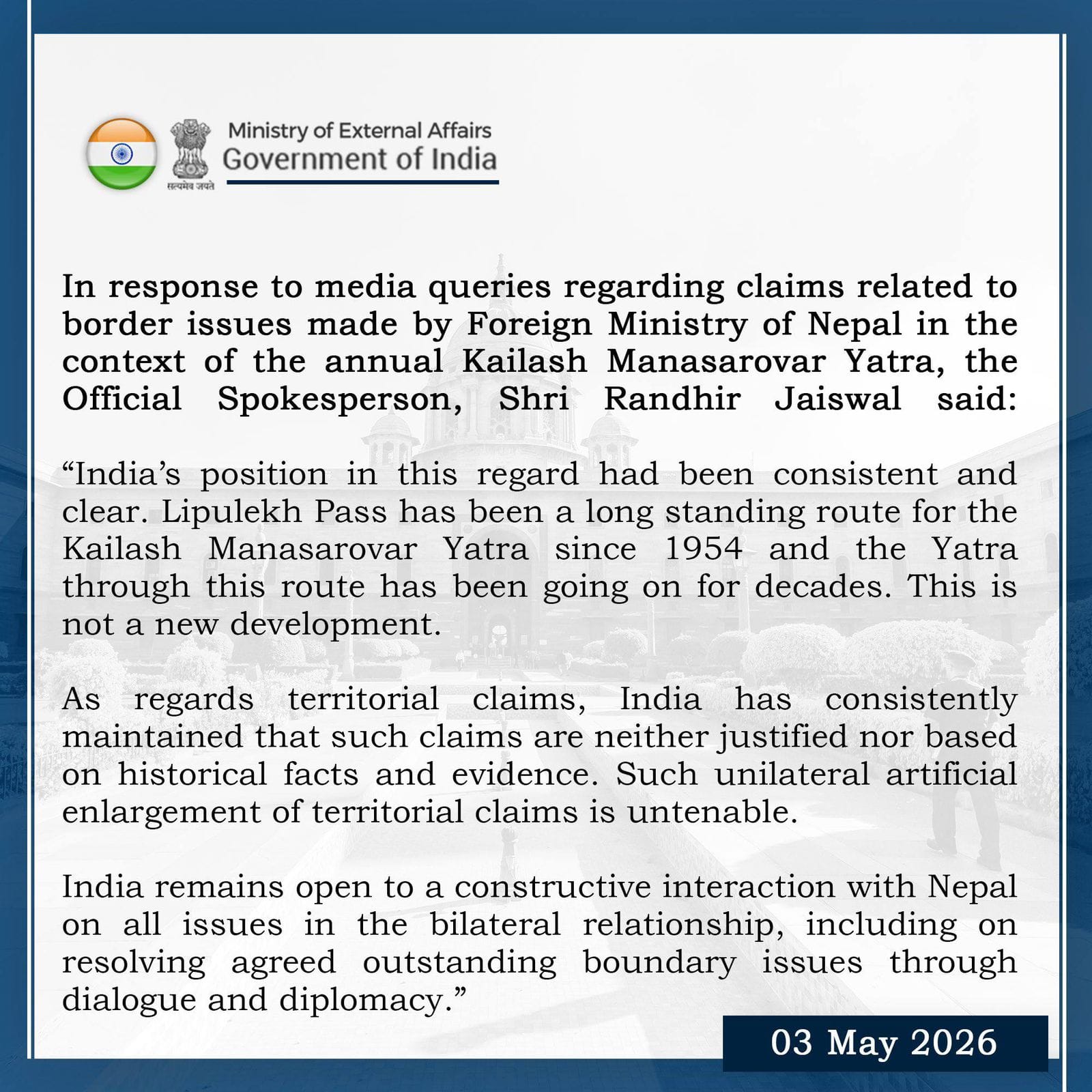
  • Says Lipulekh is a long-standing Kailash Mansarovar route since 1954
  • Calls Nepal’s claim unjustified and historically unsupported
  • Rejects unilateral enlargement of territorial claims

4. Why it matters

  • Lipulekh is strategically located near India–Nepal–China tri-junction
  • Links religious pilgrimage, border dispute, China factor and neighbourhood diplomacy

5. Ministry of External Affairs response

  • India’s position is consistent and clear
  • Open to resolving boundary issues through dialogue and diplomacy
  • Seeks constructive engagement with Nepal
Lipulekh Pass dispute

Anti-sanctions law India: Government Explores EU-Style Blocking Law

Context: Anti-sanctions law India

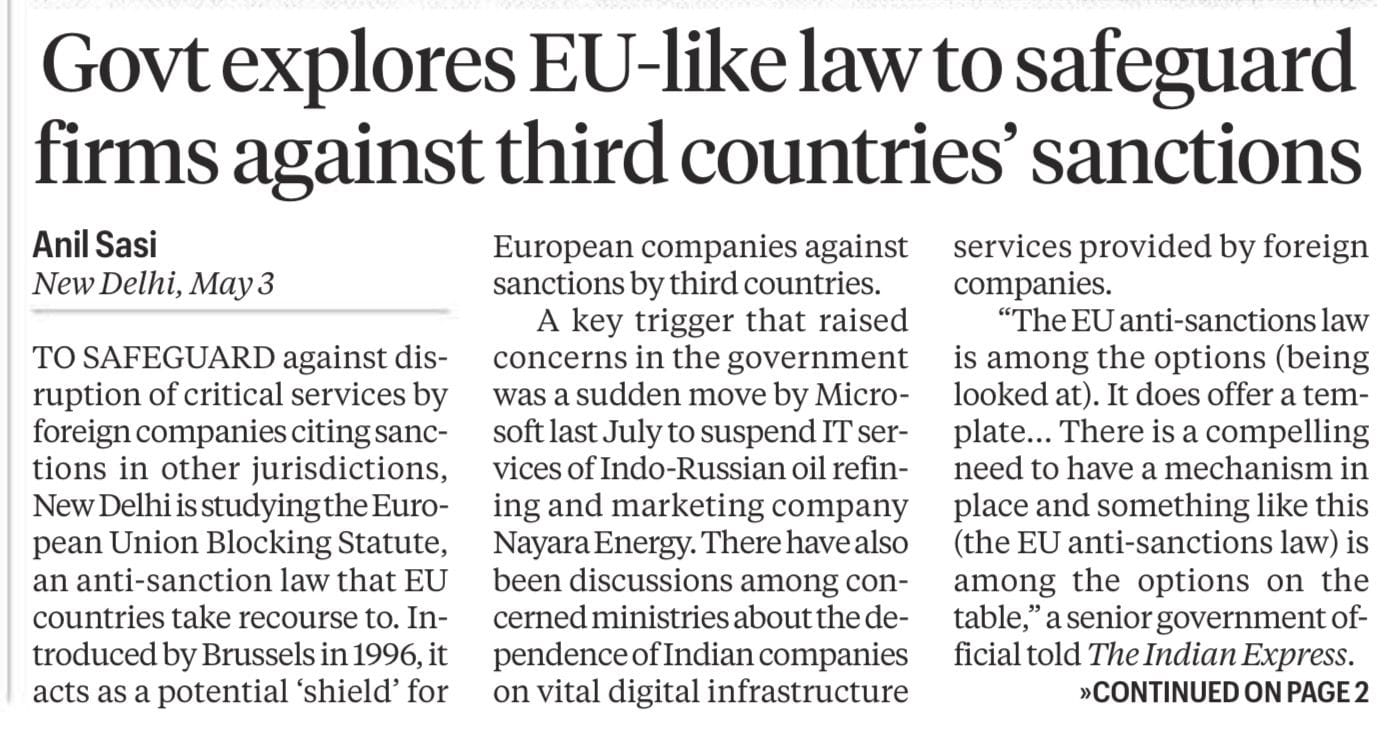
India is examining an European Union–style anti-sanctions (blocking) law after foreign firms withdrew services to Indian companies citing external sanctions (Nayara Energy case).

Issue

  1. Indian firms rely on foreign digital/financial services
  2. Providers may stop services due to home-country sanctions (extra-territorial)
  3. Threat to economic sovereignty + critical infrastructure

Trigger

  1. Microsoft suspended services to Nayara Energy
  2. Disrupted data, software, communication systems
  3. Exposed dependence on foreign service providers

India’s plan

  1. Exploring a blocking law (EU model)

Likely features

  • Bar foreign firms from complying with external sanctions in India
  • Ensure services via India-based entities
  • Make such sanctions invalid within India

European Union model

  1. EU Blocking Statute (Regulation 2271/96, 1996)

Key provisions

  • Ban compliance with extra-territorial sanctions
  • Nullify foreign rulings
  • Allow damages recovery

Aim

Protect firms from United States sanctions (Iran, Cuba)

Anti-sanctions law India
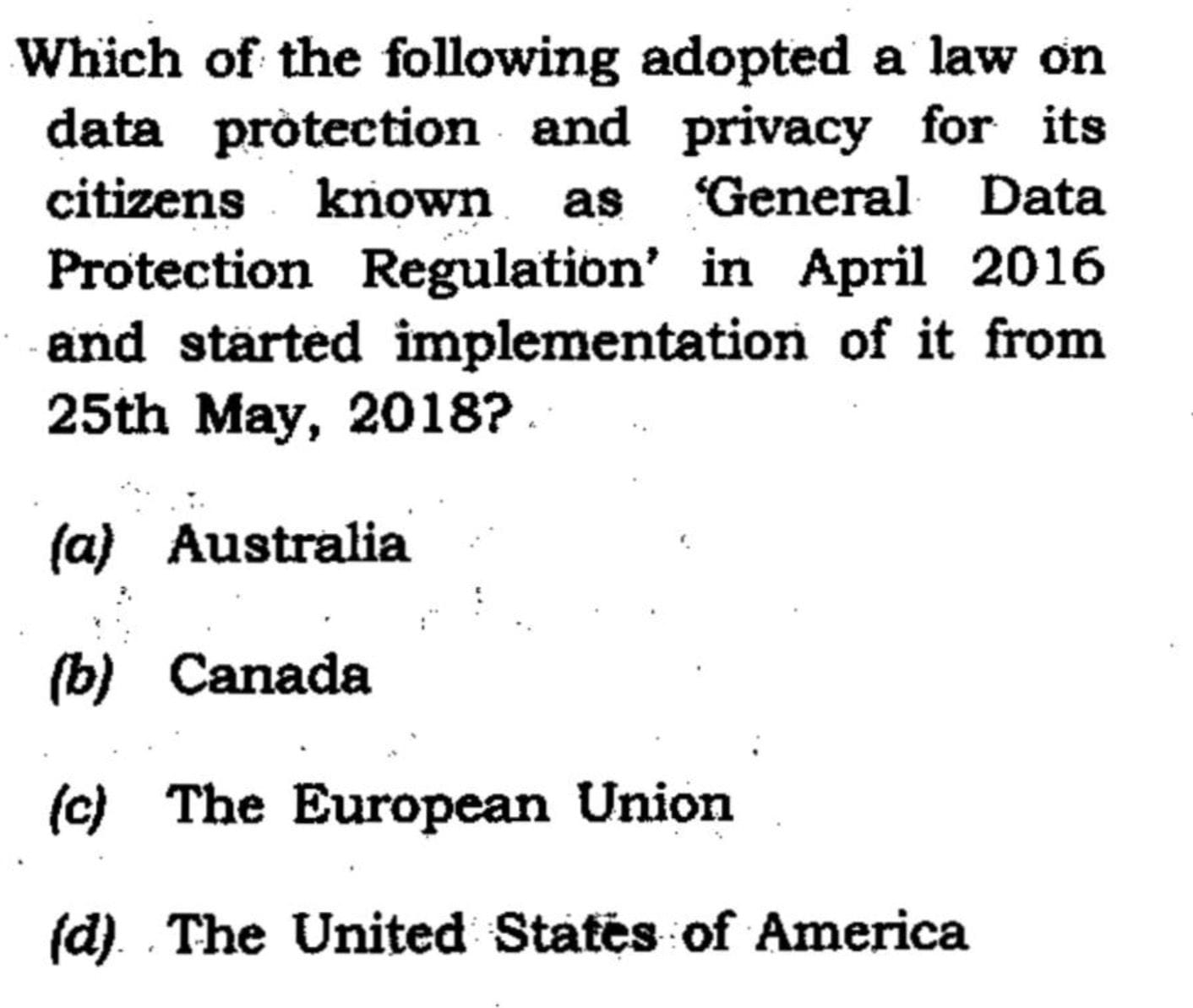
PYQ – 2019, Ans – C

Drishti satellite: India Launches Optical-Radar Imaging Satellite via SpaceX

Context: Drishti satellite

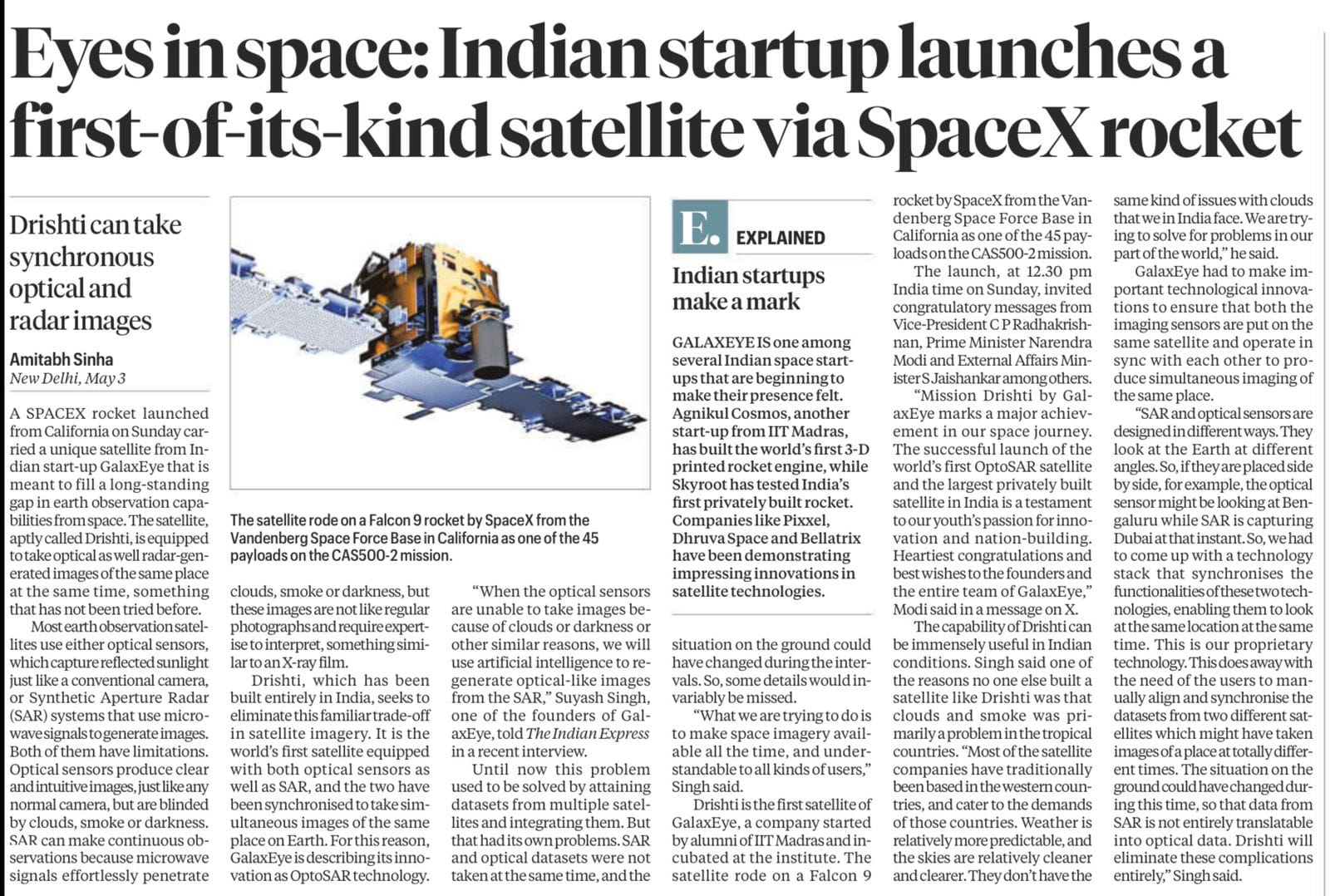
GalaxEye launched “Drishti” (Mission Drishti) via Falcon 9 of SpaceX — first satellite to capture optical + radar images of the same place at the same time.

Core Idea

  1. OptoSAR technology = Optical + Synthetic Aperture Radar (SAR)
  2. Both sensors on same satellite
  3. Capture same location, same time

Optical vs Radar

  1. Optical → like a camera → clear images but fails in clouds/night
  2. Radar (SAR) → uses microwaves → works through clouds, smoke, night but gives rough/structural images

Drishti combines both → clear + all-weather imaging together

Why it is important

  1. No time gap (earlier multiple satellites needed)
  2. All-weather, day-night monitoring
  3. Better for disaster, defence, agriculture
Drishti satellite
Drishti satellite

100% FDI in insurance sector: Government Allows Full Foreign Investment

Context: 100% FDI in insurance sector

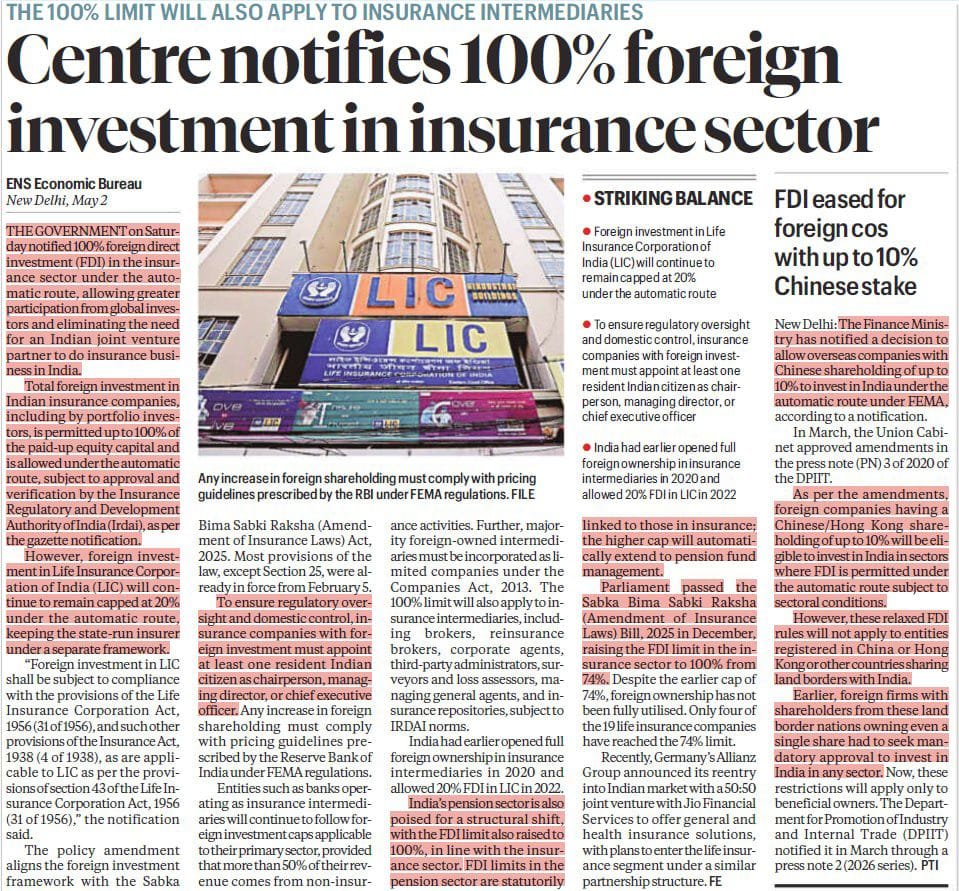
Government allows 100% Foreign Direct Investment (FDI) in insurance under automatic route → to boost capital inflow and insurance penetration.

Change

  1. FDI limit: 74% → 100%
  2. Route: Automatic route (no prior Government approval)
  3. Meaning: Full foreign ownership allowed in private insurance companies

Coverage

  1. Insurance companies: Life, General, Health
  2. Insurance intermediaries: Brokers, Reinsurance companies, Third Party Administrators (TPAs), Surveyors
  3. Condition: Must be incorporated in India under Companies Act, 2013

Safeguards

  1. Resident Indian in key roles (Chairperson / Managing Director / Chief Executive Officer)
  2. Compliance with:

Ownership can be foreign, but control remains regulated within India

Exception — Life Insurance Corporation of India (LIC)

  1. FDI capped at 20%
  2. Governed by Life Insurance Corporation Act, 1956
  3. Maintains Public Sector Undertaking (PSU) character

Pension Linkage

  1. Pension sector FDI is statutorily linked to insurance sector
  2. Now 100% FDI allowed in pension funds

Chinese FDI Rule

  1. Foreign companies with less than 10% Chinese shareholding → allowed under automatic route
  2. Entities from China / Hong Kong / countries sharing land border with India → require Government approval

Insurance Regulatory and Development Authority of India (IRDAI)

  1. Statutory body → established under Insurance Regulatory and Development Authority Act, 1999

Functions

  • Licensing insurance companies
  • Protecting policyholders
  • Ensuring solvency and financial stability
  • Regulating insurance sector and intermediaries

Even under automatic route, IRDAI regulatory oversight is mandatory

Rationale

  1. Low insurance penetration in India
  2. Need for large capital and global expertise
  3. Support long-term funds (infrastructure + pension sector)
100% FDI in insurance sector
PYQ – 2019, Ans – A

India diplomatic outreach May 2026: Government Engages BRICS, Quad and Europe

Context: India diplomatic outreach May 2026

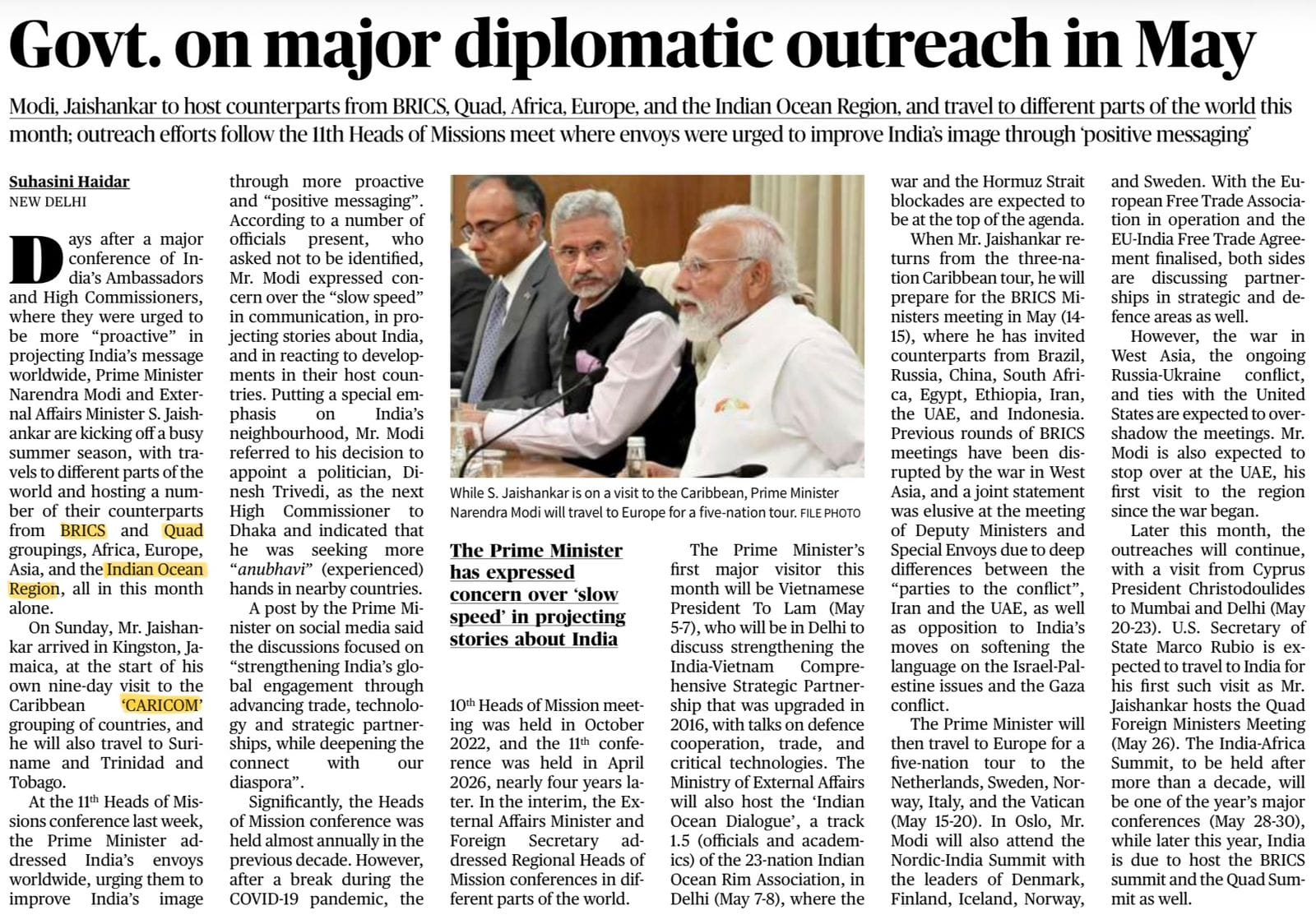
India is undertaking a major diplomatic outreach in May, engaging BRICS, Quad, Europe, Africa, Indian Ocean Region and Caribbean (CARICOM) through visits and high-level meetings.

What is planned

1. Prime Minister engagements

  • Meeting Vietnam President To Lam (India visit)
  • Europe tour: Netherlands, Sweden, Norway, Italy, Vatican
  • Participation in Nordic Summit
  • Visit to United Arab Emirates (UAE)

2. External Affairs Minister outreach

  • Visit to CARICOM (Caribbean Community) region

3. Major meetings

  • BRICS Foreign Ministers’ Meeting
  • Quad Foreign Ministers’ Meeting
  • Indian Ocean Conference / Dialogue

Why it is important

  1. Strengthens multi-alignment diplomacy
  2. Expands strategic, economic and Global South partnerships
  3. Addresses global issues: West Asia tensions, Russia–Ukraine war

CARICOM (Caribbean Community) + India

CARICOM basics

  • Established: 1973 (Treaty of Chaguaramas)
  • Members: 15 Caribbean countries

India–CARICOM engagement

  • Only one India–CARICOM Summit held (2019, New York)
  • Since then → engagement mainly through visits, diplomacy, development cooperation
India diplomatic outreach May 2026

Khalistan extremism Canada: Declared National Security Threat

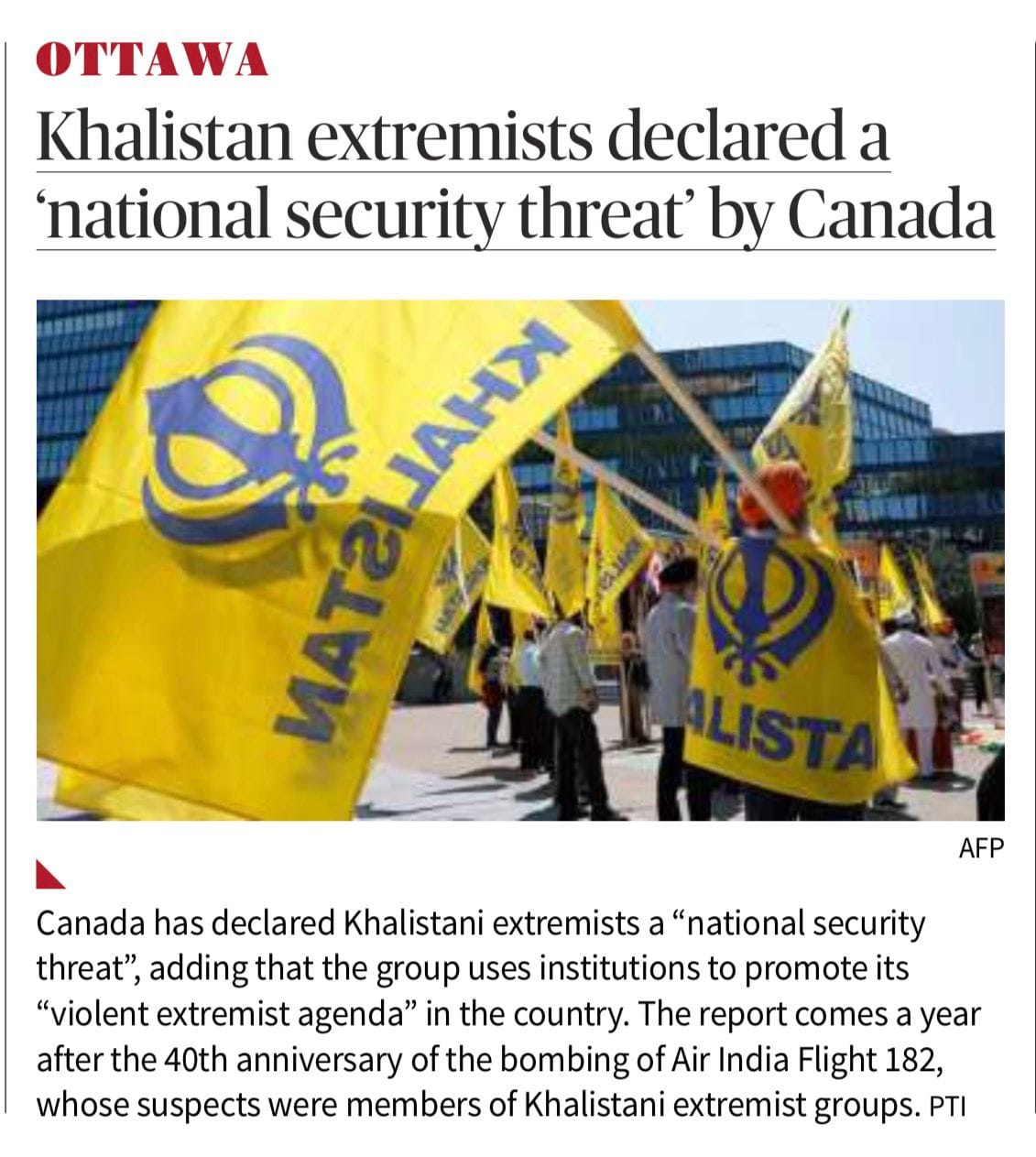
Context: Khalistan extremism Canada

Canada has termed Khalistani extremist groups a “national security threat”, citing violent extremist activities, amid renewed focus on the Air India Flight 182 bombing (1985).

What it means

Recognition of diaspora-based extremism and separatist networks operating abroad

India’s stand — consistent

  1. Khalistani groups seen as terror/separatist threat
  2. Repeatedly flags: safe havens, funding, propaganda abroad
  3. Seeks strong action and cooperation from partner countries

Earlier approach — India

  1. Since Punjab insurgency (1980s) → strong security response
  2. Use of laws like Unlawful Activities (Prevention) Act (UAPA)
  3. Policy continuity → zero tolerance to separatism and terrorism

Why it matters

  • Aligns Canada closer to India’s long-standing security concerns
  • Important for India–Canada relations and counter-terror cooperation
Khalistan extremism Canada
About the UPSC Civil Services Examination (UPSC CSE)

The UPSC Civil Services Examination (CSE) is one of the most competitive and esteemed examinations in India, conducted by the Union Public Service Commission to recruit officers for services such as the Indian Administrative Service (IAS), Indian Police Service (IPS), Indian Foreign Service (IFS), and others. The exam comprises three stages — Prelims, Mains, and the Personality Test (Interview) — designed to test a candidate’s knowledge, aptitude, decision-making, and leadership skills.


How to Prepare Effectively for UPSC CSE

Cracking the UPSC CSE requires a deep understanding of the syllabus, consistent revision, structured answer writing, and smart test-taking strategies. The Prelims test analytical and conceptual clarity, the Mains focuses on critical thinking, articulation, and subject mastery, while the Interview assesses presence of mind, ethical judgment, and personality traits relevant to public service.

At UnderStand UPSC, we empower aspirants with a personalized and focused approach to each stage of the exam.


Why Choose UnderStand UPSC?

UnderStand UPSC is a mentorship-driven platform offering a clear, clutter-free strategy to tackle the Civil Services Examination. Our programs like Transform (for beginners and intermediate learners) and Conquer (for advanced mains preparation) provide structured study plans, syllabus-wise video content, interactive live sessions, and answer writing support.

We emphasize:

  • Concept clarity through topic-wise lectures

  • Test series designed around real UPSC standards

  • Personalized mentorship in small groups

  • Regular performance tracking and peer benchmarking

  • Doubt-clearing sessions, current affairs analysis, and monthly magazines


Join the UnderStand UPSC Learning Community

Our mission is to make UPSC preparation less overwhelming and more strategic. We combine mentorship, discipline, and academic rigor to help you clear CSE with confidence. Whether you’re preparing from Delhi, Mumbai, Bangalore, or a remote village — our online-first model ensures quality guidance reaches every corner of India.

Join the thousands of aspirants who trust UnderStand UPSC to guide their journey toward becoming civil servants.

Stay connected with us through our Telegram, YouTube, and Instagram channels for daily tips, strategies, and updates.

Copyright © 2026 USARAMBHA EDUCATION (UnderStand UPSC). All Rights Reserved.

Join the Success Journey!


Talk to Our Mentor

Fill the form & we’ll get back to you


Talk to Our Mentor

Fill the form & we’ll get back to you