Context:
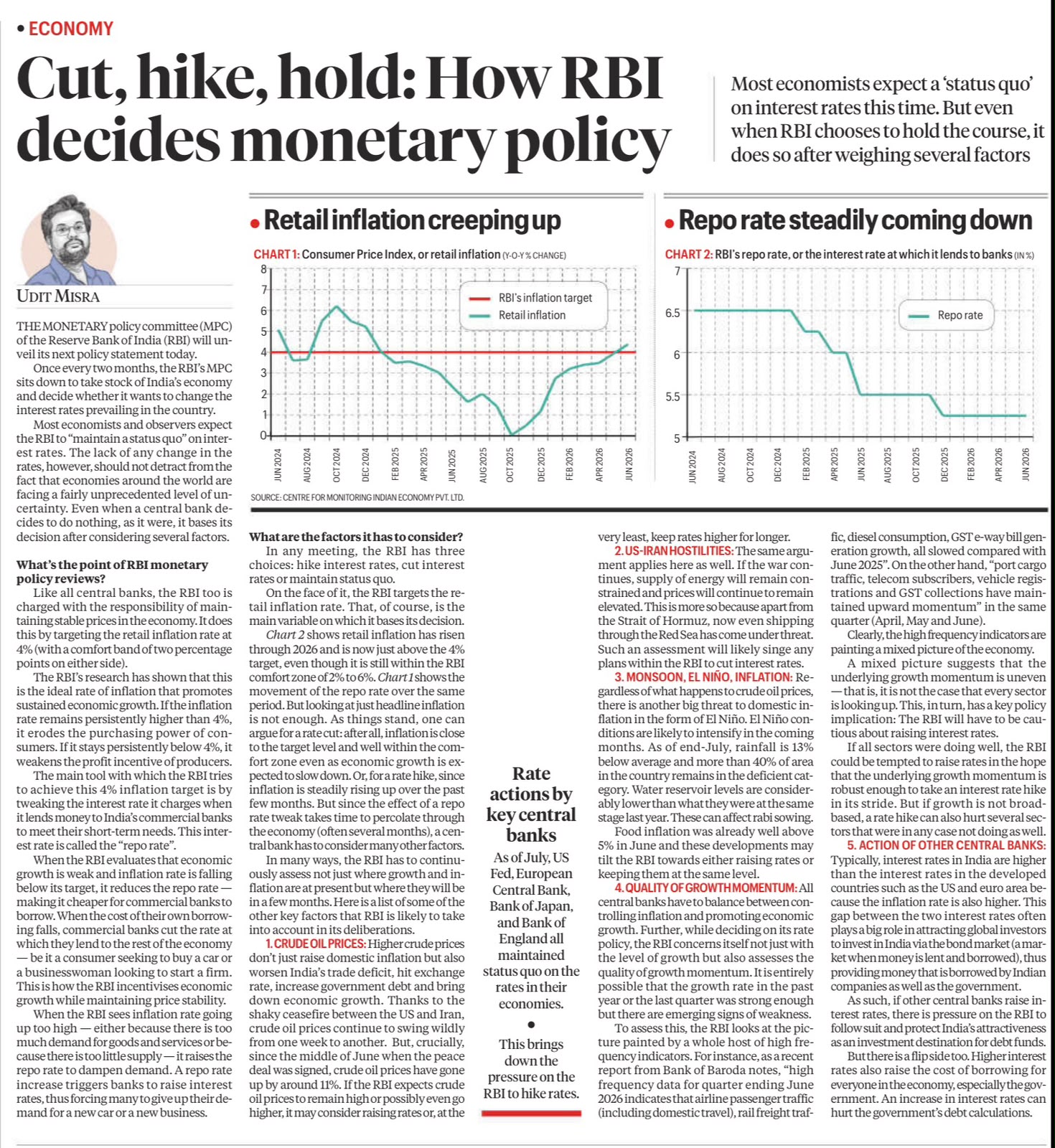
The Reserve Bank of India’s Monetary Policy Committee is reviewing the policy repo rate amid inflationary pressure and global uncertainty.
The challenge is to balance price stability with economic growth.
Monetary Policy
Monetary policy is the RBI’s policy to regulate:
- Money supply
- Liquidity
- Interest rates
Its main objective is to maintain price stability while supporting economic growth.
Monetary Policy Committee
The Monetary Policy Committee, or MPC, is a six-member statutory body.
It was constituted under the RBI Act, 1934, after the 2016 amendment.
It was created on the recommendation of the Urjit Patel Committee, 2014.
Composition of MPC
The MPC consists of:
- RBI Governor as Chairperson
- Deputy Governor in charge of Monetary Policy
- One RBI nominee
- Three members nominated by the Central Government
Meetings
The MPC meets at least four times a year, generally once every two months.
Decision-Making
Decisions are taken by majority vote.
If there is a tie, the RBI Governor has a casting vote.
Inflation Target
India follows the Flexible Inflation Targeting framework.
The RBI is required to maintain CPI inflation at 4%, with a tolerance band of ±2%.
This means the acceptable inflation range is 2% to 6%.
Policy Tools
The RBI uses several instruments to manage liquidity and interest rates.
These include:
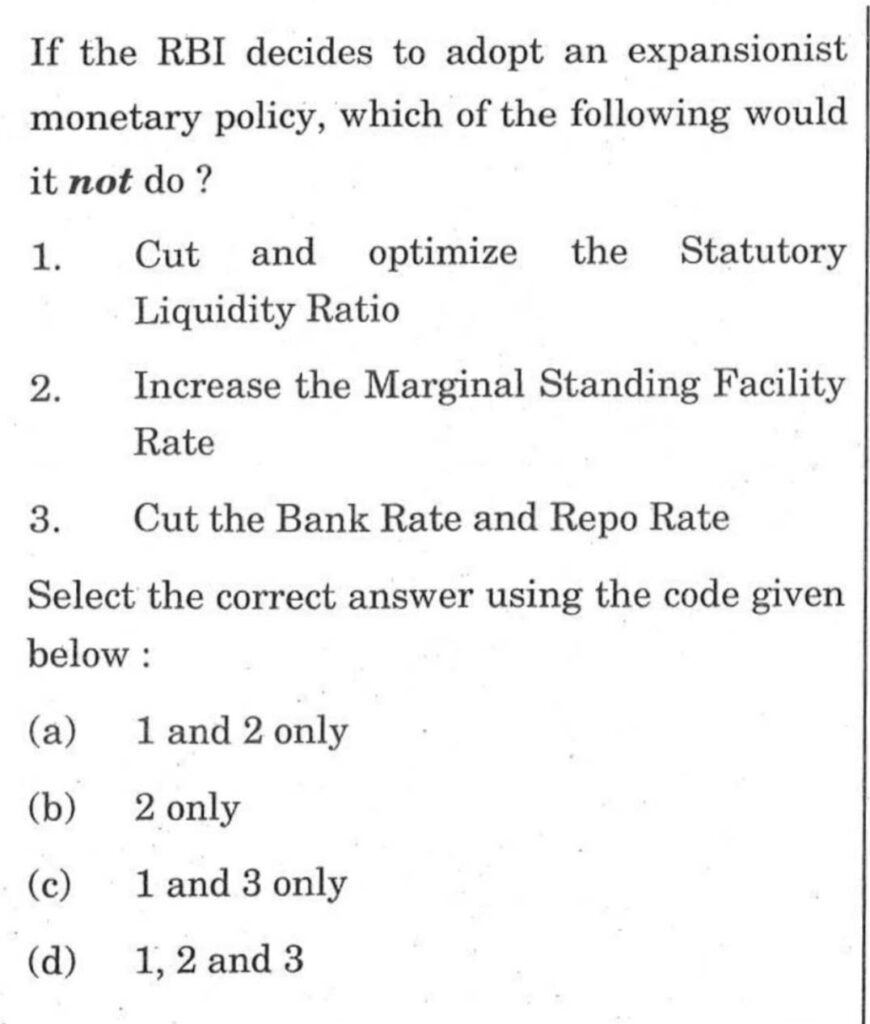
- Repo Rate
- Standing Deposit Facility
- Marginal Standing Facility
- Cash Reserve Ratio
- Open Market Operations
Cut, Hike and Hold
Rate Cut
A rate cut means the RBI reduces the repo rate.
This makes borrowing cheaper and can support growth.
It is generally used when inflation is under control and growth needs support.
Rate Hike
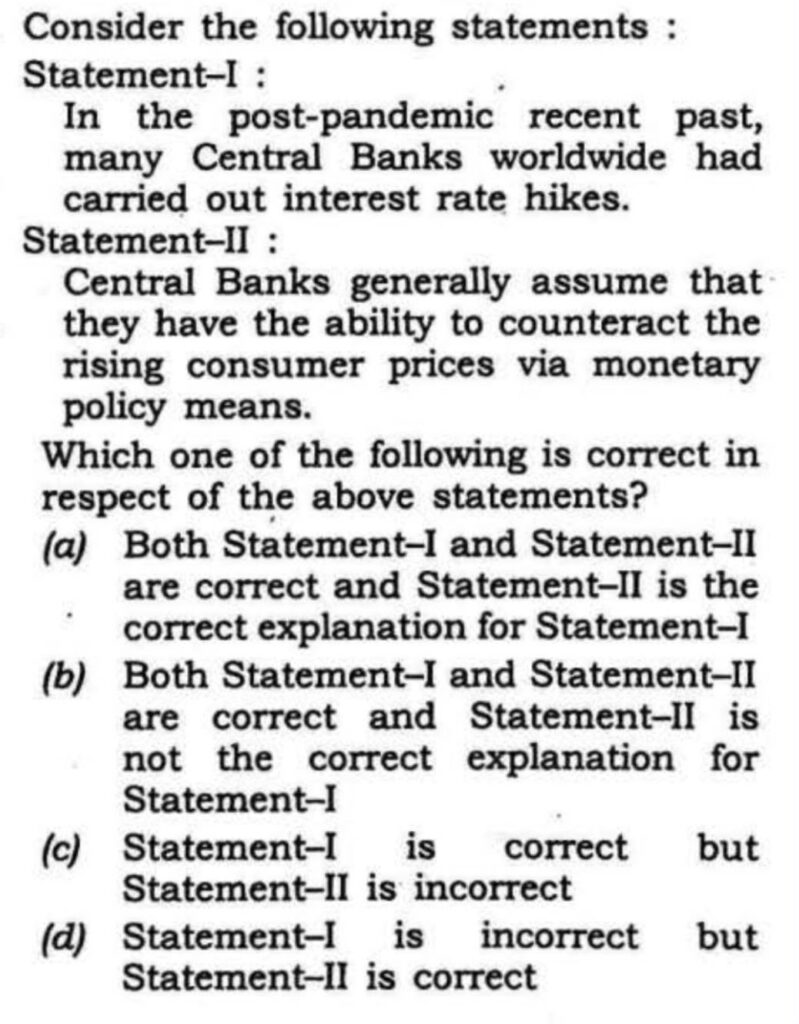
A rate hike means the RBI increases the repo rate.
This makes borrowing costlier and helps control inflation.
It is generally used when inflationary pressure is high.
Rate Hold
A rate hold means the RBI keeps the policy rate unchanged.
This is done when the RBI wants to wait for more data before changing policy direction.
Key Takeaway
RBI’s monetary policy is a balancing act. It must control inflation without unnecessarily hurting growth, using interest rates and liquidity tools carefully.