Context: Doxxing online privacy threats
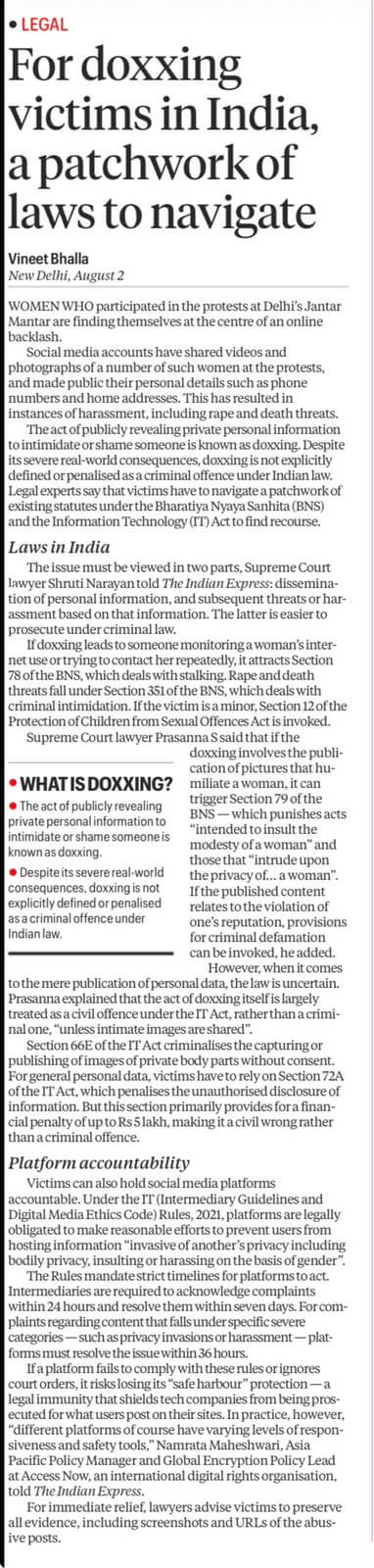
Doxxing has emerged as a serious online privacy threat, where personal information of individuals is publicly exposed without consent.
The issue highlights the growing challenge of cyber harassment, digital privacy violations and misuse of personal data. In India, doxxing is not yet a standalone criminal offence, so victims often have to rely on multiple legal provisions.
What Is Doxxing?
Doxxing means publicly disclosing a person’s private information without consent.
The purpose is usually to harass, threaten, intimidate or shame the person.
Information Commonly Disclosed
Doxxing may involve sharing:
- Phone number
- Home address
- Email ID
- Workplace details
- Photographs
- Personal documents
- Social media details
Consequences of Doxxing
Doxxing can lead to:
- Stalking
- Online harassment
- Identity theft
- Reputational damage
- Physical threats
- Psychological distress
- Targeted abuse
Legal Status in India
India does not have a separate dedicated law that criminalises doxxing as a standalone offence.
Victims usually rely on provisions under criminal law, cyber law and child protection law.
Bharatiya Nyaya Sanhita, 2023
Relevant provisions include:
- Section 78: Stalking
- Section 79: Invasion of privacy or modesty of a woman
- Section 351: Criminal intimidation
Information Technology Act, 2000
Relevant provisions include:
- Section 66E: Publication of private images without consent
- Section 72A: Unauthorised disclosure of personal information
Other Safeguards
The POCSO Act, 2012 protects minors from sexual harassment and exploitation.
Section 12 of POCSO can apply in cases involving minors.
The IT Rules, 2021 provide for grievance redressal, intermediary due diligence and timely content removal.
Important Types of Cyber Attacks
Phishing
Fraudulent emails or messages are used to steal confidential information.
Ransomware
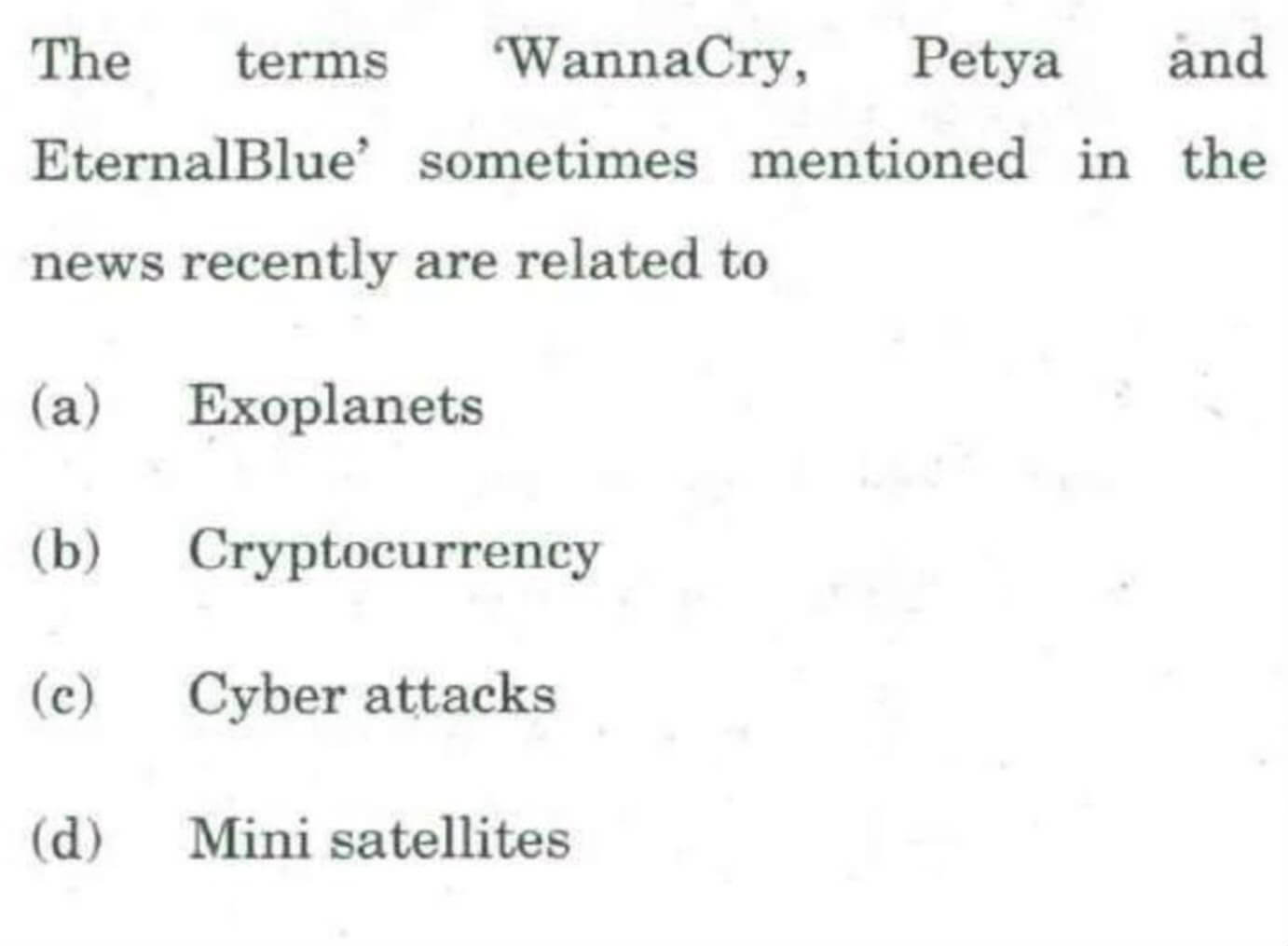
Data is encrypted and ransom is demanded.
Examples include WannaCry and Petya.
Malware
Malicious software damages systems or steals data.
Spyware
Software secretly collects user information.
Zero-Day Attack
Attackers exploit a software vulnerability before a security patch is released.
Man-in-the-Middle Attack
Communication is intercepted to steal or manipulate data.
Way Forward
India needs a dedicated anti-doxxing framework.
Data protection must be strengthened.
Platforms should be made more accountable for quick removal of harmful content.
Cyber awareness among citizens must be improved.
Law enforcement agencies also need better training in cybercrime investigation.
Key Takeaway
Doxxing is a privacy, safety and cyber-governance issue. India needs stronger legal clarity, platform accountability and digital awareness to protect citizens from online harassment.