Context: Rakhigarhi Skeletons Scientific Analysis
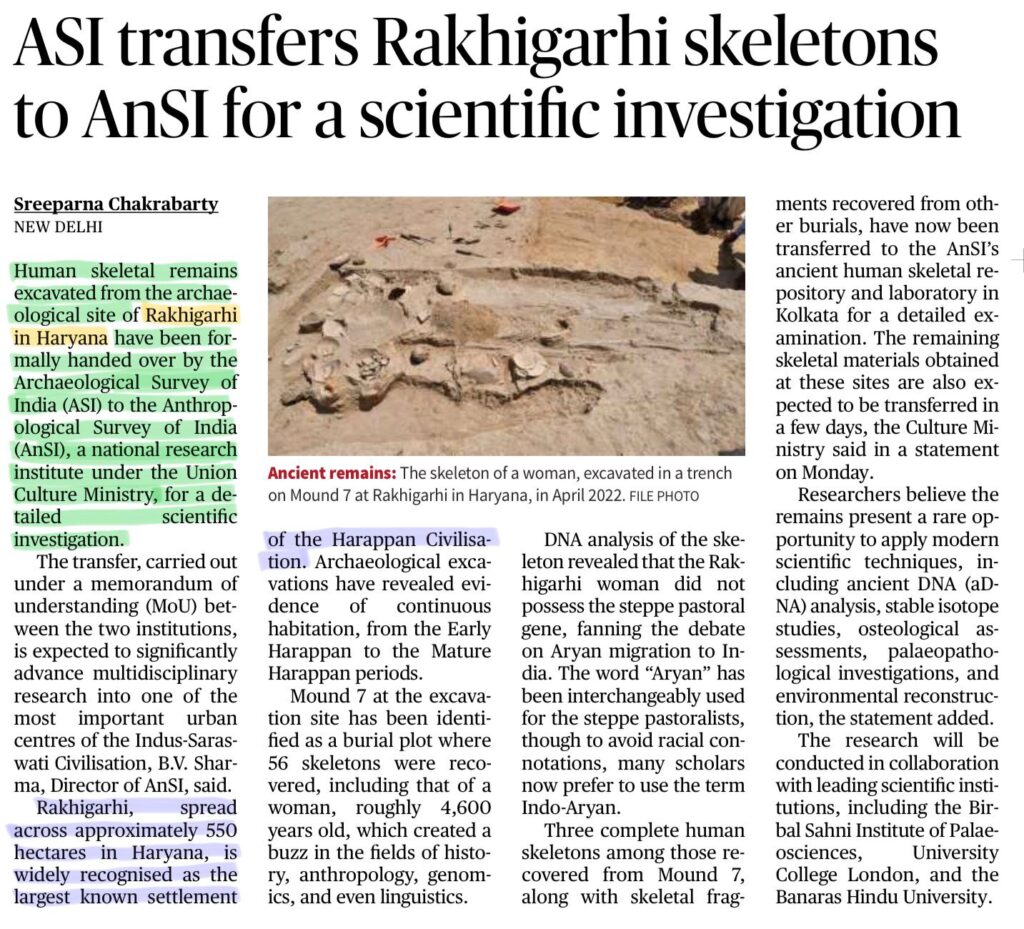
The Archaeological Survey of India transferred human skeletal remains excavated from Rakhigarhi, Haryana to the Anthropological Survey of India for advanced scientific studies.
These studies include:
- Ancient DNA analysis
- Isotope analysis
- Palaeopathological analysis
The findings may provide fresh insights into the Harappan Civilisation and population history.
Rakhigarhi
Location
- Hisar, Haryana
Area
- Around 550 hectares
Importance
- Widely regarded as the largest known Harappan settlement.
- Shows continuous habitation from Early Harappan to Mature Harappan phase.
- 56 skeletons were recovered from Mound-7 burial site.
- A famous 4,600-year-old female skeleton was discovered here.
Why Rakhigarhi Matters
Rakhigarhi is important for understanding:
- Harappan urbanisation
- Burial practices
- Population history
- Diet and health patterns
- Ancient DNA evidence
- Migration debates
Important Finding
Earlier ancient DNA study found no Steppe pastoralist ancestry in the sampled individual.
This makes Rakhigarhi significant in debates on population history and the Aryan migration question.
Indus Valley Civilisation: Important Sites
Pakistan
Harappa
- Granary
- Cemetery R-37
Mohenjo-daro
- Great Bath
- Bronze Dancing Girl
Chanhudaro
- Bead-making centre
Kot Diji
- Pre-Harappan site
Sutkagendor
- Westernmost port
India
Gujarat
Dholavira
- Water management system
- UNESCO World Heritage Site
Lothal
- Dockyard
Surkotada
- Horse bones
Rangpur
- Rice cultivation
Haryana
Rakhigarhi
- Largest Harappan site
Bhirrana
- Earliest Harappan evidence
Banawali
- Radial town planning
Rajasthan
Kalibangan
- Ploughed field
- Fire altars
Punjab
Ropar
- Harappan–later cultural sequence
Jammu and Kashmir
Manda
- Northernmost Harappan site
Uttar Pradesh
Alamgirpur
- Easternmost Harappan site
PYQ Facts
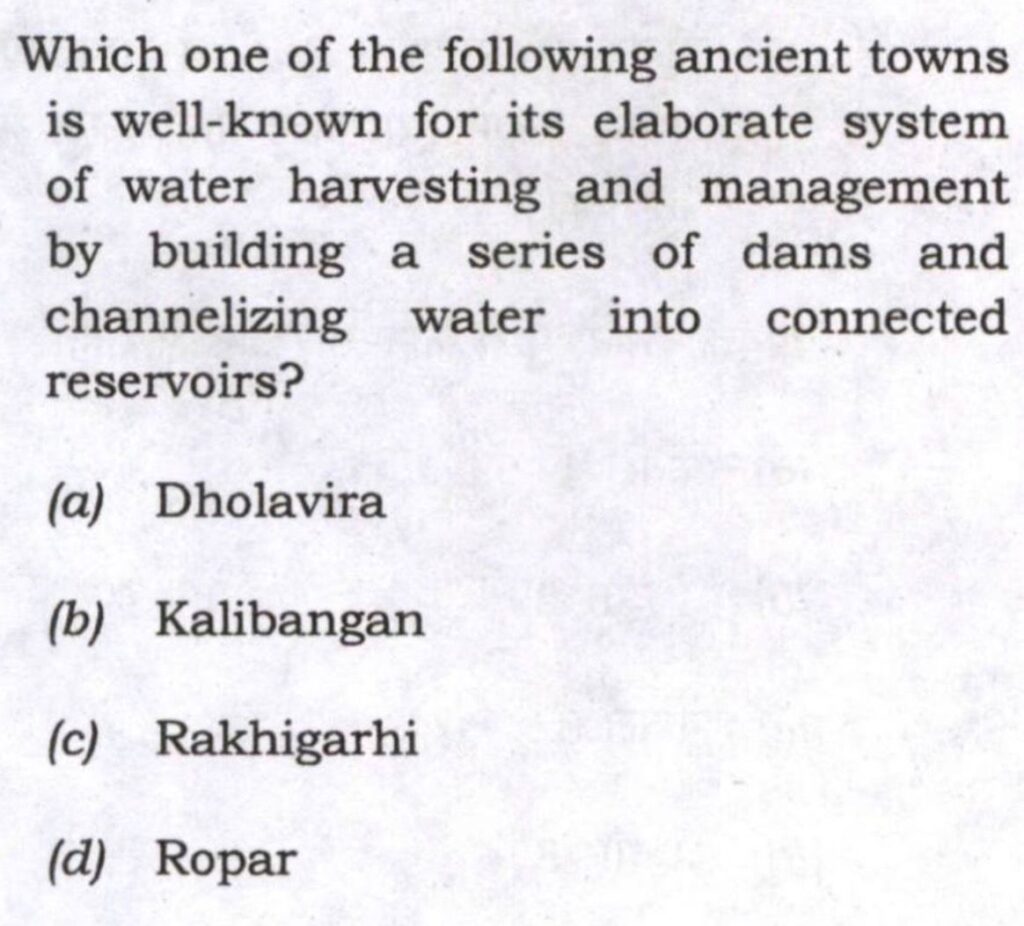
Dholavira
- Known for elaborate water harvesting and management system.
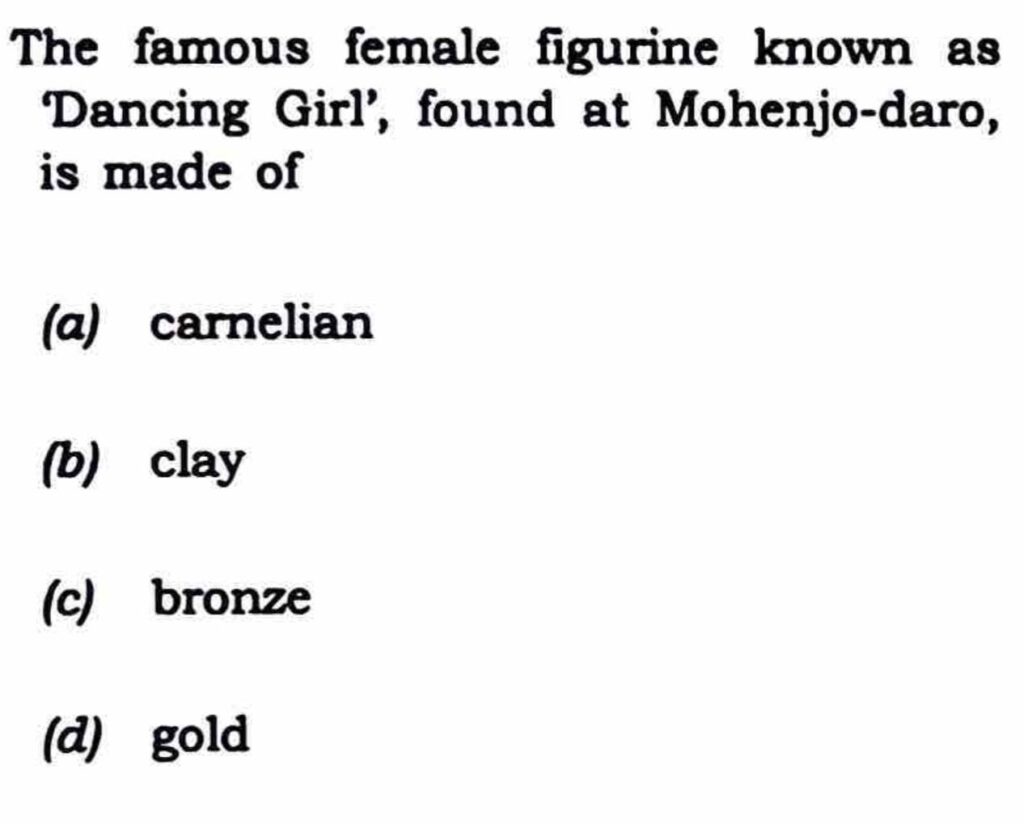
Dancing Girl
- Found at Mohenjo-daro.
- Made of bronze.