22 April 2026 | Daily Current Affairs

India Africa Partnership: Trade, Strategic Cooperation and Challenges

1. Context: India Africa Partnership

  • India is seeking to re-energise its partnership with Africa in a changing geopolitical environment where competition and strategic interests in the continent are rising.
  • The relationship is increasingly important for economic security, global influence, and South–South cooperation, but needs stronger execution and continuity.
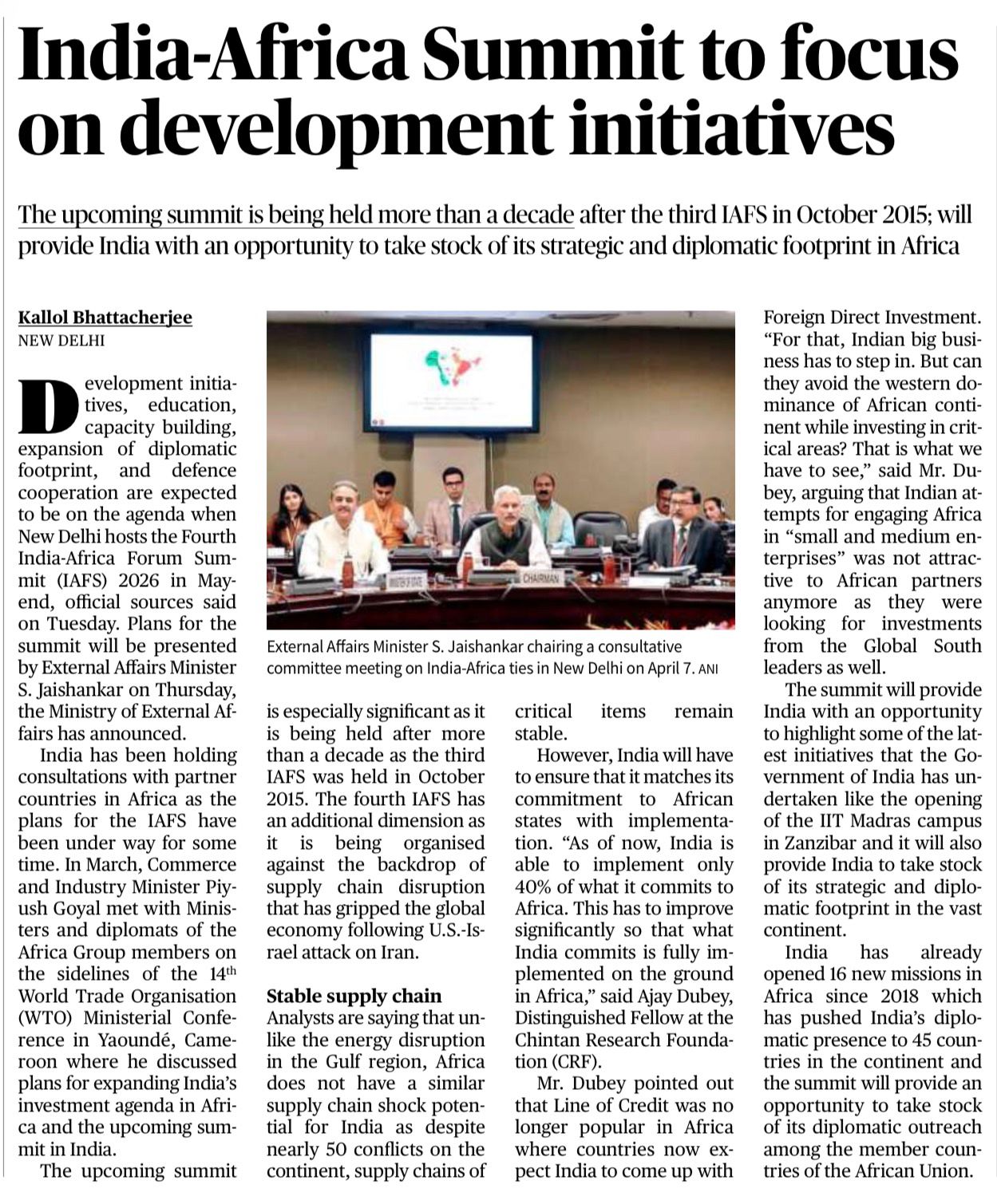
India Africa Partnership

2. Trade & Economic Engagement

  • Bilateral trade: Over $100 billion (2024–25), making Africa a major economic partner.
  • Nature of trade:
    • India imports crude oil, minerals, and critical resources
    • Exports pharmaceuticals, machinery, vehicles, and consumer goods
  • India is also a significant investor, especially in infrastructure, energy, and capacity-building sectors.
  • Shift visible from resource-based trade → diversified, value-added engagement.

3. Key Pillars of Cooperation

  • Development Partnership: Lines of credit, grants, skill development, education, healthcare
  • Strategic Cooperation: Maritime security, Indian Ocean, peacekeeping
  • Technology & Digital: Expansion of digital public infrastructure and services

4. Challenges

  • Lack of sustained high-level engagement (e.g., irregular summits)
  • Strong competition from China
  • Delays in project implementation affecting credibility

5. Core Insight

  • India–Africa ties are at a transition point: from development assistance to a strategic, economic partnership, requiring greater scale, speed, and consistency to remain competitive.
Fossil Fuel Power Generation: Global Decline and India’s Energy Transition

1. Context: Fossil Fuel Power Generation

  • The global energy system is undergoing a gradual transition away from fossil fuels, but the shift remains uneven and fragile.
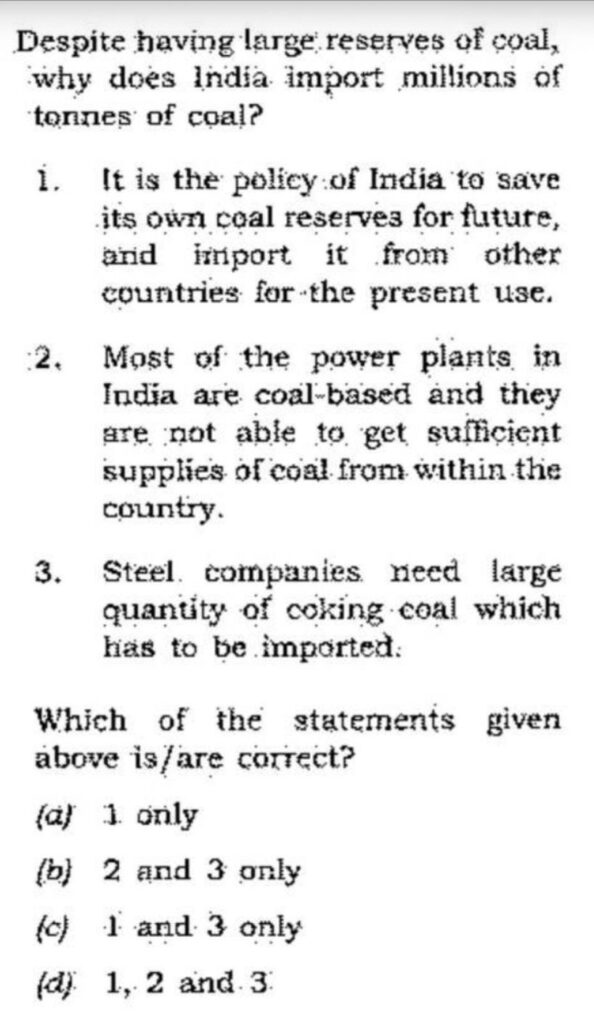
  • While renewables are expanding rapidly, coal continues to dominate electricity generation, especially in countries like India.
Fossil Fuel Power Generation
PYQ – 2012, Ans – B

2. Key Insights

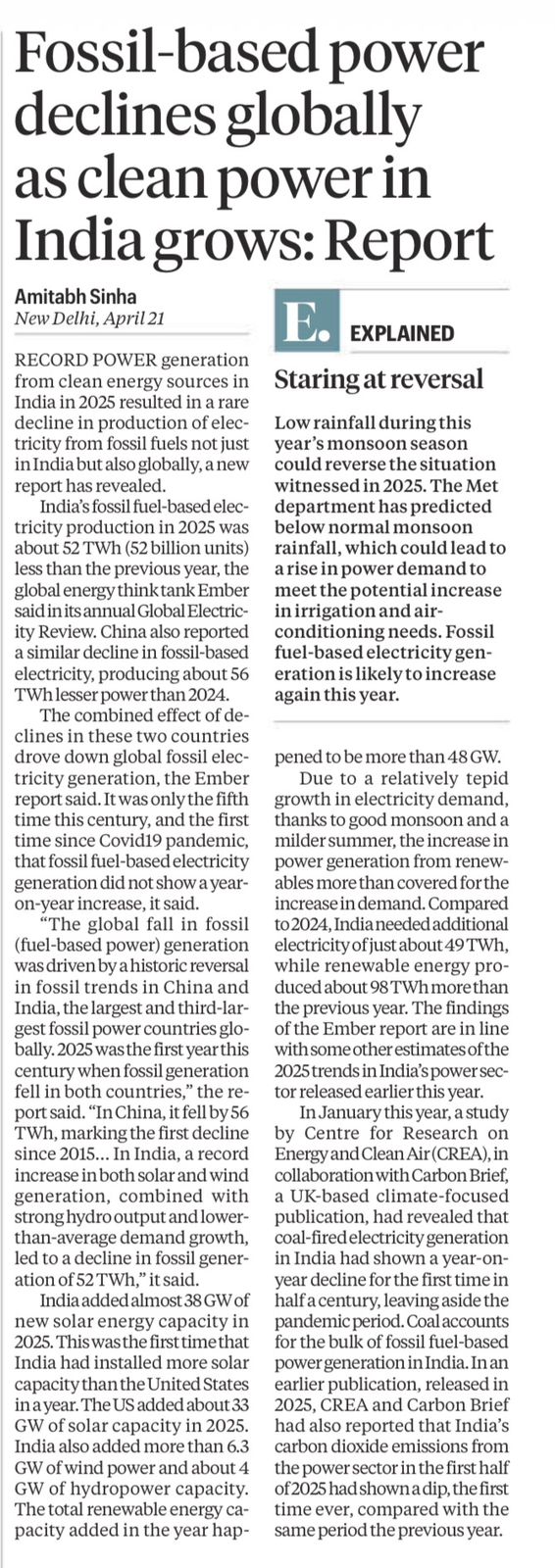
  • In 2025, fossil fuel-based electricity generation saw a rare decline, with India contributing a reduction of about 52 TWh due to strong renewable growth.
  • Globally, fossil electricity generation declined marginally (~0.2%), indicating a possible but not yet stable turning point.
  • Renewable energy growth in some periods has matched or exceeded electricity demand growth, reducing reliance on fossil fuels.
  • However, this trend is reversible due to rising demand, weather dependence, and continued coal usage.

3. India’s Dependence on Fossil Fuels

  • Installed Capacity (2026):
    • Non-fossil: ~52% | Fossil: ~48%
  • Actual Electricity Generation:
    • Fossil fuels: ~70–75%
    • Coal alone: ~70%+ (dominant source)
  • Key takeaway:
    • Capacity transition has begun, but generation remains coal-dependent, highlighting a slow and structural energy transition.

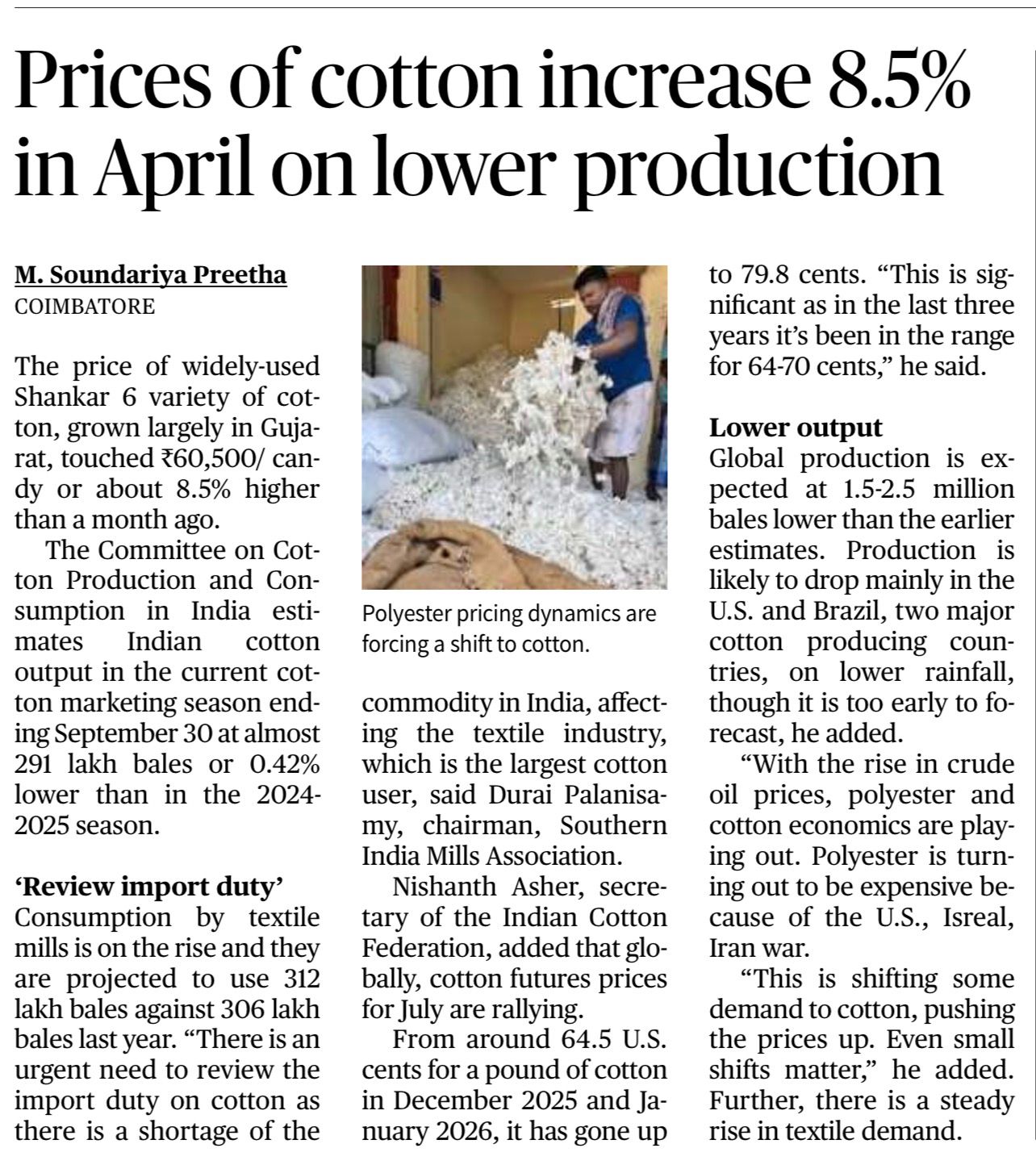
Cotton Sector Challenges in India: Productivity, Pest Issues and Trends

1. Context: Cotton Sector Challenges

  • Cotton cultivation in India faces multiple structural challenges: pest infestations (notably the pink bollworm), stagnant productivity, high input costs, climate variability, soil degradation, price volatility, and rising pest resistance.
Cotton Sector Challenges
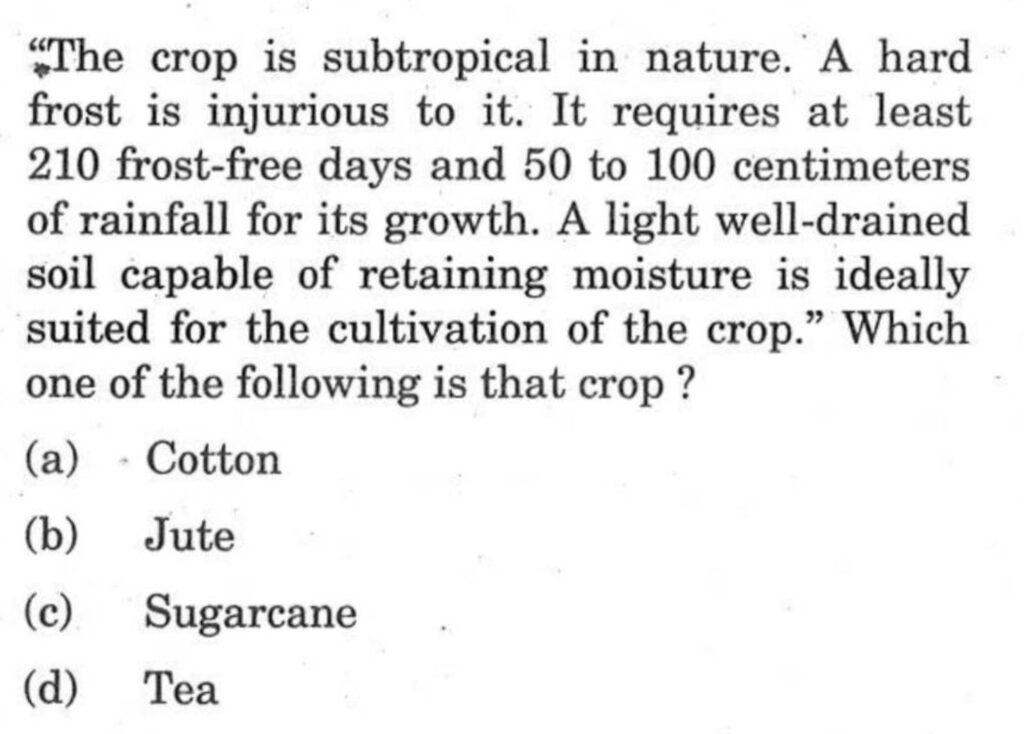
PYQ – 2020, Ans – A

2. Cotton as a Crop

  • Type: Kharif cash crop
  • Climate: 21–30°C; 50–100 cm rainfall; ~210 days frost-free period
  • Soil: Black cotton soil (regur)
  • Features: Pest-prone, long sunny season, dominated by Bt cotton

3. Production Rankings

  • Countries: China | India | Brazil
  • States (India): Maharashtra | Gujarat | Telangana

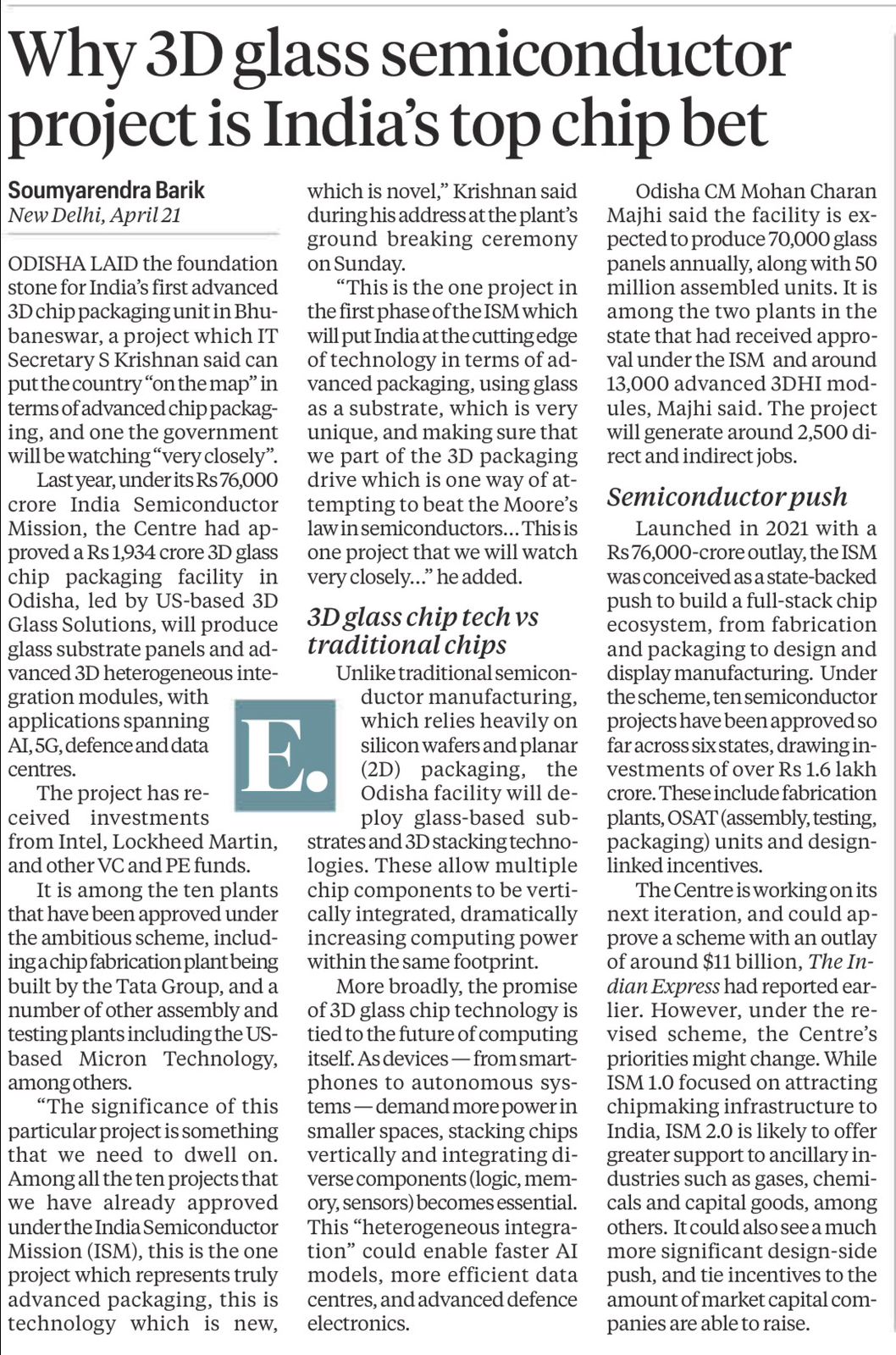
3D Glass Chips: India’s Semiconductor Push and Advanced Packaging Explained

1. Context

  • India has made a strategic entry into advanced semiconductor technology through 3D glass-based chip packaging, moving beyond basic assembly into a high-value, next-generation segment of the global chip value chain.
  • This is positioned as a key technological leap for applications like AI, telecom, and data centres.
3D Glass Chips
3D Glass Chips
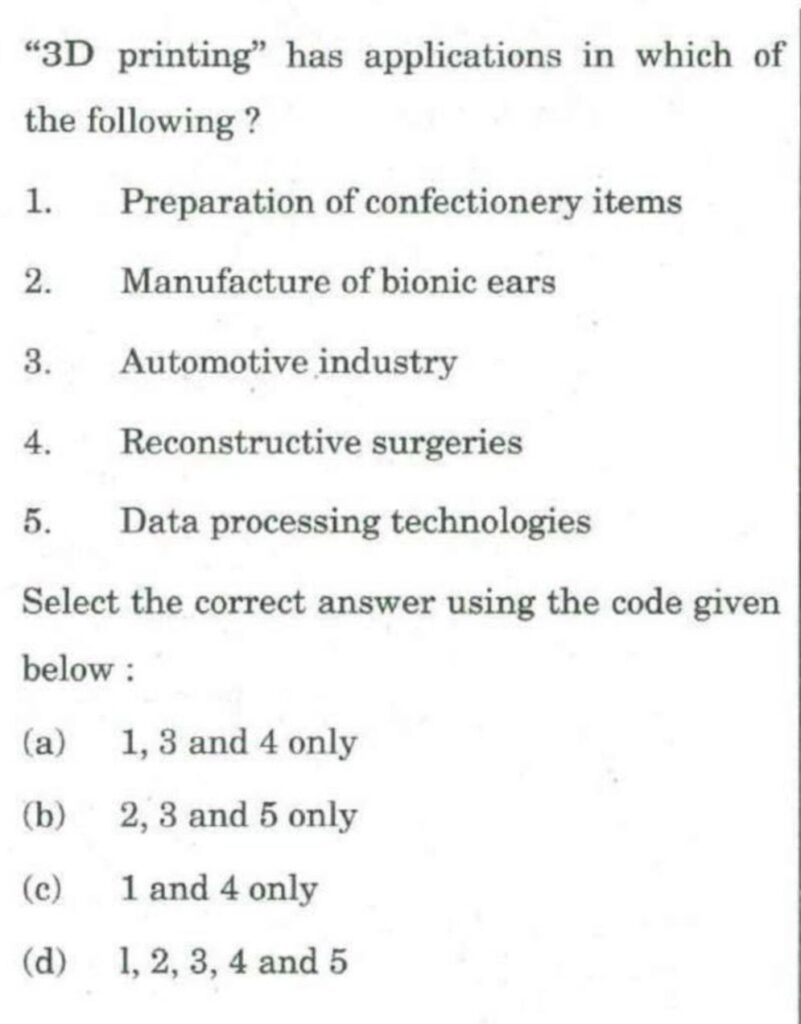
PYQ – 2018, Ans – D

2. 3D Glass Chip vs Traditional Chip

  • Traditional (2D chips): Horizontal layout on silicon → limits scaling, higher heat, slower data transfer.
  • 3D glass chips: Vertical stacking using glass substrates → faster, energy-efficient, better heat management, higher density.
  • Key shift: 2D planar → 3D integrated architecture.

3. India’s Semiconductor Mission

  • The India Semiconductor Mission was approved in 2021 under the Semicon India Programme.
  • Outlay: ₹76,000 crore (initial), with expansion in later phases.
  • Objectives:
    • Reduce import dependence
    • Build a self-reliant semiconductor ecosystem
    • Position India in global supply chains
  • Focus Areas:
    • Fabrication (fabs)
    • ATMP (assembly, testing, packaging)
    • Chip design and R&D
    • Advanced packaging (like 3D glass technology)

Druzhba Pipeline: Ukraine to Resume Russian Oil Supply to Europe

1. Druzhba Pipeline – Context

  • The Druzhba pipeline was disrupted due to the Russia–Ukraine war, halting oil supply to parts of Europe.
  • This affected dependent countries like Hungary and Slovakia, leading to political pressure on Ukraine.
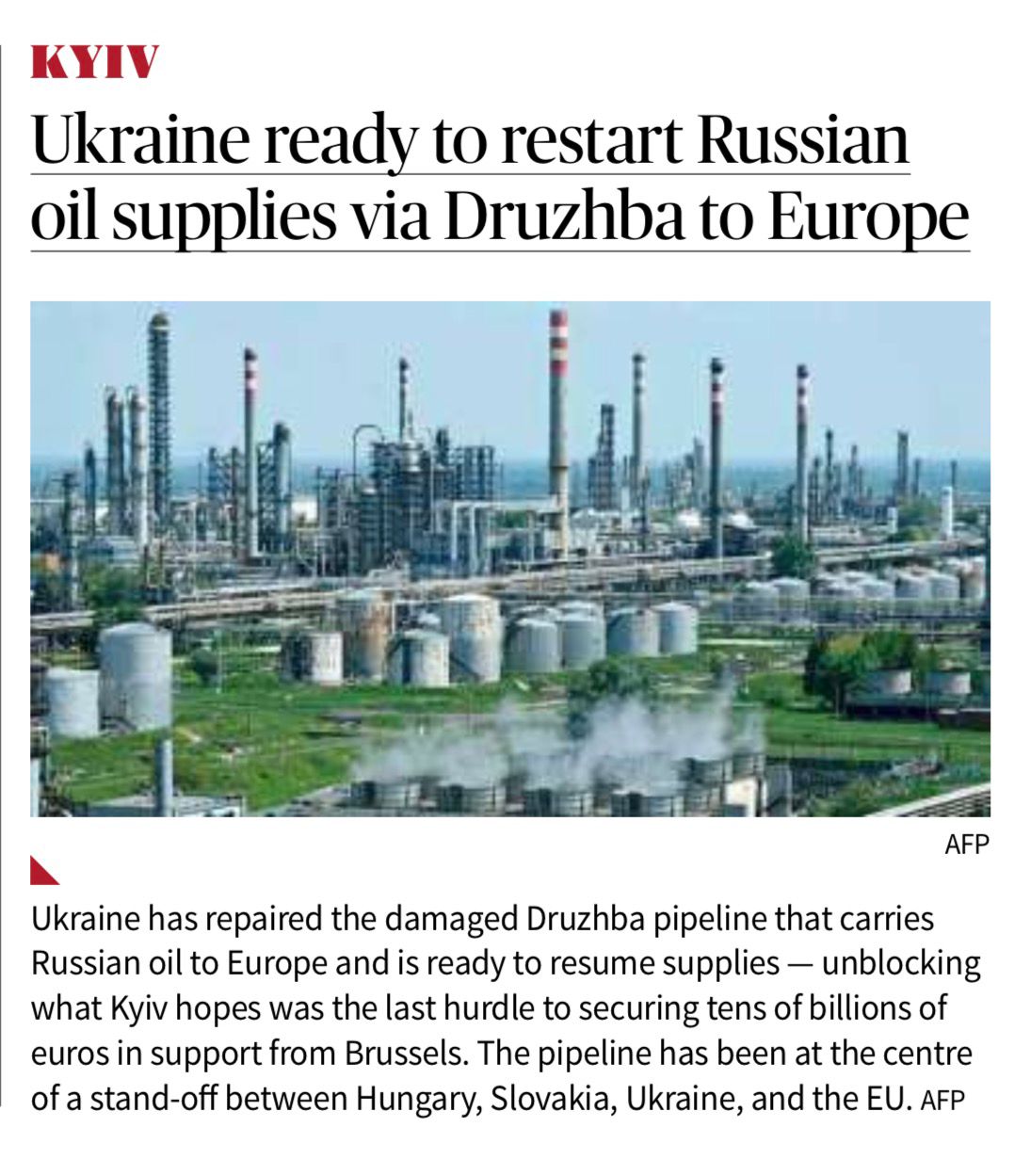
  • Ukraine has now repaired the pipeline and is ready to resume oil transit, which may unlock EU financial support.
Druzhba Pipeline
Druzhba Pipeline
Druzhba Pipeline
Druzhba Pipeline

2. Druzhba Pipeline

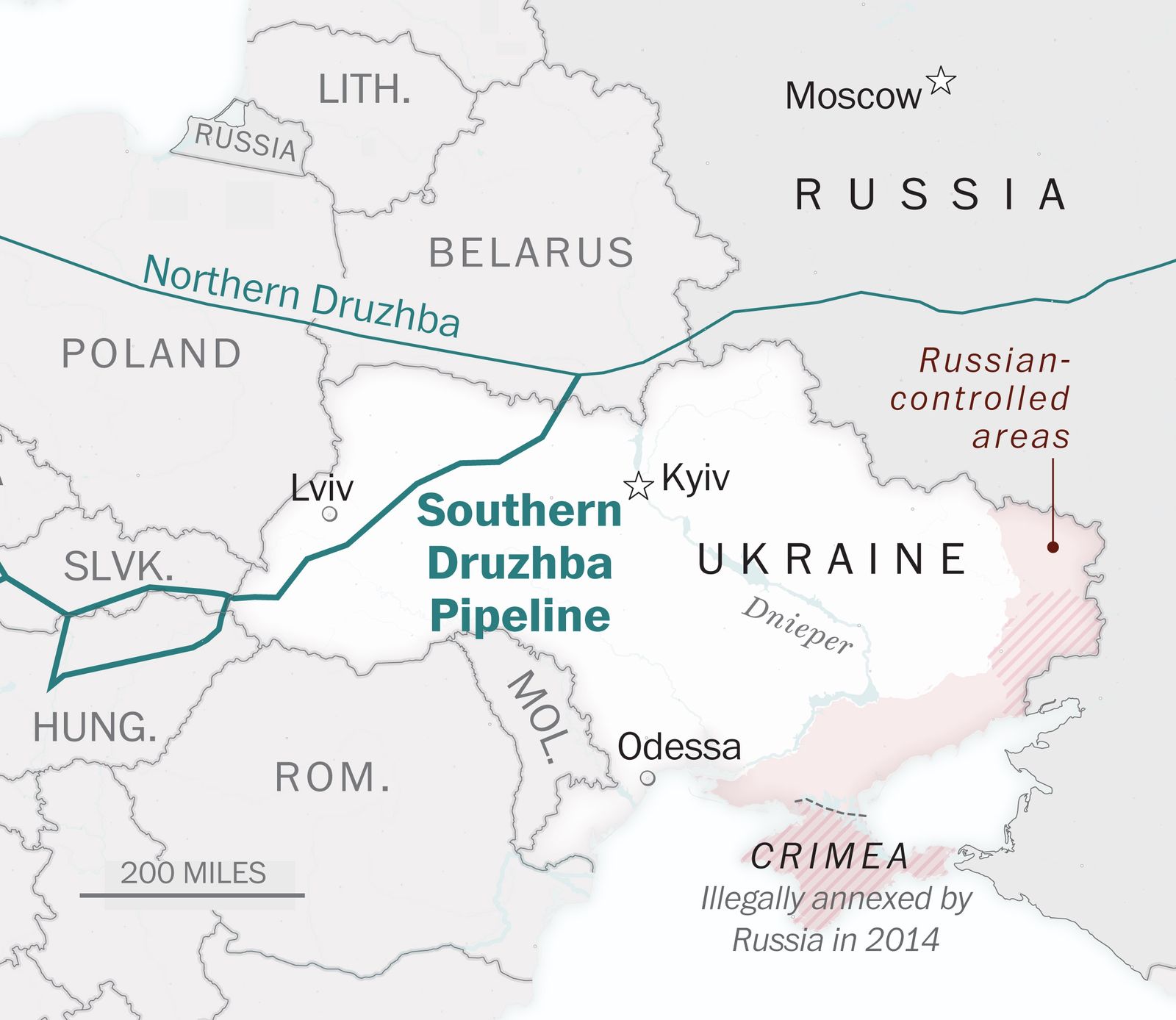
  • The Druzhba pipeline is one of the world’s longest oil pipeline networks (~5,000 km), built in the 1960s.
  • It transports Russian crude oil via Belarus and Ukraine to Central and Eastern Europe.
  • It has two branches:
    • Northern: Poland, Germany
    • Southern: Hungary, Slovakia, Czech Republic
  • Capacity: about 1.2–1.4 million barrels per day.

Copyright © 2026 USARAMBHA EDUCATION (UnderStand UPSC). All Rights Reserved.

Inquiry form for
Takshila Residential Program