6 Feb 2026 | Daily Current Affairs

Illegal coal mine blast Meghalaya: Rat-hole mining deaths | GS 3

Context
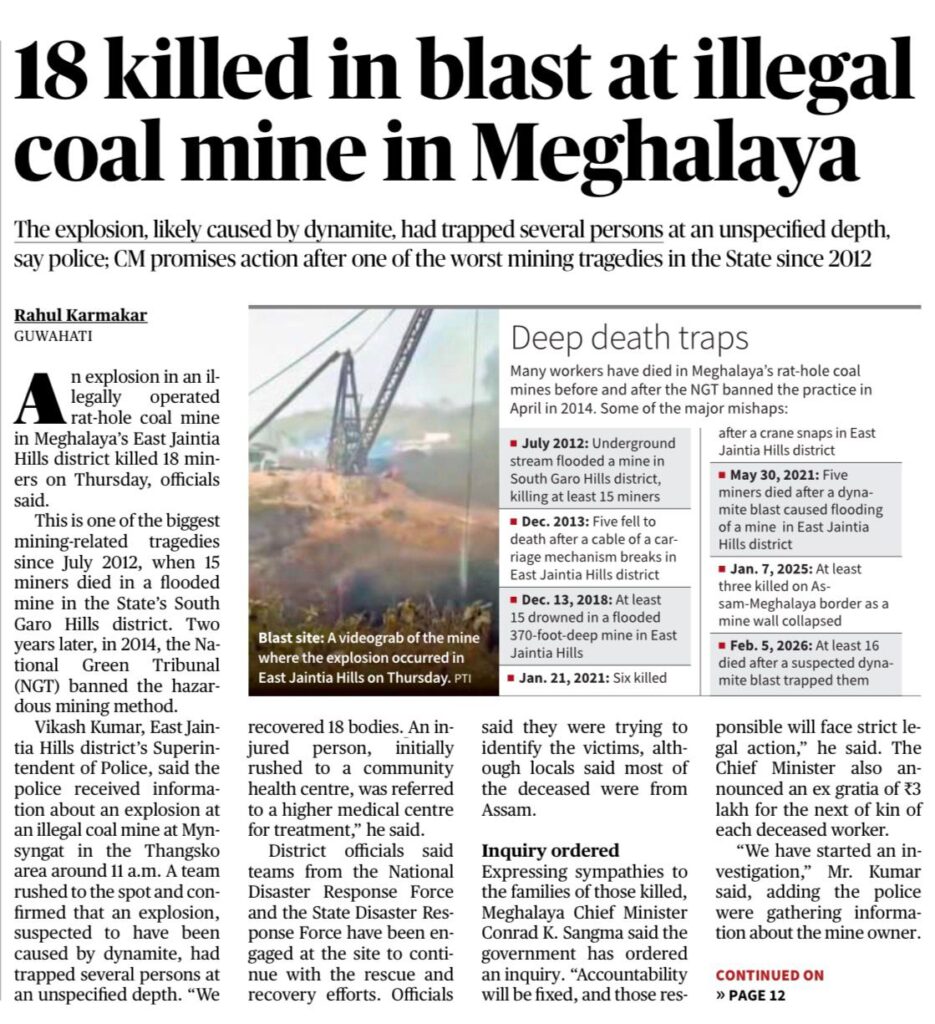
• 18 miners were killed after a suspected dynamite blast in an illegal rat-hole coal mine in East Jaintia Hills district of Meghalaya.

Rat-hole mining
• Narrow vertical pits where workers crawl horizontally to extract coal.
• Extremely unsafe and hazardous.
• Banned by National Green Tribunal (NGT) in 2014 due to deaths, child labour, pollution and illegal operations.

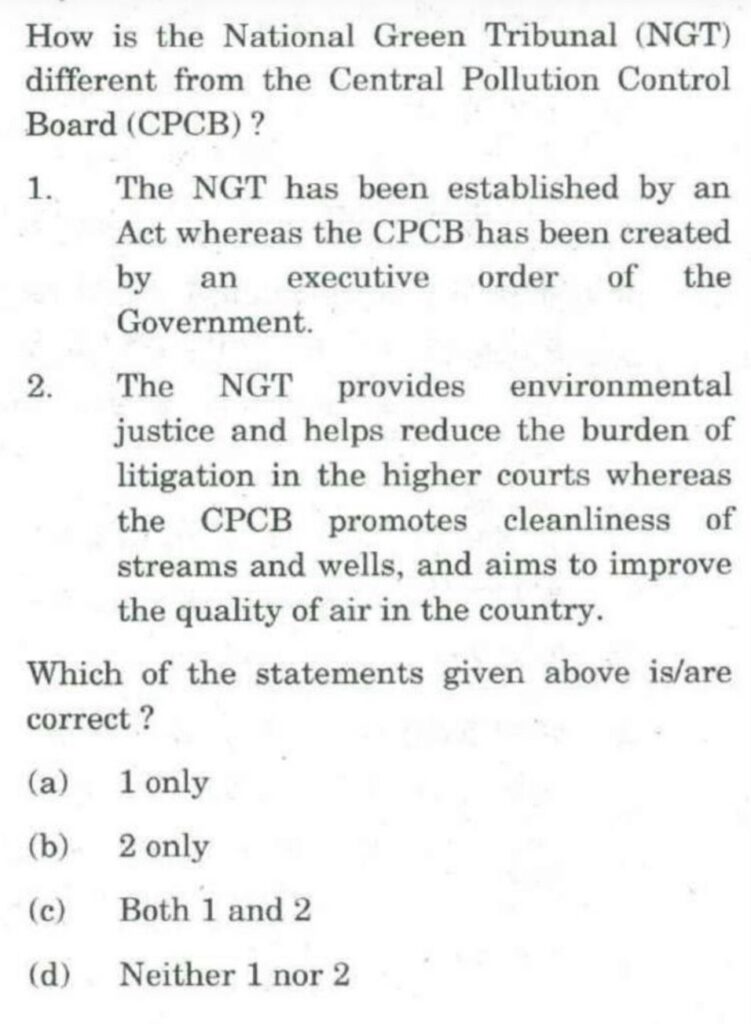
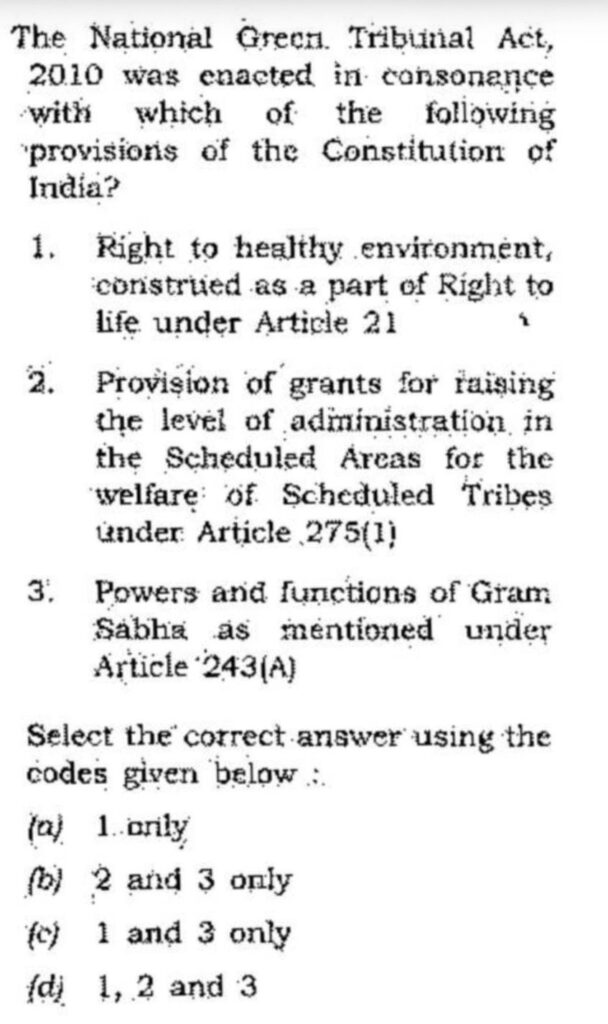
National Green Tribunal (NGT)
• Established: 2010 under NGT Act, 2010
• Purpose: Speedy disposal of environmental cases
• Time limit: Within 6 months (statutory)
• Jurisdiction:
• Environmental protection
• Conservation of forests
• Pollution control
• Hazardous waste
• Covers Acts:
• Environment Protection Act, 1986
• Water Act, 1974
• Air Act, 1981
• Forest Conservation Act, 1980
• Biological Diversity Act, 2002
• Powers:
• Civil court powers
• Award compensation
• Impose penalties
• Appeal: Lies only to Supreme Court within 90 days

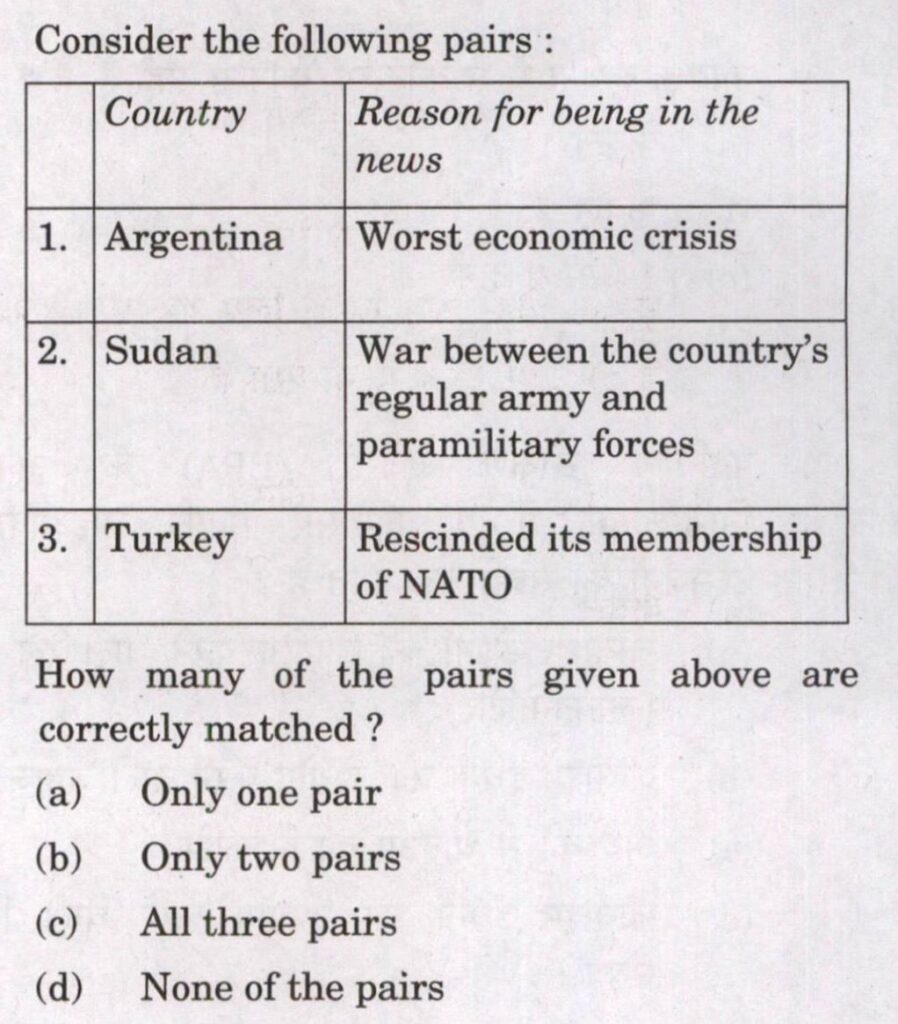
PYQ – 2018, Ans – B
PYQ – 2012, Ans – A

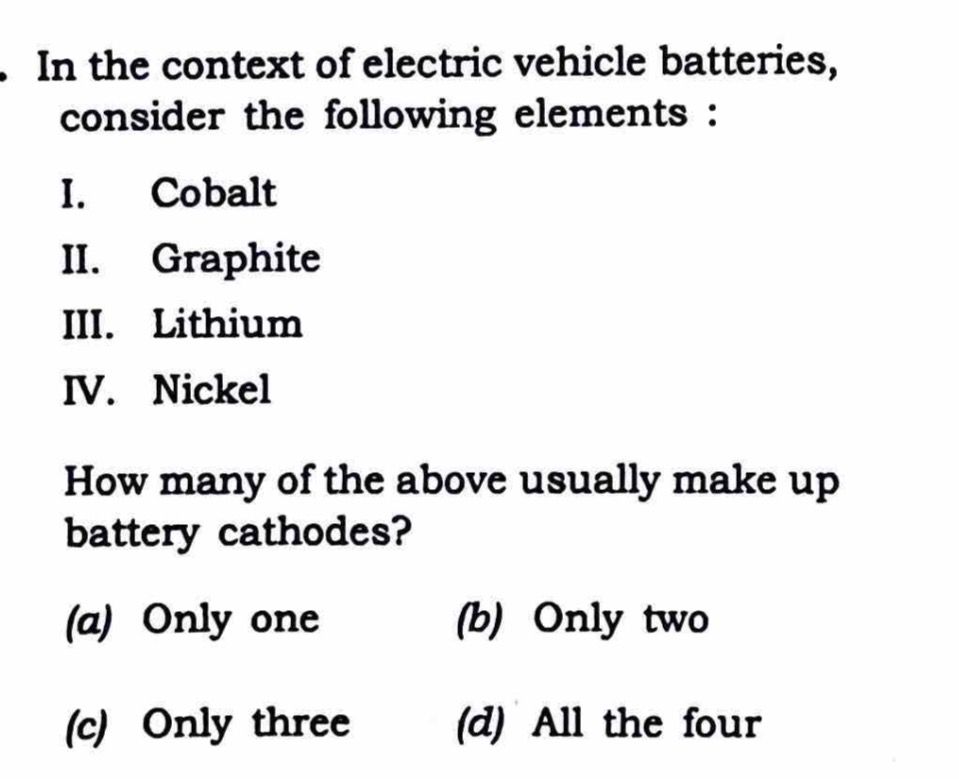
Sodium-ion batteries as alternative to lithium-ion | GS 3

Context
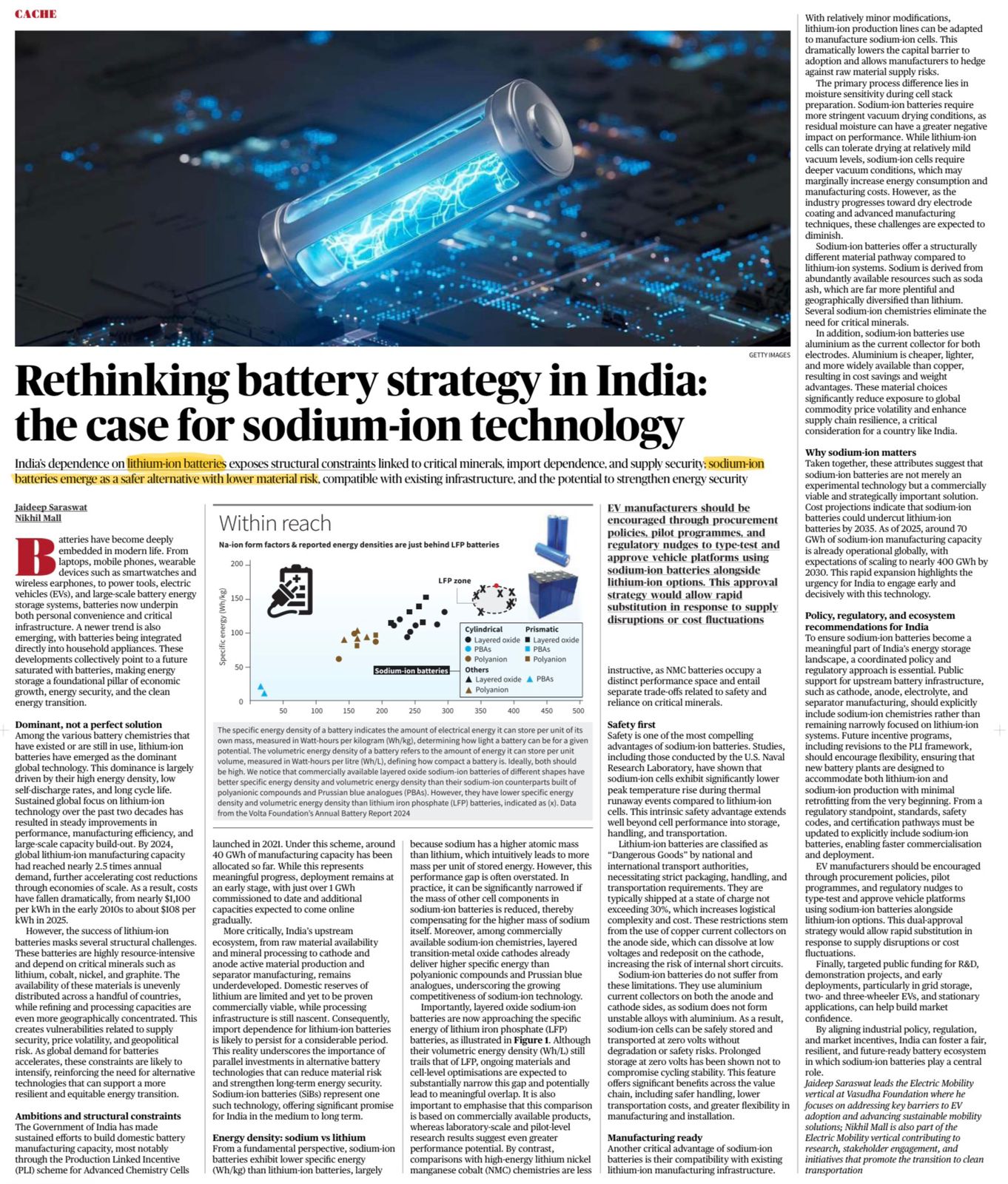
• India’s heavy dependence on lithium-ion batteries creates supply-chain risks due to reliance on imported critical minerals.
Sodium-ion batteries are emerging as a safer, cheaper and less resource-intensive alternative.

Lithium-ion batteries – key points
• Widely used in mobiles, laptops, EVs, power banks and grid storage.
• Strengths: High energy density, mature technology, efficient performance.

Challenges
• Dependence on critical minerals: lithium, cobalt, nickel (mostly imported).
• High cost due to mining concentration in few countries.
• Performance drops in extreme temperatures.
• Safety issues: thermal runaway risk.
• Supply-chain vulnerability affecting EV ambitions.

Sodium-ion batteries
• Uses sodium, which is abundant in nature (seawater, salts).
• Compatible with existing Li-ion manufacturing lines (low transition cost).
• Slightly lower energy density than Li-ion, but improving rapidly.

PYQ – 2025, Ans – C

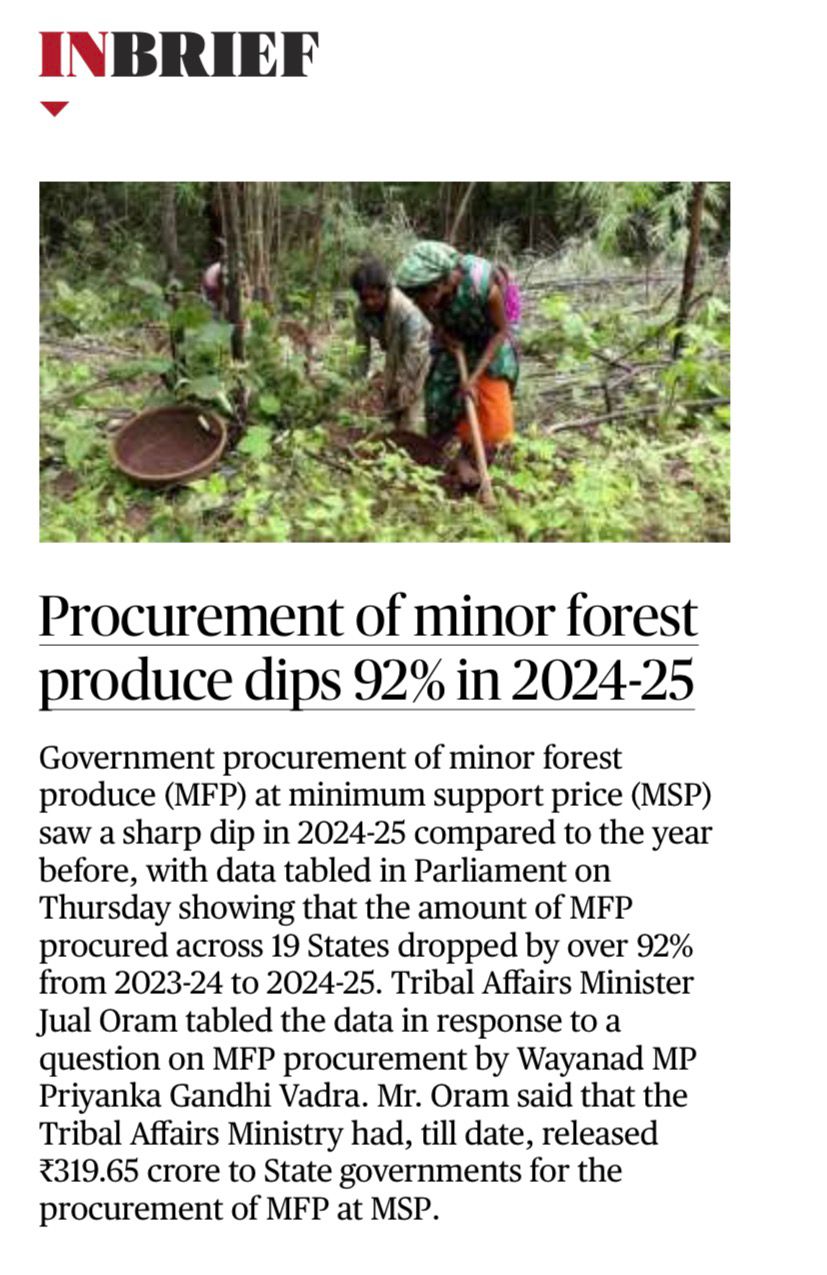
Minor Forest Produce procurement drops 92% at MSP | GS 3

Context
• Government data shows a 92% drop in procurement of Minor Forest Produce (MFP) at MSP across 19 States in 2024–25 compared to 2023–24.

Minor Forest Produce (MFP) – Prelims basics
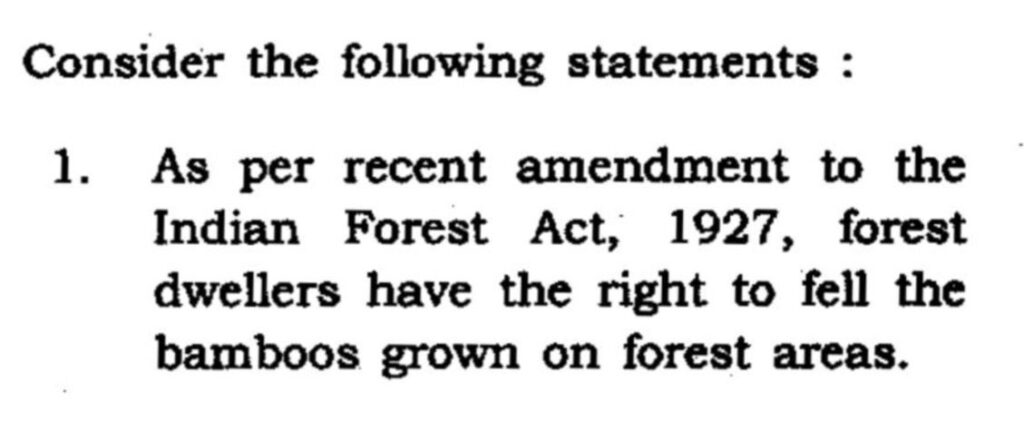
• Meaning: Non-timber forest products such as tendu leaves, bamboo, mahua flowers, gums, resins, medicinal plants, etc.
• Importance: Major livelihood source for Scheduled Tribes and forest-dependent communities.

Legal and rights framework
Forest Rights Act (FRA), 2006
• Section 3(1)(c): STs and OTFDs have ownership and collection rights over MFP.
Gram Sabha: Primary authority to regulate access, pricing and management of MFP.

MSP for MFP Scheme
• Launched: 2013
• Objective: Provide fair prices and reduce exploitation by middlemen
• Nodal Ministry: Ministry of Tribal Affairs
• Implementing Agency: TRIFED
• Coverage: 25+ MFP items (tendu, sal seed, lac, neem seed, etc.)

PYQ – 2019, Ans – B

India GCC FTA talks begin with signing of ToR | GS 2

Context
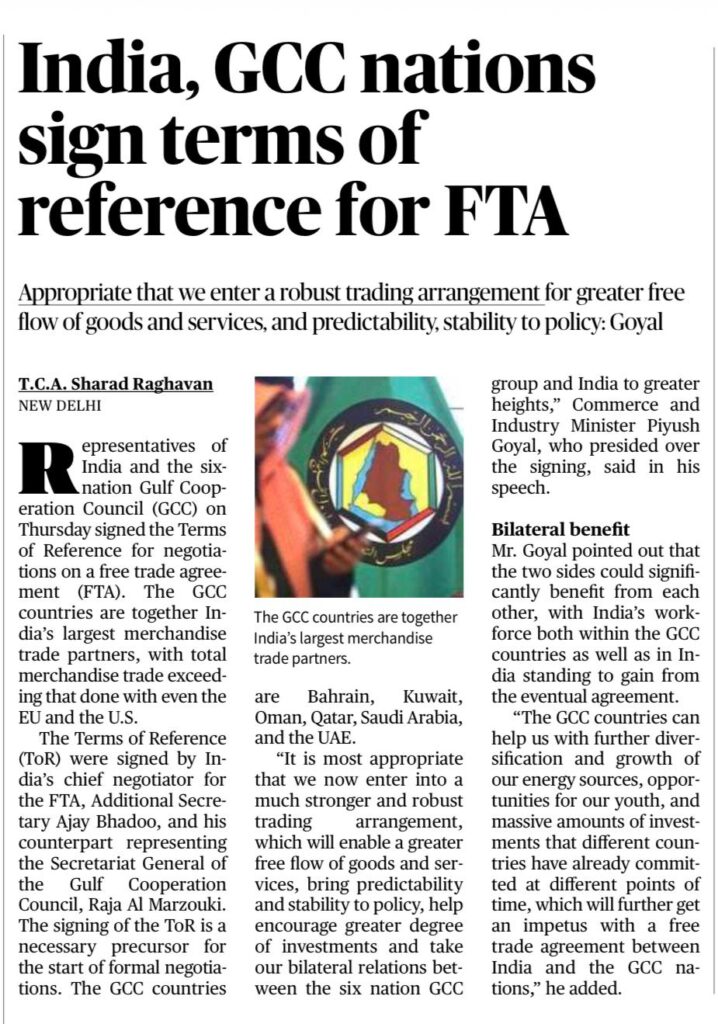
• India and the Gulf Cooperation Council (GCC) signed the Terms of Reference (ToR) to begin formal negotiations for a Free Trade Agreement (FTA).
• GCC is India’s largest merchandise trade partner, bigger than the EU and the U.S.

Terms of Reference (ToR) – Prelims basics
• Framework document that defines:
• Scope and objectives of negotiations
• Process and timelines
• Issues to be covered (tariffs, services, investments, rules of origin, etc.)
• Commitments expected from parties
• Mechanisms for negotiation and decision-making
• ToR is not the agreement; it is the starting blueprint for formal FTA talks.

Gulf Cooperation Council (GCC)
• Established: 1981 (Riyadh Agreement)
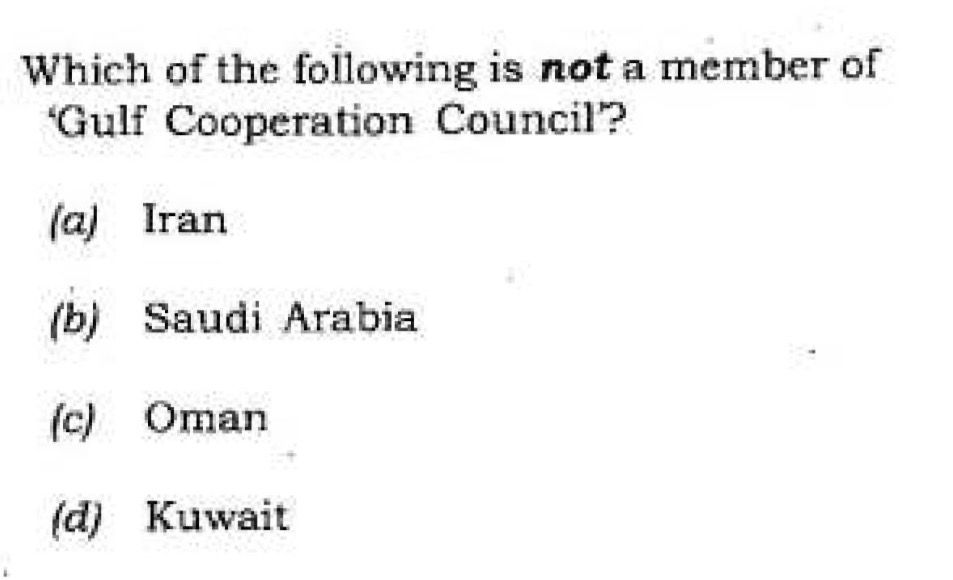
• Members: Bahrain, Kuwait, Oman, Qatar, Saudi Arabia, UAE
• Headquarters: Riyadh, Saudi Arabia
• Type: Political and economic union of Gulf Arab states

India–GCC relevance
• India’s largest merchandise trade bloc
• Major source of oil and gas
• Over 8 million Indian diaspora
• Large remittance inflows
• Significant potential for FTA in goods, services and investments

PYQ – 2016, Ans – A
About the UPSC Civil Services Examination (UPSC CSE)

The UPSC Civil Services Examination (CSE) is one of the most competitive and esteemed examinations in India, conducted by the Union Public Service Commission to recruit officers for services such as the Indian Administrative Service (IAS), Indian Police Service (IPS), Indian Foreign Service (IFS), and others. The exam comprises three stages — Prelims, Mains, and the Personality Test (Interview) — designed to test a candidate’s knowledge, aptitude, decision-making, and leadership skills.


How to Prepare Effectively for UPSC CSE

Cracking the UPSC CSE requires a deep understanding of the syllabus, consistent revision, structured answer writing, and smart test-taking strategies. The Prelims test analytical and conceptual clarity, the Mains focuses on critical thinking, articulation, and subject mastery, while the Interview assesses presence of mind, ethical judgment, and personality traits relevant to public service.

At UnderStand UPSC, we empower aspirants with a personalized and focused approach to each stage of the exam.


Why Choose UnderStand UPSC?

UnderStand UPSC is a mentorship-driven platform offering a clear, clutter-free strategy to tackle the Civil Services Examination. Our programs like Transform (for beginners and intermediate learners) and Conquer (for advanced mains preparation) provide structured study plans, syllabus-wise video content, interactive live sessions, and answer writing support.

We emphasize:

  • Concept clarity through topic-wise lectures

  • Test series designed around real UPSC standards

  • Personalized mentorship in small groups

  • Regular performance tracking and peer benchmarking

  • Doubt-clearing sessions, current affairs analysis, and monthly magazines


Join the UnderStand UPSC Learning Community

Our mission is to make UPSC preparation less overwhelming and more strategic. We combine mentorship, discipline, and academic rigor to help you clear CSE with confidence. Whether you’re preparing from Delhi, Mumbai, Bangalore, or a remote village — our online-first model ensures quality guidance reaches every corner of India.

Join the thousands of aspirants who trust UnderStand UPSC to guide their journey toward becoming civil servants.

Stay connected with us through our Telegram, YouTube, and Instagram channels for daily tips, strategies, and updates.

Copyright © 2026 USARAMBHA EDUCATION (UnderStand UPSC). All Rights Reserved.

Join the Success Journey!