17 March 2026 | Daily Current Affairs

Keeladi Excavation: ASI Permits Excavation at Keeladi and Other Sites for UPSC GS-1

1. Context

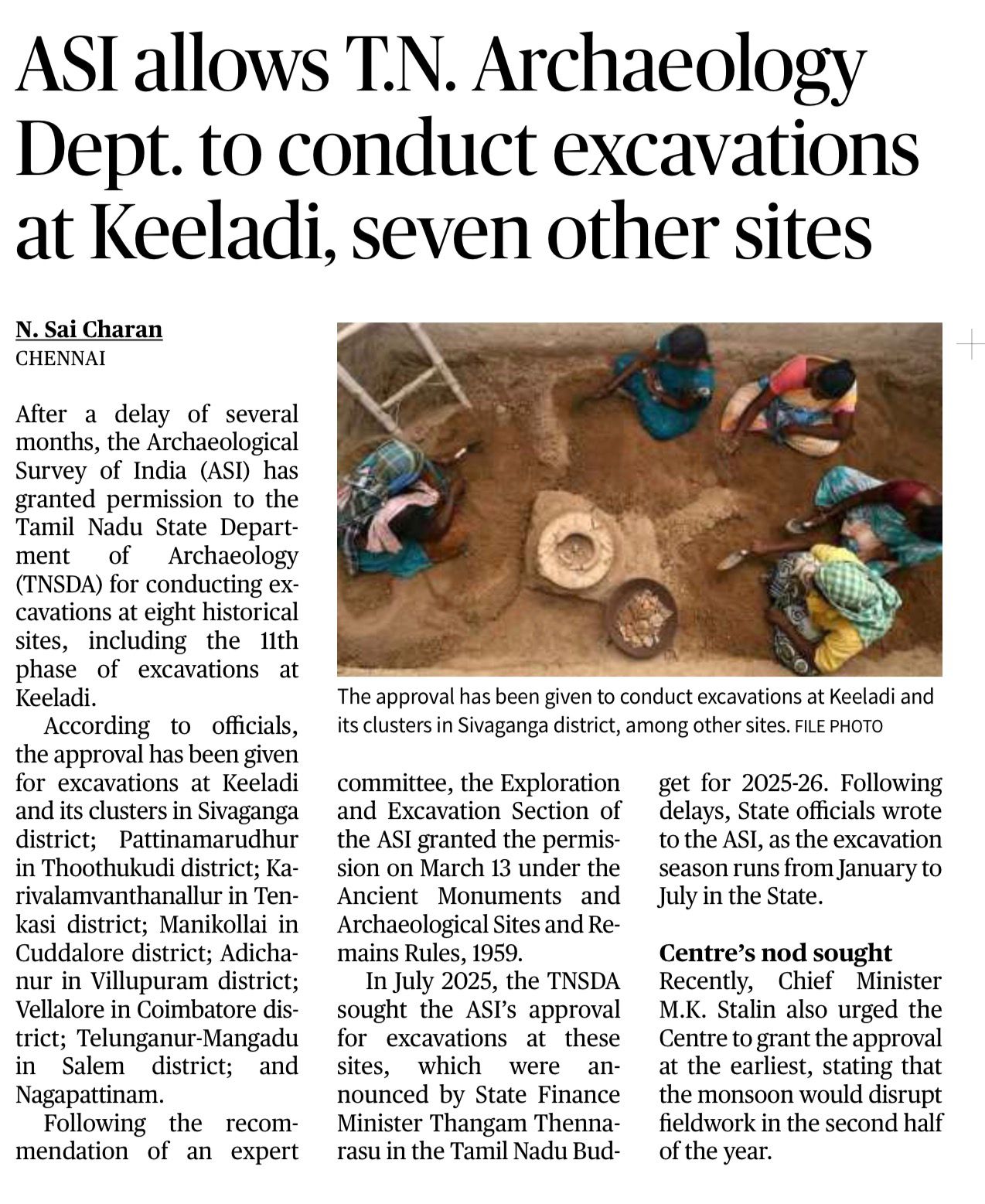
The Archaeological Survey of India has allowed the Tamil Nadu State Department of Archaeology to resume excavations at Keeladi and other notified sites under the Ancient Monuments and Archaeological Sites and Remains framework.

2. Keeladi

  1. Location: Keeladi in the Vaigai basin.
  2. Period: Around 6th century BCE; linked to early historic/Sangam period.
  3. Nature of Site: Urban settlement showing organised habitation.

Key Findings

  1. Brick structures and drainage → planned settlement.
  2. Tamil-Brahmi inscriptions → early literacy.
  3. Pottery, beads, iron tools → crafts and trade activity.

Importance

  1. Shows early urbanisation in South India beyond Gangetic plains.
  2. Strengthens understanding of Sangam-age society.

3. Archaeological Survey of India (ASI)

  1. Archaeological Survey of India (est. 1861) works under the Ministry of Culture.
  2. Legal basis: Ancient Monuments and Archaeological Sites and Remains Act, 1958 and Rules, 1959.

Functions:
• Protection and conservation of monuments.
• Regulation and permission for excavations.
• Archaeological research and heritage management.
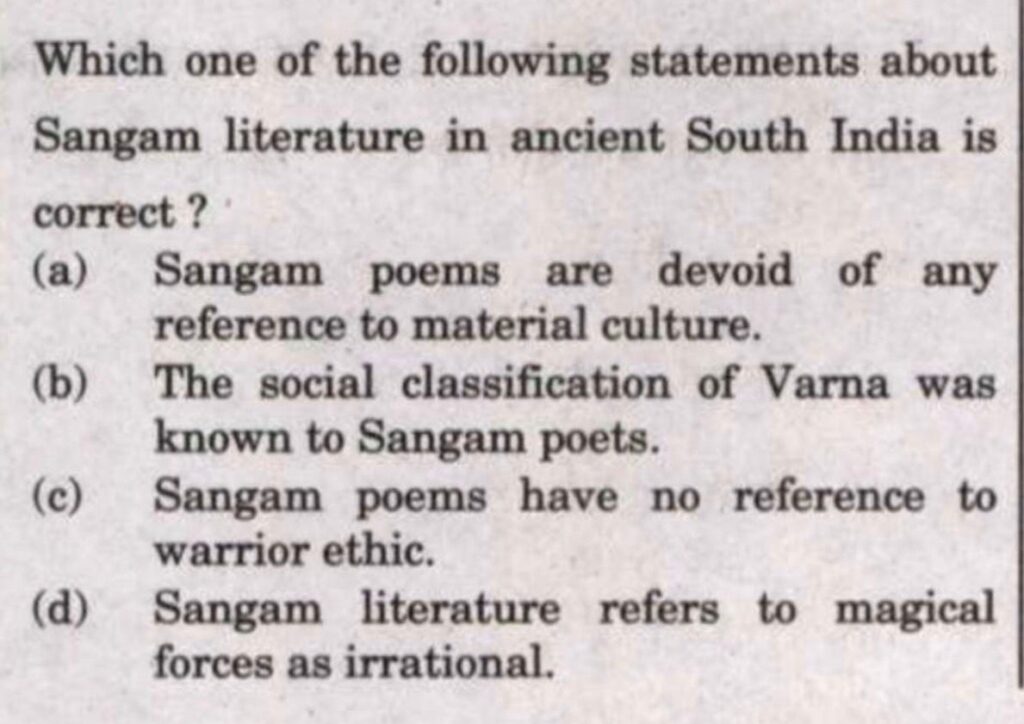
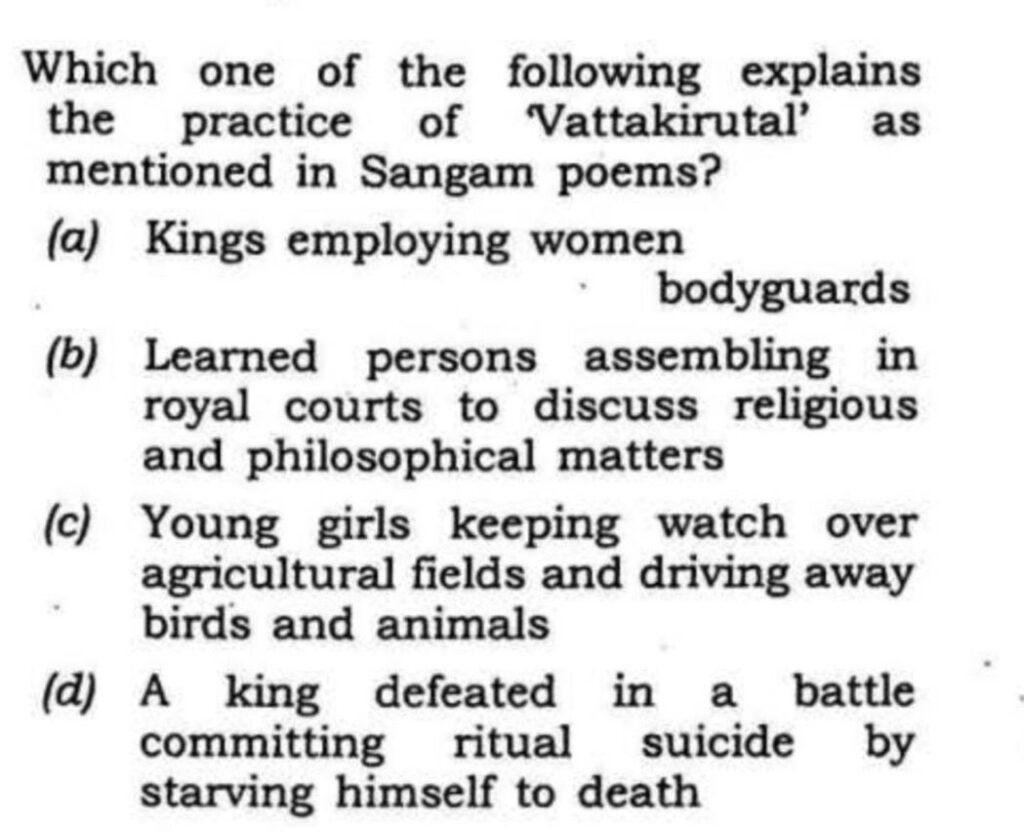
Keeladi Excavation
Keeladi Excavation
PYQ – 2022, Ans – B
PYQ – 2023, Ans – D

Gynandromorphy in Crab: Rare Freshwater Crab Found in Silent Valley for UPSC GS-3

1. Context

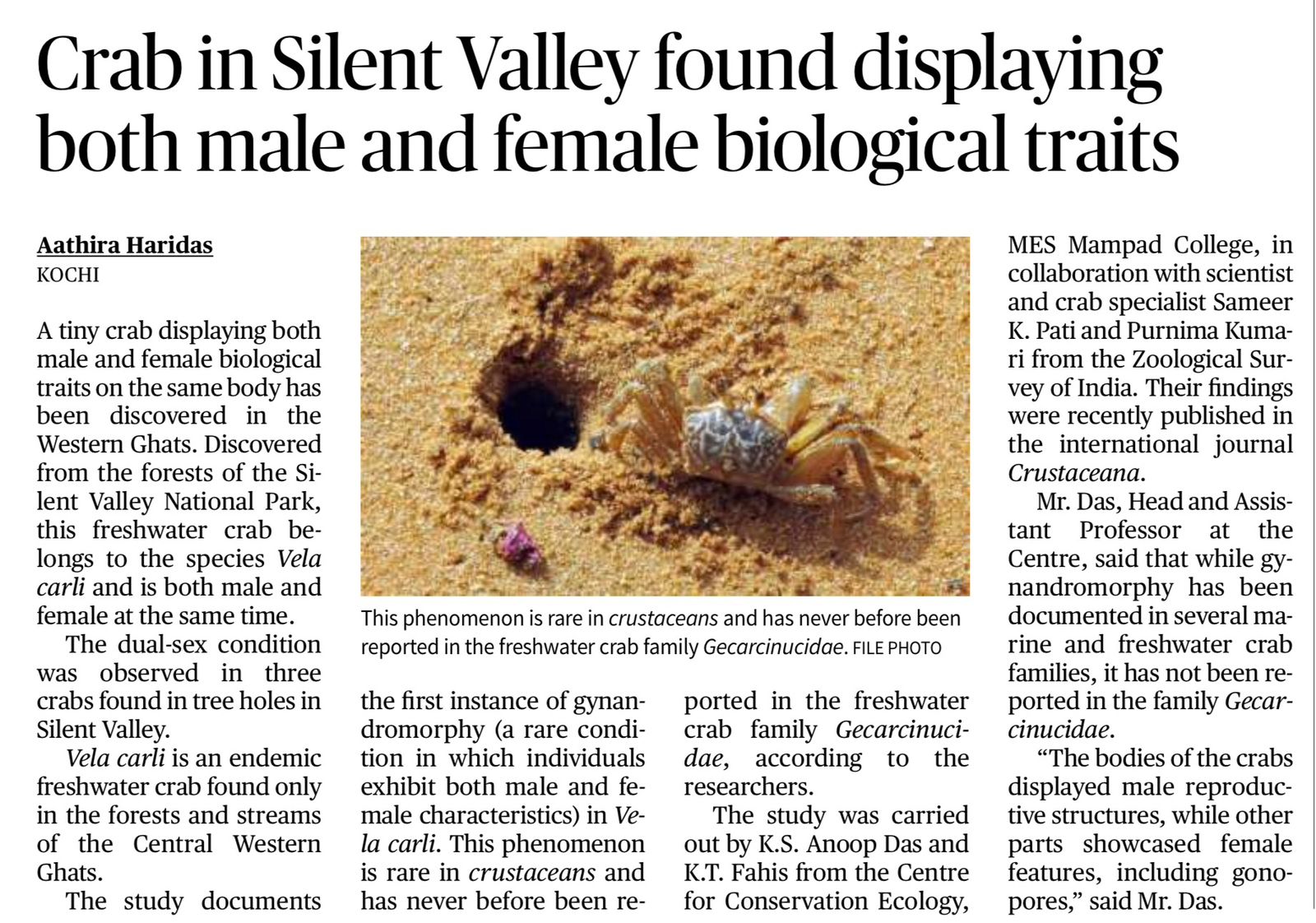
A rare freshwater crab of the species Vela carli displaying both male and female biological traits was discovered in Silent Valley National Park by researchers working with the Zoological Survey of India.

2. What is Special About This Finding

  1. The crab shows gynandromorphy — a rare condition where one organism has both male and female characteristics.
  2. Observed features included male reproductive structures along with female traits (such as gonopores).
  3. This is the first recorded case of gynandromorphy in the freshwater crab family Gecarcinucidae.
  4. Significant for understanding crustacean development, genetics and biodiversity.

3. Silent Valley National Park

  1. Located in the Nilgiri hills of the Western Ghats in Kerala (Palakkad district).
  2. Part of the Nilgiri Biosphere Reserve.
  3. Known for undisturbed tropical evergreen rainforest ecosystems.
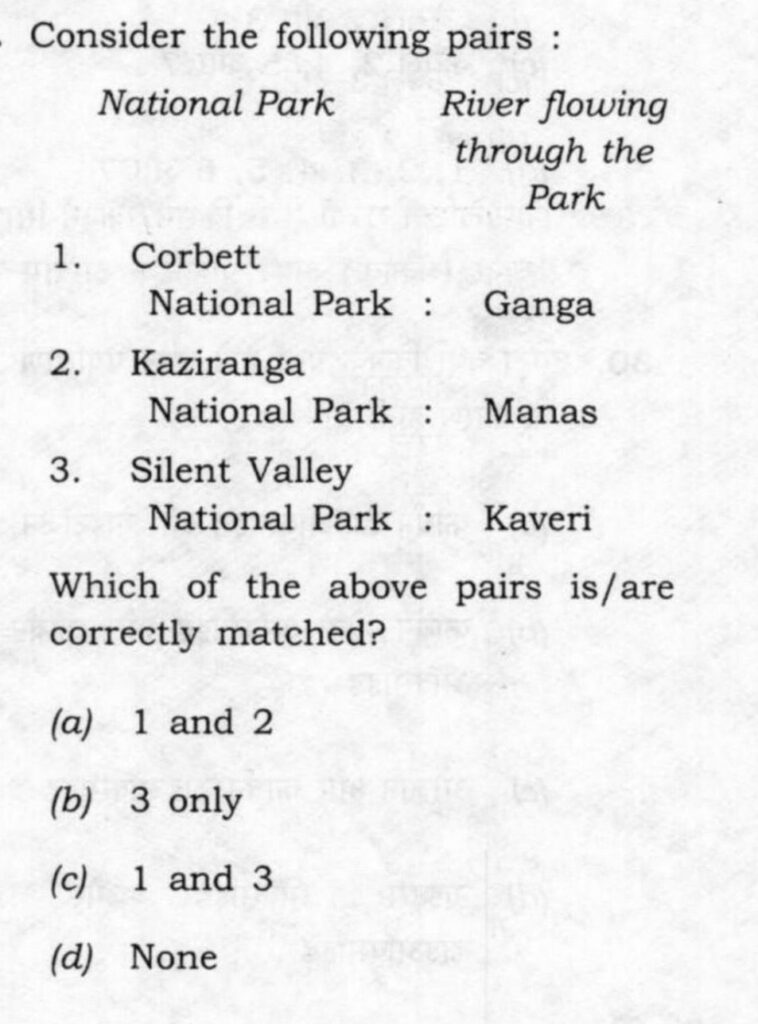
  4. Drained by the Kunthipuzha River (a tributary of Bharathapuzha).
  5. Biodiversity hotspot with endemic species like lion-tailed macaque, Nilgiri langur and rare flora.
Gynandromorphy in Crab
PYQ – 2013, Ans – D

India West Asia Policy: Need for Strategic Balance Amid Regional Conflict for UPSC GS-2

1. Context

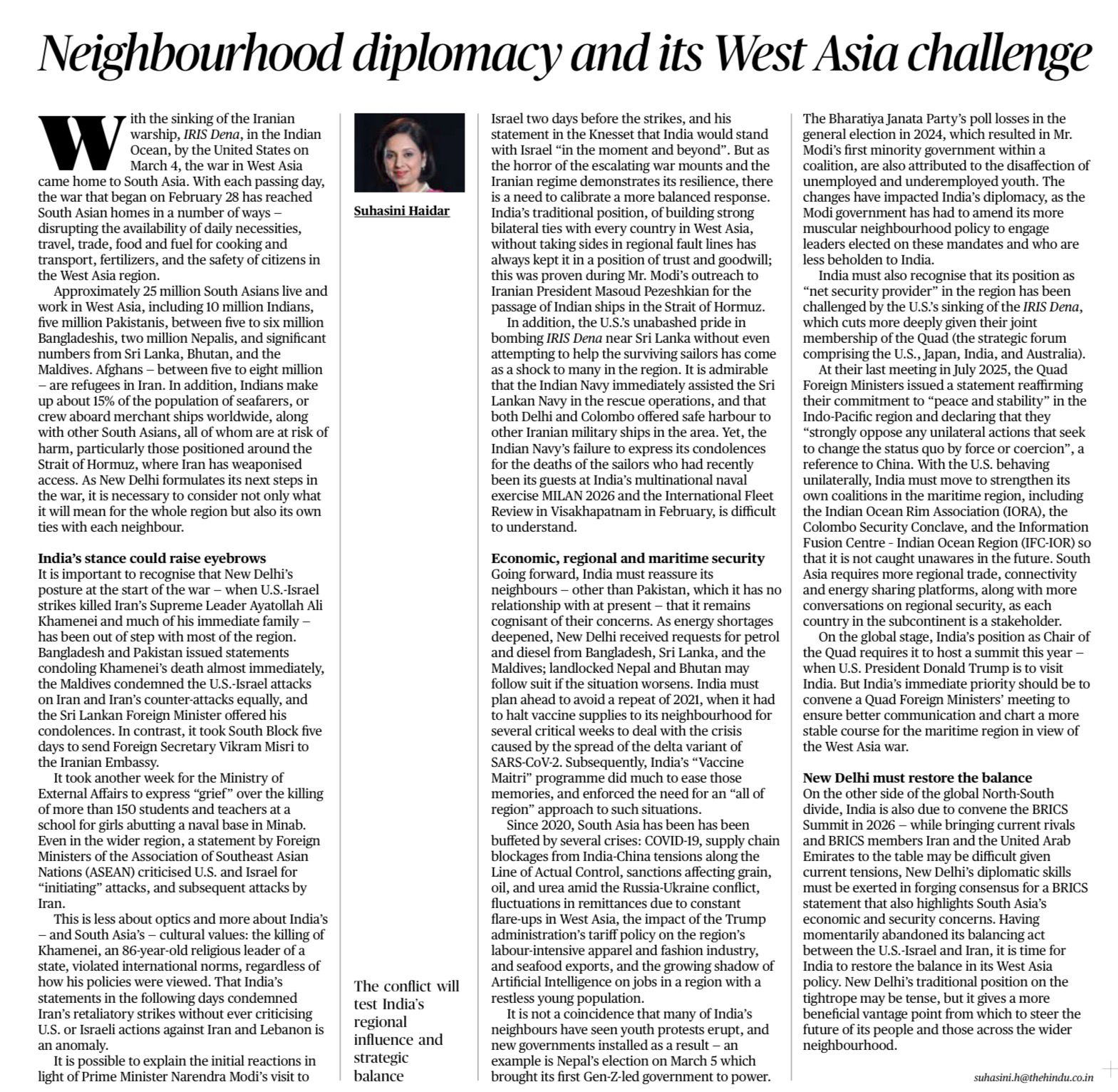
The article argues that India must recalibrate its West Asia policy and restore strategic balance, as the ongoing conflict is testing India’s neighbourhood diplomacy, regional influence and traditional non-aligned approach.

2. Key Points

  1. War impact reaching South Asia
    • West Asia conflict is affecting trade, energy supply, travel and safety of diaspora.
  2. India’s response seen as inconsistent
    • India’s initial reactions were delayed and not fully aligned with regional sentiments.
    • Other South Asian countries responded more quickly.
  3. Need for balanced diplomacy
    • India should avoid taking clear sides and maintain ties with all West Asian countries.
    • This has been India’s traditional strength.
  4. Challenge to India’s regional role
    • India’s image as a “net security provider” is weakening.
    • U.S. actions and regional tensions are reshaping power dynamics.
  5. Neighbourhood pressure increasing
    • Countries like Sri Lanka, Bangladesh, Nepal may face economic stress (fuel, food, trade).
    • India must support neighbours to maintain influence.
  6. Economic and security risks
    • Supply chains, energy imports and remittances are at risk.
    • Maritime security (especially near Strait of Hormuz) is crucial.
  7. Need for regional cooperation
    • Strengthen groupings like Quad, IORA, Colombo Security Conclave.
    • Improve connectivity and energy cooperation in South Asia.

Global diplomacy opportunity
• India can use platforms like BRICS and Quad to push for dialogue and stability.

India West Asia Policy

India US Trade Deal: India Waits for Tariff Clarity Before Agreement for UPSC GS-3

1. Context

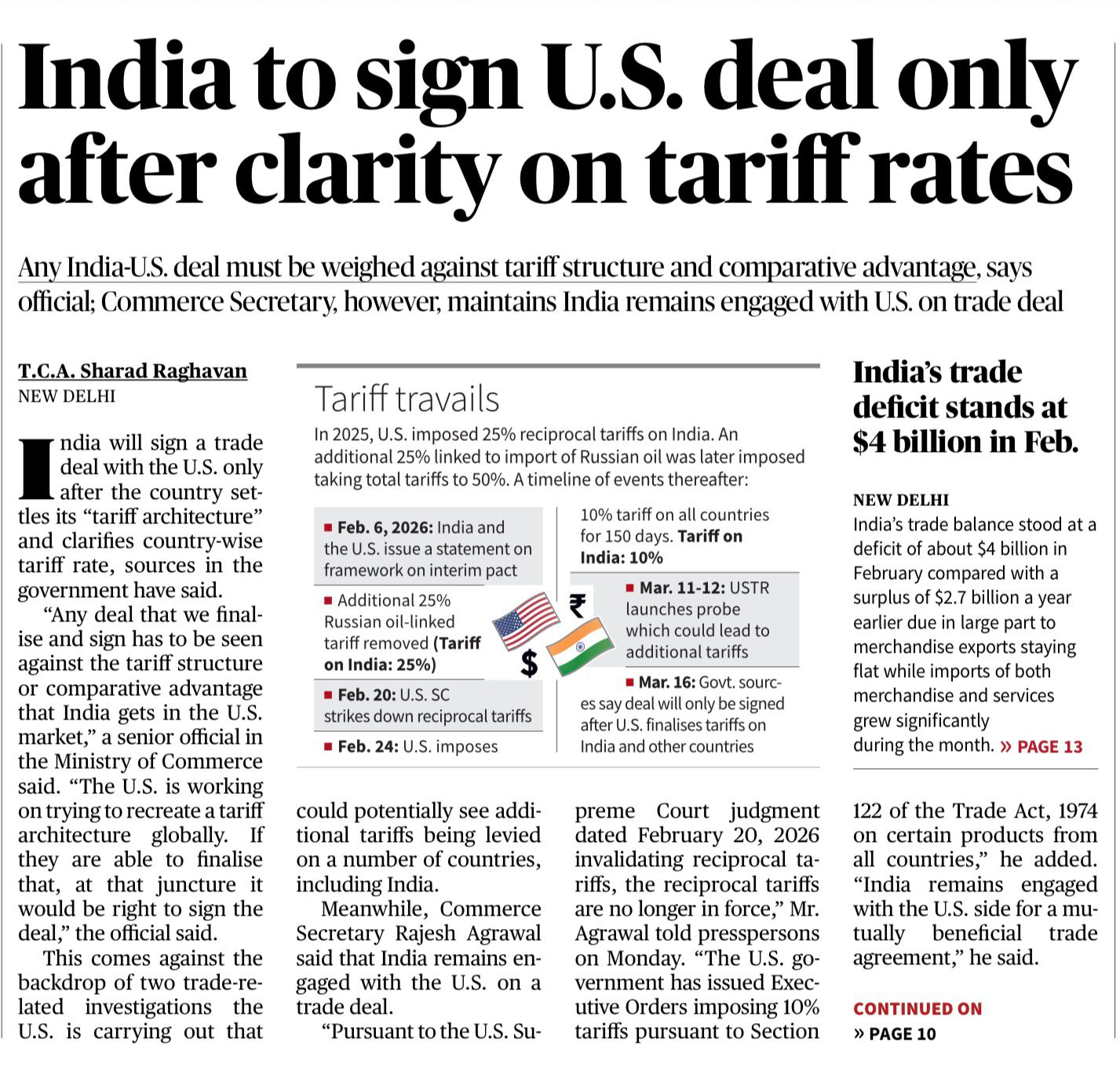
India will sign a trade deal with the United States only after clarity on tariffs, as frequent changes in U.S. tariff policy have created uncertainty.

2. Sequence of Events

  1. 2025: U.S. imposed 25% reciprocal tariff on India + 25% Russia oil-linked tariff → total 50%.
  2. Feb 6, 2026: India–U.S. announced interim trade framework talks.
  3. Feb (mid), 2026: U.S. removed extra 25% tariff → reduced to 25%.
  4. Feb 20, 2026: Supreme Court of the United States struck down reciprocal tariffs.
  5. Feb 24, 2026: U.S. imposed 10% tariff on all countries (temporary).
  6. Mar 11–12, 2026: Office of the United States Trade Representative began probe → possible new tariffs.
  7. Mar 16, 2026: India: Deal only after final tariff clarity.

3. Core Takeaway

  1. India wants predictable tariff regime.
  2. Avoids signing deal amid policy uncertainty.
  3. Focus: protect comparative advantage + balanced trade.
India US Trade Deal
India US Trade Deal

Kerala Tourism Impact: West Asia Conflict Affects Tourism Economy for UPSC GS-3

Context

The West Asia conflict is adversely affecting Kerala’s tourism and wellness sector through cancellations, falling foreign arrivals and operational disruptions.

Important Data

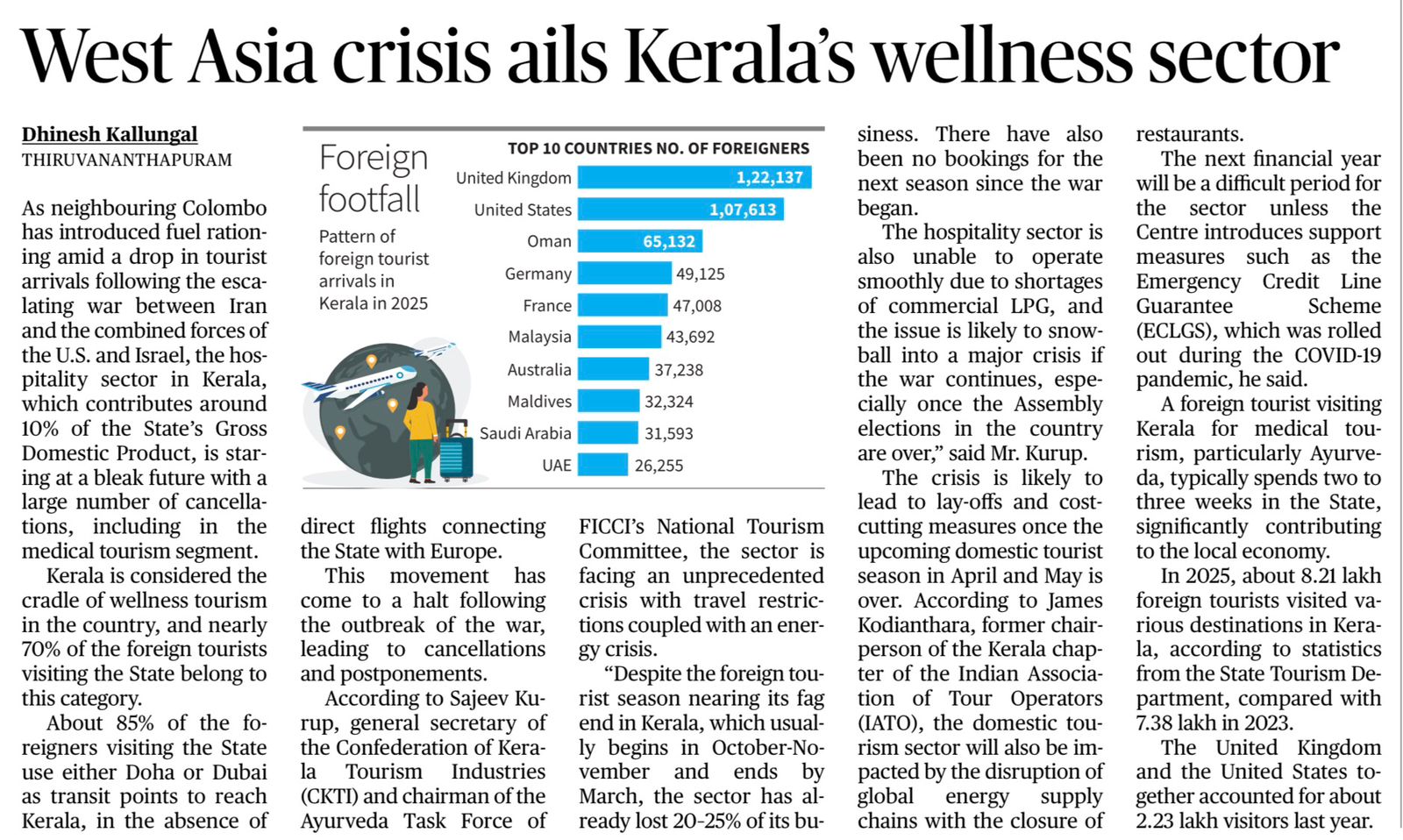
  1. Tourism contributes about 10% of Kerala’s GSDP, making it a key sector for employment and revenue.
  2. Nearly 70% of foreign tourists visit for wellness (Ayurveda/long-stay treatments).
  3. Around 8.21 lakh foreign tourists visited in 2025, up from 7.38 lakh in 2023.
  4. Major source markets: United Kingdom, United States, Oman, Germany and France.
  5. The sector has already lost about 20–25% of business, indicating immediate stress.

Key Points

1. Impact

  1. Noticeable fall in foreign arrivals and forward bookings due to safety concerns.
  2. Increase in cancellations and postponements across hotels and resorts.
  3. Disruption in connectivity via Gulf transit hubs like Doha and Dubai affecting travel flows.

2. Economic Effects

  1. Hospitality sector facing reduced occupancy and revenue pressures.
  2. Restaurants, transport operators and allied services seeing lower demand.
  3. Medical and wellness tourism particularly affected due to long-stay cancellations.

3. Operational Issues

  1. Shortage of commercial LPG affecting daily hotel operations.
  2. Energy costs and supply-chain disruptions adding to financial strain.

4. Policy Need

  1. Industry stakeholders are seeking government support, including measures like Emergency Credit Line Guarantee Scheme (ECLGS).
Kerala Tourism Impact
About the UPSC Civil Services Examination (UPSC CSE)

The UPSC Civil Services Examination (CSE) is one of the most competitive and esteemed examinations in India, conducted by the Union Public Service Commission to recruit officers for services such as the Indian Administrative Service (IAS), Indian Police Service (IPS), Indian Foreign Service (IFS), and others. The exam comprises three stages — Prelims, Mains, and the Personality Test (Interview) — designed to test a candidate’s knowledge, aptitude, decision-making, and leadership skills.


How to Prepare Effectively for UPSC CSE

Cracking the UPSC CSE requires a deep understanding of the syllabus, consistent revision, structured answer writing, and smart test-taking strategies. The Prelims test analytical and conceptual clarity, the Mains focuses on critical thinking, articulation, and subject mastery, while the Interview assesses presence of mind, ethical judgment, and personality traits relevant to public service.

At UnderStand UPSC, we empower aspirants with a personalized and focused approach to each stage of the exam.


Why Choose UnderStand UPSC?

UnderStand UPSC is a mentorship-driven platform offering a clear, clutter-free strategy to tackle the Civil Services Examination. Our programs like Transform (for beginners and intermediate learners) and Conquer (for advanced mains preparation) provide structured study plans, syllabus-wise video content, interactive live sessions, and answer writing support.

We emphasize:

  • Concept clarity through topic-wise lectures

  • Test series designed around real UPSC standards

  • Personalized mentorship in small groups

  • Regular performance tracking and peer benchmarking

  • Doubt-clearing sessions, current affairs analysis, and monthly magazines


Join the UnderStand UPSC Learning Community

Our mission is to make UPSC preparation less overwhelming and more strategic. We combine mentorship, discipline, and academic rigor to help you clear CSE with confidence. Whether you’re preparing from Delhi, Mumbai, Bangalore, or a remote village — our online-first model ensures quality guidance reaches every corner of India.

Join the thousands of aspirants who trust UnderStand UPSC to guide their journey toward becoming civil servants.

Stay connected with us through our Telegram, YouTube, and Instagram channels for daily tips, strategies, and updates.

Copyright © 2026 USARAMBHA EDUCATION (UnderStand UPSC). All Rights Reserved.

Fill out the form for

Downloading the free Agriculture Short Notes


Fill out the form

If you have any queries related to
Our Programs We Offer