19 March 2026 | Daily Current Affairs

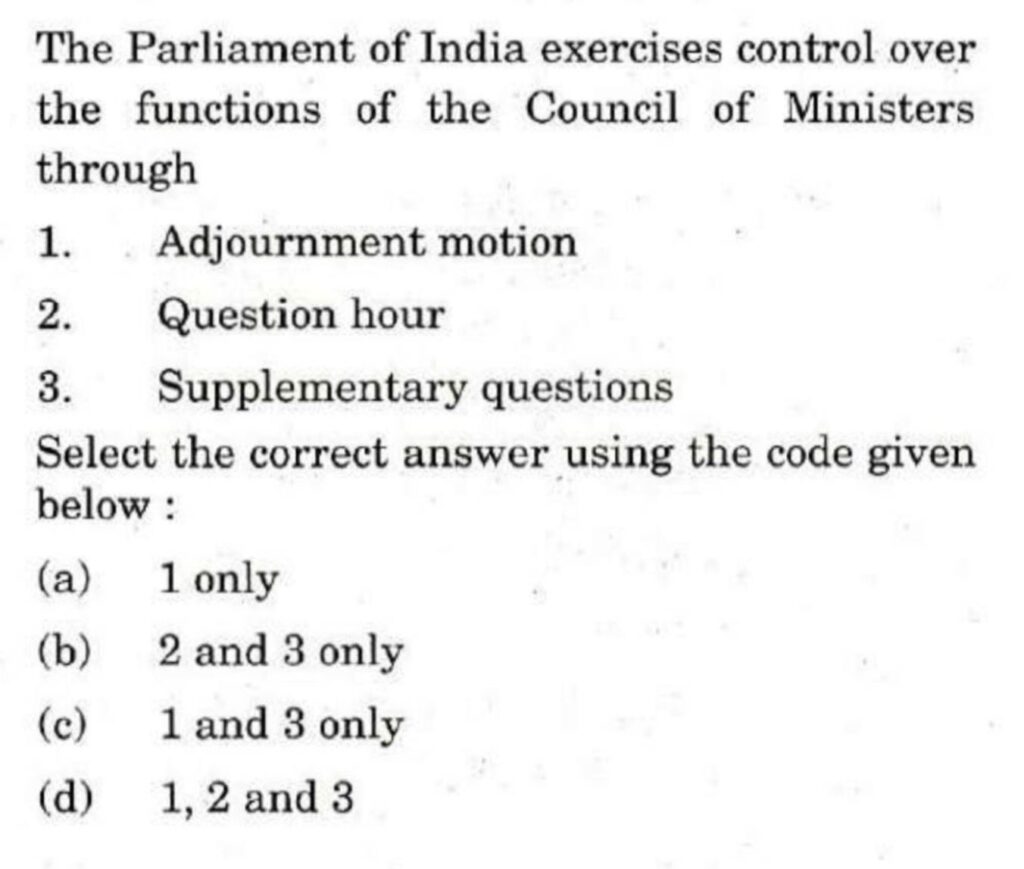
Question Hour in Parliament: Speaker Raises Issue Over Minister Absence

Context

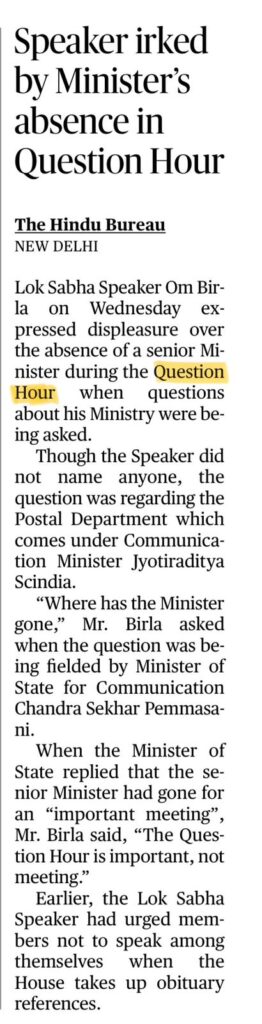
Om Birla expressed displeasure over a senior Minister’s absence during Question Hour, stressing its importance for parliamentary accountability.

1. Question Hour

• Time: First hour of a sitting (usually 11 AM–12 PM in Lok Sabha)
• Purpose: Members ask questions to Ministers → ensures executive accountability
• Key Feature: Supplementary questions allowed (interactive)

2. Zero Hour

• Time: Immediately after Question Hour (around 12 PM)
• Nature: Not mentioned in rules → evolved by convention
• Purpose: Members raise urgent public matters without prior notice
• Control: Speaker’s discretion

3. Starred Question

• Answer Type: Oral answer by Minister
• Follow-up: Supplementary questions allowed
• Mark: Identified with a * (star)
• Importance: Ensures real-time scrutiny

4. Unstarred Question

• Answer Type: Written reply
• Follow-up: No supplementary questions
• Purpose: Detailed factual information
Guillotine in Parliament
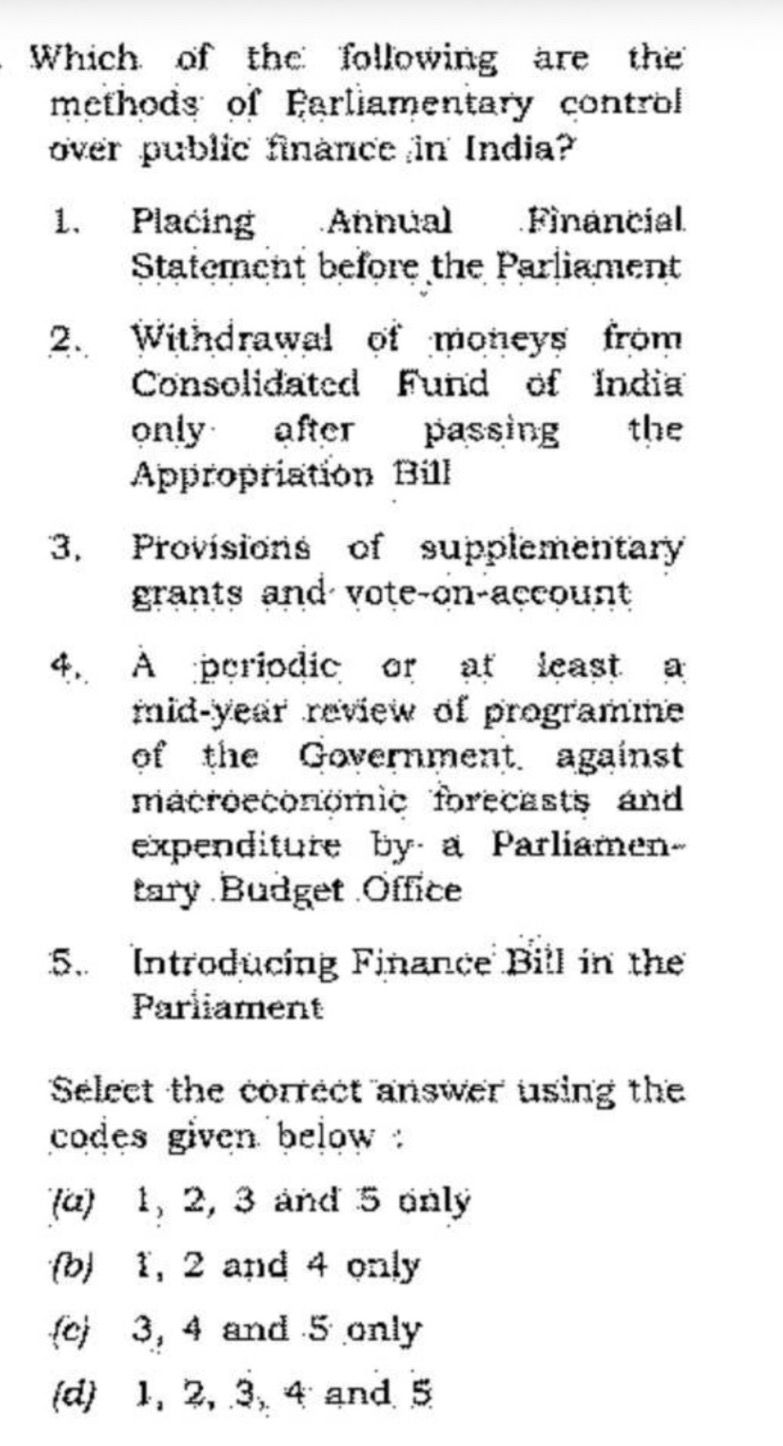
PYQ – 2017, Ans – D

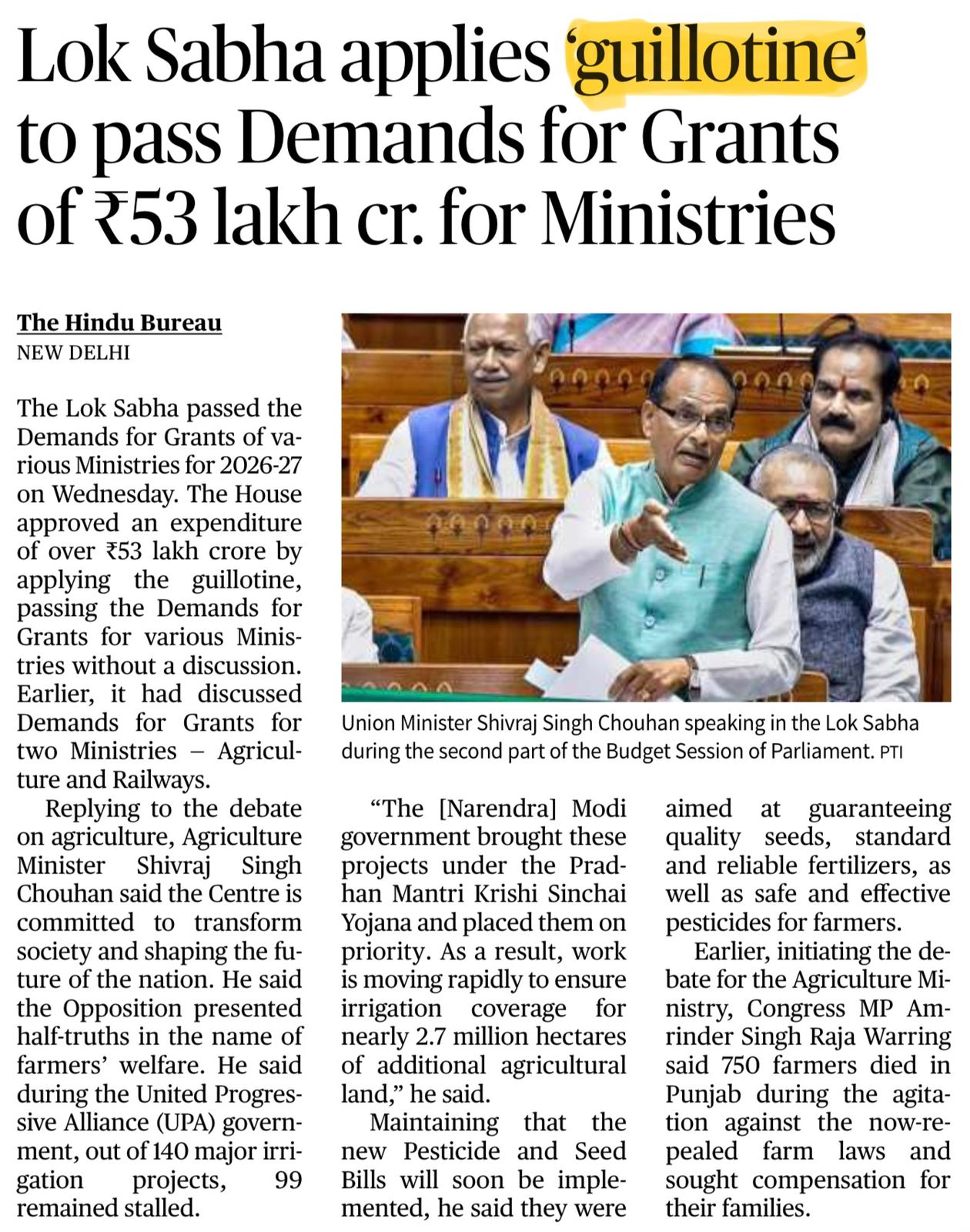
Guillotine in Parliament: Lok Sabha Passes Demands for Grants Explained

Context

Lok Sabha used guillotine to pass pending Demands for Grants together due to limited time in the Budget process.

1. Closure Motion (Concept)

A device to end debate and bring the House to vote; guillotine and kangaroo are its types used for time management.

2. Types of Closure Motion

• Guillotine Closure: all pending Demands for Grants are voted together without discussion at a fixed time (Budget context).
Kangaroo Closure: only selected important demands/clauses are discussed, rest are skipped and voted.

Budget Process

(i) Budget Presentation:
Annual Financial Statement introduced in Parliament.

(ii) General Discussion:
Overall discussion on Budget (no voting at this stage).

(iii) Departmentally Related Standing Committees (DRSCs):
Demands for Grants are examined in detail by DRSCs, which submit reports to Parliament (no voting, only scrutiny).

(iv) Demands for Grants (Lok Sabha):
Ministry-wise demands are discussed and voted; Rajya Sabha can only discuss.

(v) Cut Motions:
Members move motions to reduce demands (policy/economy/token cuts → control over executive).

(vi) Guillotine:
Remaining demands are passed together without discussion due to time constraint.

(vii) Appropriation Bill:
Authorizes withdrawal from Consolidated Fund of India (legal spending power).

(viii) Finance Bill:
Gives effect to taxation proposals of the Budget.

Guillotine in Parliament
PYQ – 2012, Ans – A

BHAVYA Scheme: 100 Plug-and-Play Industrial Parks Approved

Context

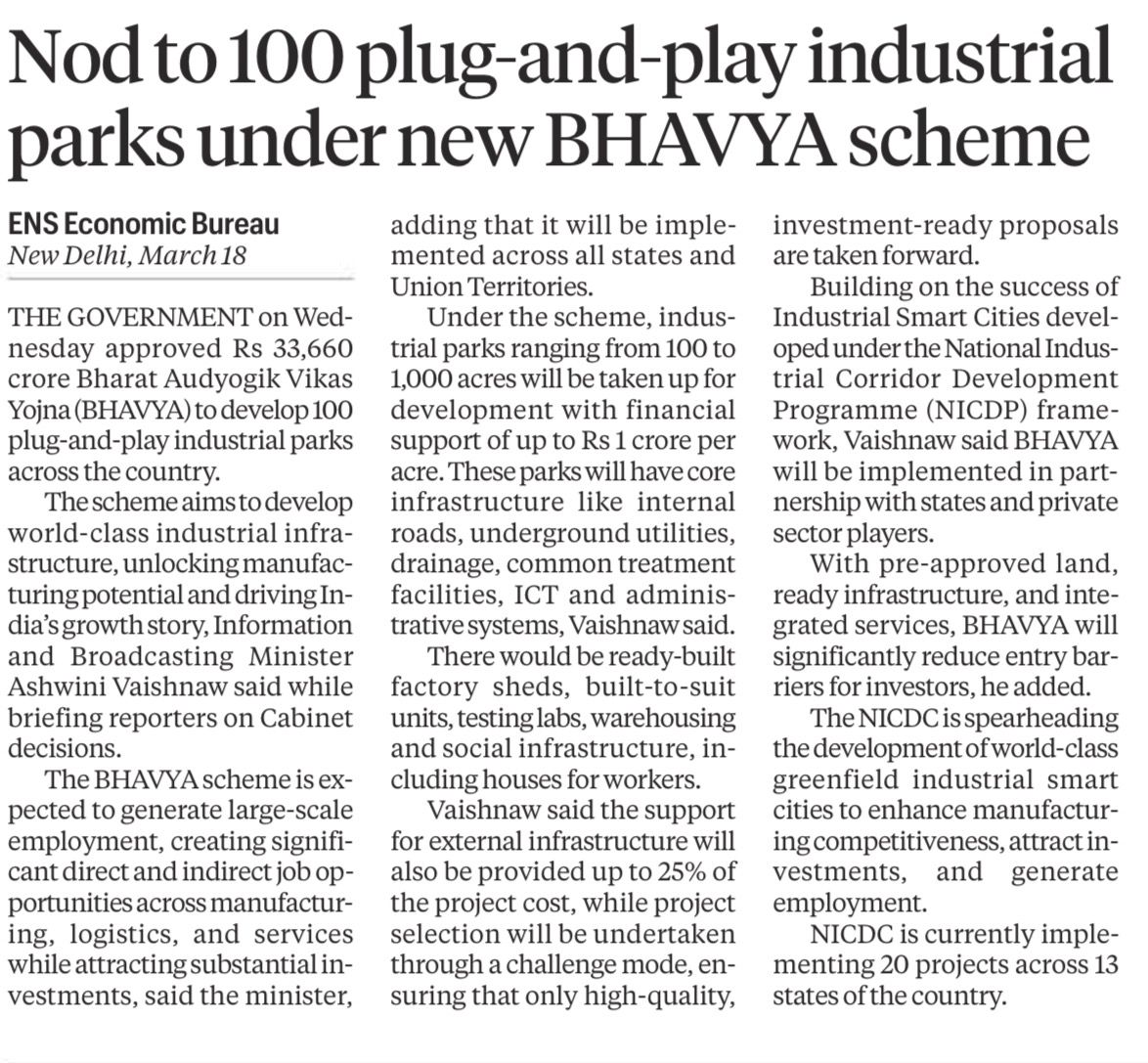
The Union government approved the BHAVYA scheme to develop 100 plug-and-play industrial parks across India to boost manufacturing and investments.

BHAVYA Scheme

A central scheme with an outlay of about ₹33,660 crore aimed at creating ready-to-use industrial infrastructure to promote ease of doing business and manufacturing growth.

Key Features

• 100 Industrial Parks: across states/UTs with financial support (up to ₹1 crore per park for infrastructure).
• Plug-and-Play Model: land + infrastructure (roads, power, drainage, ICT systems) already available → industries can start quickly.
• Ready Facilities: factory sheds, testing labs, warehousing, worker housing.
• External Support: up to 25% cost support for external infrastructure.
• Selection Mode: competitive (challenge-based) to ensure quality projects.

Institutional Linkage

• Built on NICDC (National Industrial Corridor Development Corporation) model.
• Implemented with state governments + private sector participation.

Objectives / Significance

• Reduce entry barriers for investors
• Boost manufacturing & “Make in India”
• Generate employment (direct + indirect)
• Promote industrial corridors & smart industrial cities

BHAVYA Scheme
BHAVYA Scheme

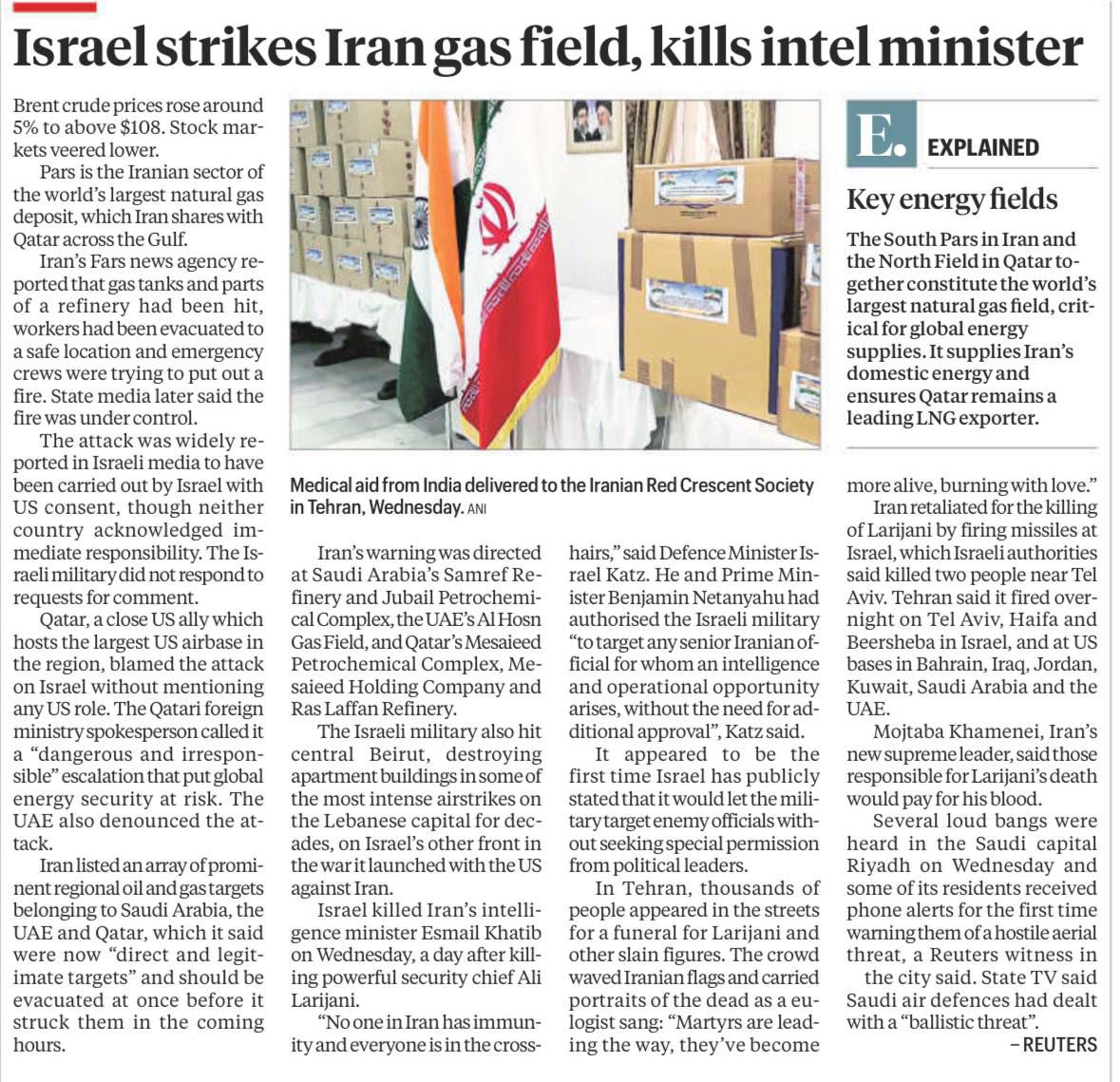
South Pars Gas Field: Israel-Iran Conflict and Energy Security Impact

Context

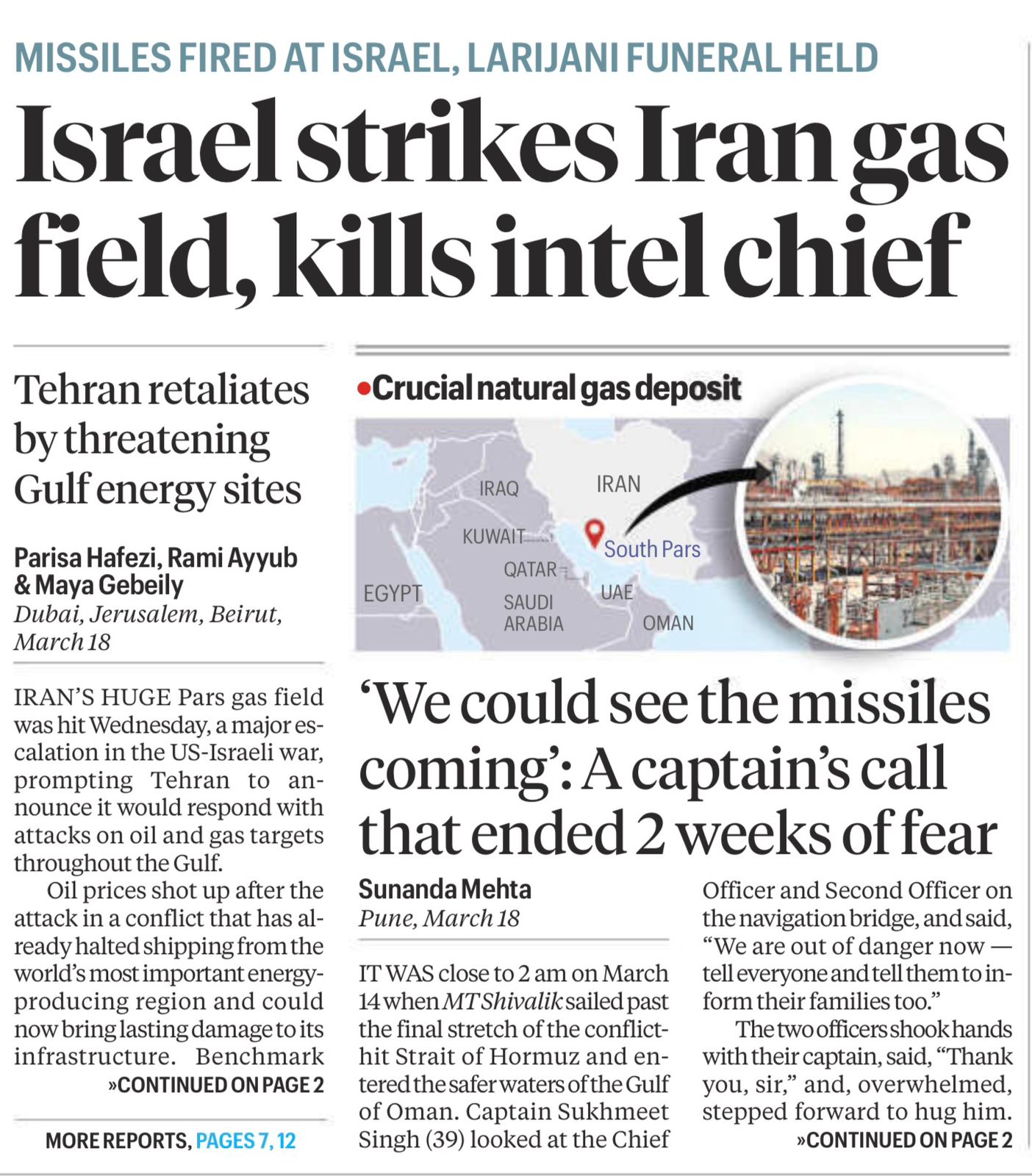
Israel carried out strikes on Iran’s key gas infrastructure and killed a senior intelligence official, sharply escalating tensions in the Gulf region.

Important Points

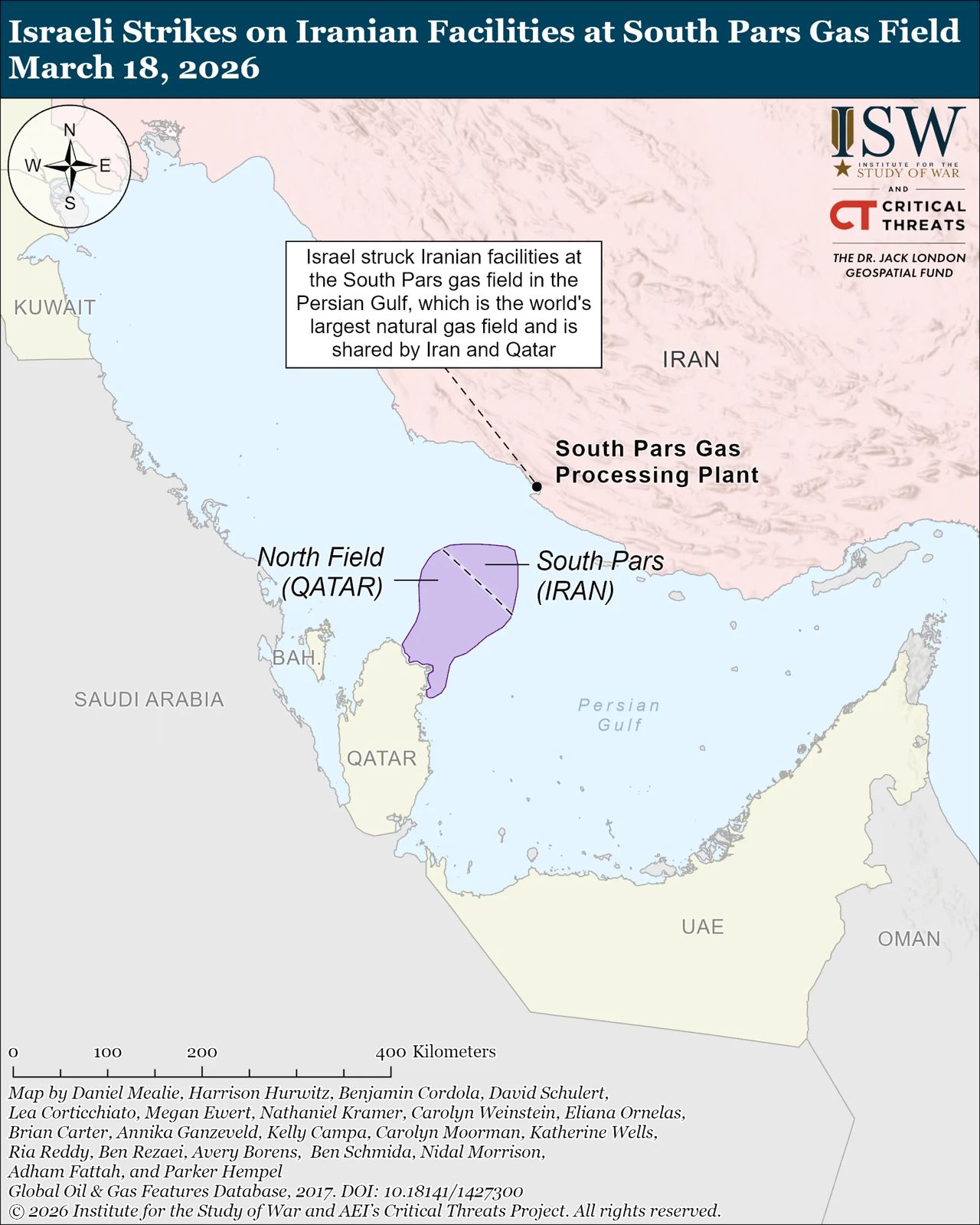
1. Target – South Pars Gas Field

• Part of the world’s largest natural gas reserve (shared by Iran & Qatar as North Field).
• Critical for global energy supply & LNG exports.

2. Escalation of Conflict

• Attack seen as a major escalation in ongoing West Asia tensions.
• Iran warned of retaliation against oil & gas assets across the Gulf.

3. Retaliation & Regional Spread

• Iran launched missile strikes on Israel.
• Threats extended to U.S. bases and Gulf countries (Bahrain, Kuwait, Saudi Arabia, UAE).

4. Energy Security Impact

• Brent crude prices surged (~5%) → global market instability.
• Shipping & energy infrastructure in Strait of Hormuz region at risk.

5. Strategic Geography

• Strait of Hormuz: key chokepoint for global oil trade.
• Gulf region = world’s major energy hub → global implications.

6. Wider Military Developments

• Israeli strikes also extended to Lebanon (Beirut).
• Indicates multi-front conflict possibility.

7. Political Significance

• Israel signaled targeting of top Iranian officials without prior approval.
• Iran’s leadership vowed strong retaliation, raising war concerns.

South Pars Gas Field

Child Mortality in India: UN Report Shows Steady Decline

Context

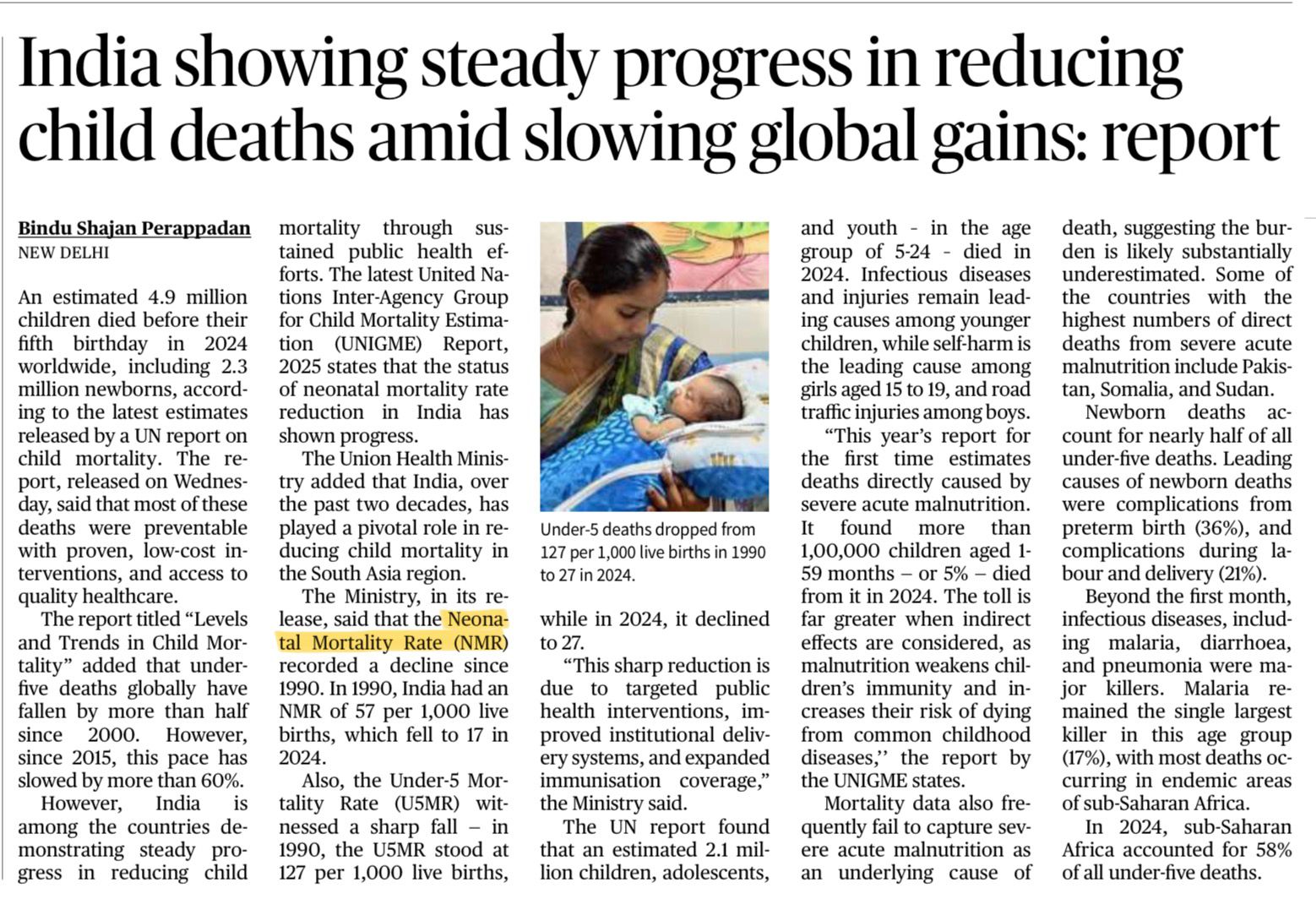
A United Nations Inter-agency Group for Child Mortality Estimation (UNIGME) report highlights that India is showing steady progress in reducing child mortality, even as global improvement has slowed.

Mortality Terms (Basics)

1. Neonatal Mortality Rate (NMR)

Number of deaths of infants within 28 days of birth per 1,000 live births.

2. Infant Mortality Rate (IMR)

Number of deaths of children below 1 year per 1,000 live births.

3. Under-5 Mortality Rate (U5MR)

Number of deaths of children below 5 years per 1,000 live births.

Key Data

• Global: ~4.9 million under-5 deaths in 2024 (including 2.3 million newborns).
• Trend: Under-5 deaths have halved since 2000, but progress slowed after 2015 (>60%).

India-specific

• NMR: 57 (1990) → 17 (2024)
• U5MR: 127 (1990) → 27 (2024)
• India showing consistent decline due to public health interventions

Causes

• Newborn deaths: ~50% of under-5 deaths
• Major causes: preterm birth (36%), delivery complications (21%)
• Later deaths: malaria, pneumonia, diarrhoea
• Malnutrition: major underlying factor (often underreported)

Child Mortality in India
About the UPSC Civil Services Examination (UPSC CSE)

The UPSC Civil Services Examination (CSE) is one of the most competitive and esteemed examinations in India, conducted by the Union Public Service Commission to recruit officers for services such as the Indian Administrative Service (IAS), Indian Police Service (IPS), Indian Foreign Service (IFS), and others. The exam comprises three stages — Prelims, Mains, and the Personality Test (Interview) — designed to test a candidate’s knowledge, aptitude, decision-making, and leadership skills.


How to Prepare Effectively for UPSC CSE

Cracking the UPSC CSE requires a deep understanding of the syllabus, consistent revision, structured answer writing, and smart test-taking strategies. The Prelims test analytical and conceptual clarity, the Mains focuses on critical thinking, articulation, and subject mastery, while the Interview assesses presence of mind, ethical judgment, and personality traits relevant to public service.

At UnderStand UPSC, we empower aspirants with a personalized and focused approach to each stage of the exam.


Why Choose UnderStand UPSC?

UnderStand UPSC is a mentorship-driven platform offering a clear, clutter-free strategy to tackle the Civil Services Examination. Our programs like Transform (for beginners and intermediate learners) and Conquer (for advanced mains preparation) provide structured study plans, syllabus-wise video content, interactive live sessions, and answer writing support.

We emphasize:

  • Concept clarity through topic-wise lectures

  • Test series designed around real UPSC standards

  • Personalized mentorship in small groups

  • Regular performance tracking and peer benchmarking

  • Doubt-clearing sessions, current affairs analysis, and monthly magazines


Join the UnderStand UPSC Learning Community

Our mission is to make UPSC preparation less overwhelming and more strategic. We combine mentorship, discipline, and academic rigor to help you clear CSE with confidence. Whether you’re preparing from Delhi, Mumbai, Bangalore, or a remote village — our online-first model ensures quality guidance reaches every corner of India.

Join the thousands of aspirants who trust UnderStand UPSC to guide their journey toward becoming civil servants.

Stay connected with us through our Telegram, YouTube, and Instagram channels for daily tips, strategies, and updates.

Copyright © 2026 USARAMBHA EDUCATION (UnderStand UPSC). All Rights Reserved.

Join the Success Journey!