20 March 2026 | Daily Current Affairs

AI tax governance in India benefits challenges and Project Insight explained

Context

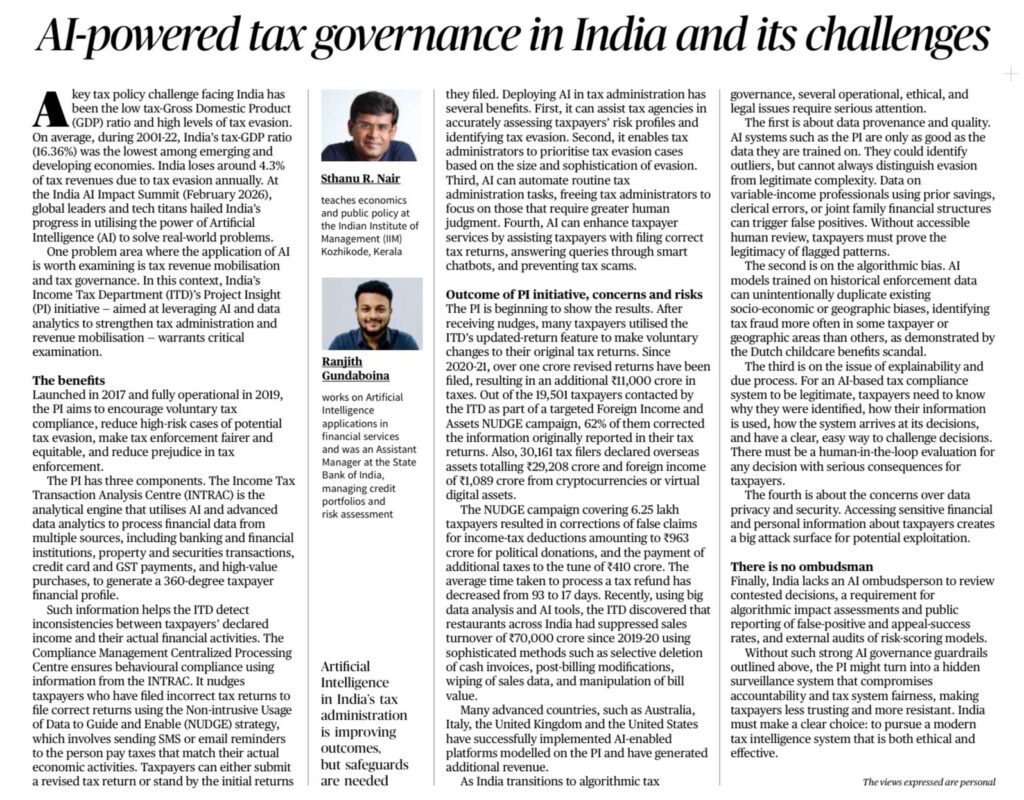
India is adopting AI (Project Insight) to improve tax collection and reduce evasion, as the tax–GDP ratio remains low. It marks a shift to data-driven, non-intrusive tax administration.

Benefits

• Better detection: AI matches data (bank, GST, property) to catch hidden income
• Risk-based scrutiny: Only high-risk cases are targeted, reducing harassment
• Automation: Routine tasks handled by machines → faster processing
• Improved services: Nudges (SMS/email) help taxpayers correct returns easily
• Higher revenue: More voluntary compliance → increased tax collection
• Efficiency gains: Faster refunds and quicker case handling

Challenges

• Data quality issues: Wrong/incomplete data can wrongly flag honest taxpayers
• Algorithmic bias: AI may unfairly target certain regions or groups
• Lack of transparency: Decisions are not easily explainable (“black box”)
• Privacy risks: Large-scale financial data collection raises misuse concerns
• No oversight: Absence of ombudsman/audit weakens accountability
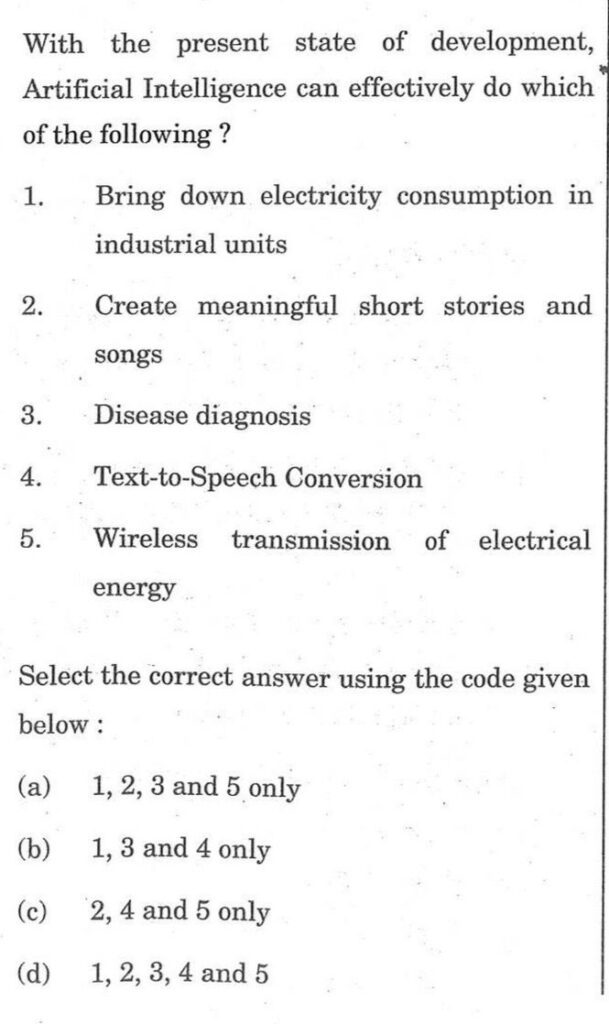
PYQ – 2020

India Myanmar pulses deal extended for 5 years to ensure supply stability

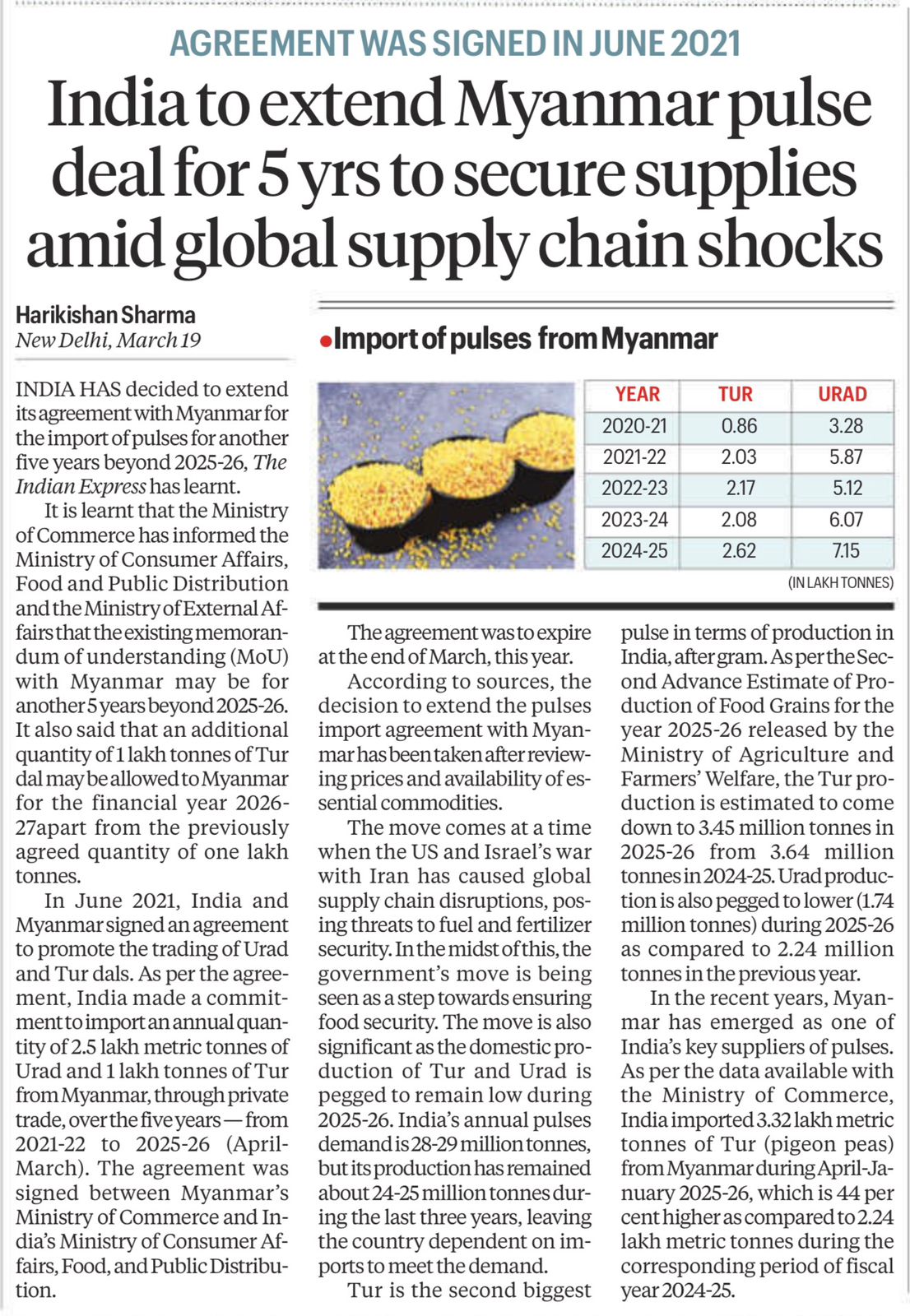
Context

India will extend its pulses import agreement with Myanmar for five years beyond 2025–26 to ensure supply stability amid global disruptions and domestic shortage.

Key Points

• 2021 agreement: Urad (2.5 lakh tonnes/year) | Tur (1 lakh tonnes/year)
• Extension: +1 lakh tonne Tur (likely)
• Demand–supply gap: 28–29 MT vs 24–25 MT
• Domestic Tur & Urad output expected low → import dependence continues
• Myanmar = key supplier

India’s Position

• 1st globally (producer, consumer, importer)

Top Producers (World)

India | Canada | China

Top States (India)

Madhya Pradesh | Maharashtra | Rajasthan

Top Import Sources

Canada | Myanmar | Australia

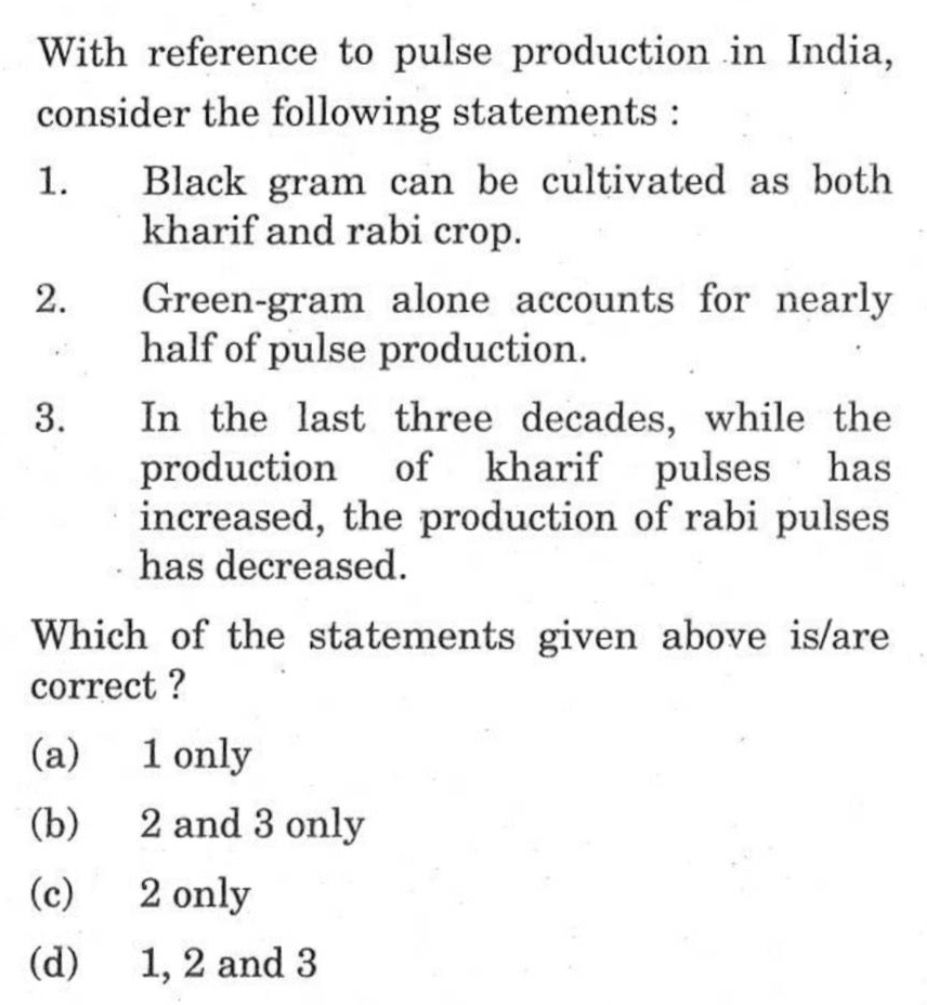
PYQ – 2020

Nilgiri Tahr conservation status habitat and threats in Western Ghats

Context

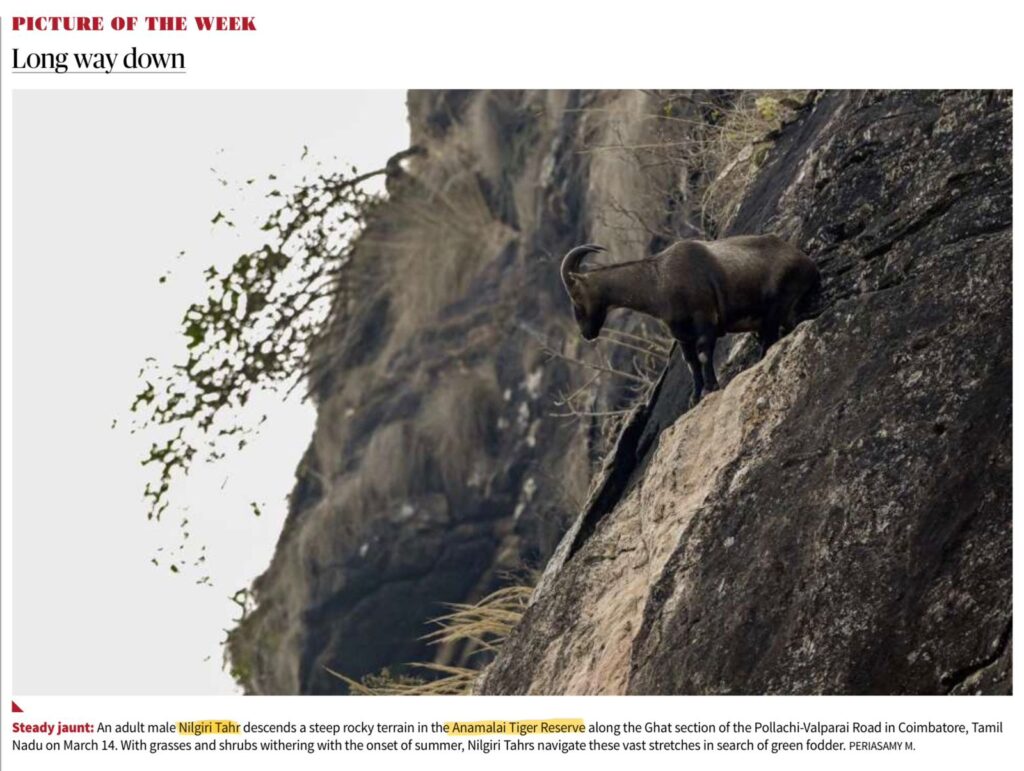
Nilgiri Tahr, an endemic species of the Western Ghats, is often in news due to conservation concerns, habitat fragmentation, and climate-induced stress on high-altitude grasslands. Protected areas like Anamalai Tiger Reserve play a key role in its survival.

Nilgiri Tahr

• Endemic to Western Ghats
• Habitat: Shola–grassland ecosystem, rocky slopes
• IUCN: Endangered | WPA: Schedule I
• State animal of Tamil Nadu

Anamalai Tiger Reserve

• Located in Tamil Nadu (Western Ghats)
• Earlier Indira Gandhi WLS & NP
• Ecosystem: Evergreen to grassland mosaic
• Key fauna: Tiger, Elephant, Nilgiri Tahr
• Linked with Parambikulam Tiger Reserve (Kerala)

India FTA negotiations with Israel and GCC delayed due to West Asia conflict

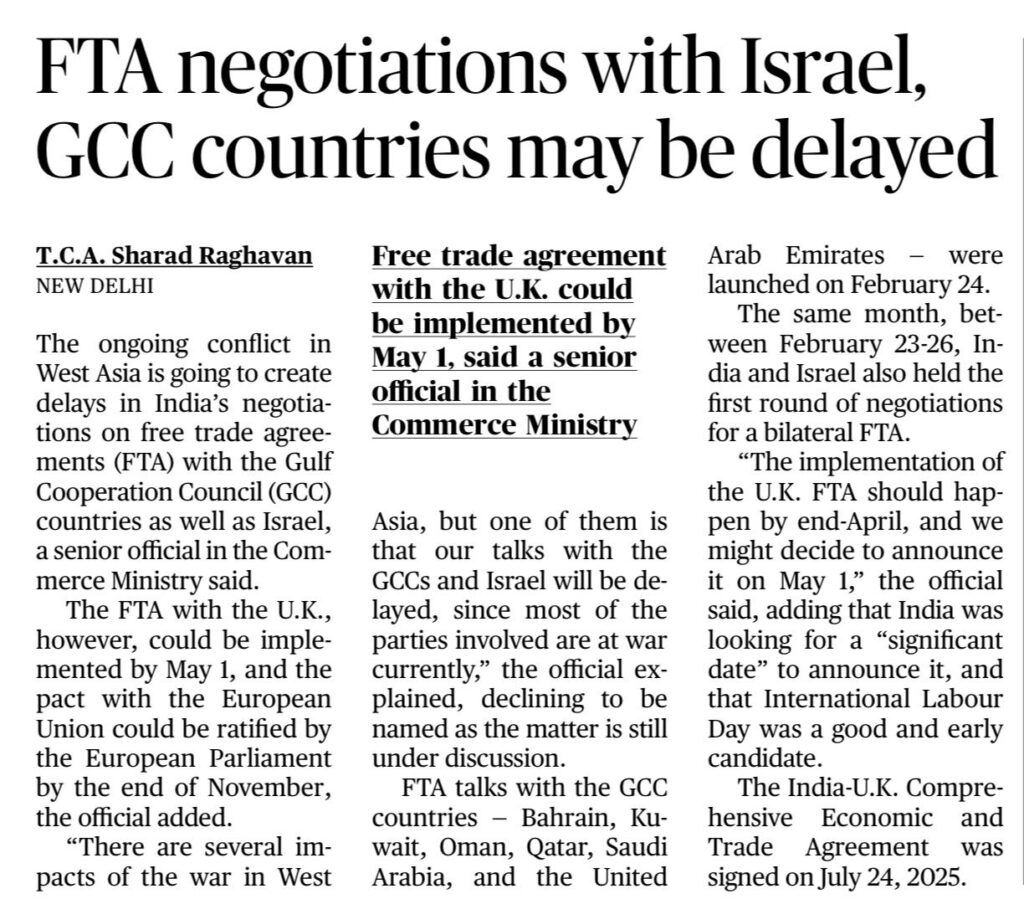
Context

Ongoing West Asia conflict is likely to delay India’s Free Trade Agreement (FTA) negotiations with Israel and the Gulf Cooperation Council (GCC), highlighting how geopolitics affects trade diplomacy.

Key Information

• India–GCC FTA & India–Israel FTA: Likely delayed due to conflict
• India–United Kingdom (UK) FTA: Expected implementation by May 1
• India–European Union (EU) FTA: Likely ratification by November
• India–Israel FTA: First round of negotiations completed (Feb 2026)
• Indicates strategic prioritisation + external constraints

Gulf Cooperation Council (GCC)

• Established: 1981 | Headquarters: Riyadh
• Members: Saudi Arabia | United Arab Emirates (UAE) | Qatar | Kuwait | Oman | Bahrain
• Nature: Regional economic and political bloc

Relevance in this context

• GCC is a major FTA partner under negotiation
• Region currently affected by conflict → delays talks

Importance for India

• Energy security: Major source of crude oil and natural gas
• Trade: Strong bilateral trade relations
• Diaspora: Large Indian workforce presence

West Asia conflict impact on India economy oil prices and stock market fall

Context

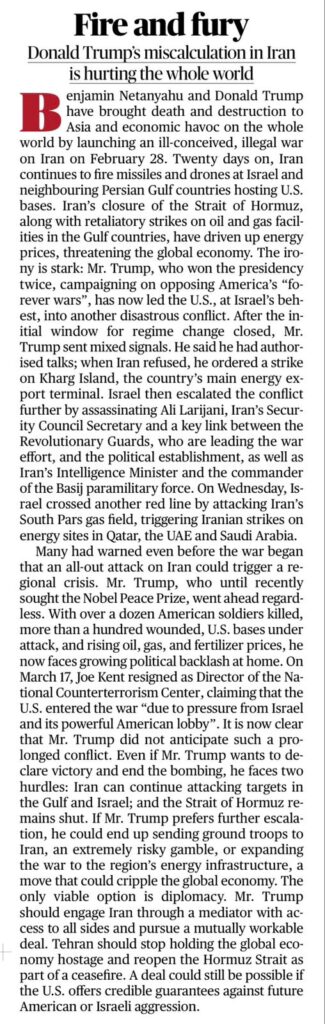
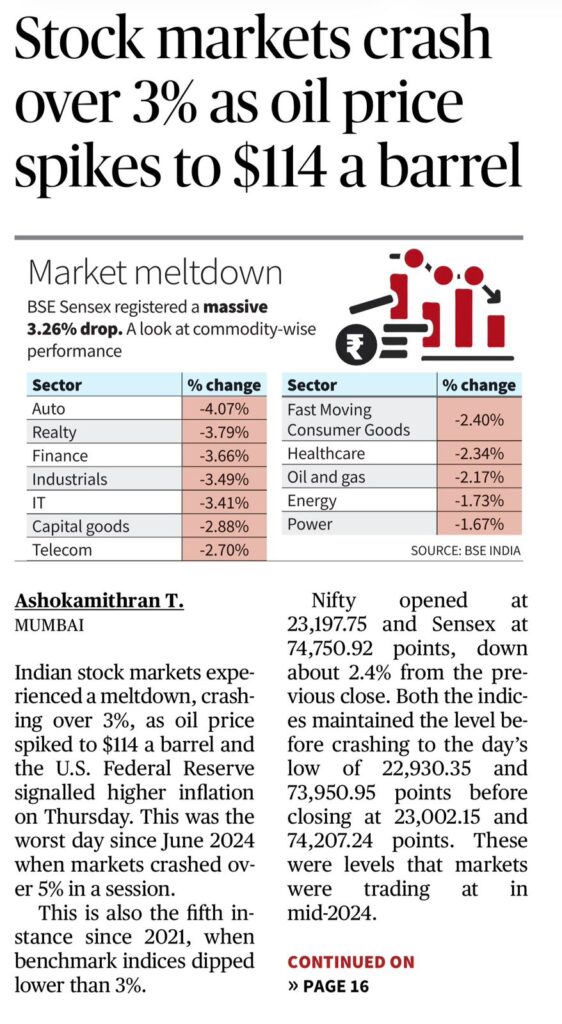
Escalation of United States–Israel vs Iran conflict, triggered by policy miscalculation, has disrupted oil supply (Strait of Hormuz), pushing crude to $114/barrel and causing a sharp fall in Indian stock markets (~3%).

Important Points

1. Trump’s Miscalculation (Core Editorial Argument)

• Assumed quick regime change in Iran → turned into prolonged conflict
• Sent mixed signals (talks + strikes) → worsened escalation
• Underestimated Iran’s retaliation capacity
• Result: regional instability + global economic shock

2. Geopolitical Developments

• Iran retaliation: Missiles, drones, attacks on Gulf energy sites
• Israel escalation: Strikes on key Iranian targets
• Strait of Hormuz disruption → critical chokepoint affected
• Risk of wider West Asia war

3. Global Economic Impact

• Oil prices surge ($114/barrel)
• Rising gas, fertilizer, transport costs
• Threat to global growth and inflation stability

4. Impact on India

Sensex crash ~3.26%, Nifty also down
• Worst fall since recent months

Driven by:
• High oil import dependence
• Global uncertainty + inflation fears

Oil price impact on stock market as Sensex and Nifty fall over 3 percent

Context

Indian stock markets experienced a massive downturn, crashing over 3%, as oil prices spiked to $114 per barrel due to U.S.–Israel–Iran conflict escalation.

Key Points

• BSE Sensex registered a major fall (~3.26%)
Nifty also declined significantly
• Market meltdown triggered by rising oil prices and inflation concerns
• Sectors impacted:

  • Auto
  • Realty
  • Finance
  • Industrials
  • IT
  • Capital goods
  • Telecom

• Broader concern: sustained high oil prices may push inflation higher and slow economic growth

About the UPSC Civil Services Examination (UPSC CSE)

The UPSC Civil Services Examination (CSE) is one of the most competitive and esteemed examinations in India, conducted by the Union Public Service Commission to recruit officers for services such as the Indian Administrative Service (IAS), Indian Police Service (IPS), Indian Foreign Service (IFS), and others. The exam comprises three stages — Prelims, Mains, and the Personality Test (Interview) — designed to test a candidate’s knowledge, aptitude, decision-making, and leadership skills.


How to Prepare Effectively for UPSC CSE

Cracking the UPSC CSE requires a deep understanding of the syllabus, consistent revision, structured answer writing, and smart test-taking strategies. The Prelims test analytical and conceptual clarity, the Mains focuses on critical thinking, articulation, and subject mastery, while the Interview assesses presence of mind, ethical judgment, and personality traits relevant to public service.

At UnderStand UPSC, we empower aspirants with a personalized and focused approach to each stage of the exam.


Why Choose UnderStand UPSC?

UnderStand UPSC is a mentorship-driven platform offering a clear, clutter-free strategy to tackle the Civil Services Examination. Our programs like Transform (for beginners and intermediate learners) and Conquer (for advanced mains preparation) provide structured study plans, syllabus-wise video content, interactive live sessions, and answer writing support.

We emphasize:

  • Concept clarity through topic-wise lectures

  • Test series designed around real UPSC standards

  • Personalized mentorship in small groups

  • Regular performance tracking and peer benchmarking

  • Doubt-clearing sessions, current affairs analysis, and monthly magazines


Join the UnderStand UPSC Learning Community

Our mission is to make UPSC preparation less overwhelming and more strategic. We combine mentorship, discipline, and academic rigor to help you clear CSE with confidence. Whether you’re preparing from Delhi, Mumbai, Bangalore, or a remote village — our online-first model ensures quality guidance reaches every corner of India.

Join the thousands of aspirants who trust UnderStand UPSC to guide their journey toward becoming civil servants.

Stay connected with us through our Telegram, YouTube, and Instagram channels for daily tips, strategies, and updates.

Copyright © 2026 USARAMBHA EDUCATION (UnderStand UPSC). All Rights Reserved.

Join the Success Journey!