19 Jan 2026 | Daily Current Affairs

Arctic Council and Geopolitical Tensions | UPSC GS-II

Context
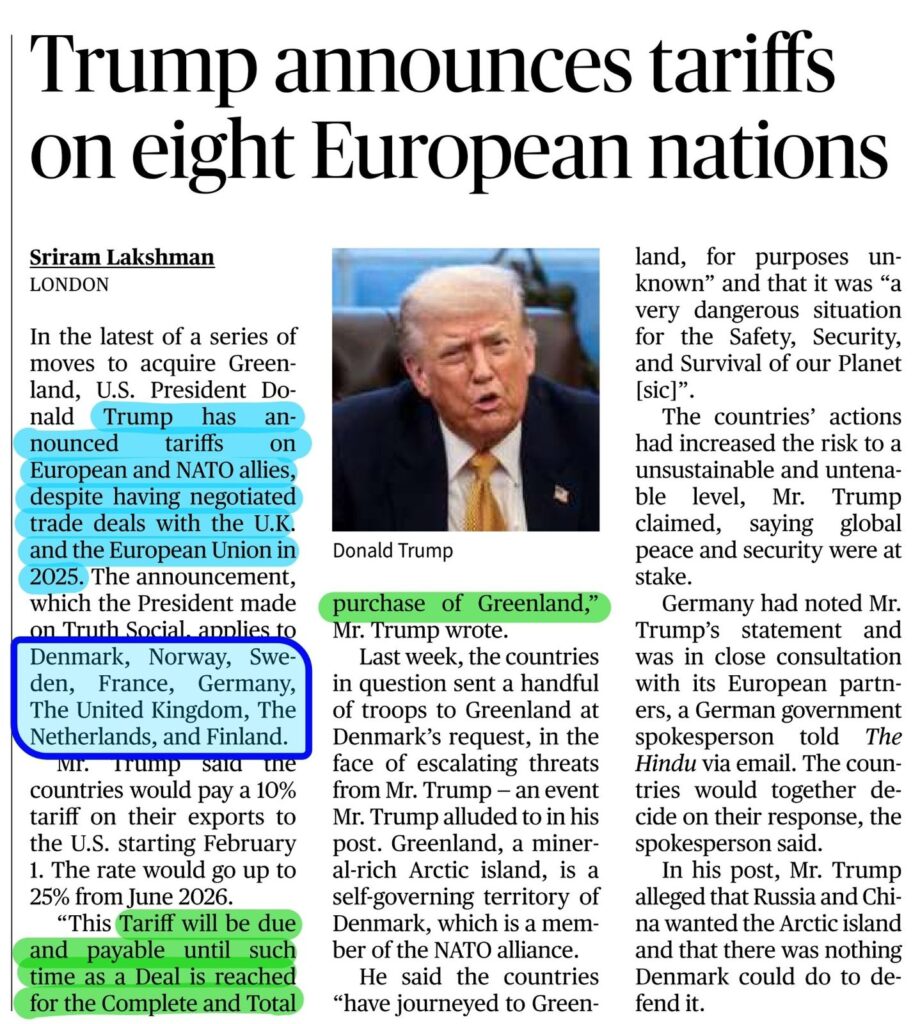
• US President Donald Trump announced tariffs on exports from eight European/NATO countries despite recent trade negotiations with the UK and EU (2025).
• Move is linked to strategic tensions in the Arctic, including US interest in Greenland and security concerns involving NATO allies.

Arctic Council
• What: Intergovernmental forum for cooperation in the Arctic.
• Established: 1996 (Ottawa Declaration).
• Members (8 Arctic States): USA, Canada, Russia, Denmark (via Greenland), Norway, Sweden, Finland, Iceland.
• Observers: Includes India, China, EU (and others).

PYQ – 2014 ( Ans – D )

Coconut Root Wilt Disease and Participatory Science | UPSC GS-III

Disease
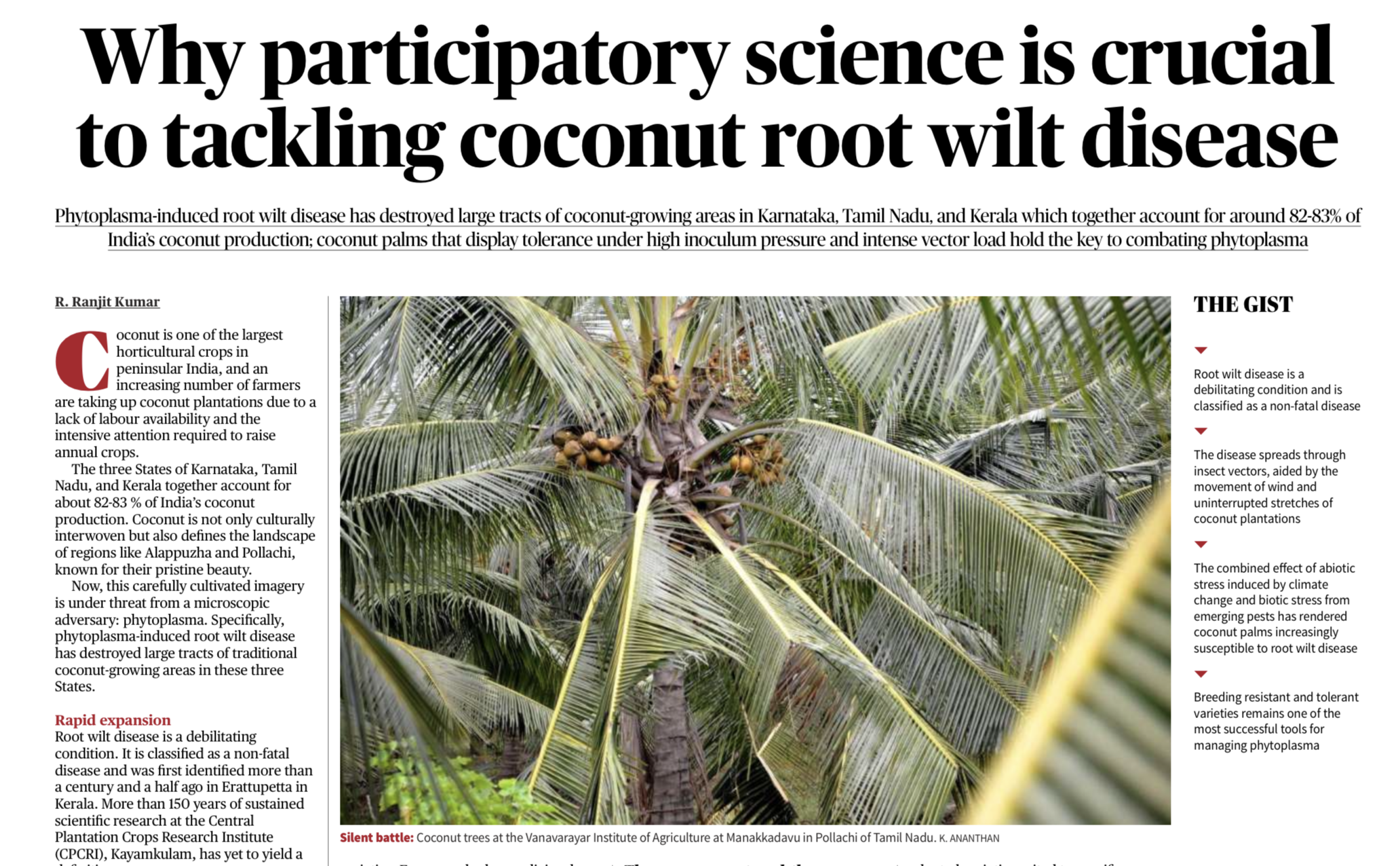
• Name: Coconut Root Wilt Disease
• Causative agent: Phytoplasma (cell-wall-less bacteria)

Propagation / Spread
• Transmitted by insect vectors (sap-sucking insects)
• Spread aided by wind movement and continuous coconut plantations
• Not seed-borne, not soil-borne, not fatal but chronic

Affected Crop (Coconut)
• Major impact in Kerala, Tamil Nadu, Karnataka
• Causes yield decline, leaf yellowing, root weakness

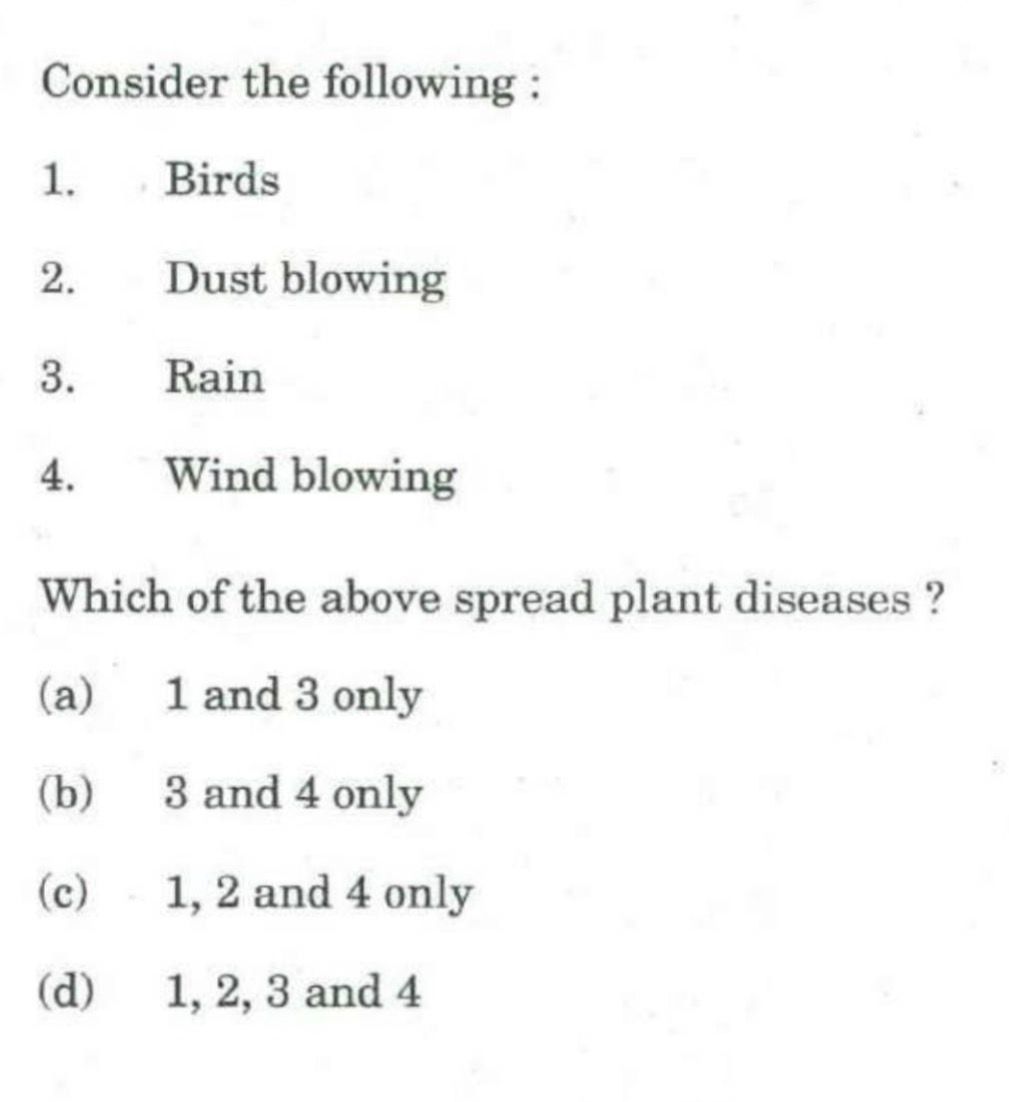
PYQ – 2018 ( Ans – D )

China Ageing Population and Falling Birth Rates | UPSC GS-I

Context
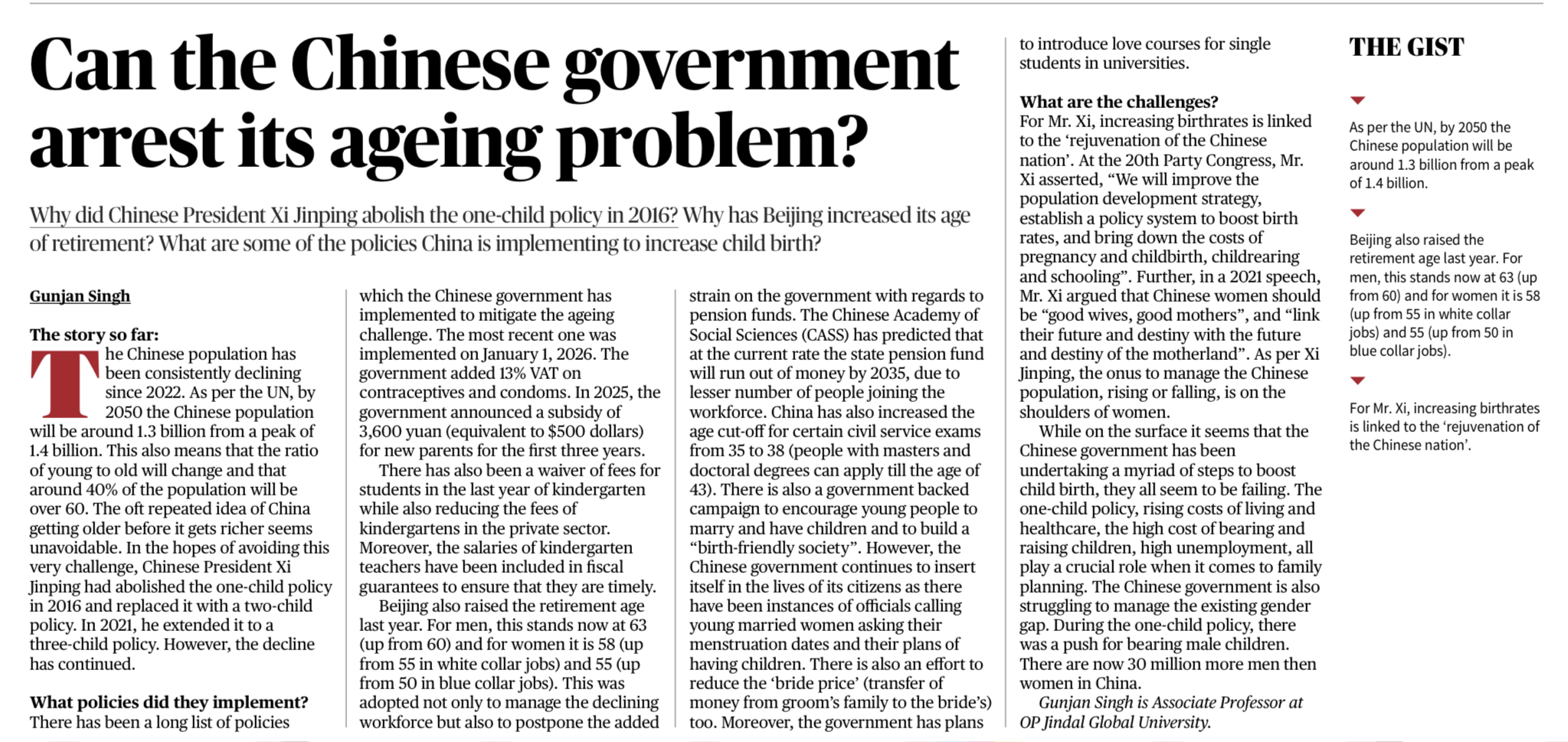
• The article explains China ageing population and falling birth rates, driven by decades of the one-child policy, rising living costs, delayed marriages, and a shrinking workforce.
• Despite policy shifts (two-child, then three-child policy, incentives, higher retirement age), demographic decline continues, posing risks to growth, pensions, and social security.

G20 Countries Facing Ageing Population & Low Birth Rates
• Japan | China | South Korea | Germany | Italy | France | United Kingdom | Russia | Canada | Australia

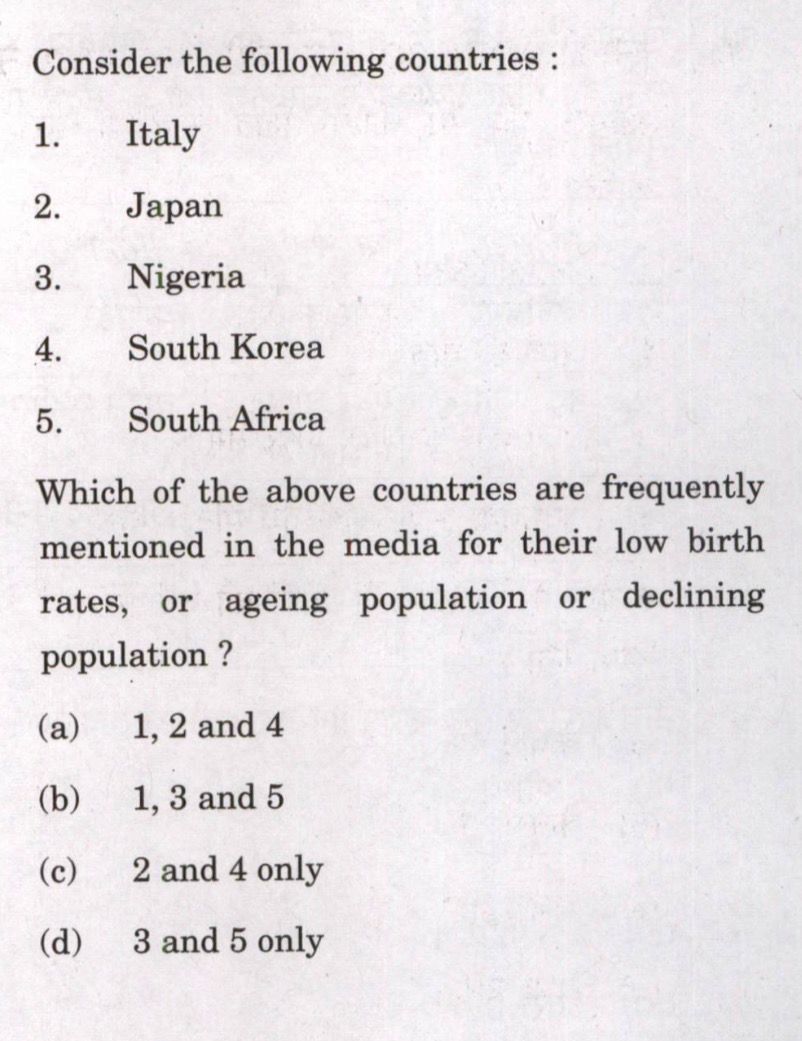
PYQ – 2024 ( Ans – A )

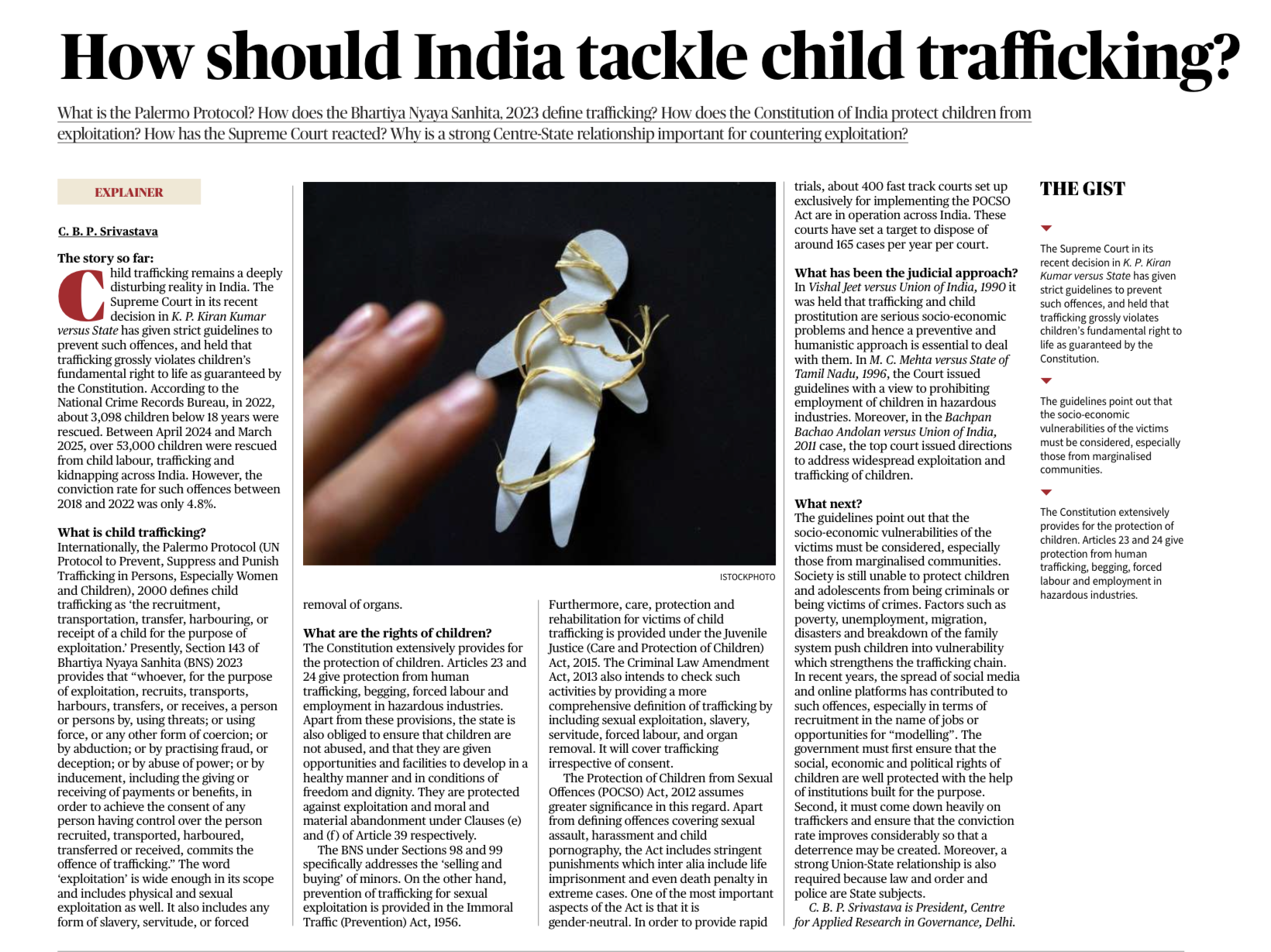
Child Trafficking in India Laws and Way Forward | UPSC GS-II

1. What is Child Trafficking in India?
• Defined internationally by the Palermo Protocol (2000).
• In India, defined under Section 143, Bharatiya Nyaya Sanhita (BNS), 2023.
• Includes recruitment, transport, harbouring or receipt of children for exploitation (forced labour, sexual exploitation, slavery, servitude, organ removal), irrespective of consent.

2. International Framework
• Palermo Protocol: UN protocol to prevent, suppress and punish trafficking in persons, especially women and children.
• India is a signatory.

3. Constitutional Provisions
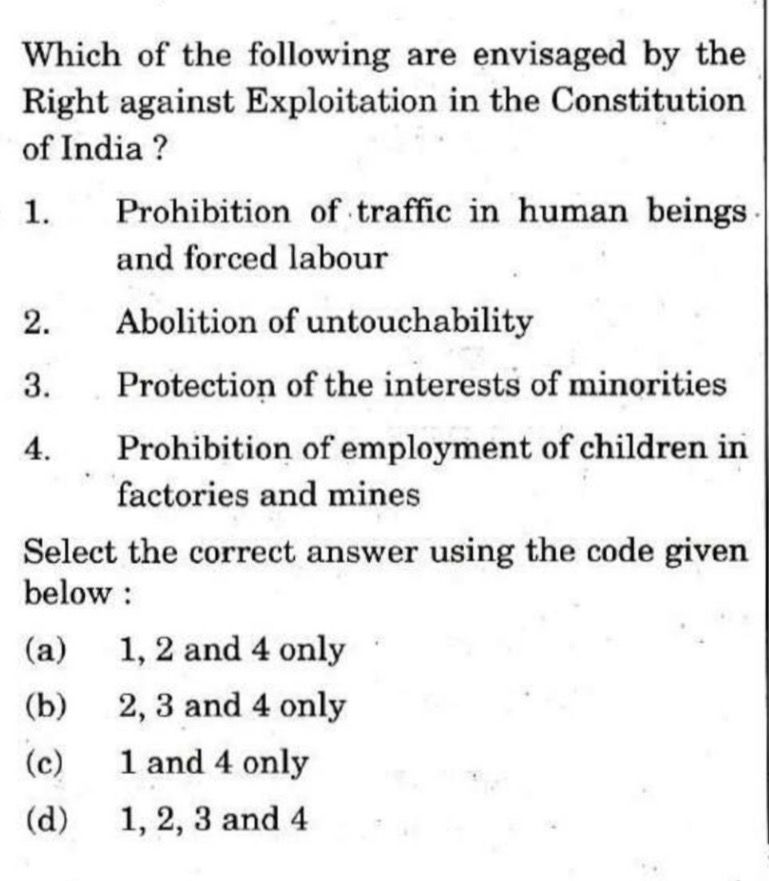
• Article 23: Prohibits human trafficking, begar, forced labour.
• Article 24: Prohibits employment of children in hazardous industries.
Article 21: Right to life and dignity (interpreted to include protection from trafficking).

4. Key Indian Laws
• BNS, 2023: Comprehensive definition of trafficking (replaces IPC provisions).
POCSO Act, 2012: Sexual offences against children; special courts and stringent punishment.
• Juvenile Justice (Care and Protection of Children) Act, 2015: Care, protection, rehabilitation of rescued children.
Immoral Traffic (Prevention) Act, 1956: Prevents trafficking for sexual exploitation.

5. Supreme Court’s Stand
K.P. Kiran Kumar vs State (recent):
• Held that child trafficking grossly violates fundamental rights.
• Issued strict guidelines for prevention, rescue, rehabilitation and prosecution.

6. Judicial & Institutional Measures
• Around 400 fast-track courts set up for POCSO cases.
• Target of 165 cases per court per year.
• Emphasis on victim-centric, humanitarian approach.

7. Scale of the Problem (Data)
• NCRB: Thousands of children rescued annually from trafficking, child labour and kidnapping.
• Conviction rates remain low, indicating enforcement gaps.

8. Key Challenges Identified
• Poverty, migration, disasters, family breakdown.
• Online platforms enabling recruitment.
• Weak Centre–State coordination.

9. Way Forward (as per article)
• Strong Centre–State cooperation.
• Focus on socio-economic rehabilitation, not only criminal prosecution.
• Strengthening institutions for child protection.

PYQ – 2017 ( Ans: C )

Guillain-Barré Syndrome Outbreak in Madhya Pradesh | UPSC GS-II

Guillain-Barré Syndrome (GBS)

What is it?
• Guillain-Barré Syndrome (GBS) is a rare autoimmune neurological disorder
• The body’s immune system attacks peripheral nerves
• Leads to muscle weakness and paralysis

Nature of Disease
• Non-communicable
• Not infectious
• Can be life-threatening in severe cases due to respiratory muscle involvement

How Does it Occur?
• Often triggered after infections, not spread directly

Common Triggers
• Viral infections (e.g., flu, COVID-19)
• Bacterial infections (notably Campylobacter jejuni)
• Mechanism: Immune cross-reaction (molecular mimicry)

How Does it “Spread”?
• GBS does NOT spread person-to-person

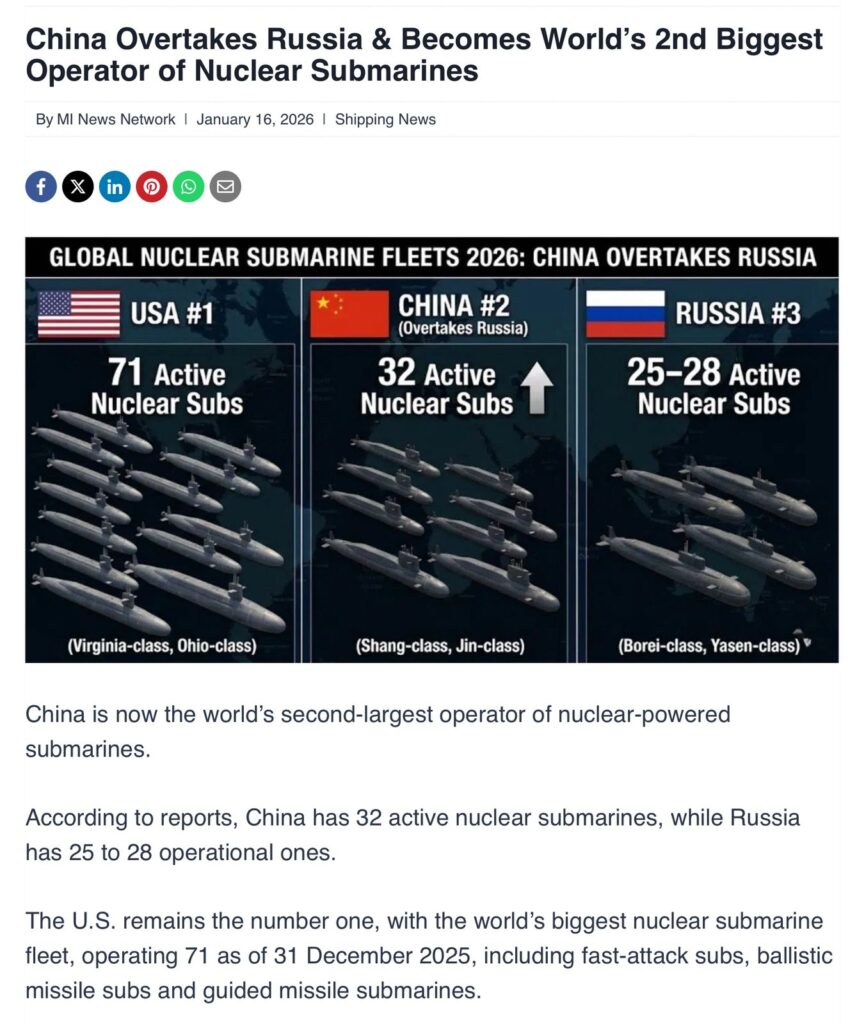
China Nuclear Submarine Fleet Overtakes Russia | UPSC GS-III

Submarine Classes Mapped to Countries
United States (Rank 1)
• Virginia-class (attack submarines)
• Ohio-class (ballistic missile submarines)

China (Rank 2)
• Shang-class (attack submarines)
• Jin-class (ballistic missile submarines)

Russia (Rank 3)
• Borei-class (ballistic missile submarines)
• Yasen-class (attack submarines)

At a Glance
• USA → Largest fleet
• China → Rapid expansion, now No. 2
• Russia → Slips to No. 3

China Nuclear Submarine Fleet
About the UPSC Civil Services Examination (UPSC CSE)

The UPSC Civil Services Examination (CSE) is one of the most competitive and esteemed examinations in India, conducted by the Union Public Service Commission to recruit officers for services such as the Indian Administrative Service (IAS), Indian Police Service (IPS), Indian Foreign Service (IFS), and others. The exam comprises three stages — Prelims, Mains, and the Personality Test (Interview) — designed to test a candidate’s knowledge, aptitude, decision-making, and leadership skills.


How to Prepare Effectively for UPSC CSE

Cracking the UPSC CSE requires a deep understanding of the syllabus, consistent revision, structured answer writing, and smart test-taking strategies. The Prelims test analytical and conceptual clarity, the Mains focuses on critical thinking, articulation, and subject mastery, while the Interview assesses presence of mind, ethical judgment, and personality traits relevant to public service.

At UnderStand UPSC, we empower aspirants with a personalized and focused approach to each stage of the exam.


Why Choose UnderStand UPSC?

UnderStand UPSC is a mentorship-driven platform offering a clear, clutter-free strategy to tackle the Civil Services Examination. Our programs like Transform (for beginners and intermediate learners) and Conquer (for advanced mains preparation) provide structured study plans, syllabus-wise video content, interactive live sessions, and answer writing support.

We emphasize:

  • Concept clarity through topic-wise lectures

  • Test series designed around real UPSC standards

  • Personalized mentorship in small groups

  • Regular performance tracking and peer benchmarking

  • Doubt-clearing sessions, current affairs analysis, and monthly magazines


Join the UnderStand UPSC Learning Community

Our mission is to make UPSC preparation less overwhelming and more strategic. We combine mentorship, discipline, and academic rigor to help you clear CSE with confidence. Whether you’re preparing from Delhi, Mumbai, Bangalore, or a remote village — our online-first model ensures quality guidance reaches every corner of India.

Join the thousands of aspirants who trust UnderStand UPSC to guide their journey toward becoming civil servants.

Stay connected with us through our Telegram, YouTube, and Instagram channels for daily tips, strategies, and updates.

Copyright © 2026 USARAMBHA EDUCATION (UnderStand UPSC). All Rights Reserved.

Join the Success Journey!