Right to Vote in India — Core Position
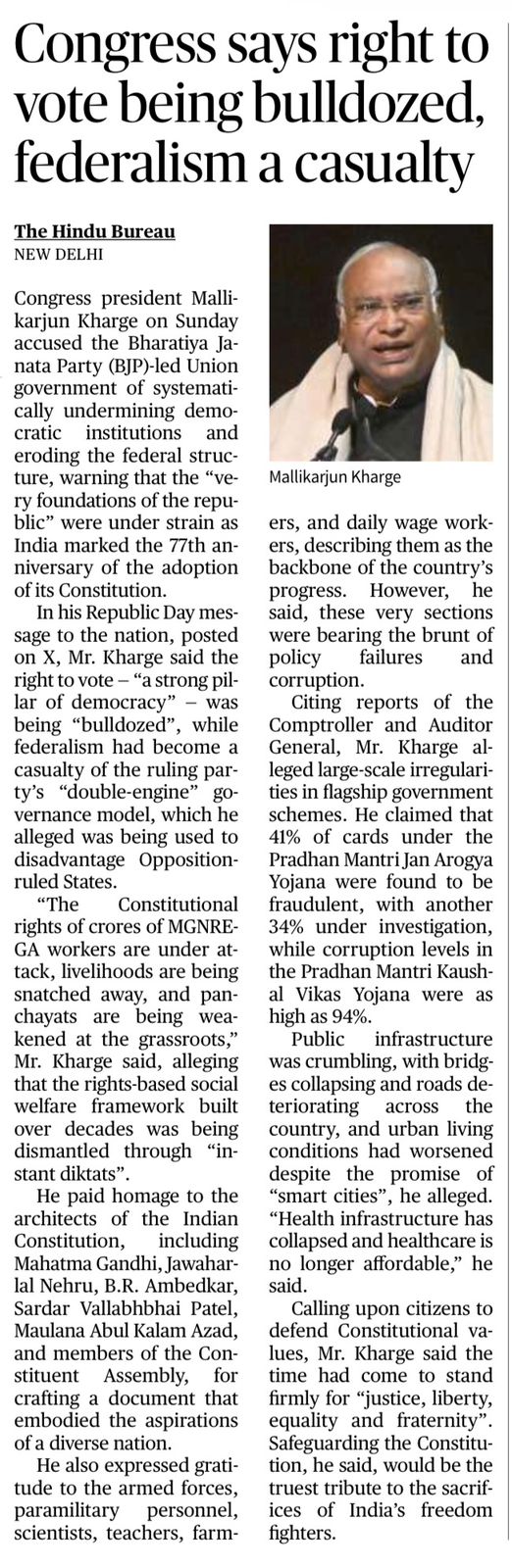
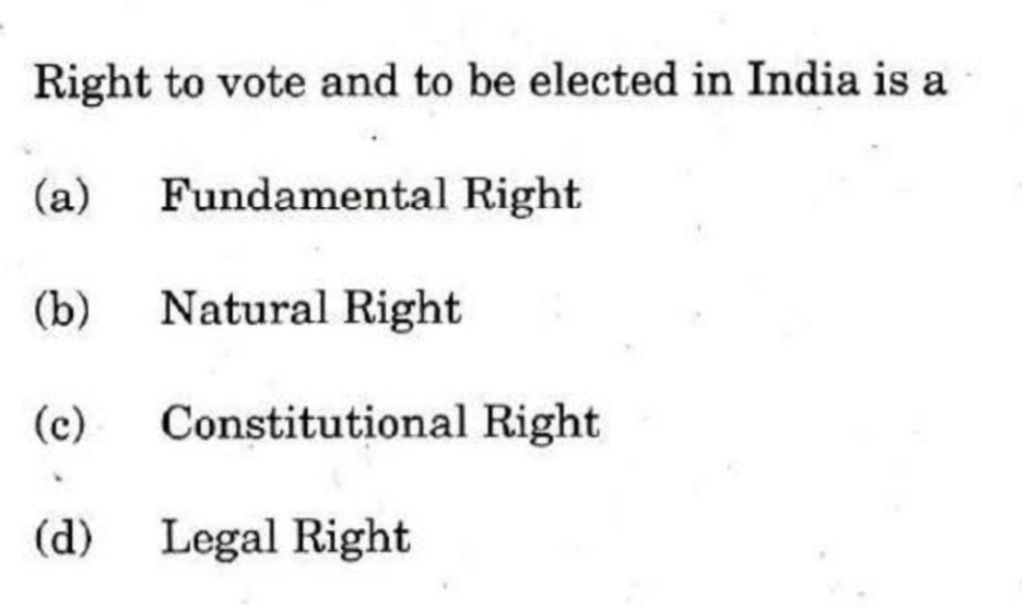
• Right to vote is a statutory right, not a fundamental right.
• It is created and regulated by the Representation of the People Act, 1951.
Constitutional Link
• Article 326: Provides the basis of elections (universal adult suffrage) but does not confer an individual fundamental right to vote.
• Voting flows from statute; elections flow from the Constitution.
Key Supreme Court Judgments
• N.P. Ponnuswami (1952): Right to vote is purely statutory.
• Jyoti Basu (1982): Voting is not a common law or fundamental right; it exists only by statute.
• PUCL v. Union of India (2003):
• Right to vote — statutory
• Right to know candidates’ details — fundamental (Article 19(1)(a))
• Kuldip Nayar (2006): Reaffirmed that the right to vote is statutory, not constitutional.