Context
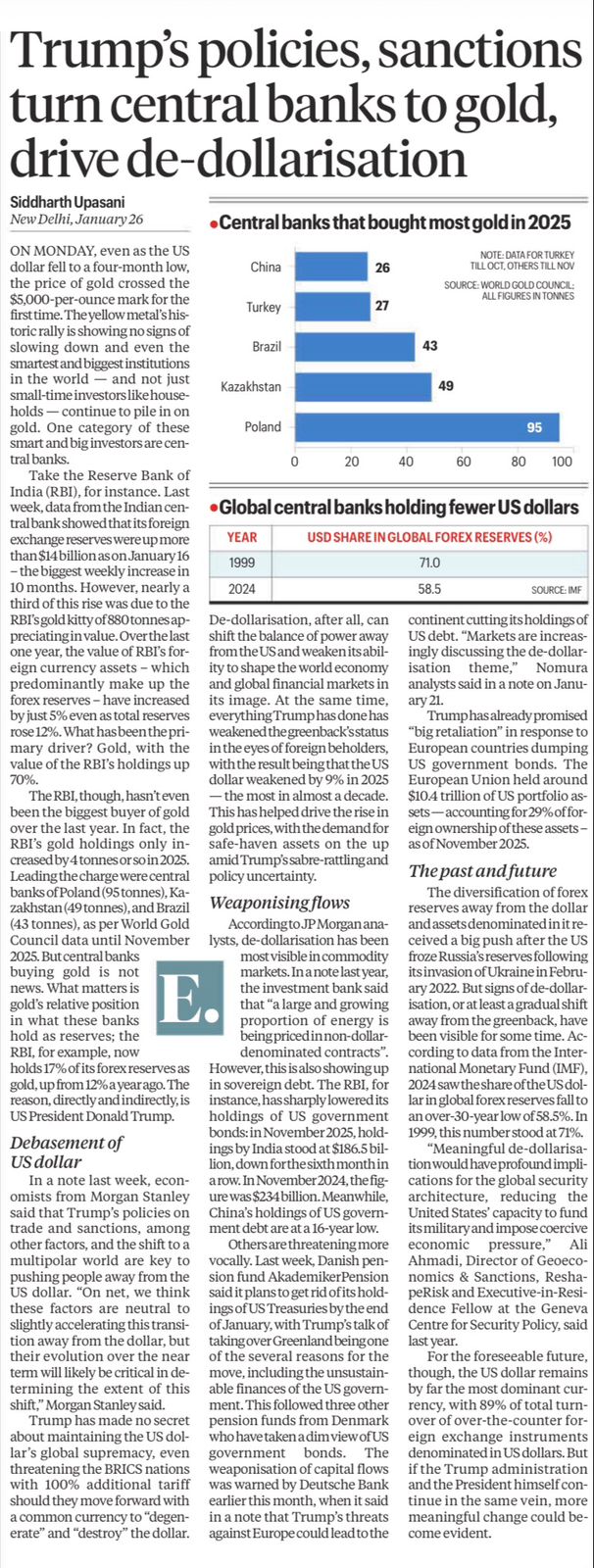
Amid rising U.S. sanctions, geopolitical uncertainty and a weaker dollar, global central banks are increasingly shifting reserves from U.S. dollars to gold, accelerating the trend of de-dollarisation.
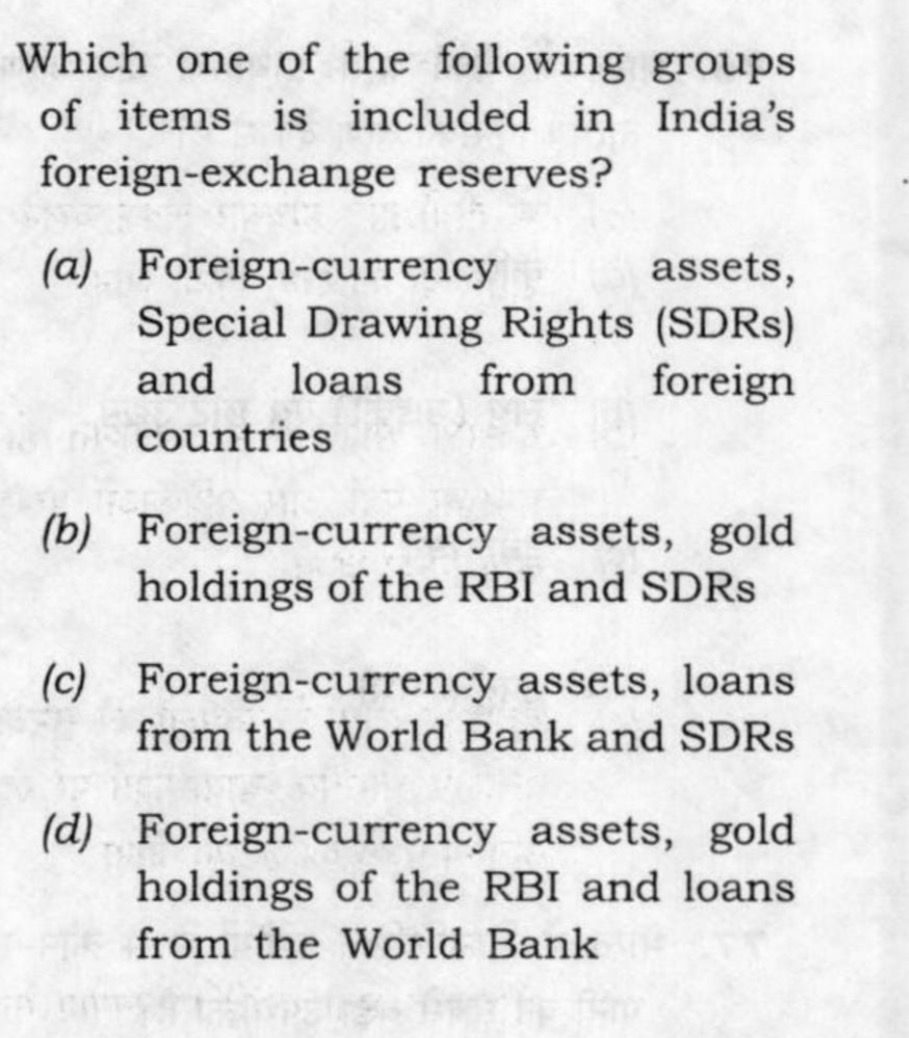
India’s Foreign Exchange Reserves include
• Foreign Currency Assets (FCA) – mainly US dollar-denominated securities (largest component)
• Gold
• Special Drawing Rights (SDRs) with IMF
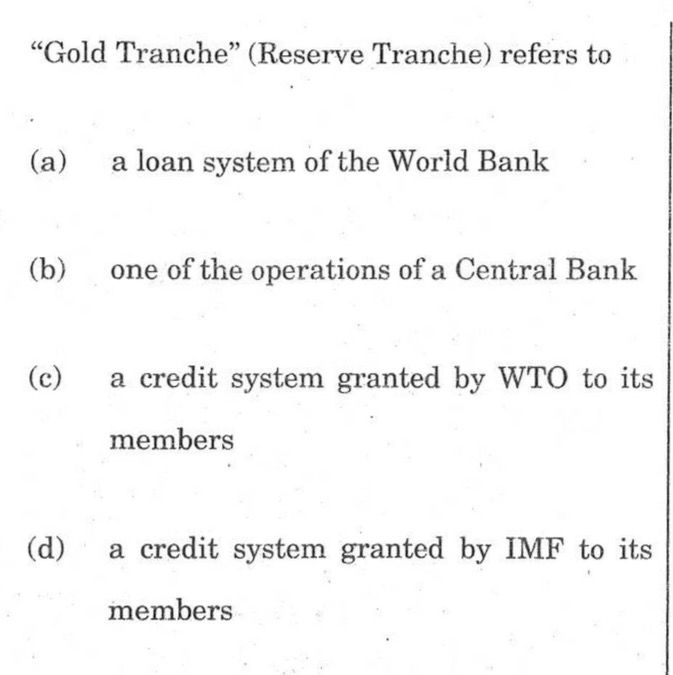
• Reserve Tranche Position (RTP) in IMF
Summary
• Gold surge: Global central banks bought record amounts of gold in 2025; gold crossed $5,000/ounce
• Key buyers: Poland, Kazakhstan, Brazil, Turkey, China
• Dollar decline: US dollar share in global forex reserves fell from 71% (1999) to ~58.5% (2024) (IMF data)
• India angle: RBI added ~880 tonnes of gold over time; gold now ~17% of India’s forex reserves
Drivers of de-dollarisation
• US sanctions and weaponisation of finance
• Freezing of Russia’s reserves (Ukraine war)
• Desire for reserve diversification
• Trump factor: Trade wars, sanctions, tariff threats
• Limits: Despite decline, USD remains dominant (~89% of global forex transactions)