U.S.–Saudi Civil Nuclear Deal: UPSC IR Analysis 2026

Context: U.S.–Saudi Civil Nuclear Deal
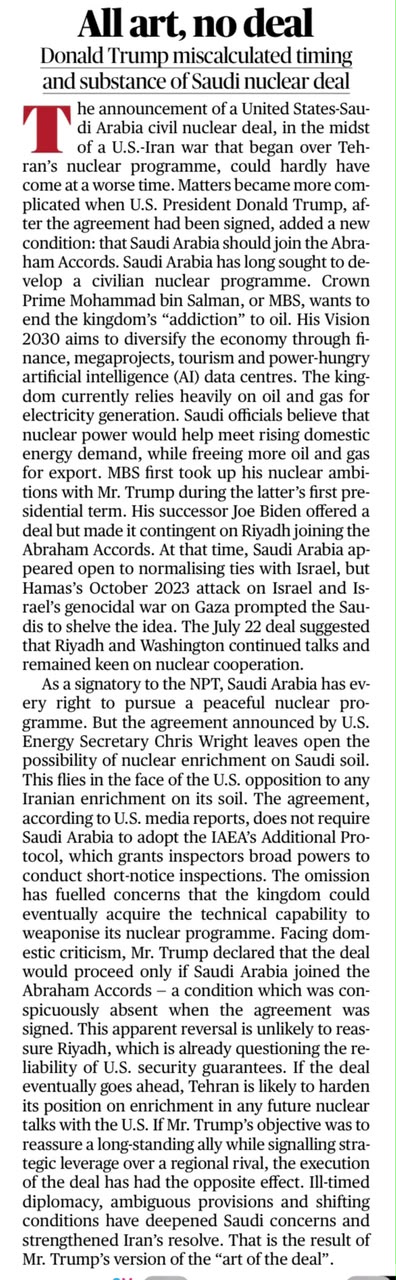
The editorial discusses the United States–Saudi Arabia civil nuclear cooperation agreement and argues that the timing and substance of the deal have created strategic complications.

The agreement was announced amid tensions in West Asia and concerns around Iran’s nuclear programme. It has raised questions about uranium enrichment, IAEA safeguards, the Abraham Accords and the larger nuclear non-proliferation regime.

U.S.–Saudi Civil Nuclear Deal

The United States has announced a civil nuclear cooperation agreement with Saudi Arabia.

Saudi Arabia wants to develop nuclear energy as part of Vision 2030, which aims to diversify its economy and reduce dependence on oil.

Civil nuclear energy can help Saudi Arabia meet rising domestic energy demand and free more oil and gas for export.

Key Concerns

A major concern is the possibility of uranium enrichment on Saudi soil.

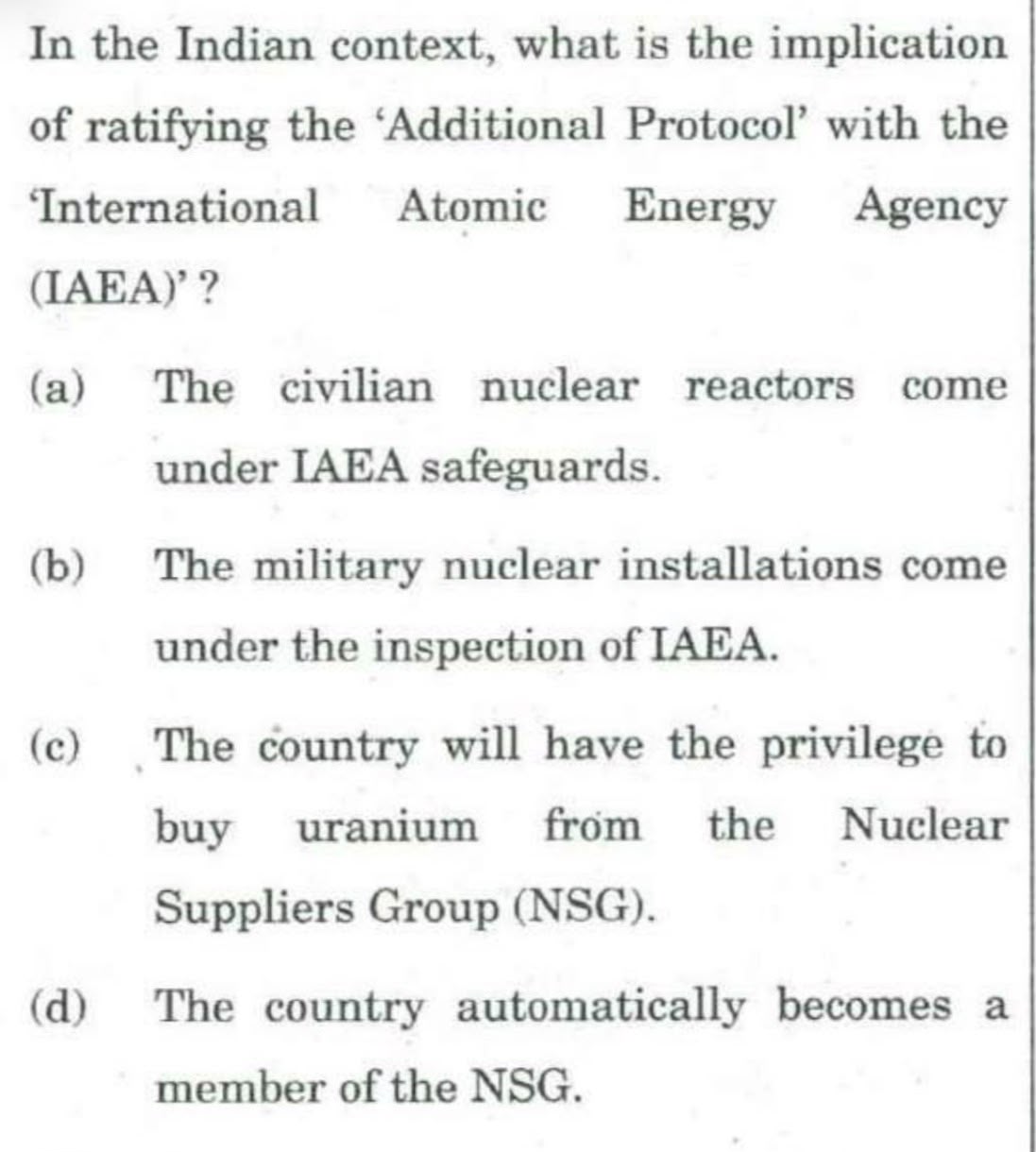
The agreement reportedly does not require Saudi Arabia to adopt the IAEA Additional Protocol, which would have given the International Atomic Energy Agency broader inspection powers.

This has raised fears that the technical capability developed for civilian nuclear use could later be misused for military purposes.

Abraham Accords Link

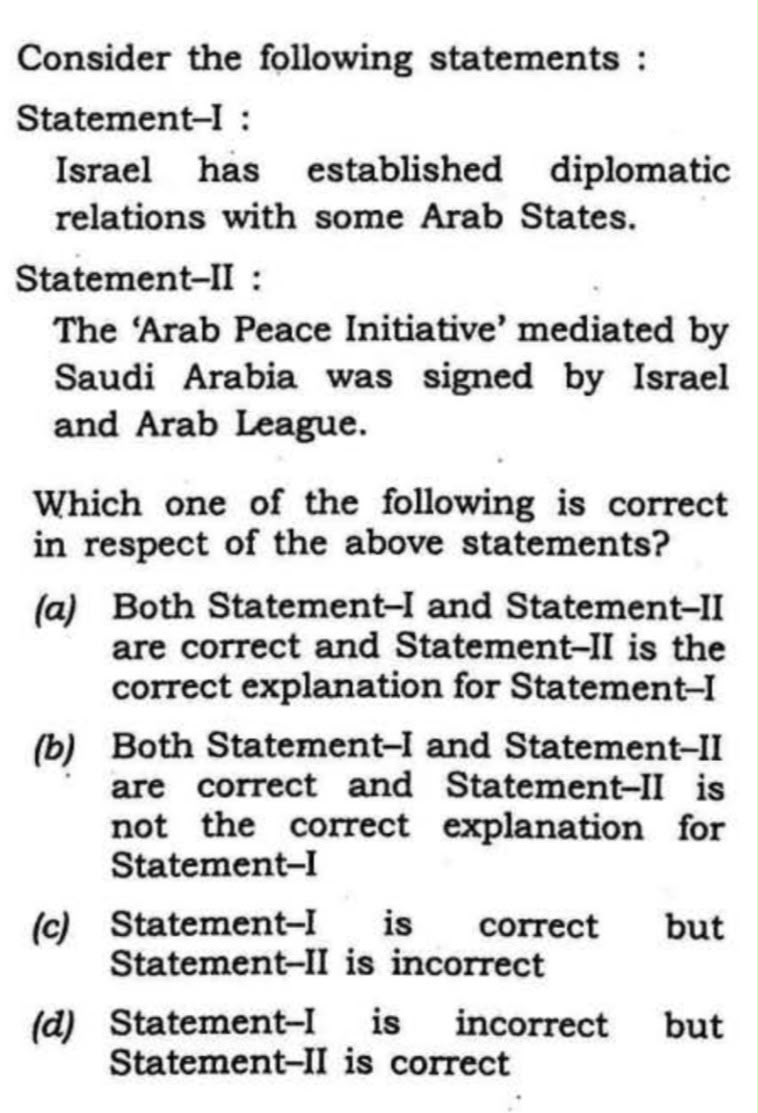
The deal is also linked with Saudi Arabia potentially normalising relations with Israel under the Abraham Accords.

However, the Israel-Gaza conflict and wider instability in West Asia have made such normalisation politically difficult.

This has complicated the diplomatic logic of the agreement.

Abraham Accords

The Abraham Accords are a series of normalisation agreements signed in 2020 between Israel and several Arab countries.

They were brokered by the United States.

Countries involved include:

  • United Arab Emirates
  • Bahrain
  • Morocco
  • Sudan

IAEA Additional Protocol

The IAEA Additional Protocol is a legal agreement that gives the International Atomic Energy Agency expanded powers to inspect and verify nuclear programmes.

Its purpose is to ensure that nuclear activities remain peaceful and are not diverted towards weapons development.

Strategic Implications

The deal may affect:

  • West Asian security
  • Iran’s nuclear calculations
  • Israel-Arab normalisation
  • Nuclear non-proliferation norms
  • U.S. strategic influence in the region

Key Takeaway

The U.S.–Saudi civil nuclear deal may support Saudi Arabia’s energy goals, but without stronger safeguards, it can deepen proliferation risks and further complicate West Asian diplomacy.
Subscribe
Notify of
guest
0 Comments
Oldest
Newest Most Voted

U.S.–Saudi Civil Nuclear Deal: UPSC IR Analysis 2026

Got a question? We're here to help!

Our dedicated Student Support team is ready to assist you and guide you every step of the way.
Reach out to us, and let’s tackle your queries together!

About the UPSC Civil Services Examination (UPSC CSE)

The UPSC Civil Services Examination (CSE) is one of the most competitive and esteemed examinations in India, conducted by the Union Public Service Commission to recruit officers for services such as the Indian Administrative Service (IAS), Indian Police Service (IPS), Indian Foreign Service (IFS), and others. The exam comprises three stages — Prelims, Mains, and the Personality Test (Interview) — designed to test a candidate’s knowledge, aptitude, decision-making, and leadership skills.

How to Prepare Effectively for UPSC CSE

Cracking the UPSC CSE requires a deep understanding of the syllabus, consistent revision, structured answer writing, and smart test-taking strategies. The Prelims test analytical and conceptual clarity, the Mains focuses on critical thinking, articulation, and subject mastery, while the Interview assesses presence of mind, ethical judgment, and personality traits relevant to public service.

At UnderStand UPSC, we empower aspirants with a personalized and focused approach to each stage of the exam.

Why Choose UnderStand UPSC?

UnderStand UPSC is a mentorship-driven platform offering a clear, clutter-free strategy to tackle the Civil Services Examination. Our programs like Transform (for beginners and intermediate learners) and Conquer (for advanced mains preparation) provide structured study plans, syllabus-wise video content, interactive live sessions, and answer writing support.

We emphasize:

  • Concept clarity through topic-wise lectures

  • Test series designed around real UPSC standards

  • Personalized mentorship in small groups

  • Regular performance tracking and peer benchmarking

  • Doubt-clearing sessions, current affairs analysis, and monthly magazines

Join the UnderStand UPSC Learning Community

Our mission is to make UPSC preparation less overwhelming and more strategic. We combine mentorship, discipline, and academic rigor to help you clear CSE with confidence. Whether you’re preparing from Delhi, Mumbai, Bangalore, or a remote village — our online-first model ensures quality guidance reaches every corner of India.

Join the thousands of aspirants who trust UnderStand UPSC to guide their journey toward becoming civil servants.

Stay connected with us through our Telegram, YouTube, and Instagram channels for daily tips, strategies, and updates.

Copyright © 2026 USARAMBHA EDUCATION (UnderStand UPSC). All Rights Reserved.

Fill out the form for

Downloading the free Agriculture Short Notes


0
Would love your thoughts, please comment.x
()
x