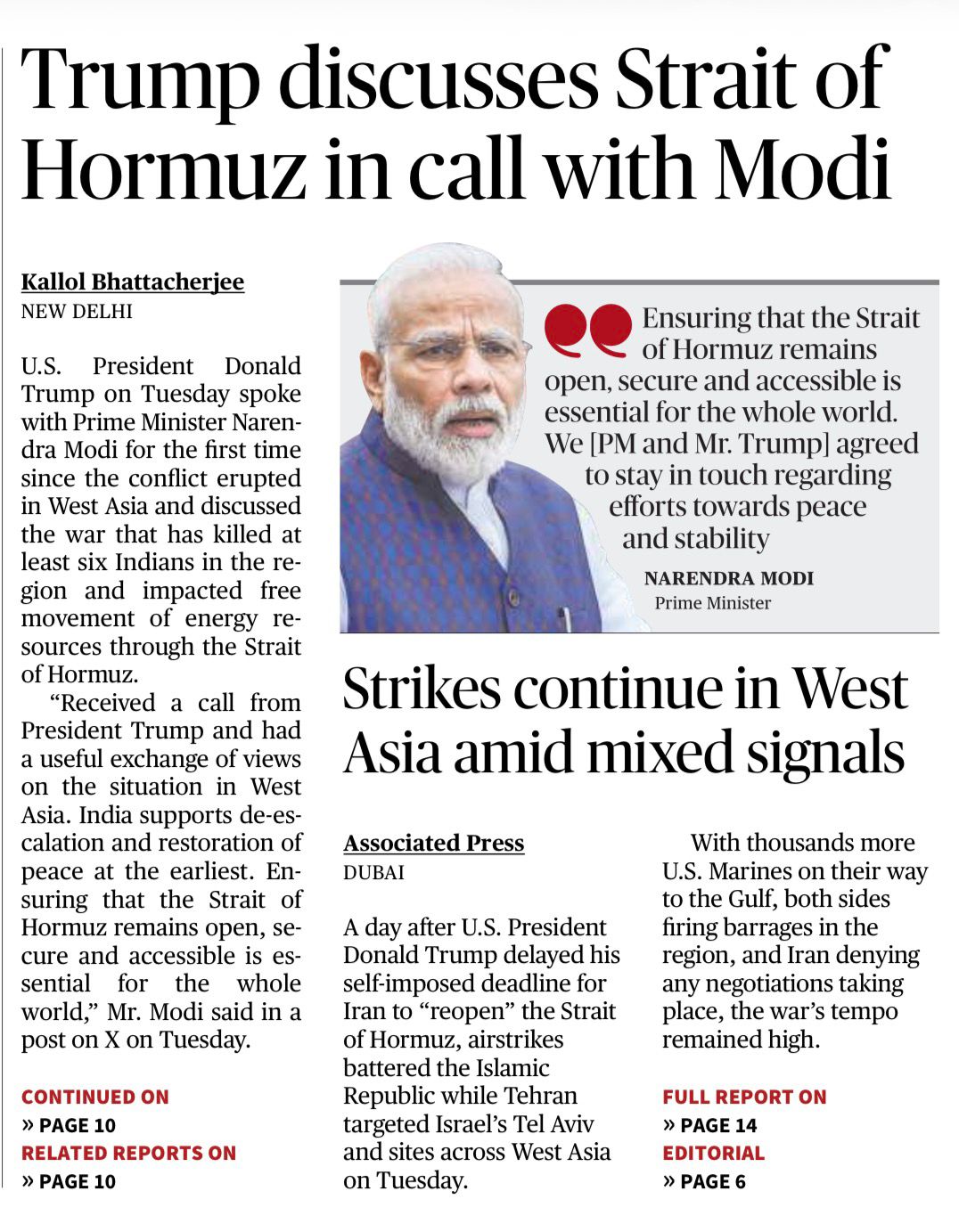
Ongoing tensions between United States–Iran–Israel continue despite diplomatic talks.
Key Points
• Mixed signals → talks + continued strikes • Conflict uncertainty remains high • Direct impact on global energy markets • Significant implications for India’s energy security
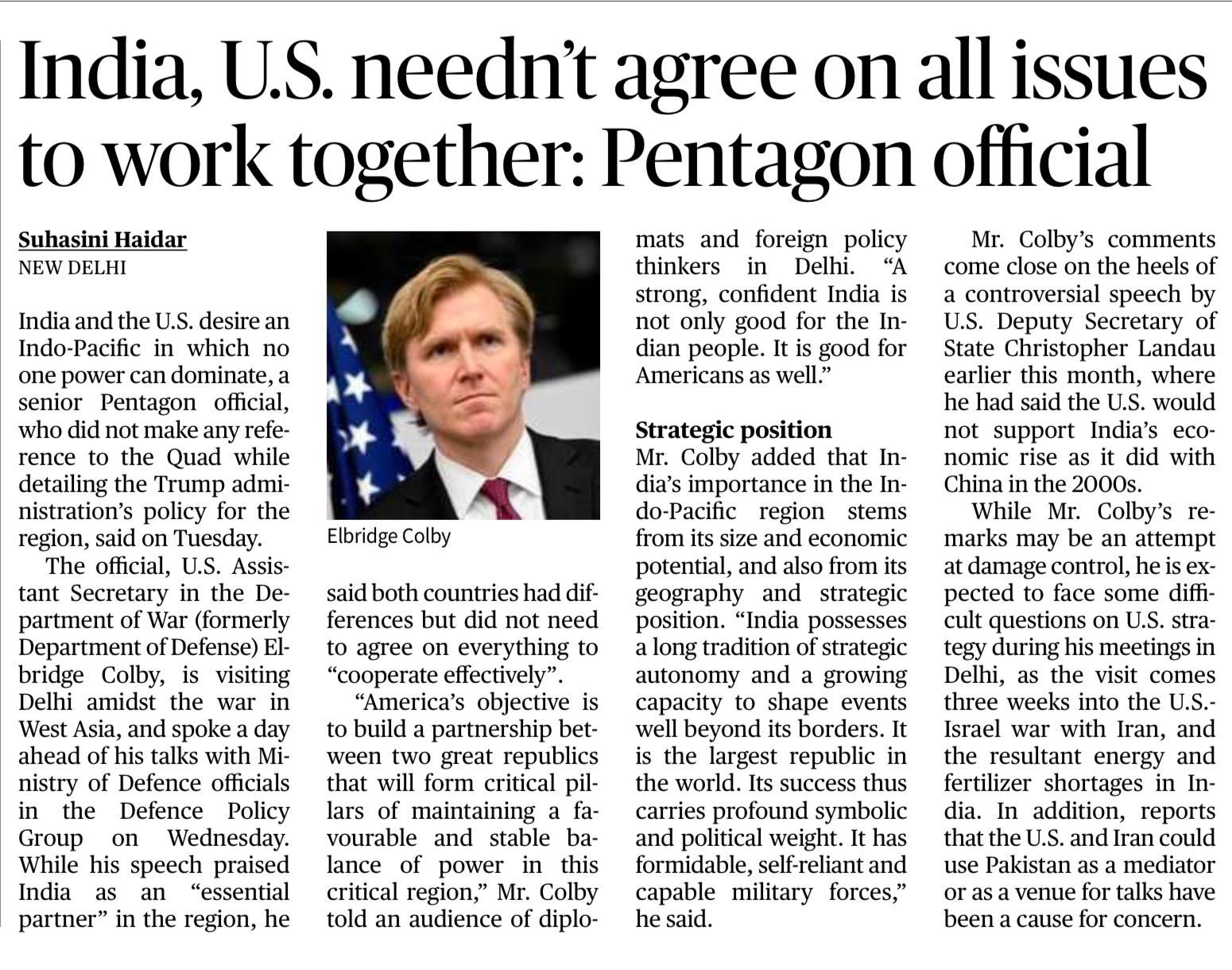
During a visit to India, senior Pentagon official Elbridge Colby said India–United States can cooperate despite differences.
India–United States relations
• Cooperation without full agreement • Aim: Indo-Pacific balance (no single power dominance) • India = key strategic partner • India maintains strategic autonomy • Some uncertainty in United States approach towards India’s rise
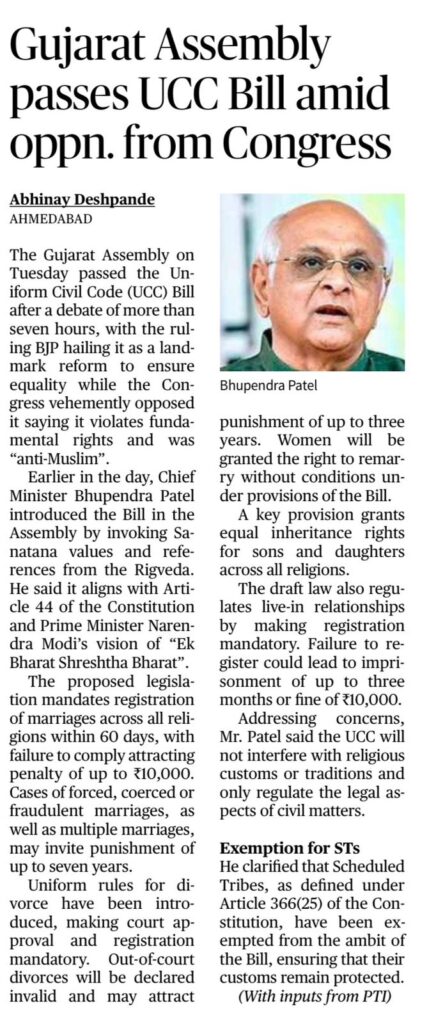
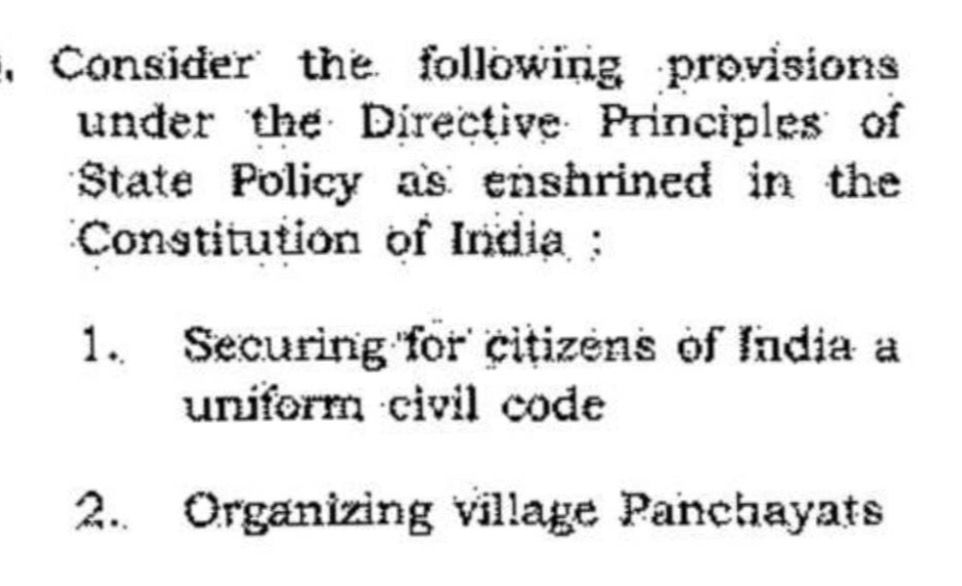
Gujarat Assembly passed the Uniform Civil Code (UCC) Bill to bring a common law for marriage, divorce and inheritance across religions, linked to Article 44 of the Constitution.
Key Provisions
• One common law for civil matters across religions • Marriage registration compulsory (within 60 days) • Uniform divorce process → court approval mandatory • Equal inheritance rights for sons and daughters • Women allowed remarriage • Live-in relationships to be registered
Penalties
• Non-registration of marriage → fine • Fraud/forced marriage, polygamy → punishment • Unregistered live-in → fine or imprisonment
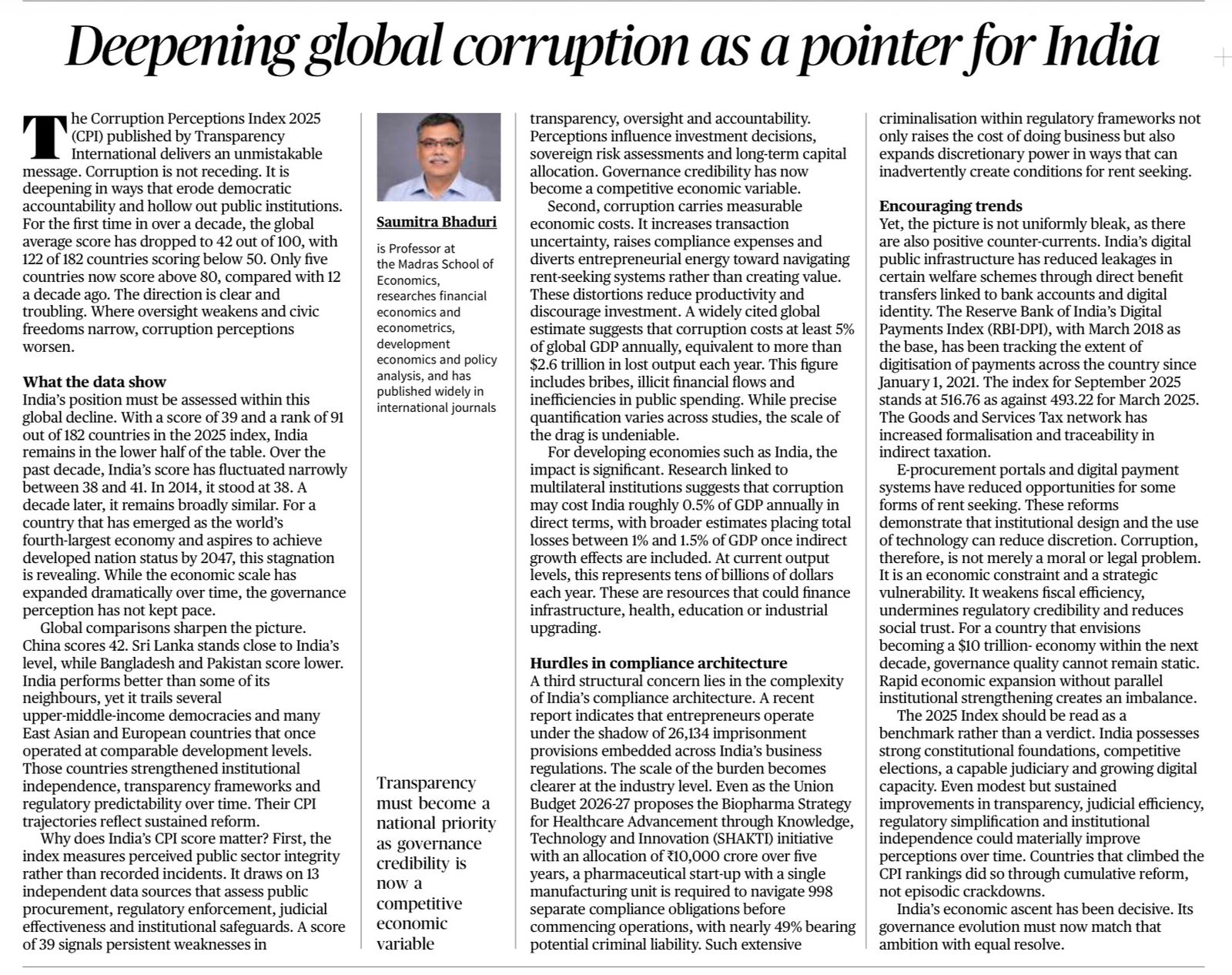
Corruption Perceptions Index 2025 shows corruption is rising globally; India’s score (39/100, rank 91) has remained almost unchanged for a decade → economic growth not matched by governance quality.
India’s position
• Stagnant score (38–41 for years) → remains in lower half globally → behind many comparable economies
Why it matters
• Corruption = economic loss → reduces investment + increases cost of doing business + lowers productivity → global loss ~5% of GDP, India ~0.5–1.5% of GDP
Core problem
• Too many laws/compliances → high discretion with officials → scope for rent-seeking → businesses focus on managing rules instead of growth
What is improving
• Digital systems reducing corruption → Direct Benefit Transfer (less leakage) + digital payments (tracking) + Goods and Services Tax (formalisation) + e-procurement (less human interference)
Core message
• Corruption is not just ethical issue, it is a direct economic constraint + governance weakness
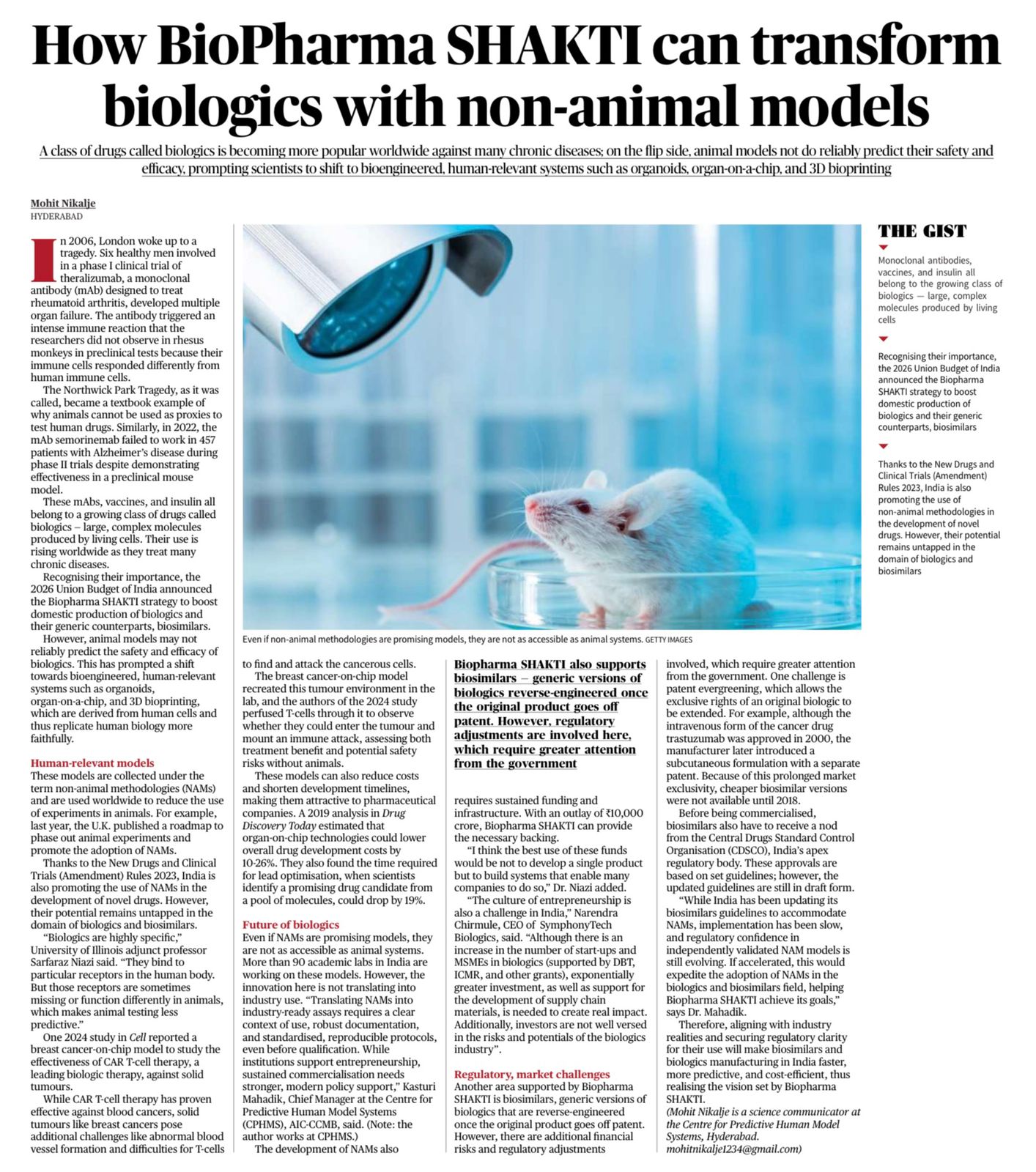
In the Budget 2025–26, the government introduced BioPharma SHAKTI Mission to boost domestic production of biologics and biosimilars and promote human-based (non-animal) testing methods, as animal models often fail to predict human response.
Key understanding
Why shift from animal testing? • Animal models often give wrong or incomplete results for humans. • Leads to drug failures in clinical trials and safety risks.
What are biologics? • Drugs made from living cells (complex, advanced medicines). • Used in cancer, diabetes, autoimmune diseases. • Examples: monoclonal antibodies, insulin, vaccines.
What are biosimilars? • Cheaper versions of biologics after patent expiry. • Not exact copies but highly similar in effect. • Help in reducing treatment cost.
What is the solution? • Shift to human-relevant models: • Organoids (mini organs) • Organ-on-chip • 3D bioprinting • These better mimic human biology → more reliable results.
BioPharma SHAKTI Mission (Budget focus) • Boost domestic manufacturing of biologics and biosimilars • Promote non-animal testing methods • Support research, startups, and infrastructure • Aim: Make India a global hub for affordable biologics
Challenges • High cost and infrastructure needs • Regulatory clarity still evolving • Patent delays affect biosimilar entry
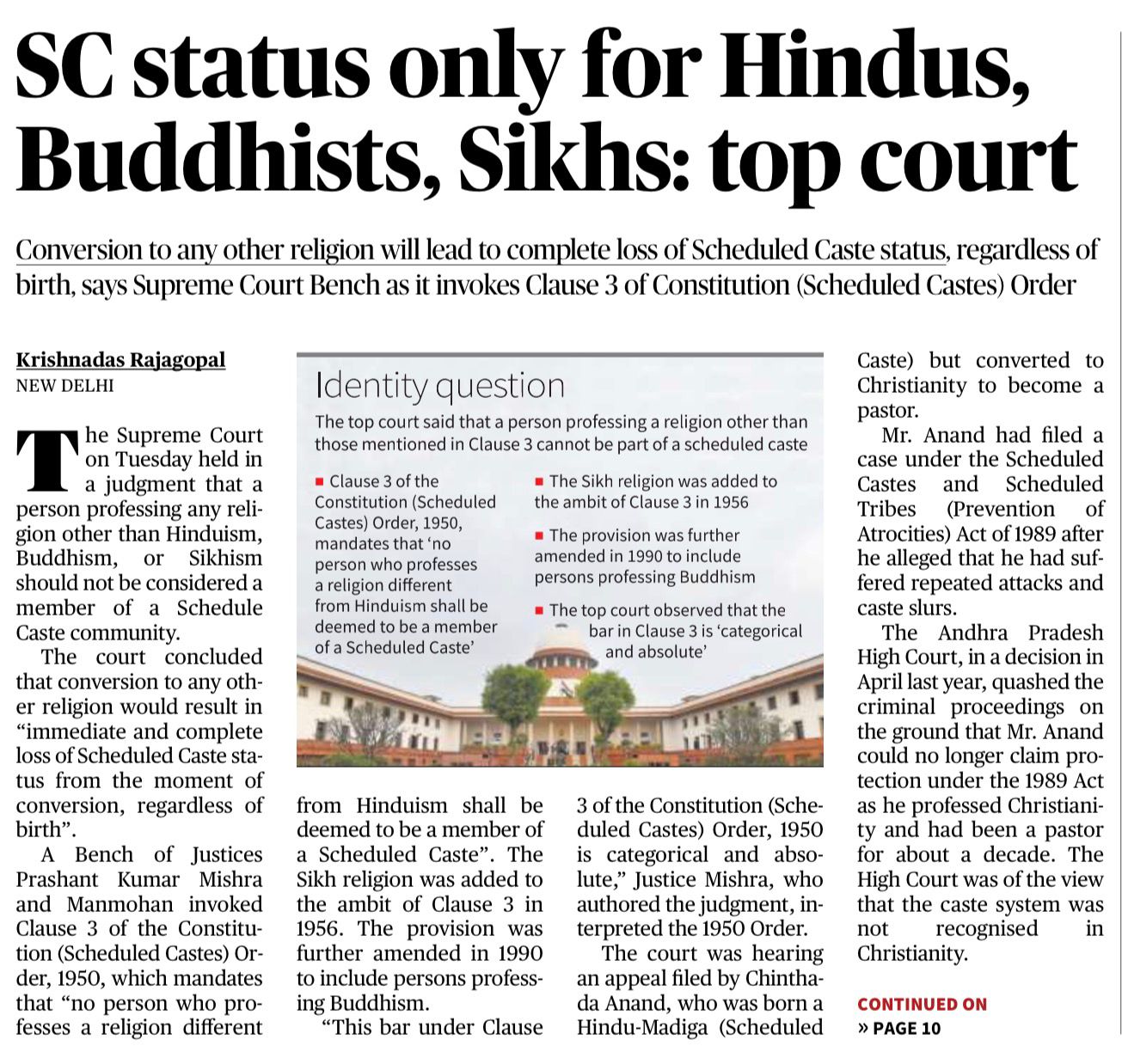
Supreme Court said Scheduled Caste status is available only to Hindus, Sikhs and Buddhists; if a person converts to any other religion, Scheduled Caste status ends from that point.
So, at present, Scheduled Caste status is legally limited to Hinduism, Sikhism and Buddhism.
The Court called this bar absolute, meaning conversion to Christianity or Islam leads to loss of Scheduled Caste status.
From where does this power come?
• The Constitution (Scheduled Castes) Order, 1950 is issued under Article 341 of the Constitution. • Article 341(1): President specifies which castes are Scheduled Castes. • Article 341(2): Parliament can later include or exclude groups from that list.