Source: The Hindu, Tags: 2 June 2026, GS2, GS3, Infrastructure & Connectivity, International Relations
Context: India-Middle East-Europe Economic Corridor
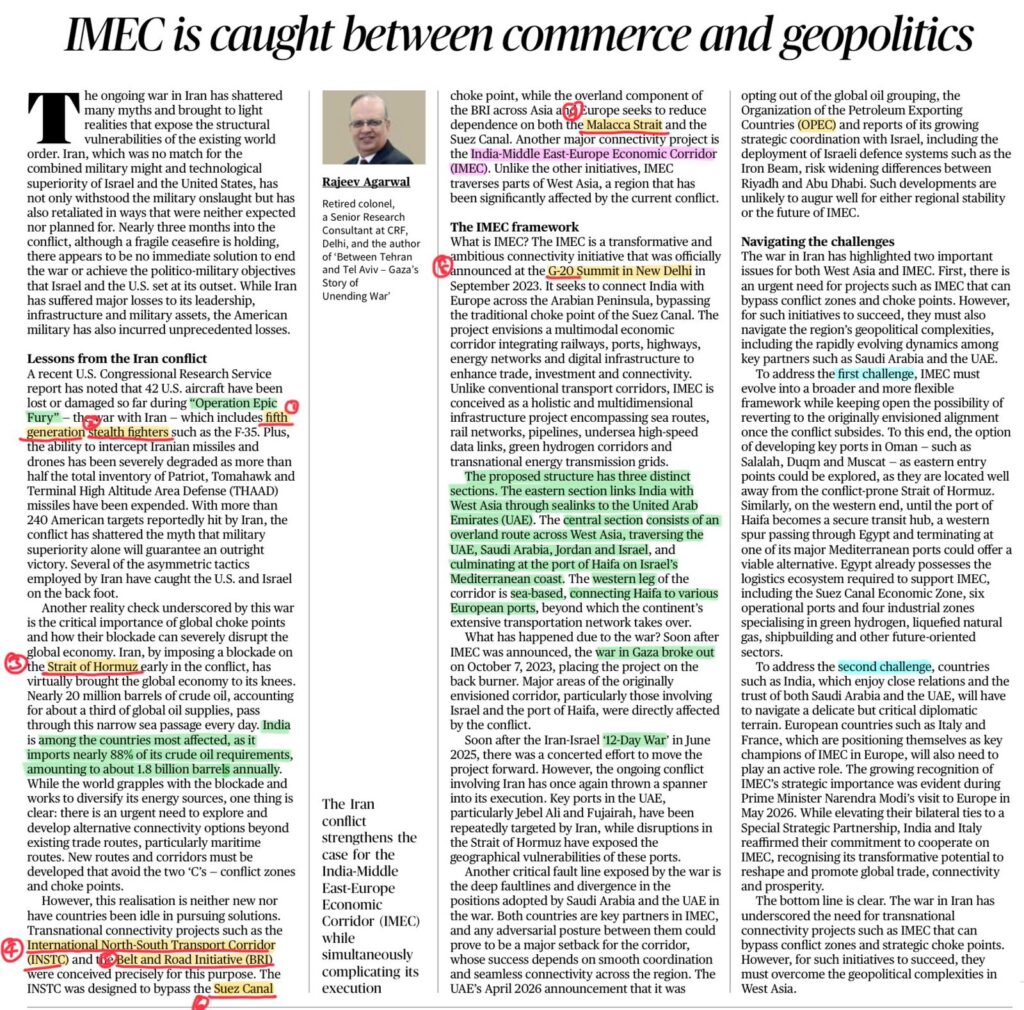
Iran-Israel conflict and tensions in the Strait of Hormuz have revived interest in the India-Middle East-Europe Economic Corridor while highlighting how geopolitical instability can disrupt major connectivity projects.
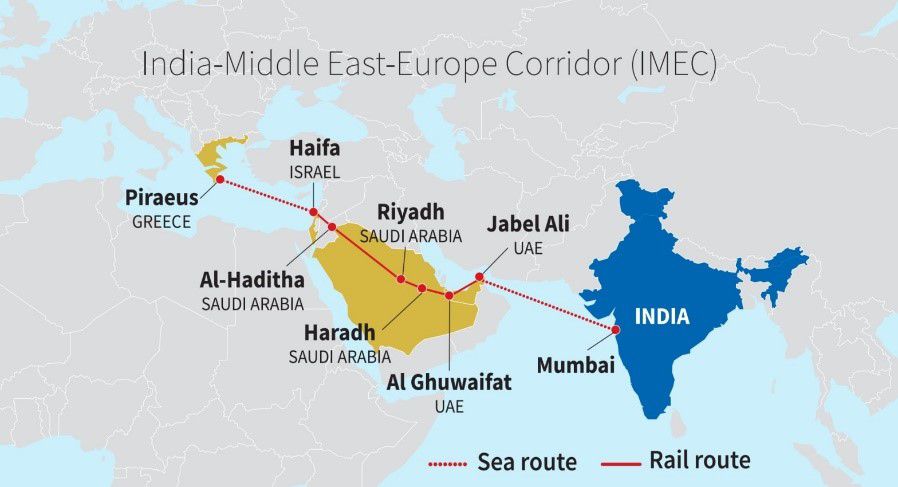
India-Middle East-Europe Economic Corridor
Launch:
G20 New Delhi Summit, 2023
Route:
- Eastern: India → United Arab Emirates, by sea
- Central: United Arab Emirates → Saudi Arabia → Jordan → Israel, by rail
- Western: Haifa → Europe, by sea
Components:
- Railways
- Ports
- Energy pipelines
- Electricity grid
- Digital connectivity
- Green hydrogen corridor
Significance:
- Faster India-Europe trade
- Reduced Suez Canal dependence
- Supply-chain resilience
- Energy and digital connectivity
Challenges
- Regional conflicts: Israel-Gaza and Iran-Israel tensions threaten corridor viability.
- Chokepoint risks: Dependence on Strait of Hormuz, Suez Canal, Bab-el-Mandeb and Malacca Strait.
- Political coordination: Sustained cooperation among United Arab Emirates, Saudi Arabia, Jordan and Israel remains uncertain.
- Haifa dependency: European leg of IMEC depends on stability around Haifa Port.
- Energy security risks: Hormuz disruptions can affect India’s crude oil imports, freight costs and inflation.
Solutions Suggested
- Flexible corridor design: Develop multiple routes instead of a single rigid corridor.
- Alternative maritime hubs: Strengthen Duqm, Salalah and Muscat ports.
- Strategic diplomacy: Deepen India-Gulf-Europe engagement.
- Connectivity diversification: Pursue IMEC alongside the International North-South Transport Corridor.
- Long-term investment: Continue infrastructure development despite temporary geopolitical disruptions.
PYQ Themes Quick Revision
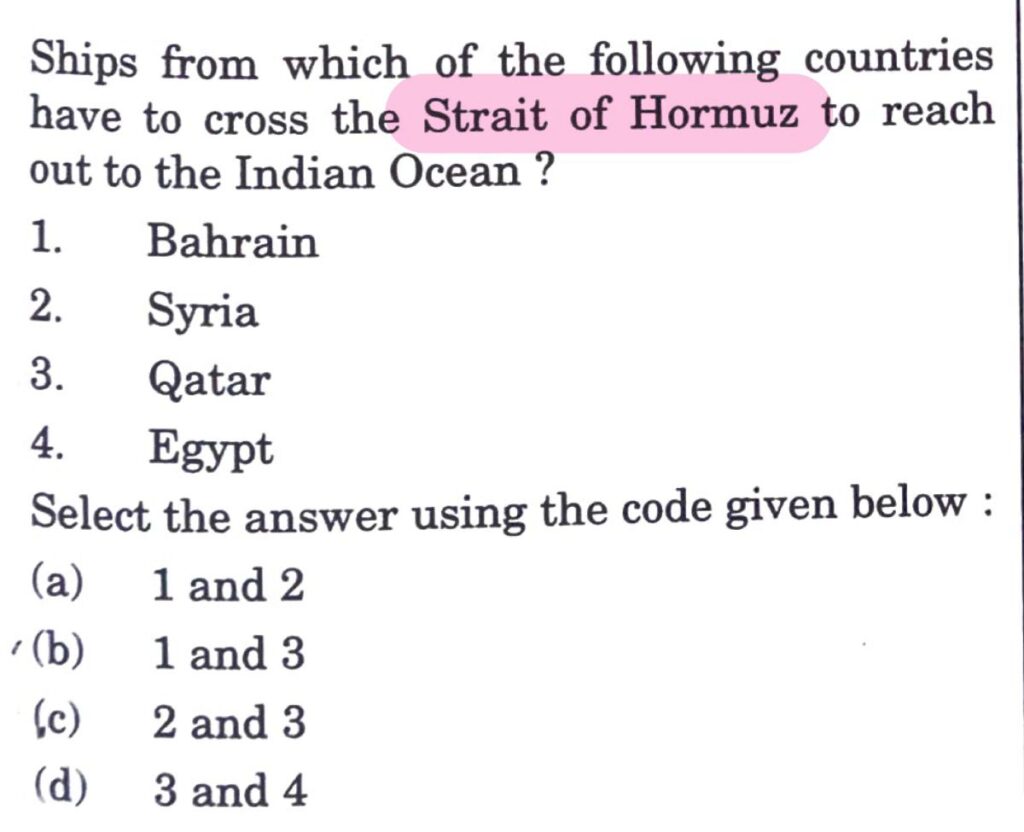
Strait of Hormuz
- Iran-Oman
- Connects Persian Gulf and Gulf of Oman
- World’s most important oil chokepoint
- Critical for Gulf energy exports
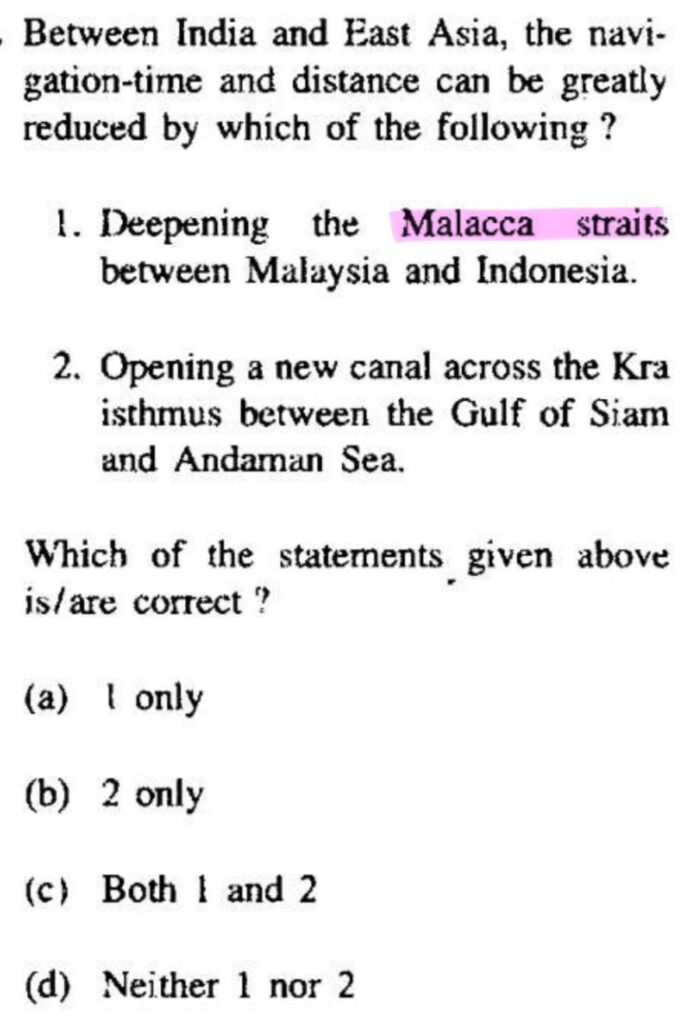
Malacca Strait
- Indonesia-Malaysia-Singapore
- Connects Indian Ocean and South China Sea
- One of the busiest maritime trade routes
- Key for Indo-Pacific commerce
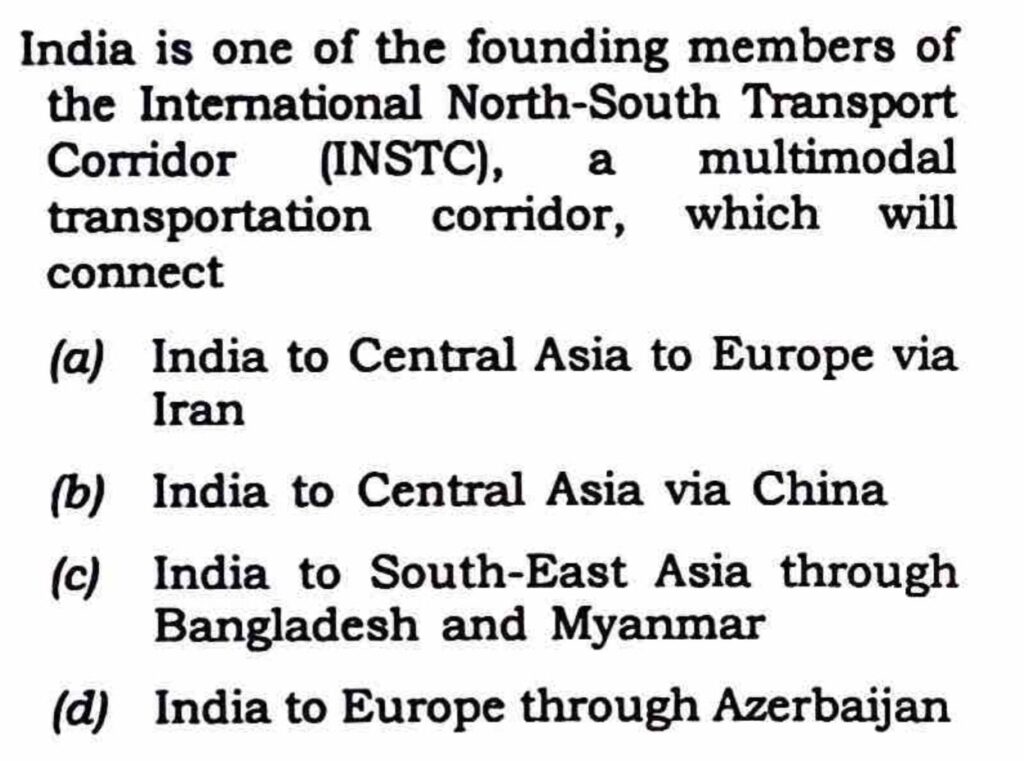
International North-South Transport Corridor
- India-Iran-Russia initiative
- Key node: Chabahar Port
- Connects India with Central Asia, Russia and Europe
- Alternative to Suez route
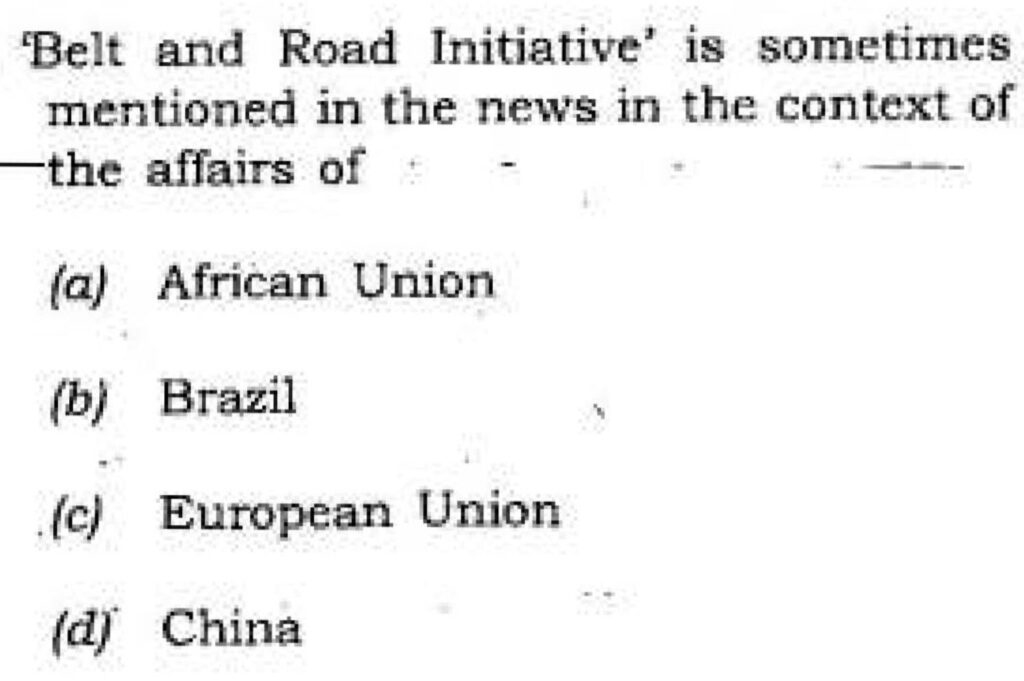
Belt and Road Initiative
- China, 2013
- Silk Road Economic Belt + 21st Century Maritime Silk Road
- India opposes it due to China-Pakistan Economic Corridor passing through Pakistan-occupied Kashmir.
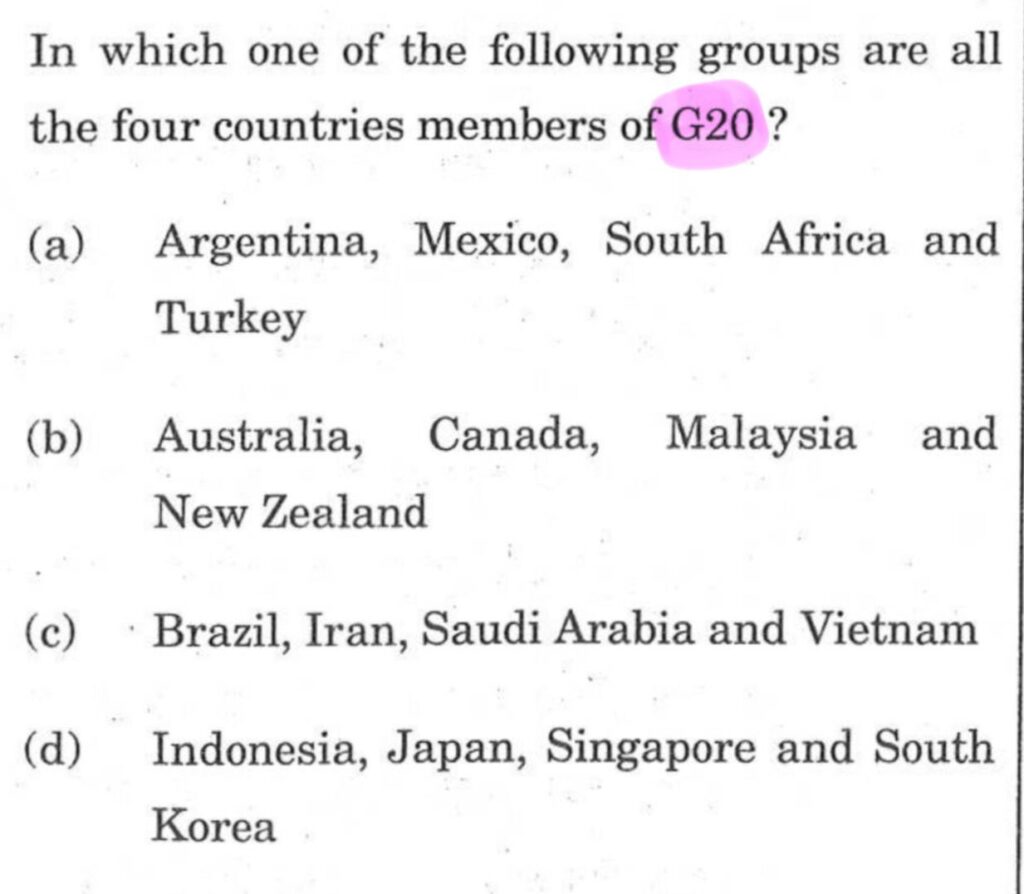
Group of Twenty
- Established in 1999
- Leaders’ Summit since 2008
- 19 countries + European Union + African Union
- No permanent secretariat
- Troika system
- Represents around 85% of global GDP
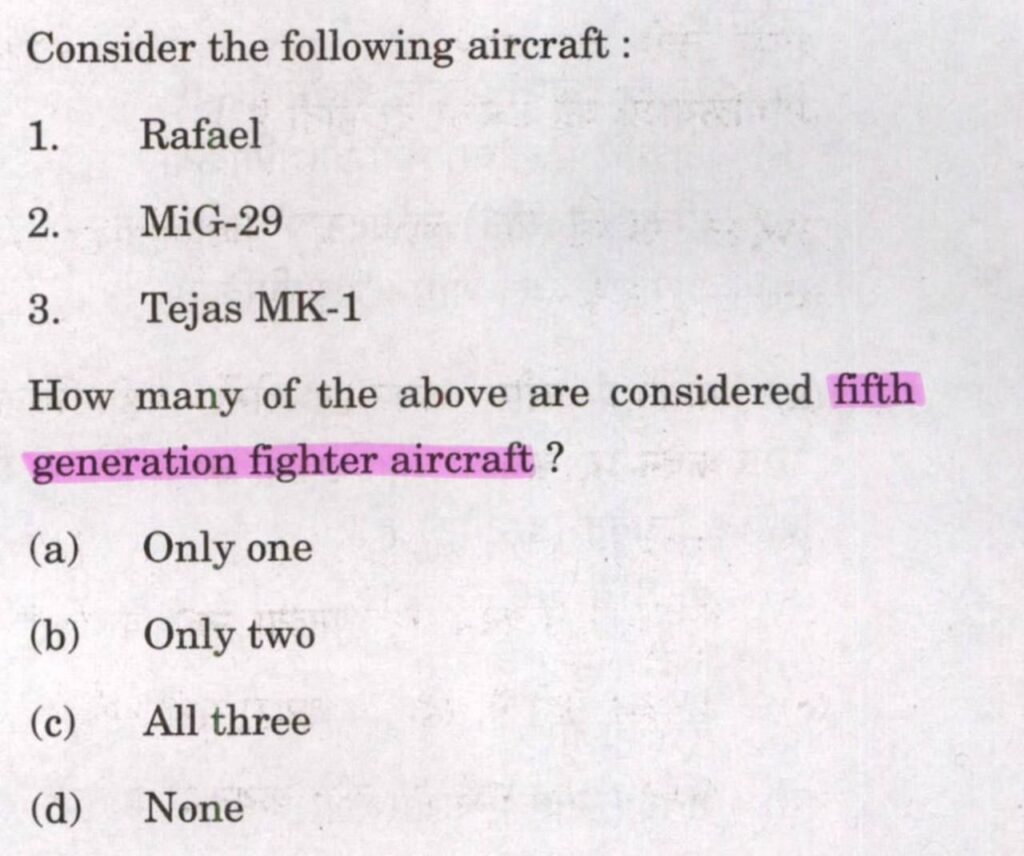
Fifth-Generation Fighter Aircraft
- Features: Stealth, sensor fusion, supercruise, internal weapon bays
- Examples: F-22 Raptor, F-35 Lightning II, J-20 and Su-57
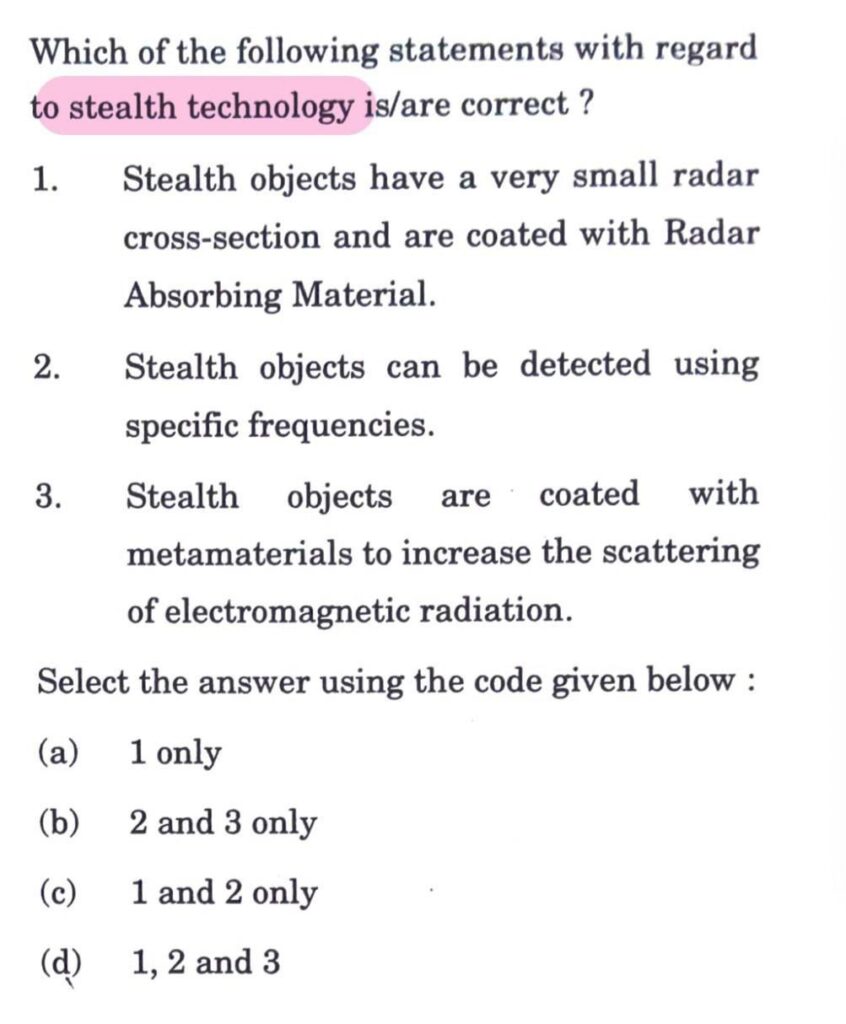
Stealth Technology
- Low Radar Cross Section
- Radar Absorbing Material
- Reduces radar detection probability
- Difficult to detect, not invisible