6 Jan 2026 | Daily Current Affairs

Bulgaria Joins the Eurozone: Key Facts for UPSC Prelims

Context

Bulgaria adopted the euro on Jan 1, 2026, becoming the 21st Eurozone member, nearly 20 years after joining the EU (2007). The lev was phased out; euros are immediately accepted in shops and ATMs across Sofia. The move deepens economic integration, though there are price-rise concerns and domestic political divisions.

What is the Eurozone The Eurozone is the group of EU countries that use the euro (€) as their official currency and follow common monetary policy under the European Central Bank (ECB).

EU members NOT in the Eurozone (integrated list) Denmark (opt-out) | Sweden | Poland | Czech Republic | Hungary | Romania
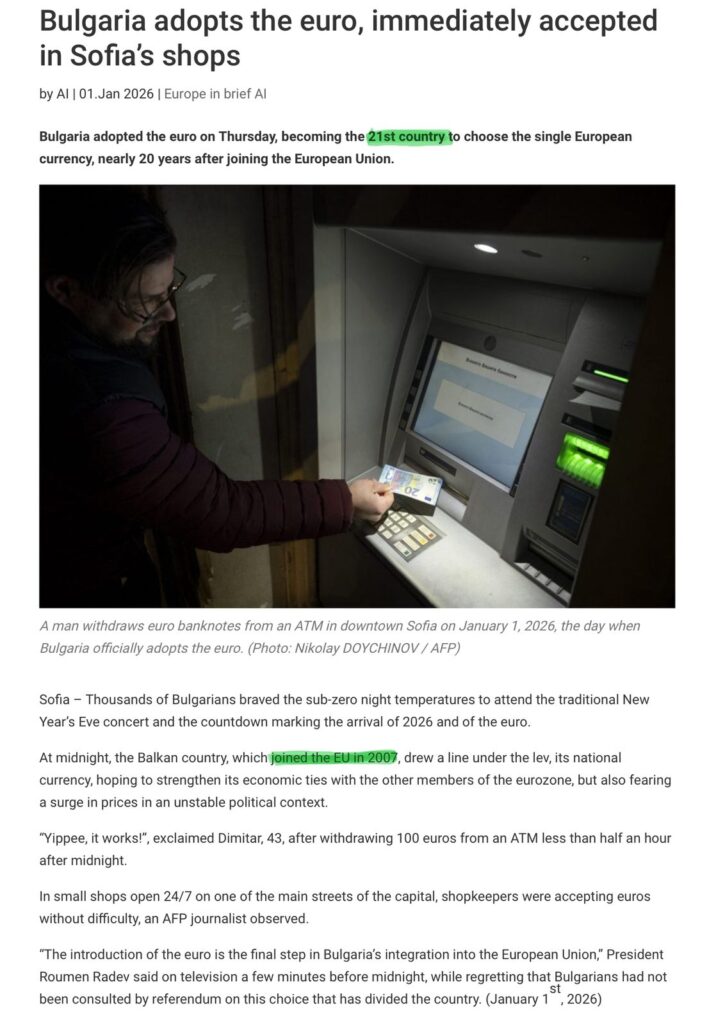
Bulgaria joins the Eurozone

Coal India E-Auctions Open to Neighbouring Countries | UPSC GS-3

Context

  • Coal India Ltd (CIL) has allowed buyers from Bangladesh, Nepal and Bhutan to directly participate in its e-auctions.
  • Earlier, these countries could buy Indian coal only through Indian traders; now they can purchase directly, skipping intermediaries.
  • The move is effective from January 1, 2026 and applies to Single Window Mode Agnostic (SWMA) e-auctions.
  • Objective: boost coal offtake, improve transparency, better utilise surplus coal, and expand CIL’s market.
  • Payment mode: Nepal can pay in Indian rupees; Bangladesh and Bhutan must pay in US dollars.
  • The decision also led to a rise in Coal India’s stock price, reflecting positive market sentimen
Coal India e-auctions

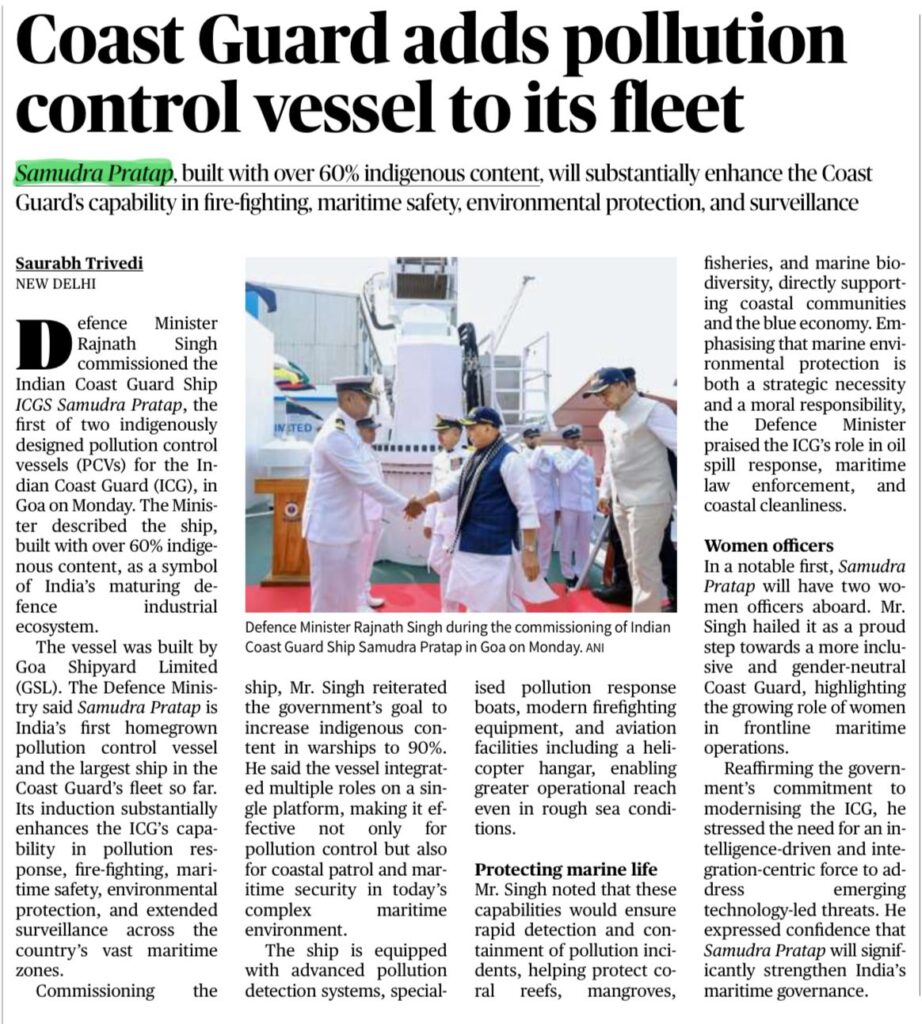
Indian Coast Guard Pollution Control Vessel ICGS Samudra Pratap | GS-3

Summary

What happened
Indian Coast Guard commissioned ICGS Samudra Pratap, a Pollution Control Vessel (PCV), in Goa.

Significance: Built with 60%+ indigenous content; India’s first homegrown PCV and the largest in the Coast Guard fleet.

  • Built by: Goa Shipyard Limited (GSL).

Capabilities:

  • Oil-spill response & pollution control
  • Fire-fighting, maritime safety, coastal patrol
  • Environmental protection and extended surveillance
  • Advanced pollution detection systems; helicopter hangar for wider reach

Strategic importance Strengthens maritime governance, supports blue economy, protects marine biodiversity (reefs, mangroves).

Indian Coast Guard pollution control vessel

UAPA Bail Provisions: Supreme Court Ruling Explained | UPSC GS-2

Context

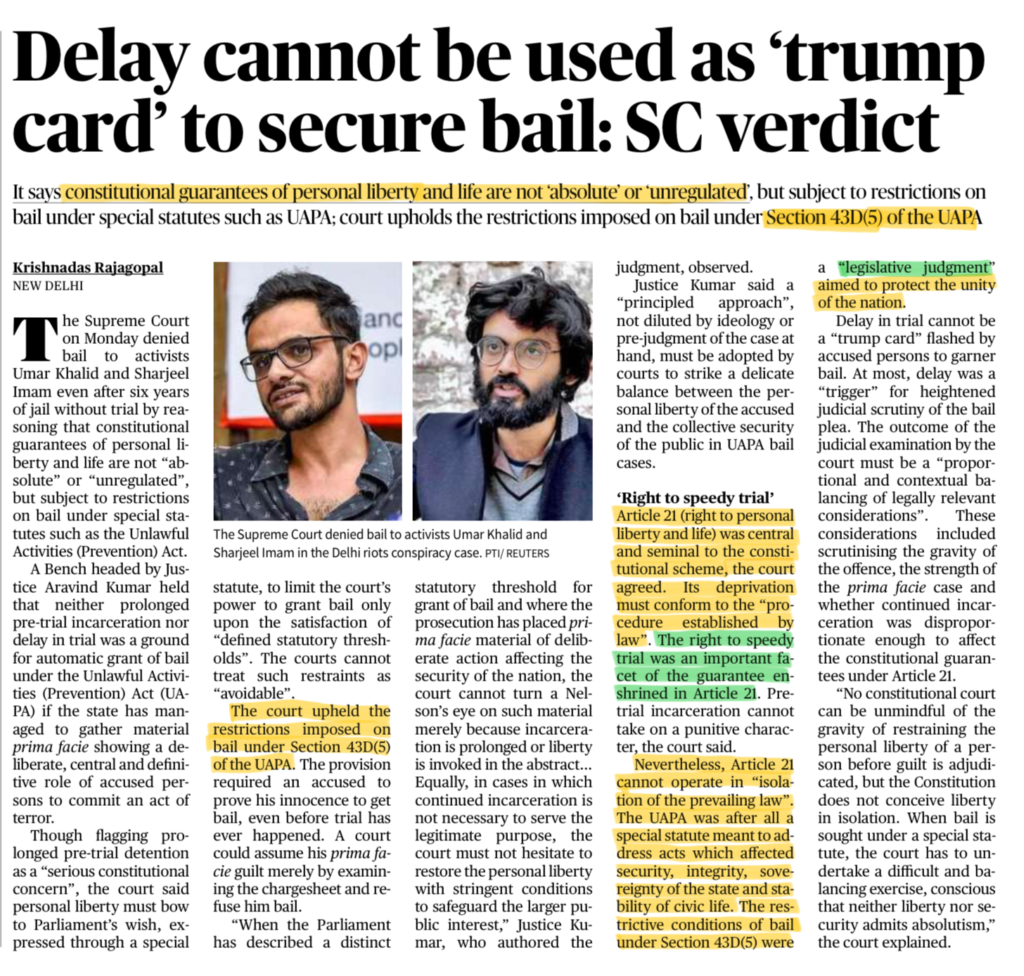
  • The Supreme Court denied bail to Umar Khalid and Sharjeel Imam in the Delhi riots “larger conspiracy” case under the Unlawful Activities (Prevention) Act, 1967 (UAPA).
  • The Court ruled that delay in trial or long incarceration cannot be used as a “trump card” for bail in serious UAPA cases.

Key UAPA Provisions Highlighted

Section 15 (1) (a) (Terrorist Act)

  • A terrorist act is not limited to the final act of violence.
  • It includes the entire chain of conspiratorial activities, even without direct violence.
  • The phrase “by any other means” widens the scope beyond conventional weapons.

Section 43D(5) (Bail Restriction)

  • Bail can be denied if prima facie case exists based on chargesheet material.
  • Court cannot conduct a detailed trial-like examination at the bail stage.

Why Supreme Court Denied Bail

  • Prima facie material showed alleged deliberate and central role in conspiracy affecting security and integrity of the nation.
  • UAPA is a special statute; Parliament intentionally imposed stricter bail conditions.
  • Courts must balance personal liberty vs collective security.
  • Delay in trial triggers stricter scrutiny, but does not automatically justify bail.

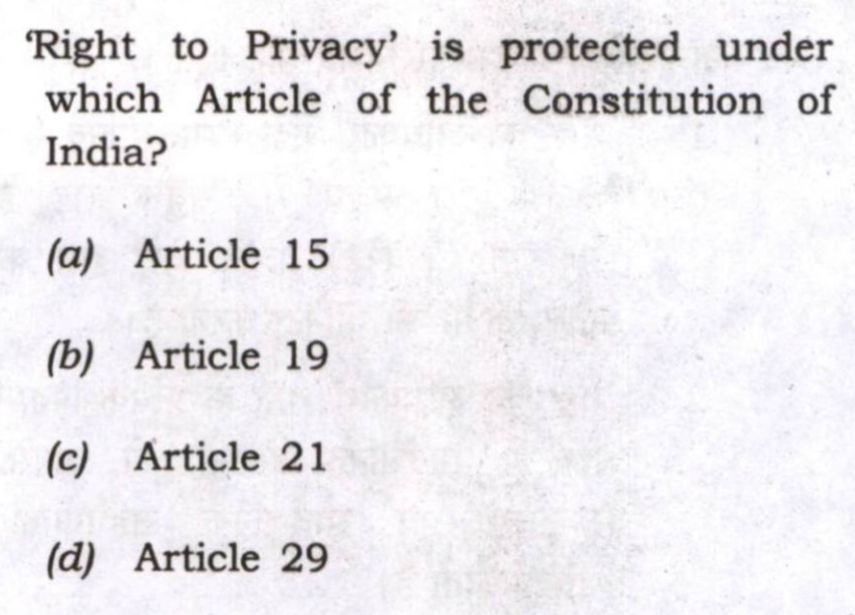
Article 21 & Right to Speedy Trial

  • Article 21 guarantees life and personal liberty, including right to speedy trial.

However:

  • This right cannot operate in isolation of special laws like UAPA.
  • Continued incarceration is permissible if proportionate, contextual, and justified by gravity of offence and national security concerns.
UAPA bail provisions

Somnath Swabhiman Parva: History of Somnath Temple | UPSC GS-1

Context

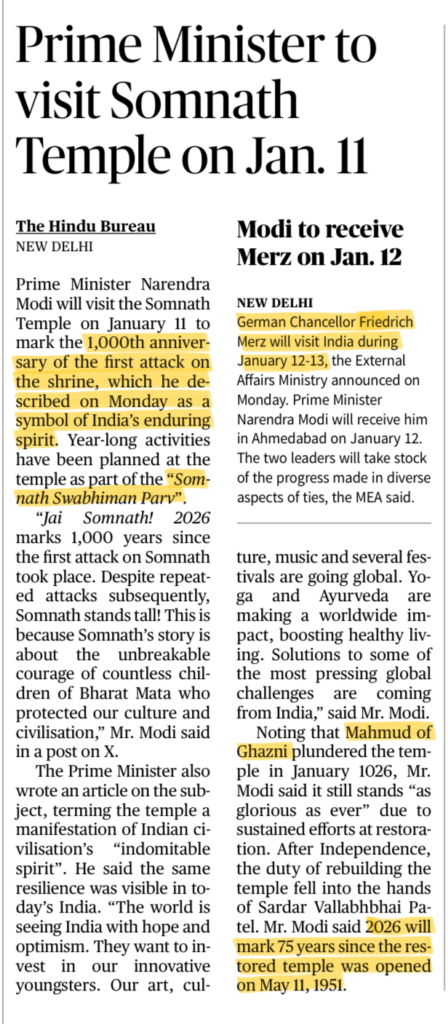
  • PM Narendra Modi will visit Somnath Temple on January 11, 2026.
  • The visit marks 1,000 years since the first attack on the Somnath shrine (1026 CE).
  • Year-long commemorations are being organised as “Somnath Swabhiman Parva”.
  • The event highlights India’s civilisational resilience and cultural continuity.
  • 2026 also marks 75 years since the restored temple was inaugurated after Independence.

Somnath Temple

  • Location: Prabhas Patan, Gujarat (Arabian Sea coast)
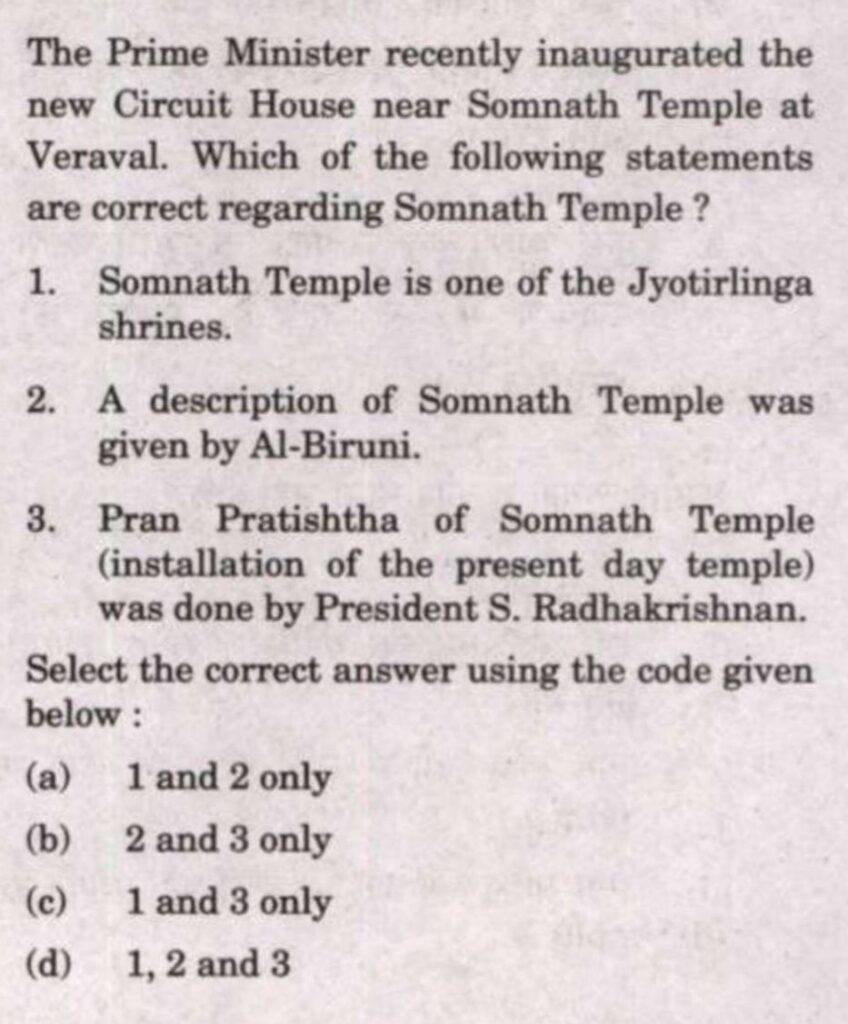
  • Religious status: One of the 12 Jyotirlingas of Lord Shiva (first among them)
  • Historical attacks: Most notable by Mahmud of Ghazni in 1026 CE

Post-Independence reconstruction

Inauguration of present structure

Somnath Swabhiman Parva

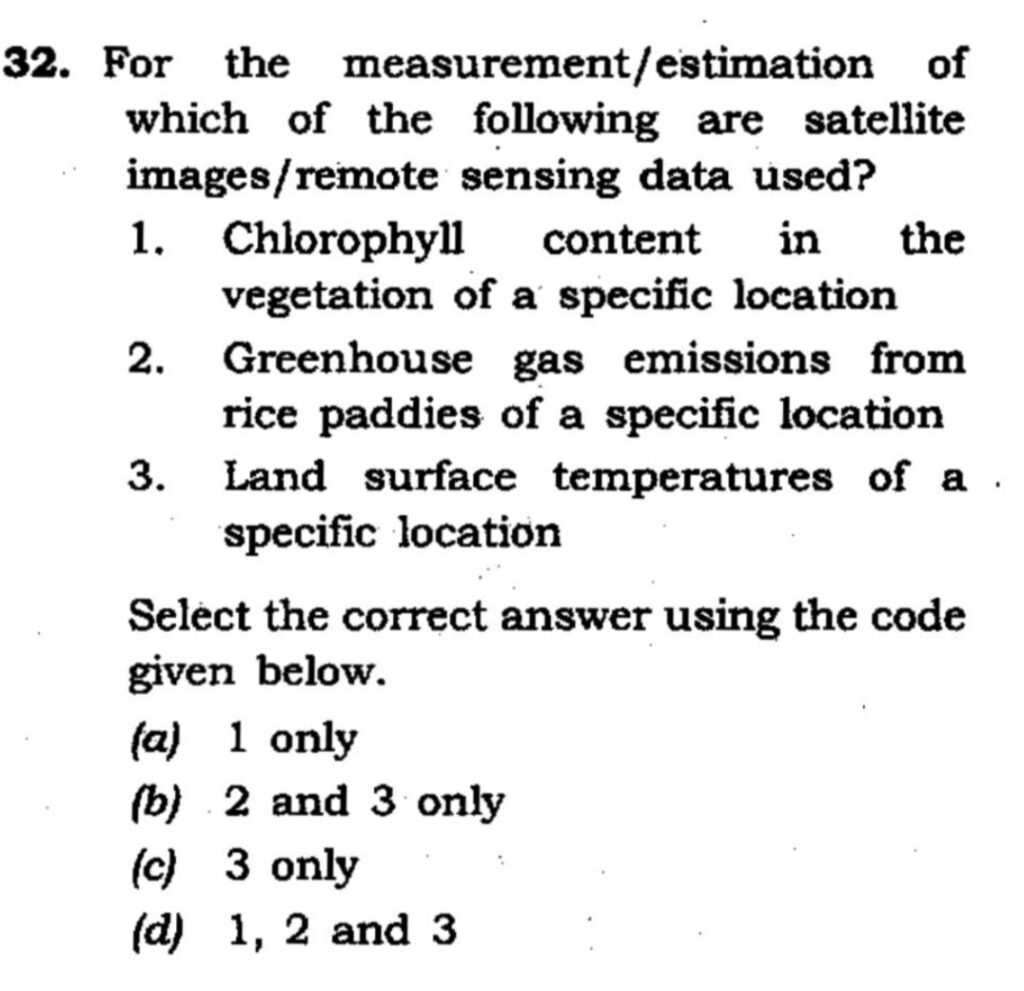
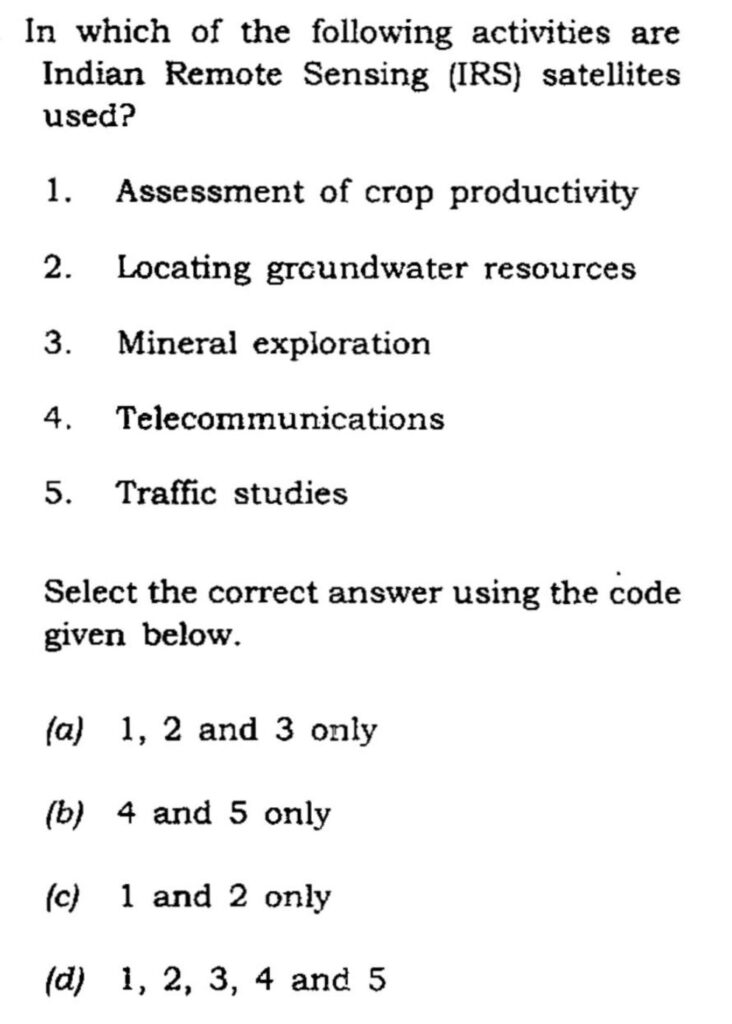
Remote Sensing in Governance: Applications for UPSC GS-3

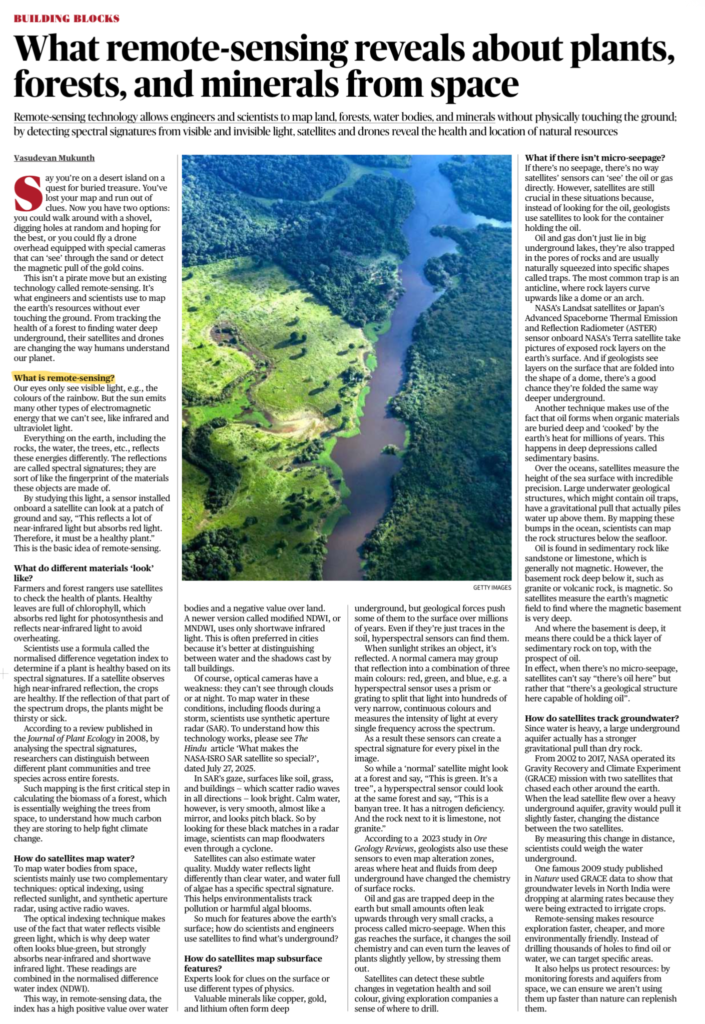
What is Remote Sensing?

  • Remote sensing is the science of collecting information about Earth’s surface without physical contact, using satellites and drones.
  • It works by detecting spectral signatures—how different materials reflect or emit visible, infrared, and microwave radiation.

Key Points

1) Plants & Forests

  • Healthy vegetation reflects more near-infrared light.
  • Used to assess crop health, forest cover, biomass, and carbon storage (NDVI index).

2) Water Bodies

  • Mapped using optical sensors and radar (SAR).
  • Helps detect floods, droughts, groundwater changes, and water quality.

3) Minerals & Oil

  • Satellites detect surface rock patterns, magnetic anomalies, and geological structures (not oil directly).
  • Used in mineral exploration (copper, gold, lithium) and oil prospecting.

4) Groundwater

Remote sensing in governance
About the UPSC Civil Services Examination (UPSC CSE)

The UPSC Civil Services Examination (CSE) is one of the most competitive and esteemed examinations in India, conducted by the Union Public Service Commission to recruit officers for services such as the Indian Administrative Service (IAS), Indian Police Service (IPS), Indian Foreign Service (IFS), and others. The exam comprises three stages — Prelims, Mains, and the Personality Test (Interview) — designed to test a candidate’s knowledge, aptitude, decision-making, and leadership skills.


How to Prepare Effectively for UPSC CSE

Cracking the UPSC CSE requires a deep understanding of the syllabus, consistent revision, structured answer writing, and smart test-taking strategies. The Prelims test analytical and conceptual clarity, the Mains focuses on critical thinking, articulation, and subject mastery, while the Interview assesses presence of mind, ethical judgment, and personality traits relevant to public service.

At UnderStand UPSC, we empower aspirants with a personalized and focused approach to each stage of the exam.


Why Choose UnderStand UPSC?

UnderStand UPSC is a mentorship-driven platform offering a clear, clutter-free strategy to tackle the Civil Services Examination. Our programs like Transform (for beginners and intermediate learners) and Conquer (for advanced mains preparation) provide structured study plans, syllabus-wise video content, interactive live sessions, and answer writing support.

We emphasize:

  • Concept clarity through topic-wise lectures

  • Test series designed around real UPSC standards

  • Personalized mentorship in small groups

  • Regular performance tracking and peer benchmarking

  • Doubt-clearing sessions, current affairs analysis, and monthly magazines


Join the UnderStand UPSC Learning Community

Our mission is to make UPSC preparation less overwhelming and more strategic. We combine mentorship, discipline, and academic rigor to help you clear CSE with confidence. Whether you’re preparing from Delhi, Mumbai, Bangalore, or a remote village — our online-first model ensures quality guidance reaches every corner of India.

Join the thousands of aspirants who trust UnderStand UPSC to guide their journey toward becoming civil servants.

Stay connected with us through our Telegram, YouTube, and Instagram channels for daily tips, strategies, and updates.

Copyright © 2026 USARAMBHA EDUCATION (UnderStand UPSC). All Rights Reserved.

Join the Success Journey!