Context: The Ordinance Question Before the Supreme Court
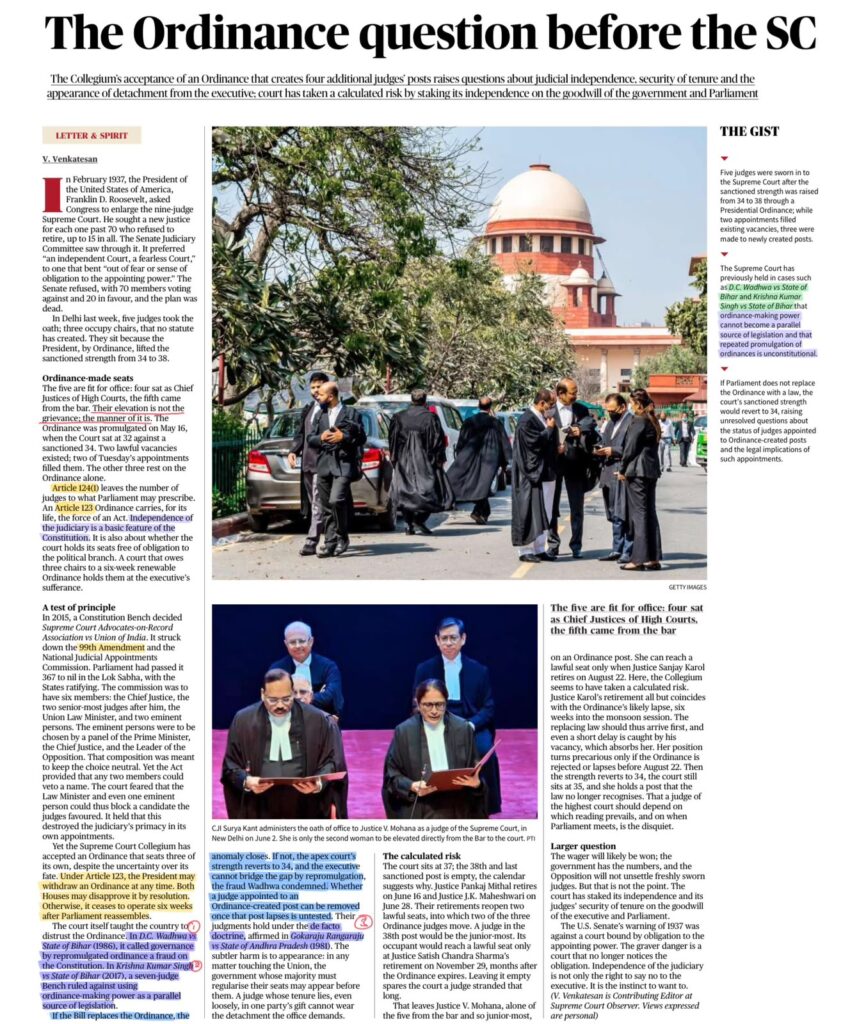
The President promulgated an Ordinance increasing the sanctioned strength of the Supreme Court from 34 to 38 judges, following which five new judges were sworn in. The debate centres on whether changes affecting the higher judiciary should be made through an Ordinance rather than the normal Parliamentary process.
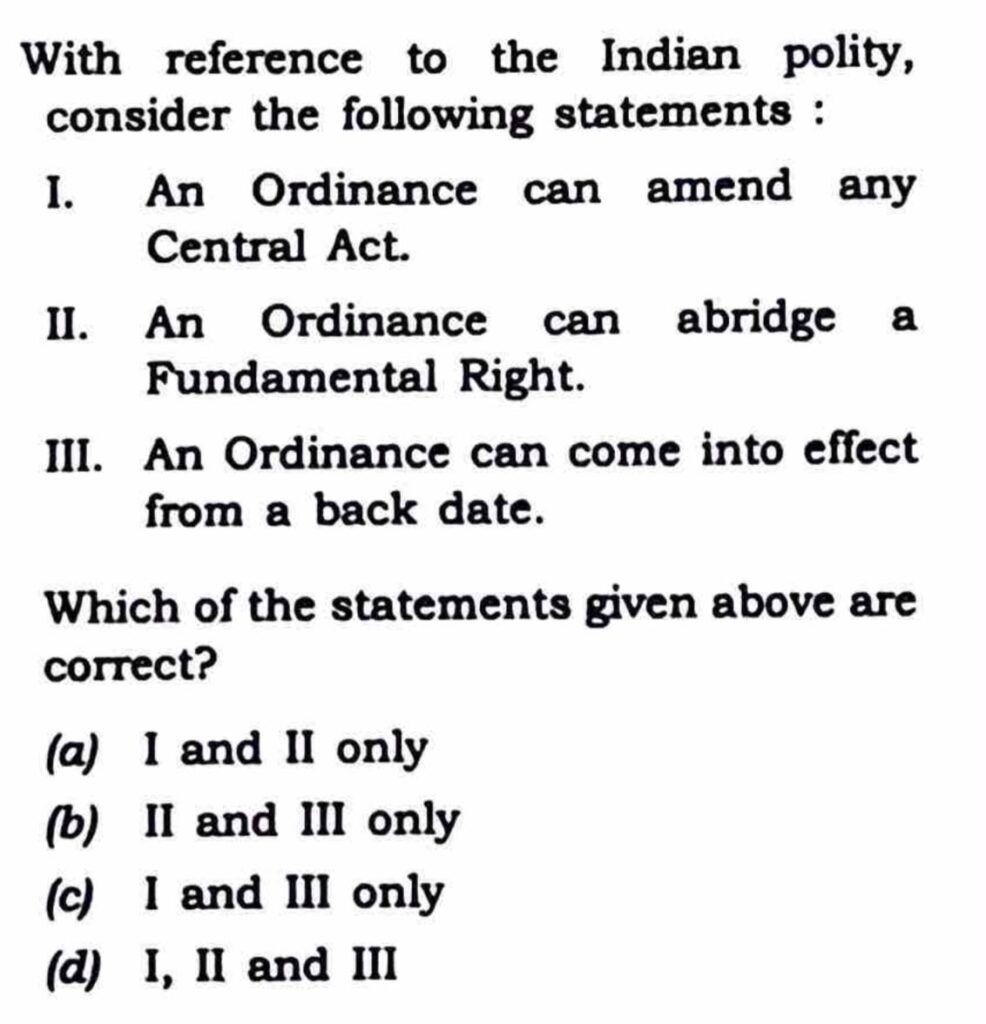
Ordinance-Making Power
- President’s Ordinance.
Article 213
- Governor’s Ordinance.
Features of Ordinance
- Has the same force as an Act of Parliament.
- Valid till 6 weeks after Parliament reassembles unless approved.
- Can be withdrawn by the President.
- Can be rejected by Parliament.
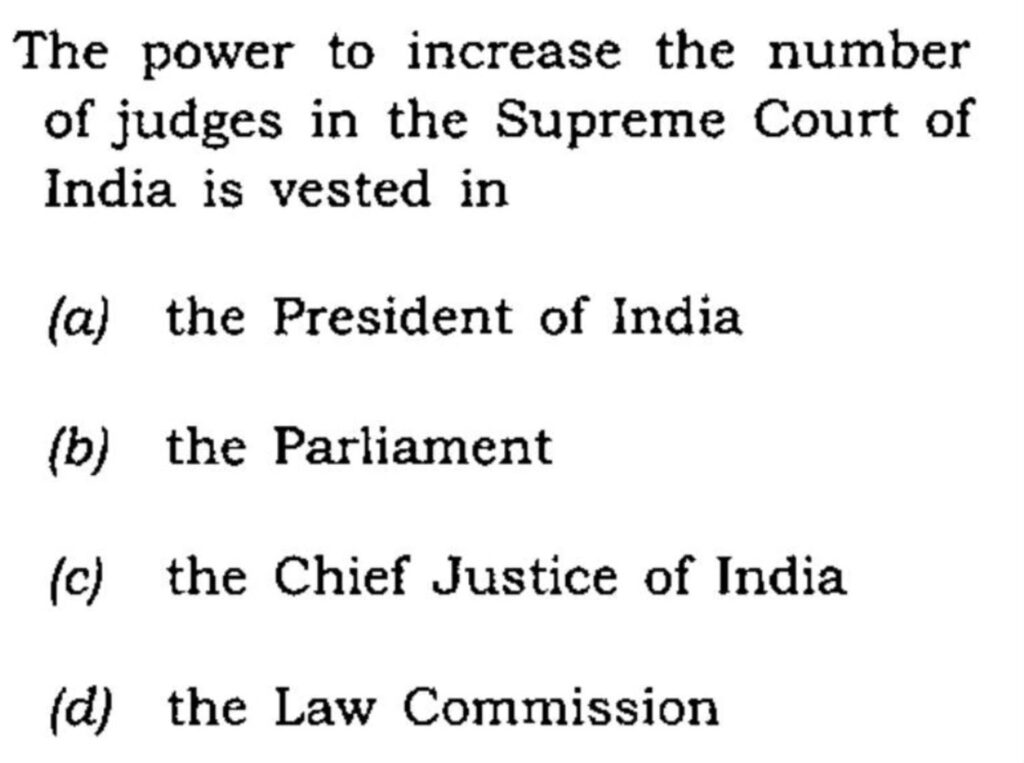
Strength of Judges
Supreme Court
- Article 124(1): Parliament determines the number of Supreme Court judges by law.
- Article 216: President determines the strength of High Court judges.
Constitutional Concern
- Ordinance power is meant for exceptional situations.
- It should not become a substitute for regular legislation.
- The issue raises questions of:
- Judicial independence
- Separation of powers
- Institutional autonomy
Important Supreme Court Judgments
D.C. Wadhwa v. State of Bihar, 1986
- Re-promulgation of Ordinances is a fraud on the Constitution.
Krishna Kumar Singh v. State of Bihar, 2017, 7-Judge Bench
- Ordinance power cannot become a parallel source of legislation.
Supreme Court Advocates-on-Record Association v. Union of India, 2015
- Judicial independence is part of the Basic Structure Doctrine.