20 April 2026 | Daily Current Affairs

Women Workforce Participation India: Rising Trends but Low Leadership Representation

Context: Women Workforce Participation India

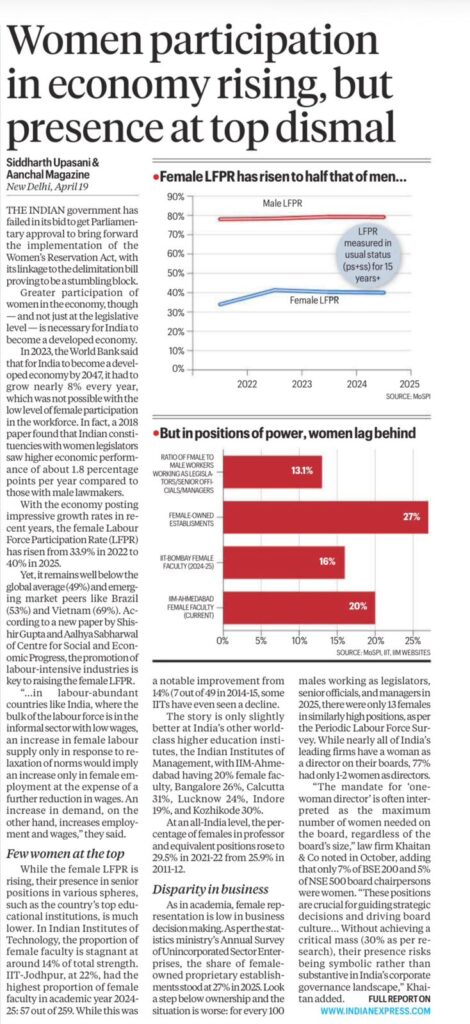
Using data from the Periodic Labour Force Survey (PLFS) — Ministry of Statistics and Programme Implementation (MoSPI), World Bank (2023), and Centre for Social and Economic Progress (CSEP), the article shows a clear trend: more women are entering the workforce, but very few are reaching positions of power.

1. Participation improving, but still low

  • Female Labour Force Participation Rate (LFPR):
    9% (2022) → ~40% (2025)
  • Still behind:
    Global ~49% | Brazil ~53% | Vietnam ~69%

2. Growth linkage (Why it matters)

  • World Bank (2023):
    India needs ~8% annual growth till 2047
  • Low female participation = constraint on growth

3. Clear leadership deficit

  • Women in legislators/senior officials/managers: 13.1%
  • Corporate boards:
    • 77% firms → only 1–2 women directors
    • Women chairpersons:
      BSE 200: ~7% | NSE 500: ~5%

4. Business & ownership gap

  • Female-owned establishments: 27% (2025)
    (Annual Survey of Unincorporated Sector Enterprises — MoSPI)

5. Academia (elite institutions)

  • IITs: ~14% female faculty (stagnant)
  • IIMs: range 19%–31%
    (Highest: Calcutta ~31%, Kozhikode ~30%)

6. Structural constraint

  • Labour force largely informal & low-wage
  • Supply ↑ without demand → wage pressure
  • Need labour-intensive job creation

7. Policy bottleneck

  • Women’s Reservation Act implementation delayed
    (linked with delimitation)
Women Workforce Participation India

CSR Spending India FY25: 23% Rise Driven by Higher Corporate Profits Explained

Context: CSR Spending India FY25

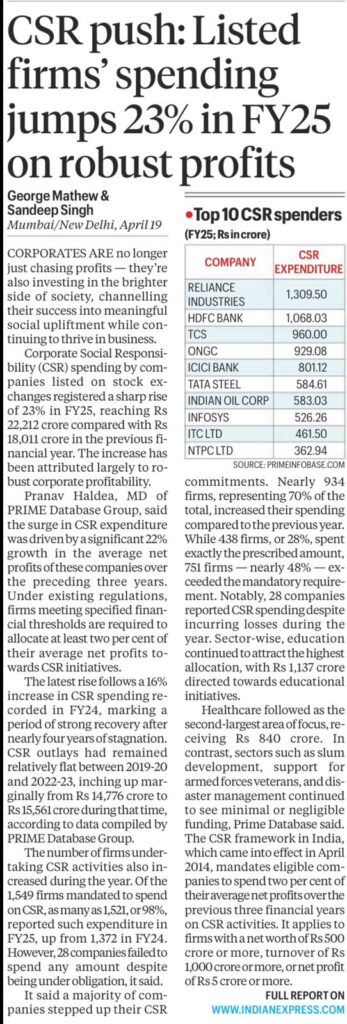
Corporate Social Responsibility (CSR) spending by listed companies increased by 23% in Financial Year 2024–25 (FY25) to ₹22,212 crore, mainly because companies earned higher profits.

1. What is Corporate Social Responsibility (CSR)

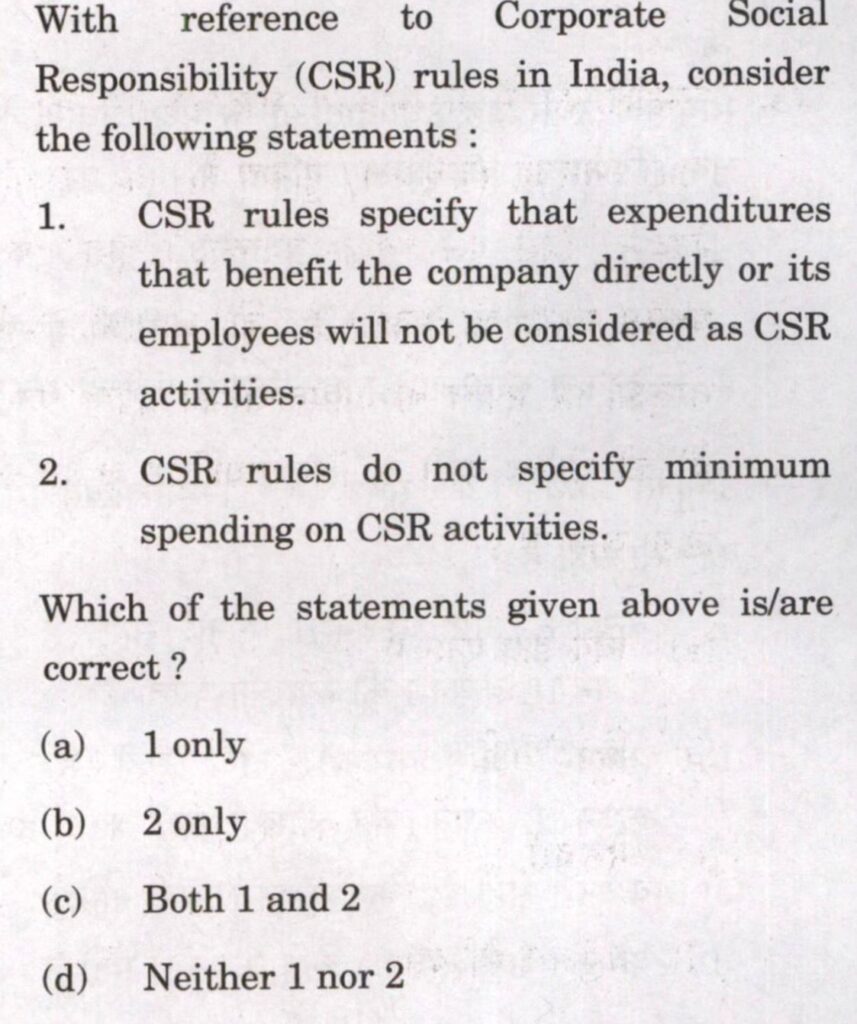
  • A legal obligation under Companies Act, 2013 (Section 135)
  • Companies must spend on social development activities
  • Rule: 2% of average net profit (last 3 years)
  • Applies to companies with:
    • Net worth ≥ ₹500 crore
    • Turnover ≥ ₹1000 crore
    • Net profit ≥ ₹5 crore

2. What happened in FY25

  • CSR spending rose sharply (23%)
  • Reason: profits increased (~22%)
  • Almost all companies (98%) followed CSR rule

3. How companies behaved

  • 48% companies spent more than required
  • 28% spent exactly 2%
  • 70% companies increased spending
  • Some companies spent even when in loss

4. Where money was spent

  • Education — highest (~₹1,137 crore)
  • Healthcare — second (~₹840 crore)
  • Less focus on slums, veterans, disaster management
CSR Spending India FY25
PYQ – 2024, Ans – A

Genetically Modified Mosquitoes Malaria: CRISPR Gene Drive Strategy for Disease Control

Context: Genetically Modified Mosquitoes Malaria

Scientists have shown that genetically modified mosquitoes can block malaria parasites in real-world conditions using CRISPR-based gene drives, shifting strategy from killing mosquitoes → making them unable to transmit disease.

1. How this process works?

  • Step 1: Gene editing (CRISPR-Cas9)
    A gene is inserted into mosquitoes that produces anti-malaria molecules or blocks parasite growth.
  • Step 2: Gene drive mechanism
    The edited gene copies itself to the partner chromosome → inheritance jumps from 50% → >90%.
  • Step 3: Rapid spread
    Modified mosquitoes breed → most offspring carry the trait → spreads through wild population.
  • Step 4: Inside the mosquito
    Malaria parasite (Plasmodium) fails to develop in the gut/salivary glands.
  • Outcome
    Mosquitoes still exist but cannot transmit malaria → “Transmission Zero” approach.

2. Key mosquitoes & diseases

A. Anopheles (female)

  • Disease: Malaria
  • Parasite: Plasmodium
  • Note: Main target for genetic modification

B. Aedes aegypti / Aedes albopictus

  • Diseases: Dengue, Chikungunya, Zika, Yellow fever
  • Note: Day-biting mosquito

C. Culex

  • Diseases: Japanese Encephalitis, Filariasis (Elephantiasis), West Nile fever
Genetically Modified Mosquitoes Malaria
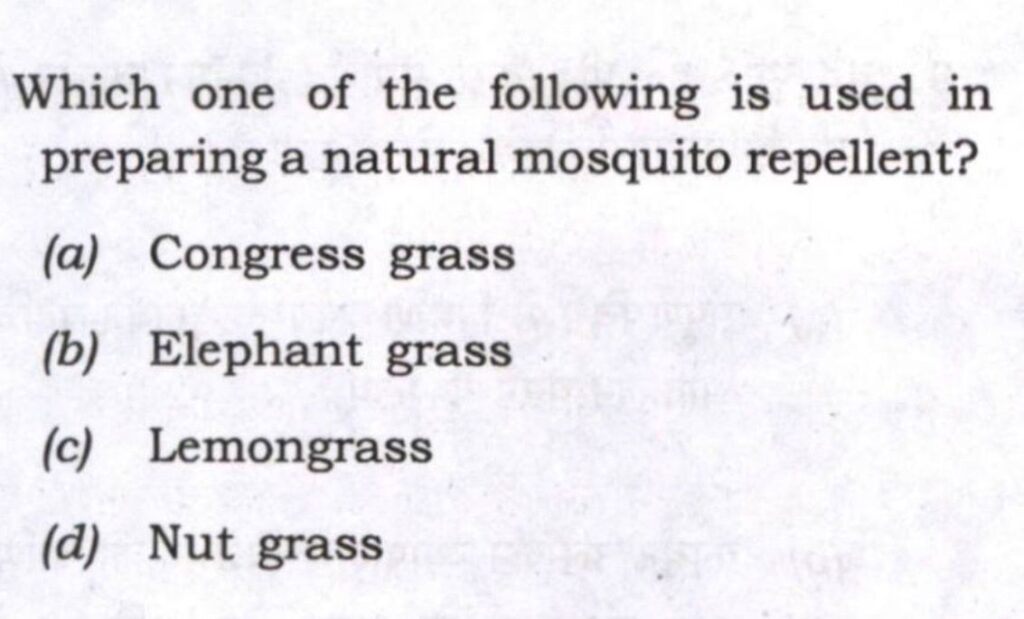
PYQ – 2021, Ans – C

Hanging Glaciers Himalaya: Rising Avalanche and Flood Risks in Central Himalaya Explained

Context: Hanging Glaciers Himalaya

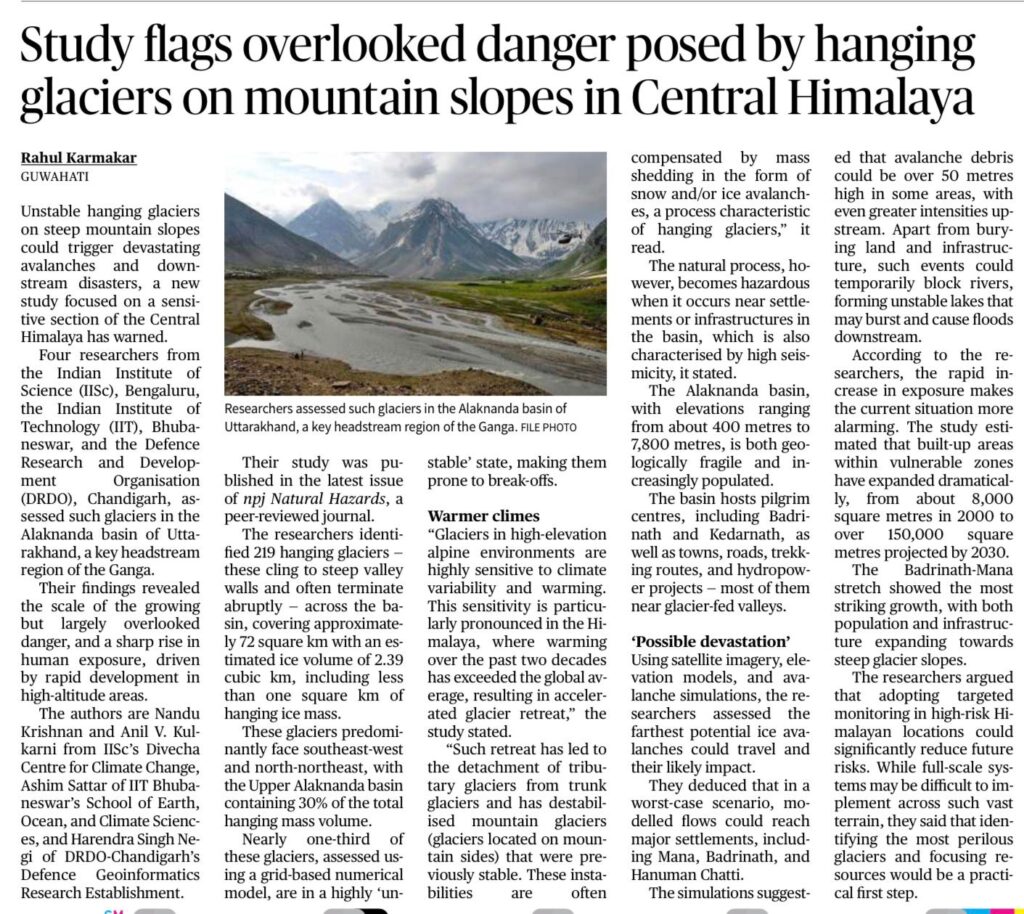
Study (IISc–IIT–DRDO; npj Natural Hazards) flags 219 unstable hanging glaciers in Alaknanda basin (Uttarakhand) → rising risk of ice avalanches, river blockage, downstream floods, especially near Badrinath–Mana.

1. Hanging Glacier (Definition)

  • Glacier on steep slopes/cliffs, not reaching valley floor
  • Abrupt ice front → prone to sudden break-off (avalanches)
  • Typical of high, rugged Himalaya

2. Why risk is rising (Core causes)

  • Warming → faster retreat & thinning
  • Detachment → tributary glaciers break from main → unstable
  • Steep slopes → gravity-driven collapse
  • Freeze–thaw → cracks & weakening
  • Seismicity → triggers collapse
  • Human expansion → roads, dams, pilgrims near hazard zones

3. Impact

Avalanche → river blockage → temporary lake → sudden flood (high damage potential)

4. Important Glaciers of India

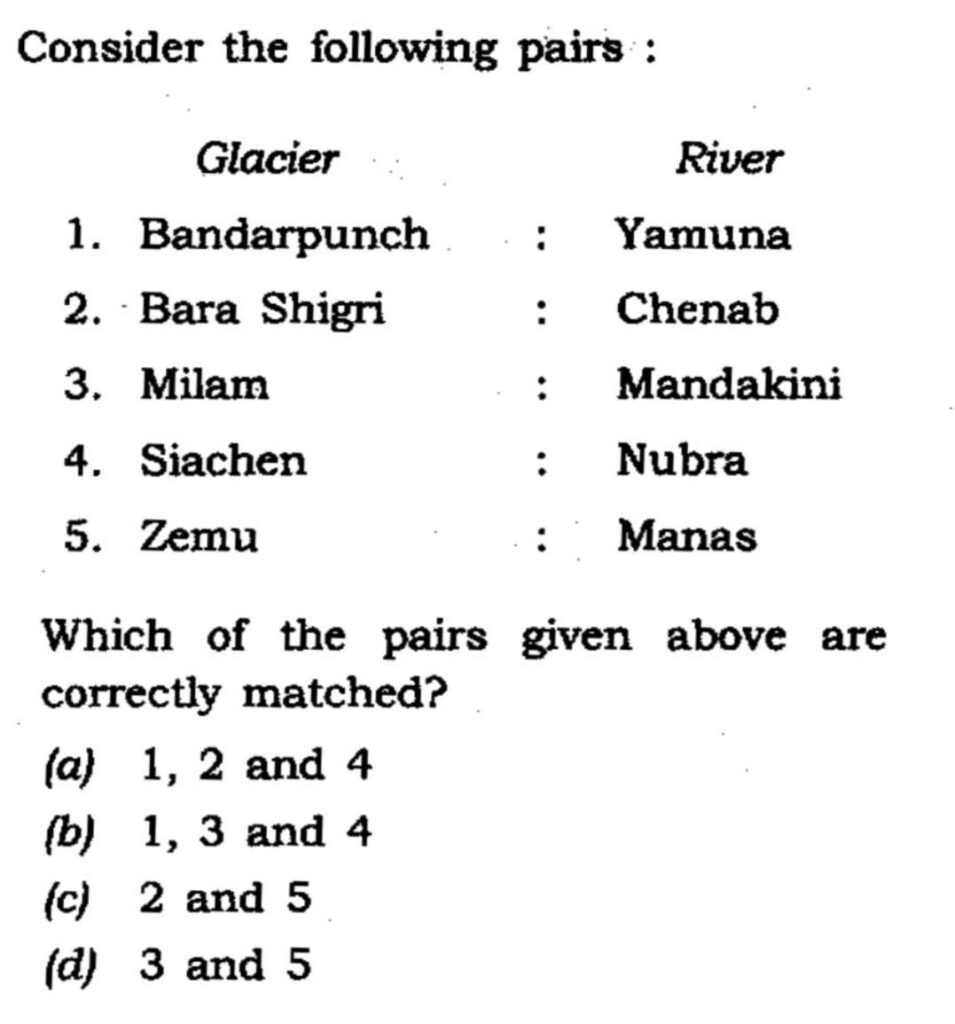
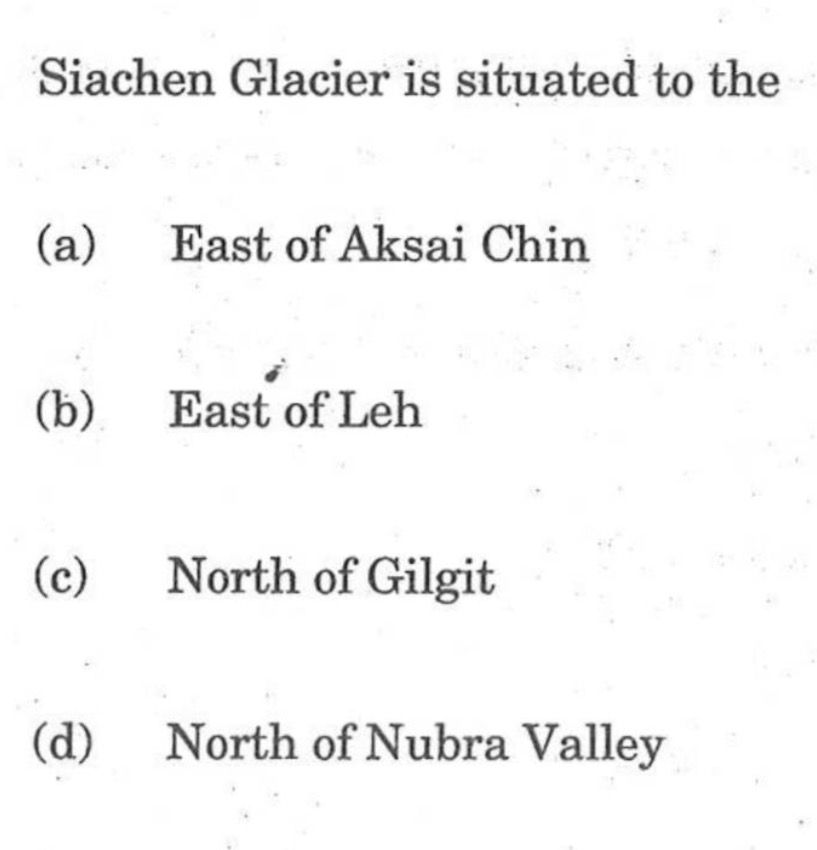
  • Karakoram: Siachen (largest), Baltoro, Biafo
  • Ladakh: Drang-Drung
  • Uttarakhand: Gangotri, Yamunotri, Pindari, Milam
  • Himachal: Bara Shigri
  • Sikkim: Zemu
Hanging Glaciers Himalaya
PYQ – 2019, Ans – A
PYQ – 2020, Ans – D

Yellow Line Israel: New Military Buffer Strategy from Gaza to Lebanon Explained for UPSC

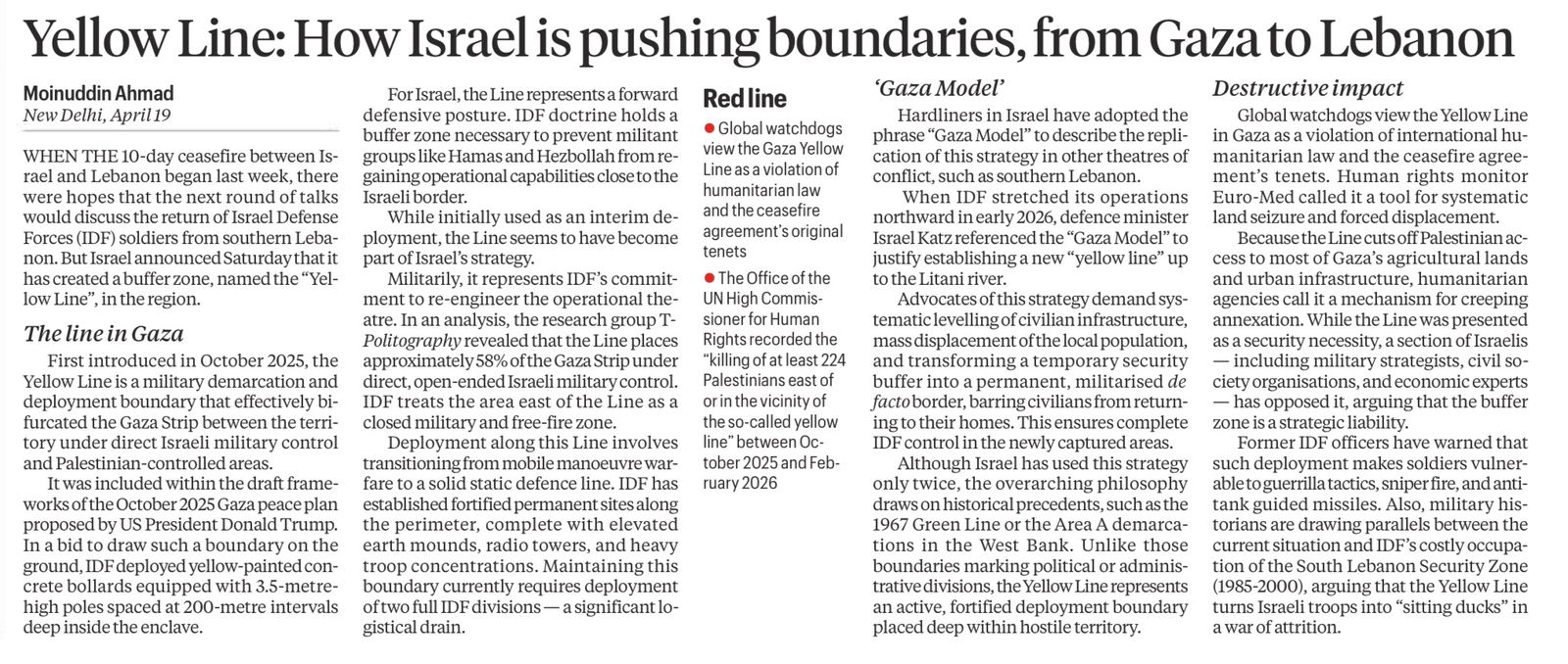
Context: Yellow Line Israel

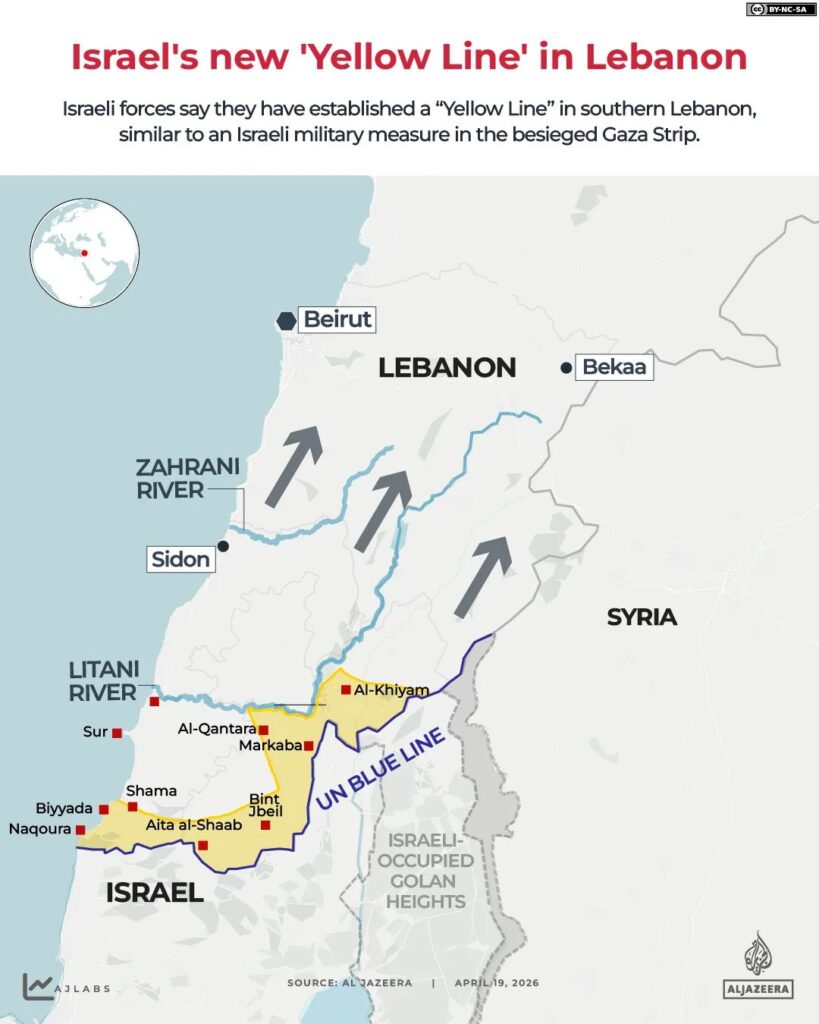
Israel’s creation of the Yellow Line (2025–26) reflects a shift to forward buffer zones beyond traditional ceasefire/armistice lines.

Lines related to Israel

  1. Yellow Line (2025– )
    Military buffer zone inside Gaza/extended towards Lebanon; forward defence, active control zone.
  2. Green Line (1949)
    Armistice line; separates Israel from West Bank, Gaza, East Jerusalem.
  3. Blue Line (2000, UN)
    Confirms Israeli withdrawal; boundary between Israel–Lebanon.
  4. Purple Line (1967)
    Ceasefire line; separates Israel–Syria (Golan Heights).
Yellow Line Israel
Yellow Line Israel
Yellow Line Israel
Yellow Line Israel
About the UPSC Civil Services Examination (UPSC CSE)

The UPSC Civil Services Examination (CSE) is one of the most competitive and esteemed examinations in India, conducted by the Union Public Service Commission to recruit officers for services such as the Indian Administrative Service (IAS), Indian Police Service (IPS), Indian Foreign Service (IFS), and others. The exam comprises three stages — Prelims, Mains, and the Personality Test (Interview) — designed to test a candidate’s knowledge, aptitude, decision-making, and leadership skills.


How to Prepare Effectively for UPSC CSE

Cracking the UPSC CSE requires a deep understanding of the syllabus, consistent revision, structured answer writing, and smart test-taking strategies. The Prelims test analytical and conceptual clarity, the Mains focuses on critical thinking, articulation, and subject mastery, while the Interview assesses presence of mind, ethical judgment, and personality traits relevant to public service.

At UnderStand UPSC, we empower aspirants with a personalized and focused approach to each stage of the exam.


Why Choose UnderStand UPSC?

UnderStand UPSC is a mentorship-driven platform offering a clear, clutter-free strategy to tackle the Civil Services Examination. Our programs like Transform (for beginners and intermediate learners) and Conquer (for advanced mains preparation) provide structured study plans, syllabus-wise video content, interactive live sessions, and answer writing support.

We emphasize:

  • Concept clarity through topic-wise lectures

  • Test series designed around real UPSC standards

  • Personalized mentorship in small groups

  • Regular performance tracking and peer benchmarking

  • Doubt-clearing sessions, current affairs analysis, and monthly magazines


Join the UnderStand UPSC Learning Community

Our mission is to make UPSC preparation less overwhelming and more strategic. We combine mentorship, discipline, and academic rigor to help you clear CSE with confidence. Whether you’re preparing from Delhi, Mumbai, Bangalore, or a remote village — our online-first model ensures quality guidance reaches every corner of India.

Join the thousands of aspirants who trust UnderStand UPSC to guide their journey toward becoming civil servants.

Stay connected with us through our Telegram, YouTube, and Instagram channels for daily tips, strategies, and updates.

Copyright © 2026 USARAMBHA EDUCATION (UnderStand UPSC). All Rights Reserved.

Join the Success Journey!