10 August 2026 | UPSC Daily Current Affairs

10 August 2026 | UPSC Daily Current Affairs

India Commonwealth Games 2026 performance: UPSC Analysis

Context:
The 23rd Commonwealth Games were held in Glasgow from 23 July to 2 August 2026.

Athletes from 74 nations participated across 11 sports and 215 medal events.

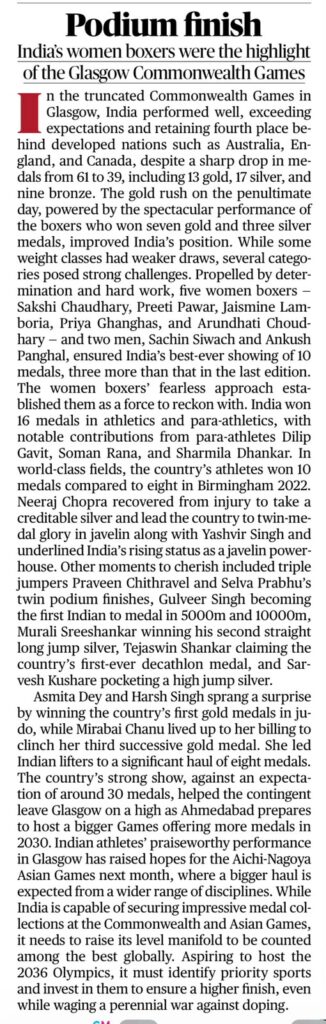
India finished 4th with 39 medals: 13 Gold, 17 Silver and 9 Bronze. More than the medal count, the performance showed India’s growing depth in women’s sport, boxing, judo, athletics and para-sport.

India’s Medal Position

India retained the 4th position, behind Australia, England and Canada.

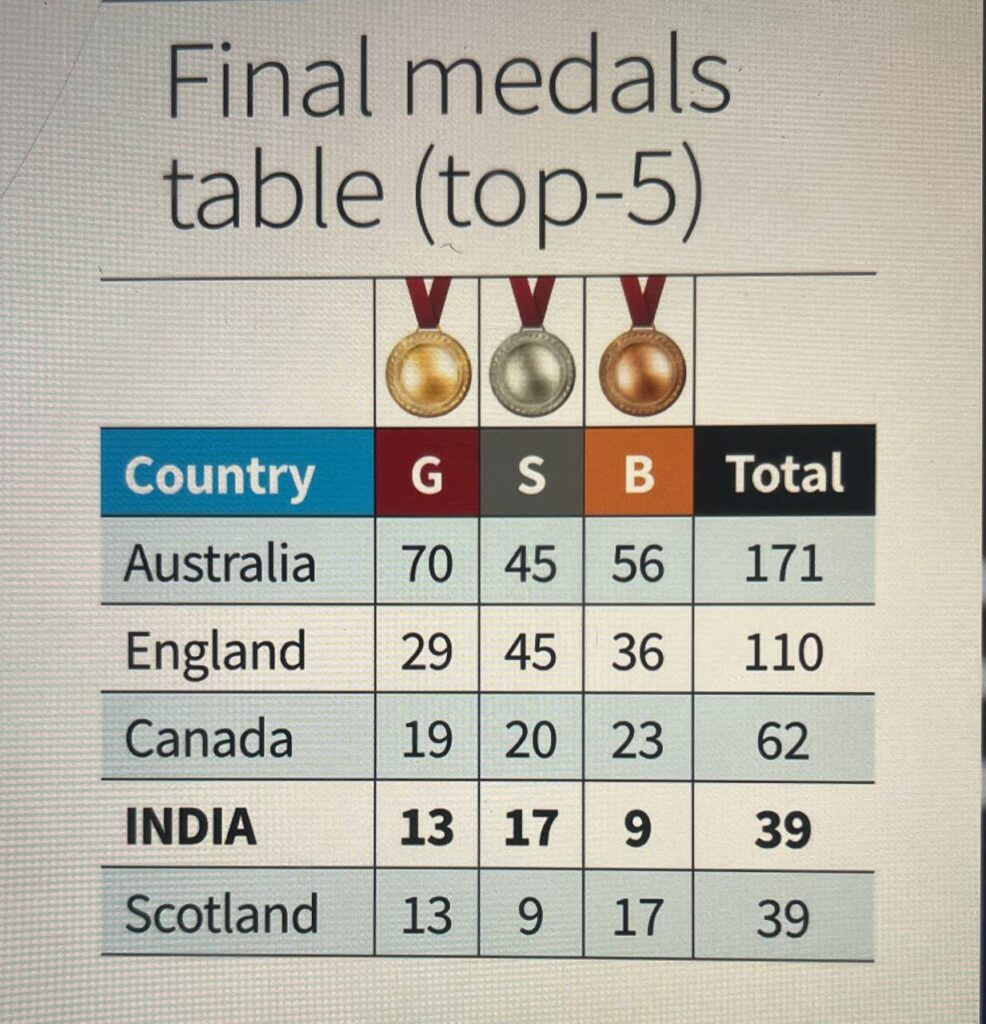
The final top-five medal table showed:

  • Australia: 70 Gold, 45 Silver, 56 Bronze — Total 171
  • England: 29 Gold, 45 Silver, 36 Bronze — Total 110
  • Canada: 19 Gold, 20 Silver, 23 Bronze — Total 62
  • India: 13 Gold, 17 Silver, 9 Bronze — Total 39
  • Scotland: 13 Gold, 9 Silver, 17 Bronze — Total 39

India and Scotland both had 39 medals, but India ranked higher because of more silver medals.

Bigger Significance of India’s Performance

Record Boxing Campaign

India won 10 medals in boxing.

This included:

  • 7 Gold
  • 3 Silver

This was India’s best-ever boxing performance at a Commonwealth Games and the highest boxing medal haul at Glasgow.

Women’s Excellence

Women boxers were the highlight of India’s campaign.

Gold medals were won by:

  • Preeti Pawar
  • Jaismine Lamboria
  • Sakshi Chaudhary
  • Priya Ghanghas
  • Arundhati Choudhary

This shows the growing rise of women’s high-performance sport in India.

Judo Breakthrough

India also achieved a historic breakthrough in judo.

Asmita Dey won Gold in the 48 kg category.

Harsh Singh won Gold in the 60 kg category.

These were India’s first Commonwealth Games Gold medals in judo.

This shows that India’s medal base is slowly expanding beyond traditional strong disciplines.

Athletics Performance

India also showed progress in track and field.

Important performances included:

  • Neeraj Chopra — Silver in Javelin
  • Murali Sreeshankar — Silver in Long Jump
  • Gulveer Singh — Silver in 10,000m and Bronze in 5,000m

These performances reflect India’s growing capability in athletics.

Para-Sport

India secured 7 para-sport medals, including 3 Gold.

This shows growing inclusivity and competitive depth in India’s sporting ecosystem.

Broader Message

India’s 39-medal haul was not only about quantity.

It represented:

  • Diversification of sports
  • Women’s empowerment
  • Para-sport inclusion
  • Emergence of new medal disciplines
  • Rising sporting depth

Persisting Challenges

India’s success is still concentrated in a few disciplines.

Talent identification remains uneven across regions and socio-economic groups.

Sports science support such as nutrition, psychology, biomechanics, rehabilitation and performance analytics still needs wider reach.

Long-term funding and better infrastructure remain essential.

Sports federations also need professional management, transparent selection systems, athlete welfare support and stronger anti-doping mechanisms.

Way Forward

India should build a seamless talent pipeline connecting:

  • Khelo India
  • Schools
  • Universities
  • Academies
  • High-performance centres

Athletes need integrated support in sports science, nutrition, psychology, physiotherapy and data analytics.

India should provide multi-year, outcome-linked support to Olympic, Paralympic and non-traditional disciplines.

Dedicated pathways are needed for women, para-athletes and under-represented regions.

Ahmedabad 2030 should be used strategically as a catalyst for lasting sports infrastructure, stronger domestic competitions and better institutional capacity.

Key Takeaway

India’s Commonwealth Games 2026 performance shows growing sporting depth, especially in women’s boxing, judo, athletics and para-sport. The next challenge is to convert this progress into deeper, wider and more consistent global performance.
India Commonwealth Games 2026 performance

Tribal gut microbiome India study: UPSC GS-III Analysis

Context:
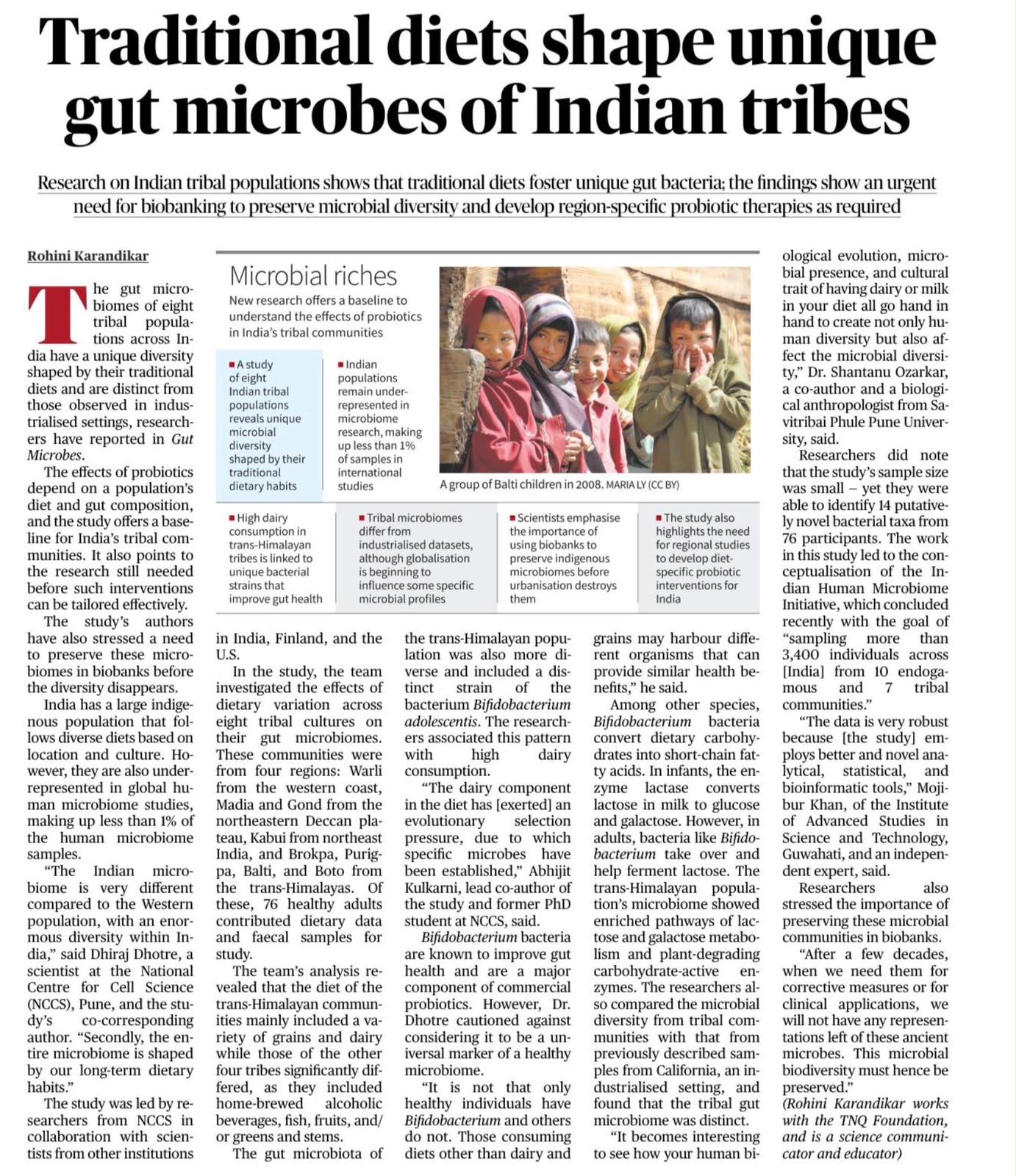
A study of eight Indian tribal populations found that traditional, region-specific diets shape distinct gut-microbial communities.

The study highlights the need to preserve indigenous microbiomes and develop region-specific probiotic interventions.

Gut Microbiome

The gut microbiome refers to the community of microorganisms living in the human digestive system.

These microorganisms influence:

  • Digestion
  • Metabolism
  • Immunity
  • Nutrient absorption
  • Gut health
  • Overall wellbeing

Probiotics

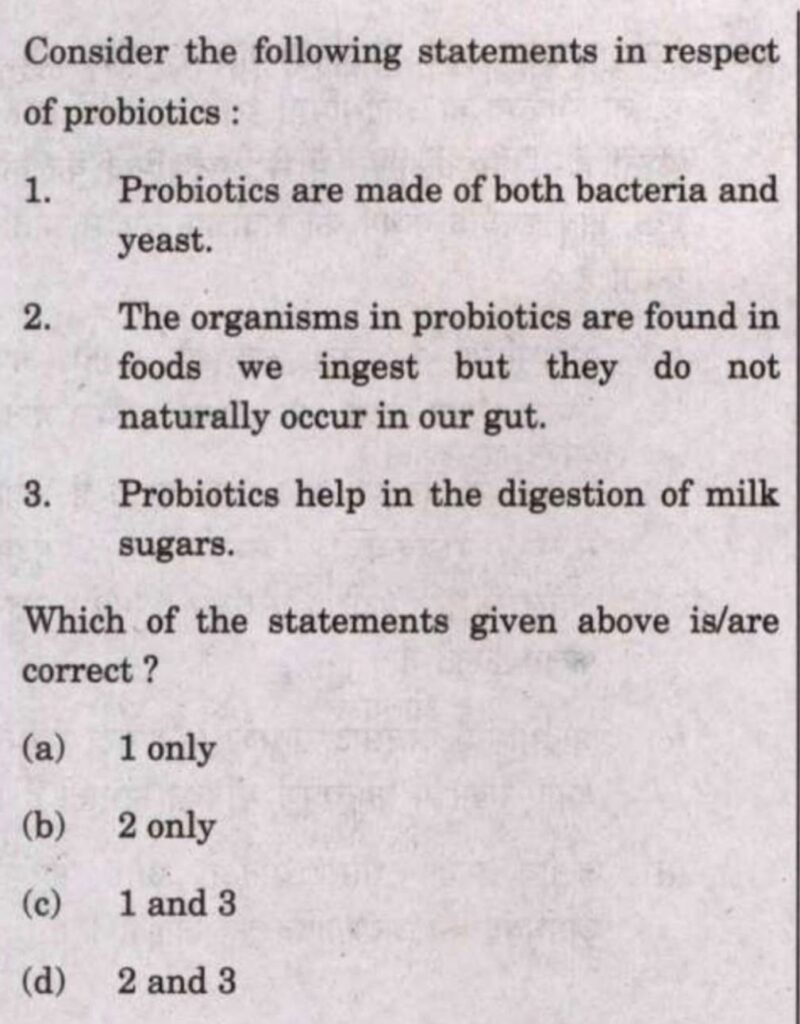
Probiotics are live microorganisms that provide health benefits when consumed in adequate amounts.

They mainly include beneficial bacteria and certain yeasts.

They may be obtained through fermented foods or probiotic products.

Bifidobacterium

Bifidobacterium is an important group of beneficial gut bacteria.

It is involved in digestion and production of beneficial metabolites.

Some probiotics can help digest lactose and other dietary carbohydrates.

Key Findings of the Study

Distinct Tribal Microbiomes

The study examined 76 healthy adults from eight tribal communities across four regions.

It found that different tribal communities had distinctive microbial profiles.

Diet-Microbiome Link

Traditional diets shaped gut-microbial diversity.

These diets included:

  • Grains
  • Dairy
  • Fish
  • Fruits
  • Greens
  • Locally available foods

This shows that gut microbes are closely linked to food habits and local ecology.

Trans-Himalayan Uniqueness

High dairy consumption among some trans-Himalayan communities was associated with distinctive strains, including Bifidobacterium adolescentis.

Research Gap

Indian populations constitute less than 1% of samples in global microbiome studies.

This is a serious gap because India has enormous population diversity, dietary diversity and ecological variation.

Significance

Health and Nutrition

Gut microbes affect digestion, metabolism and immune functions.

Studying them can help improve nutrition and health interventions.

Personalised Interventions

Probiotic therapies should not be based on a universal formula.

They should consider regional diets and microbiome composition.

This can help create better region-specific health solutions.

Biological Heritage

Indigenous microbiomes are a form of biological diversity.

They may disappear because of dietary change, urbanisation and lifestyle shifts.

Preserving them is important for future health research.

Policy and Way Forward

India should preserve indigenous microbial strains through biobanking.

Human microbiome research should be expanded across different regions and communities.

The Indian Human Microbiome Initiative envisages sampling over 3,400 individuals from 10 indigenous and 7 tribal communities.

India should develop region-specific probiotics suited to local diets and microbial profiles.

Key Takeaway

Traditional tribal diets preserve unique gut microbiomes. India needs wider microbiome research, biobanking and region-specific probiotics before these biological resources disappear.

Tribal gut microbiome India study

Industrial heat electrification India: UPSC GS-III

Context:
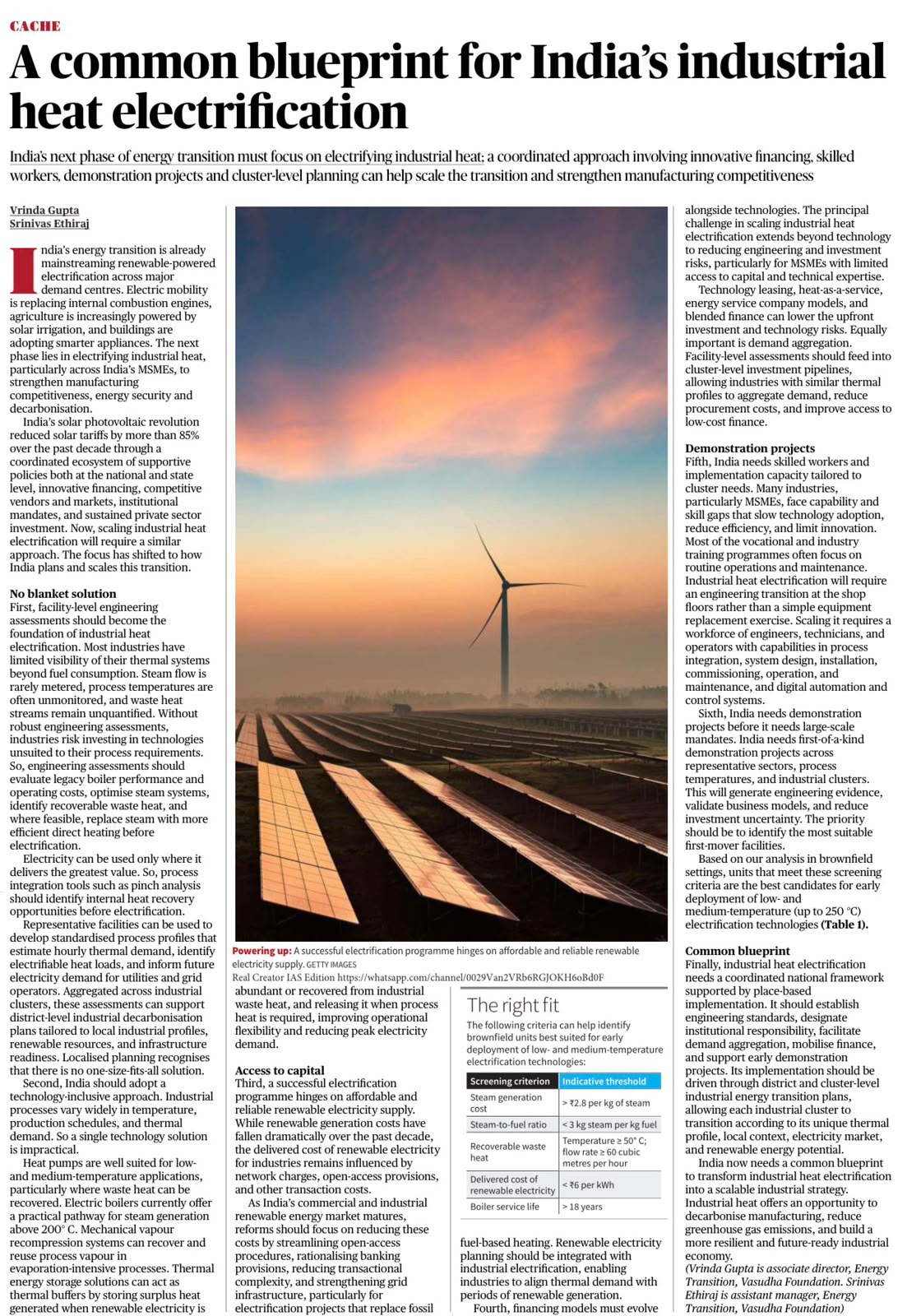
India’s next major energy-transition challenge is industrial heat electrification.

This means shifting suitable industrial heat processes from fossil fuels to clean electricity. The goal is to achieve decarbonisation, energy security and competitive manufacturing.

What Is Industrial Heat Electrification?

Industrial heat electrification means using electricity instead of fossil fuels to generate heat for industrial processes.

Many industries use heat for:

  • Drying
  • Heating
  • Steam generation
  • Processing
  • Chemical operations
  • Food processing
  • Textile processing
  • Manufacturing operations

Traditionally, this heat comes from coal, oil, gas or biomass.

Electrification shifts suitable processes towards clean electricity, especially renewable electricity.

Why Industrial Heat Electrification Matters

Decarbonisation

Low- and medium-temperature industrial heat offers significant scope for electrification.

Globally, such applications account for about 70% of industrial energy consumption.

This makes industrial heat a major area for reducing emissions.

Renewable Energy Opportunity

India’s renewable electricity base is expanding.

This creates scope to shift industrial heat demand towards clean electricity.

If renewable electricity is combined with storage and efficient heating technologies, industrial emissions can be reduced.

Competitiveness

Electrification can reduce dependence on fossil fuels.

It can also reduce exposure to fuel-price volatility.

This supports low-carbon manufacturing and helps Indian industries remain competitive in global markets where carbon standards are becoming stricter.

Common Blueprint

Right Technology, Right Temperature

India needs facility-level assessments before electrification.

Each industry should examine:

  • Required temperature
  • Heat demand
  • Waste-heat recovery potential
  • Existing equipment
  • Process suitability
  • Cost of conversion

Heat pumps are especially useful for low- and medium-temperature processes.

Affordable Finance

High upfront cost is a major barrier, especially for MSMEs.

Therefore, India needs:

  • Heat-as-a-Service models
  • Technology leasing
  • Blended finance
  • Cluster-level procurement
  • Concessional loans

These can reduce investment risk and help smaller units adopt new technologies.

Demonstration and Skills

Pilot projects are needed across industrial clusters.

These pilots can validate technologies, show real cost savings and reduce investor hesitation.

India also needs skilled workers for:

  • Installation
  • Commissioning
  • Maintenance
  • Digital controls
  • Energy management

Policy Link

The Perform, Achieve and Trade Scheme is already an important energy-efficiency mechanism.

In 2025, PAT covered 1,333 energy-intensive industrial units, representing 55% of industrial energy consumption.

It reported energy savings of 25.78 million tonnes of oil equivalent.

The next step is to complement PAT’s energy-efficiency focus with industrial heat electrification.

Way Forward

India should create cluster-level plans to aggregate demand and reduce procurement and finance costs.

Renewable electricity, storage and waste-heat recovery should be combined where technically viable.

MSMEs should be prioritised because they often face higher finance and technology barriers.

Low- and medium-temperature processes should be targeted first because they have stronger near-term electrification potential.

Key Takeaway

Industrial heat electrification can become the next major step in India’s clean-energy transition. It can reduce emissions, improve energy security and strengthen low-carbon manufacturing, especially if MSMEs get finance, technology and skills support.

Industrial heat electrification India

Syria Russia Tartus Hmeimim deal: UPSC GS-II Analysis

Context:
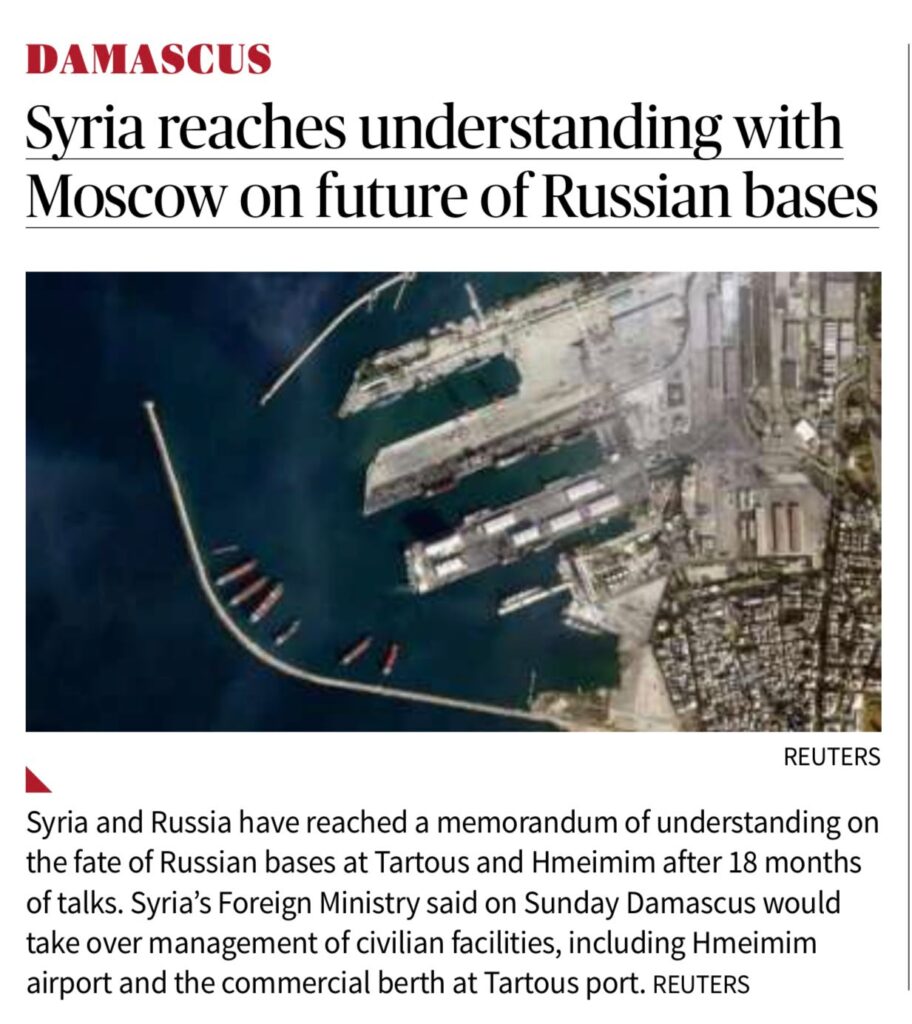
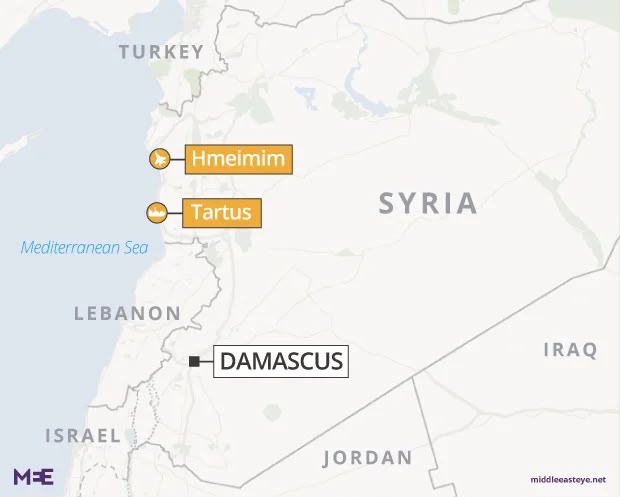
Syria and Russia have reached an MoU after 18 months of negotiations to reorganise Russia’s military presence at Tartus and Hmeimim.

This marks a shift in the long-standing Russia–Syria security relationship.

Current Development

Syria will take over civilian facilities, including:

  • Hmeimim Airport
  • Commercial fourth berth at Tartus

The military facilities will be reconfigured as joint Russian-Syrian training and qualification centres.

This means they will not continue in exactly their previous form as Russian military bases.

Tartus Naval Facility

Tartus is Russia’s key naval and logistics foothold in the Mediterranean.

The facility dates back to the Soviet era.

It was expanded under a 2017 agreement, giving Russia long-term access.

Tartus is important because it gives Russia access beyond the Black Sea.

Hmeimim Air Base

Hmeimim Air Base is located near Latakia in Syria.

It became the principal base for Russian air operations after Moscow intervened in the Syrian civil war in 2015 to support Bashar al-Assad.

Russia formalised its long-term presence through a 49-year arrangement in 2017.

Why These Bases Matter to Russia

Mediterranean Access

Tartus provides Russia with a strategic naval foothold in the Mediterranean.

This is especially important because Russia’s Black Sea access is geographically and politically constrained.

Power Projection

Hmeimim helped Russia conduct air operations in Syria.

It also strengthened Moscow’s influence across West Asia and the Eastern Mediterranean.

Africa and Wider Reach

Together, Tartus and Hmeimim have served as logistical nodes for Russia’s broader regional military presence.

They have supported Russia’s reach into West Asia, the Mediterranean and parts of Africa.

Strategic Significance

The MoU shows that Syria is trying to regain more control over civilian facilities.

At the same time, Russia is trying to preserve strategic access through a modified arrangement.

The move reflects changing power equations in West Asia and the evolving Russia–Syria relationship.

India Link

For India, the development is relevant because Russia remains a major strategic partner.

Changes in Russia’s West Asian presence can affect regional geopolitics, energy security and India’s wider diplomatic calculations in West Asia.

Key Takeaway

Tartus and Hmeimim are central to Russia’s Mediterranean and West Asian military reach. The new Syria–Russia understanding does not completely remove Russian influence, but reorganises it into a more joint and reconfigured presence.

Syria Russia Tartus Hmeimim deal

AI designed bacteriophages resistant bacteria: UPSC

Context:
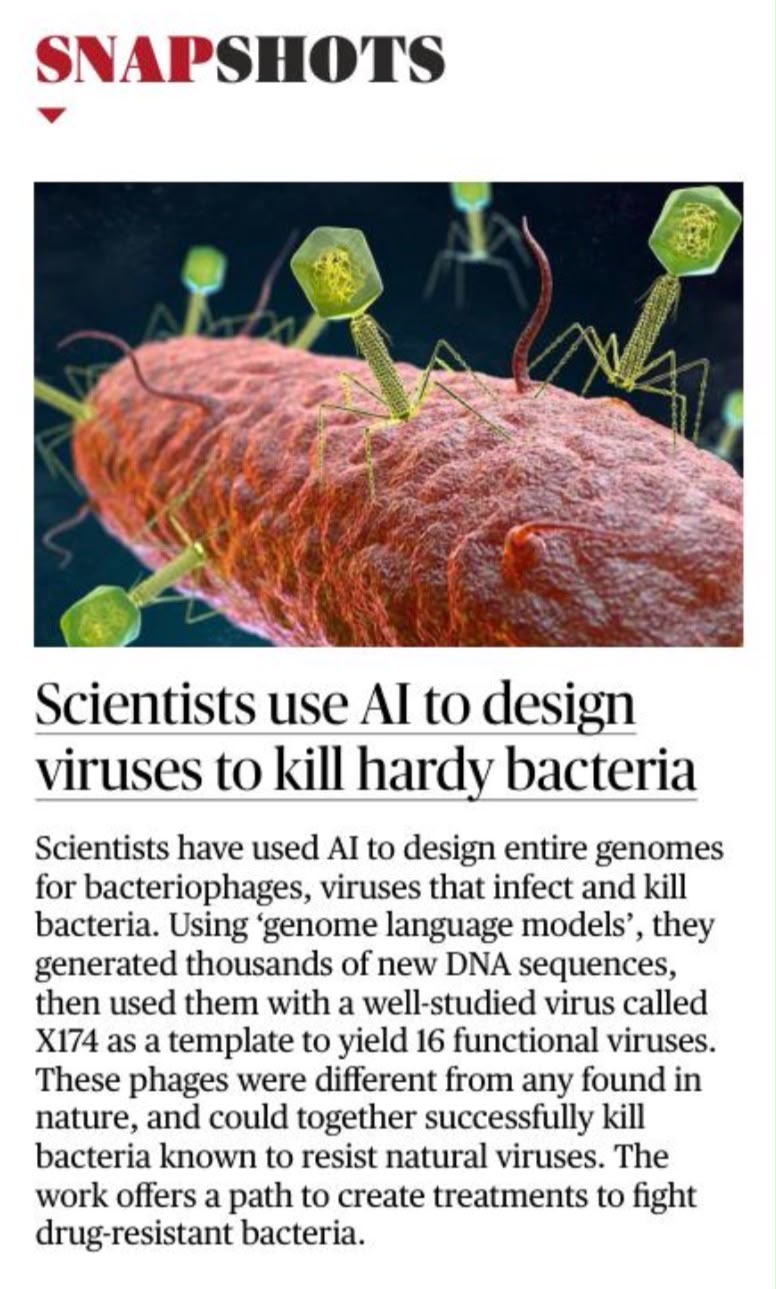
Scientists have used Artificial Intelligence to design bacteriophages capable of killing bacteria that resist naturally occurring phages.

This opens a potential new approach against antimicrobial-resistant infections.

Bacteriophage: Basics

Bacteriophages, also called phages, are viruses that specifically infect bacteria.

They use bacterial cells to replicate.

They are generally host-specific.

This means a phage that infects one bacterial species or strain may not infect another.

After infecting a susceptible bacterium, a lytic phage multiplies inside it and ultimately lyses or destroys the bacterial cell.

Bacteriophages are found widely in nature, including soil, freshwater and oceans.

What Is New?

AI-Designed Genomes

Scientists used genome language models to generate thousands of candidate DNA sequences for new bacteriophages.

X174 Template

Researchers used the well-studied bacteriophage X174 as a template.

They obtained 16 functional viruses.

Novel Phages

The engineered phages were different from naturally occurring viruses.

Together, they killed bacteria that were resistant to natural phages.

Potential Application

These engineered phages could contribute to phage therapy against difficult-to-treat drug-resistant bacterial infections.

Why It Matters

Antimicrobial Resistance

Antimicrobial Resistance is a major global health challenge.

As bacteria become resistant to antibiotics, new treatment tools are needed.

AI-designed phages may become an alternative or complement to conventional antibiotics.

Precision Therapy

Phages can be highly specific to their bacterial hosts.

This means they may target harmful bacteria while causing less disruption to beneficial microbiota.

AI and Biotechnology

The development shows how AI can accelerate the design-test-optimise cycle in synthetic biology.

AI can help generate biological designs faster, which scientists can then test in laboratories.

Important Clarification

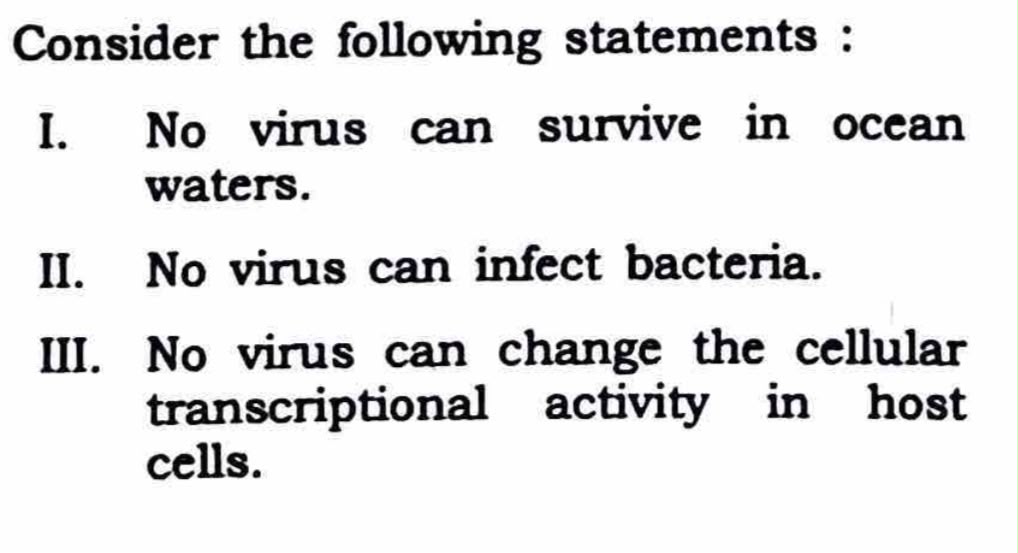
Viruses can infect bacteria.

Bacteriophages are exactly such viruses.

Viruses also exist widely in natural environments, including oceans.

Key Takeaway

AI-designed bacteriophages show how biotechnology and artificial intelligence can combine to fight antimicrobial resistance. They could become a future precision tool against drug-resistant bacteria.

AI designed bacteriophages resistant bacteria

India 300 GW clean energy milestone: UPSC Analysis

Context:
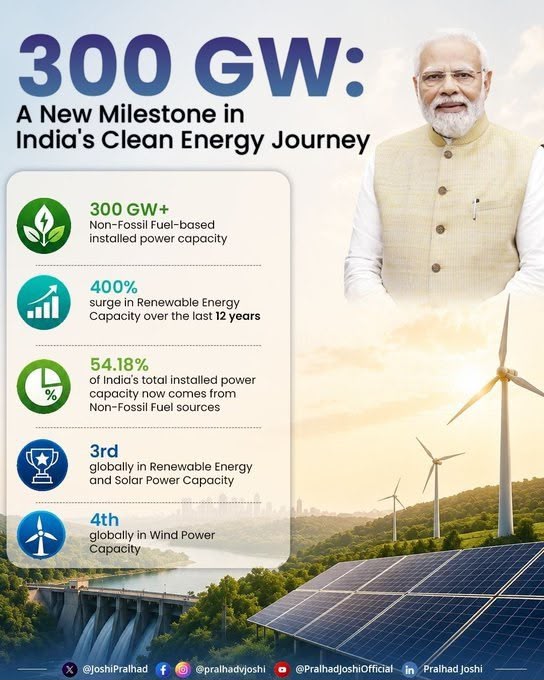
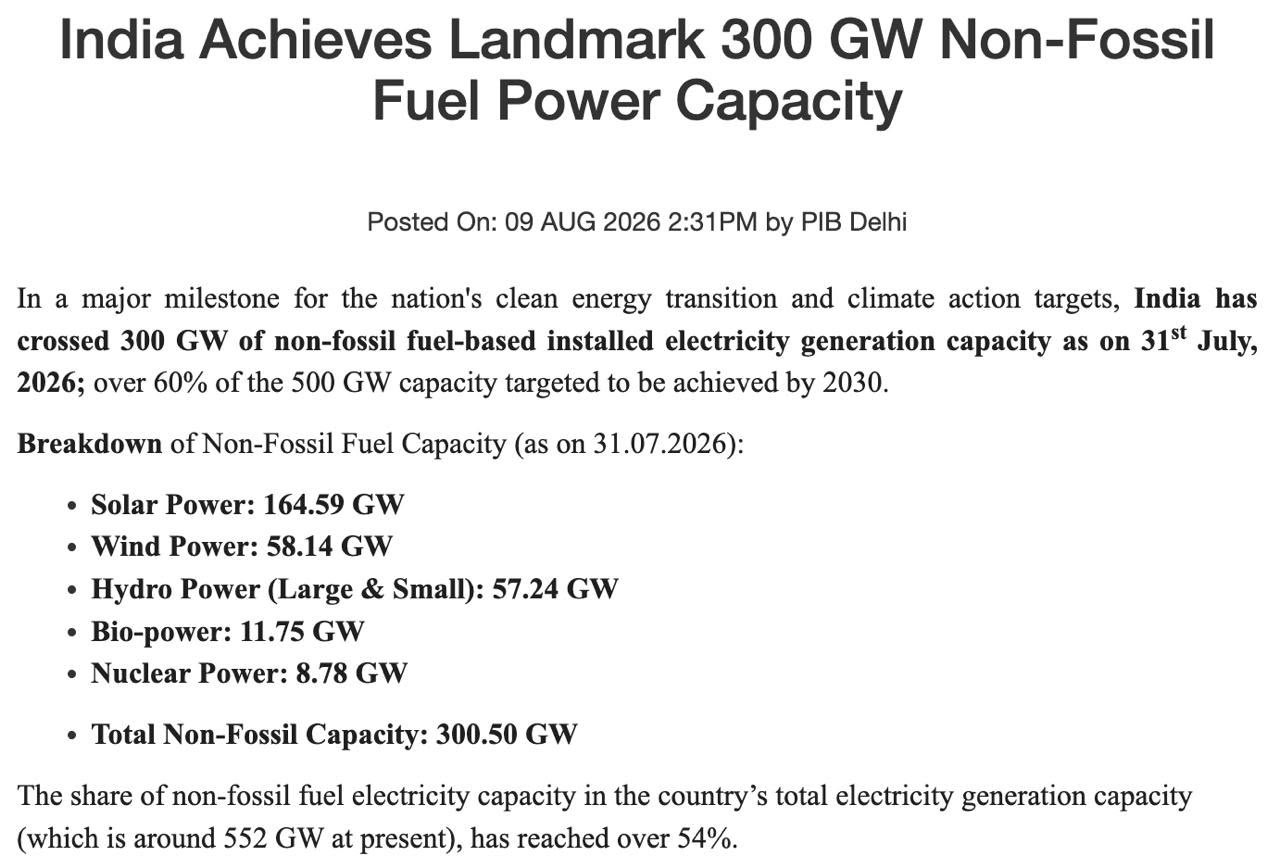
India has crossed 300 GW of non-fossil fuel-based installed electricity generation capacity as of 31 July 2026.

This is a major milestone in India’s clean-energy transition and climate action commitments.

India’s Non-Fossil Fuel Capacity

India’s total non-fossil fuel installed capacity reached 300.50 GW.

This is over 60% of the 500 GW capacity target to be achieved by 2030.

The share of non-fossil fuel electricity capacity in India’s total installed electricity generation capacity has reached over 54%.

Breakdown of Non-Fossil Fuel Capacity

As of 31 July 2026:

  • Solar Power: 164.59 GW
  • Wind Power: 58.14 GW
  • Hydro Power, large and small: 57.24 GW
  • Bio-power: 11.75 GW
  • Nuclear Power: 8.78 GW

Total non-fossil capacity: 300.50 GW

Why This Milestone Matters

Climate Action

The milestone supports India’s climate commitments and transition away from fossil fuels.

It shows progress towards India’s non-fossil capacity targets.

Energy Security

More domestic renewable and non-fossil capacity reduces dependence on imported fossil fuels.

This strengthens energy security.

Renewable Leadership

India is among the leading countries globally in renewable energy.

The document notes that India ranks:

  • 3rd globally in renewable energy and solar power capacity
  • 4th globally in wind power capacity

Economic Significance

Clean energy expansion supports:

  • Green jobs
  • Domestic manufacturing
  • Solar and wind supply chains
  • Grid modernisation
  • Energy access
  • Investment in storage and transmission

Challenges Ahead

India still needs to address:

  • Grid integration
  • Storage capacity
  • Renewable intermittency
  • Land and transmission constraints
  • Financing
  • Domestic manufacturing depth
  • Distribution company health

Way Forward

India should accelerate storage deployment.

Transmission infrastructure must be expanded.

Renewable purchase obligations and clean-energy procurement should be strengthened.

Domestic manufacturing of solar, wind, batteries and grid equipment should be promoted.

India should also focus on hybrid projects, pumped hydro, battery storage and green hydrogen where suitable.

Key Takeaway

Crossing 300 GW of non-fossil capacity is a major clean-energy milestone. The next challenge is to make this transition reliable through storage, transmission, grid flexibility and domestic manufacturing.

300 GW clean energy milestone

Copyright © 2026 USARAMBHA EDUCATION (UnderStand UPSC). All Rights Reserved.

Inquiry form for
Takshila Residential Program