13 April 2026 | Daily Current Affairs

Nari Shakti Vandan Adhiniyam: Special Session and Article 85 Explained for UPSC

Context

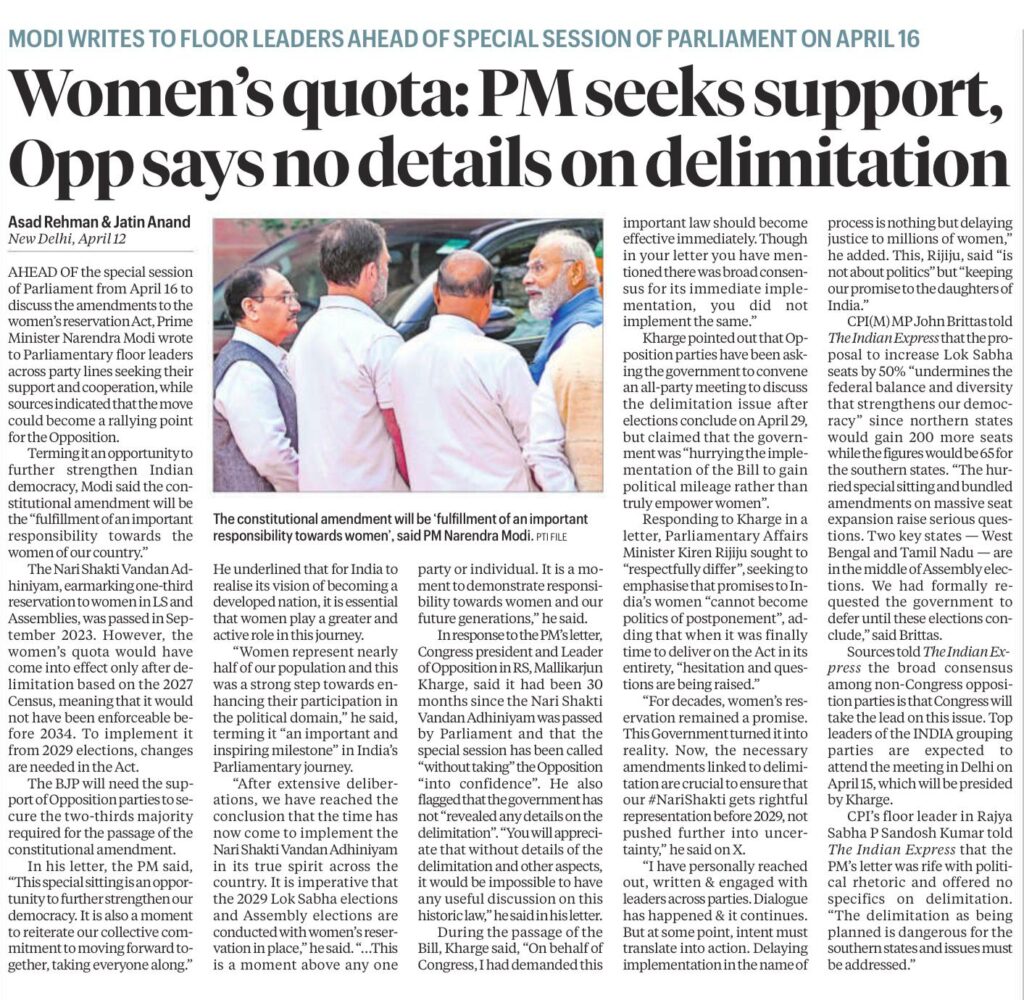
Special sitting proposed to discuss implementation of Nari Shakti Vandan Adhiniyam, highlighting use of a session outside the regular calendar.

Constitutional framework
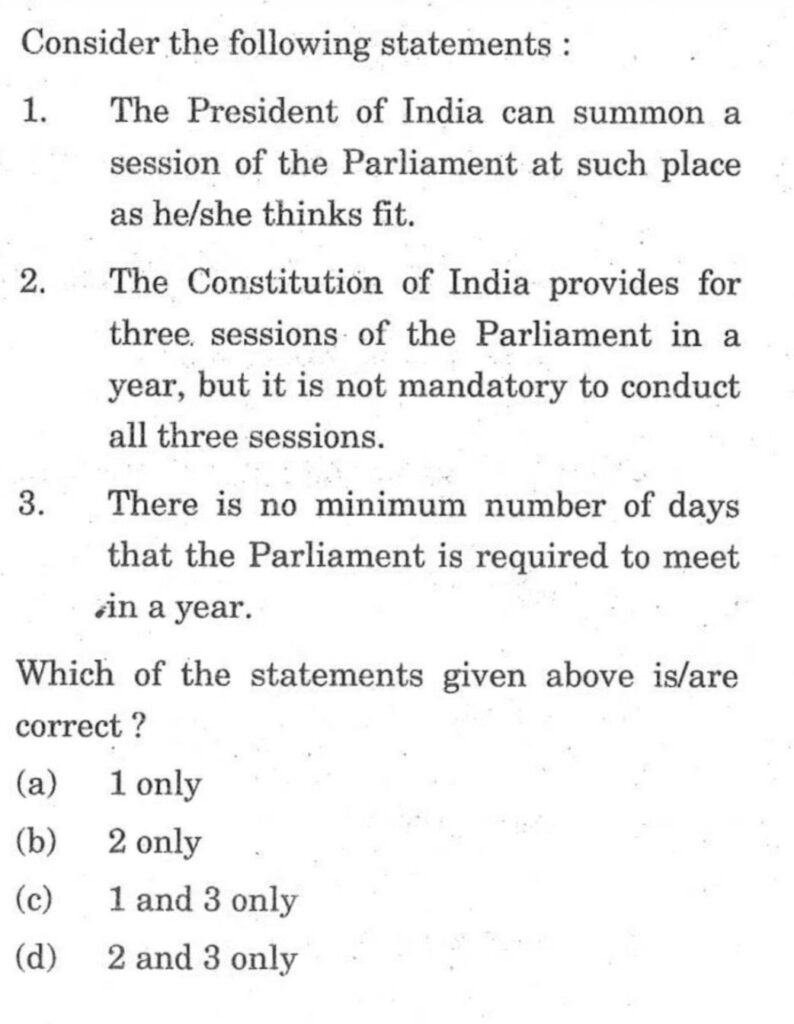
Article 85 of Indian Constitution

What Article 85 provides

  1. Summoning: President summons each House → only on aid & advice of Council of Ministers
  2. 6-month rule: Gap between last sitting of one session and first sitting of next session ≤ 6 months
  3. Prorogation: President can end a session (does not dissolve House)
  4. Dissolution: President can dissolve Lok Sabha (Rajya Sabha is permanent)

Types of sessions

  1. Budget – longest, financial business
  2. Monsoon – legislative work + oversight
  3. Winter – shorter, pending matters
    Not mentioned in Constitution → evolved by practice

Special session: Session called outside these three, generally for a specific national or legislative purpose

How it is called

  1. Cabinet identifies need
  2. Advises President
  3. President summons under Article 85
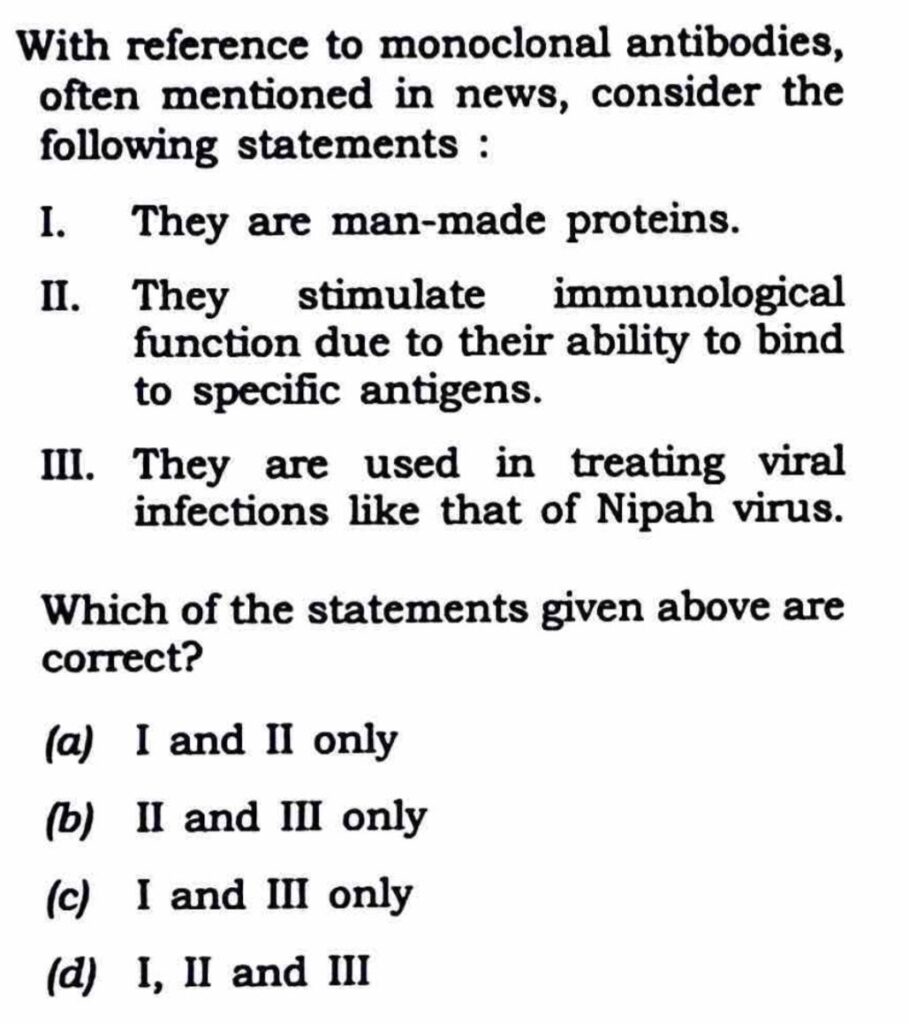
PYQ – 2022, Ans – C

Jyotiba Phule: 200th Birth Anniversary, Reforms and Trutiya Ratna for UPSC

Context: Jyotiba Phule

200th birth anniversary of Jyotiba Phule (1827–1890) is being commemorated; known as a pioneer of anti-caste movement and women’s education in India.

Core contributions

  1. Anti-caste reform
    • Challenged Brahmanical dominance and caste hierarchy
    • Focused on upliftment of Shudras and Dalits
  2. Women’s education
    • Along with Savitribai Phule, started first girls’ school in Pune (1848)
    • Promoted education as tool of empowerment
  3. Satyashodhak Samaj (1873)
    • Founded for social equality, rationalism, and truth-seeking
    • Opposed caste-based rituals and priesthood
  4. Social reforms
    • Against child marriage and untouchability
    • Supported widow remarriage and dignity of women

Important works

  1. Gulamgiri (1873)
    • Exposed caste oppression; compared it with slavery
  2. Shetkaryacha Asud
    • Highlighted exploitation of peasants
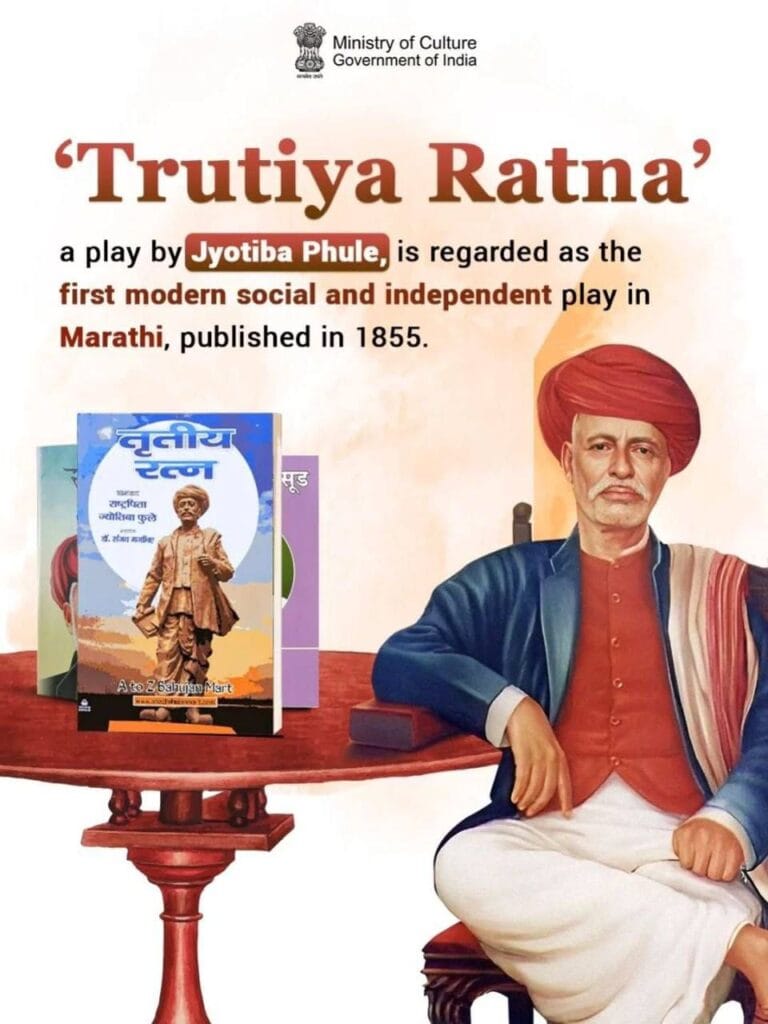
  3. Trutiya Ratna (1855)
    • First modern social Marathi play; attacked superstition

Sarvajanik Satya Dharma
• Idea of universal religion based on equality and justice

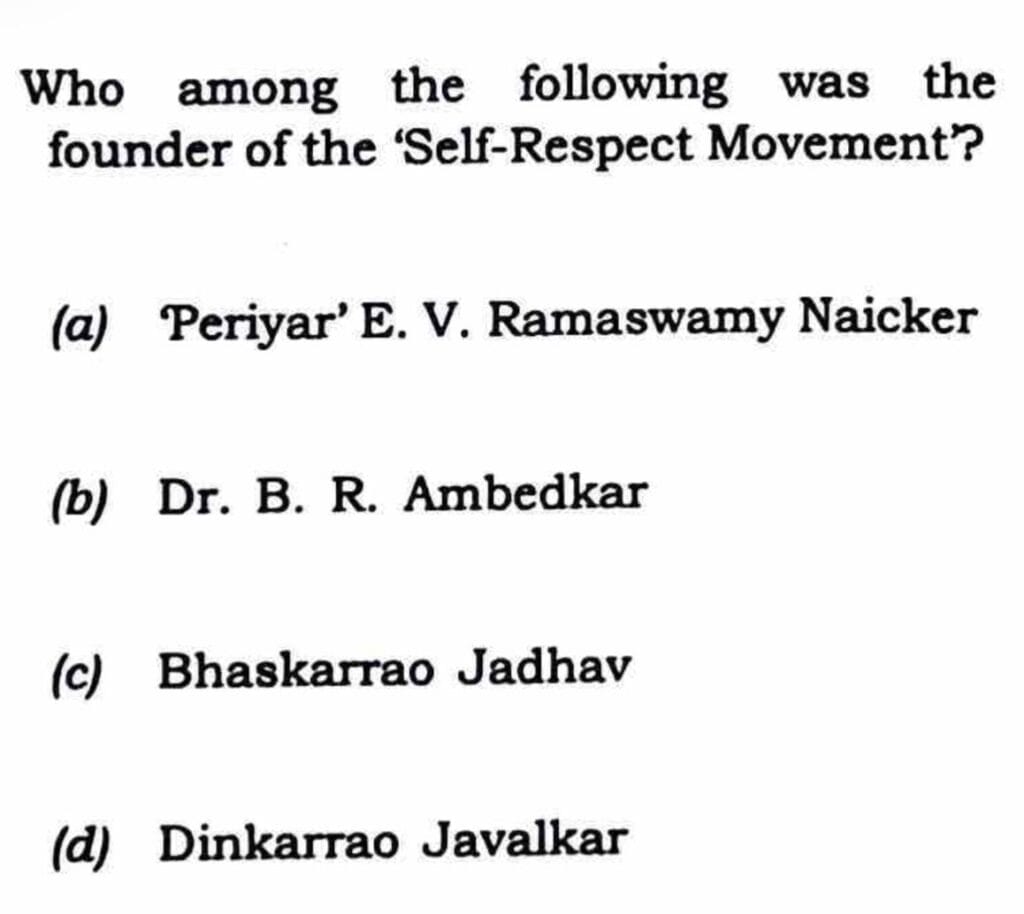
PYQ – 2025, Ans – A

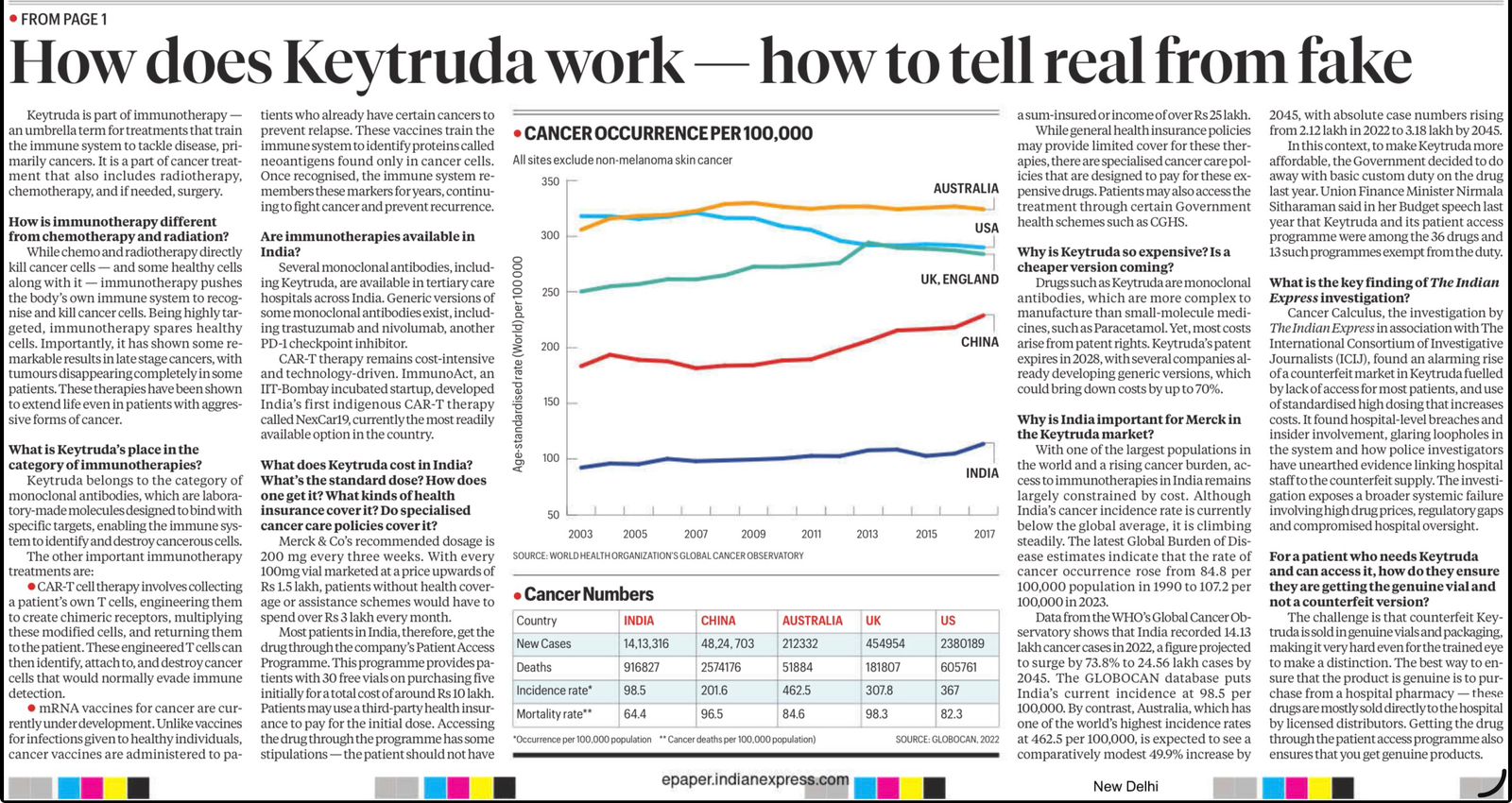
Keytruda Immunotherapy: How It Works in Cancer Treatment for UPSC

Context: Keytruda Immunotherapy

Keytruda is an immunotherapy drug used in cancer treatment, highlighting a shift towards immune-based cancer care.

What is immunotherapy
• Treatment that activates or strengthens the immune system to fight cancer
• Instead of killing cells directly, it helps the body identify and destroy tumour cells

How it works
• Cancer hides using immune “checkpoints”
• Immunotherapy (like Keytruda) blocks these checkpoints
• This allows T-cells to detect and attack cancer

Types of immunotherapy

  1. Checkpoint inhibitors
    • e.g., Keytruda (PD-1 inhibitor)
  2. CAR-T cell therapy
    • Patient’s T-cells modified to kill cancer
  3. Cancer vaccines
    • Train immune system to recognise tumour proteins

Why important
• More targeted treatment than chemotherapy
• Long-lasting response in some cancers
• Represents shift from destruction → immune activation

PYQ – 2025, Ans – D

Arunachal Pradesh Dispute: India Rejects China Naming Claims for UPSC

Context: Arunachal Pradesh Dispute

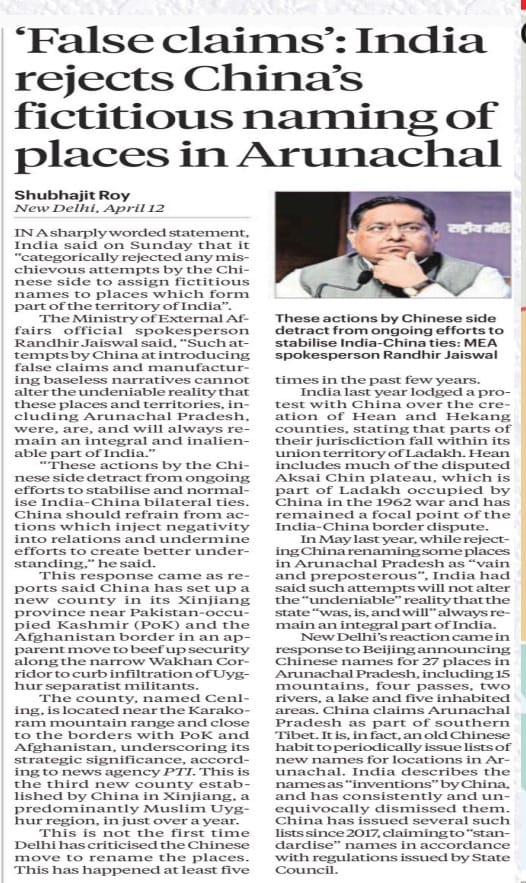
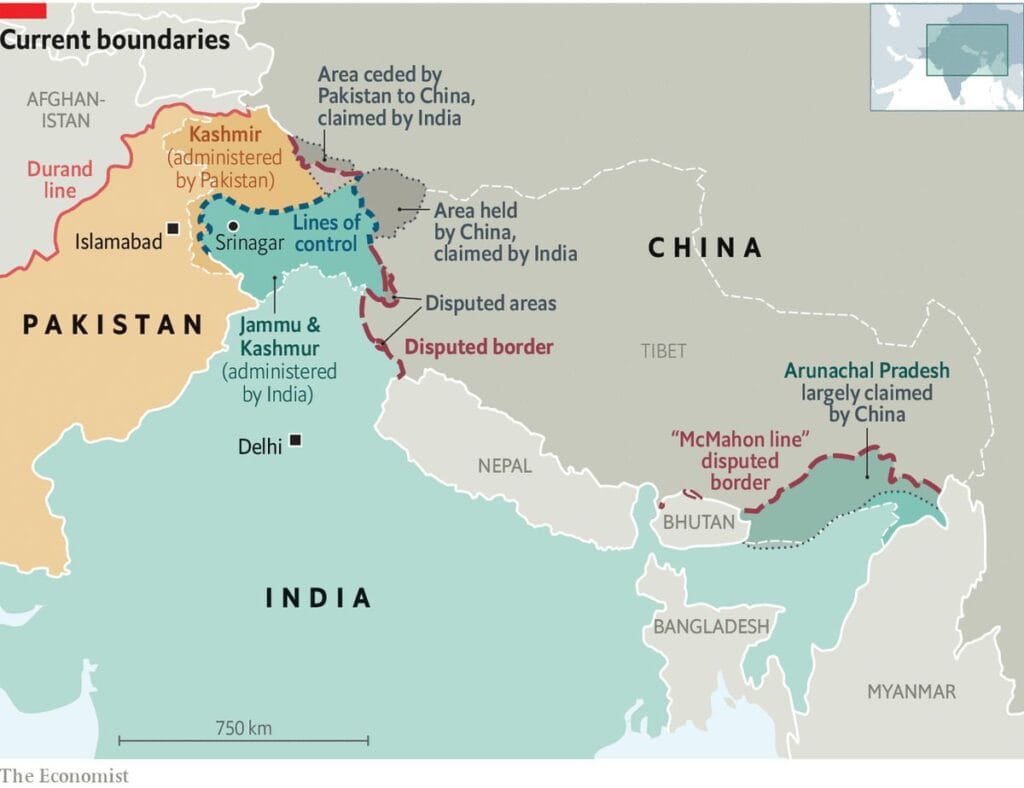
India has rejected China’s move to assign new names to places in Arunachal Pradesh, calling them fictitious and reaffirming that the state is an integral part of India.

Key points

  1. India’s official stand
    • MEA stated such attempts are “mischievous” and baseless
    • Renaming does not change ground reality or sovereignty
  2. China’s action
    • Released names for 27 places in Arunachal Pradesh
    • Includes mountains, rivers, passes, lake, inhabited areas
    • Claims region as part of “South Tibet”
  3. Pattern of behaviour
    • China has issued similar lists since 2017
    • Part of attempt to standardise names as per its regulations
  4. Strategic messaging
    • India says such acts undermine efforts to stabilise ties
    • Seen as part of broader territorial assertion strategy

Linked developments
• China created a new county near Xinjiang–PoK–Afghanistan region
• Located near Karakoram range and Wakhan Corridor → strategic importance

Strait of Hormuz: US-Iran Tensions and Global Oil Impact for UPSC

Context

Talks between United States and Iran failed, raising tensions over the Strait of Hormuz.

Key points

  1. US threatens blockade of Hormuz
  2. Iran refuses to roll back nuclear programme
  3. Iran demands sanctions relief / frozen assets

Importance of Strait of Hormuz

  1. Handles ~20% of global oil trade
  2. Key route for West Asian oil exports
  3. Disruption can cause global oil price spike
Strait of Hormuz
Strait of Hormuz
About the UPSC Civil Services Examination (UPSC CSE)

The UPSC Civil Services Examination (CSE) is one of the most competitive and esteemed examinations in India, conducted by the Union Public Service Commission to recruit officers for services such as the Indian Administrative Service (IAS), Indian Police Service (IPS), Indian Foreign Service (IFS), and others. The exam comprises three stages — Prelims, Mains, and the Personality Test (Interview) — designed to test a candidate’s knowledge, aptitude, decision-making, and leadership skills.


How to Prepare Effectively for UPSC CSE

Cracking the UPSC CSE requires a deep understanding of the syllabus, consistent revision, structured answer writing, and smart test-taking strategies. The Prelims test analytical and conceptual clarity, the Mains focuses on critical thinking, articulation, and subject mastery, while the Interview assesses presence of mind, ethical judgment, and personality traits relevant to public service.

At UnderStand UPSC, we empower aspirants with a personalized and focused approach to each stage of the exam.


Why Choose UnderStand UPSC?

UnderStand UPSC is a mentorship-driven platform offering a clear, clutter-free strategy to tackle the Civil Services Examination. Our programs like Transform (for beginners and intermediate learners) and Conquer (for advanced mains preparation) provide structured study plans, syllabus-wise video content, interactive live sessions, and answer writing support.

We emphasize:

  • Concept clarity through topic-wise lectures

  • Test series designed around real UPSC standards

  • Personalized mentorship in small groups

  • Regular performance tracking and peer benchmarking

  • Doubt-clearing sessions, current affairs analysis, and monthly magazines


Join the UnderStand UPSC Learning Community

Our mission is to make UPSC preparation less overwhelming and more strategic. We combine mentorship, discipline, and academic rigor to help you clear CSE with confidence. Whether you’re preparing from Delhi, Mumbai, Bangalore, or a remote village — our online-first model ensures quality guidance reaches every corner of India.

Join the thousands of aspirants who trust UnderStand UPSC to guide their journey toward becoming civil servants.

Stay connected with us through our Telegram, YouTube, and Instagram channels for daily tips, strategies, and updates.

Copyright © 2026 USARAMBHA EDUCATION (UnderStand UPSC). All Rights Reserved.

Join the Success Journey!