14 April 2026 | Daily Current Affairs

El Nino Impact on Indian Monsoon: IMD Forecast and LPA Explained for UPSC

Context

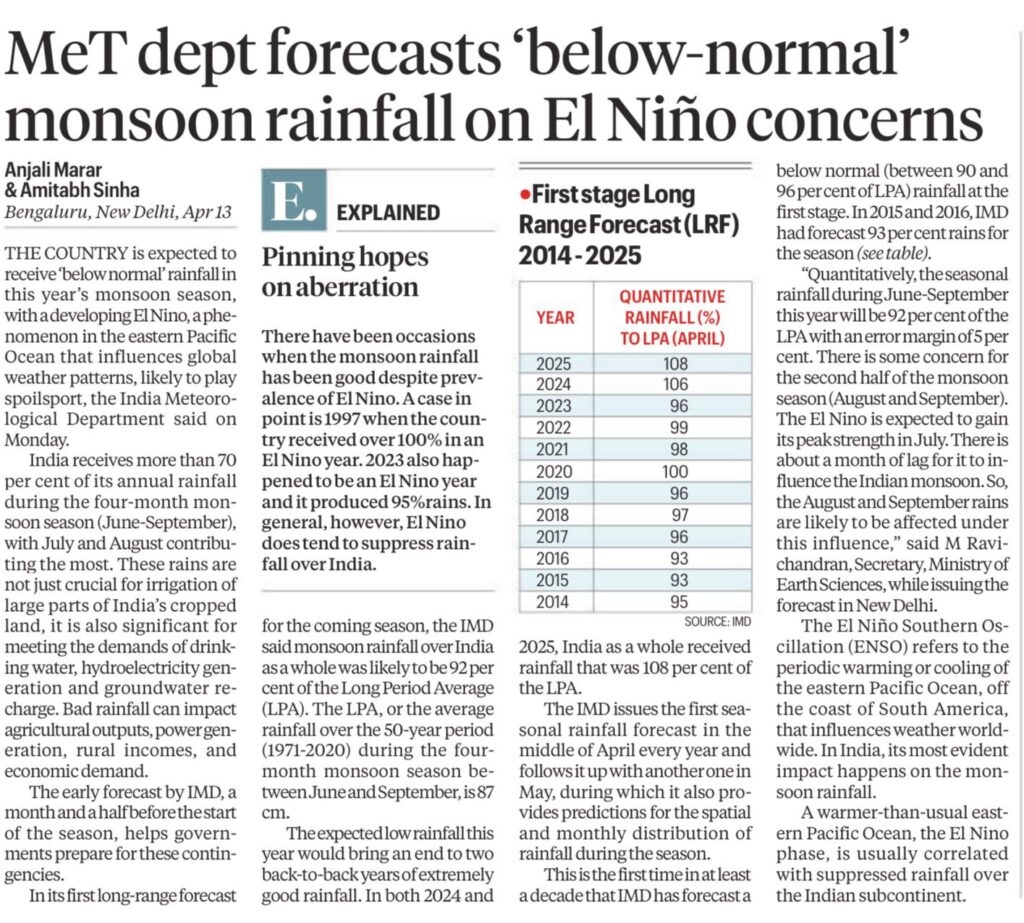
IMD projects below-normal monsoon (~92% of LPA) for 2025 due to a developing El Niño, with likely impact in Aug–Sept.

Monsoon and LPA

• Monsoon → seasonal reversal of winds bringing rainfall to India (June–September, ~70% of annual rainfall; peak in July–August)
• LPA (Long Period Average) → average monsoon rainfall over 50 years (1971–2020) used as the benchmark
• 87 cm = 100% rainfall

Classification:
• <90% → Deficient
• 90–96% → Below Normal
• 96–104% → Normal
• >104% → Above Normal

→ 2025: ~92% → Below Normal

Key Terms

  1. El Niño
    → Periodic warming of central/eastern Pacific Ocean
    → Weakens trade winds and disrupts moisture flow toward India
    → Leads to reduced rainfall, especially in later monsoon months

ENSO
→ Ocean–atmosphere system including El Niño (warm phase) and La Niña (cool phase)
→ Controls global climate variability, including Indian monsoon
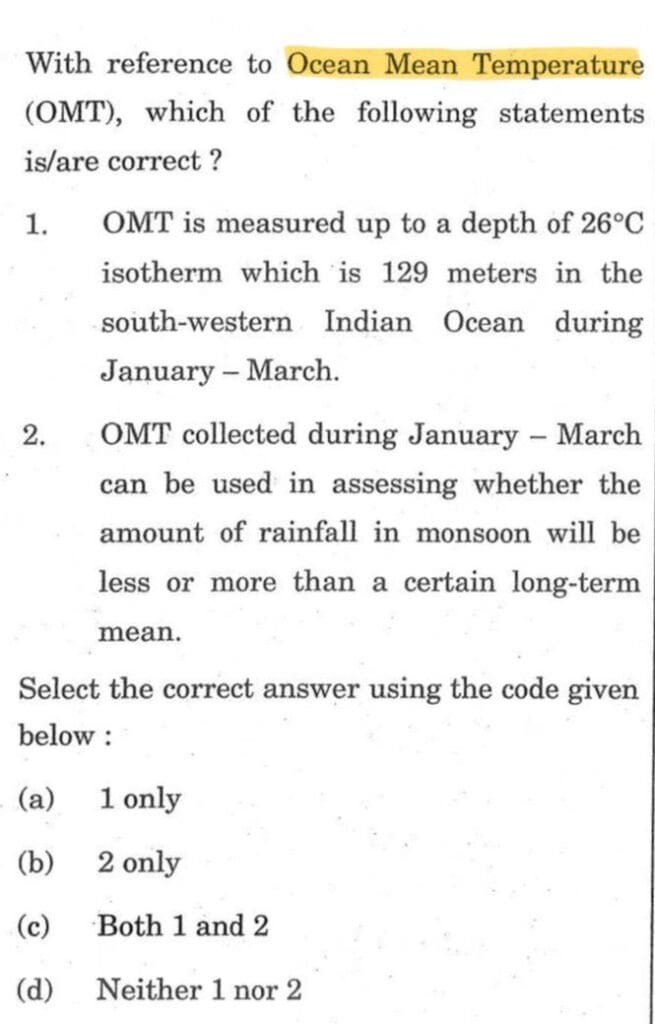
PYQ – 2020, Ans – B

Hungary Political Shift: Election Results and End of Viktor Orban Era for UPSC

Context: Hungary Political Shift

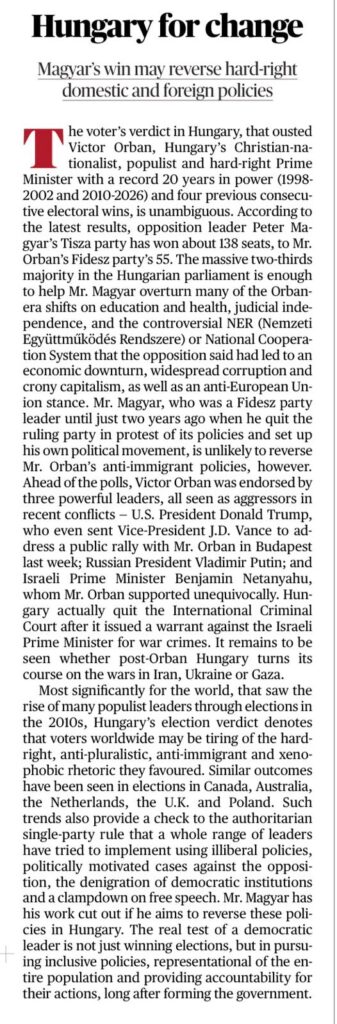
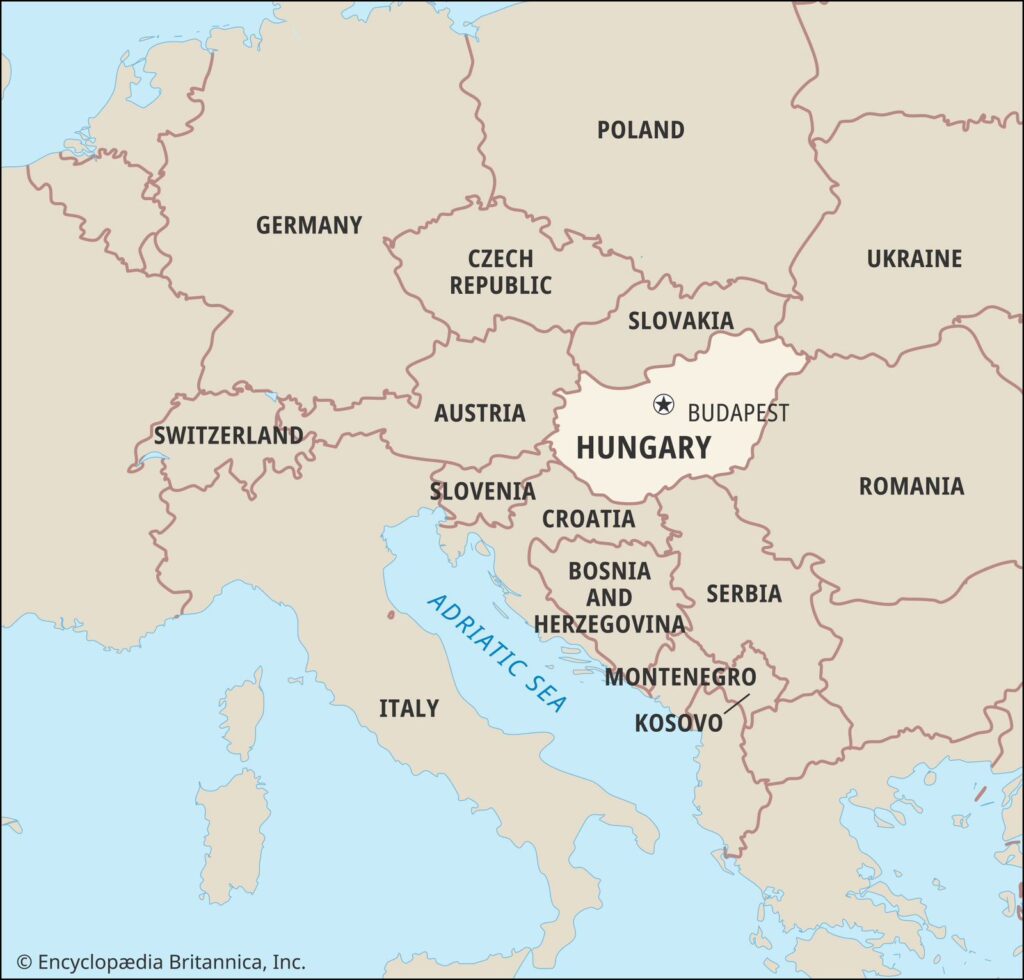
In Hungary, opposition leader Peter Magyar has defeated long-time Prime Minister Viktor Orbán, signalling a possible shift away from hard-right, populist governance.

Key Points

  1. Electoral Shift
    • Magyar’s party wins ~138 seats vs Orbán’s 55
    • Strong mandate to reverse Orbán-era policies
  2. End of Long Rule
    • Orbán in power for ~20 years
    • Known for populism, nationalism, anti-immigration stance
  3. Policy Changes Expected
    • Focus on:
    • Judicial independence
    • Education & healthcare reforms
    • Addressing corruption and crony capitalism
  4. Foreign Policy Angle
    • Orbán aligned with leaders like Donald Trump, Vladimir Putin, Benjamin Netanyahu
    • Hungary took controversial steps like exiting ICC
    • Future foreign policy direction remains uncertain
  5. Global Trend
    • Indicates decline of hard-right populism globally
    • Similar political churn seen in Europe and Western democracies

Democratic Significance
• Voters rejecting:
• Authoritarian tendencies
• Anti-pluralism & xenophobia
• Emphasis on inclusive governance & accountability

Punjab Sacrilege Law: Key Provisions and Amendment Bill 2026 Explained for UPSC

Context : Punjab Sacrilege Law

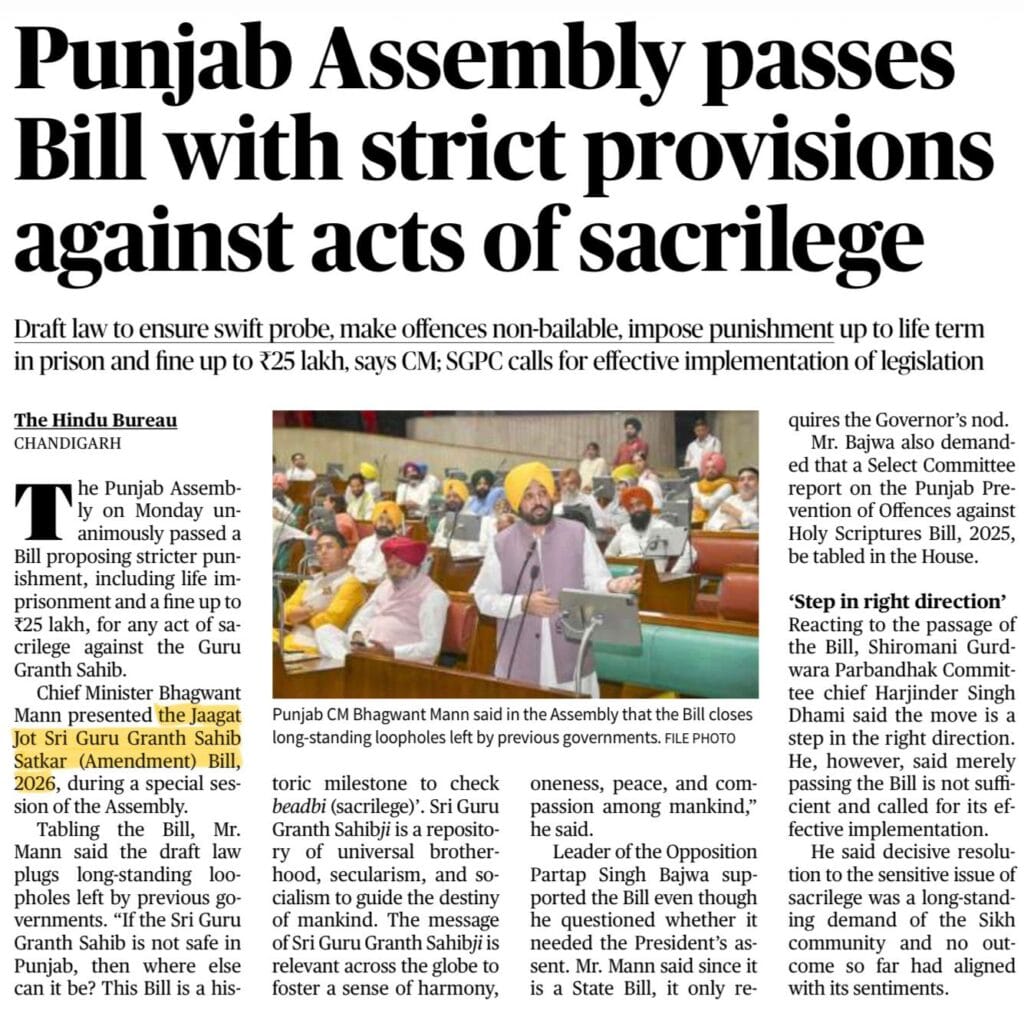
Punjab Assembly has passed the Jaagat Jyot Sri Guru Granth Sahib Satkar (Amendment) Bill, 2026, proposing stricter punishment for acts of sacrilege (beadbi) against the Guru Granth Sahib.

Key Points

  1. Stricter Punishment
    • Life imprisonment
    • Fine up to ₹25 lakh
  2. Nature of Offence
    • Acts of sacrilege made non-bailable
    • Focus on swift investigation and trial
  3. Objective
    • To plug loopholes in earlier laws
    • Address long-standing demand of Sikh community
  4. Legislative Aspect
    • State Bill → requires Governor’s assent
    • Debate on whether President’s assent is needed

Stakeholders’ Views
• Shiromani Gurdwara Parbandhak Committee supports move
• Emphasis on effective implementation, not just passage

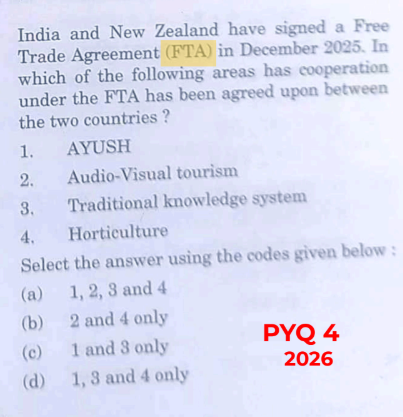
Free Trade Agreements: India FTA Expansion and Global Trade Access for UPSC

Context

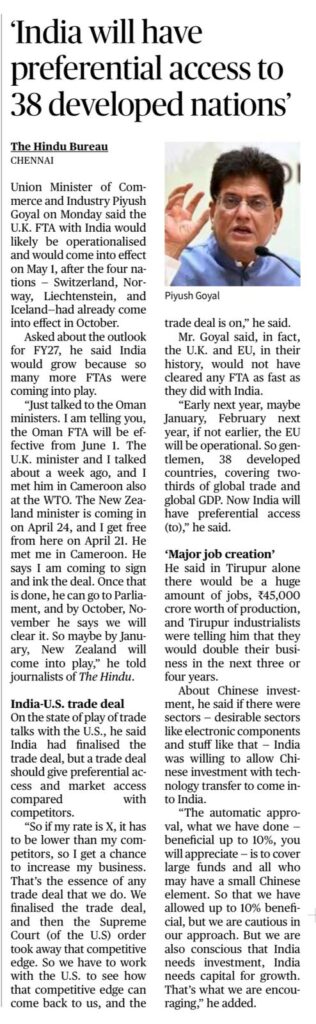
India is rapidly concluding multiple Free Trade Agreements (FTAs) (U.K., EFTA countries, upcoming EU, Oman, New Zealand), which will give India preferential access to 38 developed nations, covering a major share of global trade and GDP.

Key Points

  1. FTA Expansion
    • EFTA (Switzerland, Norway, Iceland, Liechtenstein) already in force
    • U.K. FTA likely operational from May 1
    • Oman FTA expected from June 1
    • EU FTA likely early next year
    • Talks ongoing with New Zealand
  2. 38 Developed Countries Access
    • Combined coverage → ~2/3rd of global trade & GDP
    • India gains preferential market access
  3. Meaning of Preferential Access
    • Lower tariffs compared to competitors
    • Better market entry + export competitiveness
  4. India–U.S. Trade Issue
    • Trade deal finalized earlier but lost competitive edge due to U.S. court ruling
    • India now renegotiating to regain advantage
Ans – A

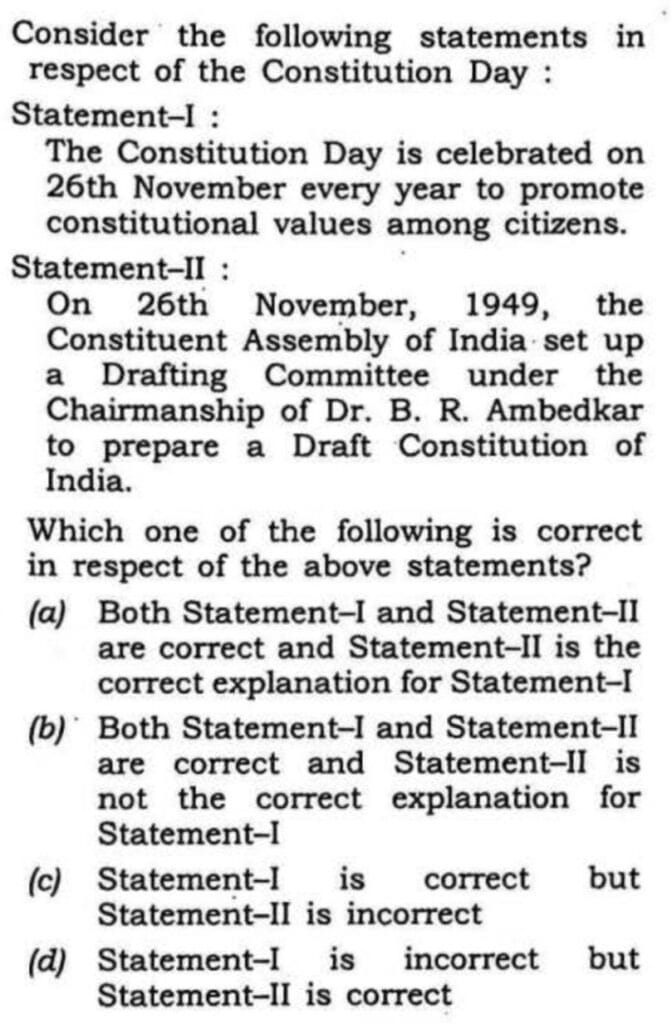
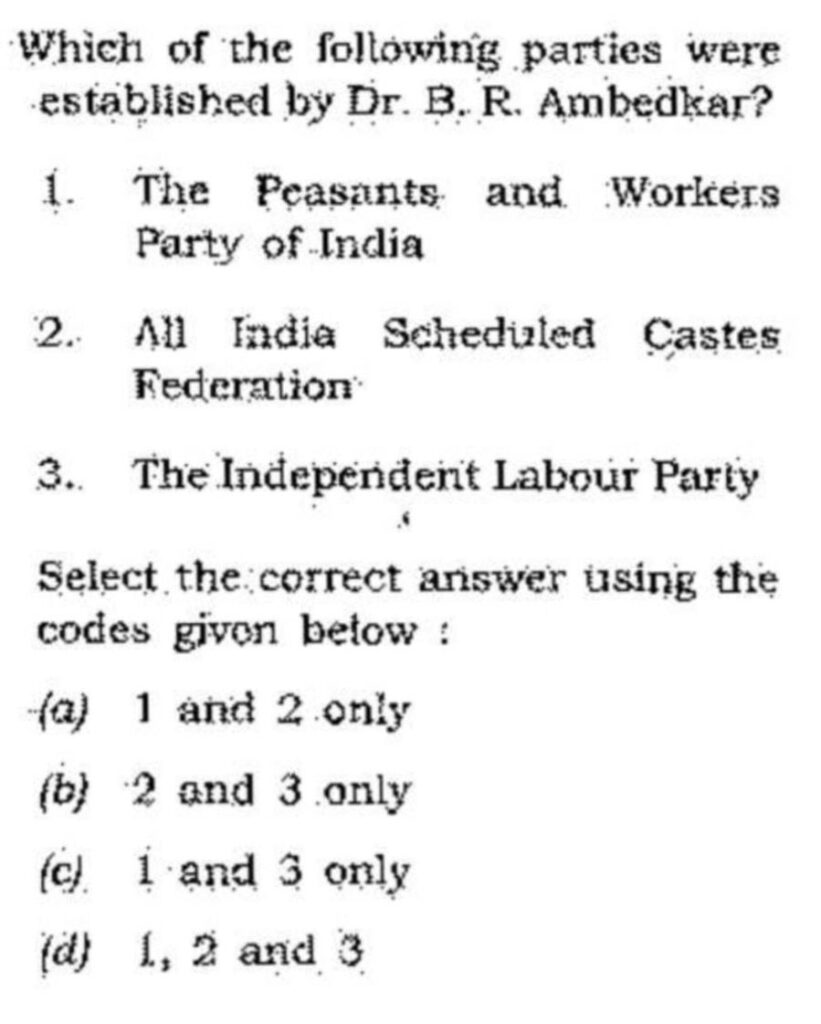
B R Ambedkar: Birth Anniversary, Contributions and Role in Indian Constitution

Context

Birth anniversary of B. R. Ambedkar — key architect of the Constitution and leader of social reform movements.

Organisations

• 1924 – Bahishkrit Hitakarini Sabha → upliftment of depressed classes
• 1930 – Depressed Classes Congress → political mobilisation
• 1936 – Independent Labour Party → labour + Dalit representation
• 1942 – All India Scheduled Castes Federation → national political platform
• 1956 – Navayana Buddhism Movement → socio-religious reform

Literary Works

• 1916 – Castes in India: Their Mechanism, Genesis and Development
• 1920 – Mooknayak (journal)
• 1927 – Bahishkrit Bharat (journal)
• 1936 – Annihilation of Caste
• 1940 – Thoughts on Pakistan
• 1945 – What Congress and Gandhi Have Done to the Untouchables
• 1946 – Who Were the Shudras?
• 1947 – States and Minorities
• 1948 – The Untouchables
• 1955 – Thoughts on Linguistic States

Quick Value Add

• First Law Minister of India (1947–1951)
• Chairman, Drafting Committee (29 August 1947)
• Key role in Fundamental Rights, social justice, reservations

PYQ – 2023, Ans – C
PYQ – 2012, Ans – B
About the UPSC Civil Services Examination (UPSC CSE)

The UPSC Civil Services Examination (CSE) is one of the most competitive and esteemed examinations in India, conducted by the Union Public Service Commission to recruit officers for services such as the Indian Administrative Service (IAS), Indian Police Service (IPS), Indian Foreign Service (IFS), and others. The exam comprises three stages — Prelims, Mains, and the Personality Test (Interview) — designed to test a candidate’s knowledge, aptitude, decision-making, and leadership skills.


How to Prepare Effectively for UPSC CSE

Cracking the UPSC CSE requires a deep understanding of the syllabus, consistent revision, structured answer writing, and smart test-taking strategies. The Prelims test analytical and conceptual clarity, the Mains focuses on critical thinking, articulation, and subject mastery, while the Interview assesses presence of mind, ethical judgment, and personality traits relevant to public service.

At UnderStand UPSC, we empower aspirants with a personalized and focused approach to each stage of the exam.


Why Choose UnderStand UPSC?

UnderStand UPSC is a mentorship-driven platform offering a clear, clutter-free strategy to tackle the Civil Services Examination. Our programs like Transform (for beginners and intermediate learners) and Conquer (for advanced mains preparation) provide structured study plans, syllabus-wise video content, interactive live sessions, and answer writing support.

We emphasize:

  • Concept clarity through topic-wise lectures

  • Test series designed around real UPSC standards

  • Personalized mentorship in small groups

  • Regular performance tracking and peer benchmarking

  • Doubt-clearing sessions, current affairs analysis, and monthly magazines


Join the UnderStand UPSC Learning Community

Our mission is to make UPSC preparation less overwhelming and more strategic. We combine mentorship, discipline, and academic rigor to help you clear CSE with confidence. Whether you’re preparing from Delhi, Mumbai, Bangalore, or a remote village — our online-first model ensures quality guidance reaches every corner of India.

Join the thousands of aspirants who trust UnderStand UPSC to guide their journey toward becoming civil servants.

Stay connected with us through our Telegram, YouTube, and Instagram channels for daily tips, strategies, and updates.

Copyright © 2026 USARAMBHA EDUCATION (UnderStand UPSC). All Rights Reserved.

Join the Success Journey!