21 March 2026 | Daily Current Affairs

Section 377 in BNS: Delhi High Court Flags Legal Gap

Context

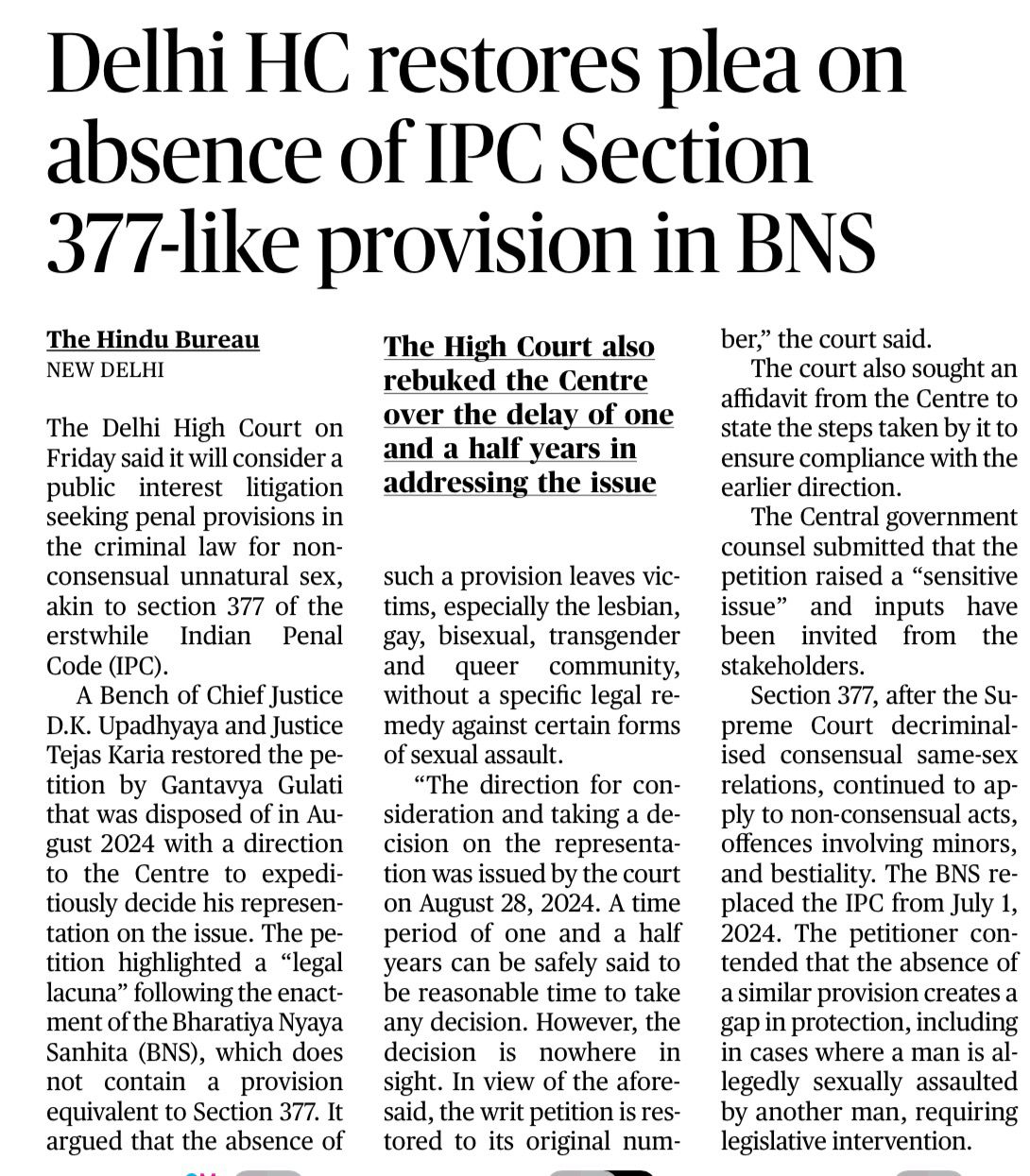
Delhi High Court is examining a petition on absence of Section 377-type provision in Bharatiya Nyaya Sanhita (BNS), 2023 → possible legal gap.

Background

• Section 377 IPC earlier covered all “unnatural offences”
• Navtej Singh Johar (2018): decriminalised consensual same-sex acts, but retained 377 for non-consensual acts, minors, bestiality
• BNS (2023): removed Section 377 completely

Problem

• Certain cases may lack clear coverage → male victims / same-sex non-consensual offences → legal lacuna

Section 377 in BNS
Section 377 in BNS

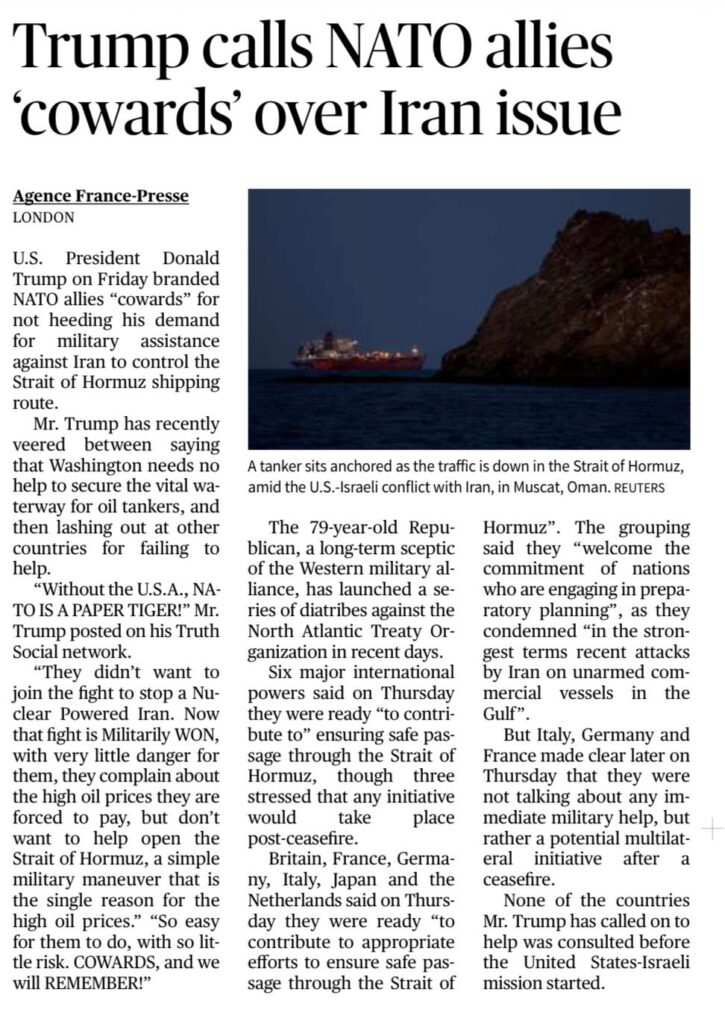
NATO Iran tensions: Strait of Hormuz Issue and Alliance Divisions

Context

United States (U.S.) President Donald Trump criticised North Atlantic Treaty Organization (NATO) allies for not supporting action against Iran
Issue linked to security of the Strait of Hormuz, a key global oil chokepoint amid West Asia tensions

Important Points

• Trigger: U.S. sought military support to secure Strait of Hormuz
• Trump’s view: NATO allies not sharing burden despite benefiting from oil trade
• Strategic importance: Strait of Hormuz → carries ~20% of global oil supply

Allies’ response: • United Kingdom, France, Germany, Italy, Japan, Netherlands ready for safe passage
• Prefer multilateral + post-ceasefire approach, not immediate military action
• Security concern: Attacks on commercial vessels in Gulf region
• Diplomatic issue: Lack of consultation by U.S. → friction within NATO
• Outcome: Highlights division within NATO on Iran policy

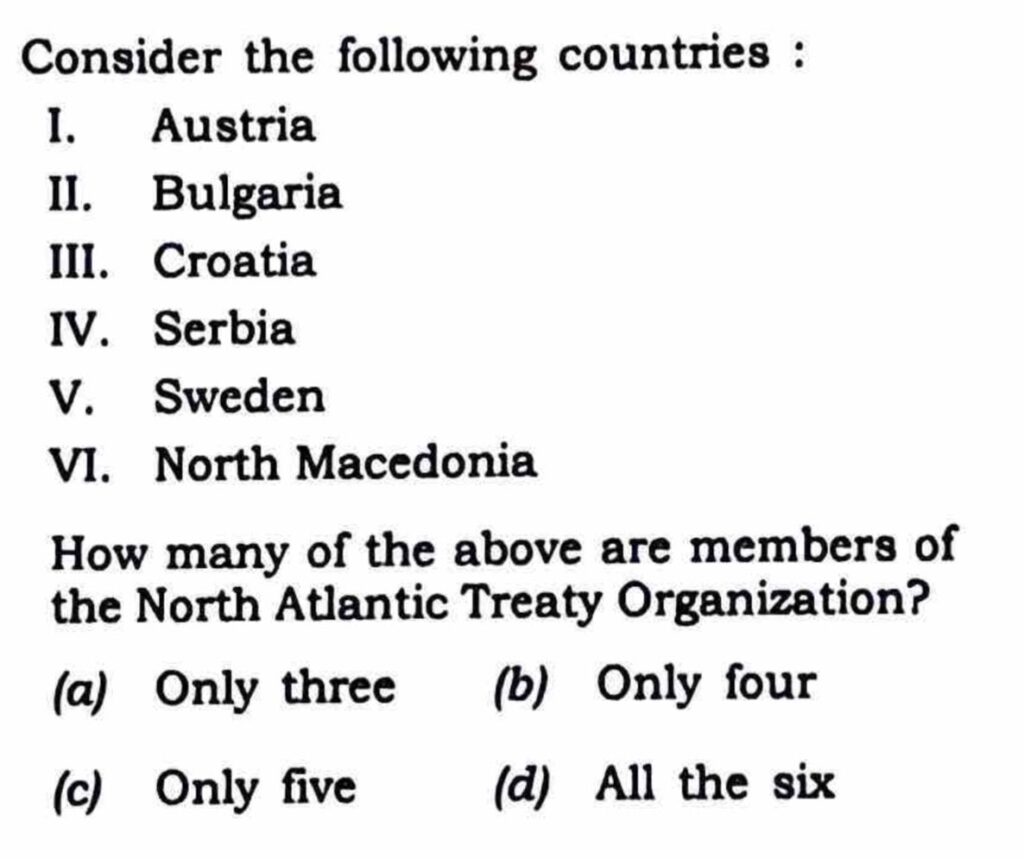
Basics of NATO (North Atlantic Treaty Organization)

• Founded: 1949 (Washington Treaty)
• Nature: Military alliance for collective defence
• Key Principle (Article 5): Attack on one = attack on all
• Headquarters: Brussels, Belgium
• Members: 31+ countries (mainly Europe + North America)

Recent New Members

• Finland (2023)
• Sweden (2024)

NATO Iran tensions
NATO Iran tensions
PYQ – 2025, Ans – B

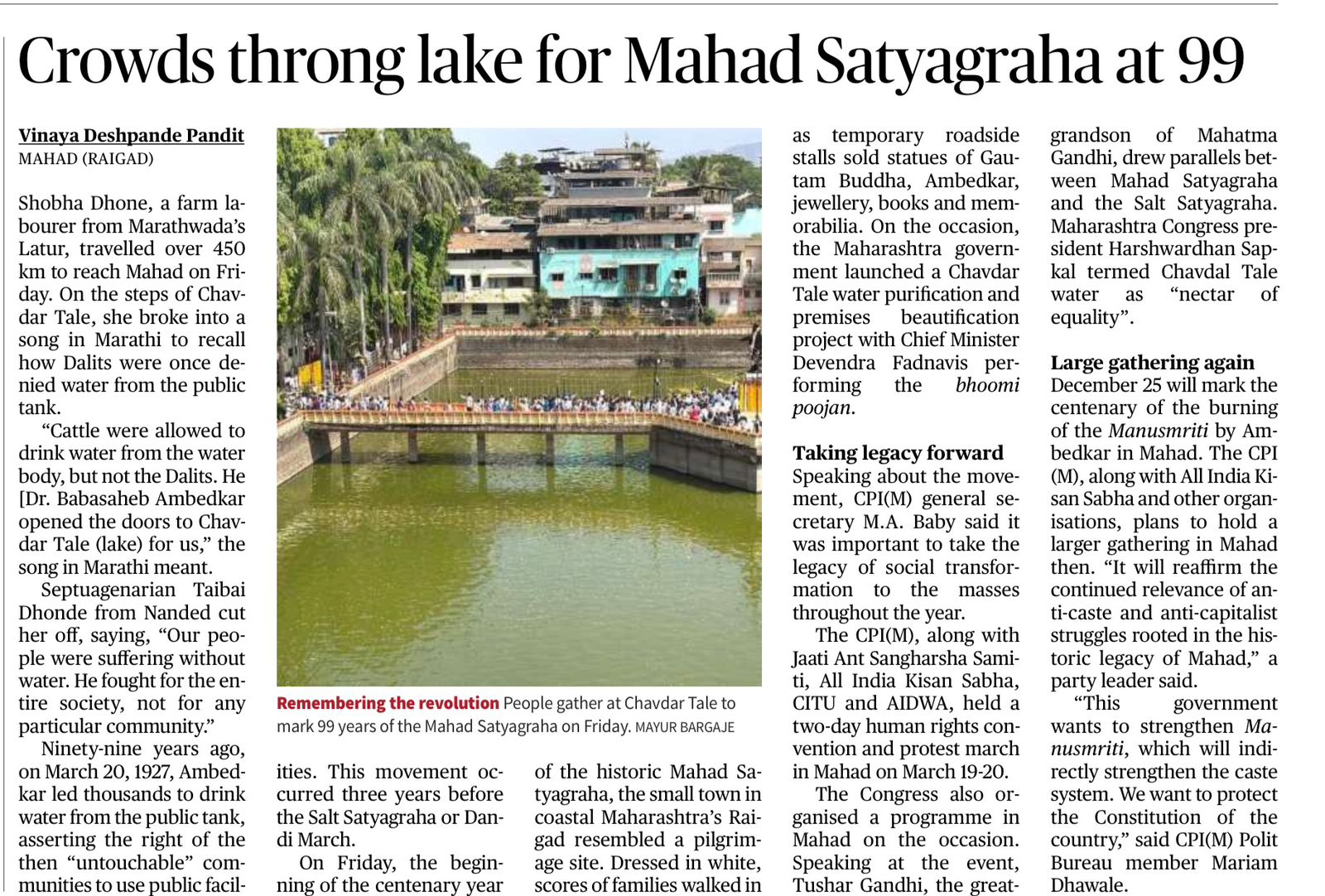
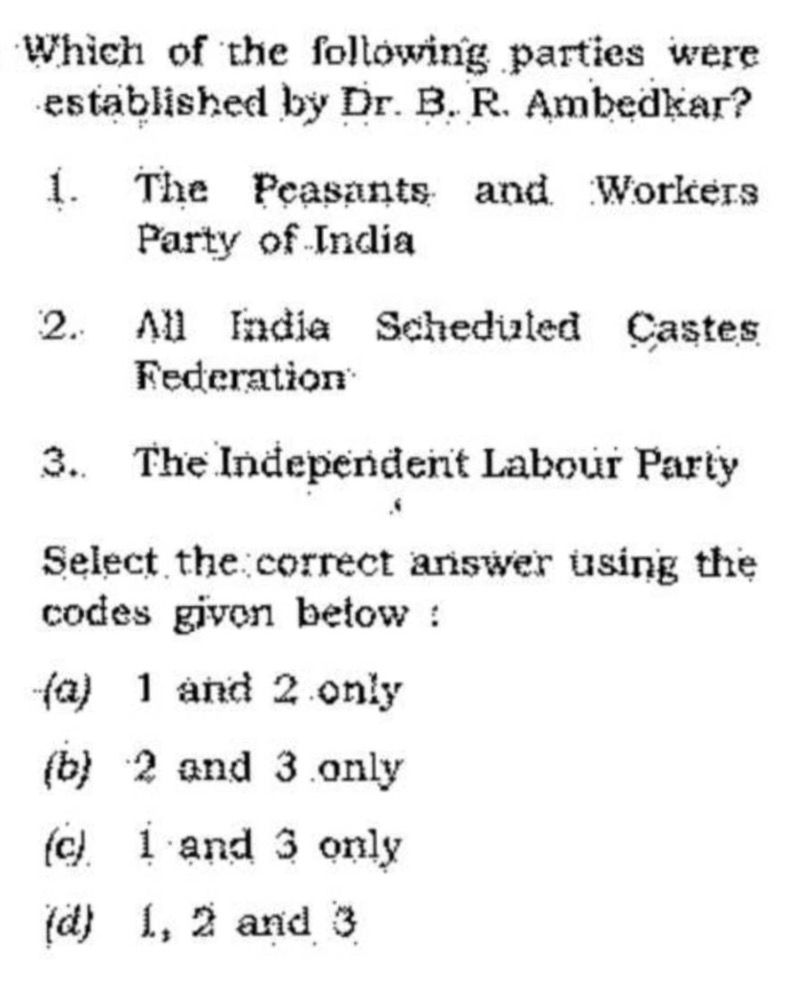
Mahad Satyagraha: Ambedkar Movement for Equality and Article 17

Context

Commemoration of 99 years of Mahad Satyagraha (1927) at Mahad (Raigad, Maharashtra)
Led by Dr. B.R. Ambedkar to secure Dalit access to Chavdar Tale (public water tank)

Important Points

• Nature: First organised anti-caste civil rights movement → access to public water
• Objective: Assert equality, dignity, and basic civic rights of Dalits
• Symbolism: Chavdar Tale = fight against untouchability and exclusion
• Historical value: Occurred before Salt Satyagraha (1930) → early mass mobilisation
• Constitutional link: Reflects ideals of Article 14 (equality) & Article 17 (abolition of untouchability)
• Present relevance: Continues as symbol of social justice and anti-caste movements
• Recent developments: Govt water purification & beautification project + civil society marches

Mahad Satyagraha
Mahad Satyagraha
PYQ – 2012, Ans – D

Election Commission appointment law 2023: SC Challenge and Committee Issue

1. Context

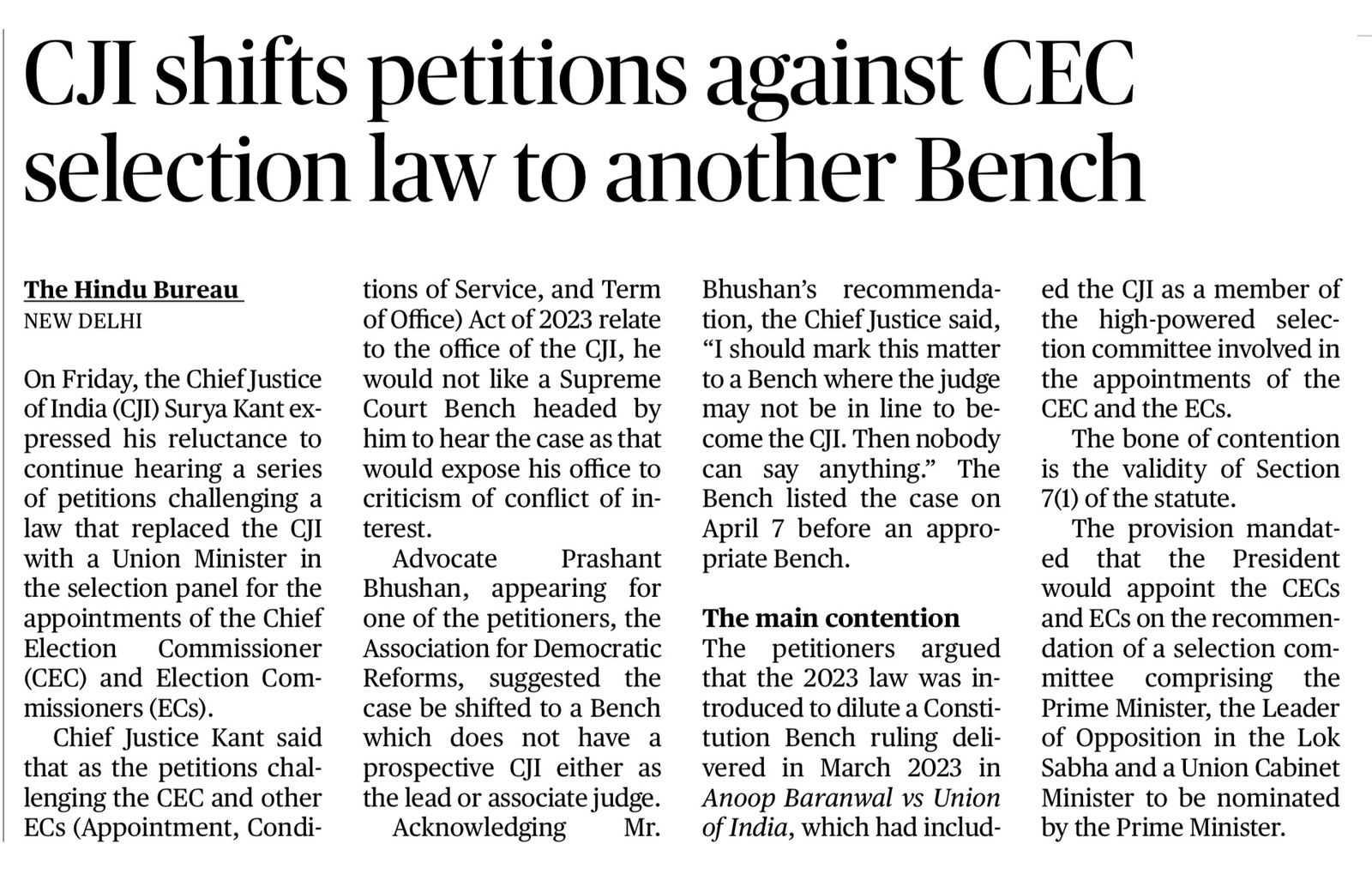
• Petitions challenge the Chief Election Commissioner (CEC) and Election Commissioners (ECs) Appointment Act, 2023
• Issue: composition of selection committee
• Case shifted by CJI Surya Kant due to conflict of interest

2. Constitutional Basis + Pre-2023 Practice

Article 324 → President appoints CEC & ECs subject to law by Parliament
• No law existed → appointments by Executive (Council of Ministers) → Executive dominance

3. Anoop Baranwal Case (2023)

To ensure independence of Election Commission of India (ECI), SC created interim committee: • Prime Minister (PM)
• Leader of Opposition (LoP) (Lok Sabha; if absent, largest opposition leader)
Chief Justice of India (CJI)
→ Balanced body

4. Parliament’s Law (2023 Act)

CEC and ECs Appointment Act, 2023

New committee: • PM + LoP + Union Cabinet Minister (nominated by PM)
→ CJI removed → Executive majority (2/3)

5. Why Challenged

• Affects independence of ECI
• Dilutes Anoop Baranwal judgment
• Violates free & fair elections (basic structure)

Election Commission appointment law 2023
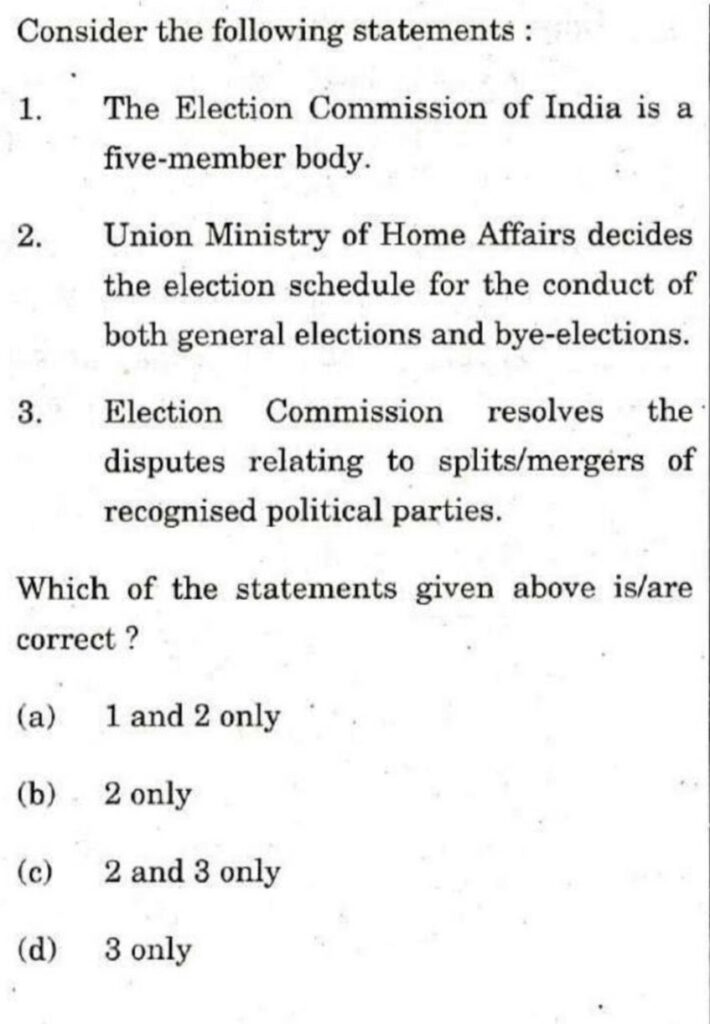
PYQ – 2017, Ans – D

Rajya Sabha cross voting law: No Whip and No Anti Defection Explained

Context

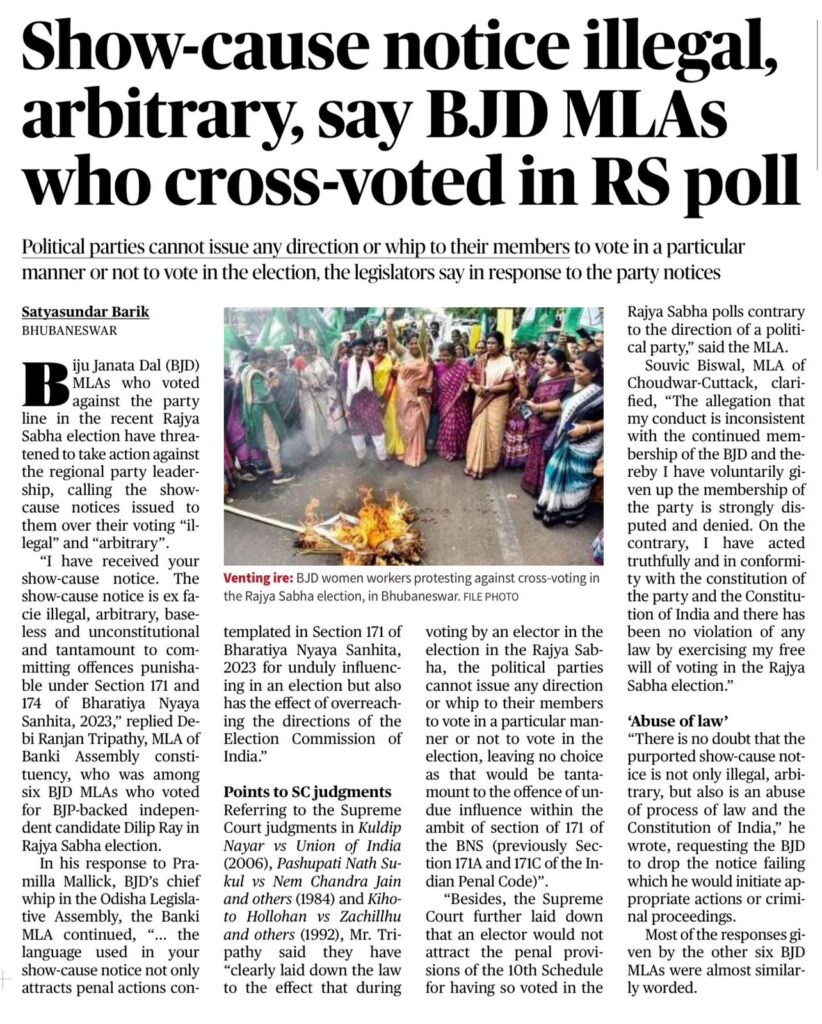
BJD MLAs cross-voted in a Rajya Sabha election; party issued show-cause notices; MLAs claim no whip applies and action is illegal.

Law

Rajya Sabha election = electoral process (STV), not House proceeding → hence no whip and Tenth Schedule (anti-defection) not applicable → cross-voting is valid and does not attract disqualification.

Cases

Kuldip Nayar v. Union of India (2006) (RS voting not House proceeding, no anti-defection)
Pashupati Nath Sukul v. Nem Chandra Jain (1984) (election process distinct)
Kihoto Hollohan v. Zachillhu (1992) (Tenth Schedule limited to House votes)

BNS angle

Section 171, Bharatiya Nyaya Sanhita, 2023 (undue influence in elections) → forcing/compelling voting choice → MLAs argue party direction/whip itself can amount to undue influence.

Conclusion

RS voting = free electoral choice; no whip; no anti-defection; coercion may violate Sec 171 BNS.

Rajya Sabha cross voting law
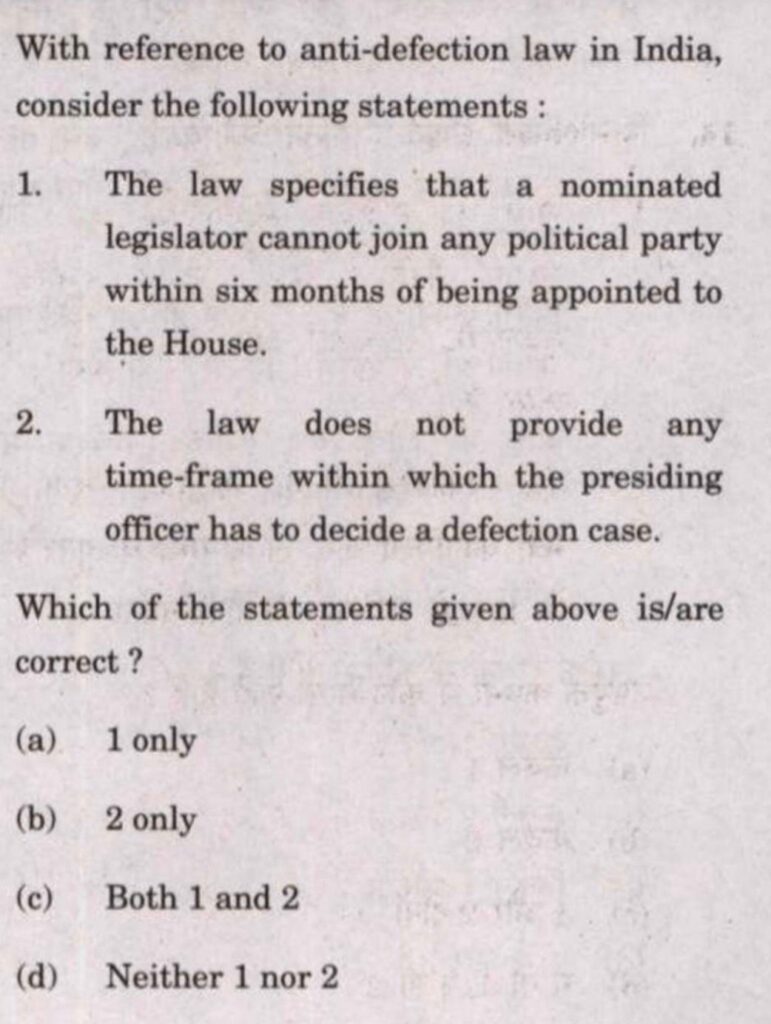
PYQ – 2022, Ans – B
About the UPSC Civil Services Examination (UPSC CSE)

The UPSC Civil Services Examination (CSE) is one of the most competitive and esteemed examinations in India, conducted by the Union Public Service Commission to recruit officers for services such as the Indian Administrative Service (IAS), Indian Police Service (IPS), Indian Foreign Service (IFS), and others. The exam comprises three stages — Prelims, Mains, and the Personality Test (Interview) — designed to test a candidate’s knowledge, aptitude, decision-making, and leadership skills.


How to Prepare Effectively for UPSC CSE

Cracking the UPSC CSE requires a deep understanding of the syllabus, consistent revision, structured answer writing, and smart test-taking strategies. The Prelims test analytical and conceptual clarity, the Mains focuses on critical thinking, articulation, and subject mastery, while the Interview assesses presence of mind, ethical judgment, and personality traits relevant to public service.

At UnderStand UPSC, we empower aspirants with a personalized and focused approach to each stage of the exam.


Why Choose UnderStand UPSC?

UnderStand UPSC is a mentorship-driven platform offering a clear, clutter-free strategy to tackle the Civil Services Examination. Our programs like Transform (for beginners and intermediate learners) and Conquer (for advanced mains preparation) provide structured study plans, syllabus-wise video content, interactive live sessions, and answer writing support.

We emphasize:

  • Concept clarity through topic-wise lectures

  • Test series designed around real UPSC standards

  • Personalized mentorship in small groups

  • Regular performance tracking and peer benchmarking

  • Doubt-clearing sessions, current affairs analysis, and monthly magazines


Join the UnderStand UPSC Learning Community

Our mission is to make UPSC preparation less overwhelming and more strategic. We combine mentorship, discipline, and academic rigor to help you clear CSE with confidence. Whether you’re preparing from Delhi, Mumbai, Bangalore, or a remote village — our online-first model ensures quality guidance reaches every corner of India.

Join the thousands of aspirants who trust UnderStand UPSC to guide their journey toward becoming civil servants.

Stay connected with us through our Telegram, YouTube, and Instagram channels for daily tips, strategies, and updates.

Copyright © 2026 USARAMBHA EDUCATION (UnderStand UPSC). All Rights Reserved.

Join the Success Journey!