29 July 2026 | UPSC Daily Current Affairs

29 July 2026 | UPSC Daily Current Affairs

Urban Indian Schools Lead Pollution: UPSC Notes 2026

Context: Urban Indian schools lead pollution
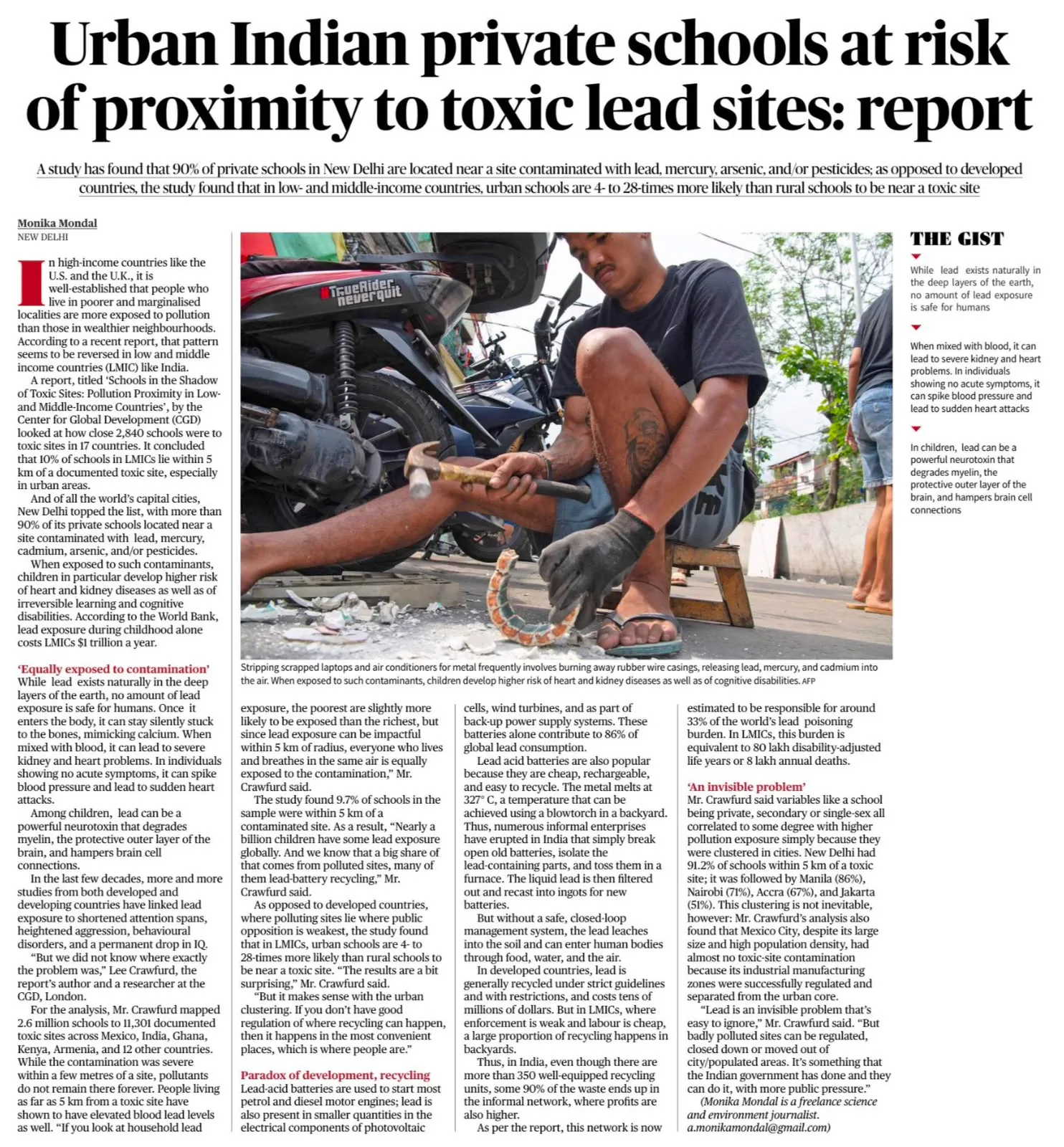
A Centre for Global Development report has found that many schools in low- and middle-income countries are located close to toxic sites containing lead and other hazardous pollutants.

In India, the concern is especially serious for New Delhi, where over 90% of private schools were found to be located near contaminated sites. This raises major public health concerns for children.

Lead

Lead is a toxic heavy metal naturally found in the Earth’s crust.

No level of lead exposure is considered safe, especially for children.

Lead exposure may happen through:

  • Contaminated soil
  • Polluted air
  • Contaminated water
  • Industrial waste
  • Lead-acid battery recycling
  • E-waste processing
  • Metal smelting
  • Industrial emissions

Why Lead Is Dangerous

Lead can enter the body through inhalation or ingestion.

Once inside the body, it can affect multiple organs and systems.

In children, lead is especially harmful because their brains and nervous systems are still developing.

Health Impacts

Lead exposure can cause:

  • Brain and nervous system damage
  • Reduced IQ
  • Learning disabilities
  • Behavioural disorders
  • Kidney problems
  • Cardiovascular diseases
  • Developmental delays

Key Findings of the Report

The study covered around 26 lakh schools and 11,301 toxic sites across 17 countries.

Around 10% of schools in low- and middle-income countries are located within 5 km of a toxic site.

New Delhi recorded the highest exposure, with more than 90% of private schools near contaminated locations.

Urban schools in low- and middle-income countries are 4–28 times more likely than rural schools to be near toxic sites.

Why This Matters

Children spend long hours in schools.

If schools are located near toxic industrial or waste sites, exposure risk becomes continuous and long-term.

This also shows the failure of urban planning, land-use regulation and environmental monitoring.

Way Forward

India needs stricter hazardous waste and e-waste management.

Informal battery recycling and metal processing units must be regulated.

Urban planning should prevent schools from being located near toxic sites.

Environmental monitoring around schools should be strengthened.

Health screening for children in high-risk areas should also be considered.

Key Takeaway

Lead pollution is not only an environmental issue. It is a public health and child development concern. Schools must be protected from toxic exposure through better planning, regulation and monitoring.

Urban Indian schools lead pollution

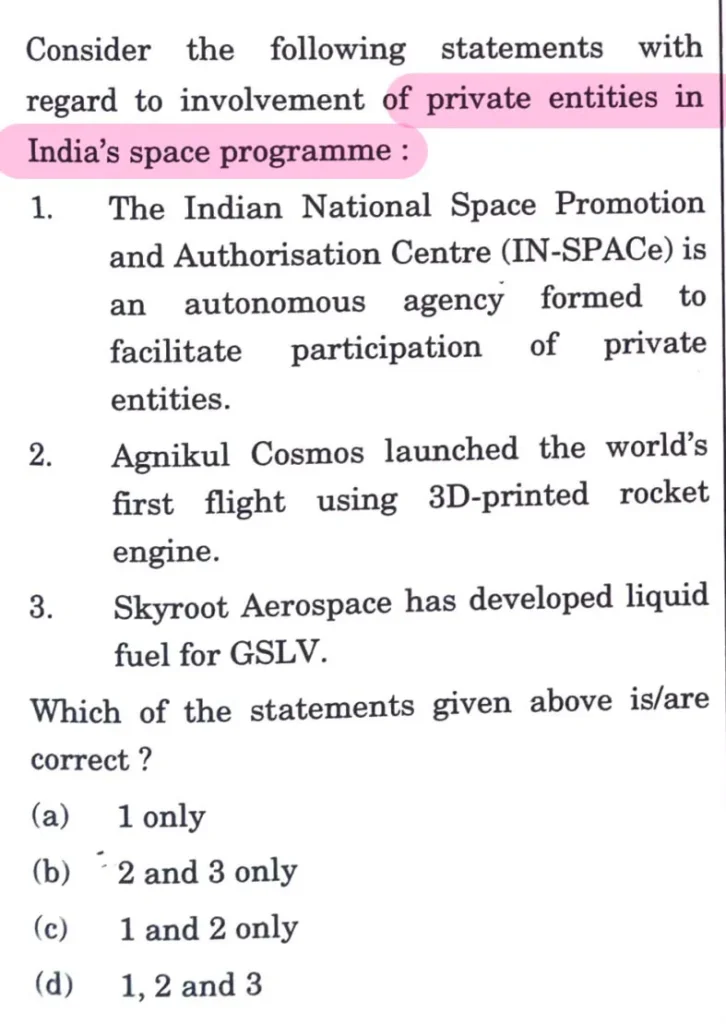
Indian Private Space Funding 2025: UPSC Current Affairs

Context: Indian private space funding 2025
India’s private space technology sector raised a record US$200 million in funding in 2025.

Bengaluru emerged as the leading space-tech hub, attracting more than half of the total investment. This reflects the growing role of private companies in India’s space ecosystem.

Growth of India’s Private Space Sector

India’s space sector has moved beyond a government-only model.

Private companies are now contributing to:

  • Satellite manufacturing
  • Launch vehicles
  • Propulsion systems
  • Earth observation
  • Space-based services
  • Space situational awareness

Key Highlights

Indian space-tech startups raised US$200 million in 2025, compared to US$43 million in 2021.

India has around 285 space-tech startups, of which 274 are active.

Bengaluru attracted more than 50% of total investments, making it the country’s leading space-tech hub.

Global investors are increasingly investing in Indian space startups, showing rising confidence in India’s commercial space market.

Major Companies and Contributions

Skyroot Aerospace

Skyroot developed the Vikram series launch vehicles.

It also developed Vikram-1, India’s first privately developed orbital-class rocket.

This strengthens India’s private launch capability.

Agnikul Cosmos

Agnikul built the Agnibaan launch vehicle.

It also developed the world’s first single-piece 3D-printed rocket engine, helping reduce manufacturing time and cost.

Pixxel

Pixxel is developing hyperspectral imaging satellites.

These can support:

  • Agriculture
  • Climate monitoring
  • Mining
  • Defence
  • Disaster management

Digantara

Digantara works in Space Situational Awareness.

It tracks satellites and space debris, improving safety in orbit.

Bellatrix Aerospace

Bellatrix develops green propulsion systems and orbital transfer vehicles for satellites.

Dhruva Space

Dhruva Space provides end-to-end satellite solutions, including design, manufacturing, integration and mission operations.

SatSure

SatSure uses satellite imagery and AI for agriculture, insurance, infrastructure and climate-risk assessment.

GalaxEye

GalaxEye is developing multi-sensor Earth Observation satellites that can image in all-weather and day-night conditions.

Government Support

The 2020 space sector reforms opened the sector to private participation.

IN-SPACe acts as the nodal agency for authorisation and promotion of private players.

ISRO provides technical support, testing facilities and launch infrastructure to startups.

Significance

The rise of private space firms strengthens Atmanirbhar Bharat in the space sector.

It expands India’s commercial presence in the global space economy.

It promotes innovation, high-skilled employment and technology exports.

It also complements ISRO by enabling private participation in launch services, satellite manufacturing and downstream applications.

Challenges

Funding remains concentrated among a few large startups.

Space technology requires high capital and long development cycles.

India also needs stronger manufacturing capacity, launch infrastructure and global competitiveness.

Key Takeaway

India’s private space sector is entering a serious growth phase. The challenge now is to convert funding momentum into manufacturing depth, commercial launches and global competitiveness.

Indian private space funding 2025

Western Ghats Eco Sensitive Area: UPSC Explained

Context: Western Ghats Eco Sensitive Area
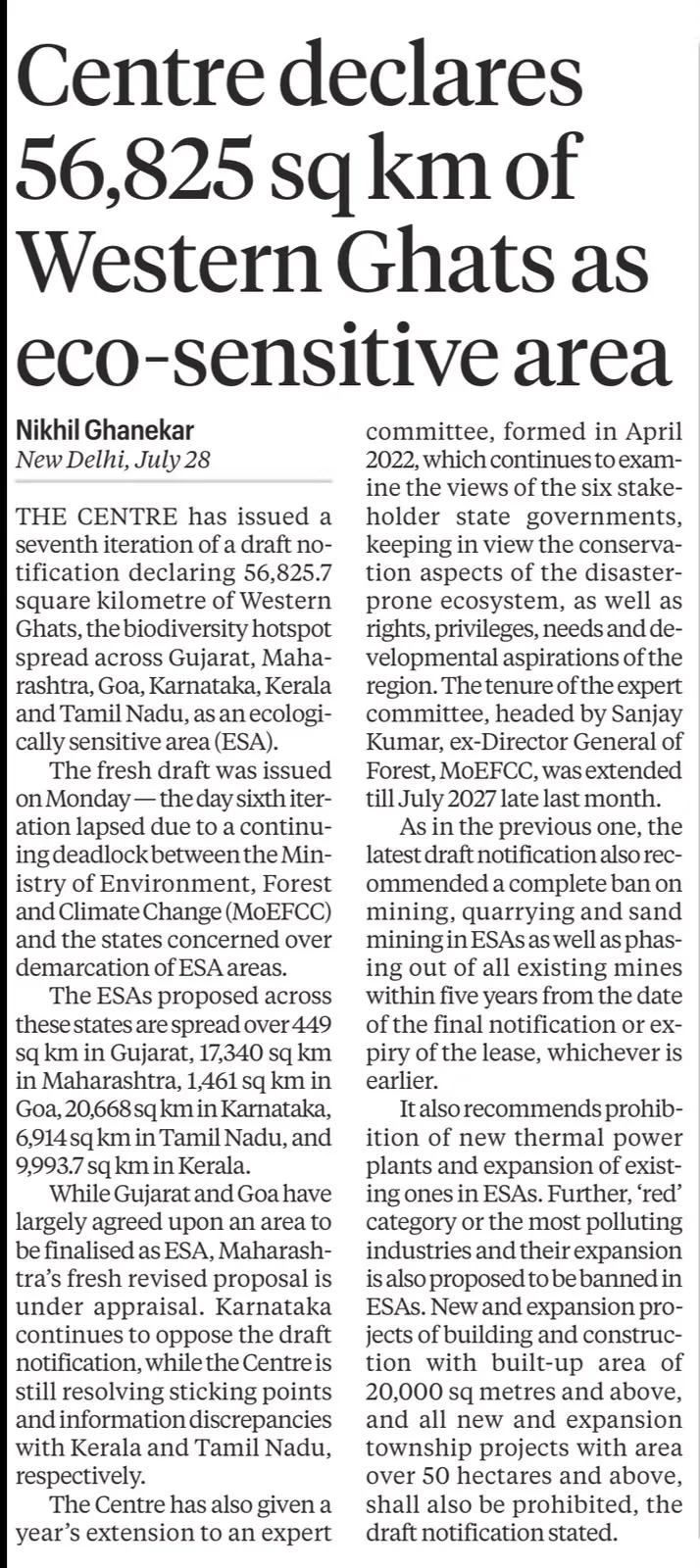
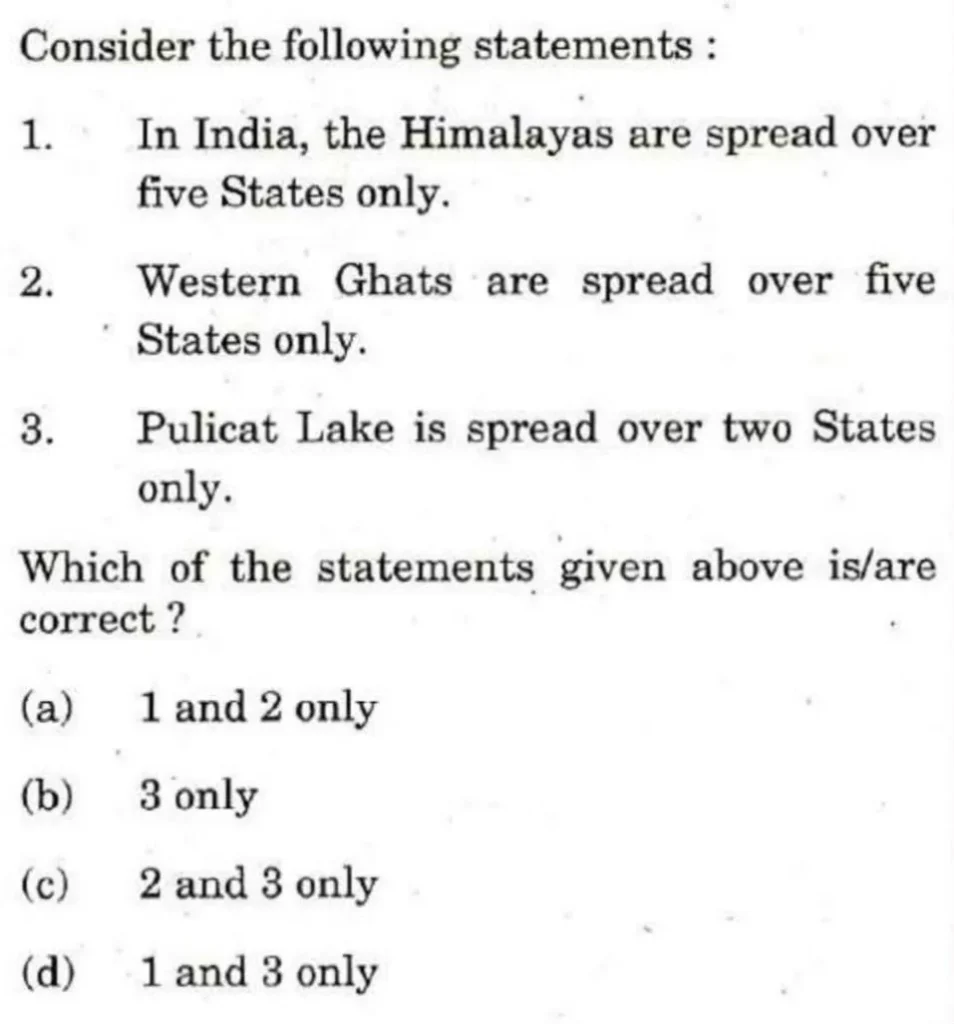
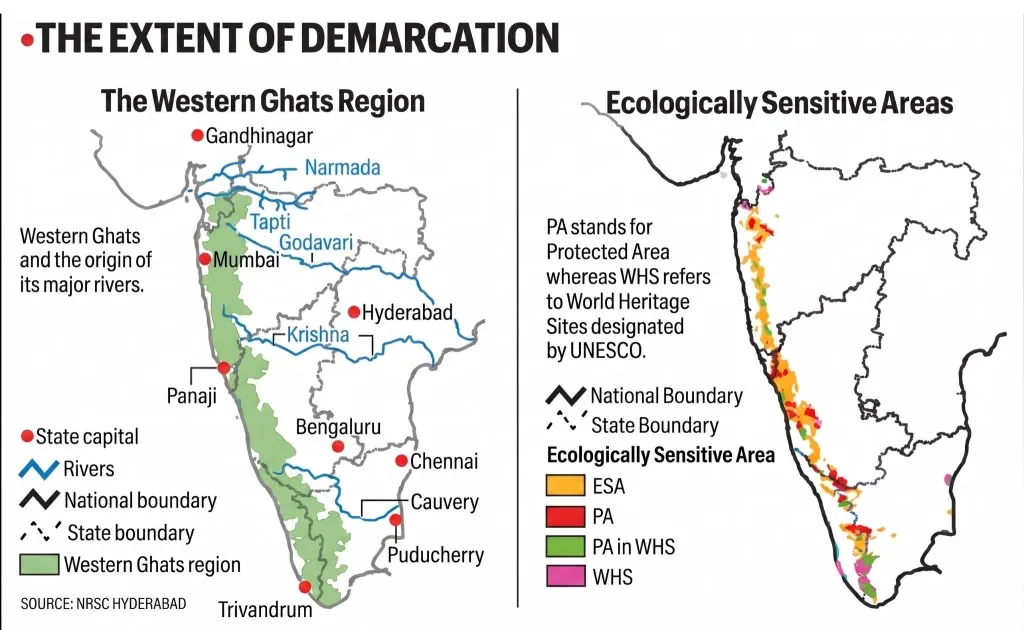
The Union Government has issued the 7th draft notification declaring 56,825.7 sq km of the Western Ghats across six States as an Eco-Sensitive Area.

The draft aims to protect the fragile Western Ghats ecosystem while also balancing the development concerns of State governments.

Western Ghats

The Western Ghats are one of the most ecologically important mountain chains in India.

They are recognised as one of the world’s eight hottest biodiversity hotspots.

They are also a UNESCO World Heritage Site.

Area Covered

The proposed Eco-Sensitive Area covers parts of six States:

  • Gujarat
  • Maharashtra
  • Goa
  • Karnataka
  • Kerala
  • Tamil Nadu

The total proposed area is 56,825.7 sq km.

Why ESA Is Needed

The Western Ghats are important for:

  • Biodiversity conservation
  • Forest protection
  • Wildlife habitats
  • River catchments
  • Monsoon regulation
  • Reducing flood and landslide risks

Unregulated mining, quarrying, construction and industrial activity can damage this fragile region.

Proposed Restrictions

The draft notification proposes a ban on:

  • New mining
  • Quarrying
  • Sand mining
  • New thermal power plants
  • Expansion of existing thermal power plants
  • Red category highly polluting industries

Existing mines are proposed to be phased out within five years of the final notification or lease expiry, whichever is earlier.

Large construction and township projects will also face restrictions.

Why It Is Controversial

States fear that ESA restrictions may affect:

  • Development projects
  • Mining activities
  • Infrastructure expansion
  • Local livelihoods
  • Land-use flexibility

There are also differences between the Centre and States over boundaries and demarcation of ESA areas.

Background

The proposal comes from the larger debate around Western Ghats conservation.

Two important committees shaped this debate:

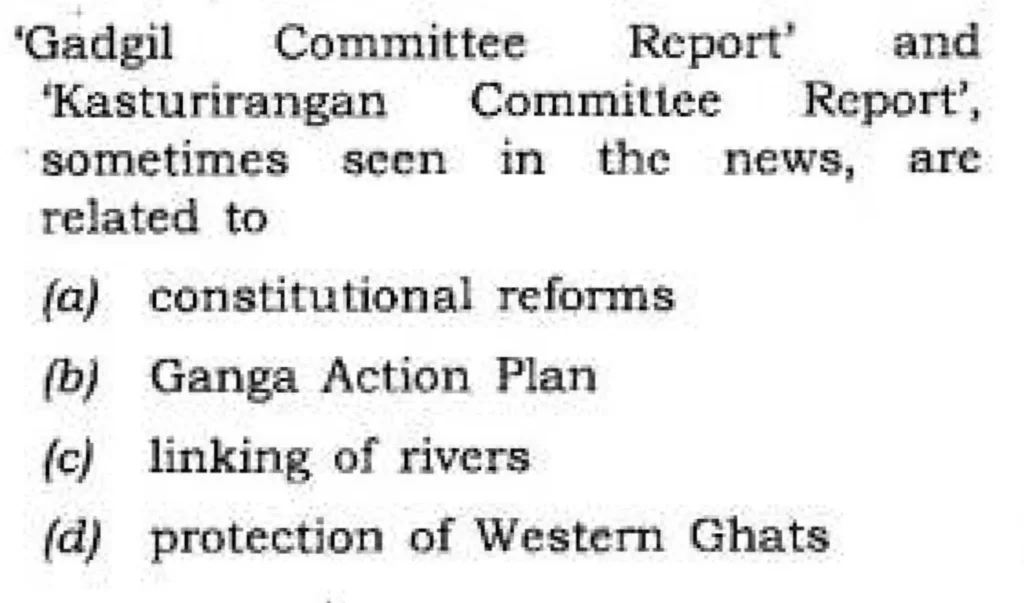
Madhav Gadgil Committee

The Western Ghats Ecology Expert Panel suggested a stricter conservation model.

K. Kasturirangan Committee

This committee recommended a more balanced approach, protecting ecologically sensitive areas while allowing some development.

Significance

The ESA notification is important because it tries to prevent ecological degradation in one of India’s most fragile biodiversity regions.

It can help conserve forests, rivers, wildlife habitats and local ecological security.

Key Takeaway

The Western Ghats ESA issue is a classic development versus conservation debate. India needs protection of fragile ecosystems without ignoring local livelihood and State-level development concerns.

Western Ghats Eco Sensitive Area

Tigers Outside Tiger Reserves: UPSC Current Affairs

Context: Tigers Outside Tiger Reserves
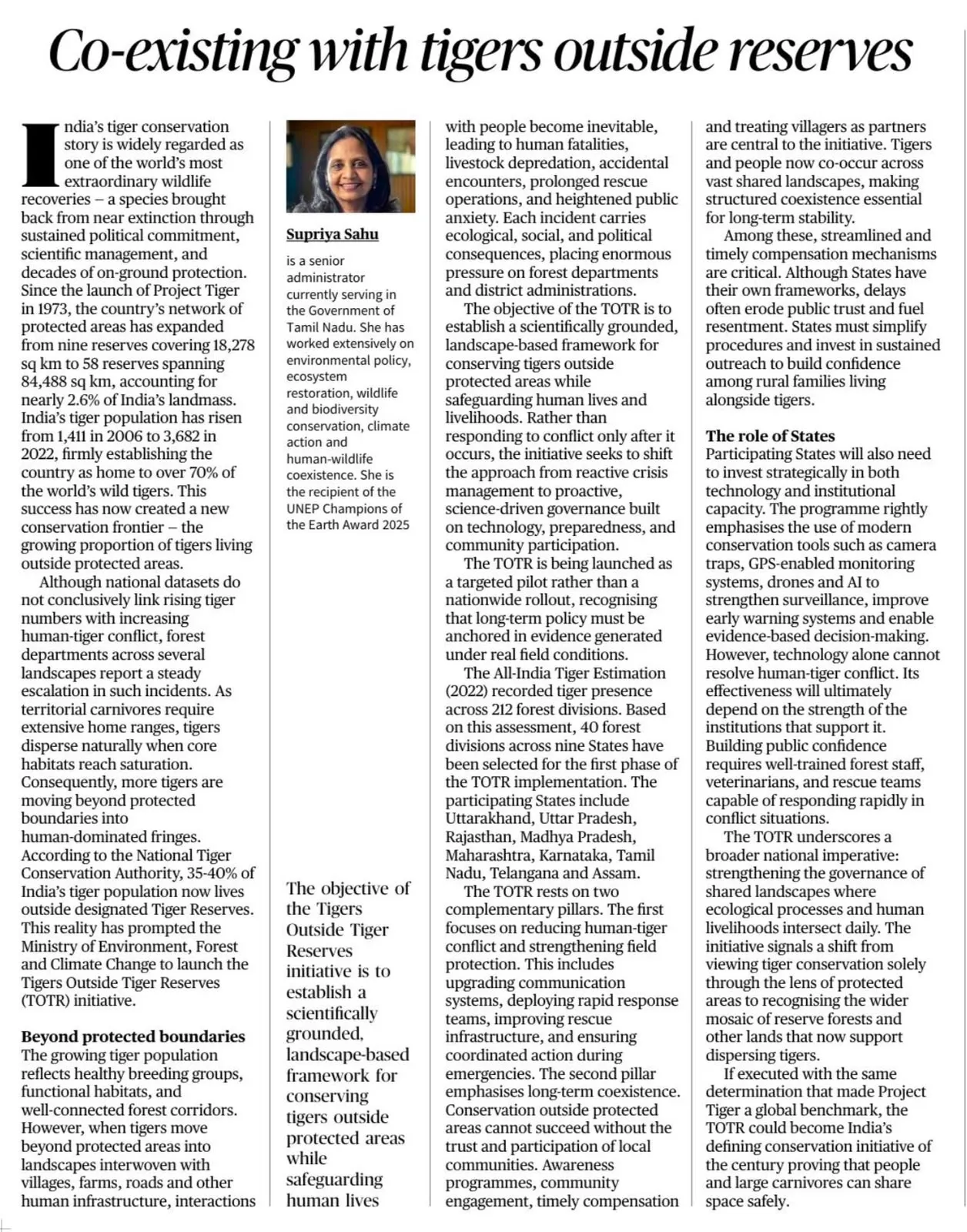
The Ministry of Environment, Forest and Climate Change has launched the Tigers Outside Tiger Reserves initiative.

This is because nearly 35–40% of India’s tigers are now found outside notified Tiger Reserves, requiring a landscape-based conservation and conflict-mitigation approach.

India’s Tiger Conservation Story

India has one of the world’s most successful tiger conservation programmes.

India’s tiger population increased from 1,411 in 2006 to 3,682 in 2022.

India is home to over 70% of the world’s wild tigers.

This success has created a new conservation challenge: many tigers now live beyond formal protected areas.

What Is TOTR?

TOTR stands for Tigers Outside Tiger Reserves.

It is a MoEFCC initiative to conserve tigers outside protected areas.

It shifts the focus from only Tiger Reserves to the wider landscape.

This includes:

  • Reserve forests
  • Territorial forests
  • Wildlife corridors
  • Agricultural landscapes
  • Village fringes
  • Human-dominated landscapes

Why TOTR Was Introduced

1. Increasing Tiger Population

As tiger numbers increase, young and dispersing tigers move into new areas.

2. Expansion Beyond Tiger Reserves

Around 35–40% of India’s tigers now live outside notified Tiger Reserves.

3. Rising Human-Tiger Conflict

More tigers in shared landscapes can lead to:

  • Human fatalities
  • Livestock depredation
  • Crop damage
  • Rescue operations
  • Public fear and anxiety
  • Pressure on forest departments

Key Features of TOTR

Scientific Conservation

The initiative uses:

  • AI
  • Camera traps
  • Drones
  • GPS-enabled monitoring
  • Early-warning systems

This supports evidence-based wildlife management.

Conflict Mitigation

The initiative focuses on:

  • Rapid response teams
  • Rescue infrastructure
  • Standard Operating Procedures
  • Timely compensation
  • Early warning and preparedness

Community Participation

Local communities are treated as conservation partners.

This includes awareness programmes, community engagement and participatory monitoring.

Institutional Strengthening

Forest departments will need better training, veterinary support, technology integration and coordination with local administrations.

Pilot Implementation

The programme is being implemented in 40 forest divisions across nine States:

  • Uttarakhand
  • Uttar Pradesh
  • Rajasthan
  • Madhya Pradesh
  • Maharashtra
  • Karnataka
  • Tamil Nadu
  • Telangana
  • Assam

Significance

TOTR promotes landscape-level conservation beyond protected areas.

It strengthens wildlife corridors and habitat connectivity.

It reduces human-wildlife conflict through proactive management.

It also balances biodiversity protection with local livelihoods.

Key Takeaway

India’s tiger conservation has entered its next phase. The challenge is no longer only protecting tigers inside reserves, but enabling safe coexistence in shared landscapes.

Tigers Outside Tiger Reserves

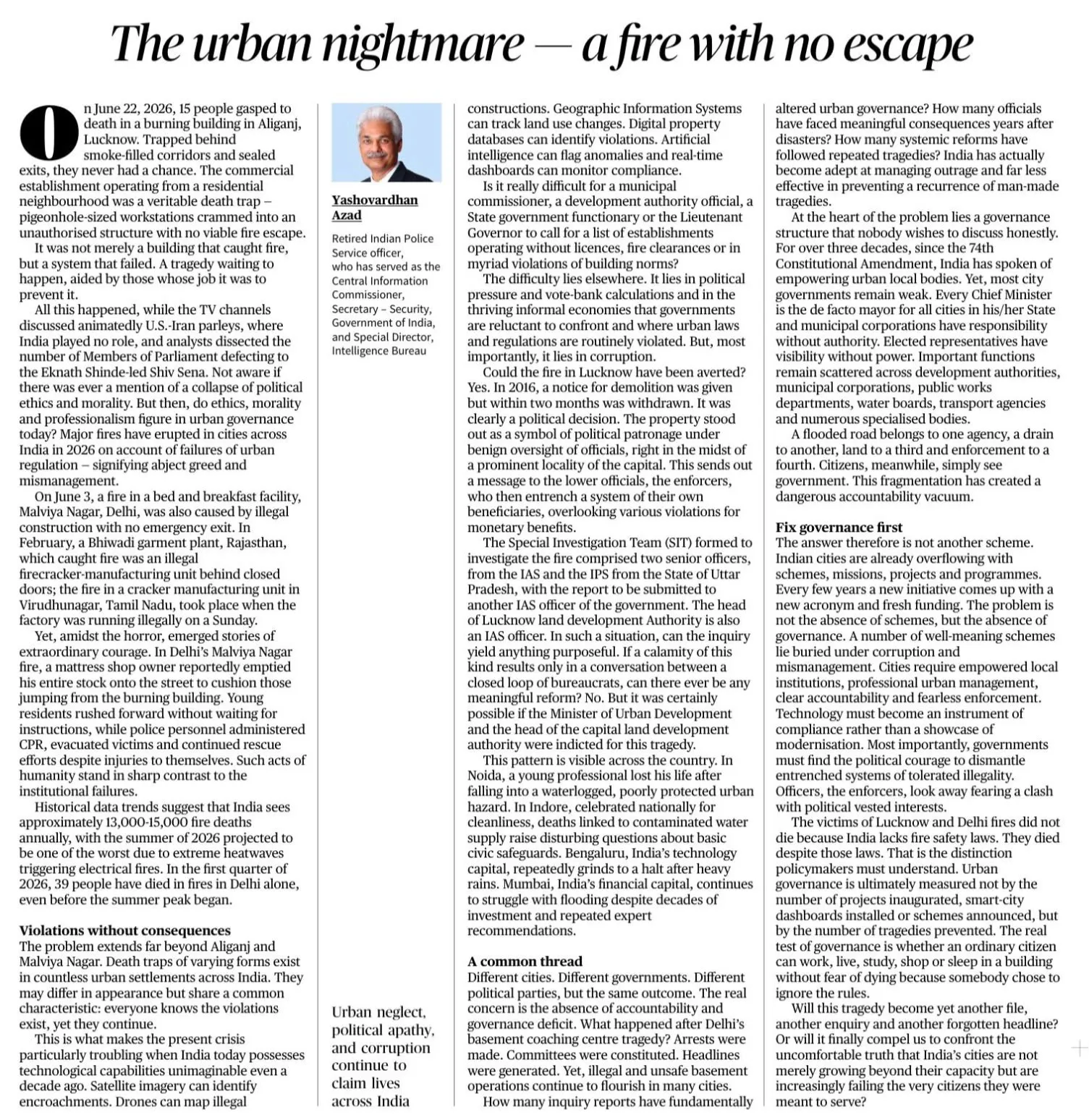
Urban Fire Governance Failures: UPSC Current Affairs

Context: Urban fire governance failures
After a series of fatal urban fire incidents, the article argues that India’s real problem is not the absence of fire safety laws.

The deeper issue is systemic failure in urban governance, including illegal construction, weak enforcement, fragmented responsibilities, political interference and poor accountability.

Core Issue

Urban fires are often preventable.

However, they become deadly because of unsafe buildings, illegal land use and weak enforcement.

The problem is not just technical. It is institutional and governance-related.

Why Such Urban Disasters Recur

1. Illegal Urban Development

Many buildings are used for purposes for which they were not approved.

Examples include commercial activity inside residential buildings or unsafe industrial activity in dense localities.

Violations often include:

  • Blocked exits
  • Narrow staircases
  • Unsafe electrical wiring
  • Poor ventilation
  • No fire escape routes
  • Illegal construction

2. Weak Enforcement

Even when fire and building laws exist, inspection and compliance are weak.

Political interference, corruption and administrative apathy often allow violations to continue.

3. Fragmented Urban Governance

Multiple agencies manage different parts of urban governance.

These include municipal bodies, development authorities, utility agencies, fire departments and local administration.

Overlapping responsibilities create confusion and reduce accountability.

Governance Challenges

Urban Local Bodies often lack adequate funds, functions and functionaries.

Inquiry committees are formed after disasters, but their recommendations rarely lead to deep structural reform.

There is more focus on post-disaster relief than prevention.

Role of Technology

Technology can help detect violations early.

Possible tools include:

  • GIS mapping
  • Digital property records
  • AI-based compliance monitoring
  • Real-time dashboards
  • Building safety audits

But technology is useful only when political and administrative accountability exists.

Way Forward

Urban Local Bodies must be empowered with adequate finances and authority.

Regular audits and inspections must be made mandatory.

Responsibility of each agency should be clearly defined.

Officials must be held accountable for preventable violations.

Citizen participation and transparency should be strengthened.

Governance must shift from reaction after tragedy to prevention before disaster.

Key Takeaway

Urban fire disasters are not only accidents. They are governance failures. Indian cities need stronger enforcement, empowered local bodies and a prevention-first urban safety culture.

Urban fire governance failures

India Solar Power Curtailment 2026: UPSC Explained

Context: India solar power curtailment 2026
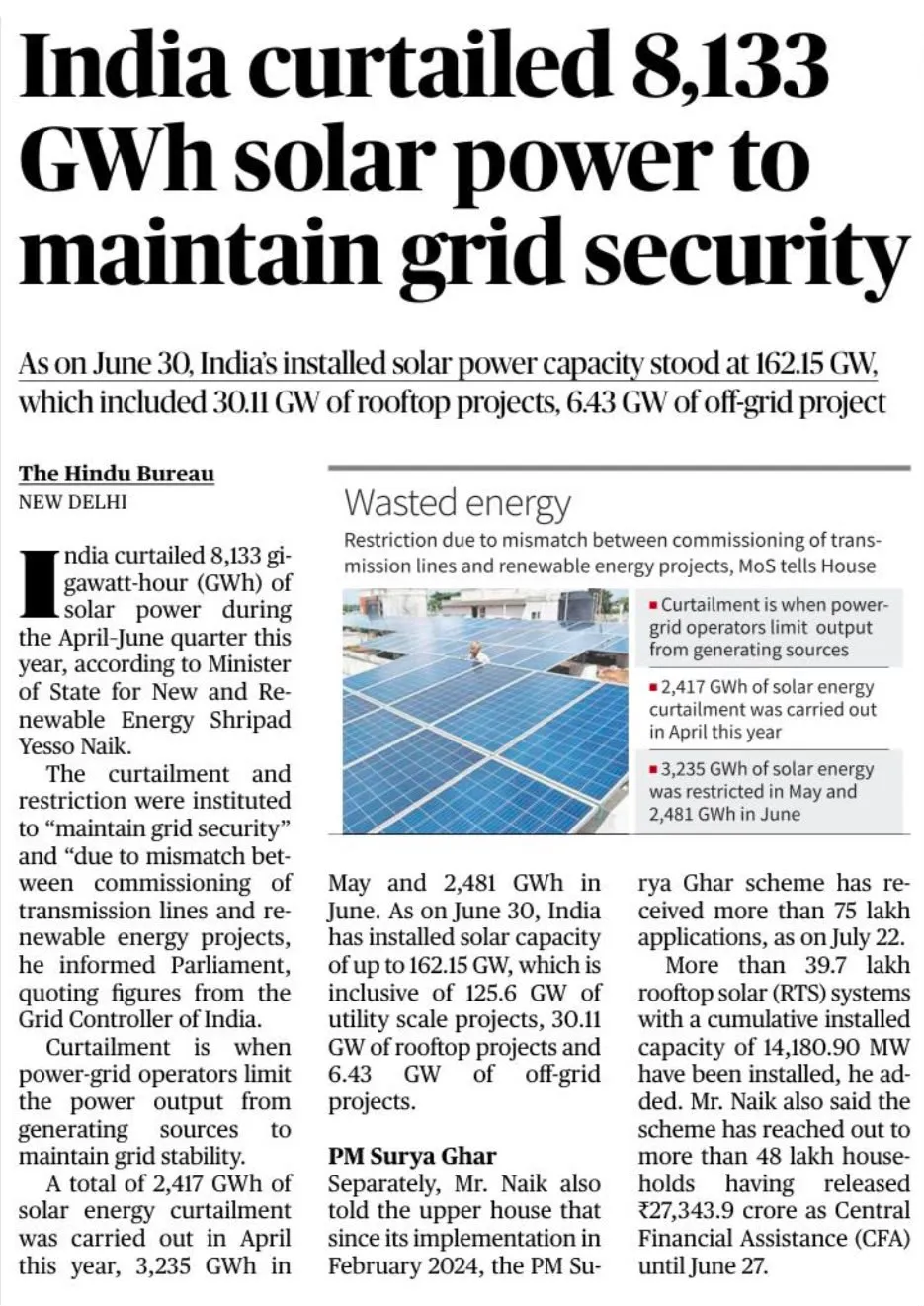
The Government informed Parliament that India curtailed 8,133 GWh of solar power during April–June 2026 to maintain grid security.

This highlights the challenge of integrating rapidly growing renewable energy capacity with inadequate transmission infrastructure.

What Is Solar Curtailment?

Solar curtailment means deliberately reducing electricity generation from solar plants despite available sunlight.

This is done when the grid cannot safely absorb the power.

Grid operators curtail power to maintain:

  • Grid stability
  • Frequency balance
  • Reliability
  • Safety of the power system

Why India Curtailed Solar Power

1. Transmission Bottlenecks

Renewable energy projects have been commissioned faster than transmission lines.

This creates mismatch between generation and evacuation capacity.

2. Grid Security

Too much electricity without matching transmission capacity can destabilise the grid.

It may increase blackout risks.

3. Renewable Intermittency

Solar generation peaks during daytime.

Electricity demand may not always match this timing.

This creates integration challenges.

Key Data

Total solar power curtailed during April–June 2026 was 8,133 GWh.

Month-wise data:

  • April: 2,417 GWh
  • May: 3,235 GWh
  • June: 2,481 GWh

Installed solar capacity as of 30 June 2026 was 162.15 GW.

This includes:

  • Utility-scale solar: 125.6 GW
  • Rooftop solar: 30.11 GW
  • Off-grid solar: 6.43 GW

Why It Matters

Curtailment wastes clean electricity.

It reduces revenue for renewable energy developers.

It slows India’s renewable energy transition.

It also shows that generation capacity and grid infrastructure must be planned together.

Way Forward

India should expand Green Energy Corridors and transmission infrastructure.

Battery Energy Storage Systems and pumped-storage projects must be deployed faster.

Smart grids, forecasting and demand-response systems should be strengthened.

Renewable generation and transmission planning must happen simultaneously.

Key Takeaway

India’s solar growth is impressive, but renewable energy transition cannot succeed without grid readiness, storage and transmission planning.

India solar power curtailment 2026

About the UPSC Civil Services Examination (UPSC CSE)

The UPSC Civil Services Examination (CSE) is one of the most competitive and esteemed examinations in India, conducted by the Union Public Service Commission to recruit officers for services such as the Indian Administrative Service (IAS), Indian Police Service (IPS), Indian Foreign Service (IFS), and others. The exam comprises three stages — Prelims, Mains, and the Personality Test (Interview) — designed to test a candidate’s knowledge, aptitude, decision-making, and leadership skills.

How to Prepare Effectively for UPSC CSE

Cracking the UPSC CSE requires a deep understanding of the syllabus, consistent revision, structured answer writing, and smart test-taking strategies. The Prelims test analytical and conceptual clarity, the Mains focuses on critical thinking, articulation, and subject mastery, while the Interview assesses presence of mind, ethical judgment, and personality traits relevant to public service.

At UnderStand UPSC, we empower aspirants with a personalized and focused approach to each stage of the exam.

Why Choose UnderStand UPSC?

UnderStand UPSC is a mentorship-driven platform offering a clear, clutter-free strategy to tackle the Civil Services Examination. Our programs like Transform (for beginners and intermediate learners) and Conquer (for advanced mains preparation) provide structured study plans, syllabus-wise video content, interactive live sessions, and answer writing support.

We emphasize:

  • Concept clarity through topic-wise lectures

  • Test series designed around real UPSC standards

  • Personalized mentorship in small groups

  • Regular performance tracking and peer benchmarking

  • Doubt-clearing sessions, current affairs analysis, and monthly magazines

Join the UnderStand UPSC Learning Community

Our mission is to make UPSC preparation less overwhelming and more strategic. We combine mentorship, discipline, and academic rigor to help you clear CSE with confidence. Whether you’re preparing from Delhi, Mumbai, Bangalore, or a remote village — our online-first model ensures quality guidance reaches every corner of India.

Join the thousands of aspirants who trust UnderStand UPSC to guide their journey toward becoming civil servants.

Stay connected with us through our Telegram, YouTube, and Instagram channels for daily tips, strategies, and updates.

Copyright © 2026 USARAMBHA EDUCATION (UnderStand UPSC). All Rights Reserved.

Fill out the form