1 May 2026 | Daily Current Affairs

Mizoram insurgency ends after HPC(D) peace agreement

Context: Mizoram insurgency

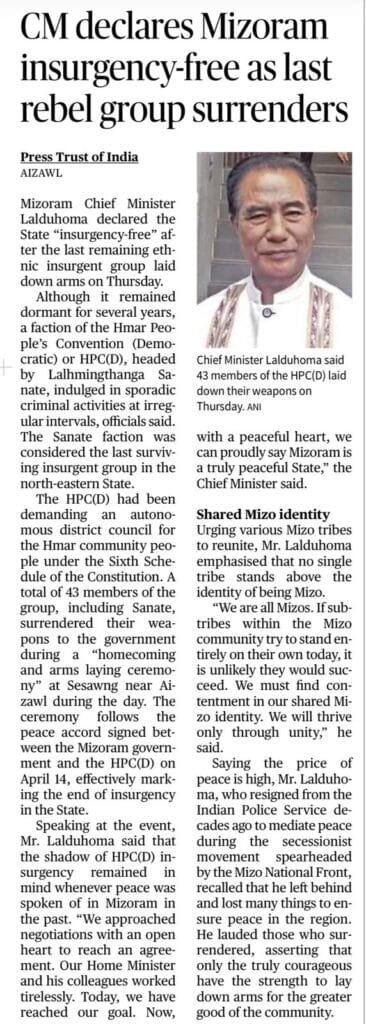
Mizoram has become one of the first States in Northeast India to be insurgency-free after the final peace settlement with Hmar People’s Convention (Democratic) and surrender of its cadres.

From Insurgency to Peace

  • Trigger: 1959 Mautam famine + central neglect
  • Phase I: Mizo National Front insurgency (1966–1986) → demand for independence
  • Resolution: 1986 Peace Accord (GoI + Mizo National Front)
    → secession dropped | statehood (1987) | full political integration

Residual Conflict and Demand

  • Post-1986: conflict continued through Hmar People’s Convention (Democratic)
  • Shift from secession → sub-tribal autonomy (Hmar areas)
  • Core demand: Autonomous District Council under Sixth Schedule

Final Settlement

  • Cadres surrendered and joined mainstream
  • Focus on development and governance of Hmar areas
  • Sixth Schedule demand not accepted → resolved through negotiated accommodation

Why It Matters

  • Marks end of insurgency cycle in Mizoram
  • Validates dialogue-based conflict resolution
  • Strengthens border security and governance
  • Provides a template for Northeast peace processes

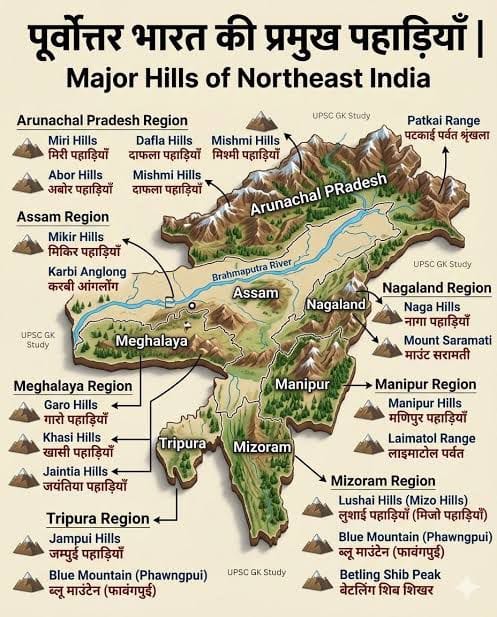
Mizoram – Geography

  • Borders: Myanmar, Bangladesh
  • Relief: North–south aligned folded hills (Purvanchal ranges)
  • Basin: Surma–Mizoram (Molasse) Basin → hydrocarbon potential
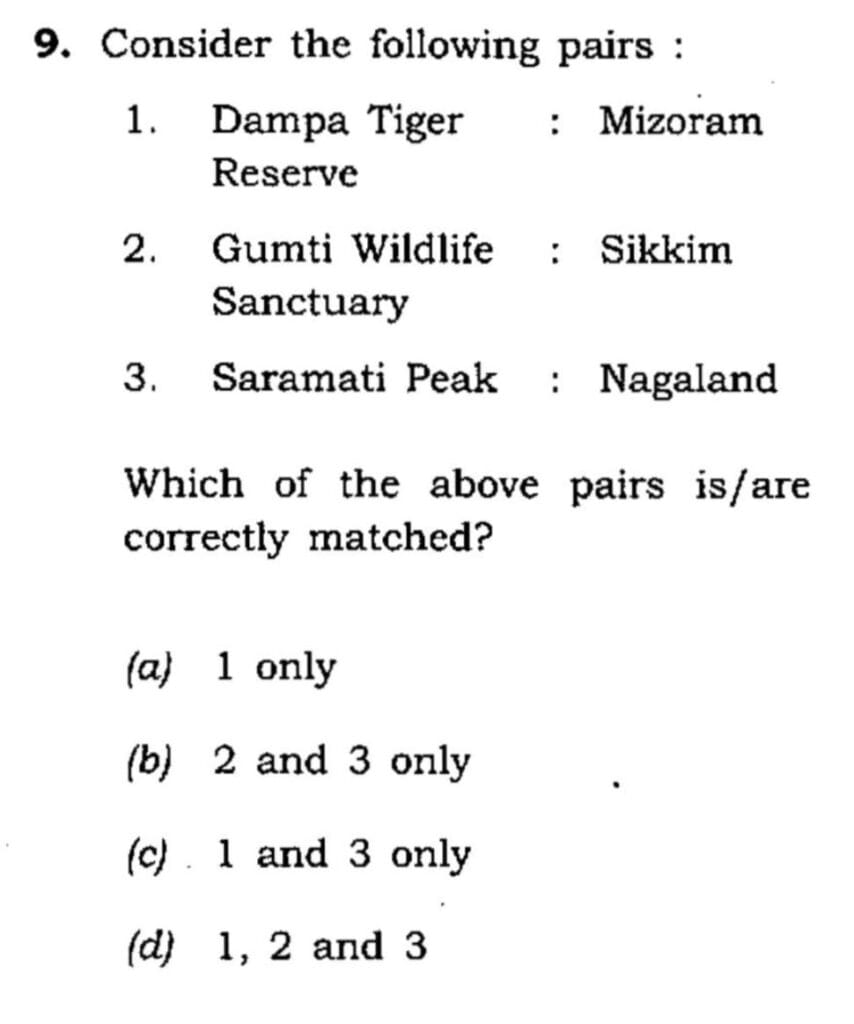
  • Protected Areas: Dampa Tiger Reserve, Murlen National Park, Phawngpui National Park
PYQ – 2014, Ans – C

Revenue deficit States rise as fiscal stress increases in India

Context: Revenue deficit States

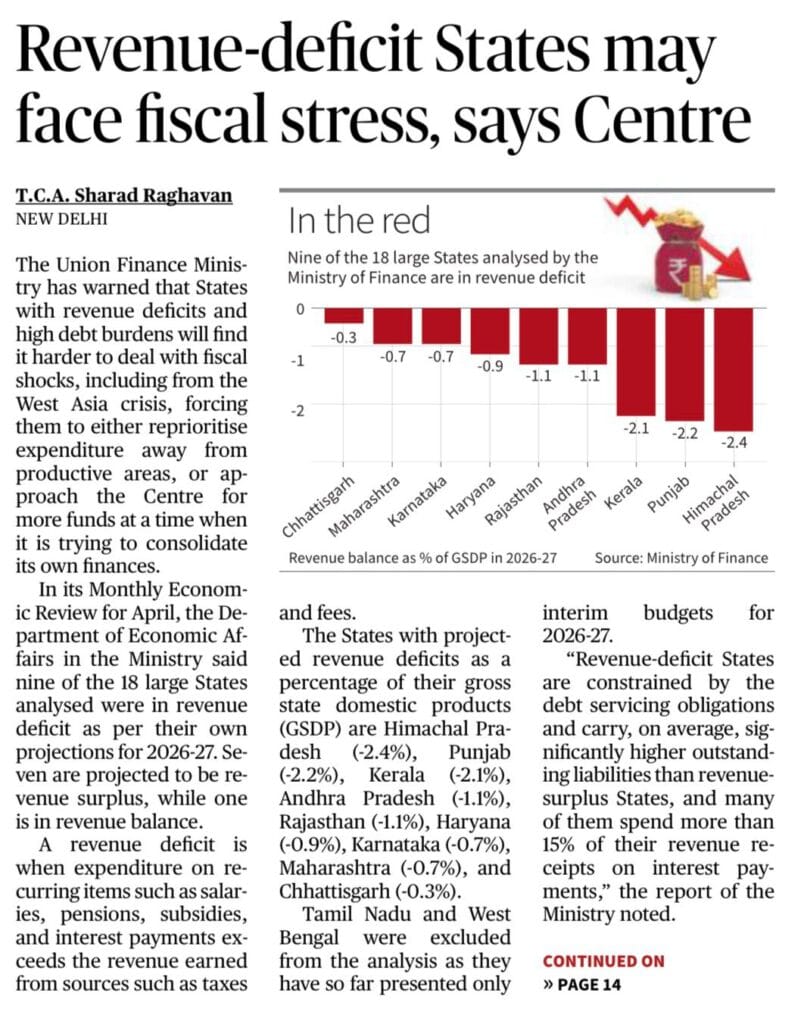
Finance Ministry’s Monthly Economic Review (Department of Economic Affairs) flags 9 of 18 large States in revenue deficit, indicating fiscal stress due to high debt and weak revenues.

Deficit Concepts

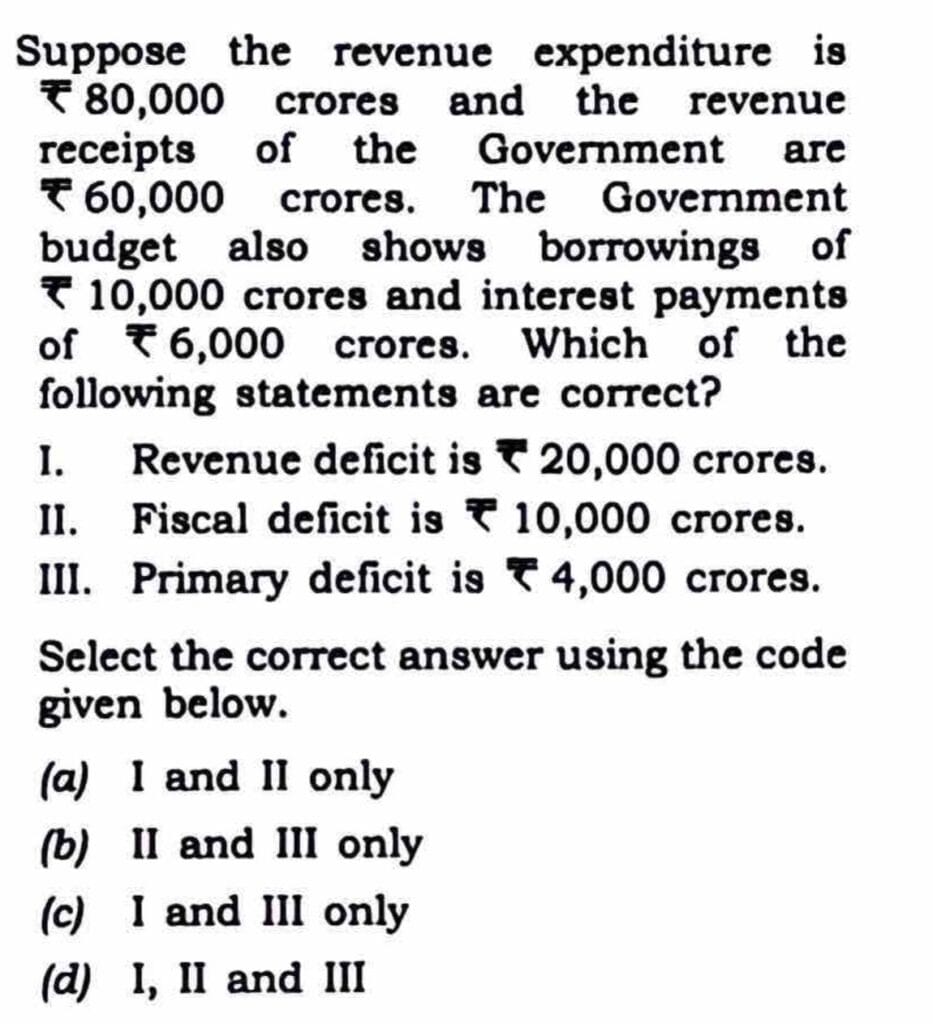
  • Revenue Deficit
    Revenue expenditure exceeds revenue receipts → inability to meet routine expenses → weak fiscal health
  • Fiscal Deficit
    Total expenditure minus revenue receipts and non-debt capital receipts → total borrowing requirement → overall fiscal gap
  • Primary Deficit
    Fiscal deficit minus interest payments → current year fiscal stance → excludes past debt burden

States and Data

  • Total analysed: 18
  • Revenue deficit: 9 | Surplus: 7 | Balance: 1
  • Excluded: Tamil Nadu, West Bengal

Revenue deficit States % of GSDP 2026–27

Himachal Pradesh –2.4 | Punjab –2.2 | Kerala –2.1 | Andhra Pradesh –1.1 | Rajasthan –1.1 | Haryana –0.9 | Karnataka –0.7 | Maharashtra –0.7 | Chhattisgarh –0.3

Stress indicators

  • Interest payments >15% of revenue receipts in many States
  • Higher outstanding liabilities than surplus States

Reasons

  • High committed expenditure: salaries, pensions, subsidies, interest
  • Weak revenue mobilisation
  • Rising debt and interest burden
  • Exposure to external shocks

Implications

  • Higher fiscal vulnerability
  • Limited shock absorption capacity
  • Reduced capital and productive expenditure
  • Greater dependence on Centre
  • Persistent structural fiscal imbalance
PYQ – 2025, Ans – D

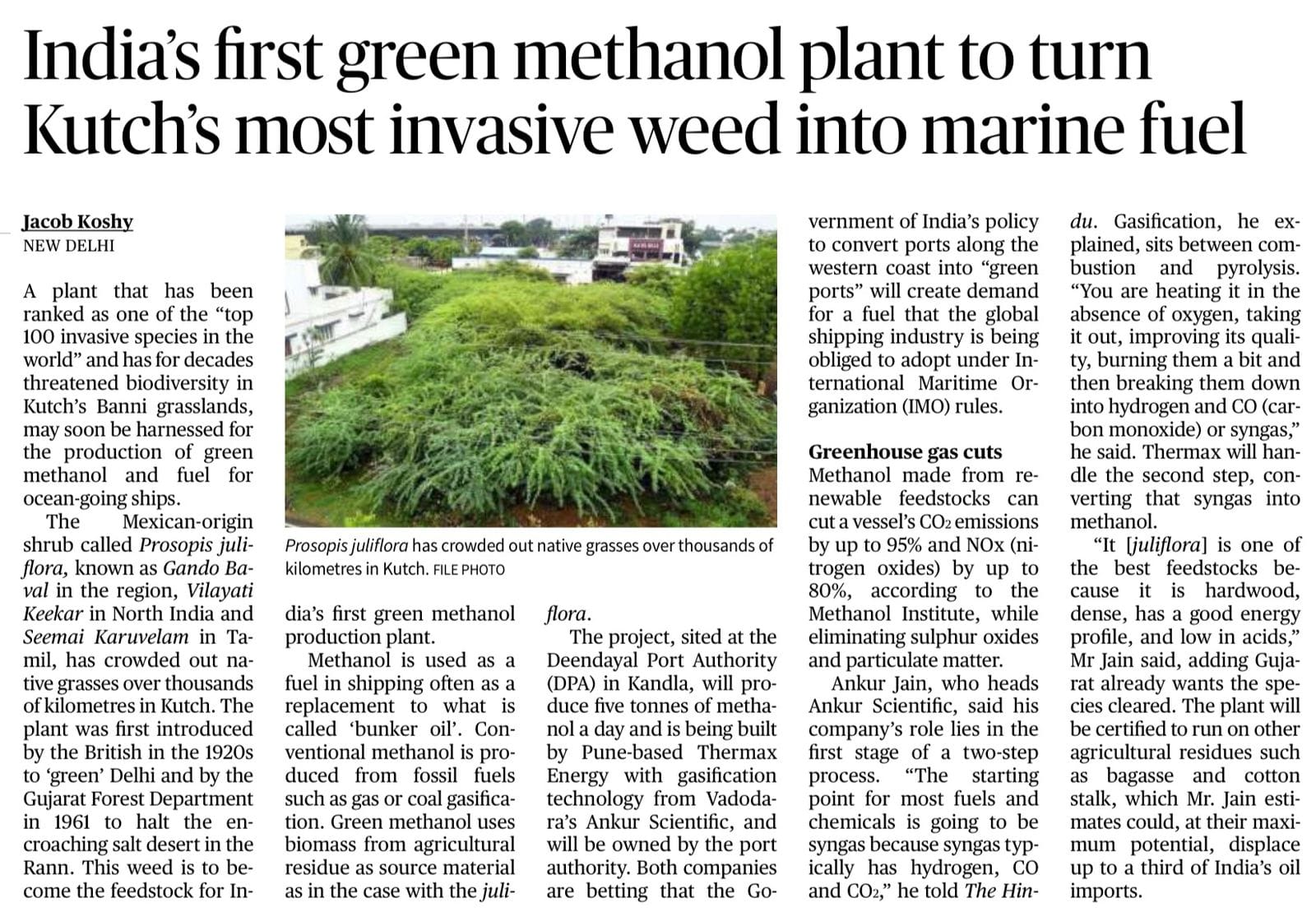
Green methanol project using Prosopis juliflora for clean fuel

Context: Green methanol

India plans to convert Prosopis juliflora, among the world’s top 100 invasive species, into green methanol for marine fuel, linking ecological control with clean energy.

Species in News – Prosopis juliflora

  • Origin: Mexico
  • Local names: Gando Baval, Vilayati Keekar, Seemai Karuvelam
  • Status: Among top 100 invasive species globally
  • Introduced: Colonial period for afforestation

Issues

  • Highly invasive and fast spreading
  • Replaces native grasses in Banni grassland
  • Threat to biodiversity in Kutch

Utility

Dense hardwood, high calorific value → suitable biomass feedstock

Green Methanol and Environmental Significance

  • Green methanol: Produced from biomass/renewable sources
  • Use: Alternative to bunker fuel in shipping

Environmental benefits

CO₂ ↓ up to 95% | NOx ↓ up to 80% | eliminates SOx and particulate matter | supports IMO norms

Process

Gasification → biomass to syngas (H₂ + CO)
Conversion → syngas to methanol

Banni Grassland

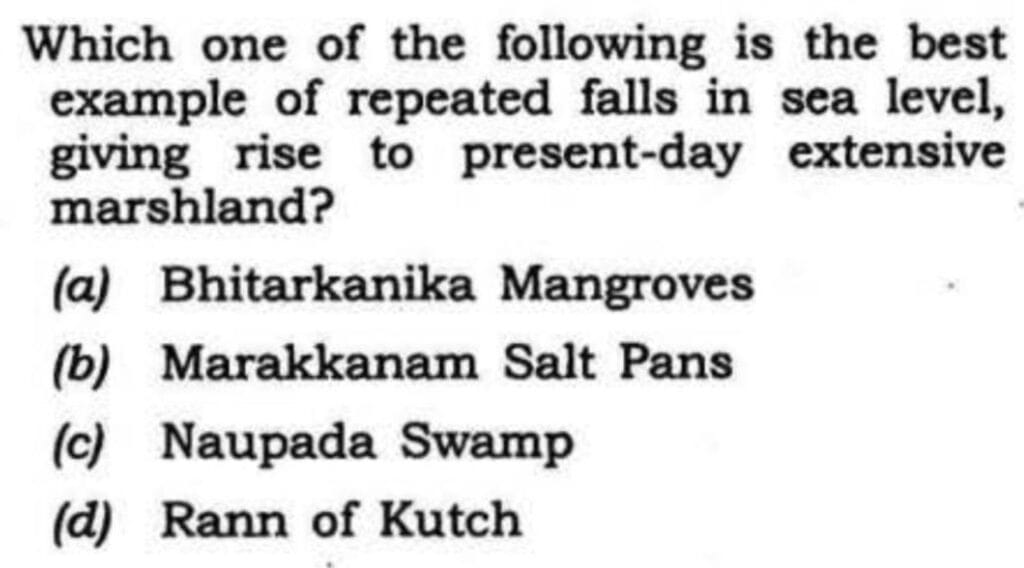
  • Location: Rann of Kachchh, Gujarat
  • Asia’s largest tropical grassland
  • Threat: invasion by Prosopis juliflora

Community

Maldharis pastoralists depend on it

Implications

  • Converts invasive species into economic resource
  • Supports clean shipping and energy transition
  • Reduces oil import dependence
  • Helps restore native grassland ecosystem
PYQ – 2023, Ans – D

Sacred groves restoration launched in Kerala for biodiversity conservation

Context: Sacred groves

Kerala has initiated a pilot restoration of sacred groves (kavus) to revive degraded ecosystems, conserve biodiversity, and remove invasive species through community participation.

Sacred Groves and Their Significance

  • Sacred groves are community-protected forest patches preserved due to religious and cultural beliefs

Significance

  • Act as biodiversity hotspots with rare, endemic and medicinal species
  • Provide ecosystem services: soil conservation, groundwater recharge, micro-climate regulation
  • Serve as in-situ conservation sites with minimal human interference
  • Reflect traditional ecological knowledge and community conservation ethics

Threats

  • Urbanisation and land-use change
  • Decline in traditional belief systems
  • Invasive species encroachment
  • Pollution and neglect

Sacred Groves in India – State-wise Names

  • Kerala – Kavus
  • Karnataka – Devarakadu
  • Tamil Nadu – Kovil Kadu
  • Maharashtra & Goa – Devrai
  • Rajasthan & Gujarat – Orans
  • Madhya Pradesh & Chhattisgarh – Sarna
  • Jharkhand – Sarna / Jaher Than
  • Odisha & West Bengal – Jaher Than
  • Himachal Pradesh & Uttarakhand – Dev Van
  • Meghalaya – Law Kyntang / Law Lyngdoh
  • Manipur – Umang Lai
  • Assam – Than

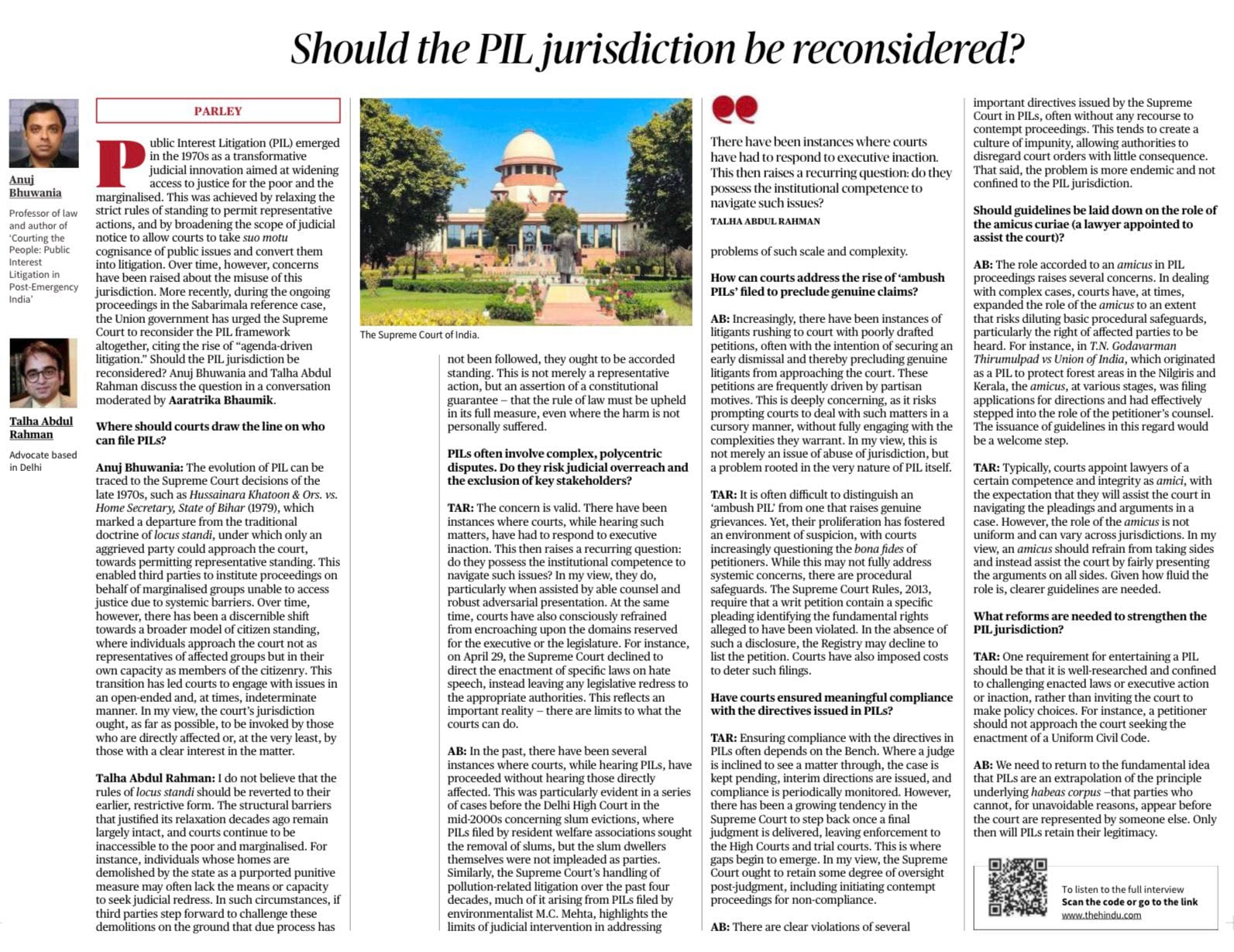
Public Interest Litigation reform debate over misuse and scope

Context: Public Interest Litigation

A growing concern that Public Interest Litigation (PIL)—once a tool for social justice—is increasingly misused, raising the need to redefine its scope and safeguards.

Public Interest Litigation (PIL) – Basics

  • Definition: Litigation filed in public interest to protect rights of groups unable to approach courts themselves
  • Core feature: Relaxation of locus standi → any public-spirited person can file

Constitutional basis

Origin

Late 1970s–80s (post-Emergency judicial activism)

Key Cases

  • Hussainara Khatoon (1979) → access to justice, undertrial rights
  • S.P. Gupta (1981) → liberal locus standi
  • M.C. Mehta cases → environmental PIL
  • T.N. Godavarman → continuing mandamus in forest governance

Problems with PIL

  • Frivolous / “Ambush PILs” → publicity, political motives
  • Judicial overreach → courts entering policy domain
  • Complex governance issues → beyond judicial expertise
  • Stakeholder exclusion → affected parties not heard
  • Procedural dilution → excessive reliance on amicus curiae
  • Weak enforcement → poor compliance with court orders

Suggested Reforms

  • Strict screening of PILs at admission stage
  • Limit scope to rights violations, not policy-making
  • Guidelines for amicus curiae and petition standards
  • Ensure stakeholder participation
  • Impose costs on frivolous PILs
  • Strengthen compliance mechanisms without replacing executive

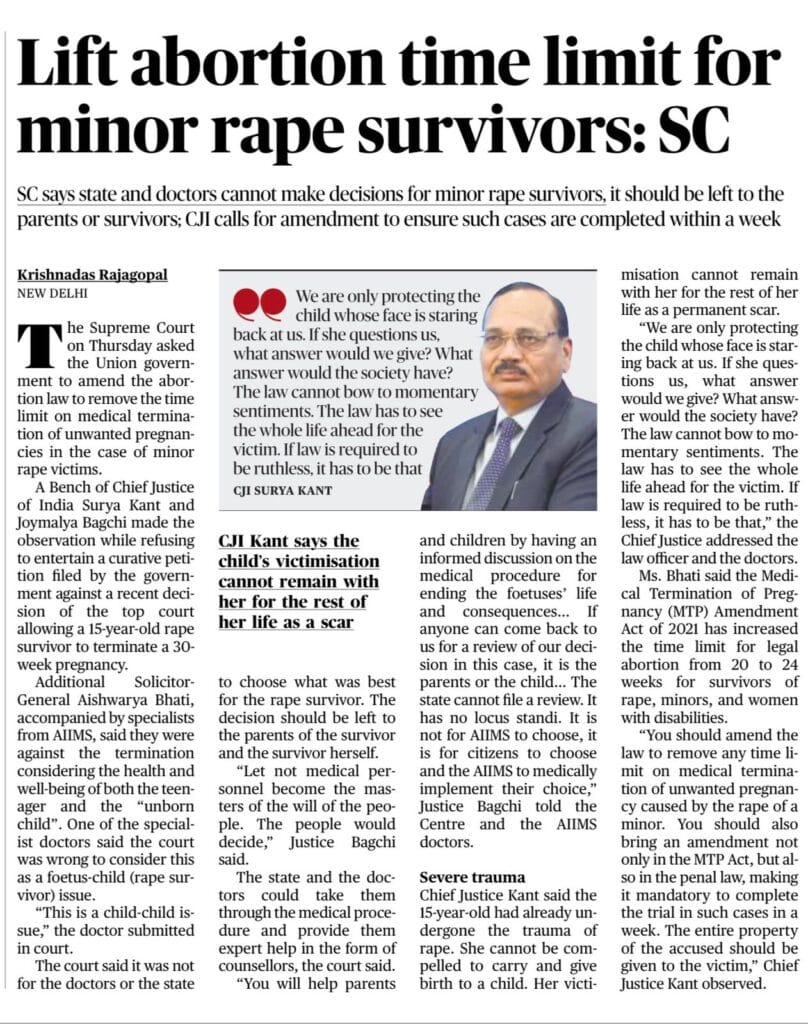
MTP Act time limits under review by Supreme Court in minor cases

Context: MTP Act time limits

In a recent Supreme Court proceeding (minor rape survivor case), the Court flagged that strict gestational limits under abortion law may violate the survivor’s rights.

MTP Act – Core Basics

Time limits

  • Up to 20 weeks → 1 doctor
  • 20–24 weeks → special categories (including minors, rape survivors) → 2 doctors
  • Beyond 24 weeks → only for foetal abnormalities (Medical Board)

Issue

  • Minor rape survivor sought termination beyond legal limit
  • Authorities reluctant due to statutory restriction
  • Conflict: legal time limit vs survivor’s autonomy and trauma

Constitutional Basis

  • Article 21 → Right to life includes dignity, bodily autonomy, reproductive choice

Supreme Court’s Observations and Advice

  • Pregnancy due to rape causes severe and continuing trauma, especially for minors
  • Forcing continuation violates Article 21 (dignity and autonomy)
  • State and doctors cannot override survivor/guardian decision

Suggested

  • Relax/remove time limits in such cases
  • Time-bound decisions
  • Need to amend MTP framework to make it more victim-centric

Copyright © 2026 USARAMBHA EDUCATION (UnderStand UPSC). All Rights Reserved.

Fill out the form