7 Jan 2026 | Daily Current Affairs

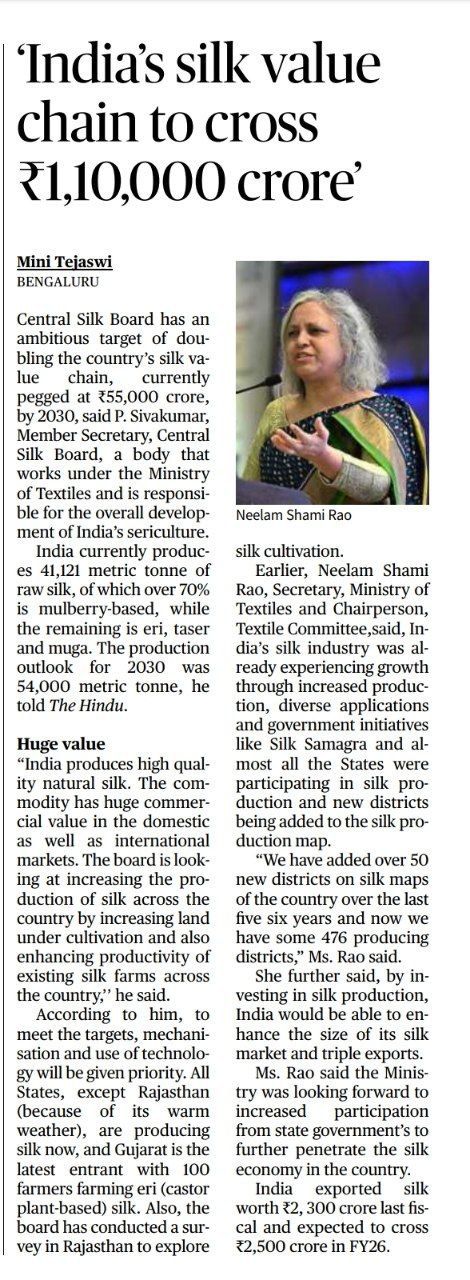
India’s silk value chain to Cross ₹1.1 Lakh Crore by 2030

Context
The Central Silk Board (CSB) under the Ministry of Textiles has set a target to double India’s silk value chain from about ₹55,000 crore to ₹1.10 lakh crore by 2030, driven by higher production, area expansion, technology adoption and exports.

Key Facts
• Target: Silk value chain to cross ₹1.1 lakh crore by 2030
• Current value: ~₹55,000 crore
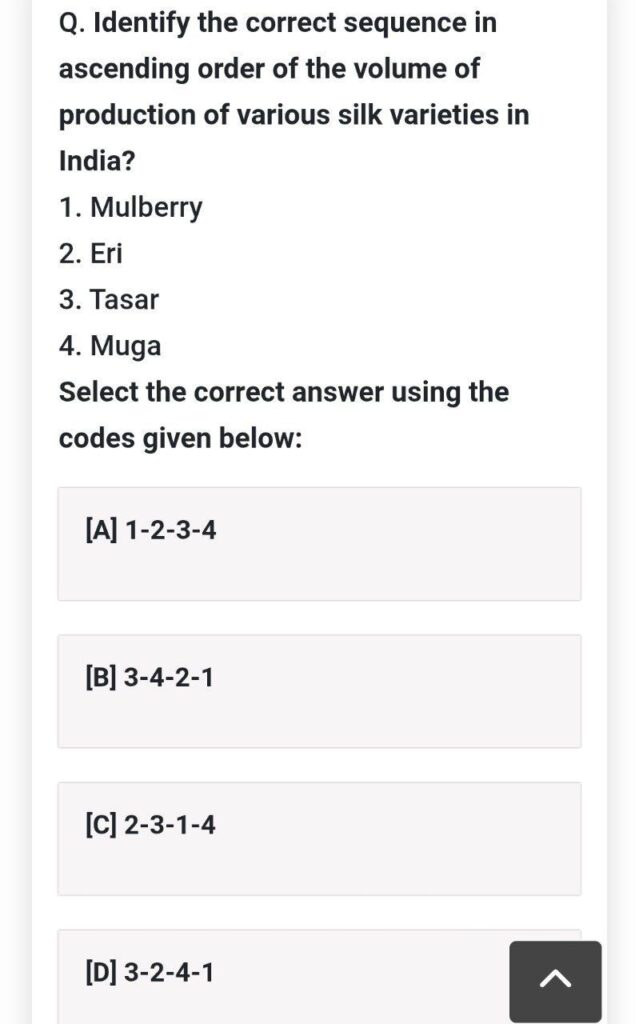
• Raw silk production (current): 41,121 metric tonnes
• More than 70% mulberry-based
• Remaining share: eri, tasar and muga

Geographical Spread
• Silk is produced in almost all States, except Rajasthan due to climatic conditions.
• Gujarat is the latest entrant, with eri silk production.
India’s silk value chain
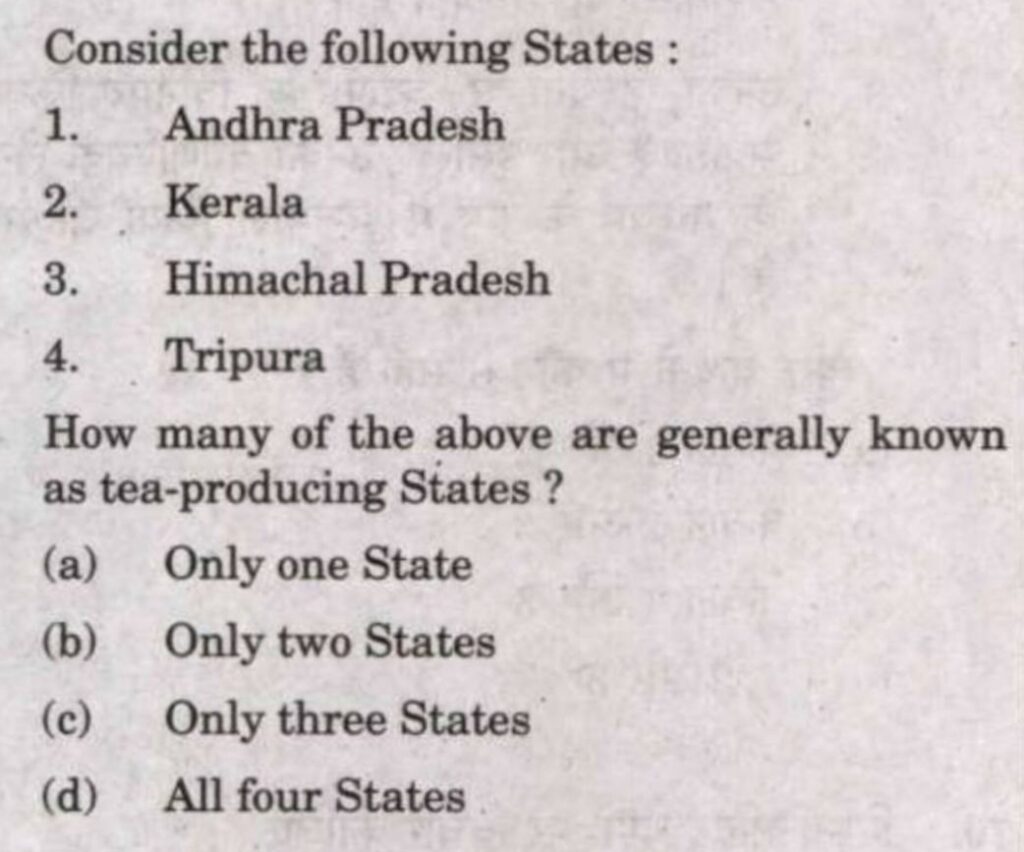
(Ans: D)
(Ans: D)

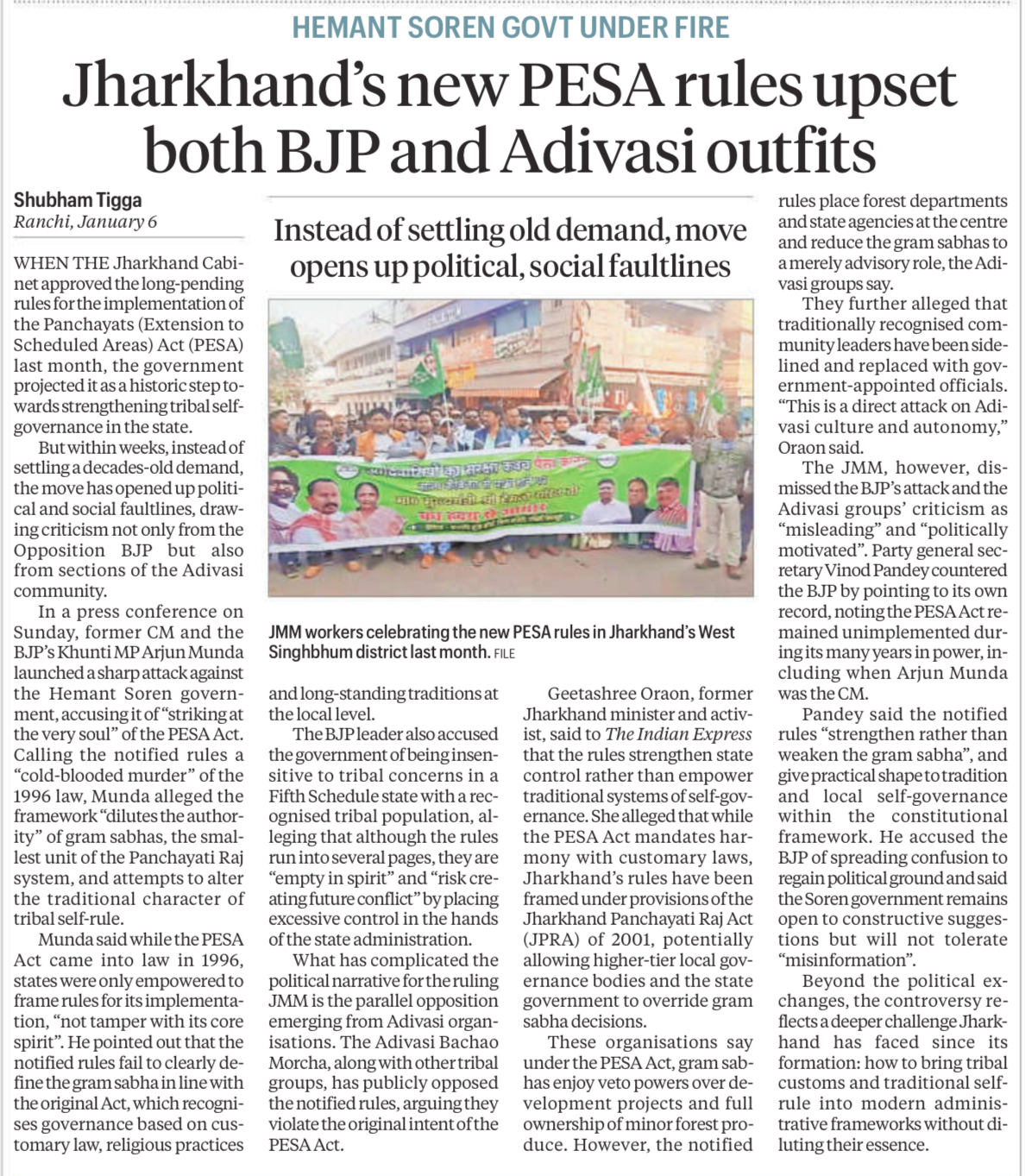
Panchayats (Extension to Scheduled Areas) Act, 1996: Jharkhand PESA Rules Explained

Context
• Jharkhand notified PESA Rules to implement the Panchayats (Extension to Scheduled Areas) Act, 1996.
• The move triggered opposition from the BJP and Adivasi organisations.
• Critics argue that the rules dilute Gram Sabha powers and increase state and forest department control.
• The State government has maintained that the rules provide a workable framework without weakening PESA.

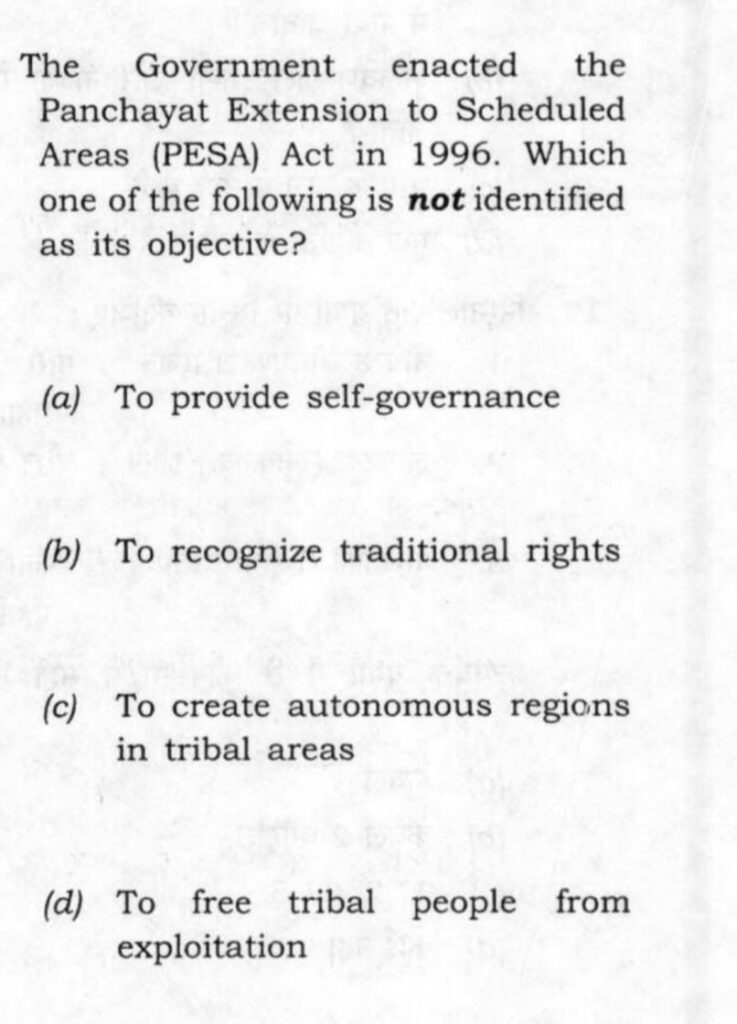
Panchayats (Extension to Scheduled Areas) Act, 1996 — In One Look
• Applies to Scheduled Areas under the Fifth Schedule of the Constitution.
• Aim: Tribal self-governance through Gram Sabha.Key Objectives
• Empower Gram Sabha
• Protect customs, culture and traditions
• Control over minor forest produce
• Consent and consultation for land acquisition and development projects
• Prevent tribal land alienation

Panchayats (Extension to Scheduled Areas) Act, 1996
(Ans: C)

Sex Ratio at Birth: How Haryana Achieved Improvement

Context
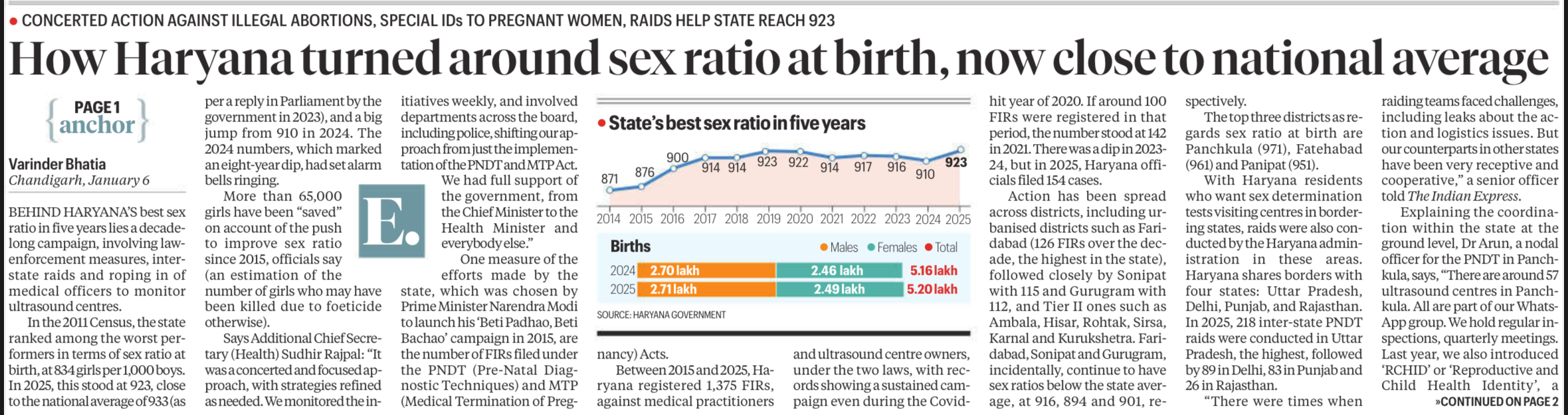
Haryana, once among the worst-performing States on sex ratio at birth due to female foeticide, has shown sustained improvement. Its sex ratio at birth has risen close to the national average, reflecting the impact of long-term enforcement and social interventions.

What is Sex Ratio at Birth (SRB)?

  • Definition: Number of girls born per 1,000 boys.
  • Importance: Indicates gender bias before birth, especially sex-selective abortions.

Key Points

  • Haryana’s SRB improved from 834 in 2011 to about 923 in 2025, nearing the national average of around 933.
  • The improvement is credited to strict enforcement of the Pre-Conception and Pre-Natal Diagnostic Techniques (Prohibition of Sex Selection) Act, 1994.
  • Measures included regular raids on ultrasound centres, monitoring of doctors and special IDs for pregnant women.
  • Inter-departmental coordination among health, police and administrative departments was crucial.
  • Campaigns such as Beti Bachao, Beti Padhao supported behavioural change alongside enforcement.
  • Several districts recorded SRB above 900 consistently, reflecting district-level performance gains.
sex ratio at birth
sex ratio at birth
sex ratio at birth
sex ratio at birth (Ans: D)

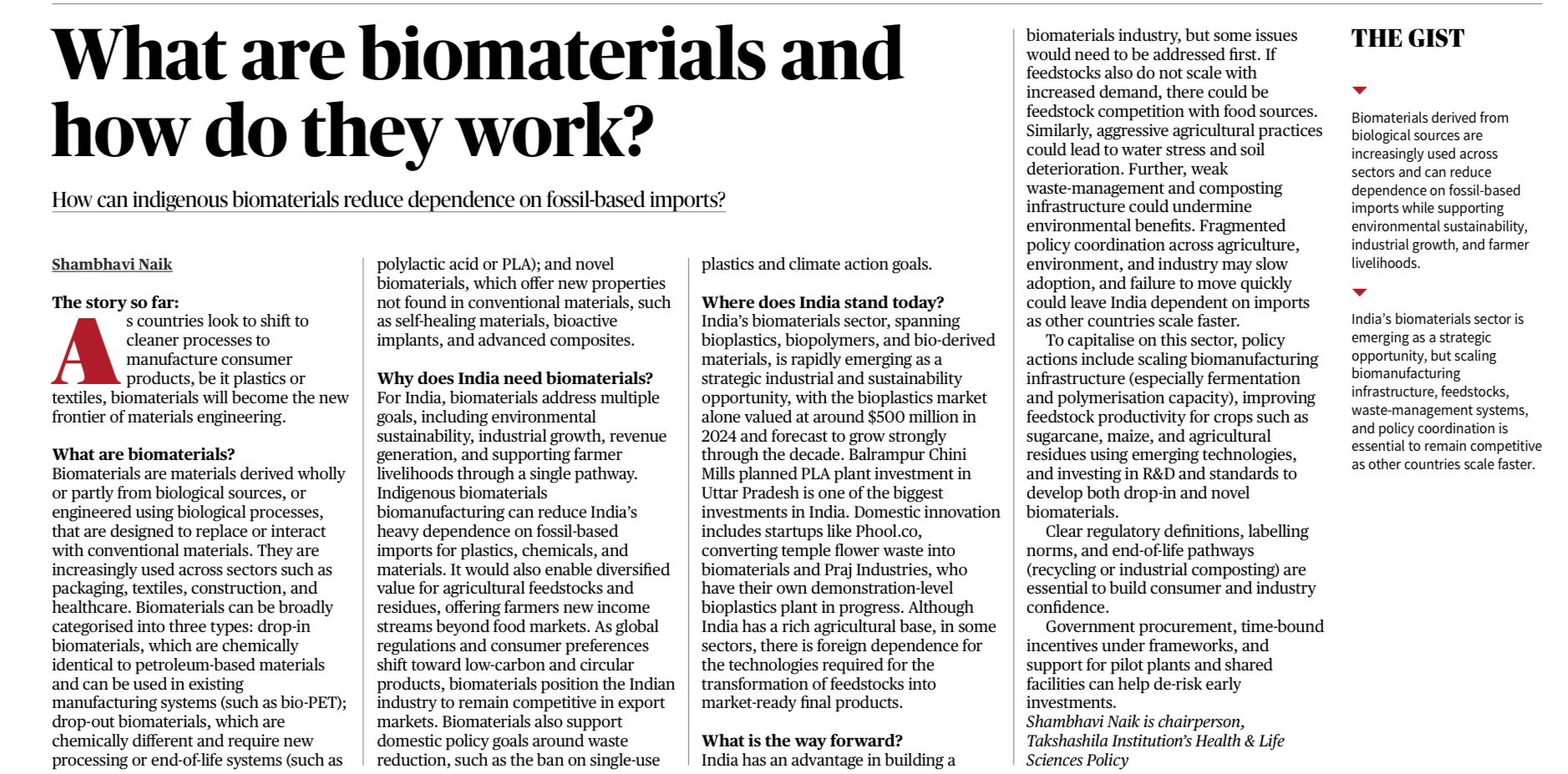
Biomaterials: Meaning, Types and Uses for UPSC

Why in news

  • The shift towards low-carbon manufacturing has increased focus on biomaterials to reduce fossil-fuel dependence, meet climate goals and support Indian farmers and industry.

What are biomaterials

  • Biomaterials are materials derived fully or partly from biological sources, or produced using biological processes.
  • They are used as alternatives to conventional plastics and chemicals.

Applications

  • Packaging
  • Textiles
  • Construction
  • Healthcare
  • Implants

Types

1. Drop-in biomaterials

  • Same as plastic, but made from plants
  • Can be used without changing factories or machines
  • Example: Bio-PET (Bio-based Polyethylene Terephthalate)
  • Think: “Plant-based plastic, no system change”

2. Drop-out biomaterials

  • New kind of material, different from plastic
  • Require new machines or disposal methods
  • Example: PLA (Polylactic Acid)
  • Think: “New material, new system needed”

3. Novel biomaterials

  • Advanced, high-tech materials
  • Possess special properties such as self-healing and medical use
  • Examples: Bio-implants, smart materials
  • Think: “Future technology materials”
Biomaterials
Biomaterials
Biomaterials
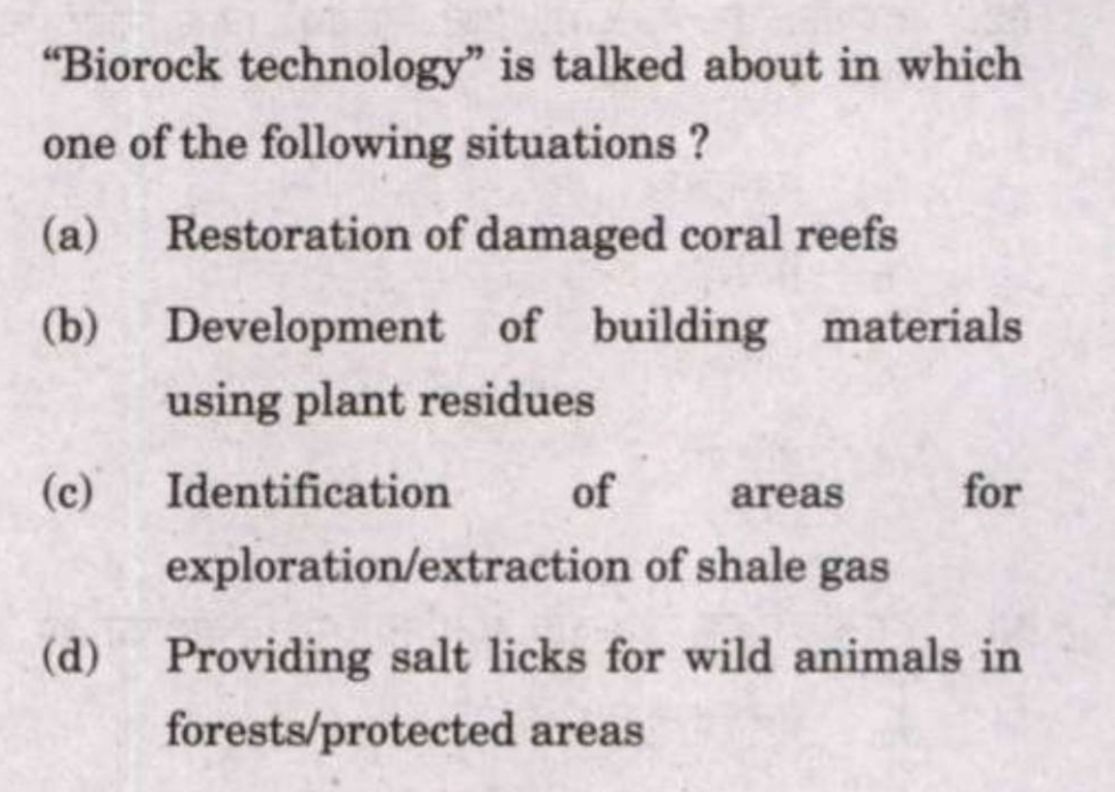
Biomaterials (Ans: A)
Biomaterials
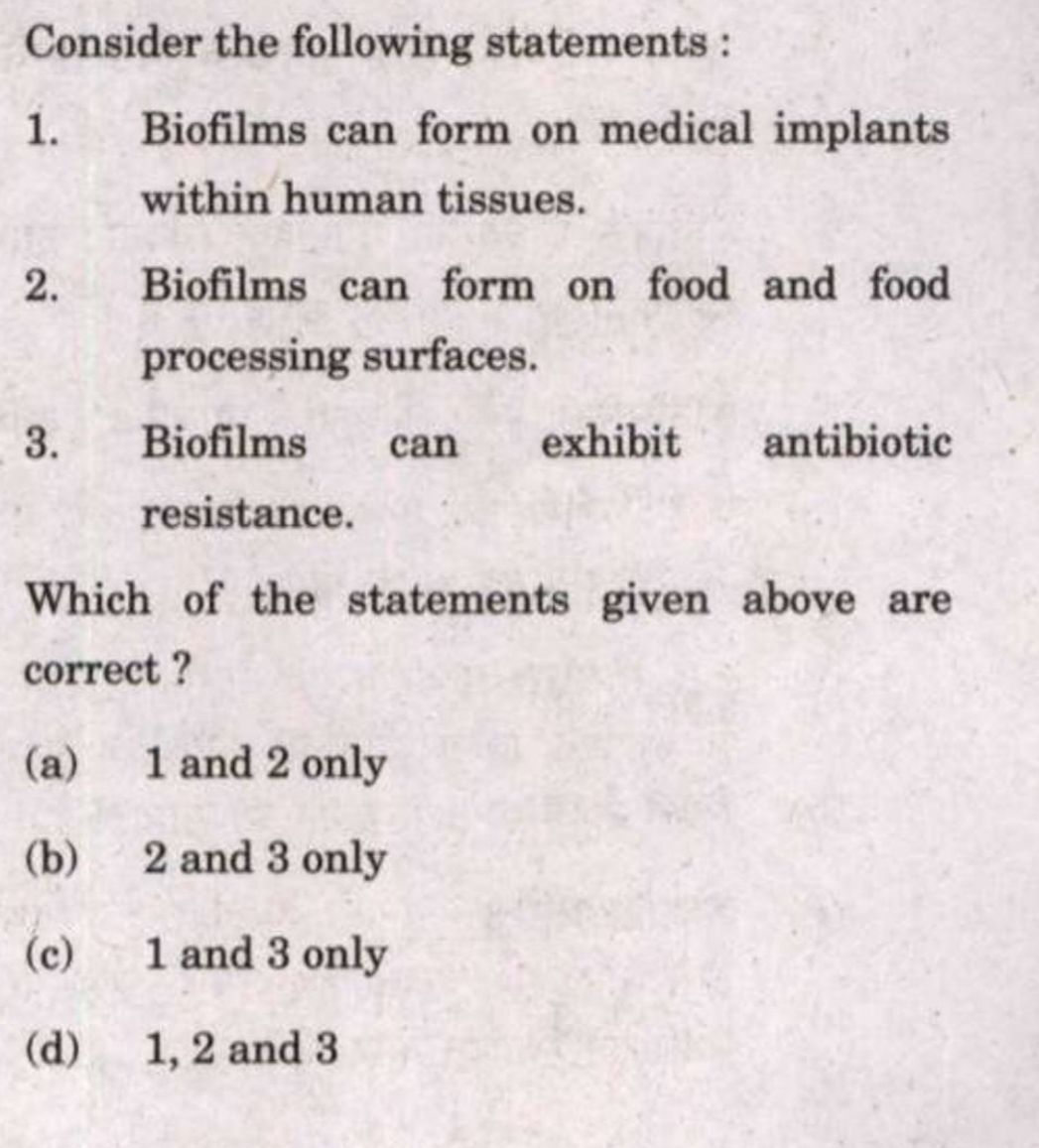
Biomaterials (Ans: D)

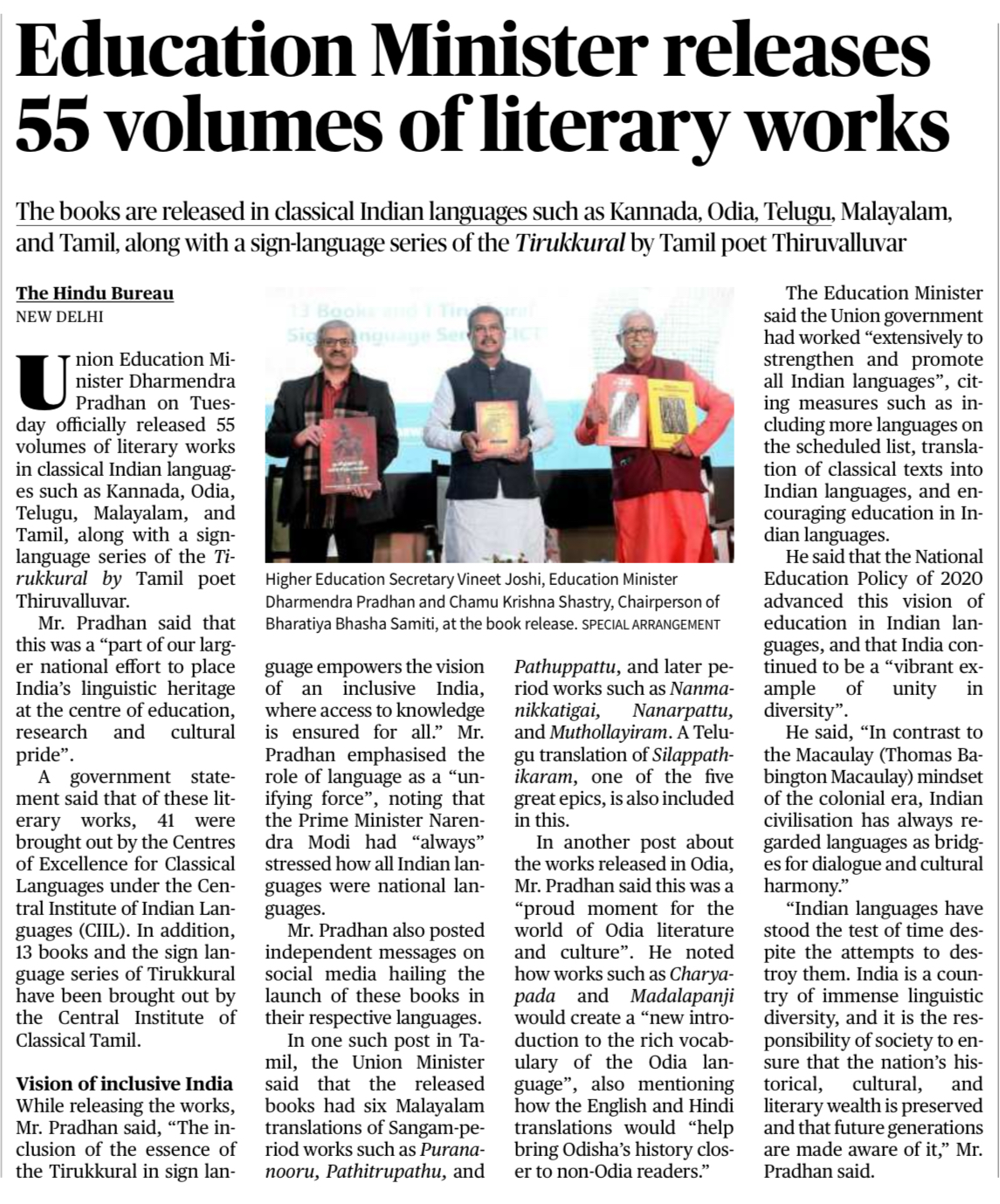
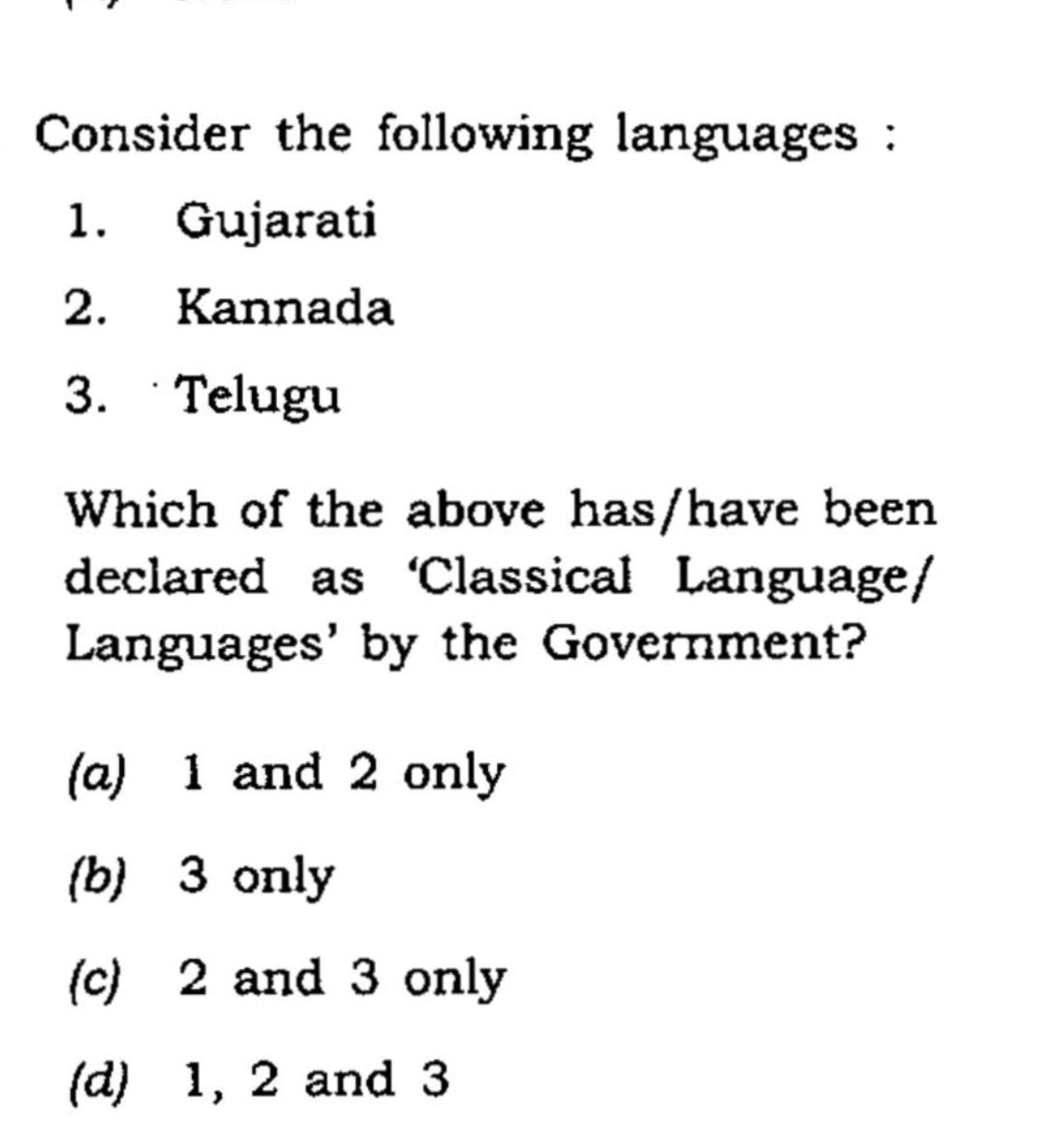
Classical Indian literary works: 55 Volumes Released under NEP

Context
The Union Education Minister released a collection of classical Indian literary works to strengthen Indian languages, cultural heritage, inclusivity and multilingual education, in line with the National Education Policy (NEP).

Key Points
• 55 volumes of classical literature were released in Tamil, Odia, Telugu, Malayalam and Kannada.
• Key Tamil works included Sangam-era texts such as Purananooru, Pathitrupathu and Pathuppattu, along with later works like Nannul and Muthollayiram.
Silappathikaram, one of the five great Tamil epics, was included along with its Telugu translation, promoting inter-language cultural exchange.
Tirukkural by Thiruvalluvar was released in a sign-language series, highlighting accessibility and inclusive knowledge dissemination.
• Important Odia texts such as Charyapada and Madalapanji were released to promote Odia literary heritage.
• Translations into Malayalam, Kannada, Hindi and English aim to make classical knowledge accessible to non-native readers.
• Most works were published by the Centres of Excellence for Classical Languages and the Central Institute of Classical Tamil.

Classical Languages
Tamil | Sanskrit | Telugu | Kannada | Malayalam | Odia | Marathi | Pali | Prakrit | Assamese | Bengali

Classical Indian literary works
Classical Indian literary works (Ans: C)
About the UPSC Civil Services Examination (UPSC CSE)

The UPSC Civil Services Examination (CSE) is one of the most competitive and esteemed examinations in India, conducted by the Union Public Service Commission to recruit officers for services such as the Indian Administrative Service (IAS), Indian Police Service (IPS), Indian Foreign Service (IFS), and others. The exam comprises three stages — Prelims, Mains, and the Personality Test (Interview) — designed to test a candidate’s knowledge, aptitude, decision-making, and leadership skills.


How to Prepare Effectively for UPSC CSE

Cracking the UPSC CSE requires a deep understanding of the syllabus, consistent revision, structured answer writing, and smart test-taking strategies. The Prelims test analytical and conceptual clarity, the Mains focuses on critical thinking, articulation, and subject mastery, while the Interview assesses presence of mind, ethical judgment, and personality traits relevant to public service.

At UnderStand UPSC, we empower aspirants with a personalized and focused approach to each stage of the exam.


Why Choose UnderStand UPSC?

UnderStand UPSC is a mentorship-driven platform offering a clear, clutter-free strategy to tackle the Civil Services Examination. Our programs like Transform (for beginners and intermediate learners) and Conquer (for advanced mains preparation) provide structured study plans, syllabus-wise video content, interactive live sessions, and answer writing support.

We emphasize:

  • Concept clarity through topic-wise lectures

  • Test series designed around real UPSC standards

  • Personalized mentorship in small groups

  • Regular performance tracking and peer benchmarking

  • Doubt-clearing sessions, current affairs analysis, and monthly magazines


Join the UnderStand UPSC Learning Community

Our mission is to make UPSC preparation less overwhelming and more strategic. We combine mentorship, discipline, and academic rigor to help you clear CSE with confidence. Whether you’re preparing from Delhi, Mumbai, Bangalore, or a remote village — our online-first model ensures quality guidance reaches every corner of India.

Join the thousands of aspirants who trust UnderStand UPSC to guide their journey toward becoming civil servants.

Stay connected with us through our Telegram, YouTube, and Instagram channels for daily tips, strategies, and updates.

Copyright © 2026 USARAMBHA EDUCATION (UnderStand UPSC). All Rights Reserved.

Join the Success Journey!