2-3 August 2026 | UPSC Daily Current Affairs

2-3 August 2026 | UPSC Daily Current Affairs

Doxxing online privacy threats: UPSC Explained 2026

Context: Doxxing online privacy threats
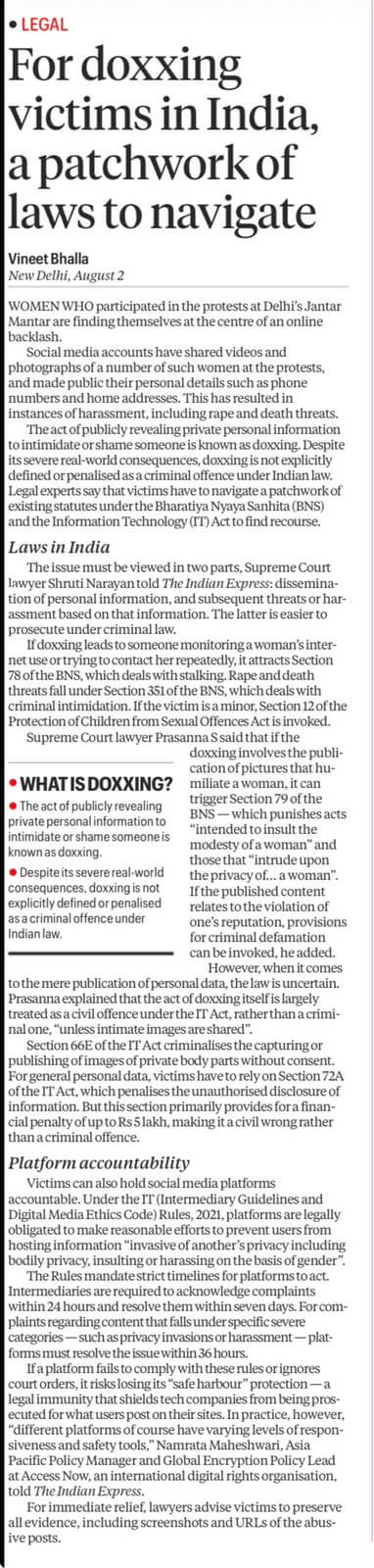
Doxxing has emerged as a serious online privacy threat, where personal information of individuals is publicly exposed without consent.

The issue highlights the growing challenge of cyber harassment, digital privacy violations and misuse of personal data. In India, doxxing is not yet a standalone criminal offence, so victims often have to rely on multiple legal provisions.

What Is Doxxing?

Doxxing means publicly disclosing a person’s private information without consent.

The purpose is usually to harass, threaten, intimidate or shame the person.

Information Commonly Disclosed

Doxxing may involve sharing:

  • Phone number
  • Home address
  • Email ID
  • Workplace details
  • Photographs
  • Personal documents
  • Social media details

Consequences of Doxxing

Doxxing can lead to:

  • Stalking
  • Online harassment
  • Identity theft
  • Reputational damage
  • Physical threats
  • Psychological distress
  • Targeted abuse

Legal Status in India

India does not have a separate dedicated law that criminalises doxxing as a standalone offence.

Victims usually rely on provisions under criminal law, cyber law and child protection law.

Bharatiya Nyaya Sanhita, 2023

Relevant provisions include:

  • Section 78: Stalking
  • Section 79: Invasion of privacy or modesty of a woman
  • Section 351: Criminal intimidation

Information Technology Act, 2000

Relevant provisions include:

  • Section 66E: Publication of private images without consent
  • Section 72A: Unauthorised disclosure of personal information

Other Safeguards

The POCSO Act, 2012 protects minors from sexual harassment and exploitation.

Section 12 of POCSO can apply in cases involving minors.

The IT Rules, 2021 provide for grievance redressal, intermediary due diligence and timely content removal.

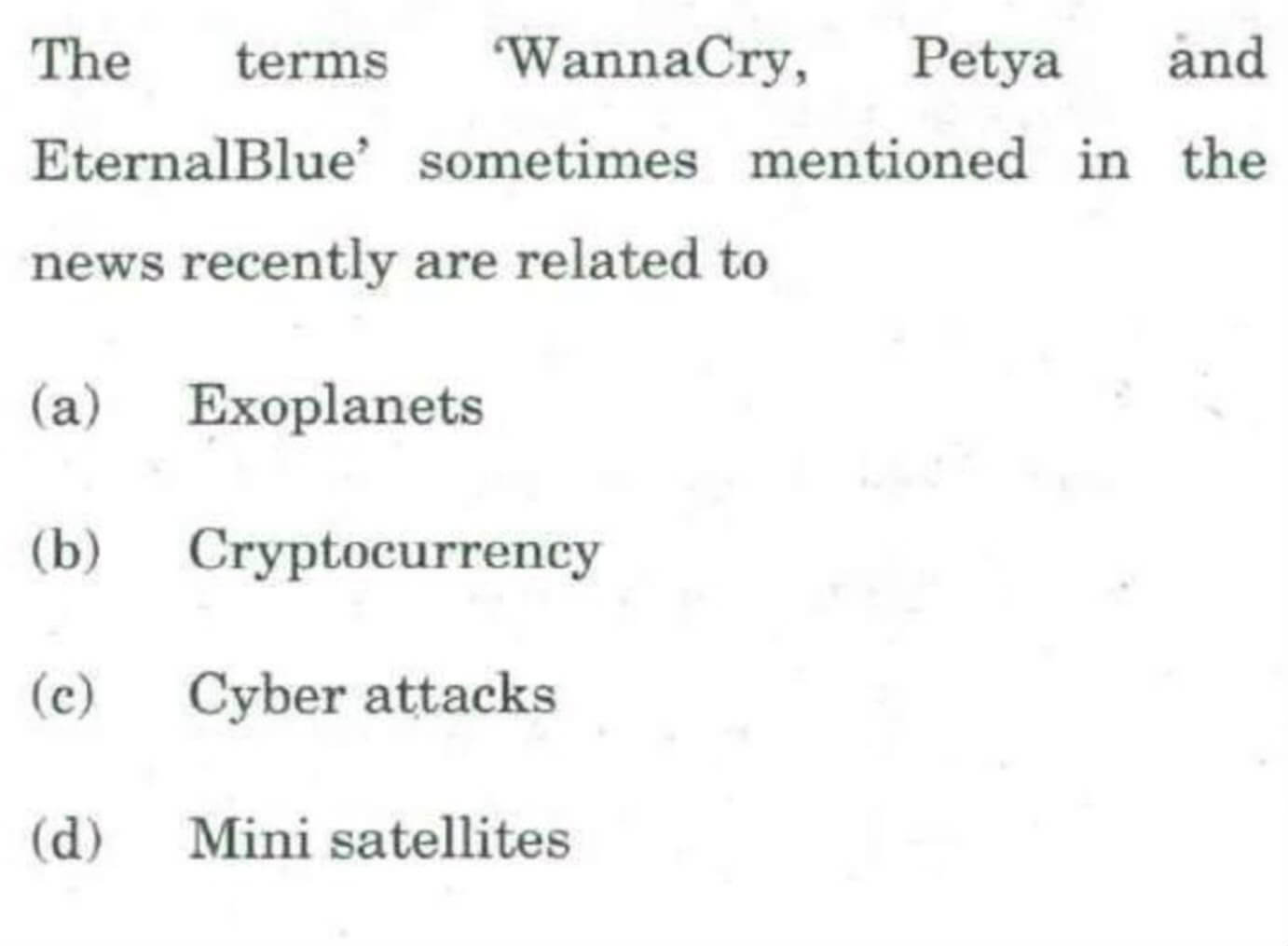
Important Types of Cyber Attacks

Phishing

Fraudulent emails or messages are used to steal confidential information.

Ransomware

Data is encrypted and ransom is demanded.

Examples include WannaCry and Petya.

Malware

Malicious software damages systems or steals data.

Spyware

Software secretly collects user information.

Zero-Day Attack

Attackers exploit a software vulnerability before a security patch is released.

Man-in-the-Middle Attack

Communication is intercepted to steal or manipulate data.

Way Forward

India needs a dedicated anti-doxxing framework.

Data protection must be strengthened.

Platforms should be made more accountable for quick removal of harmful content.

Cyber awareness among citizens must be improved.

Law enforcement agencies also need better training in cybercrime investigation.

Key Takeaway

Doxxing is a privacy, safety and cyber-governance issue. India needs stronger legal clarity, platform accountability and digital awareness to protect citizens from online harassment.
Doxxing online privacy threats

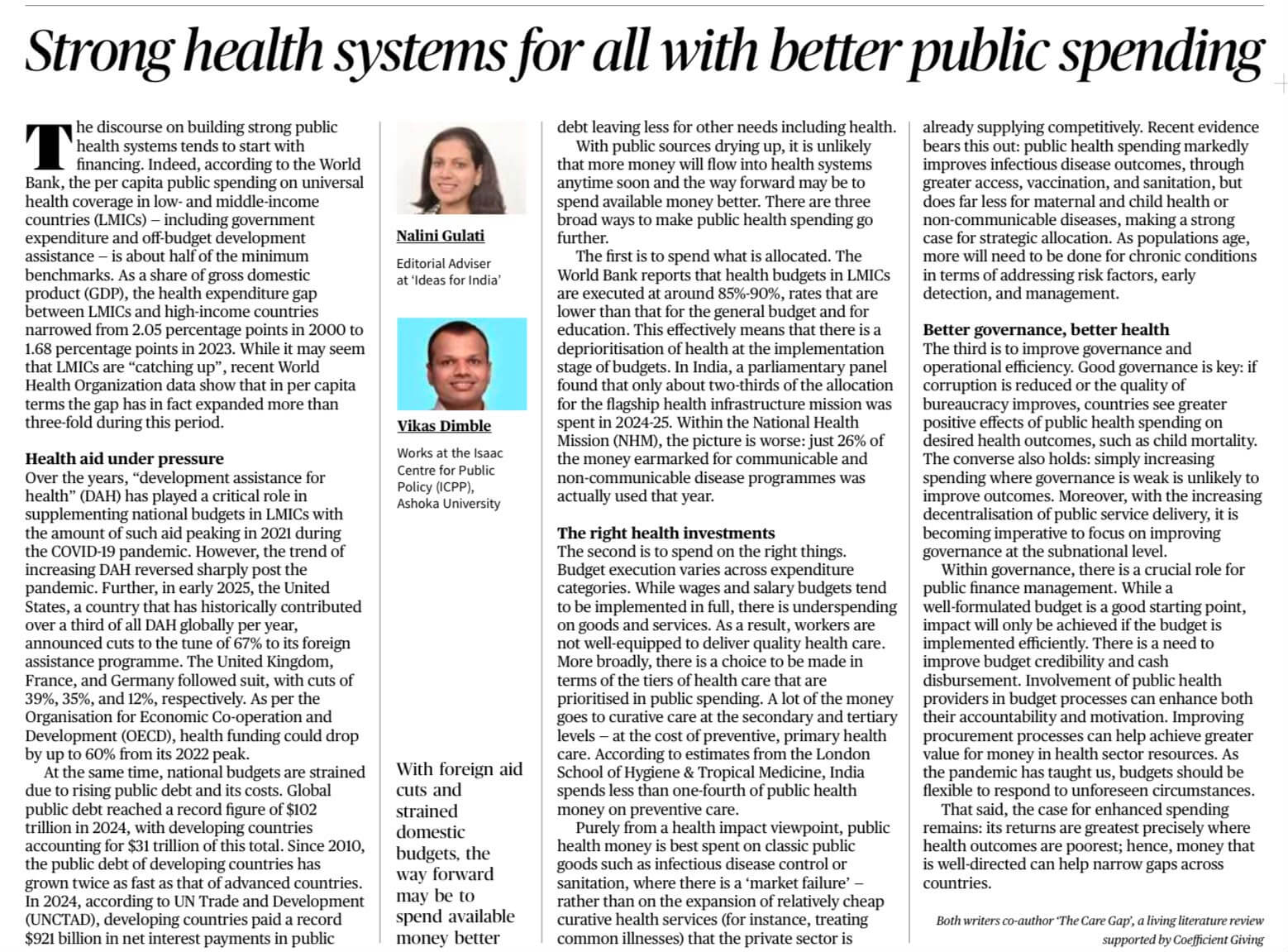
Public health spending in India: UPSC Notes 2026

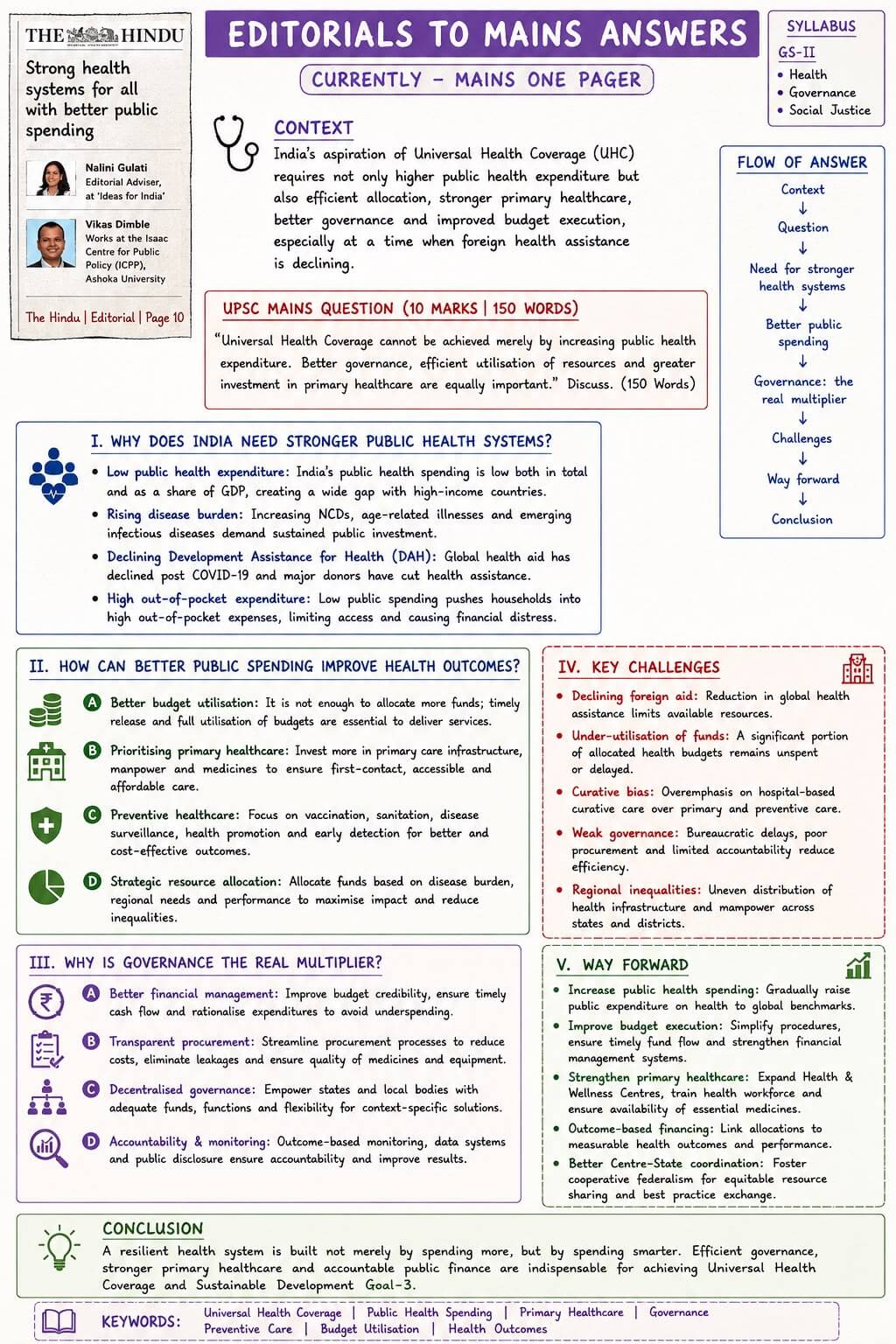
Context: Public health spending in India
The article argues that Universal Health Coverage cannot be achieved only by increasing public health expenditure.

India also needs better allocation, stronger governance, efficient spending and improved primary healthcare capacity.

Core Issue

India’s health system needs more public spending, but spending more is not enough.

The real challenge is to spend better.

Public health money must be used in a way that improves access, quality, equity and health outcomes.

Why India Needs Stronger Public Health Systems

India’s public health spending remains low compared to many countries.

Low spending results in high out-of-pocket expenditure for households.

This pushes many families into debt and financial distress during illness.

India also faces a growing burden of:

  • Non-communicable diseases
  • Age-related illnesses
  • Emerging infectious diseases
  • Malnutrition
  • Maternal and child health challenges
  • Unequal access to healthcare

Public Spending and Health Outcomes

The article highlights that budget allocation is not useful unless funds are released and spent effectively.

Many schemes suffer from delayed fund release, poor utilisation and uneven implementation.

Better public spending means ensuring that money reaches the right level of care at the right time.

Primary Healthcare

Primary healthcare should be the foundation of India’s health system.

Strong primary healthcare can reduce pressure on hospitals.

It can also improve early detection, prevention, immunisation, maternal care and chronic disease management.

Preventive Healthcare

Prevention is more cost-effective than late-stage treatment.

India must invest more in:

  • Vaccination
  • Nutrition
  • Sanitation
  • Health awareness
  • Early screening
  • Disease surveillance
  • Community health workers

Governance as the Real Multiplier

Governance determines whether health spending actually improves outcomes.

Good governance can improve planning, reduce leakage, ensure timely delivery and make health systems accountable.

Weak governance can make even higher spending ineffective.

Key Challenges

India faces several health-system challenges:

  • Low public health spending
  • High out-of-pocket expenditure
  • Uneven quality of public facilities
  • Shortage of health workers
  • Weak primary healthcare
  • Delayed fund utilisation
  • Poor monitoring
  • Regional inequalities

Way Forward

India should gradually increase public health spending.

But it must also improve budget execution and outcome monitoring.

Primary healthcare, preventive care and public health infrastructure must be strengthened.

Health workforce capacity must be expanded.

Centre-State coordination should improve.

Public health programmes must focus on both access and quality.

Key Takeaway

A strong health system is built not only by spending more, but by spending better. India needs efficient public financing, better governance and stronger primary healthcare to move towards Universal Health Coverage.

Public health spending in India

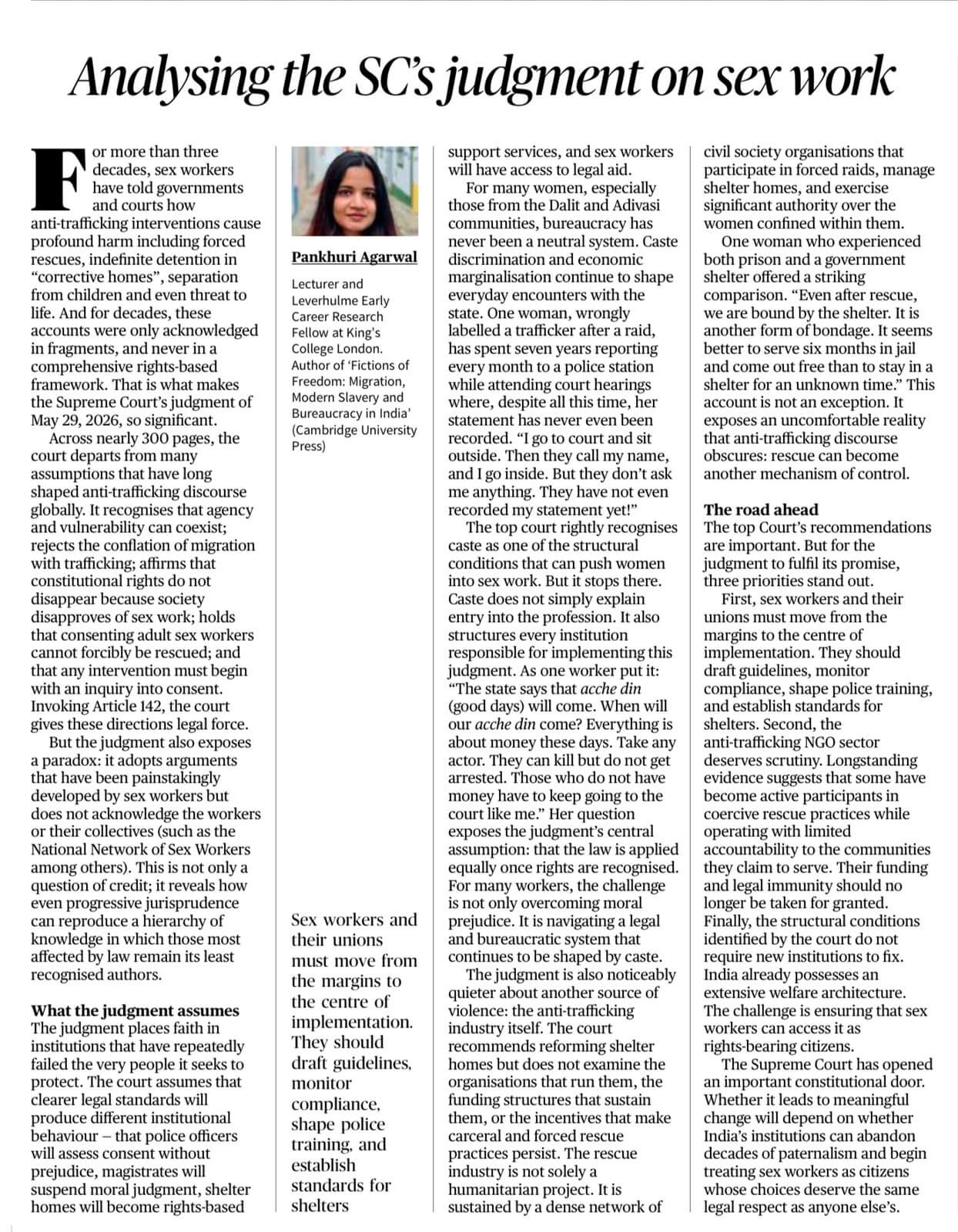
Supreme Court judgment on sex work: UPSC Analysis

Context: Supreme Court judgment on sex work
The Supreme Court’s 2026 judgment in Budhadev Karmaskar v. State of West Bengal strengthens a rights-based approach towards sex workers.

The judgment recognises dignity, consent and constitutional protection, while distinguishing adult consensual sex work from trafficking and exploitation.

Core Principle

The judgment recognises that adult consensual sex work is not illegal.

However, trafficking, exploitation and coercion remain punishable.

This distinction is important because sex workers are often treated as offenders instead of rights-bearing individuals.

Rights Recognised

The judgment emphasises that sex workers are entitled to dignity, safety and constitutional protection.

This flows from Article 21, which protects life and personal liberty.

The right to live with dignity applies to all persons, including vulnerable and marginalised groups.

Consent Matters

Rescue and rehabilitation cannot be forced without informed consent.

The judgment cautions against coercive rescue practices.

A person cannot be forcibly placed in a shelter home or rehabilitation system without considering their wishes and circumstances.

Structural Causes

The Court recognised that sex work is often linked with structural vulnerabilities.

These include:

  • Poverty
  • Caste discrimination
  • Lack of livelihood options
  • Gender inequality
  • Social exclusion
  • Weak welfare access

Therefore, the response must not be only policing or rescue.

It must also include welfare, livelihood support and social security.

Institutional Reform

Police, shelter homes and welfare agencies must adopt a rights-based approach.

They should avoid discrimination, abuse and moral policing.

Sex workers should have access to healthcare, legal aid, education and welfare schemes.

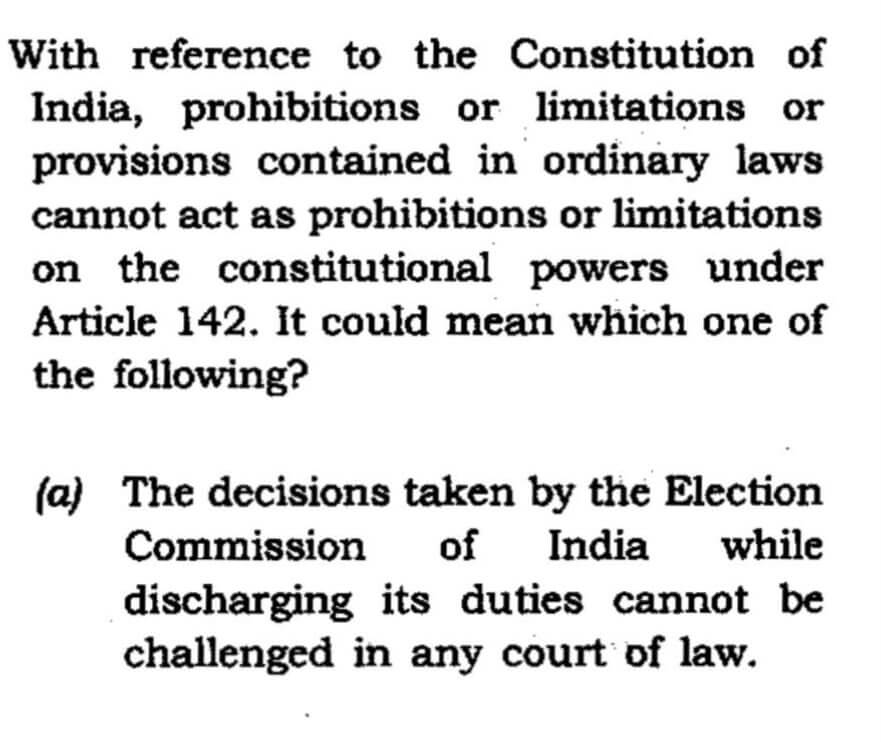
Article 142

Article 142 gives the Supreme Court power to pass orders necessary for complete justice.

In this case, the Court used Article 142 to frame nationwide operational guidelines for protecting the rights of sex workers.

Challenges

Major challenges include:

  • Coercive rescue practices
  • Social stigma
  • Discrimination by authorities
  • Weak livelihood support
  • Poor access to healthcare
  • Lack of legal aid
  • Limited participation of sex worker collectives in policymaking

Way Forward

India should move from a rescue-centric approach to a rights-based rehabilitation model.

Police and welfare institutions must be sensitised.

Healthcare, education, legal aid and social security should be ensured.

Sex worker collectives should be involved in policy design and implementation.

Key Takeaway

The judgment shifts the focus from morality and coercive rescue to dignity, consent and constitutional rights. It recognises sex workers as rights-bearing citizens entitled to protection and welfare.

Supreme Court judgment on sex work

India butterfly and moth diversity: UPSC Environment

Context: India butterfly and moth diversity
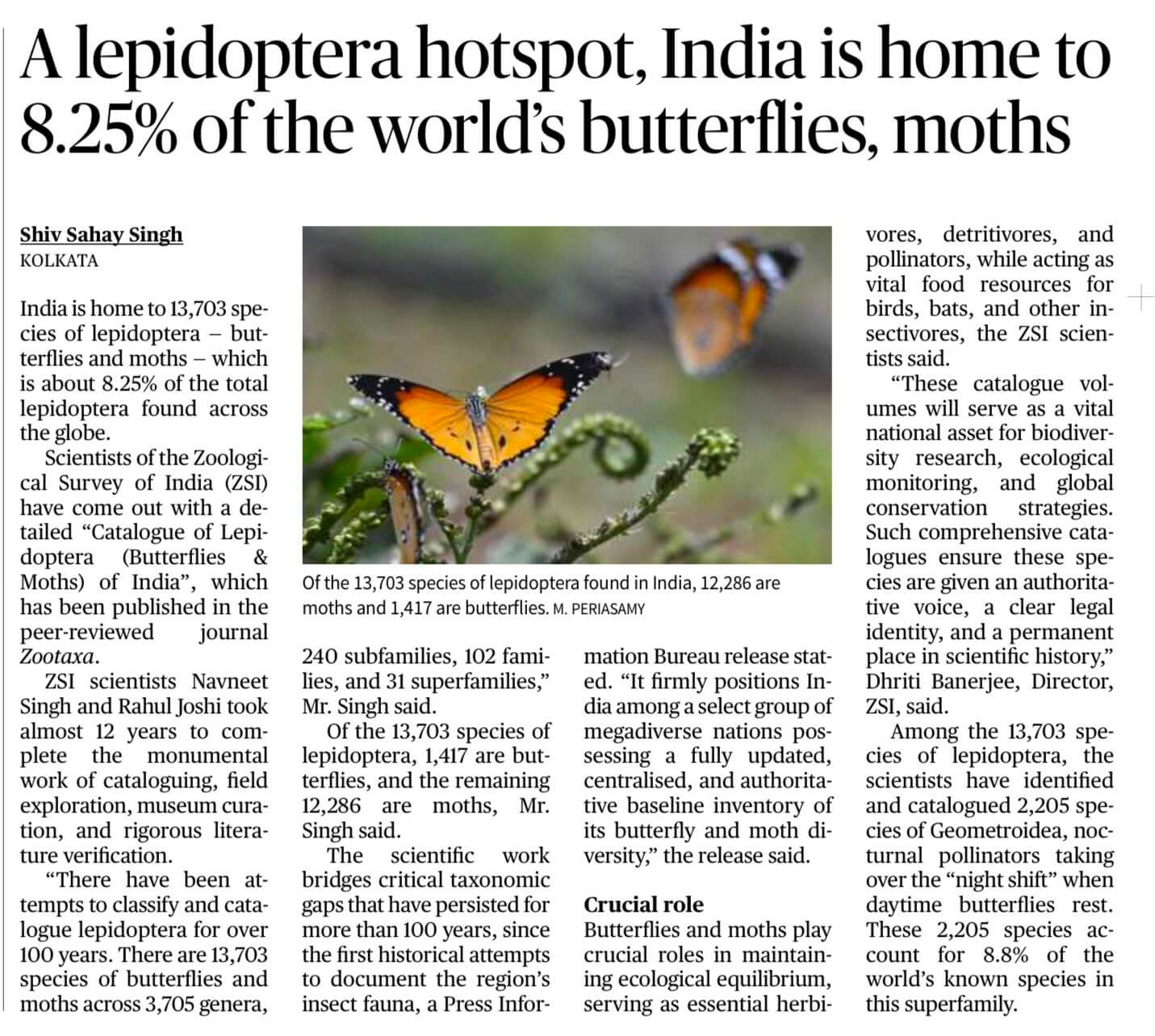
India has been identified as a major Lepidoptera hotspot, with 13,703 species of butterflies and moths.

This accounts for 8.25% of the world’s Lepidoptera diversity. The finding is based on the first comprehensive national catalogue prepared by the Zoological Survey of India.

Lepidoptera

Lepidoptera is an order of insects that includes butterflies and moths.

They are characterised by scale-covered wings.

They are ecologically important because they act as pollinators and bio-indicators.

India’s Lepidoptera Diversity

India has 13,703 Lepidoptera species.

This includes:

  • 1,417 butterflies
  • 12,286 moths

Together, they represent 8.25% of global Lepidoptera diversity.

National Catalogue

The national catalogue has been published by the Zoological Survey of India in Zootaxa.

It was prepared after 12 years of field surveys, museum studies and taxonomic verification.

The catalogue provides an authoritative national database for biodiversity research and conservation planning.

Taxonomic Coverage

The catalogue covers:

  • 3,705 genera
  • 240 subfamilies
  • 102 families
  • 31 superfamilies

Zoological Survey of India

The Zoological Survey of India was established in 1916.

Its headquarters is in Kolkata.

It functions under the Ministry of Environment, Forest and Climate Change.

It is the nodal agency for faunal survey, taxonomy and biodiversity documentation.

Geometroidea

Geometroidea is a superfamily of moths.

They are also called inchworm moths.

India has recorded 2,205 species of Geometroidea.

Blue Mormon

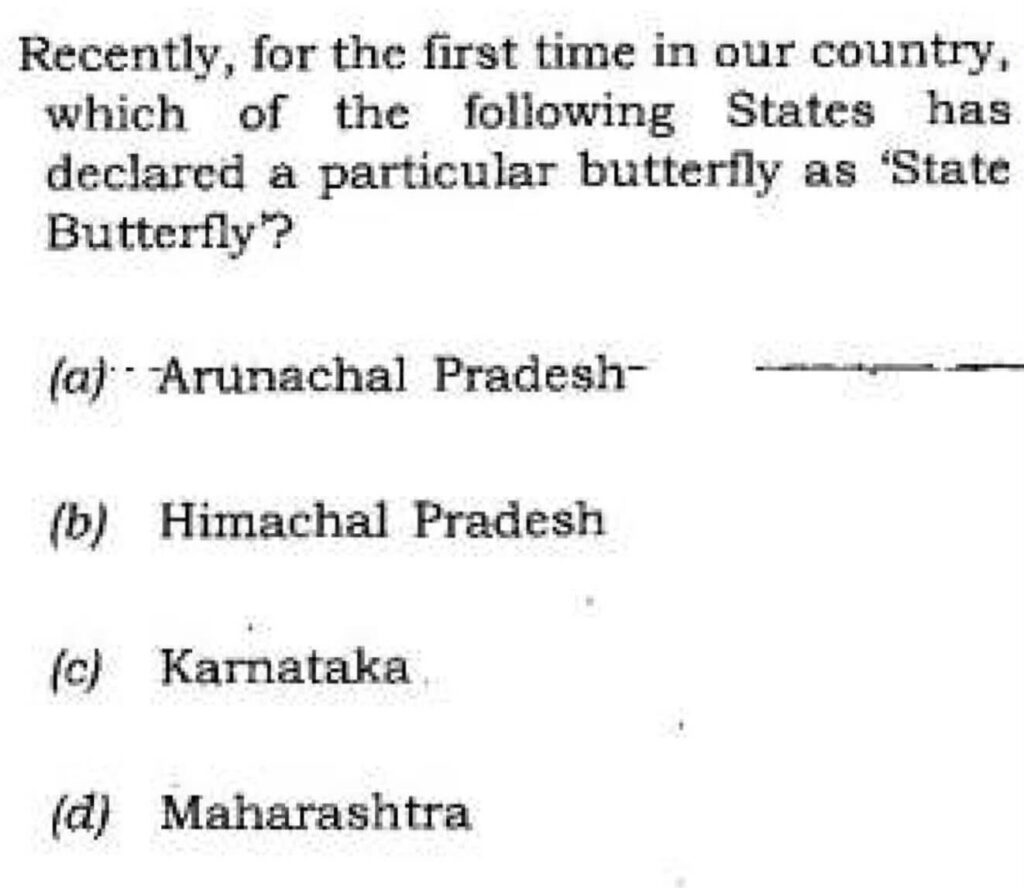
Blue Mormon is the State Butterfly of Maharashtra.

It is India’s second-largest butterfly.

It is protected under the Wild Life Protection Act, 1972.

Ecological Importance

Butterflies and moths support ecosystems by contributing to:

  • Pollination
  • Food chains
  • Biodiversity monitoring
  • Ecosystem health assessment
  • Conservation planning

Because they are sensitive to environmental changes, they are useful indicators of habitat quality.

Key Takeaway

India’s Lepidoptera diversity shows the richness of its biodiversity. The ZSI catalogue strengthens scientific documentation and supports conservation planning for butterflies, moths and their habitats.

India butterfly and moth diversity

Drug-free youth in India: UPSC Social Issues Notes

Context: Drug-free youth in India
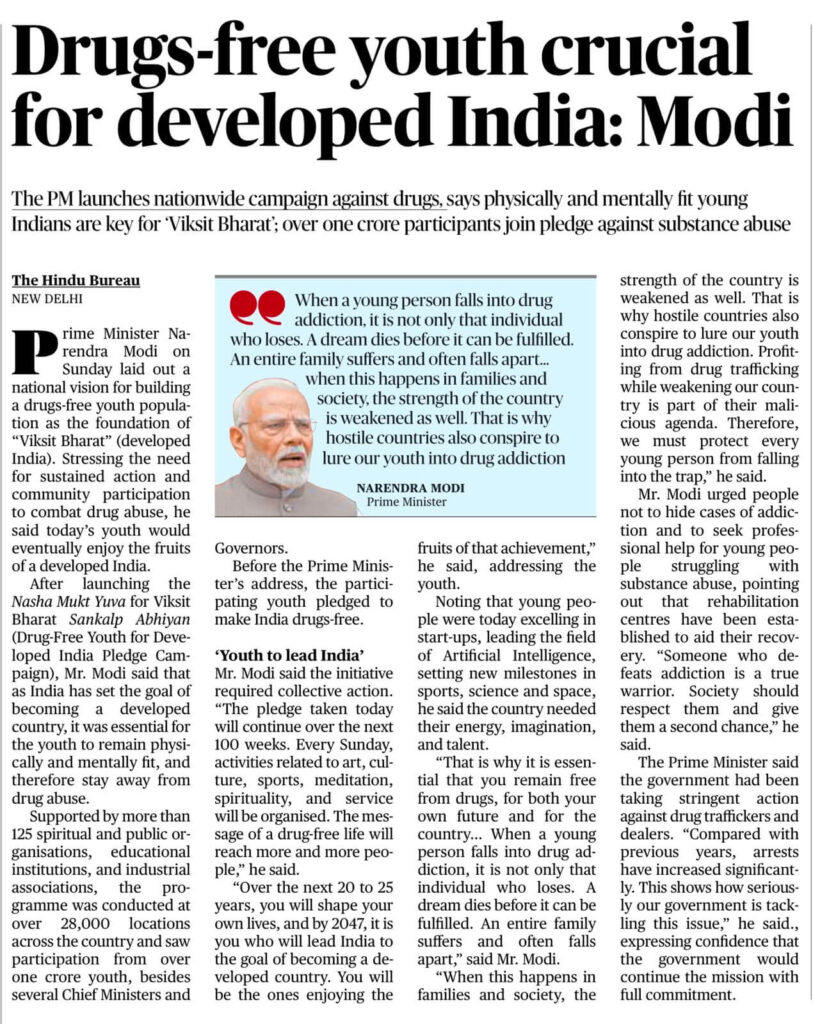
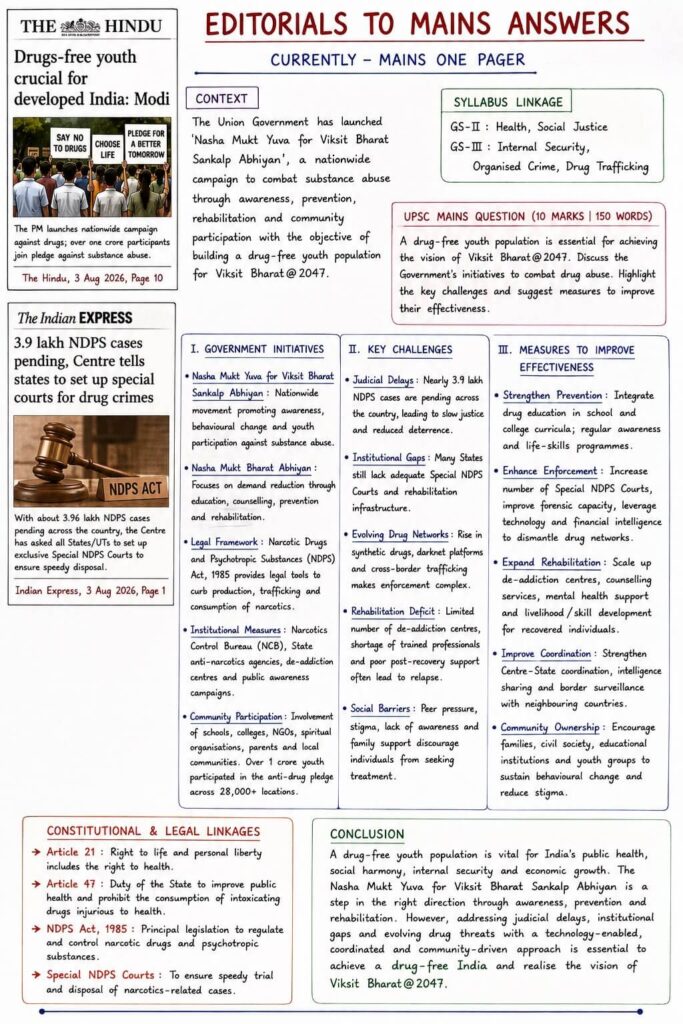
The Prime Minister launched a nationwide campaign against drug abuse under the theme of building a Viksit Bharat.

The campaign stresses that physically and mentally fit youth are essential for India’s development, while drug addiction weakens individuals, families and society.

Core Issue

Drug abuse is not only a law-and-order problem.

It is also a public health, social justice and youth development issue.

A drug-free youth population is seen as important for building a developed India.

Why Substance Abuse Is a Concern

Drug addiction affects:

  • Physical health
  • Mental health
  • Education
  • Employment
  • Family stability
  • Social behaviour
  • Crime and trafficking networks
  • National productivity

When young people fall into substance abuse, it weakens both human capital and social stability.

Government Initiatives

Nasha Mukt Bharat Abhiyan

The campaign aims to create awareness, prevention and community participation against substance abuse.

It focuses on vulnerable districts and encourages participation from educational institutions, youth groups and local communities.

Legal Framework

The Narcotic Drugs and Psychotropic Substances Act, 1985 regulates and prohibits narcotic drugs and psychotropic substances.

It also provides for punishment for trafficking and illegal possession.

Institutional Measures

Institutions involved include:

  • Narcotics Control Bureau
  • State anti-narcotics agencies
  • De-addiction centres
  • Educational institutions
  • Community organisations

Role of Youth

The campaign calls upon young people to pledge against substance abuse.

Youth participation is important because peer influence, awareness and community action can help prevent drug use.

Key Challenges

India faces challenges such as:

  • Drug trafficking
  • Easy availability of narcotics
  • Peer pressure
  • Weak awareness
  • Stigma around treatment
  • Shortage of trained professionals
  • Limited de-addiction infrastructure
  • Cross-border trafficking

Measures to Improve Effectiveness

India should strengthen prevention programmes.

School and college awareness campaigns must be expanded.

De-addiction and rehabilitation services should be improved.

Counselling and mental health support should be integrated.

Enforcement against drug trafficking must be strengthened.

Communities, families and youth organisations should be involved.

Key Takeaway

A drug-free youth population is essential for public health, social stability and national development. India needs a combined strategy of awareness, treatment, rehabilitation and enforcement.

Drug-free youth in India

Special courts for drug crimes: UPSC Governance Notes

Context: Special courts for drug crimes
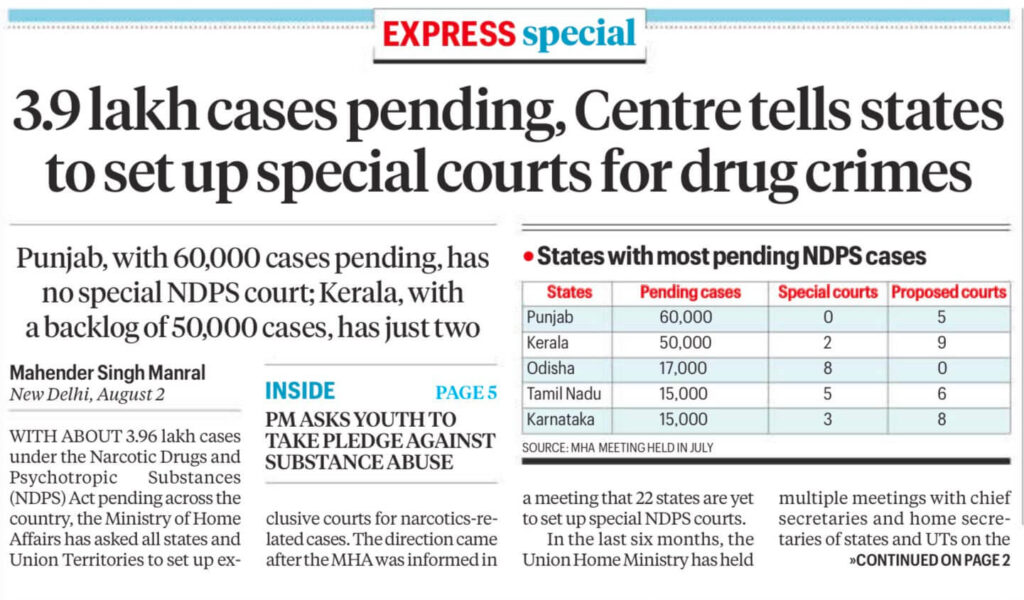
With around 3.9 lakh cases pending under the Narcotic Drugs and Psychotropic Substances Act, the Centre has asked States and Union Territories to set up special courts for drug-related crimes.

The issue highlights the burden of drug cases on the justice system and the need for faster disposal.

Core Issue

Drug-related cases under the NDPS Act have created a large backlog in courts.

Pendency delays justice and weakens deterrence.

It also affects accused persons, victims, enforcement agencies and public trust in the criminal justice system.

NDPS Act

The Narcotic Drugs and Psychotropic Substances Act, 1985 is India’s main law for controlling narcotic drugs and psychotropic substances.

It regulates and prohibits the production, possession, sale, transport and consumption of narcotic drugs and psychotropic substances except for medical or scientific purposes.

It provides strict penalties for drug trafficking and illegal possession.

Pending Cases

Around 3.9 lakh NDPS cases are pending across the country.

The Centre has asked States and Union Territories to establish special courts for faster trial and disposal.

Why Special Courts Are Needed

Special courts can help ensure focused and speedy trial of drug-related offences.

They can reduce pressure on regular courts.

They can also improve consistency in handling NDPS cases.

Challenges

Major challenges include:

  • High pendency
  • Shortage of special courts
  • Delays in investigation
  • Forensic delays
  • Weak coordination between agencies
  • Cross-border trafficking
  • Drug networks using new methods
  • Rehabilitation gaps

Governance Link

Drug crimes involve both enforcement and public health.

A justice system response alone is not enough.

India also needs prevention, treatment, rehabilitation and community-based awareness.

Measures to Improve Enforcement

Special NDPS courts should be set up where pendency is high.

Investigation quality must be improved.

Forensic capacity should be strengthened.

Coordination between police, NCB, States and border agencies must improve.

Technology and financial intelligence can help track drug networks.

Measures for Rehabilitation

De-addiction centres should be expanded.

Mental health support must be integrated.

Youth counselling and community awareness should be strengthened.

Former drug users should be supported through rehabilitation and livelihood programmes.

Key Takeaway

The NDPS case backlog shows that India’s anti-drug strategy needs faster courts, better investigation, stronger enforcement and a public-health approach to rehabilitation.

Drug-free youth in India

Karnataka Tamil Nadu water dispute: UPSC Analysis

Context: Karnataka Tamil Nadu water dispute
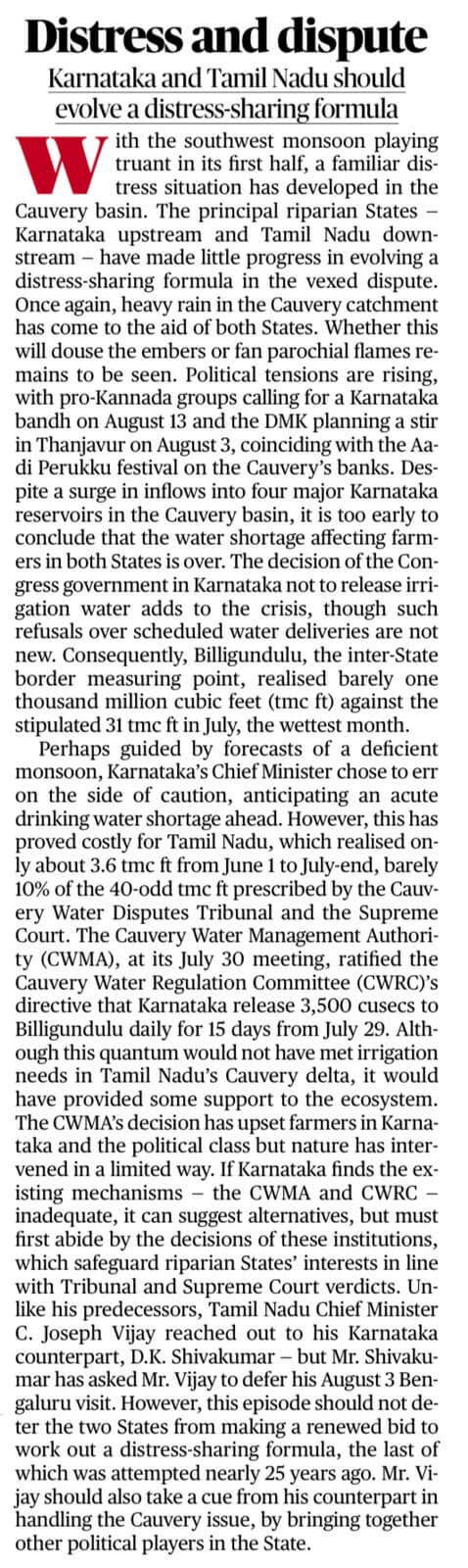
The Cauvery water dispute has again highlighted the need for a scientific distress-sharing formula between Karnataka and Tamil Nadu during low-rainfall years.

The issue reflects the wider challenge of equitable inter-State river water sharing in a federal system.

Cauvery River

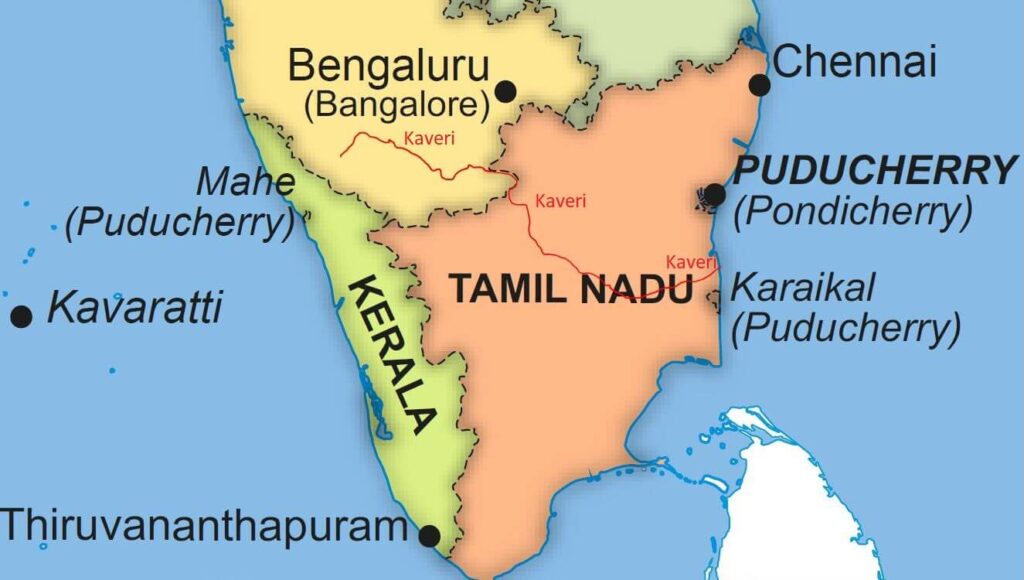
The Cauvery originates at Talakaveri in the Brahmagiri Hills of the Western Ghats in Karnataka.

It flows through Karnataka and Tamil Nadu.

It forms part of the boundary with Kerala and drains into the Bay of Bengal.

Basin States and Union Territory

The Cauvery basin includes:

  • Karnataka
  • Tamil Nadu
  • Kerala
  • Puducherry, especially Karaikal

Tributaries

Right-Bank Tributaries

Important right-bank tributaries include:

  • Lakshmana Tirtha
  • Kabini
  • Shimsha
  • Arkavathi

Left-Bank Tributaries

Important left-bank tributaries include:

  • Harangi
  • Hemavathi
  • Bhavani
  • Amaravathi
  • Noyyal

Importance of Cauvery

The Cauvery supports:

  • Irrigation
  • Drinking water supply
  • Hydropower generation
  • Agriculture
  • Fertile Cauvery delta
  • Livelihoods of farmers

Cauvery Dispute

The dispute arises from competing water demands of upstream and downstream States.

Karnataka is the upstream State.

Tamil Nadu is the major downstream user, especially for the Cauvery delta.

The dispute becomes sharper during deficient monsoon years.

Core Issue

The major unresolved issue is the absence of a mutually accepted distress-sharing formula.

During drought or low-rainfall years, States disagree over how reduced water availability should be shared.

This leads to political mobilisation, legal battles and social tension.

Institutional Framework

Cauvery Water Disputes Tribunal

The Cauvery Water Disputes Tribunal was constituted in 1990 under the Inter-State River Water Disputes Act, 1956.

It gave its final award in 2007.

Supreme Court Judgment, 2018

The Supreme Court modified water allocation and upheld the Tribunal’s award with changes.

Cauvery Water Management Authority

The CWMA implements the Tribunal award and Supreme Court directions.

Cauvery Water Regulation Committee

The CWRC monitors reservoir levels and recommends periodic water releases.

Way Forward

Karnataka and Tamil Nadu need a scientific distress-sharing formula.

Basin-level planning should be strengthened.

Cooperative federalism is essential.

Irrigation efficiency must improve.

Demand-side water management should be promoted.

Timely compliance with CWDT, CWMA and Supreme Court directions is necessary.

Key Takeaway

The Cauvery dispute cannot be solved only through periodic court orders. A scientific distress-sharing formula and cooperative federalism are essential for fair and predictable water sharing during drought years.

Copyright © 2026 USARAMBHA EDUCATION (UnderStand UPSC). All Rights Reserved.

Inquiry form for Takshila Residential Program