5 August 2026 | UPSC Daily Current Affairs

5 August 2026 | UPSC Daily Current Affairs

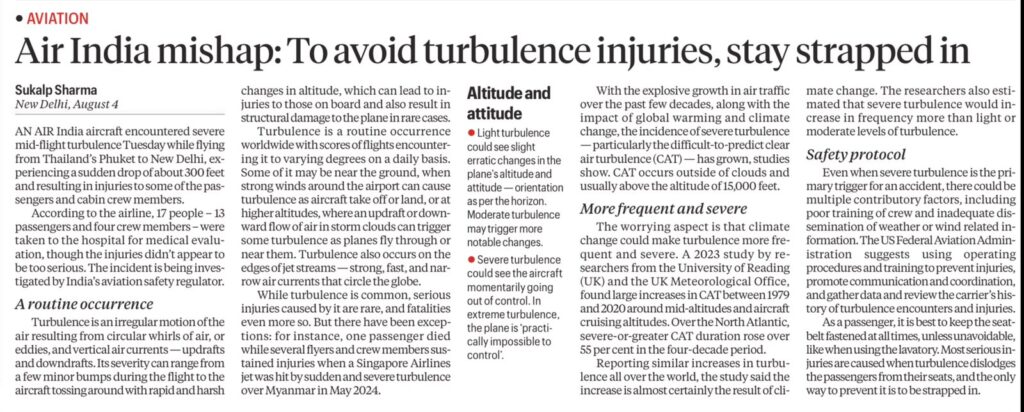
Air India Mishap: To Avoid Turbulence Injuries, Stay Strapped In

Context: Air India Mishap
An Air India flight from Phuket to New Delhi encountered severe mid-flight turbulence, injuring 17 passengers and crew members.

The incident highlights the importance of aviation safety, turbulence preparedness, passenger protection and the need to keep seat belts fastened during flights.

Turbulence

Turbulence is caused by irregular movement of air.

It may occur due to:

  • Jet streams
  • Thunderstorms
  • Mountain waves
  • Clear Air Turbulence

Clear Air Turbulence

Clear Air Turbulence, or CAT, occurs without visible clouds.

This makes it difficult to detect using conventional weather radar.

It is especially risky because passengers and crew may not get enough warning before the aircraft suddenly shakes or drops.

Climate Change Link

Climate change is increasing the frequency and intensity of Clear Air Turbulence, especially at cruising altitudes.

This means turbulence-related injuries may become a bigger aviation safety concern in the future.

Most Effective Safety Measure

The most effective way to reduce turbulence injuries is to keep the seat belt fastened throughout the flight.

Many turbulence injuries happen when passengers are not strapped in.

Black Box

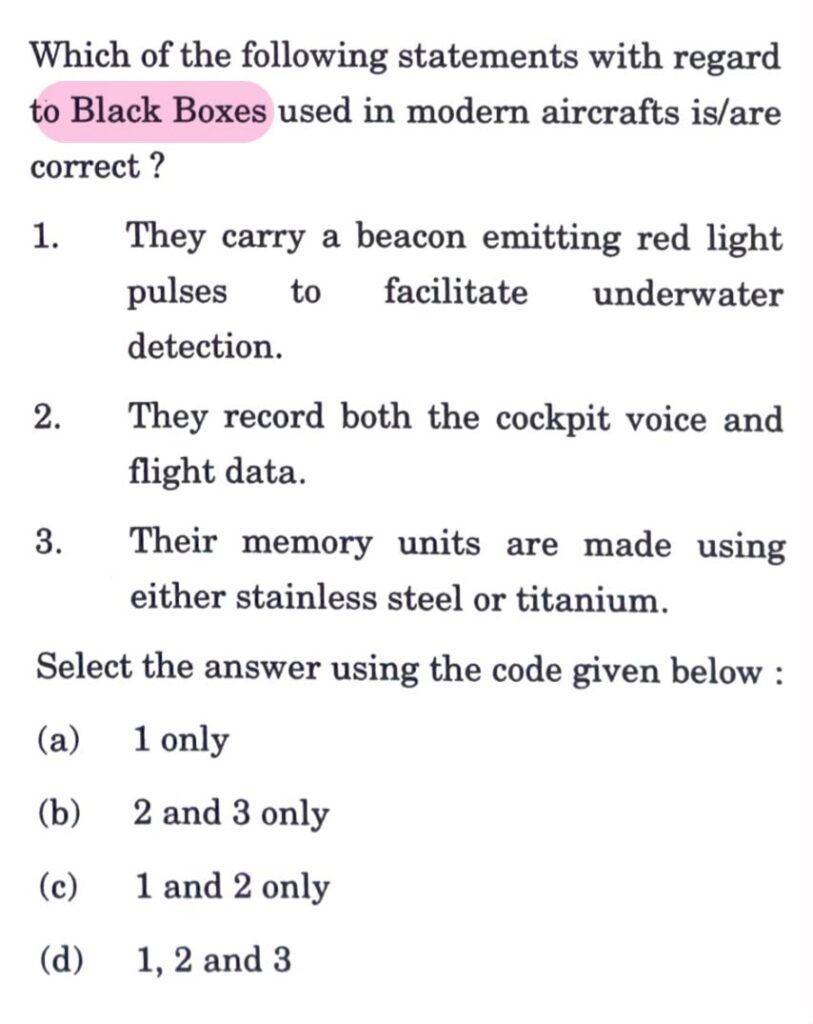
A black box consists of two major components:

  • Cockpit Voice Recorder
  • Flight Data Recorder

The Cockpit Voice Recorder records cockpit conversations and sounds.

The Flight Data Recorder records technical flight parameters.

Safety Features of Black Box

Black boxes are protected by titanium or stainless-steel crash-resistant casing.

They are equipped with an underwater locator beacon, also called an acoustic pinger, which helps locate them after crashes.

In India, black box data is used by the Aircraft Accident Investigation Bureau to investigate aircraft accidents.

Aviation Insurance

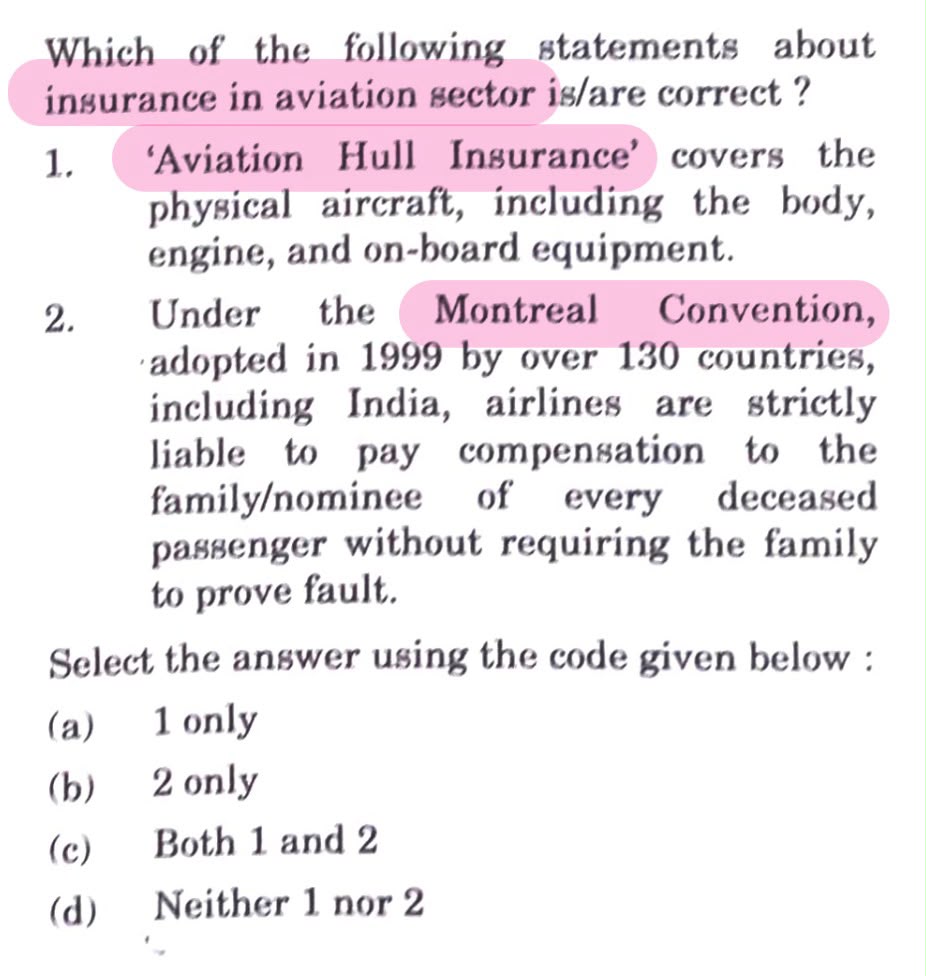
Aviation Hull Insurance covers damage to the aircraft, including:

  • Fuselage
  • Engines
  • On-board equipment

Passenger liability in international aviation is governed by the Montreal Convention, 1999, which provides no-fault compensation up to prescribed limits.

Relevant Laws and Conventions

Aircraft Act, 1934

This Act governs civil aviation in India.

Aircraft Rules, 1937

These rules regulate aircraft operations and safety standards.

Chicago Convention, 1944

This convention established the International Civil Aviation Organization and global civil aviation standards.

Montreal Convention, 1999

This convention governs airline liability for passenger death, injury, baggage and cargo during international carriage.

Key Takeaway

Turbulence may not always be predictable, but injuries can be reduced through better safety protocols, passenger awareness and keeping seat belts fastened throughout the flight.
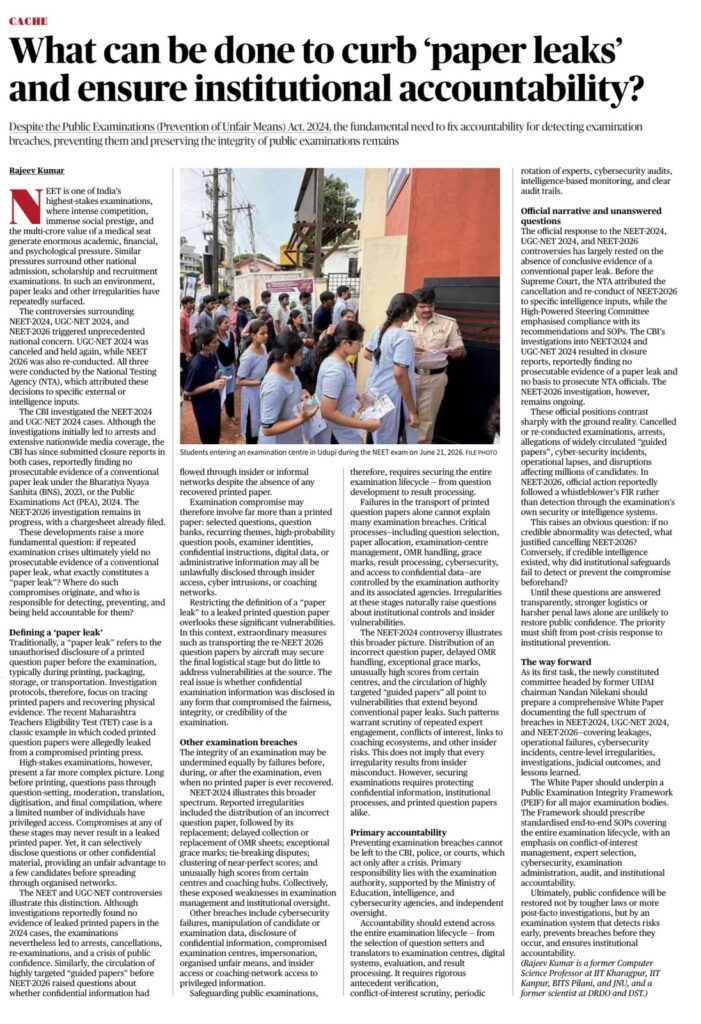
What Can Be Done to Curb Paper Leaks and Ensure Institutional Accountability?

Context:
The issue of paper leaks has again raised questions about examination integrity, institutional accountability and public trust.

The discussion focuses on how India can prevent exam fraud, improve transparency and make institutions responsible for failures.

Core Issue

Paper leaks are not only individual cheating incidents.

They show deeper institutional weaknesses in examination systems.

Such leaks damage merit, create mental stress for students and reduce trust in public recruitment and education systems.

Why Paper Leaks Matter

Public examinations are linked with equality of opportunity.

When papers leak, honest candidates suffer.

It also creates suspicion that access, money or networks matter more than merit.

This weakens trust in the State and public institutions.

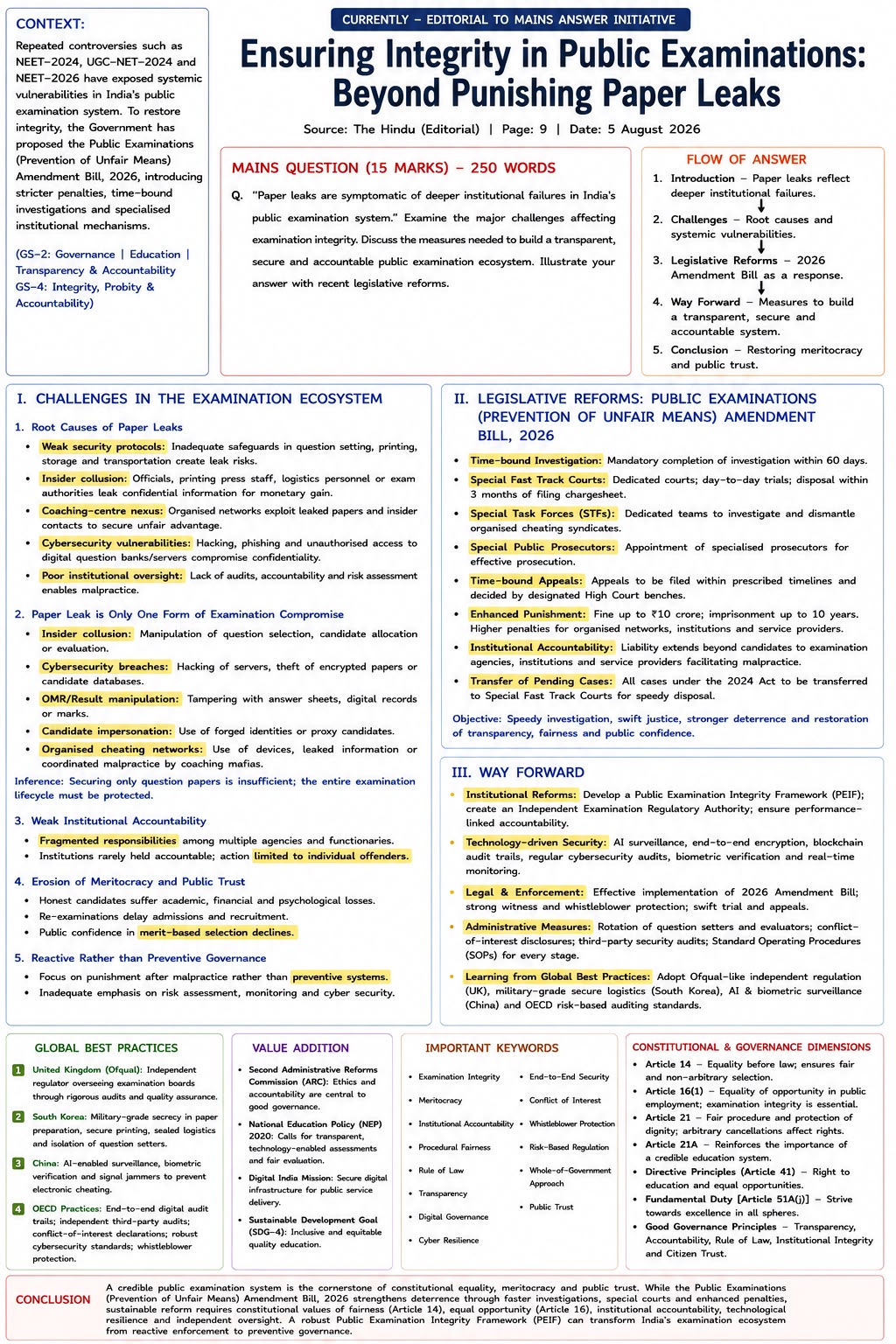
Major Challenges

1. Weak Examination Security

Many examination systems still depend on vulnerable paper-setting, printing, storage and transportation processes.

Leaks can occur at any stage.

2. Organised Networks

Paper leaks are often not isolated incidents.

They may involve organised networks of middlemen, insiders, coaching rackets, cyber operators and corrupt officials.

3. Poor Accountability

When leaks happen, action often focuses on students or small-level actors.

Institutional responsibility is rarely fixed properly.

4. Technology Misuse

Digital systems can improve security, but they can also create new vulnerabilities if cybersecurity is weak.

5. Delayed Investigation and Trial

Slow investigation and delayed prosecution reduce deterrence.

If punishment comes too late, the system fails to prevent future leaks.

Measures Needed

Stronger Examination Infrastructure

India needs secure question-paper setting, encrypted digital transmission, controlled printing and strict custody protocols.

Independent Audits

Examination bodies should undergo regular security and process audits.

This can identify gaps before leaks happen.

Institutional Accountability

Responsibility must be fixed not only on individuals but also on examination authorities, service providers and officials.

Technology-Based Safeguards

Technology can be used for:

  • Digital encryption
  • Secure servers
  • CCTV monitoring
  • Biometric verification
  • AI-based anomaly detection
  • Real-time tracking of paper movement

Legal and Penal Reform

Strict punishment is needed for organised paper-leak networks.

But law alone is not enough.

It must be supported by fast investigation, forensic capacity and special courts where necessary.

Transparency with Students

Examination bodies should communicate clearly when irregularities occur.

Students should not be left uncertain for months.

Timely decisions reduce anxiety and restore trust.

Key Takeaway

Paper leaks are not just cheating cases. They are institutional failures. India needs secure exam systems, independent audits, faster investigation and clear accountability to protect merit.

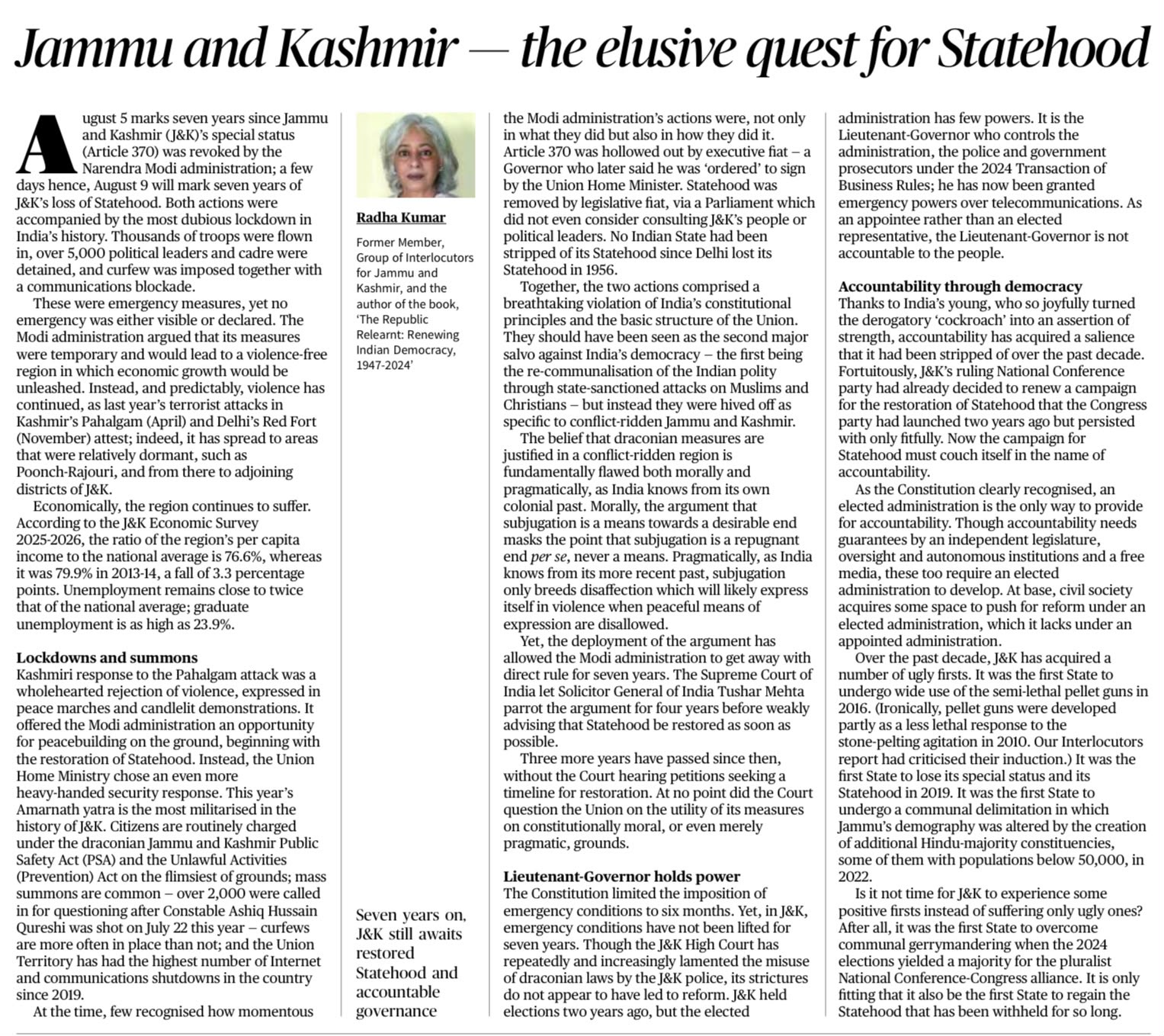
Jammu and Kashmir: The Elusive Quest for Statehood

Context: The Elusive Quest for Statehood
Seven years after the abrogation of Article 370 and the reorganisation of Jammu and Kashmir, the debate over restoration of statehood has resurfaced.

The issue raises concerns around constitutional federalism, democratic accountability and sustainable peace.

Background

Jammu and Kashmir was reorganised in 2019 after the abrogation of Article 370.

It was converted from a State into a Union Territory.

The question now is whether statehood should be restored and how soon that should happen.

Federalism and Democratic Governance

Continued Union Territory status raises concerns over cooperative federalism and representative democracy.

The Supreme Court, while upholding the 2019 constitutional changes, observed that statehood should be restored at the earliest.

Democratic Accountability

Even after the 2024 Assembly elections, significant executive powers remain with the Lieutenant Governor under the Transaction of Business Rules, 2024.

This limits the power of the elected government.

It also weakens legislative oversight and political accountability.

Constitutional Perspective

This issue can be linked with:

The S.R. Bommai v. Union of India case is relevant because it recognised federalism, democracy and rule of law as part of constitutional principles.

Key Issues

Security Challenges

Major incidents such as the Pahalgam attack in April 2025 and the Red Fort attack in November 2025 show that security concerns continue.

The spread of militancy into Rajouri and Poonch also suggests that security measures alone cannot ensure durable peace.

Economic Concerns

Jammu and Kashmir’s per capita income was 76.6% of the national average according to the J&K Economic Survey 2025–26.

Graduate unemployment stood at 23.9%.

Overall unemployment remains nearly twice the national average.

This shows that economic benefits have remained limited.

Governance Deficit

Continued reliance on the Public Safety Act, preventive detentions and internet restrictions reflects a security-centric governance model.

This has contributed to a trust deficit between citizens and public institutions.

Way Forward

Restore Statehood

Full statehood should be restored to strengthen representative institutions and democratic legitimacy.

Balance Security with Constitutional Values

Security measures should remain proportionate and must protect civil liberties and rule of law.

Strengthen Cooperative Federalism

Regular Centre–State dialogue is needed.

Elected institutions should be empowered for responsive governance.

Promote Inclusive Development

Employment generation, tourism, infrastructure and private investment should be prioritised.

Key Takeaway

Jammu and Kashmir’s long-term stability cannot depend only on security management. Restoring statehood, strengthening elected institutions and promoting inclusive development are central to democratic peace.

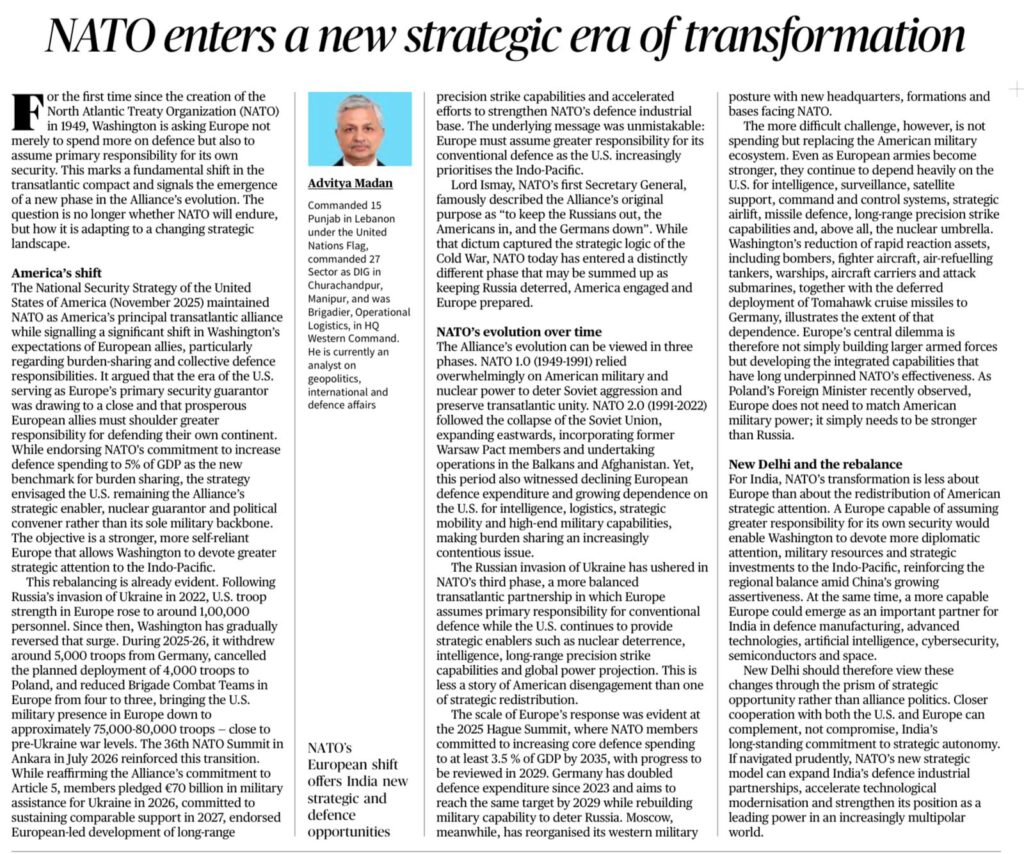
NATO Enters a New Strategic Era of Transformation

Context:
NATO is redefining its security role amid the Russia–Ukraine war and the United States’ strategic shift towards the Indo-Pacific.

This transformation has implications for Europe, the United States and India’s strategic interests.

Basics of NATO

NATO stands for the North Atlantic Treaty Organization.

It was founded in 1949 through the Washington Treaty.

Its headquarters is in Brussels, Belgium.

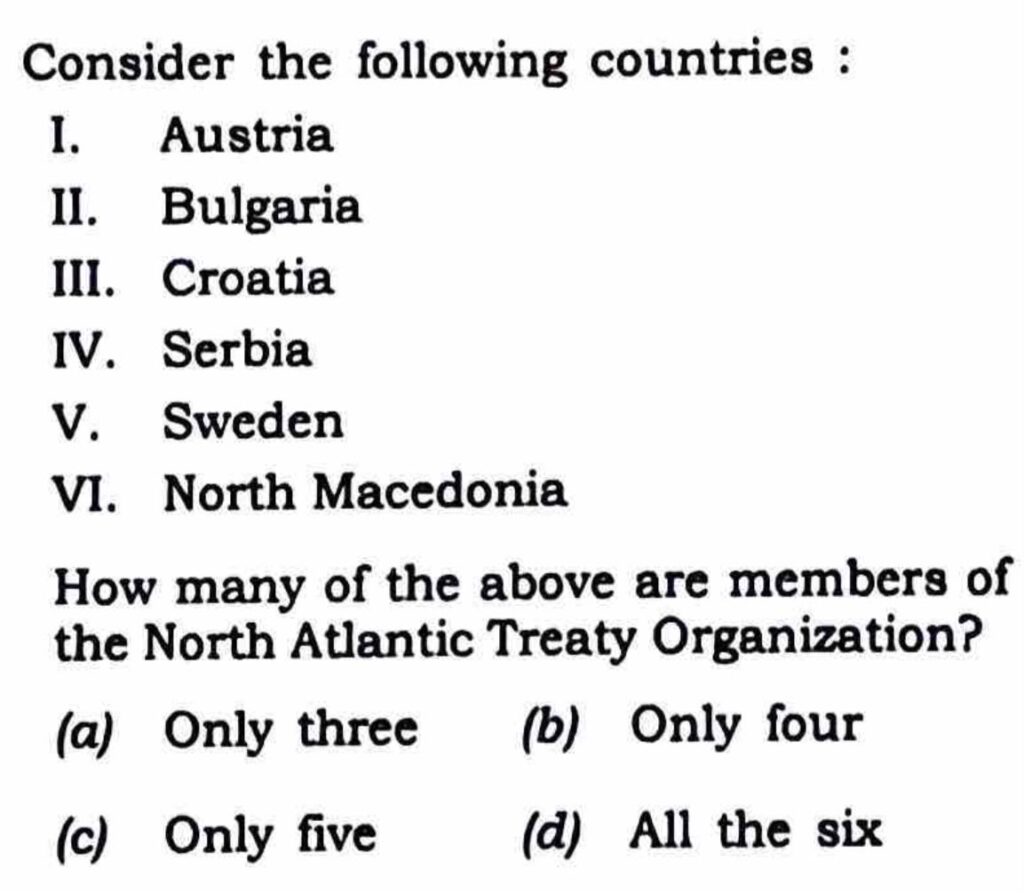
It has 32 members.

Its newest members are:

  • Finland — 2023
  • Sweden — 2024

Article 5

Article 5 is the core principle of NATO.

It means an attack on one member is treated as an attack on all members.

This is the foundation of NATO’s collective defence system.

NATO’s Evolution

1949–1991

During the Cold War, NATO’s main role was to counter the Soviet Union.

1991–2022

After the Cold War, NATO expanded eastwards.

It was also involved in operations in the Balkans and Afghanistan.

2022 Onwards

After the Russia–Ukraine war, NATO renewed its focus on collective defence.

European security has again become central to NATO’s purpose.

Europe Must Become Stronger

The article argues that Europe must take greater responsibility for its own conventional defence.

This means European countries need to:

  • Increase defence spending
  • Improve military preparedness
  • Strengthen industrial defence capacity
  • Reduce excessive dependence on the United States

The United States may continue to provide strategic support through nuclear deterrence, intelligence and missile defence.

However, Washington is increasingly focused on the Indo-Pacific.

Implications for India

Greater U.S. focus on the Indo-Pacific can align with India’s strategic interests.

It may create more space for India-U.S. cooperation in the region.

India may also benefit from deeper cooperation with Europe in:

Key Takeaway

NATO’s transformation shows that Europe must carry more of its own security burden while the United States focuses more on the Indo-Pacific. For India, this creates opportunities for deeper strategic cooperation with both the U.S. and Europe.

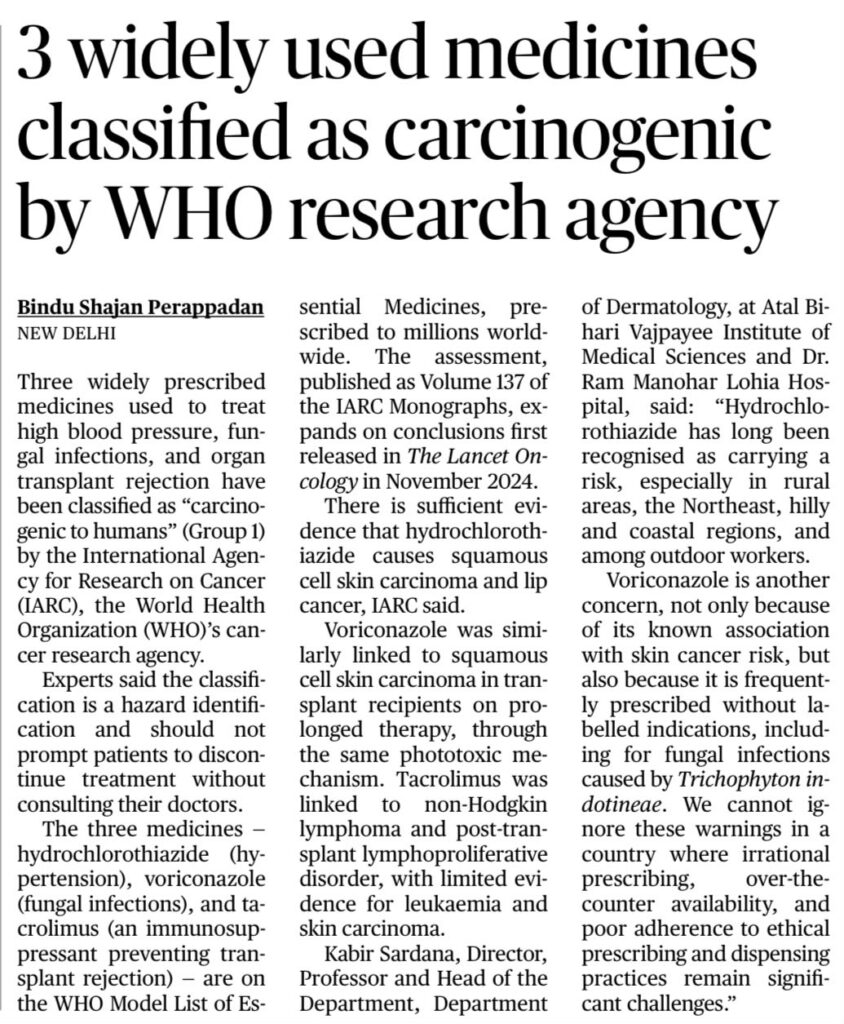
Three Widely Used Medicines Classified as Carcinogenic by WHO Research Agency

Context:
The WHO’s International Agency for Research on Cancer has classified three widely used medicines as Group 1 carcinogens, meaning carcinogenic to humans.

The classification identifies a potential cancer hazard. It does not mean patients should stop treatment without medical advice.

International Agency for Research on Cancer

The International Agency for Research on Cancer, or IARC, is the specialised cancer agency of the World Health Organization.

It evaluates substances and exposures based on cancer risk.

Group 1 Carcinogen

Group 1 means that the agent is classified as carcinogenic to humans.

However, this classification identifies hazard.

It does not automatically mean that every exposure will cause cancer.

Risk depends on dosage, duration, medical need and exposure conditions.

Medicines Classified as Carcinogenic

Hydrochlorothiazide

Hydrochlorothiazide is used to treat hypertension, or high blood pressure.

Voriconazole

Voriconazole is used to treat serious fungal infections.

Tacrolimus

Tacrolimus is an immunosuppressant.

It is used to prevent organ transplant rejection.

Important Caution

Patients should not stop these medicines on their own.

The classification does not mean treatment should be discontinued without consulting doctors.

For many patients, the medical benefit may still outweigh the risk.

Doctors must assess risk based on patient condition, dosage, duration and available alternatives.

Public Health Significance

The classification is important because these medicines are widely used.

It can lead to:

  • Updated medical guidance
  • Stronger monitoring
  • Better patient counselling
  • Risk-benefit assessment
  • Safer prescribing practices

Key Takeaway

The IARC classification is a warning for medical caution, not a call for panic. Patients should not stop prescribed medicines without medical advice.

Copyright © 2026 USARAMBHA EDUCATION (UnderStand UPSC). All Rights Reserved.

Inquiry form for Takshila Residential Program