U.S.–Saudi Civil Nuclear Deal: UPSC IR Analysis 2026
Context: U.S.–Saudi Civil Nuclear Deal
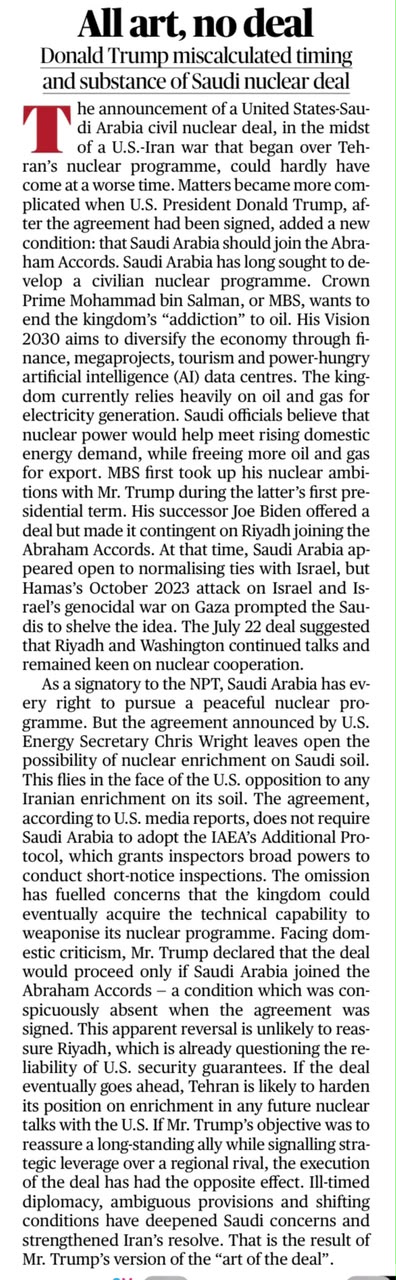
The editorial discusses the United States–Saudi Arabia civil nuclear cooperation agreement and argues that the timing and substance of the deal have created strategic complications.
The agreement was announced amid tensions in West Asia and concerns around Iran’s nuclear programme. It has raised questions about uranium enrichment, IAEA safeguards, the Abraham Accords and the larger nuclear non-proliferation regime.
U.S.–Saudi Civil Nuclear Deal
The United States has announced a civil nuclear cooperation agreement with Saudi Arabia.
Saudi Arabia wants to develop nuclear energy as part of Vision 2030, which aims to diversify its economy and reduce dependence on oil.
Civil nuclear energy can help Saudi Arabia meet rising domestic energy demand and free more oil and gas for export.
Key Concerns
A major concern is the possibility of uranium enrichment on Saudi soil.
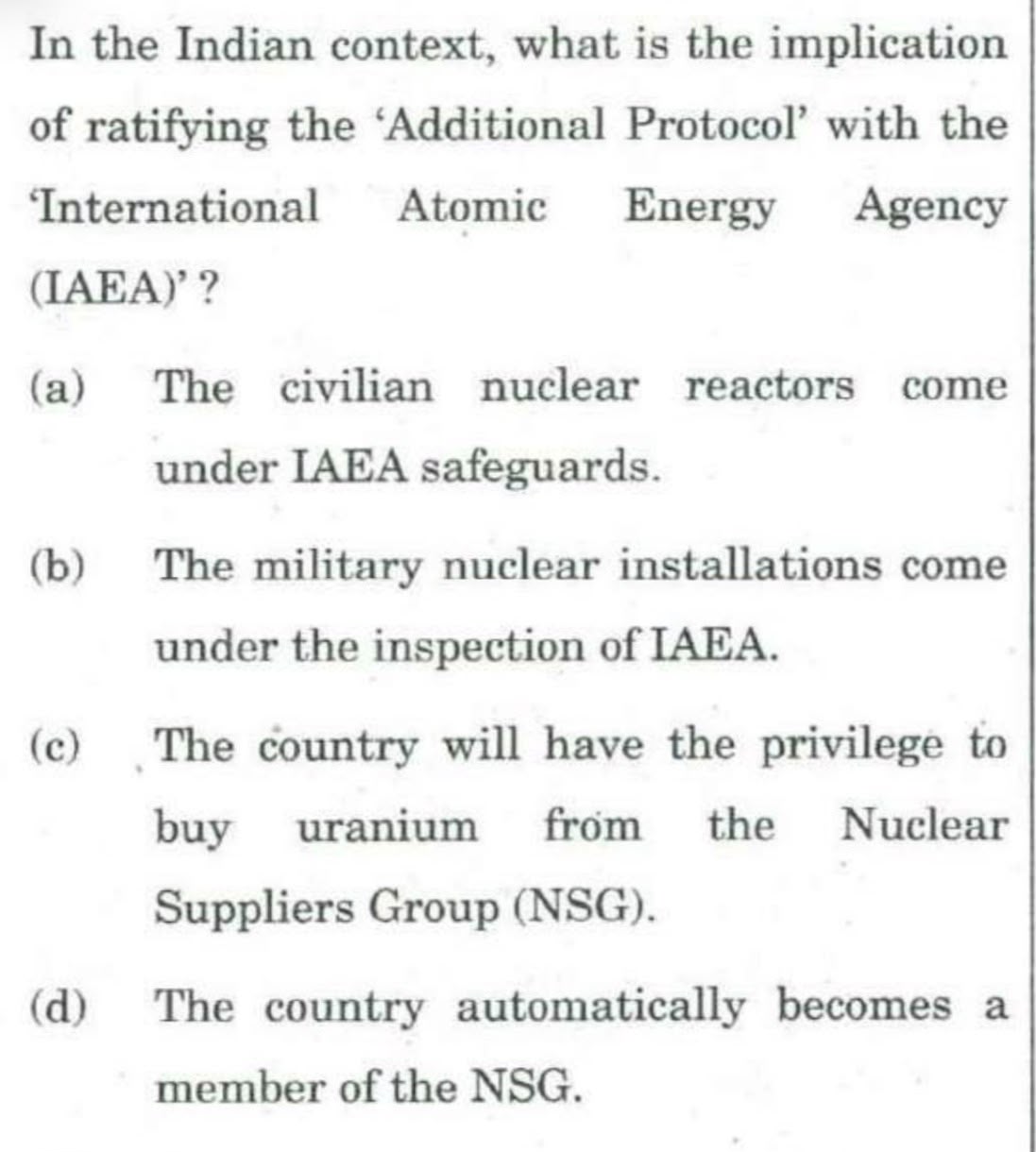
The agreement reportedly does not require Saudi Arabia to adopt the IAEA Additional Protocol, which would have given the International Atomic Energy Agency broader inspection powers.
This has raised fears that the technical capability developed for civilian nuclear use could later be misused for military purposes.
Abraham Accords Link
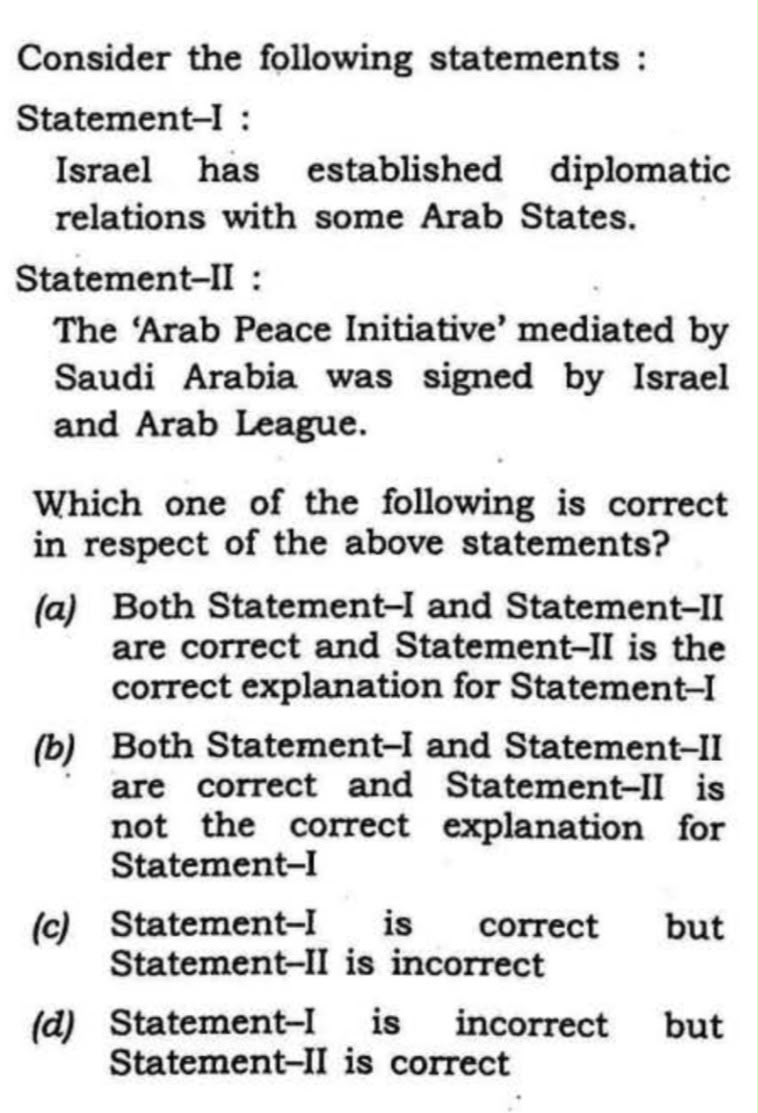
The deal is also linked with Saudi Arabia potentially normalising relations with Israel under the Abraham Accords.
However, the Israel-Gaza conflict and wider instability in West Asia have made such normalisation politically difficult.
This has complicated the diplomatic logic of the agreement.
Abraham Accords
The Abraham Accords are a series of normalisation agreements signed in 2020 between Israel and several Arab countries.
They were brokered by the United States.
Countries involved include:
- United Arab Emirates
- Bahrain
- Morocco
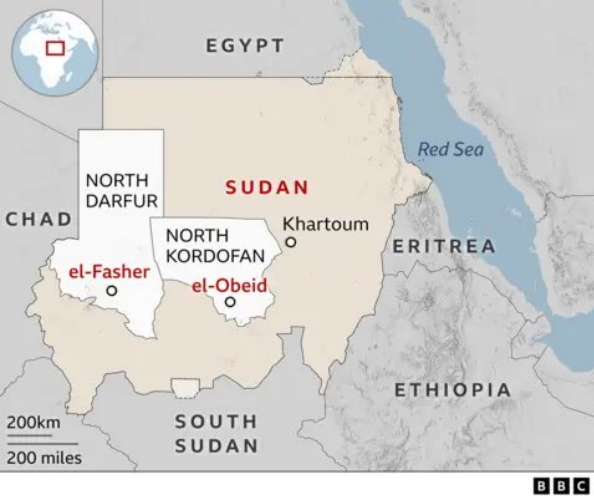
- Sudan
IAEA Additional Protocol
The IAEA Additional Protocol is a legal agreement that gives the International Atomic Energy Agency expanded powers to inspect and verify nuclear programmes.
Its purpose is to ensure that nuclear activities remain peaceful and are not diverted towards weapons development.
Strategic Implications
The deal may affect:
- West Asian security
- Iran’s nuclear calculations
- Israel-Arab normalisation
- Nuclear non-proliferation norms
- U.S. strategic influence in the region
Key Takeaway
The U.S.–Saudi civil nuclear deal may support Saudi Arabia’s energy goals, but without stronger safeguards, it can deepen proliferation risks and further complicate West Asian diplomacy.