🚨 ONLY 2 DAYS LEFT! | FREE UPSC OFFLINE MEETUP 2028/29 REGISTER NOW →

21 Nov 2025

Judiciary SC Verdict UPSC: Supreme Court Says President & Governor Cannot Be Bound by Timelines

Context

The Supreme Court issued its advisory opinion on the 16th Presidential Reference, triggered by the Tamil Nadu case where the court invoked “deemed assent” due to long delays by the Governor in acting on Bills.

Key Constitutional Questions

  1. Can Governors/President be bound to strict timelines?
  2. Can courts create the concept of deemed assent?
  3. Can judicial directions override constitutional discretion under Articles 200 & 201?

SC’s Clarification

  • Judiciary cannot impose fixed timelines on President/Governors.
  • Doing so violates separation of powers and the constitutional scheme.
  • However, constitutional heads cannot engage in prolonged inaction.
  • Courts may direct them to act within a reasonable time, but not dictate outcomes.
  • Article 142 cannot be used to invent doctrines like “deemed assent.”

Balance Restored Between

  • Legislative process
  • Gubernatorial/Presidential discretion
  • Limits of judicial review

Prelims Notes

  • Article 143 – Advisory jurisdiction of SC
  • Article 200 – Governor’s roles on State Bills
  • Article 361 – Immunity of President/Governor
  • Article 142 – “Complete Justice” power
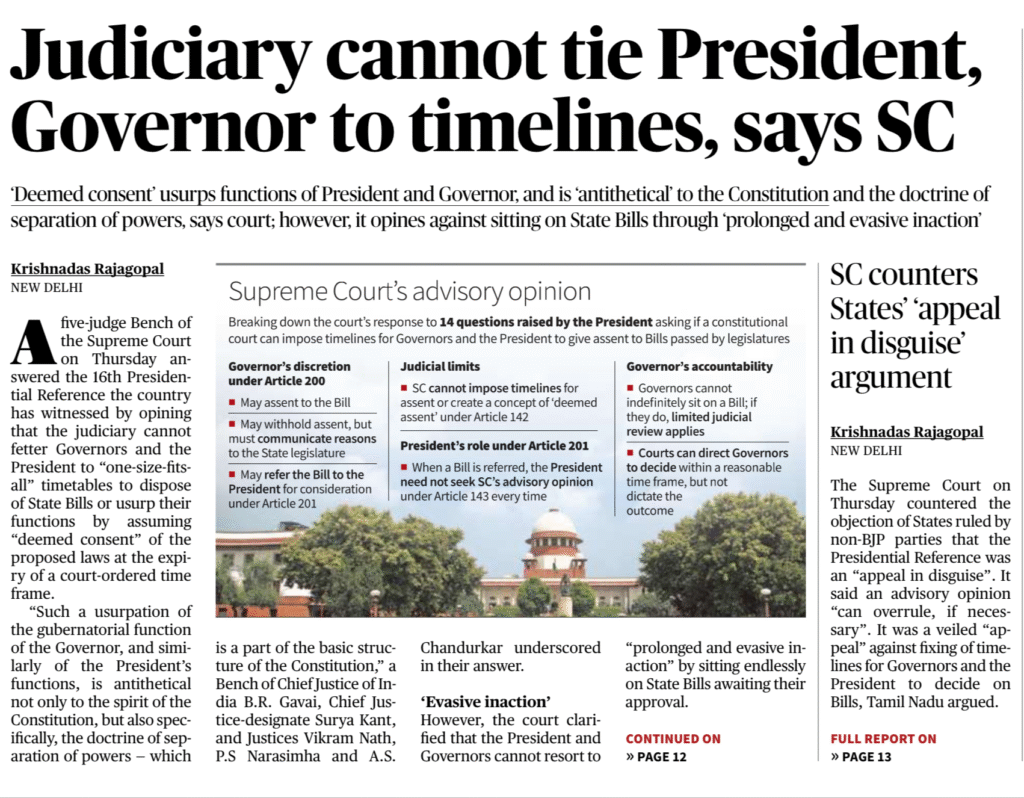
Judiciary Cannot Tie President or Governor to Timelines: SC

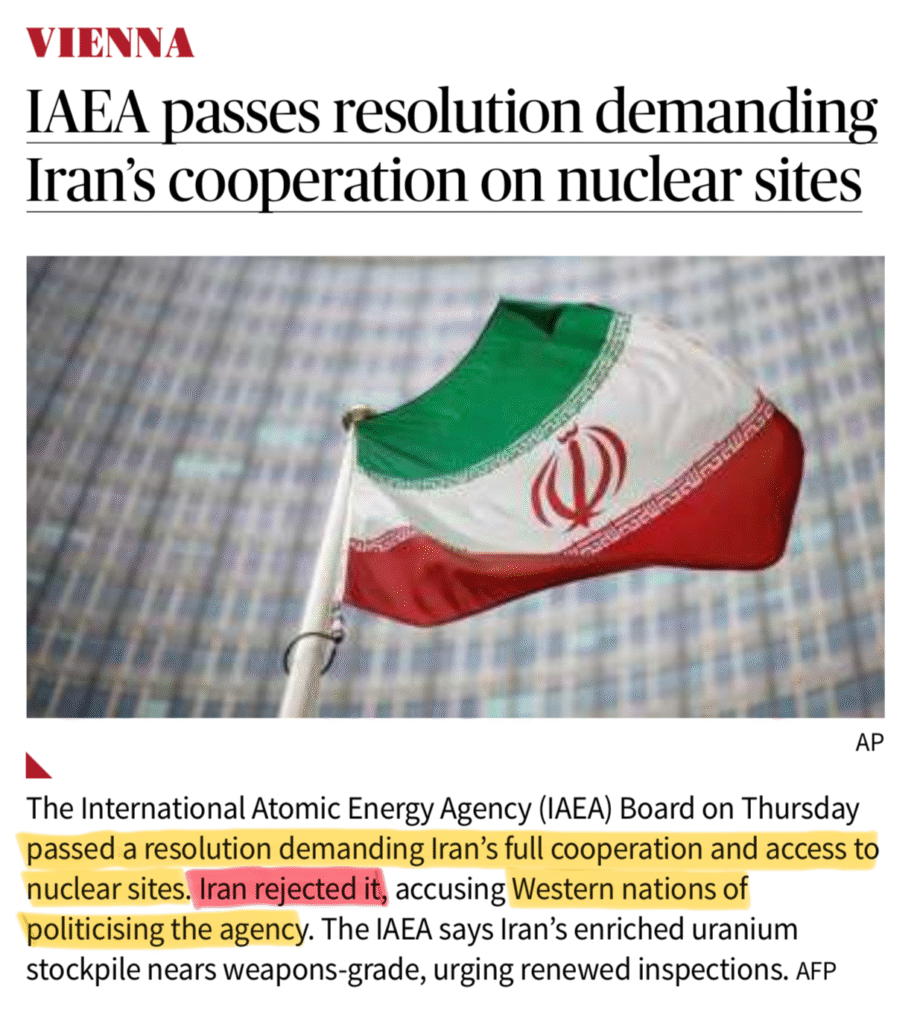
Iran IAEA Nuclear Issue UPSC: IAEA Passes Resolution Seeking Iran’s Cooperation

IAEA Overview

  • Founded: 1957
  • HQ: Vienna, Austria
  • Mandate: peaceful nuclear energy, inspections, non-proliferation
  • Reports to: UNGA & UNSC

Why in News?

IAEA demanded:

  • Full Iranian cooperation
  • Access to undeclared/suspected sites
  • Clarification of unexplained uranium traces

Iran rejected the resolution, accusing the West of politicising the agency.

Screenshot 2025 11 21 at 09.34.35

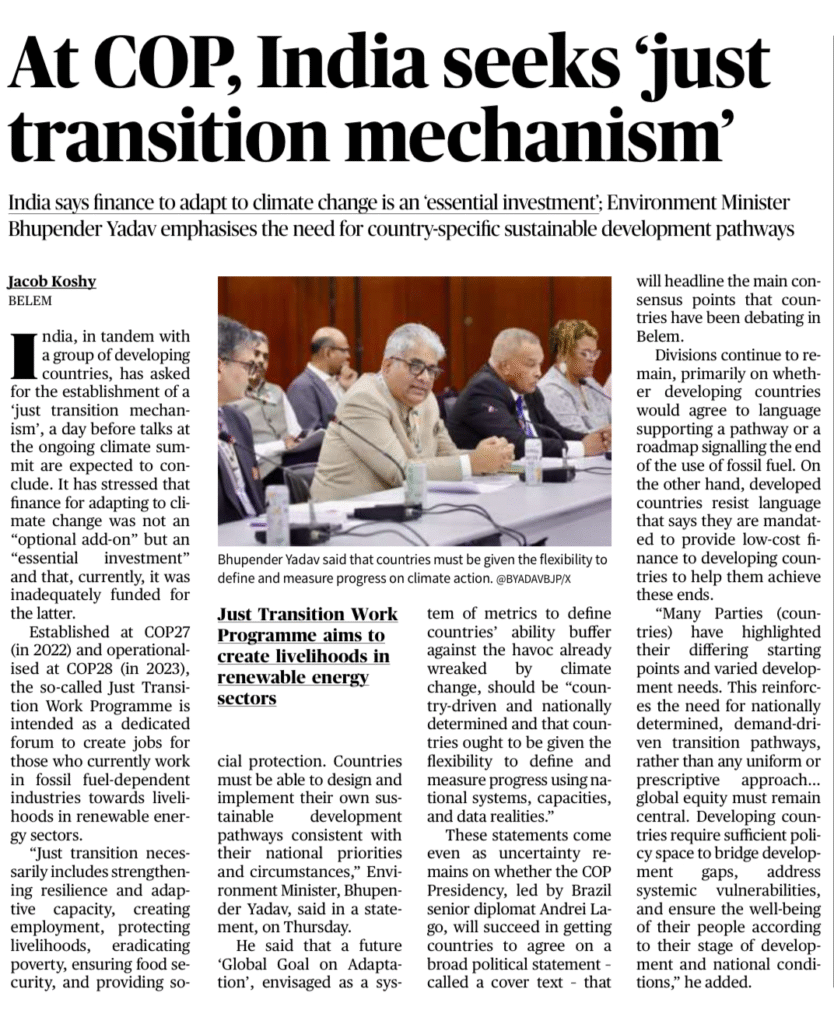
India Climate Change Policy UPSC: India Calls for a ‘Just Transition Mechanism’ at COP

Central Theme

India insists that the global energy transition must be equitable, funded, and aligned with national capabilities.

Context Notes

  • Disagreements continue over fossil-fuel phase-out vs phase-down.
  • India says adaptation finance is insufficient.
  • Just Transition Work Programme (COP27 → operationalised at COP28) aims to support workers shifting away from fossil-fuel economies.
Screenshot 2025 11 21 at 09.26.34

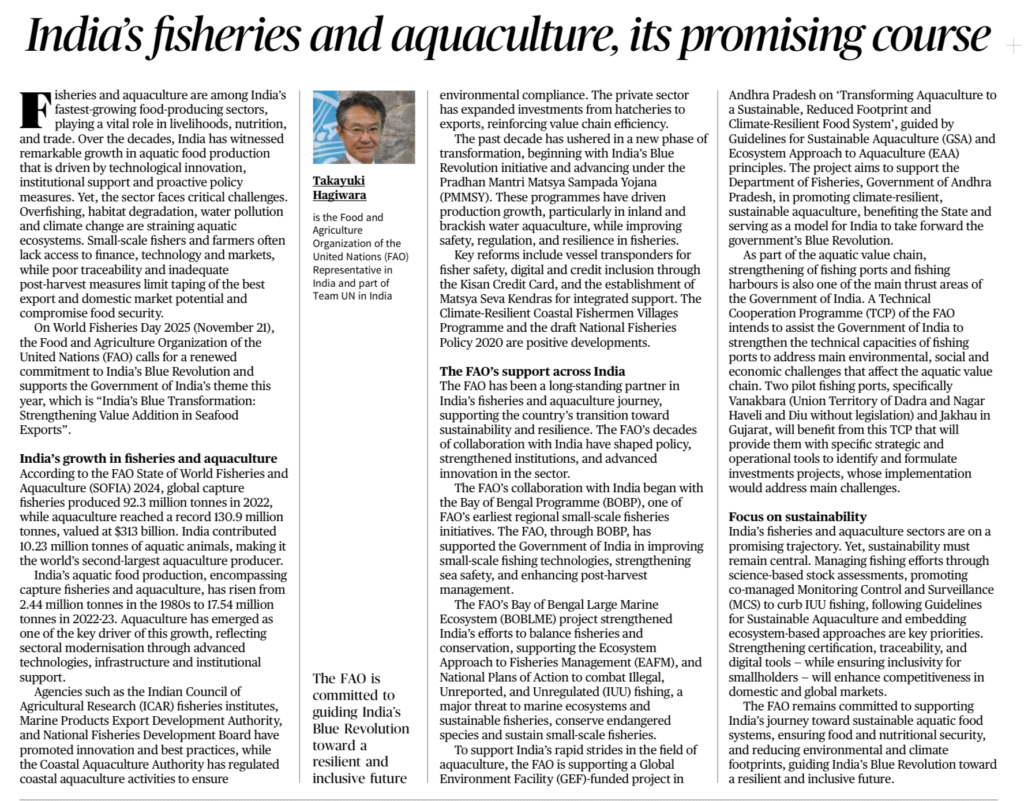
India Fisheries Sector UPSC: Understanding the Growth of Fisheries and Aquaculture in India

Context

India ranks among the world’s largest producers of aquatic foods. Growth driven by technology, policy, and modernisation — but sustainability and fisher welfare remain challenges.

1. Growth Indicators (FAO SOFIA 2024)

  • Global capture fisheries: 92.3 million tonnes
  • Global aquaculture: 130.9 million tonnes
  • India’s total aquatic production: 10.23 million tonnes
  • Indian aquaculture growth: 2.24 million tonnes (1980s) → 17.4 million tonnes (2022-23)

2. Key Government Initiatives

3. Major Challenges

  • Overfishing
  • Habitat loss & water pollution
  • Climate vulnerabilities
  • Poor post-harvest facilities
  • Technology & credit gaps for small-scale fishers
  • Global traceability compliance tightening

4. Sustainability Imperatives

  • Regular stock assessments
  • Traceability for exports
  • Environmental safeguards in aquaculture
  • Small-scale fisher inclusion
  • Climate-resilient practices & ecosystem-based management
Screenshot 2025 11 21 at 08.33.04

Copyright © 2026 USARAMBHA EDUCATION (UnderStand UPSC). All Rights Reserved.

Offline Meetup

Reserve Your Meetup Seat