8 June 2026 | Daily Current Affairs

Somalia and Somaliland: Constitutional Reforms, Political Violence and UPSC Notes

Context: Political Violence in Somalia
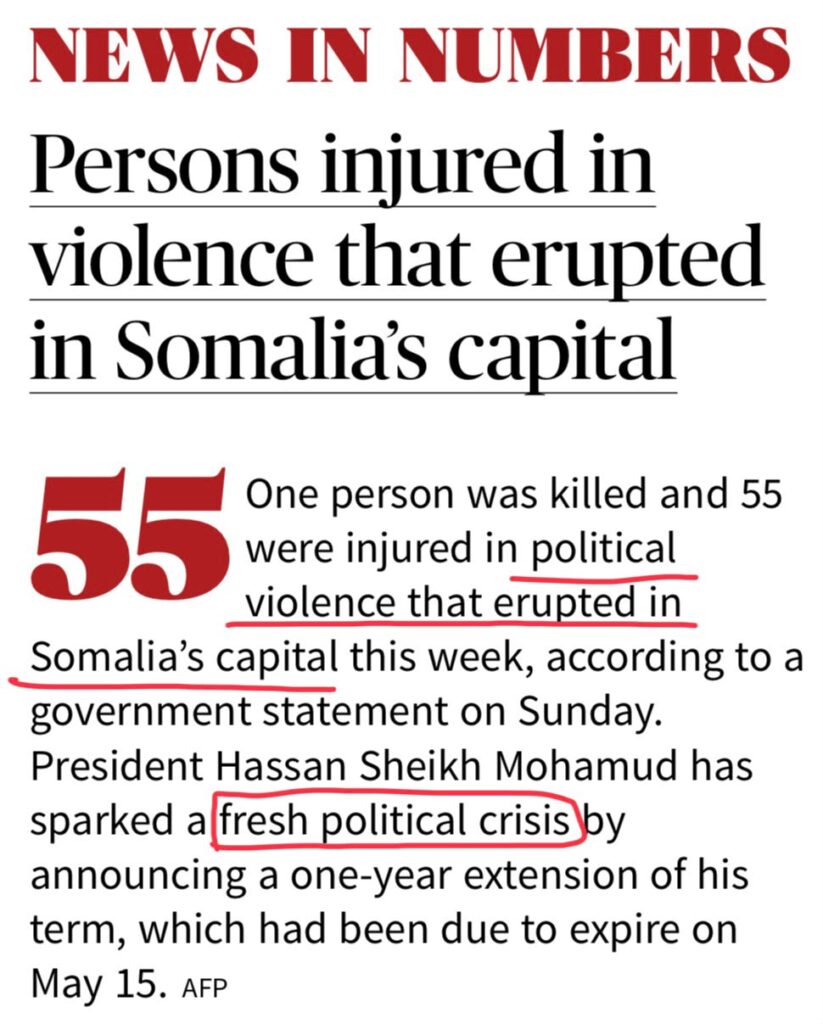
55 people were injured in Mogadishu during protests against constitutional and electoral reforms proposed by President Hassan Sheikh Mohamud.

Somalia and Somaliland: Basics

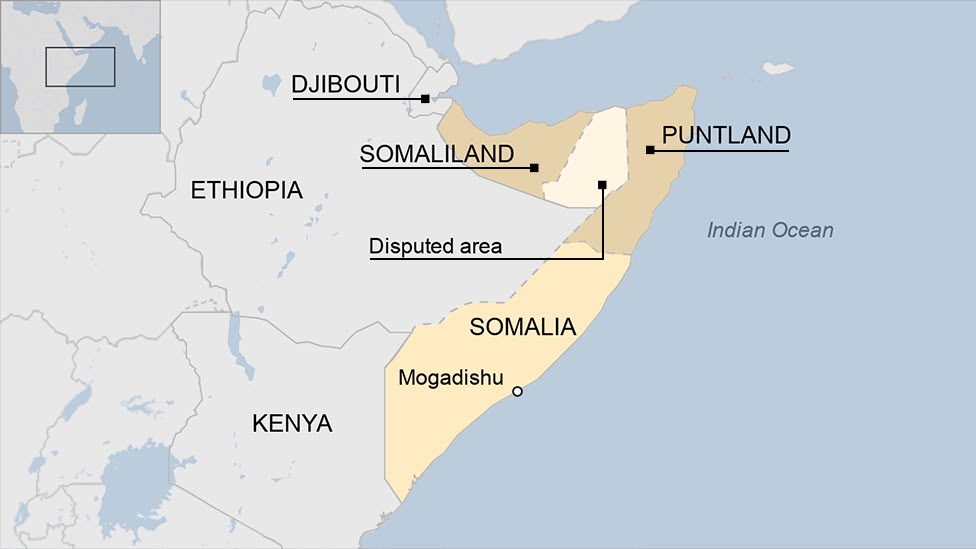
Somalia

  • Located in the Horn of Africa.
  • Capital: Mogadishu.
  • Borders: Djibouti, Ethiopia and Kenya.
  • Water bodies: Gulf of Aden and Indian Ocean.
  • Political instability has continued since the fall of Siad Barre in 1991.

Somaliland

  • Former British Somaliland.
  • United with Italian Somaliland in 1960.
  • Declared independence in 1991.
  • Capital: Hargeisa.
  • Has its own government, parliament, currency and security forces.

Recent Update

  • Ethiopia–Somaliland MoU on Berbera Port: Ethiopia obtained access to the Red Sea through Berbera Port in Somaliland.
  • Israel reportedly became the first country to recognise Somaliland as an independent sovereign state.
  • Somalia opposes any recognition of Somaliland, considering it part of its sovereign territory.

PYQ Link

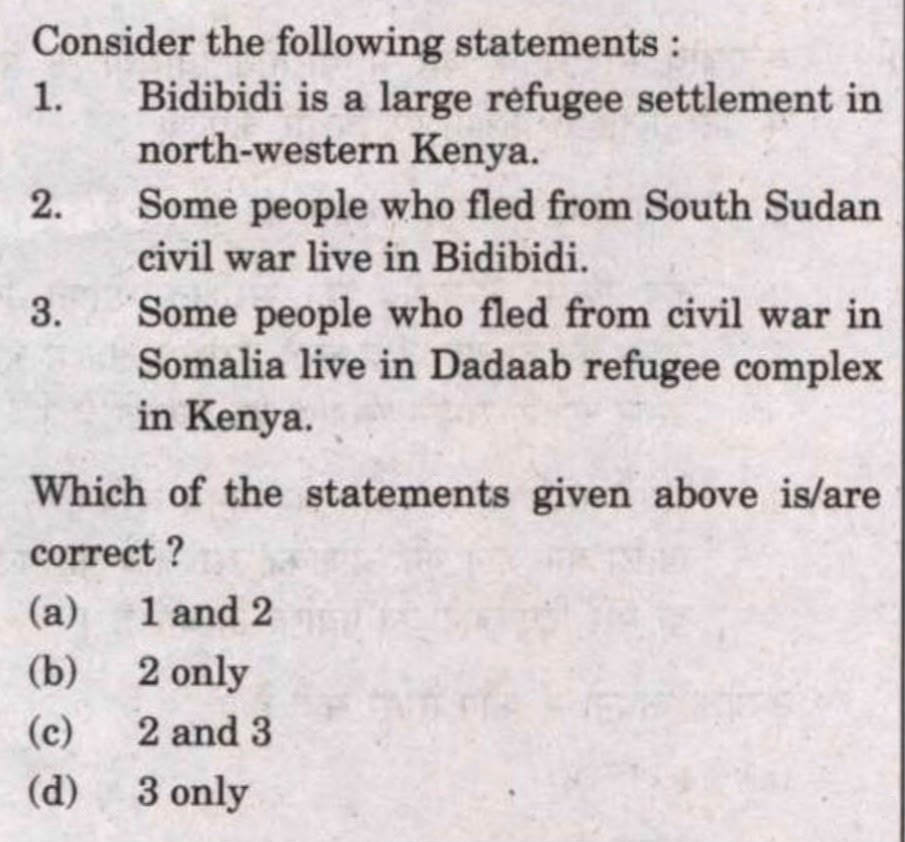
  • Dadaab Refugee Complex in Kenya hosts refugees from Somalia.
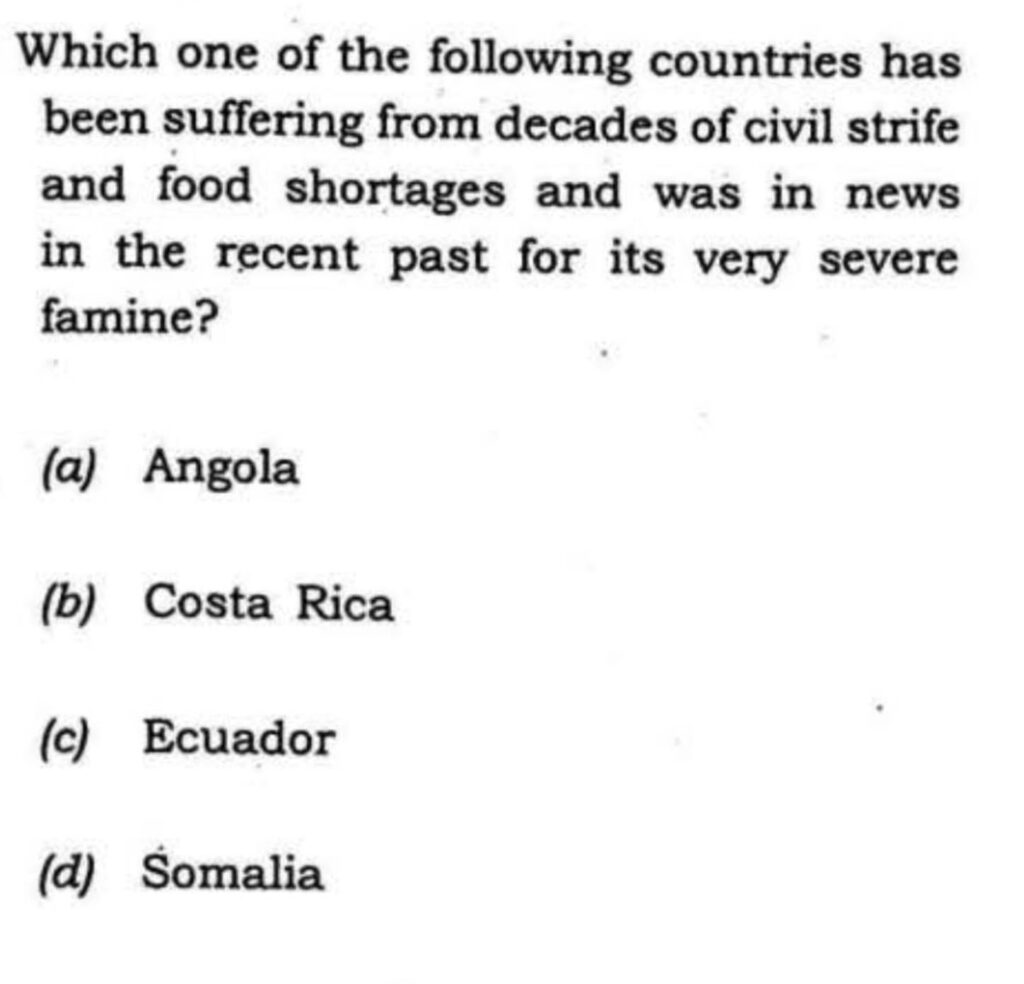
  • Country associated with prolonged civil strife and state collapse: Somalia.
Somalia and Somaliland

United Nations Peacekeeping Operations: Major Abhilasha Barak and India’s Role

Context: Modi Congratulates Major Abhilasha Barak on UN Award
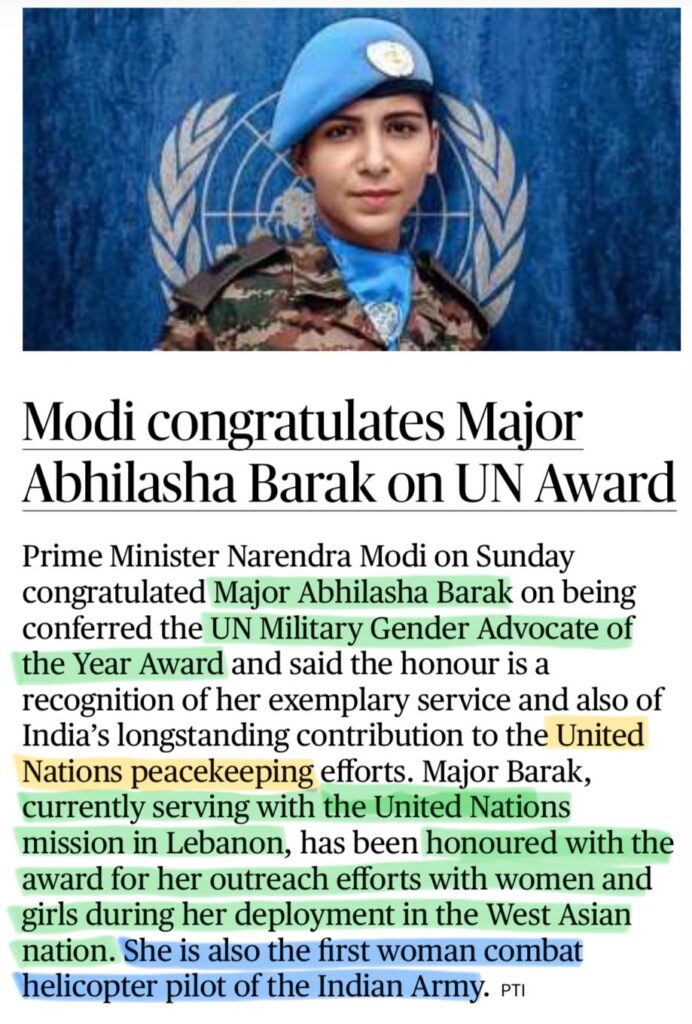
Major Abhilasha Barak, serving with the United Nations Interim Force in Lebanon, received the UN Military Gender Advocate of the Year Award for promoting gender inclusion and community outreach in Lebanon.

United Nations Peacekeeping Operations: Basics

  • Started in 1948 with the United Nations Truce Supervision Organization in West Asia.
  • Objective: Maintain peace, monitor ceasefires, protect civilians and support post-conflict recovery.
  • Principles:
    • Consent of parties
    • Impartiality
    • Limited use of force
  • India is among the largest cumulative troop contributors to United Nations Peacekeeping Missions.

Important UN Missions

UNTSO

  • Region: West Asia
  • Period: 1948–Present
  • First UN Peacekeeping Mission

UNMOGIP

  • Region: India–Pakistan, Jammu and Kashmir
  • Period: 1949–Present

UNIFIL

  • Region: Lebanon
  • Period: 1978–Present

UNDOF

UNMISS

PYQ-Oriented Missions

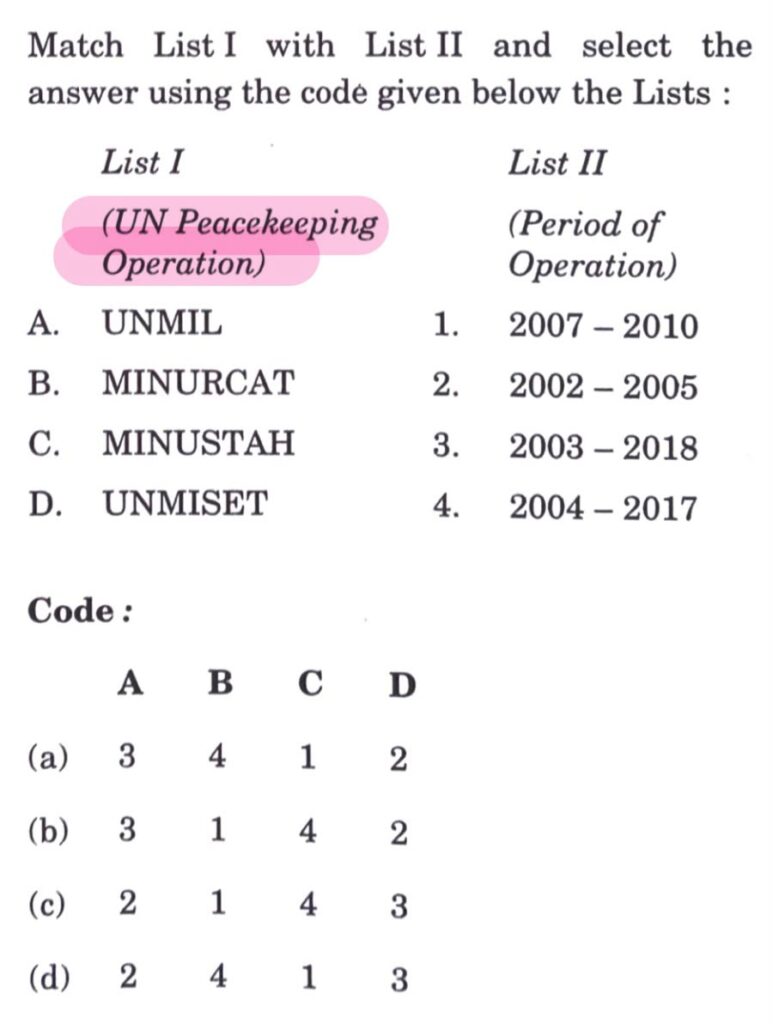
UNMIL

  • Liberia
  • 2003–2018

MINUSTAH

  • Haiti
  • 2004–2017

MINURCAT

  • Chad–Central African Republic
  • 2007–2010

UNMISET

  • Timor-Leste
  • 2002–2005
United Nations Peacekeeping Operations

Kaziranga National Park: Raptor and Stork Diversity Survey 2025

Context: Kaziranga National Park Records 30 Raptor and 6 Stork Species
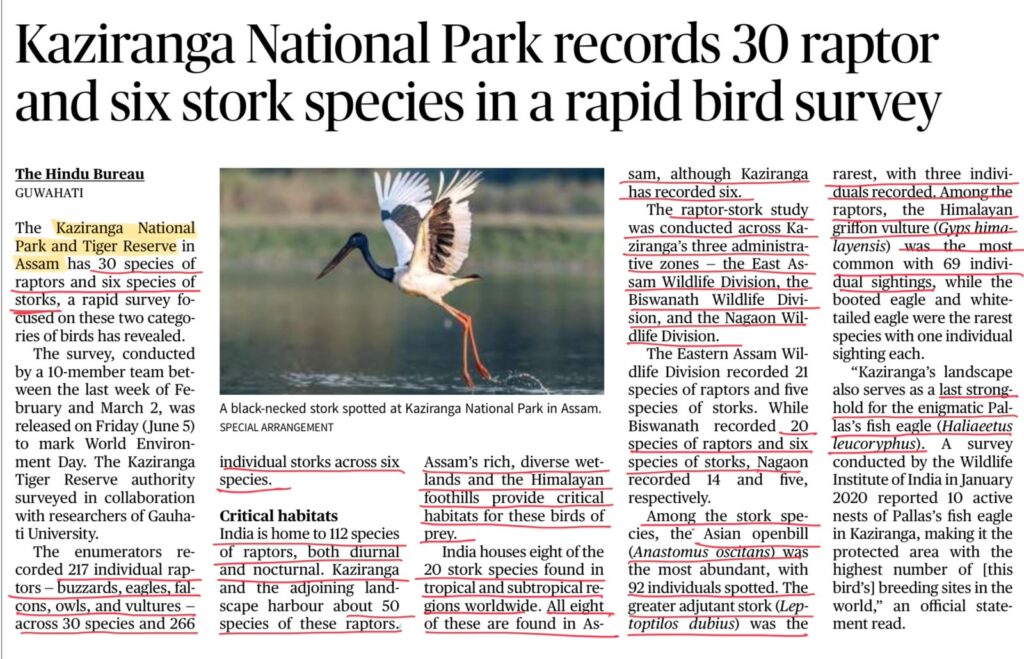
The Kaziranga Avifaunal Diversity Survey 2025 recorded 30 raptor species and 6 stork species in Kaziranga National Park and Tiger Reserve.

Key Findings

Raptors

  • Raptors are birds of prey.
  • They include:
    • Eagles
    • Hawks
    • Falcons
    • Kites
    • Vultures
    • Owls
  • India has 112 raptor species.
  • Kaziranga landscape supports about 50 raptor species.

Notable Sightings

Storks

  • Storks are large wetland birds with long legs and bills.
  • India has 8 stork species.
  • All 8 stork species occur in Assam.
  • Asian Openbill was the most abundant.
  • Greater Adjutant Stork, IUCN Endangered, was the rarest.

Kaziranga National Park and Tiger Reserve

PYQ Link

Kaziranga National Park

Delhi Bird Atlas 2025: Delhi Becomes Second Most Bird-Diverse Capital

Context: Delhi Ranks Second in Bird Diversity Among Global Capitals
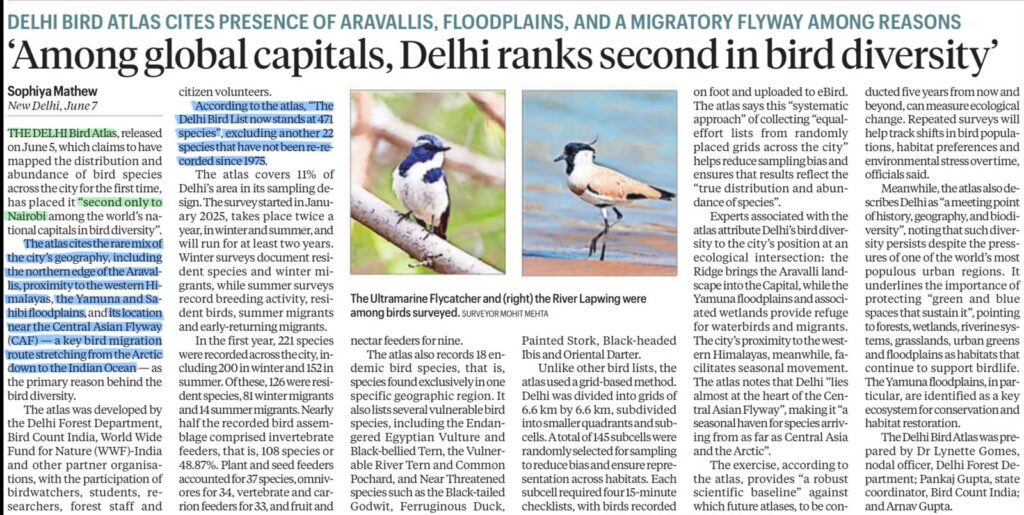
The Delhi Bird Atlas 2025 recorded 471 bird species, making Delhi the second most bird-diverse capital after Nairobi.

Key Findings

Central Asian Flyway

  • A migratory route linking:

PYQ Link

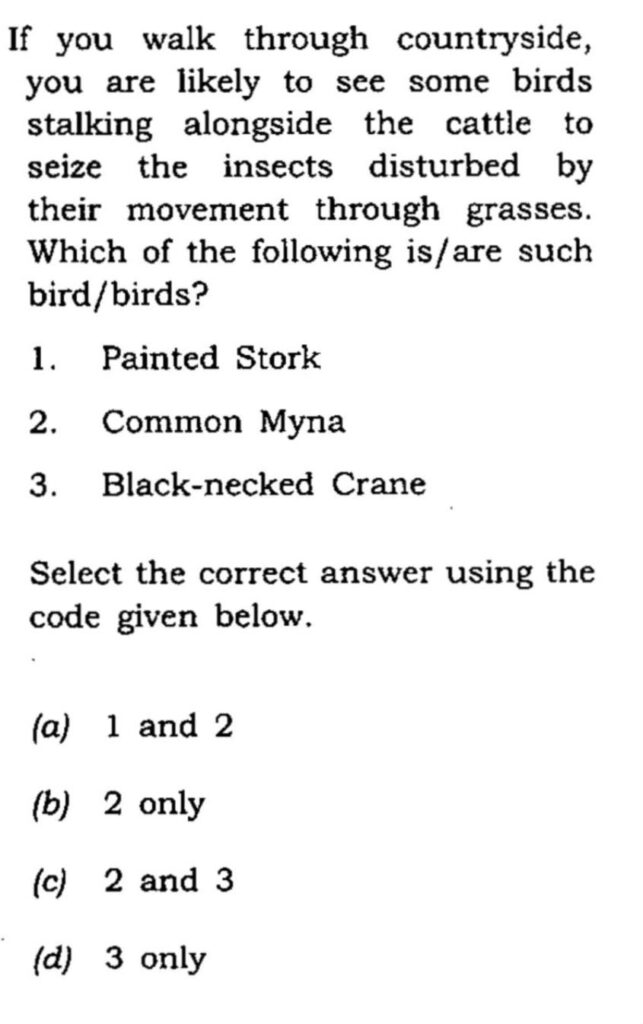
  • UPSC 2014: Bird commonly following cattle to feed on insects disturbed by grazing — Common Myna.
Delhi Bird Atlas 2025

Ordinance Making Power: Supreme Court Judge Strength and Constitutional Debate

Context: The Ordinance Question Before the Supreme Court
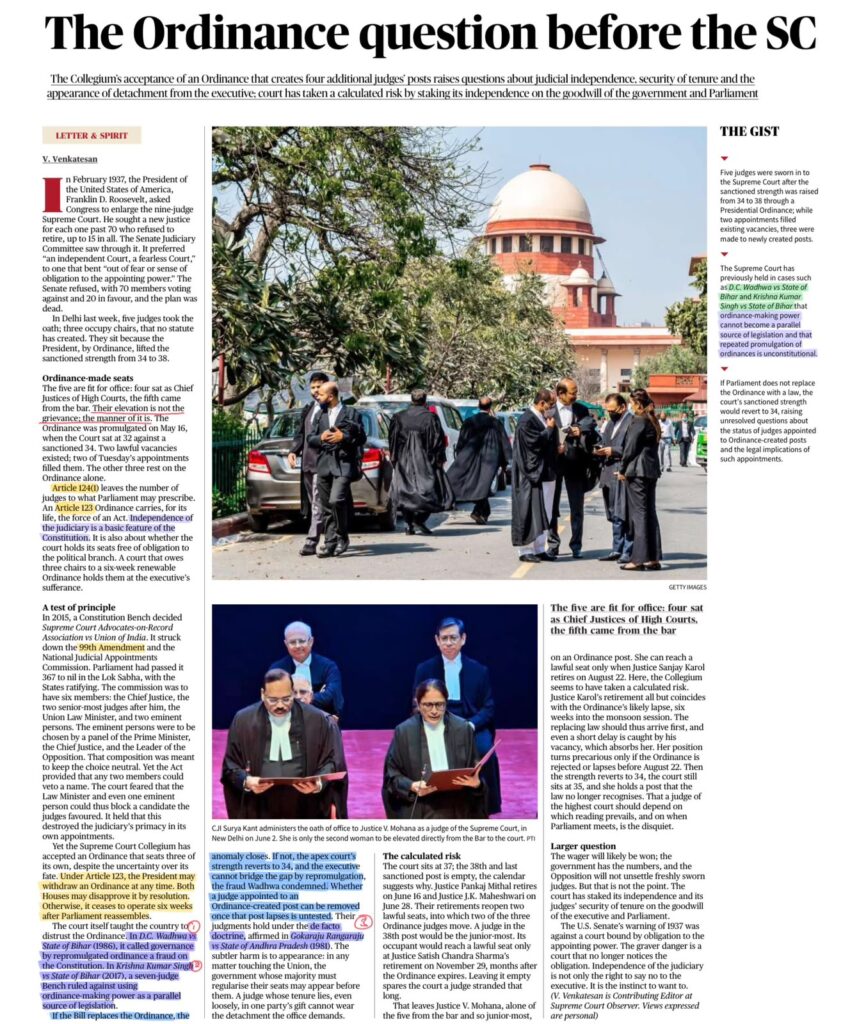
The President promulgated an Ordinance increasing the sanctioned strength of the Supreme Court from 34 to 38 judges, following which five new judges were sworn in. The debate centres on whether changes affecting the higher judiciary should be made through an Ordinance rather than the normal Parliamentary process.

Ordinance-Making Power

Article 123

  • President’s Ordinance.

Article 213

  • Governor’s Ordinance.

Features of Ordinance

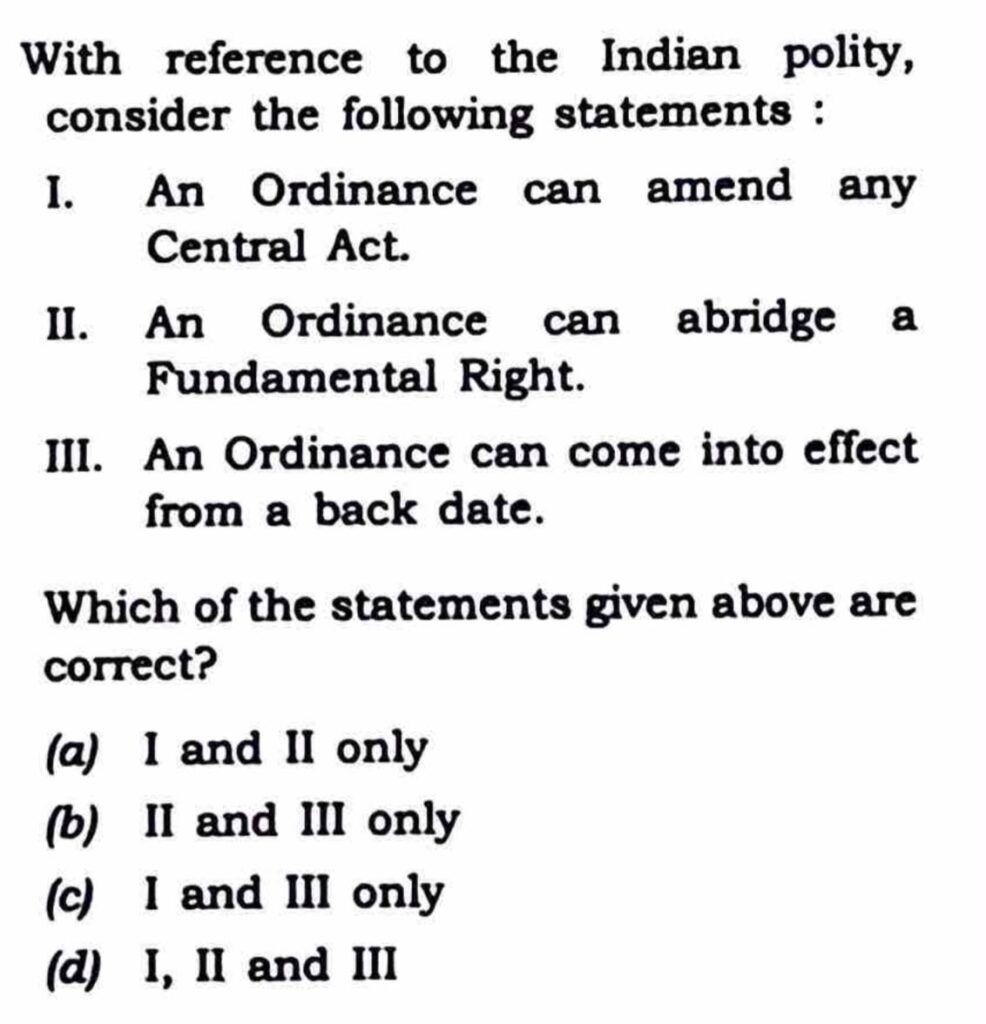
  • Has the same force as an Act of Parliament.
  • Valid till 6 weeks after Parliament reassembles unless approved.
  • Can be withdrawn by the President.
  • Can be rejected by Parliament.

Strength of Judges

Supreme Court

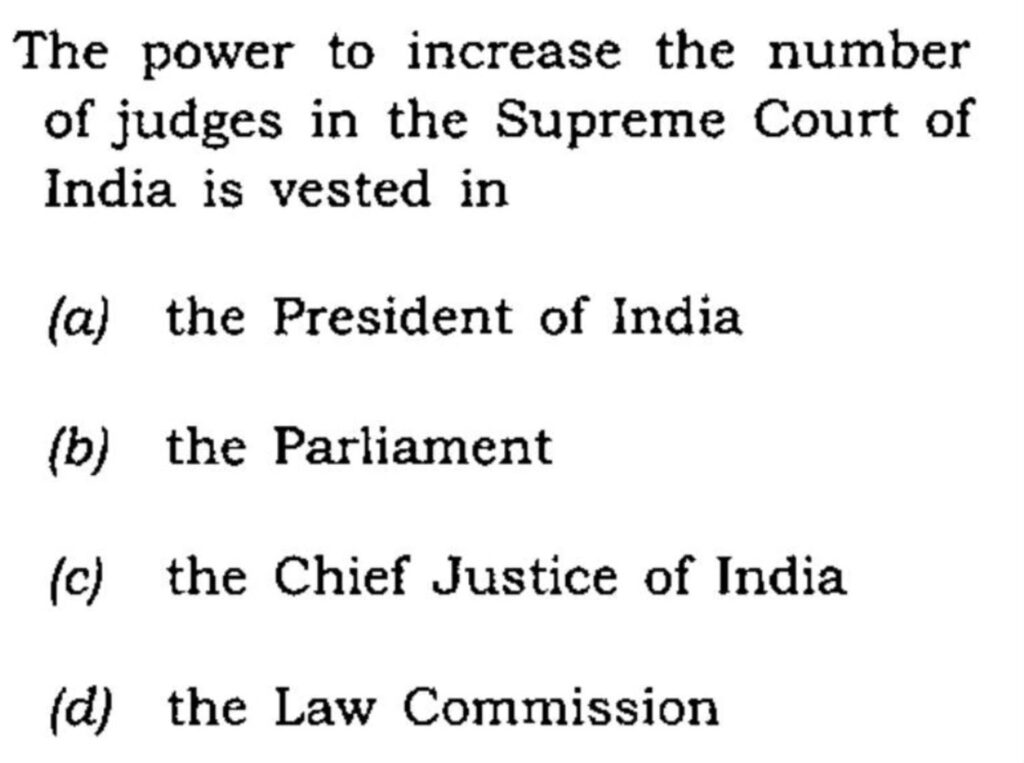
  • Article 124(1): Parliament determines the number of Supreme Court judges by law.

High Court

  • Article 216: President determines the strength of High Court judges.

Constitutional Concern

  • Ordinance power is meant for exceptional situations.
  • It should not become a substitute for regular legislation.
  • The issue raises questions of:
    • Judicial independence
    • Separation of powers
    • Institutional autonomy

Important Supreme Court Judgments

D.C. Wadhwa v. State of Bihar, 1986

  • Re-promulgation of Ordinances is a fraud on the Constitution.

Krishna Kumar Singh v. State of Bihar, 2017, 7-Judge Bench

  • Ordinance power cannot become a parallel source of legislation.

Supreme Court Advocates-on-Record Association v. Union of India, 2015

Ordinance Making Power

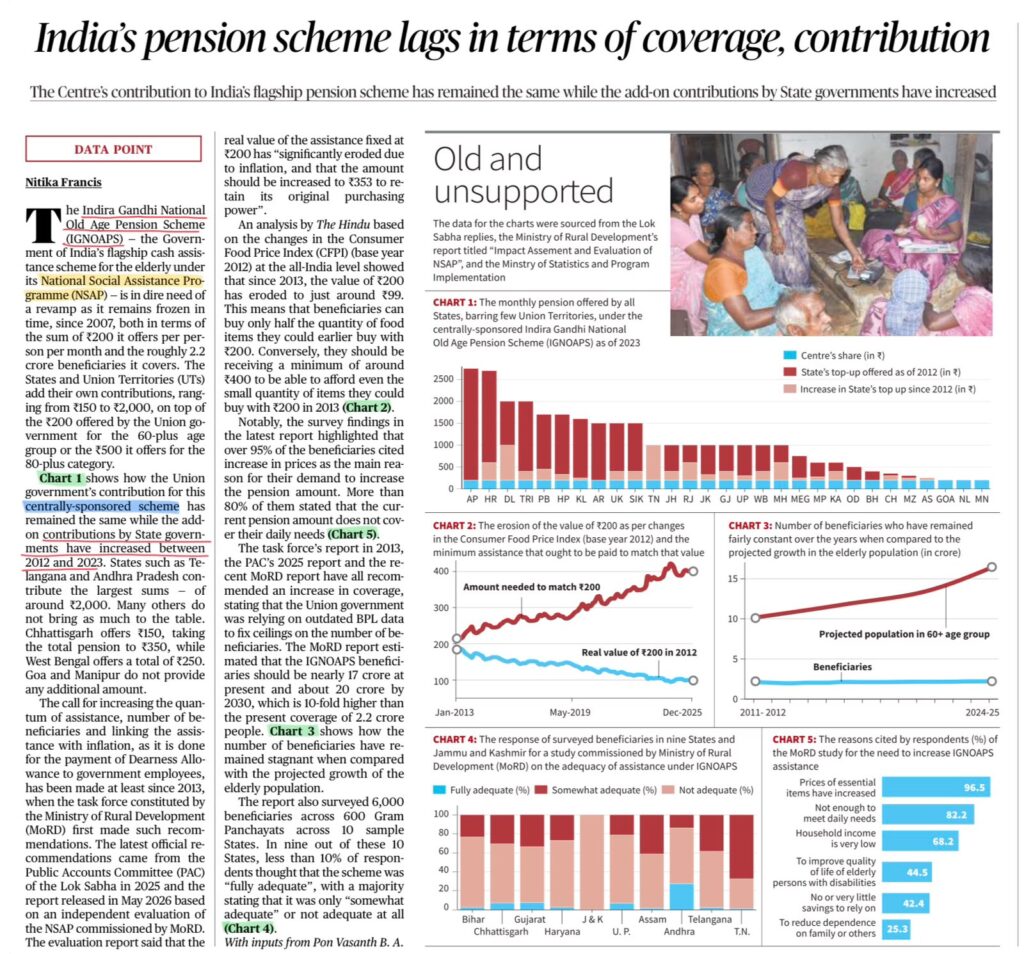
Indira Gandhi National Old Age Pension Scheme: Coverage and Pension Challenges

Context: India’s Pension Scheme Lags in Coverage and Contribution
The Indira Gandhi National Old Age Pension Scheme suffers from low pension amounts, stagnant coverage and erosion of real value due to inflation.

National Social Assistance Programme: Basics

  • Launched: 1995.
  • Ministry: Ministry of Rural Development.
  • Type: Centrally Sponsored Scheme.
  • Objective: Social assistance to elderly, widows and persons with disabilities from poor households.

Components of NSAP

  • Indira Gandhi National Old Age Pension Scheme
  • Indira Gandhi National Widow Pension Scheme
  • Indira Gandhi National Disability Pension Scheme

Indira Gandhi National Old Age Pension Scheme

Age 60–79 years

  • Centre provides ₹200 per month.

Age 80 years and above

  • Centre provides ₹500 per month.

States / Union Territories

  • Provide additional top-ups.

Key Findings

  • Central contribution has remained unchanged since 2007.
  • Beneficiaries remain around 2.2 crore, despite a rapidly growing elderly population.
  • Real value of ₹200 has fallen from ₹200 in 2013 to about ₹99 today due to inflation.
  • To restore the original purchasing power, assistance should be about ₹353 per month.
  • Over 95% beneficiaries cited rising prices as the main concern.
  • Over 80% reported that the pension is insufficient for basic daily needs.
  • Ministry of Rural Development estimates eligible beneficiaries may reach around 20 crore by 2030.
Indira Gandhi National Old Age Pension Scheme
About the UPSC Civil Services Examination (UPSC CSE)

The UPSC Civil Services Examination (CSE) is one of the most competitive and esteemed examinations in India, conducted by the Union Public Service Commission to recruit officers for services such as the Indian Administrative Service (IAS), Indian Police Service (IPS), Indian Foreign Service (IFS), and others. The exam comprises three stages — Prelims, Mains, and the Personality Test (Interview) — designed to test a candidate’s knowledge, aptitude, decision-making, and leadership skills.


How to Prepare Effectively for UPSC CSE

Cracking the UPSC CSE requires a deep understanding of the syllabus, consistent revision, structured answer writing, and smart test-taking strategies. The Prelims test analytical and conceptual clarity, the Mains focuses on critical thinking, articulation, and subject mastery, while the Interview assesses presence of mind, ethical judgment, and personality traits relevant to public service.

At UnderStand UPSC, we empower aspirants with a personalized and focused approach to each stage of the exam.


Why Choose UnderStand UPSC?

UnderStand UPSC is a mentorship-driven platform offering a clear, clutter-free strategy to tackle the Civil Services Examination. Our programs like Transform (for beginners and intermediate learners) and Conquer (for advanced mains preparation) provide structured study plans, syllabus-wise video content, interactive live sessions, and answer writing support.

We emphasize:

  • Concept clarity through topic-wise lectures

  • Test series designed around real UPSC standards

  • Personalized mentorship in small groups

  • Regular performance tracking and peer benchmarking

  • Doubt-clearing sessions, current affairs analysis, and monthly magazines


Join the UnderStand UPSC Learning Community

Our mission is to make UPSC preparation less overwhelming and more strategic. We combine mentorship, discipline, and academic rigor to help you clear CSE with confidence. Whether you’re preparing from Delhi, Mumbai, Bangalore, or a remote village — our online-first model ensures quality guidance reaches every corner of India.

Join the thousands of aspirants who trust UnderStand UPSC to guide their journey toward becoming civil servants.

Stay connected with us through our Telegram, YouTube, and Instagram channels for daily tips, strategies, and updates.

Copyright © 2026 USARAMBHA EDUCATION (UnderStand UPSC). All Rights Reserved.

Start Your
UPSC Journey

Our team will reach out to you soon